Mercedes-Benz GLC vs Toyota bZ
Overview | |
MSRP$49,250 | MSRP$34,900 |
Listings902 | Listings16 |
Ratings & Reviews | |
User Reviews | User Reviews |
Expert reviews8.3 out of 10 | Expert reviews6.5 out of 10 |
Pros
Cons
| Pros
Cons
|
Reviews SummaryMercedes’ handsome compact SUV continues into the 2025 model year with a few revisions and a new plug-in hybrid electric vehicle (PHEV) variant. With just two powertrain options and a simplified array of trims, the GLC shows us that a simple-yet-measured approach makes it a strong candidate up against compact luxury SUVs from Audi, BMW, Genesis, Lexus, Porsche, and Volvo. Verdict: The 2025 Mercedes-Benz GLC-class is a handsome and compelling new car fit for most duties. | |
Reviews SummaryReaders are looking at the electric vehicle formerly known as the bZ4X. It wears a shorter name for 2026, but that’s not the big news. More power, over 300 miles of range, a standard NACS charging port (with a CCS adapter), and Plug & Charge capability are all major improvements. Toyota has also tidied-up the styling—inside and out—and added a larger infotainment screen. Verdict: With the refreshed 2026 bZ, Toyota has fixed the bZ4X’s most significant flaws, making this a genuinely competitive model at a comparatively affordable price. | |
No video found | No video found |
Popular Features & Specs | |
Engine2.0L 255 hp I4 | Engine168 hp Electric |
DrivetrainRWD | DrivetrainFWD |
Seating Capacity5 | Seating Capacity5 |
Horsepower255 hp @ 5800 rpm | Horsepower |
EV Battery Capacity | EV Battery Capacity57.7 kWh |
MPG City24 | MPG City143 |
MPG Highway32 | MPG Highway119 |
Battery Charge Time (240V) | Battery Charge Time (240V)6 hours |
Engine | |
Engine Name2.0L 255 hp I4 | Engine Name168 hp Electric |
Torque295 lb-ft @ 1800 rpm | Torque |
Horsepower255 hp @ 5800 rpm | Horsepower |
Battery Charge Time (240V) | Battery Charge Time (240V)6 hours |
DrivetrainRWD | DrivetrainFWD |
Fuel Economy | |
EV Battery Capacity | EV Battery Capacity57.7 kWh |
MPG City24 | MPG City143 |
MPG Highway32 | MPG Highway119 |
Interior | |
Seating Capacity5 | Seating Capacity5 |
Key Features | |
Navigation System | Navigation SystemOptional |
Dimensions & Capacity | |
Cargo Space21.9 cu ft | Cargo Space27.7 cu ft |
Curb Weight4167 lbs | Curb Weight4057 lbs |
Height64.6 in | Height65.0 in |
Length185.7 in | Length184.6 in |
Width81.7 in | Width73.2 in |
Wheelbase113.7 in | Wheelbase112.2 in |
Maximum Payload1256 lbs | Maximum Payload1045 lbs |
Number of doors4 | Number of doors4 |
Maximum Towing Capacity3500 lbs | Maximum Towing Capacity |
Overview | ||
MSRP | $49,250 | $34,900 |
Listings | ||
Ratings & Reviews | ||
User reviews | ||
Expert reviews | 8.3 out of 10Read full review | 6.5 out of 10Read full review |
Pros & cons | Pros
Cons
| Pros
Cons
|
Summary | Mercedes’ handsome compact SUV continues into the 2025 model year with a few revisions and a new plug-in hybrid electric vehicle (PHEV) variant. With just two powertrain options and a simplified array of trims, the GLC shows us that a simple-yet-measured approach makes it a strong candidate up against compact luxury SUVs from Audi, BMW, Genesis, Lexus, Porsche, and Volvo. Verdict: The 2025 Mercedes-Benz GLC-class is a handsome and compelling new car fit for most duties. | Readers are looking at the electric vehicle formerly known as the bZ4X. It wears a shorter name for 2026, but that’s not the big news. More power, over 300 miles of range, a standard NACS charging port (with a CCS adapter), and Plug & Charge capability are all major improvements. Toyota has also tidied-up the styling—inside and out—and added a larger infotainment screen. Verdict: With the refreshed 2026 bZ, Toyota has fixed the bZ4X’s most significant flaws, making this a genuinely competitive model at a comparatively affordable price. |
Video | No video found | No video found |
Popular Features & Specs | ||
Engine | 2.0L 255 hp I4 | 168 hp Electric |
Drivetrain | RWD | FWD |
Seating Capacity | 5 | 5 |
Horsepower | 255 hp @ 5800 rpm | |
EV Battery Capacity | 57.7 kWh | |
MPG City | 24 | 143 |
MPG Highway | 32 | 119 |
Battery Charge Time (240V) | 6 hours | |
Engine | ||
Engine Name | 2.0L 255 hp I4 | 168 hp Electric |
Torque | 295 lb-ft @ 1800 rpm | |
Horsepower | 255 hp @ 5800 rpm | |
Battery Charge Time (240V) | 6 hours | |
Drivetrain | RWD | FWD |
Fuel Economy | ||
EV Battery Capacity | 57.7 kWh | |
MPG City | 24 | 143 |
MPG Highway | 32 | 119 |
Interior | ||
Seating Capacity | 5 | 5 |
Key Features | ||
Navigation System | Optional | |
Dimensions & Capacity | ||
Cargo Space | 21.9 cu ft | 27.7 cu ft |
Curb Weight | 4167 lbs | 4057 lbs |
Height | 64.6 in | 65.0 in |
Length | 185.7 in | 184.6 in |
Width | 81.7 in | 73.2 in |
Wheelbase | 113.7 in | 112.2 in |
Maximum Payload | 1256 lbs | 1045 lbs |
Number of doors | 4 | 4 |
Maximum Towing Capacity | 3500 lbs | |
The 2025 Mercedes-Benz GLC was a visual delight, adhering closely to Mercedes’ contemporary design ethos. Its taut lines and muscular shape flowed elegantly from the signature Mercedes star pattern grille to the standard LED headlights, creating a sense of sophistication and capability. The taller, upright cabin and short overhangs suggested a multi-terrain prowess, particularly in models without the AMG Line's painted wheel arch liners. The GLC's crisp headlights and intricately detailed tail lights ensured its aesthetic appeal would remain fresh for years. The optional 20-inch AMG five-spoke wheels further enhanced its athletic stance. Inside, the GLC exuded luxury with beautifully designed, contrasting-leather-adorned interior door panels and premium materials. The GLC 350e PHEV featured supple white leather seats with heating and ventilation options, offering great adjustability and a commanding view of the road. The interior was a blend of piano black plastic, faux carbon fiber, satin-stitched leather, and painted aluminum trim, creating a harmonious and luxurious environment.
The 2026 Toyota bZ presented a more refined appearance compared to its predecessor, the bZ4X, especially with body-color trim replacing the black overfender trim. The XLE test vehicle, equipped with FWD and the optional larger battery, showcased a cleaner dashboard and center console, enhancing the sense of quality and organization. The fabric seats featured an upscale pattern, and the 14-inch center touchscreen integrated climate control, offering a user-friendly experience despite the absence of one-pedal driving capability. The digital driver display, however, was criticized for its placement and readability. The bZ's exterior design improvements and interior enhancements contributed to a more appealing and functional vehicle, although some ergonomic issues persisted.

The 2025 Mercedes-Benz GLC offered a range of powertrains, including the GLC 300 with RWD or AWD and the GLC 350e 4Matic plug-in hybrid. The 2.0-liter turbocharged four-cylinder engine produced 255 horsepower and 295 pound-feet of torque in the GLC 300, while the 350e's output was slightly lower at 201 hp and 236 lb-ft. The GLC 300's mild-hybrid system added 23 hp and 148 lb-ft of torque, enabling a 6.2-second 0-60 mph time. The 350e's hybrid system, with a 23.3-kWh battery and electric motor, delivered a combined output of 313 hp and 406 lb-ft, matching the 300's 0-60 time despite its additional weight. The GLC excelled in ride quality, steering, and handling, offering a solid and composed driving experience. Its braking performance was adequate, with regenerative braking enhancing efficiency. The 350e's electric range was impressive, and the hybrid mode prioritized electricity over internal combustion, providing a seamless driving experience.
The 2026 Toyota bZ offered various configurations, including the XLE with FWD and a 57.7-kWh battery, producing 165 horsepower and 198 pound-feet of torque. The optional 74.7-kWh battery increased power to 224 hp and extended the range to 314 miles. Dual-motor models with the larger battery produced 338 hp, with varying ranges and efficiency ratings. The bZ's charging capabilities included compatibility with Tesla Superchargers and a CCS adapter for versatile charging options. Efficiency tests showed favorable results, with the bZ averaging 4.5 miles per kWh in Eco mode. The bZ's driving experience was agreeable around town, with good visibility and standard parking sensors. However, its highway performance was less robust, and the ride could be choppy on uneven surfaces. The FWD bZ struggled on winding roads, with lifeless steering and front wheelspin issues.
The 2025 Mercedes-Benz GLC offered a commanding view of the road, with ample hip, shoulder, and legroom in the front seats, even for taller drivers. However, the rear seats were somewhat tight on leg and headroom, a common issue in the compact crossover segment. The GLC's clever front seat design allowed for more rear legroom, though not enough for passengers to stretch out. The GLC's boxy shape provided 21.9 cubic feet of cargo space, expandable to 52.6 cubic feet with the rear seats folded. This practicality was enhanced by the split rear seat, which dropped instantly via buttons, allowing for easy storage of larger items. The GLC's hybridization contributed to an estimated fuel economy of 29.3 mpg, with the 350e offering impressive efficiency in both hybrid and all-electric modes.
The 2026 Toyota bZ, built on a skateboard-style EV platform, offered easy entry and exit with 8.1 inches of ground clearance. The front seats featured standard height adjustment, with eight-way power adjustment in both XLE and Limited trims. Heated front seats and a heated steering wheel were standard, with ventilated seats in the Limited trim. The bZ lacked a traditional glove compartment but compensated with ample storage options, including a large bin under the center armrest and a sizable tray beneath the center console. Rear-seat passengers enjoyed plenty of legroom, though foot space was tight. The bZ offered 27.7 cubic feet of cargo space, expandable to 56.9 cubic feet with the rear seats folded, though the rakish rear window limited maximum cargo space.
The 2025 Mercedes-Benz GLC featured the third-generation MBUX infotainment system, with haptic controls for steering wheel, climate, and infotainment functions. The 11.9-inch touchscreen required some adjustment to swipe intensity, and the sluggish response could be confusing. Despite these challenges, wireless Apple CarPlay and Bluetooth connected seamlessly, and the screen resolution was excellent. The Burmester 3D surround sound system enhanced the driving experience, with customizable ambient lighting adding to the vehicle's appeal.
The 2026 Toyota bZ came standard with a 7-inch digital driver display and a new 14-inch touchscreen infotainment display. The driver display's placement and readability were criticized, while the 14-inch display ran the Toyota Audio Multimedia system, which was generally user-friendly. However, the lack of a home screen and low-contrast colors in daytime mode were drawbacks. The system supported wireless Apple CarPlay and Android Auto, with various connected service plans available. The Drive Connect feature powered the native navigation system and Intelligent Assistant, which performed well in testing.
The 2025 Mercedes-Benz GLC came equipped with advanced safety features, including blind-spot monitoring, active parking assistance, automatic high beams, rain-sensing windshield wipers, and active braking assistance. The optional Driver Assistance Package added adaptive cruise control, steering assist, lane-change assist, lane-keep assist, automatic emergency braking, evasive maneuvering, and speed limit assist. These features worked harmoniously, providing a smooth and stress-free driving experience.
The 2026 Toyota bZ featured Toyota Safety Sense 3.0, which included high-beam assist, forward-collision warning, automatic emergency braking, lane-departure warning, lane-keep assist, lane-centering assist, and adaptive cruise control. Proactive Driving Assist added subtle braking and steering inputs for extra safety. Other standard features included blind-spot monitors, rear cross-traffic alert, safe-exit assist, and parking sensors. The Limited trim offered additional features like Traffic Jam Assist and Advanced Park Assist. The bZ's adaptive cruise control response was inconsistent, and the driver monitoring system was overly sensitive. The IIHS rated the bZ's front-crash avoidance tech as Good, but the headlights received a Poor rating, and frontal-impact crash tests earned Acceptable ratings.
CarGurus highlights
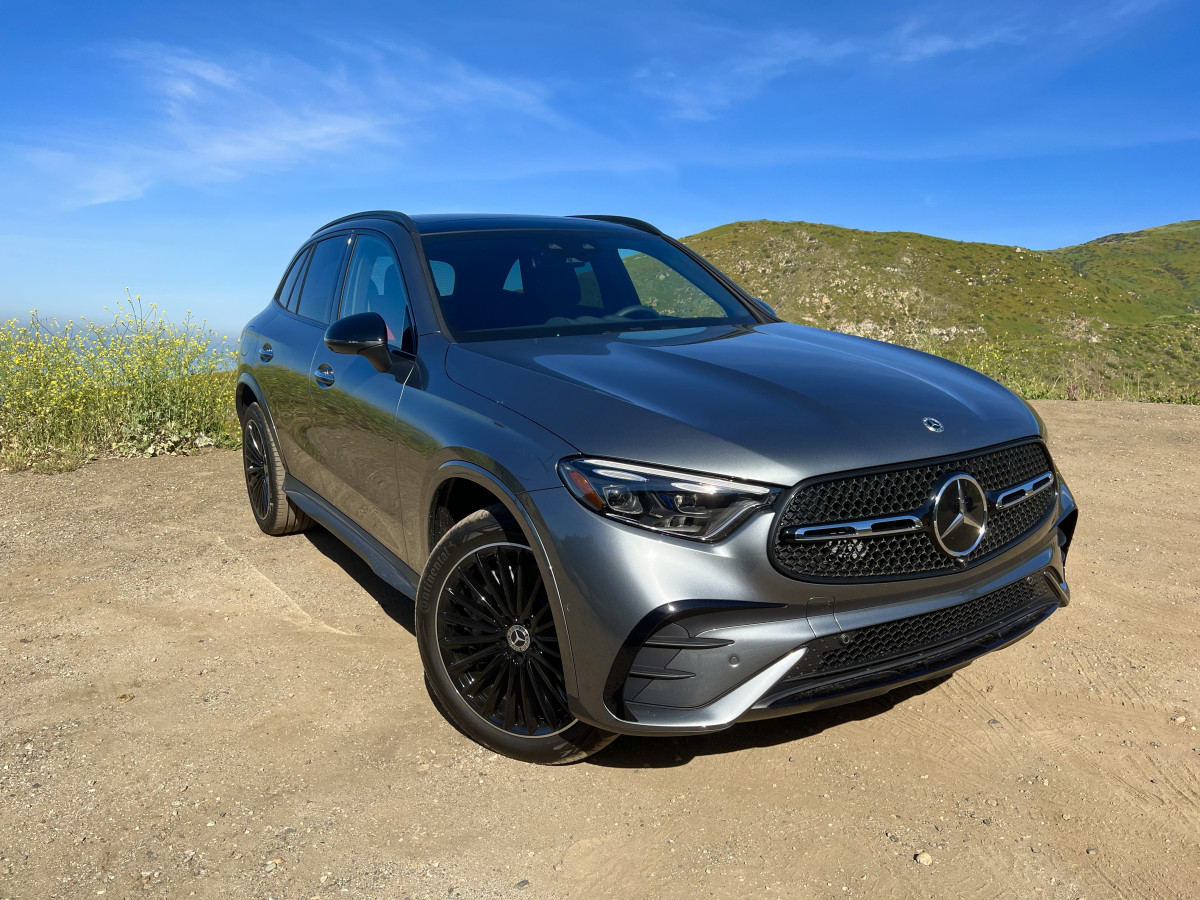
According to CarGurus experts, the overall rating for the 2025 Mercedes-Benz GLC is 8.3 out of 10, while the 2026 Toyota bZ scores 6.5 out of 10. Based on these ratings, the 2025 Mercedes-Benz GLC is the recommended choice for those seeking a luxurious and well-rounded vehicle with excellent performance and practicality.
Choose the 2026 Toyota bZ if:
- You prefer an electric vehicle with versatile charging options and good range.
- You want a vehicle with a spacious interior and ample storage solutions.
- You appreciate advanced safety features and user-friendly technology.


Choose the 2025 Mercedes-Benz GLC if:
- You prioritize luxury and a premium interior with high-quality materials.
- You value a smooth and composed driving experience with excellent ride quality.
- You need a practical vehicle with ample cargo space and hybrid efficiency.


CarGurus highlights
According to CarGurus experts, the overall rating for the 2025 Mercedes-Benz GLC is 8.3 out of 10, while the 2026 Toyota bZ scores 6.5 out of 10. Based on these ratings, the 2025 Mercedes-Benz GLC is the recommended choice for those seeking a luxurious and well-rounded vehicle with excellent performance and practicality.
Choose the 2026 Toyota bZ if:
Shop Now- You prefer an electric vehicle with versatile charging options and good range.
- You want a vehicle with a spacious interior and ample storage solutions.
- You appreciate advanced safety features and user-friendly technology.
Choose the 2025 Mercedes-Benz GLC if:
Shop Now- You prioritize luxury and a premium interior with high-quality materials.
- You value a smooth and composed driving experience with excellent ride quality.
- You need a practical vehicle with ample cargo space and hybrid efficiency.

By: CarGurus + AI
At CarGurus, our team of experienced automotive writers remain at the heart of our content operation, conducting hands-on car tests and writing insightful guides that are backed by years of industry experience. To complement this, we are harnessing AI to make our content offering more diverse and more helpful to shoppers than ever. To achieve this, our AI systems are based exclusively on CarGurus content, ratings and data, so that what we produce is both unique to CarGurus, and uniquely helpful to car shoppers.

