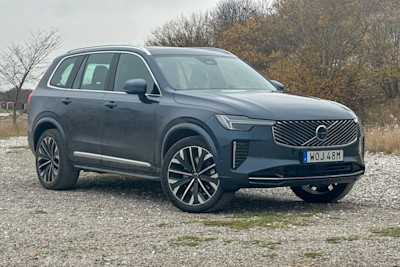
What's my car worth?
Rely on our car valuation tool to help find a car's best price, whether you're selling, trading, or even buying a car.

The smarter way to value your car
Get a real-time valuation
Track your car’s value
Know when to buy or sell
See your car’s current market value powered by real-time pricing data.
Receive monthly emails with your car’s updated value and market insights.
Make informed decisions with the latest trends, sales, and up-to-date pricing.
How it works
Three easy steps to value your car.
- 1
Tell us about the car
Enter details about the vehicle you’re interested in to get its value.
- 2
Receive an estimate
Based on data from over 4 million listings we generate an estimated price range.
- 3
Get ready to buy or sell
Track the car’s value and tap into market trends and insights for informed decision making.
Sell your car with CarGurus
Compare multiple offers all in one place, and choose your best price.
Get your offers
About our car value tool
The difference between these terms relates to how you plan to sell your car and the type of valuation you're looking for:
Trade-in value: This is the amount a dealership is likely to offer when you trade in your car. This option is often lower because dealers need to cover their business costs.
Private sale value: You can expect to get more for your car if you sell it directly to someone yourself, rather than trading it in to a dealer. However, this requires a good amount more work on your part.
CarGurus Instant Market Value (IMV): Our proprietary valuations tool provides an estimated retail price for your car based on real-time data from millions of cars listed for sale.
Yes, you can trade in a car that still has a loan on it. Start by checking with your lender to find out how much you owe. When you trade in your car, the dealership will usually pay off the remaining balance. If your car is worth less than what you owe (known as negative equity), the difference is typically added to your new loan. On the other hand, if your car is worth more than your loan balance, the extra value can go toward your next purchase.
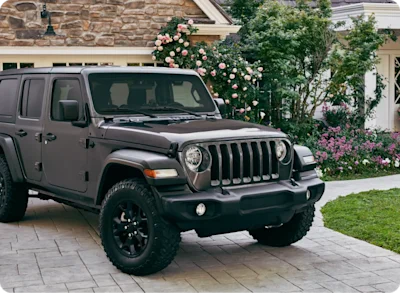
Some cars retain their value better than others, often due to brand reputation, reliability, and market demand. Models like the Jeep Wrangler, Toyota Tacoma, and Porsche 911 are known for their strong resale values. Brands like Toyota and Subaru consistently produce vehicles with low depreciation rates. To identify cars that hold their value, compare prices of similar models over time using tools like CarGurus’ used car pricing index and market value guides. You can also check lease deals to see a model's residual value—the price the dealership sets for the car at the end of its lease. Choosing a vehicle with strong resale value can save you money in the long run, whether you're trading it in or selling it privately
Sellers resources
View all



Buyer resources
View all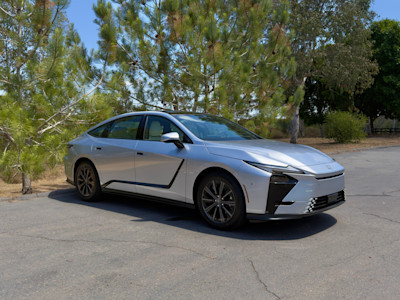
Lexus ES Buying Guide: Cost, Reliability, and the Best Years to Buy
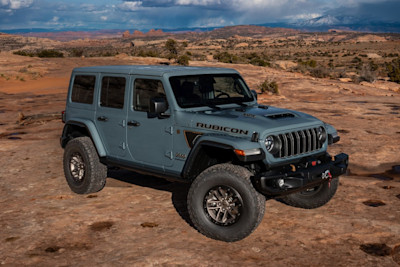
Jeep Wrangler Buying Guide: Cost, Reliability, and the Best Years to Buy

Every Electric Car Under $40,000 in 2026
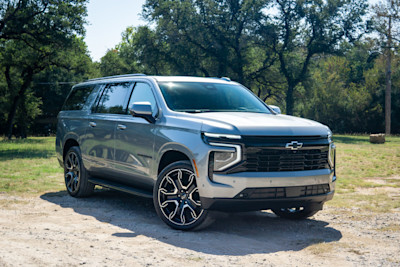
The Best Vehicles for Road Trips in 2026
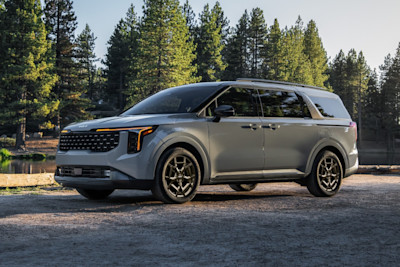
The Best Cars for Camping in 2026
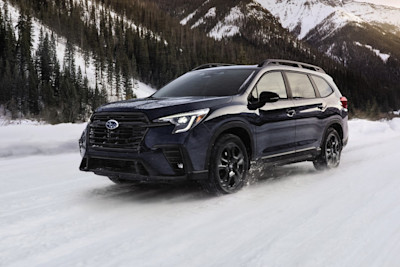
The Best SUVs for Snow in 2026
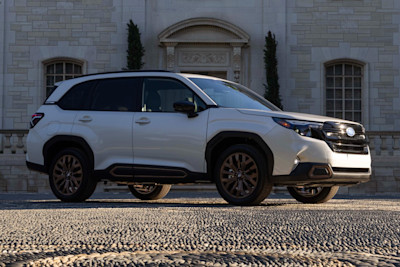
The Best Cheap (But Nice) Cars for 2026