Sixth Generation (Mark 7) (2019-Current)
The current sixth generation of the Jetta GLI was launched for the 2019 model year as part of the Mark 7 Jetta lineup. Outside, the GLI received more aggressive exterior styling, from unique 18-inch alloy wheels to a blacked-out honeycomb grille with red accents. Compared to the more pedestrian standard Jetta, the GLI got sports suspension with a half-inch lower ride height, a limited slip differential and bigger brakes—the front brakes are the same as those found on the Golf R.
At launch, the Jetta GLI was available in three trim levels—the base S trim, a top-of-the-range GLI Autobahn, and a limited 35th Anniversary Edition that slotted right in the middle. The S and Autobahn models got fixed-damper suspension as standard, while the 35th Anniversary featured adaptive shocks courtesy of the adaptive chassis control system, which added adjustable modes for the suspension.
As a safe and reliable compact sedan, the Jetta GLI came well-equipped with a wide range of safety features, from a blind-spot monitor to a suite of driver assistance features that included adaptive cruise control, rear-traffic alert, and lane assist.
Under the hood was VW’s familiar 2.0-liter turbocharged four-cylinder engine, now producing 228 horsepower and 258 pound-feet of torque. This engine, known as the EA888, is used widely across VW and Audi products in varying states of tune, and has proven quite reliable. A six-speed manual transmission was standard, with a seven-speed dual clutch transmission (DSG) optional. Power was delivered to the front wheels through a VAQ electronically controlled, torque-sensing limited slip differential.
While the platform and the powertrain were shared with the Golf GTI, the interior is where the cost-cutting could be found. Hard plastics were used throughout the cabin and only the top-spec Autobahn trim got the 10.3-inch touchscreen infotainment system. No matter the size of the screen, all Jetta GLI trim levels came standard with Apple CarPlay and Android Auto connectivity.
Luckily, the leather-wrapped, flat-bottom steering wheel came straight out of the GTI and included paddle shifters when equipped with the DSG gearbox. A variable steering rack meant two steering modes—Normal and Sport. The front seats were not GTI-spec, though, with the GLI having what VW called ‘Comfort Sport’ seats.
The Mark 7 Jetta GLI was updated for the 2022 model year, receiving a new front end design comprising a fresh grille and bumper. Out back, eagle-eyed viewers can find larger diameter exhaust tips. Inside, the steering wheel was updated with new touch-sensitive controls, and the seats got red stitching. The base S trim was dropped, leaving the Jetta GLI available only in the Autobahn trim.
To celebrate 40 years of the GLI, VW launched the 40th Anniversary Edition for the 2024 model year, with numbers limited to 1,984 units. It features some minor trim changes and extra badges for the interior and exterior, as well as VW’s DCC adaptive damping system. At the same time, VW’s IQ.Drive package of driver assistance systems became standard for all automatic models. Features included a Travel Assist semi-automated function that can help to steer, accelerate, and brake the car at up to highway speeds.
Volkswagen refreshed the Jetta GLI again for the 2025 model year, updating the front end with a new fascia and grille. New front and rear lighting designs feature a light bar at each end, while black-painted wheels became available with the optional Black Package. As of early 2026, Autobahn is the only trim level available new, and it’s well-equipped. Standard features include a panoramic sunroof, dual-zone automatic climate control, and automatic headlights and wipers. Standard tech includes VW’s App-Connect smartphone integration, wireless charging, and a “Digital Cockpit Pro” configurable driver display.
The Mark 7 Jetta GLI is still quite new, and there are few to watch out for. The EA888 is widely used in many VW products and is quite reliable if it has been regularly maintened. Like the previous generation, though, water pumps and PCV valves are a common problem area. As a new car, the Jetta GLI comes with a four-year/50,000-mile warranty.
As of 2026, a new VW Jetta GLI has an MSRP of $33,745 (excluding destination fee), and is one of the last new Volkswagens available with a six-speed manual transmission. Prices for used examples start below $15,000 for an earlier model year in base S trim level with higher mileage. A budget of around $20,000 will find a well-equipped GLI Autobahn with low miles. Refreshed examples from 2022 and on carry a premium at dealerships. Budget around $28,000 for a 2025 model year GLI with low miles.
Fifth Generation (Mark 6) (2011-2018)
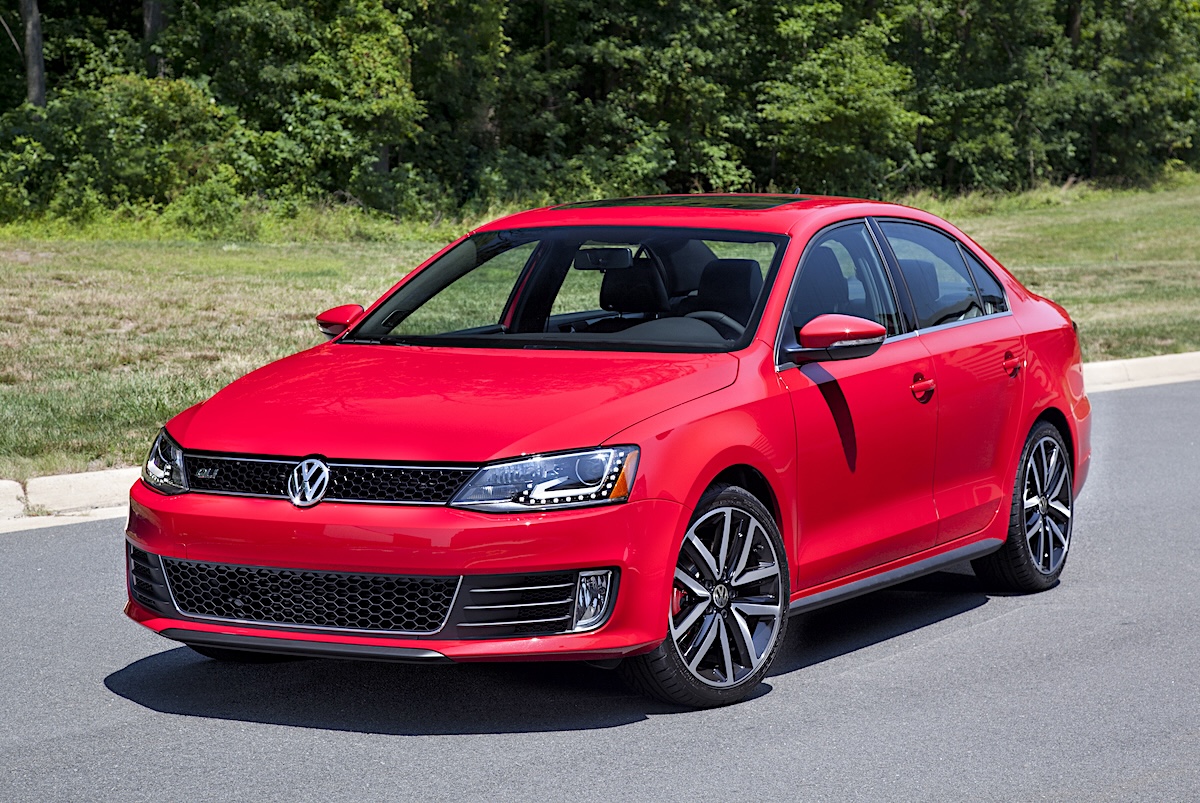
The Mark 6 Jetta was introduced for the 2011 model year, and the fifth-generation Jetta GLI arrived a year later for the 2012 model year. The Mark 6 Jetta GLI was more evolution than revolution, building on the Mark 5 Jetta. This generation, built on the PQ-35 platform, was also more of a departure from the Golf GTI compared to previous generations.
While the base Jetta was the victim of cost-cutting, the Jetta GLI went upmarket. Instead of using cheaper interior plastics, the Jetta GLI made use of higher-quality soft-touch materials. It also featured sophisticated multi-link rear suspension instead of more basic torsion beam rear suspension, with a lower ride height thanks to its sport-tuned suspension. The extensive use of insulation turned the GLI into an impressive autobahn cruiser.
At launch, the Jetta GLI was available in three trims. The base GLI came standard with cloth seats with plaid inserts and 17-inch wheels, the Autobahn added a suite of premium features such as 18-inch wheels, a sunroof, heated leatherette seats, and dual zone climate control and, finally, the Autobahn with NAV added a navigation system.
The engine and drivetrain were still shared with the Golf GTI, and the 2.0-liter turbocharged four-cylinder delivered 200 horsepower and 207 pound-feet of torque to the front wheels. Transmission options were a standard six-speed manual or a six-speed dual clutch DSG automatic.
Inside, drivers and passengers found a comfortable and practical interior, although the red-trimmed sport seats could get stiff on a long drive. Other sporting touches included a racecar-inspired, flat-bottomed steering wheel and, because it was a practical sedan, the rear bench was also larger on this generation.
Volkswagen made regular updates over the years. For 2013, it addressed a common complaint and added a traction control off button. The first model year had an always-on stability control system, which was safer but a little contradictory on a sporty sedan.
An updated version of the 2.0-liter EA888 turbocharged engine was introduced later in 2013. This updated powerplant produced 210 horsepower and torque stayed the same at 207 lb-ft.
In 2014, VW introduced the Edition 30 to commemorate 30 years of the GLI. Changes from a standard GLI included special 18-inch Laguna wheels, a spoiler and special badging. Inside, the Edition 30 came well-equipped with special leatherette upholstery and a leather-wrapped steering wheel, shift knob, and handbrake.
The Jetta GLI received a mild refresh in 2016, and was distinguished by an aggressive front fascia and new 18-inch wheels. Infotainment was updated to VW’s MIB 2 system that incorporated USB and Car-Net Connectivity, and all GLI models received an automatic post-collision braking system.
Common problems include the water pump and the thermostat housing, due to the heavy use of plastic that eventually cracks, causing leaks. The PCV valves can also be an issue on the Mark 6 Jetta GLI. Timing chains are another problem point, particularly on earlier 2012 to 2013 examples with the 200-horsepower engine. Finally, carbon buildup on the intake valves is a problem with all Mark 6 Jetta GLIs, due to the direct injection fuel system and problematic PCV valve—which is why an intake valve cleaning service is recommended around 100,000 miles. Later engines received an updated PCV which helped with the carbon buildup.
Pre-facelift Mark 6 Jetta GLIs from 2011 to 2015 are better value, and you can expect to pay $8,000 to $10,000 for a low-mileage example. The facelifted 2016 to 2018 model years carry a premium, with prices averaging about $12,000 and reaching up to $15,000 depending on condition and mileage.
Fourth Generation (Mark 5) (2006-2010)
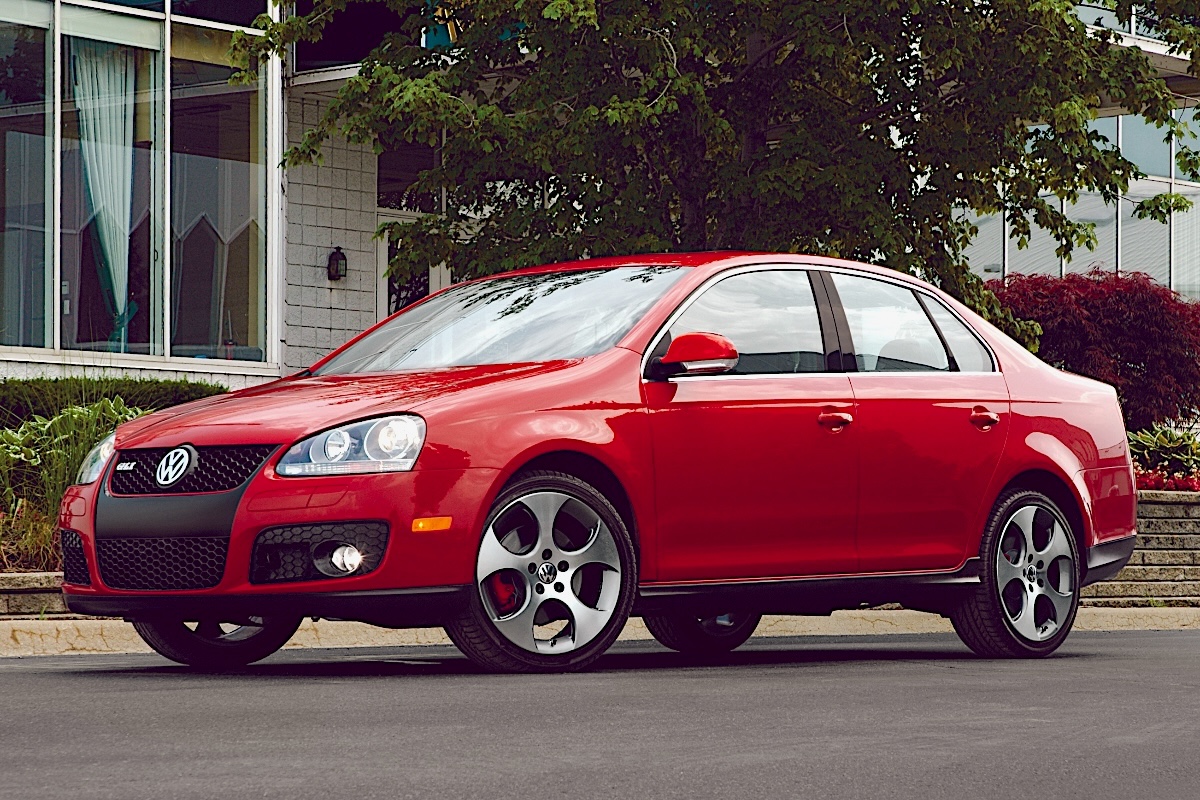
All-new for 2006, the Mark 5 Jetta was a significant evolution from its predecessor. Volkswagen returned to the original GLI recipe, and the Jetta was essentially a Golf with a sedan body. This time, the platform was shared with the upmarket Audi A3, giving the GLI a solid, premium feel that elevated it above typical compact sports sedans.
The GLI treatment was more understated with this generation, and featured a blacked-out grille with a red trim accent, though the overall styling took on a mature, grown-up appearance that was compared to the contemporary Toyota Corolla. Standard 17-inch wheels came shod with summer tires, while optional 18-inch wheels arrived with a more aggressive Bridgestone compound for maximum grip.
Under the hood, the GLI shared its powertrain with the Golf GTI—a 2.0-liter "TFSI" turbocharged inline-four producing 197 horsepower and 207 pound-feet of torque. Two six-speed transmissions were offered—a manual as standard and an optional DSG automated manual that would become legendary in enthusiast circles. Inside, drivers were greeted by a flat-bottomed steering wheel.
The combination of independent rear suspension and the Mark 5's stiffer construction made this generation of GLI a genuinely capable performer on back roads, all while offering luxuries such as heated seats.
The 2008 model year brought an updated "TSI" 2.0-liter engine making the same 200 horsepower and 207 pound-feet of torque. These engines proved more reliable because a timing chain replacing the troublesome timing belt, though they were more difficult to modify.
That same year saw the launch of the limited-edition Fahrenheit version, distinguished by bright yellow paint and commemorative plaques. While mechanically unchanged, the Fahrenheit came loaded with every option—leather seats, dual-zone climate control, heated seats, a sunroof, and a premium stereo. For those seeking a more tailored experience, the Autobahn package added more aggressive heated sport seats and various other refinements.
The Mark 5 GLI wasn't without its issues, though many are well-documented within the enthusiast community. Common problems include failures of the high-pressure fuel pump and PCV valve, along with the persistent ignition coil pack issues that plagued many VW products of this era. For 2006-2007 models with the TFSI engine, a timing belt and water pump replacement are critical, and should be verified in any car's service history. Parts availability is excellent and the enthusiast knowledge base is extensive, making DIY repairs and modifications relatively straightforward. One quirk worth noting—despite the luxuries inside, the GLI's ride can be quite stiff on rough pavement, which is a trade-off for its handling dynamics. A decent test drive is recommended.
Pricing for the Mark 5 Jetta GLI is largely dependent on condition and mileage, and examples can be found for about $5,000 to $7,000. Always look for detailed maintenance records because repairs for this generation can be expensive.
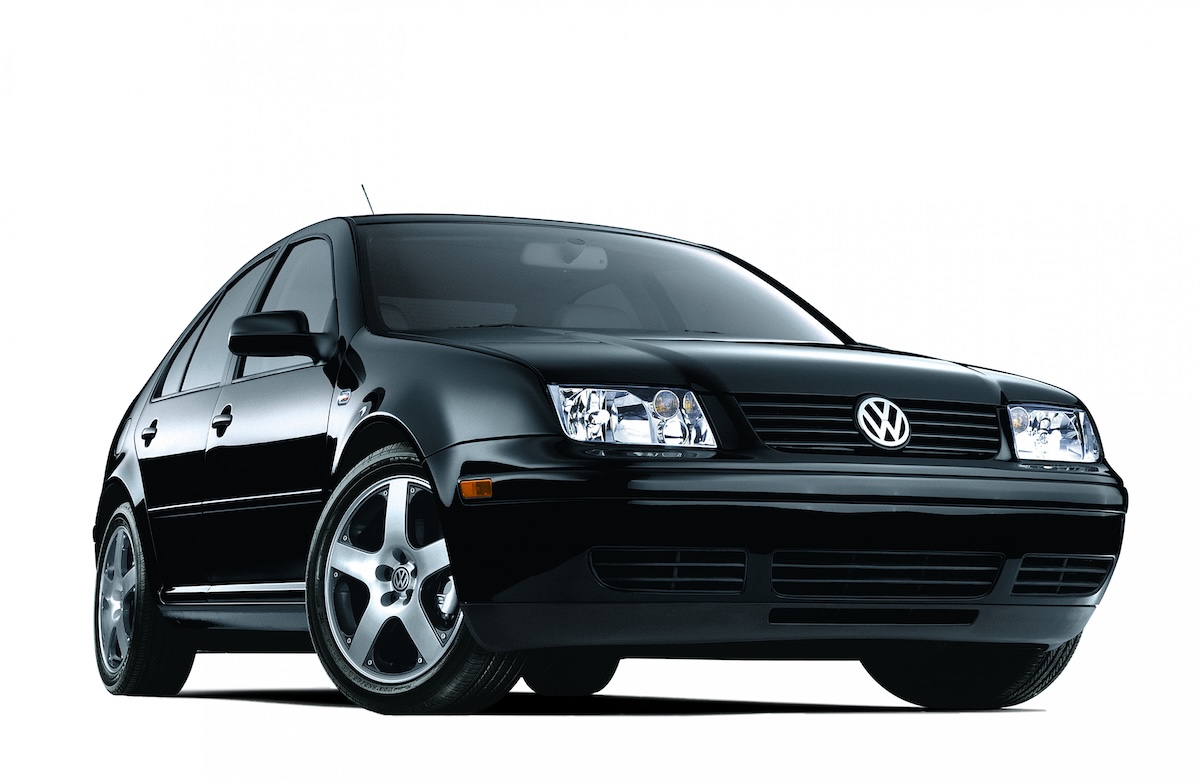
Third Generation (Mark 4) (2002-2005)
The Jetta GLI made its triumphant return for the 2002 model year after skipping the entire Mark 3 generation. Built on the Mark 4 Jetta platform (first introduced in 1999 and known internationally as the Bora), the GLI arrived as the nearly top-of-the-line trim, positioned as the sporty alternative to the upmarket GLX. While both models shared Volkswagen's distinctive 24-valve VR6 engine, the GLI distinguished itself with a proper six-speed manual transmission and a hot-rodded, 200-horsepower version of the motor—about 25 more than the GLX.
True to its performance mission, the GLI eschewed the creature comforts of its more expensive sibling, trading leather seats and automatic transmission options for a purer driving experience. The GLI's sporting credentials were reinforced through thoughtful chassis modifications. Volkswagen fitted 225-series tires on 17-inch wheels and dropped the ride height significantly—0.8 inches up front and a full inch at the rear. This aggressive stance gave the GLI a purposeful look and improved handling dynamics.
For 2004, Volkswagen expanded the powertrain options with a 1.8-liter turbocharged four-cylinder producing 177 horsepower and 173 pound-feet of torque. While down on power compared to the VR6, the turbocharged engine offered its own appeal with easier tuning potential and strong low-end torque.
Despite being built on one of Volkswagen's best-selling platforms, the Mark 4 Jetta GLI has a number of issues to look out for, especially as these cars age. Electrical gremlins were common even when new—pay particular attention to faulty window regulators, brake light switches, and general wiring issues. This was also the era of Volkswagen infamously using soy-based wiring insulation, which proved irresistible to rodents. Suspension bushings in the control arms often wear and, given the age of these cars, the entire suspension may need replacing.
The VR6 is generally the more reliable engine choice, though you should check maintenance records carefully. The cooling system relies heavily on plastic components that become brittle and crack with age, while plastic timing chain guides are another common failure point that can cause catastrophic engine damage if neglected—replace the timing chain while you're in there changing the guides.
The 1.8-liter turbo, while easier to modify for more power, brings its own headaches. These include cooling system failures (especially water pumps), oil sludge problems from deferred maintenance, troublesome coil packs, and timing belts that require replacement at regular intervals (do the water pump at the same time). The silver lining is that, because this was one of Volkswagen's most popular platforms, replacement parts are widely available and there's an extensive knowledge base for common problems and their solutions.
Prices for the Mark 4 Jetta GLI vary greatly as it enters collector car territory. Average examples hover between $5,000 and $7,000. However, clean, low-mileage examples are nearing $20,000 at auction.
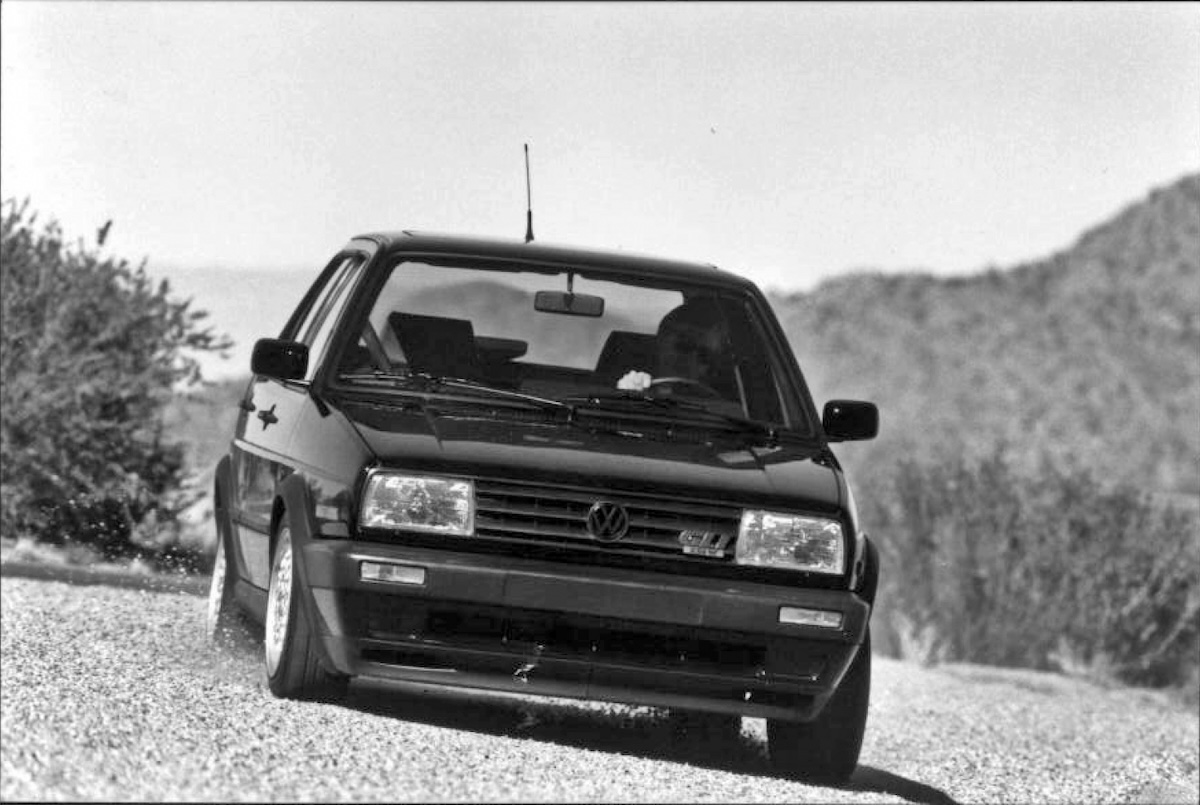
Second Generation (Mark 2) (1985 - 1991)
Launched alongside the new Jetta as a top-tier trim, the Mark 2 GLI came out swinging, and immediately drew praise for blending fun with practicality—contemporary reviews dubbed it the “quiet-riot GLI”. The numbers told an impressive story: this generation delivered 12% more interior volume, 28% more cargo space, and 11% more power than its predecessor. More importantly, it was a genuine giant killer.
The GLI offered the same quality and practicality as a Honda Accord but it was a lot more fun—and all for less money than a BMW 325e or a Mercedes 190E. As Volkswagen boldly claimed, the GLI could carry five adults and their luggage at autobahn speeds “in the style of other German sedans costing two to three times as much”.
As the top-of-the-line model, the GLI came loaded with niceties including air conditioning, a sliding sunroof, cruise control, and heated power mirrors. Up front, sport seats kept drivers planted through corners, while out back a bench seat accommodated three adults with a convenient pass-through to the trunk—perfect for toting skis or other long cargo.
Under the hood, the 1.8-liter four-cylinder gained a Bosch KE Jetronic fuel injection system that bumped output to an even 100 horsepower, 10 more than the previous generation. Disc brakes at all four corners and a torsion beam rear suspension were borrowed from the GTI, though the tuning differed. Contemporary reviews noted lift-off oversteer in the GLI's handling characteristics, and while the GTI remains the more iconic nameplate, some reviewers actually preferred the GLI for its more playful dynamics.
The 1988 model year brought a significant upgrade: a DOHC 16-valve head that pushed output to 123 horsepower and transformed the GLI into a genuinely quick machine. Inside, proper Recaro seats reinforced the car's performance credentials.
Common issues with the Mark 2 GLI center around the fuel injection system and shift linkages, both of which can become troublesome with age. The Bosch fuel injection components require proper maintenance and can be finicky when neglected. Shift linkages tend to wear and develop slop over time, leading to imprecise gear selection—fortunately, this is a well-documented issue with readily available solutions. As with any 1980s Volkswagen, rust is a serious concern, particularly in the floor pans, wheel wells, and around the window seals. Given the age of these cars, finding well-maintained examples is increasingly difficult, but the Mark 2 GLI's reputation as an affordable, practical sports sedan makes it worth the search for enthusiasts seeking a taste of old-school German engineering.
The Mark 2 Jetta GLI has officially entered modern classic territory. As these cars age, good examples are difficult to find. Prices range between $10,000 and $15,000, depending on mileage and condition. Plan to spend a little more for a later model year example with the 16 valve head.
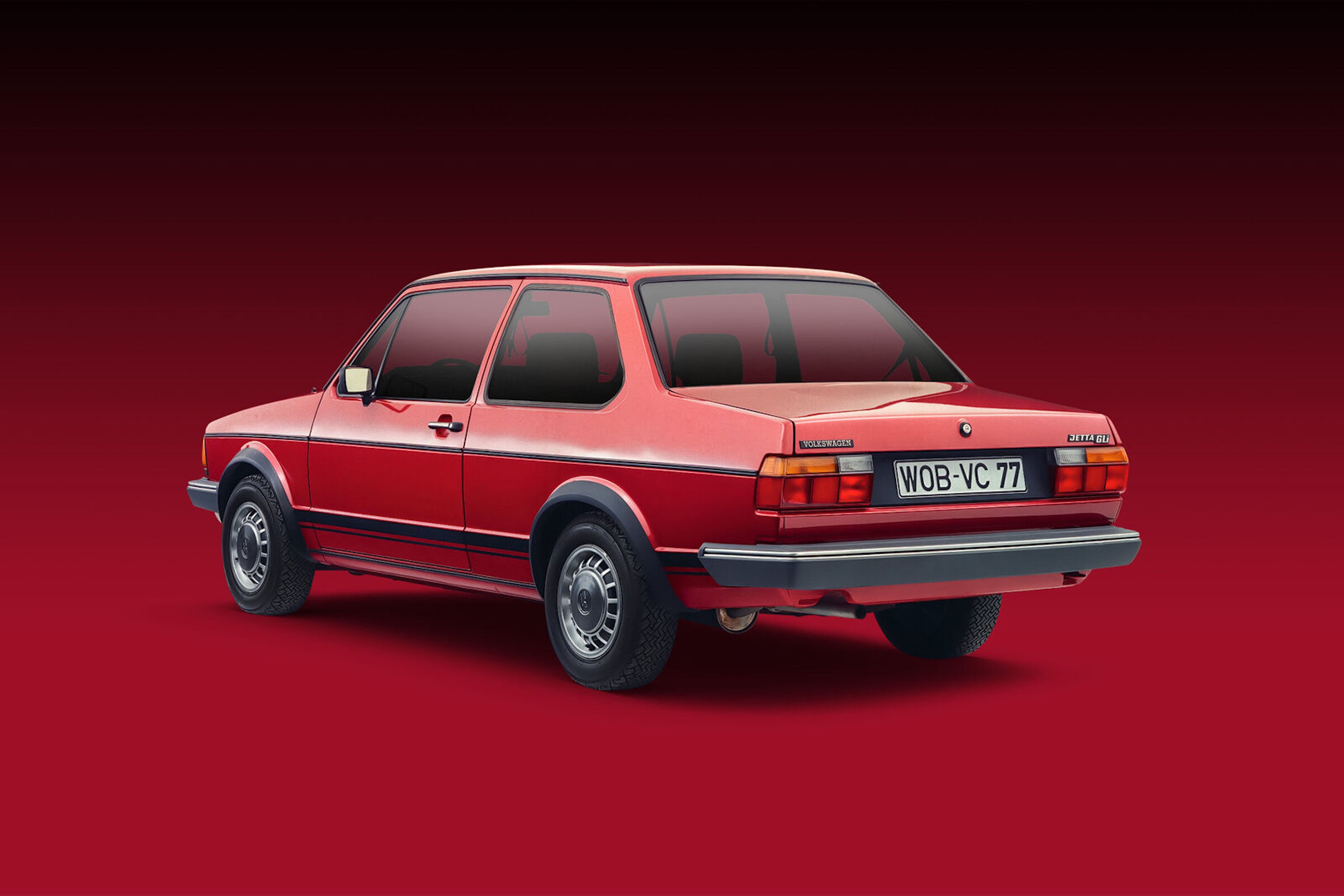
First Generation (Mark 1) (1984)
The original Jetta GLI arrived in 1984, born from the success of the Golf GTI (then known as the Rabbit GTI in North America). Volkswagen applied the same hot hatchback formula to its small family sedan—all the same hardware as the GTI, including blacked-out exterior accents and the 1.8-liter inline-four producing a respectable 90 horsepower, paired with a close-ratio transmission.
The GLI was perfect for enthusiasts wanting the fun of the GTI with the added practicality of four doors and a trunk—a combination that made it ideal for young professionals or small families who refused to compromise driving enjoyment for utility. Widely considered the best Jetta yet at the time, the GLI was more stable than its Golf/Rabbit sibling thanks to its longer wheelbase, which helped settle the chassis and inspire confidence in corners.
It was somewhat surprising that Volkswagen bothered giving the Jetta the GLI treatment at all, considering 1984 was the final model year for this generation. This decision resulted in the original Jetta GLI becoming the rarest of them all. With only one year of production and a devoted enthusiast following for fast, fun Volkswagens, first-generation GLIs command a significant premium when they appear on the market, and finding one in good condition is increasingly challenging.
As with any 1980s Volkswagen, rust is the primary enemy. Check carefully around wheel wells, door sills, floor pans, and the battery tray. The CIS (Continuous Injection System) fuel injection can be temperamental and requires proper maintenance, though it's generally robust when cared for. Electrical gremlins are common with age, particularly in switches and relays. Suspension bushings and shifter components will almost certainly need replacement given the car's age.
The good news is that parts are still available thanks to the strong vintage VW community, and these cars are relatively simple to work on by modern standards. Finding a well-maintained, rust-free example is the biggest challenge, but for collectors and enthusiasts seeking the ultimate vintage sport sedan experience, the Mark 1 GLI represents an important piece of Volkswagen history.
As such, pricing for the Mark 1 GLI is quite variable, and the single year of production means there aren't many examples to be found. Recent prices average around $15,000.
Related Topics