2020 Honda Civic vs 2020 Toyota Camry
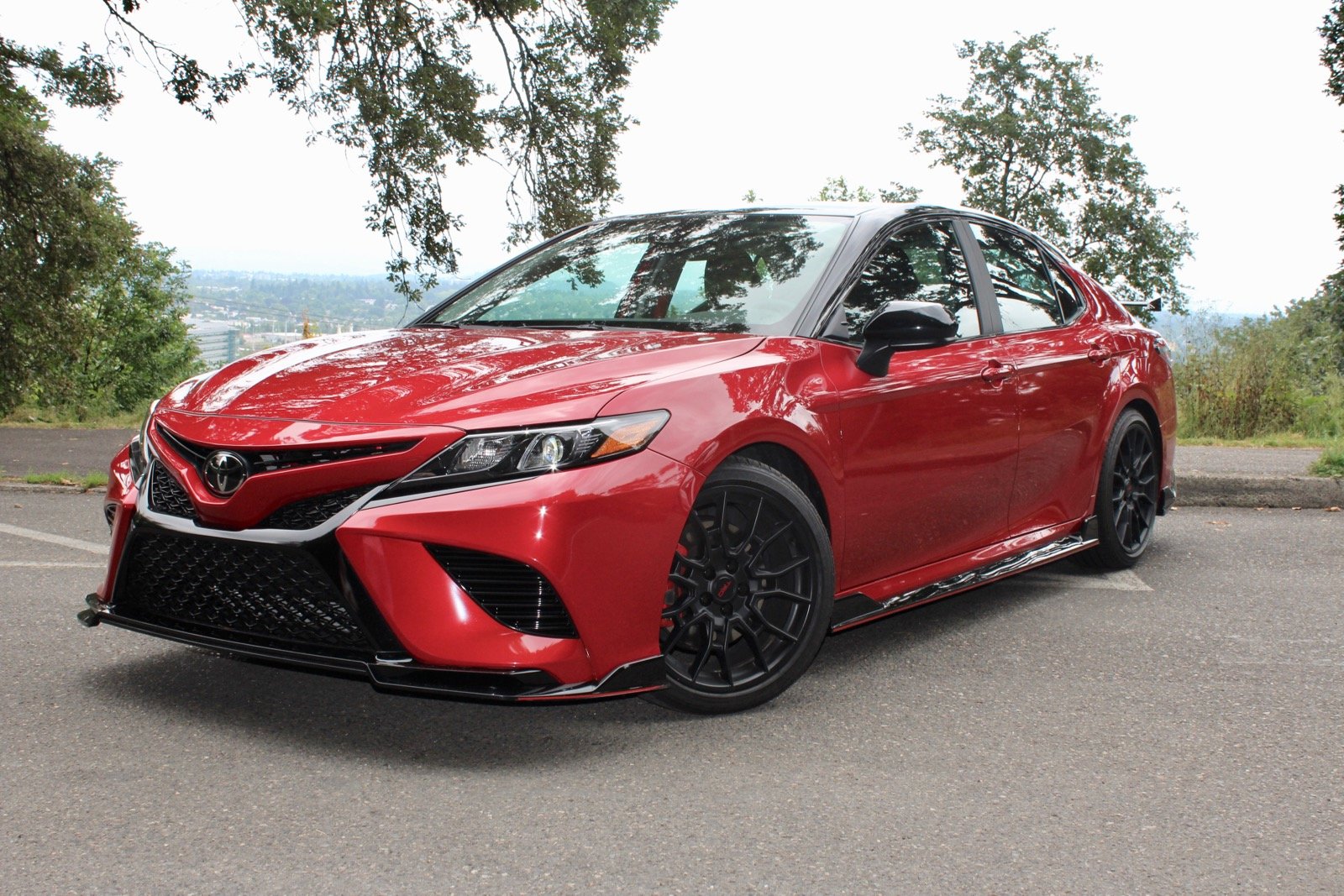
Overview | |
MSRP$24,425 | MSRP$20,000 |
Listings1388 | Listings1577 |
Ratings & Reviews | |
User Reviews | User Reviews |
Expert reviews7.5 out of 10 | Expert reviews8.2 out of 10 |
Pros
Cons
| Pros
Cons
|
2020 Toyota Camry Reviews SummaryIf you can't beat them, join them. That seems to be Toyota's philosophy in updating the eighth generation of the Camry for the 2020 model year. This latest version of the perennial best seller debuted in 2017 as a 2018 model—and promptly lost its sales crown to Toyota's own RAV4 crossover SUV. As buyers continue to defect from cars, Toyota hopes to entice more shoppers to stick with its midsize sedan by offering all-wheel drive on the Camry for the first time since 1991. Also new for 2020 is the Camry TRD, a sportier version with a 301-horsepower V6 engine that makes its case to a buyer who might never have considered a Camry. | |
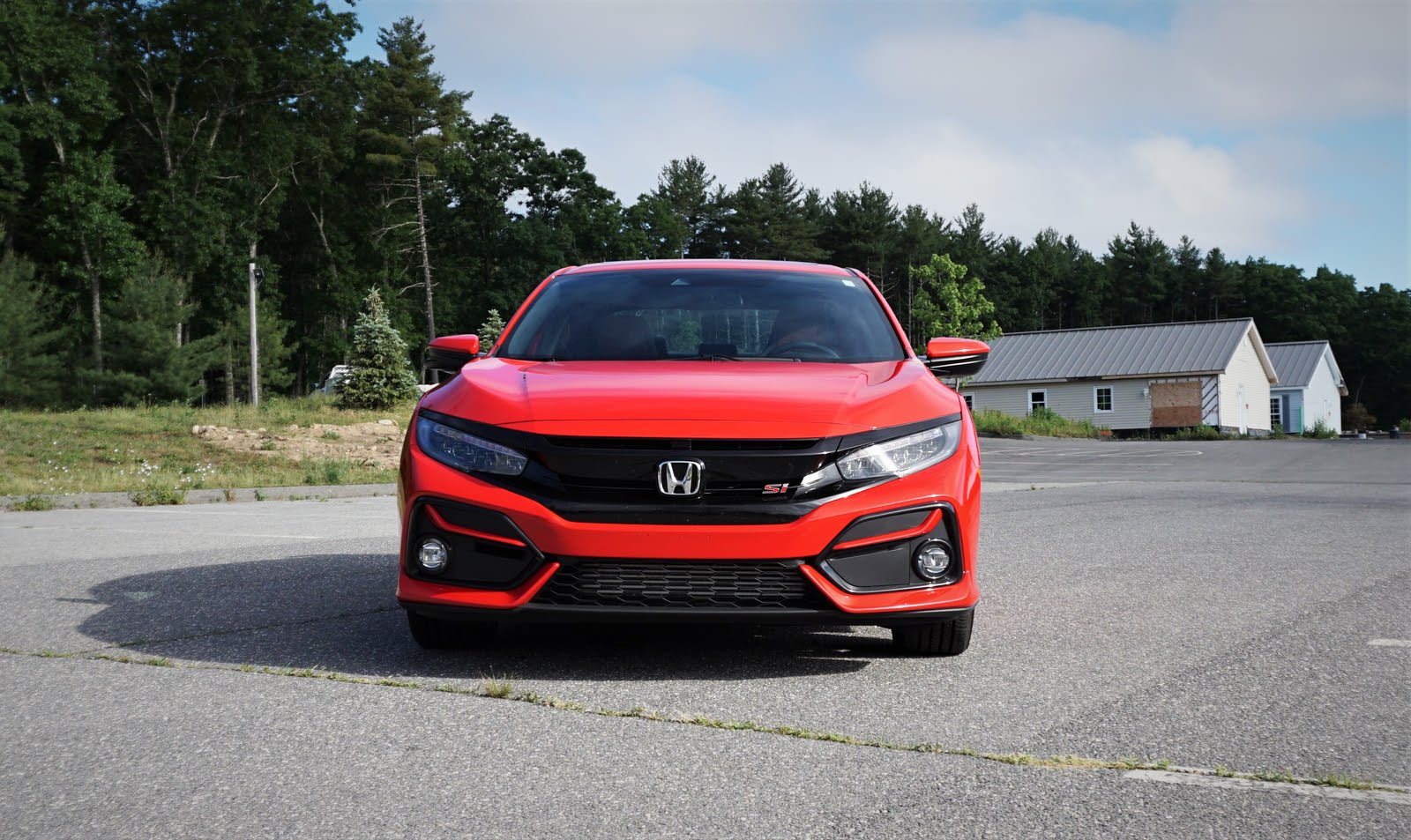
2020 Honda Civic Reviews SummaryMinor design tweaks, more standard safety and convenience features, and more manual transmissions arrive as the standout changes for the Civic's 2020 model year. Last redesigned for the 2016 model year, the Civic keeps outperforming its small-car peers by offering the performance and quality of more expensive cars, while retaining the value and longevity expected of a Honda. Plus, I had a really fun week with the turbocharged Civic Si. | |
No video found | |
Popular Features & Specs | |
Engine2.5L 203 hp I4 | Engine2.0L 158 hp I4 |
Drive TrainFWD | Drive TrainFWD |
Seating Capacity5 | Seating Capacity5 |
Horsepower | Horsepower158 hp @ 6500 rpm |
MPG City29 | MPG City25 |
MPG Highway41 | MPG Highway36 |
Engine | |
Engine Name2.5L 203 hp I4 | Engine Name2.0L 158 hp I4 |
Torque | Torque138 lb-ft @ 4200 rpm |
Horsepower | Horsepower158 hp @ 6500 rpm |
DrivetrainFWD | DrivetrainFWD |
Fuel Economy | |
MPG City29 | MPG City25 |
MPG Highway41 | MPG Highway36 |
Interior | |
Seating Capacity5 | Seating Capacity5 |
Safety | |
Front Crash Overall5 | Front Crash Overall5 |
Side Crash Overall5 | Side Crash Overall5 |
Dimensions & Capacity | |
Cargo Space14.1 cu ft | Cargo Space15.1 cu ft |
Curb Weight3241 lbs | Curb Weight2762 lbs |
Height56.9 in | Height55.7 in |
Length192.1 in | Length182.7 in |
Width72.4 in | Width70.8 in |
Wheelbase111.2 in | Wheelbase106.3 in |
Maximum Payload925 lbs | Maximum Payload1007 lbs |
Number of doors4 | Number of doors4 |
Overview | ||
MSRP | $24,425 | $20,000 |
Listings | ||
Ratings & Reviews | ||
User reviews | ||
Expert reviews | 7.5 out of 10Read full review | 8.2 out of 10Read full review |
Pros & cons | Pros
Cons
| Pros
Cons
|
Summary | If you can't beat them, join them. That seems to be Toyota's philosophy in updating the eighth generation of the Camry for the 2020 model year. This latest version of the perennial best seller debuted in 2017 as a 2018 model—and promptly lost its sales crown to Toyota's own RAV4 crossover SUV. As buyers continue to defect from cars, Toyota hopes to entice more shoppers to stick with its midsize sedan by offering all-wheel drive on the Camry for the first time since 1991. Also new for 2020 is the Camry TRD, a sportier version with a 301-horsepower V6 engine that makes its case to a buyer who might never have considered a Camry. | Minor design tweaks, more standard safety and convenience features, and more manual transmissions arrive as the standout changes for the Civic's 2020 model year. Last redesigned for the 2016 model year, the Civic keeps outperforming its small-car peers by offering the performance and quality of more expensive cars, while retaining the value and longevity expected of a Honda. Plus, I had a really fun week with the turbocharged Civic Si. |
Video | No video found | |
Popular Features & Specs | ||
Engine | 2.5L 203 hp I4 | 2.0L 158 hp I4 |
Drive Train | FWD | FWD |
Seating Capacity | 5 | 5 |
Horsepower | 158 hp @ 6500 rpm | |
MPG City | 29 | 25 |
MPG Highway | 41 | 36 |
Engine | ||
Engine Name | 2.5L 203 hp I4 | 2.0L 158 hp I4 |
Torque | 138 lb-ft @ 4200 rpm | |
Horsepower | 158 hp @ 6500 rpm | |
Drivetrain | FWD | FWD |
Fuel Economy | ||
MPG City | 29 | 25 |
MPG Highway | 41 | 36 |
Interior | ||
Seating Capacity | 5 | 5 |
Safety | ||
Front Crash Overall | 5 | 5 |
Side Crash Overall | 5 | 5 |
Dimensions & Capacity | ||
Cargo Space | 14.1 cu ft | 15.1 cu ft |
Curb Weight | 3241 lbs | 2762 lbs |
Height | 56.9 in | 55.7 in |
Length | 192.1 in | 182.7 in |
Width | 72.4 in | 70.8 in |
Wheelbase | 111.2 in | 106.3 in |
Maximum Payload | 925 lbs | 1007 lbs |
Number of doors | 4 | 4 |
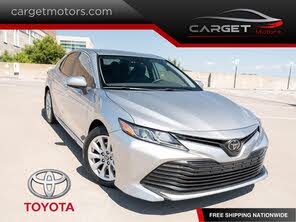
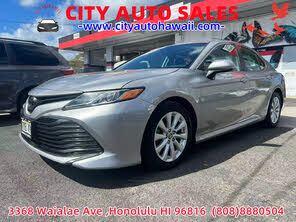
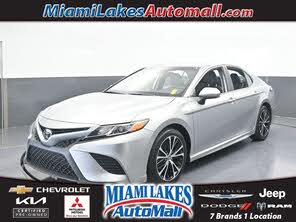
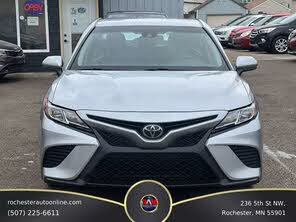
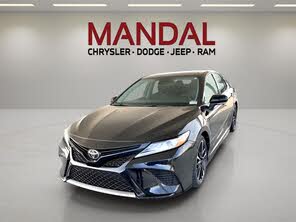
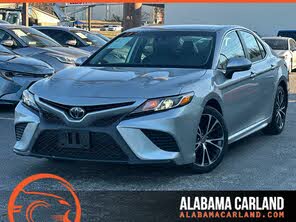
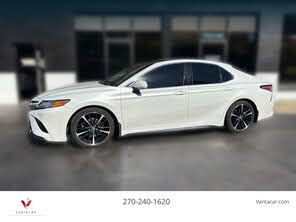
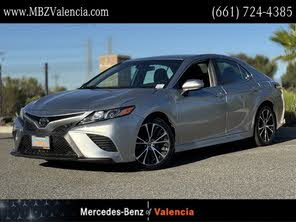
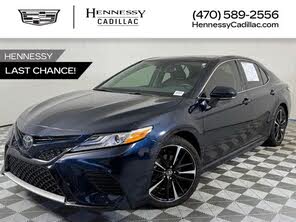
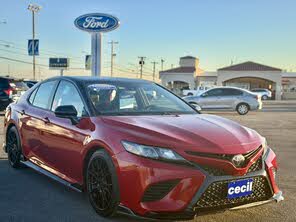
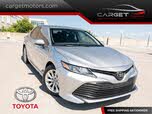
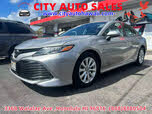
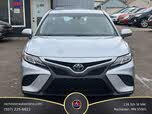
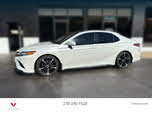
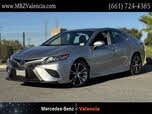
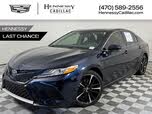
The Toyota Camry was well-known for its unmatched reliability and value, particularly in the 1990s when it was perceived as nearly indestructible. However, in more recent years, it had faced criticism for appearing cheap and outdated next to its competitors. With the 2020 model, Toyota revitalized the Camry with a renewed focus on detail and quality. The 2020 Camry showcased a more expressive design than any previous model, featuring a bold front fascia and taut lines inspired by BMW. The character lines extending across the doors and the upturned kink of the C-pillar added a touch of sportiness. Offering 14 exterior color options, including a stylish black roof, the Camry aimed to be fashionable and modern.
Inside the 2020 Camry, Toyota emphasized high-quality materials that, even in the lowliest trim levels, felt premium. Notably, the TRD model included sporty red trim accents that elevated the interior ambiance to a level comparable to a Porsche or Ferrari. The cockpit-like driver’s seat added a sense of excitement to driving the Camry. Furthermore, higher trim levels with leather and wood finishes echoed the luxurious feel of an entry-level Lexus, though it remained a mainstream sedan priced accessibly at $25,380.
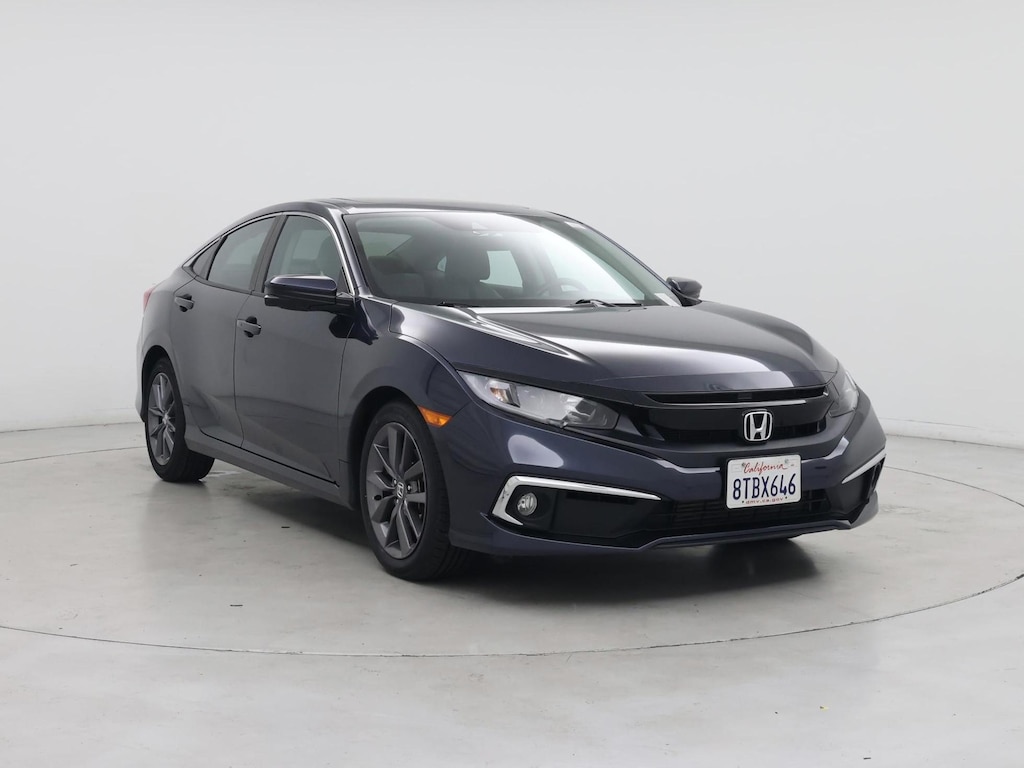
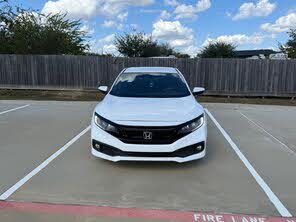
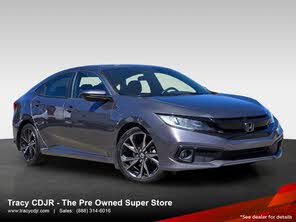
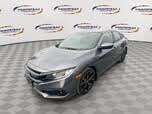
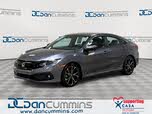
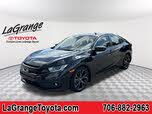
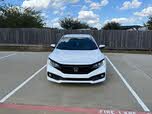
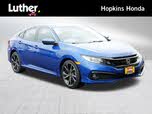
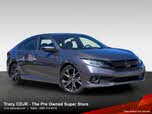
The Honda Civic held a venerable position in Honda's lineup, renowned for delivering a high level of engineering excellence for its price. Available in sedan, coupe, and hatchback body styles, the 2020 Civic turned heads with its sharp design. The sedan's sleek roofline mirrored that of the coupe, with wide, arcing headlights and large, sweeping LED taillights accentuating its low and wide stance. The hatchback’s tall rump added a quirky twist to its appearance, especially in the exaggerated Civic Type R.
For 2020, the Civic received updates like matte-black 18-inch wheels, LED fog lights, and revised bumpers on the Si trim, while the hatchback showcased new wheels in gray or black and updated lighting elements. The interior of the Civic was simple yet effective, utilizing soft-touch materials and high-quality switchgear. The redesigned center console provided versatile storage options, enhancing the Civic’s practicality without sacrificing aesthetic appeal.


The Camry offered versatile powertrain options, including a 2.5-liter four-cylinder (with FWD or AWD), a 3.5-liter V6 (FWD), and a hybrid option. The V6 engine delivered an impressive 301 horsepower and paired with an eight-speed automatic transmission, promising smooth and powerful acceleration ideal for luxury aspirations. However, in the TRD model, the V6 felt less exciting despite the dual exhaust system.
The 2.5-liter four-cylinder engine, producing 203 horsepower (206 hp in XSE trim), provided a balanced and enjoyable driving experience. The lighter four-cylinder models improved steering responsiveness, making the sporty XSE trim almost as fun as the TRD. AWD was a notable addition, offering improved traction without significantly affecting fuel economy. Front-drive Camry models managed 31 mpg combined, while AWD versions achieved 28 mpg, and V6 models averaged 26 mpg combined.
The Civic lineup boasted four engines and two transmissions, all FWD. The base 2.0-liter inline-4 generated 158 horsepower and 138 lb-ft of torque, with a 6-speed manual or a CVT available. Higher trims featured a 1.5-liter turbocharged inline-4, making 174 hp and 162 lb-ft, or 180 hp in the Sport trims. The Civic Si pushed the 1.5-liter engine to 205 hp and 192 lb-ft, while the Type R delivered a staggering 306 hp and 295 lb-ft, exclusively mated to a stick-shift.
The Civic's performance shone through its responsive engines and precise manual transmissions. The turbocharged 1.5-liter engine stood out for its mid-range acceleration and smooth power delivery. Despite firmer rides and some turbo lag in the Si, adaptive dampers and precise steering made the Civic Si engaging to drive. The Type R, despite its power, maintained composure with impressive handling dynamics.
Fuel Economy: The Civic Si was rated at 26 mpg city, 36 mpg highway, and 30 mpg combined, slightly reduced from previous years due to a shorter final-drive ratio. Other Civic models equipped with the CVT achieved up to 42 mpg highway, showcasing excellent fuel efficiency.
The Camry was designed to be user-friendly and intuitive. It provided increased front legroom and hip room from previous generations, ensuring comfort for most drivers. However, the rear seat saw a slight reduction in legroom, and overall passenger volume decreased, as did the trunk space, which now measured 15.1 cubic feet—comparable to the smaller Honda Civic. The addition of AWD didn't compromise interior or cargo space, maintaining usability despite the modifications.
The 2019 updates brought significant improvements to the Civic, including a volume knob and enhanced sound insulation. The Civic featured ergonomic controls on the three-spoke steering wheel, conventional PRNDL shifter, and configurable center console storage. Rear passengers enjoyed notable roominess and available heated outboard seats, although the absence of rear air vents was a drawback. The Civic's cargo space was impressive for a compact car: 15 cubic feet in the sedan, 12 cubic feet in the coupe, and a spacious 26 cubic feet in the hatchback, expandable to 46 cubic feet with the rear seats folded.
Toyota integrated Apple CarPlay and Android Auto into the Camry lineup, alongside Amazon Alexa compatibility and SiriusXM satellite radio. Despite feeling dated in terms of graphics and navigation software, the system was functional with responsive touch inputs and convenient hard buttons for major functions. The standard 7-inch screen was adequate, with an 8-inch upgrade available. Most trims featured additional USB-A charging ports, and higher trims offered Qi wireless charging and WiFi Connect. Optional remote connectivity further enhanced the convenience.
The Civic’s infotainment system felt dated and complex, but Apple CarPlay and Android Auto mitigated some issues. Navigation on higher trims was Garmin-based, while the Sport Touring hatchback introduced a standard garage-door opener. Active Sound Control, push-button start, keyless entry, a power moonroof, and heated front seats added to the Civic Si’s appeal. Honda Sensing included adaptive cruise control, lane-keeping assist, and auto high beams. Higher trims also provided features like leather seating, rain-sensing wipers, and LED headlights.
Standard safety features in the Camry included a pre-collision system with emergency braking, dynamic radar adaptive cruise control, lane-departure warning, and automatic high beams. Optional Bird’s Eye View provided a 360-degree view for enhanced parking safety. The Camry earned top safety ratings from the NHTSA (five stars) and IIHS (Top Safety Pick+), though it faced a recall for potential coolant leaks.
Honda Sensing equipped the Civic with forward collision warning, emergency braking, lane-keeping assist, and adaptive cruise control. LED headlight improvements earned it a Top Safety Pick rating from IIHS for most body styles, while the NHTSA awarded it five-star ratings across the board, with a single four-star rating in a frontal crash test for the coupe.
CarGurus highlights
According to CarGurus experts, the overall rating for the 2020 Toyota Camry is 7.5 out of 10, while the 2020 Honda Civic scores 8.2 out of 10. Based on these ratings, the Honda Civic emerges as the superior choice, offering better overall value, performance, and practicality for most consumers.
Choose the 2020 Honda Civic if:
- You appreciate a compact car offering multiple body styles and sporty design elements.
- You enjoy responsive turbocharged engines and precise manual transmissions.
- You require versatile cargo space, especially in the hatchback model.


Choose the 2020 Toyota Camry if:
- You prioritize a mainstream sedan with premium feel and high-quality materials.
- You value the availability of AWD for better traction in slippery conditions.
- Safety ratings and advanced driver assistance features are your top concerns.
CarGurus highlights
According to CarGurus experts, the overall rating for the 2020 Toyota Camry is 7.5 out of 10, while the 2020 Honda Civic scores 8.2 out of 10. Based on these ratings, the Honda Civic emerges as the superior choice, offering better overall value, performance, and practicality for most consumers.
Choose the 2020 Honda Civic if:
Shop Now- You appreciate a compact car offering multiple body styles and sporty design elements.
- You enjoy responsive turbocharged engines and precise manual transmissions.
- You require versatile cargo space, especially in the hatchback model.

Choose the 2020 Toyota Camry if:
Shop Now- You prioritize a mainstream sedan with premium feel and high-quality materials.
- You value the availability of AWD for better traction in slippery conditions.
- Safety ratings and advanced driver assistance features are your top concerns.





By: CarGurus + AI
At CarGurus, our team of experienced automotive writers remain at the heart of our content operation, conducting hands-on car tests and writing insightful guides that are backed by years of industry experience. To complement this, we are harnessing AI to make our content offering more diverse and more helpful to shoppers than ever. To achieve this, our AI systems are based exclusively on CarGurus content, ratings and data, so that what we produce is both unique to CarGurus, and uniquely helpful to car shoppers.