2021 Mercedes-Benz E-Class vs 2021 Toyota Camry
Overview | |
MSRP$54,250 | MSRP$25,045 |
Listings285 | Listings1445 |
Ratings & Reviews | |
User Reviews | User Reviews |
Expert reviews8.3 out of 10 | Expert reviews7.8 out of 10 |
Pros
Cons
| Pros
Cons
|
2021 Mercedes-Benz E-Class Reviews SummaryWhen money is but a mild concern, a brand-new Mercedes-Benz is a reasonable purchase. The E-Class is the company's most practical and versatile car, as high-quality and necessary in a nice garage as a Kitchen-Aid mixer is in a baker's kitchen. It offers four body styles, four engines, and dozens of color schemes. Fast or efficient? Loud or library quiet? Modest or rich as hell? The E-Class is all of those things, depending on which of the 13 models you order and how deep into the options list you dive. For 2021, the E-Class receives a mid-cycle update for the infotainment system, engines, and exterior styling. We tested the AMG E53 that features a mild-hybrid inline-six powertrain. | |
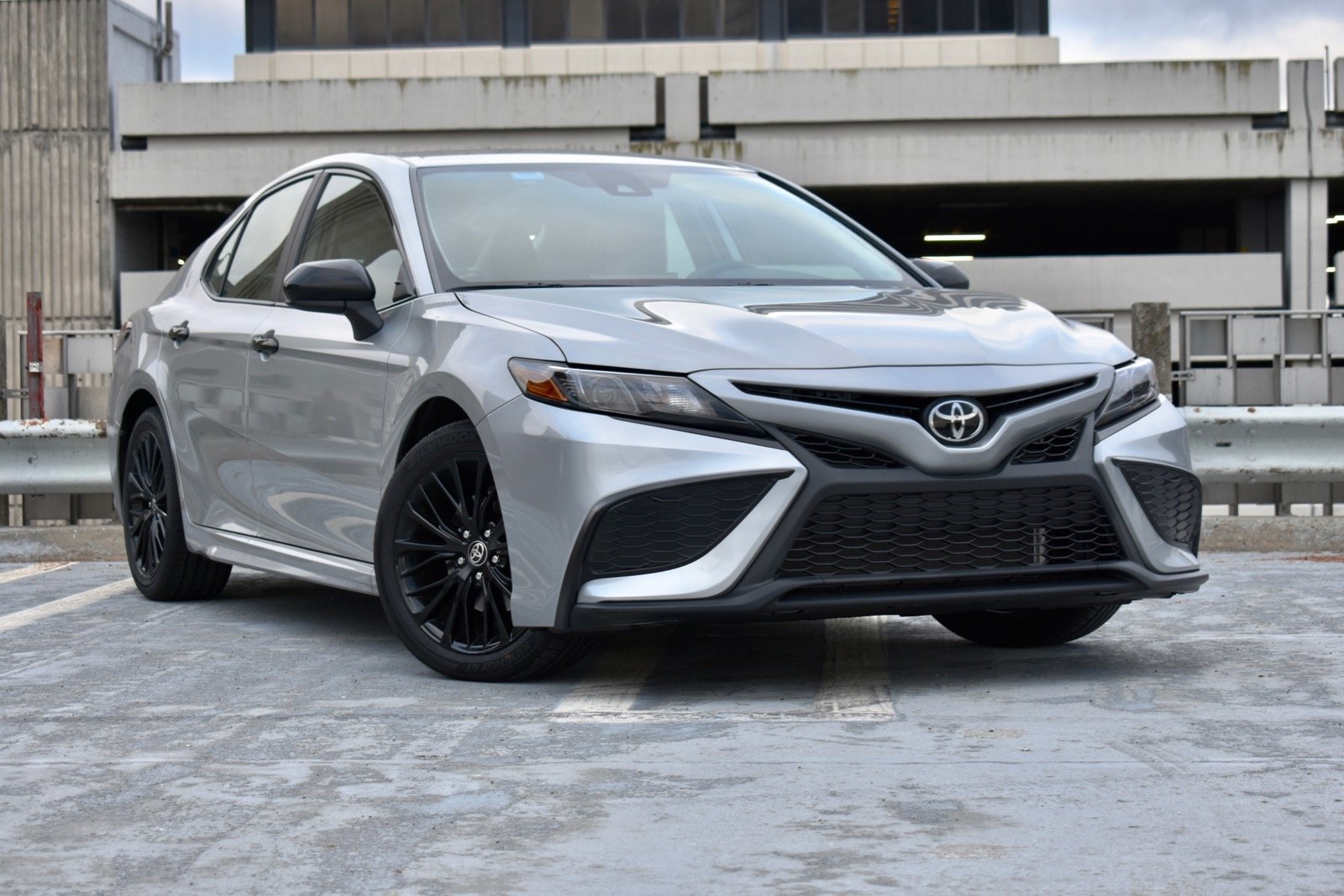
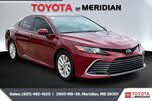
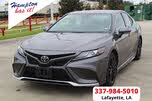
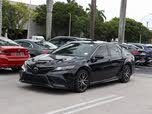
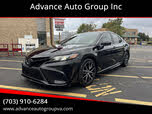
2021 Toyota Camry Reviews SummaryThe Toyota Camry has long been many new-car buyers’ default choice—but not because it’s interesting. Reliability and practicality have traditionally been the Camry’s strengths, not sportiness or style. Toyota tried to change that for the 2018 model year, when the Camry was last redesigned. The current-generation Camry adopted more extroverted styling, and engineers tried to make the driving experience more exciting, too. While Toyota’s approach has changed, the Camry still competes against the same array of midsize sedans, including the Honda Accord, Hyundai Sonata, Mazda 6, Nissan Altima, Subaru Legacy, and Volkswagen Passat. Changes for the 2021 model year include subtle styling tweaks, new infotainment displays, an upgrade to the Toyota Safety Sense 2.5+ (TSS 2.5+) package of driver aids, some changes to the dashboard trim, and the discontinuation of the Camry L trim level. That leaves the Camry LE as the new base trim level. The Camry offers buyers more choices than many rivals, encompassing three powertrains (inline-four, V6, and hybrid), six trim levels (LE, XLE, SE, SE Nightshade Edition, XSE, and TRD), and the choice of front-wheel drive (FWD) or all-wheel drive (AWD). Our test car was an AWD SE Nightshade Edition, positioned close to the middle of the lineup. | |
No video found | |
Popular Features & Specs | |
Engine2.0L 255 hp I4 | Engine2.5L 203 hp I4 |
Drive TrainRWD | Drive TrainFWD |
Seating Capacity5 | Seating Capacity5 |
Horsepower255 hp @ 5800 rpm | Horsepower |
MPG City22 | MPG City28 |
MPG Highway31 | MPG Highway39 |
Engine | |
Engine Name2.0L 255 hp I4 | Engine Name2.5L 203 hp I4 |
Torque273 lb-ft @ 1800 rpm | Torque |
Horsepower255 hp @ 5800 rpm | Horsepower |
DrivetrainRWD | DrivetrainFWD |
Fuel Economy | |
MPG City22 | MPG City28 |
MPG Highway31 | MPG Highway39 |
Interior | |
Seating Capacity5 | Seating Capacity5 |
Key Features | |
Navigation SystemStandard | Navigation System |
Sunroof/MoonroofStandard | Sunroof/Moonroof |
Safety | |
Front Crash Overall5 | Front Crash Overall5 |
Side Crash Overall5 | Side Crash Overall5 |
Dimensions & Capacity | |
Cargo Space13.1 cu ft | Cargo Space15.1 cu ft |
Curb Weight3781 lbs | Curb Weight3310 lbs |
Height57.8 in | Height56.9 in |
Length194.3 in | Length192.1 in |
Width81.3 in | Width72.4 in |
Wheelbase115.7 in | Wheelbase111.2 in |
Maximum Payload | Maximum Payload925 lbs |
Number of doors4 | Number of doors4 |
Overview | ||
MSRP | $54,250 | $25,045 |
Listings | ||
Ratings & Reviews | ||
User reviews | ||
Expert reviews | 8.3 out of 10Read full review | 7.8 out of 10Read full review |
Pros & cons | Pros
Cons
| Pros
Cons
|
Summary | When money is but a mild concern, a brand-new Mercedes-Benz is a reasonable purchase. The E-Class is the company's most practical and versatile car, as high-quality and necessary in a nice garage as a Kitchen-Aid mixer is in a baker's kitchen. It offers four body styles, four engines, and dozens of color schemes. Fast or efficient? Loud or library quiet? Modest or rich as hell? The E-Class is all of those things, depending on which of the 13 models you order and how deep into the options list you dive. For 2021, the E-Class receives a mid-cycle update for the infotainment system, engines, and exterior styling. We tested the AMG E53 that features a mild-hybrid inline-six powertrain. | The Toyota Camry has long been many new-car buyers’ default choice—but not because it’s interesting. Reliability and practicality have traditionally been the Camry’s strengths, not sportiness or style. Toyota tried to change that for the 2018 model year, when the Camry was last redesigned. The current-generation Camry adopted more extroverted styling, and engineers tried to make the driving experience more exciting, too. While Toyota’s approach has changed, the Camry still competes against the same array of midsize sedans, including the Honda Accord, Hyundai Sonata, Mazda 6, Nissan Altima, Subaru Legacy, and Volkswagen Passat. Changes for the 2021 model year include subtle styling tweaks, new infotainment displays, an upgrade to the Toyota Safety Sense 2.5+ (TSS 2.5+) package of driver aids, some changes to the dashboard trim, and the discontinuation of the Camry L trim level. That leaves the Camry LE as the new base trim level. The Camry offers buyers more choices than many rivals, encompassing three powertrains (inline-four, V6, and hybrid), six trim levels (LE, XLE, SE, SE Nightshade Edition, XSE, and TRD), and the choice of front-wheel drive (FWD) or all-wheel drive (AWD). Our test car was an AWD SE Nightshade Edition, positioned close to the middle of the lineup. |
Video | No video found | |
Popular Features & Specs | ||
Engine | 2.0L 255 hp I4 | 2.5L 203 hp I4 |
Drive Train | RWD | FWD |
Seating Capacity | 5 | 5 |
Horsepower | 255 hp @ 5800 rpm | |
MPG City | 22 | 28 |
MPG Highway | 31 | 39 |
Engine | ||
Engine Name | 2.0L 255 hp I4 | 2.5L 203 hp I4 |
Torque | 273 lb-ft @ 1800 rpm | |
Horsepower | 255 hp @ 5800 rpm | |
Drivetrain | RWD | FWD |
Fuel Economy | ||
MPG City | 22 | 28 |
MPG Highway | 31 | 39 |
Interior | ||
Seating Capacity | 5 | 5 |
Key Features | ||
Navigation System | Standard | |
Sunroof/Moonroof | Standard | |
Safety | ||
Front Crash Overall | 5 | 5 |
Side Crash Overall | 5 | 5 |
Dimensions & Capacity | ||
Cargo Space | 13.1 cu ft | 15.1 cu ft |
Curb Weight | 3781 lbs | 3310 lbs |
Height | 57.8 in | 56.9 in |
Length | 194.3 in | 192.1 in |
Width | 81.3 in | 72.4 in |
Wheelbase | 115.7 in | 111.2 in |
Maximum Payload | 925 lbs | |
Number of doors | 4 | 4 |
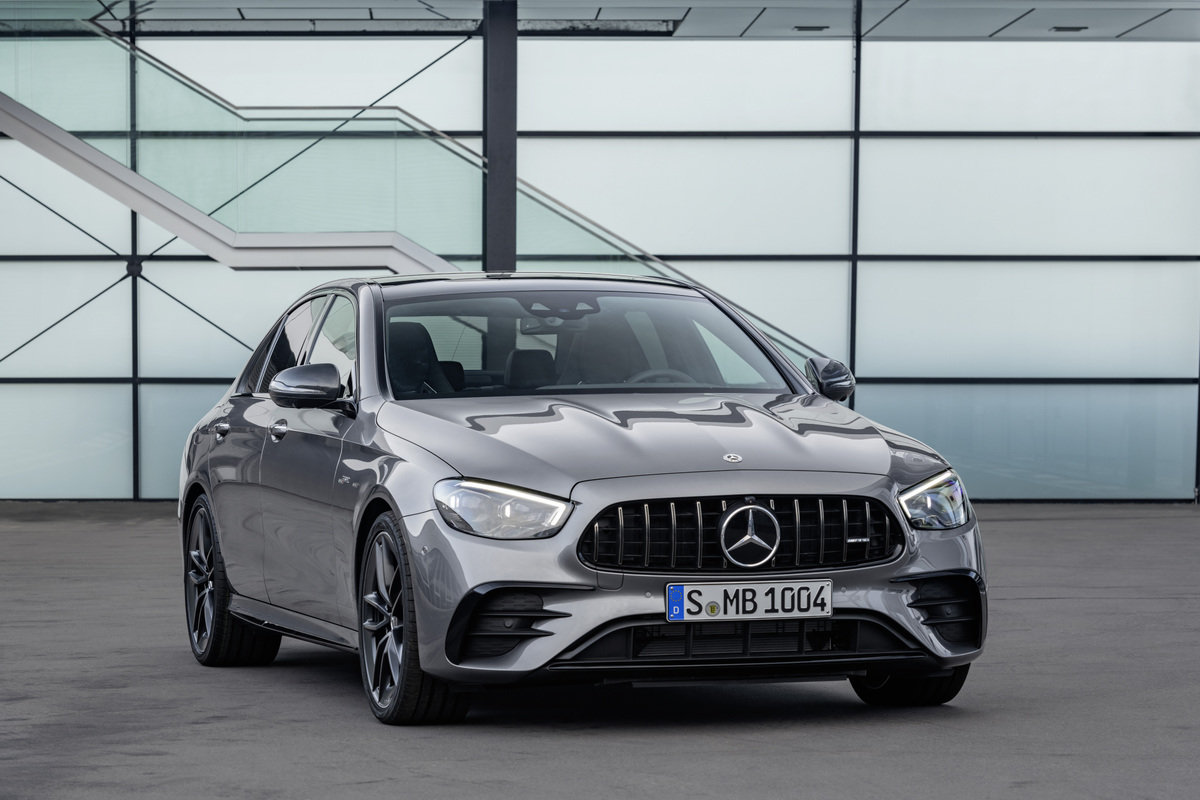
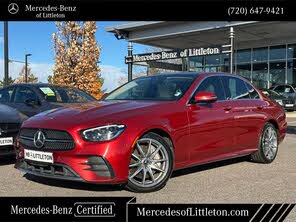
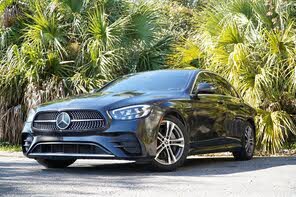
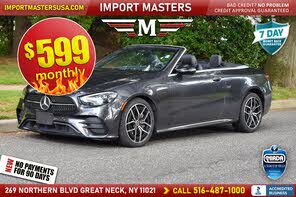
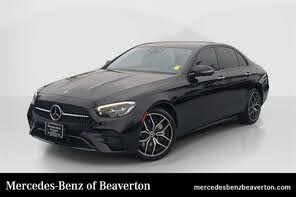
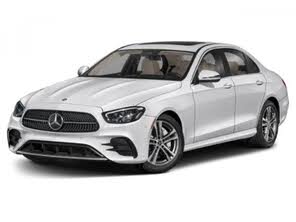
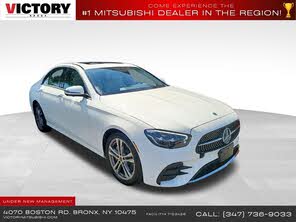
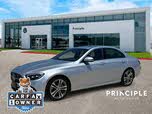
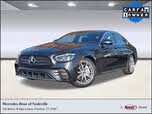
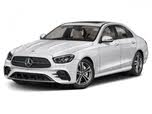
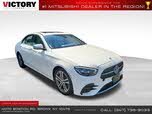
The 2021 Mercedes-Benz E-Class took a bold step away from its predecessor by aligning its design with the more fluid and curvilinear forms of the contemporary S-Class and C-Class models. Mercedes' chief designer, Gorden Wagener, described this theme as "sensual purity." With the 2021 model, the E-Class sported a slightly more aggressive front with squinted headlights and a trapezoidal grille, reminiscent of the edgier W212 from behind. The vehicle also featured new bumpers with larger air intakes, updated exhaust tips, and refreshed wheels. Despite these changes, the E-Class maintained its traditional elegance, whether configured as a sedan, wagon, coupe, or convertible.
Notably, the classic standing hood ornament on sedans and wagons, which distinguished the 'Luxury' package, was no longer available. Though the Sport package, popular among buyers, retained the distinct grille with a prominent star emblem, it sometimes seemed overly flashy, particularly when backlit. This aesthetic, however, fitted AMG models well, given the firepower under the hood, but appeared gaudy for other trims. The E-Class exuded a reserved and conservative appeal on the outside, contrasting starkly with its lavish interiors.
The 2021 E-Class cabin offered an opulent mix of high-quality materials and sophisticated design. Rich woods, polished metals, carbon fiber accents, and detailed stitching dominated the space. Ambient lighting animated and interacted with climate and mood settings, adding to the interior's allure. The car's infotainment system revealed two 12-inch screens that provided crisp and vibrant visuals. The 2021 model saw the introduction of a digital display for the instrument panel, moving away from the traditional analog gauges. A variety of new steering wheels—ranging from standard designs to the complex AMG six-spoked version—added to the updated feel. Inside, the E-Class remained unrivaled in its class, marrying luxury with technology in a seamless manner.
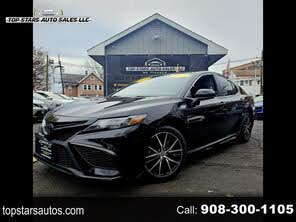
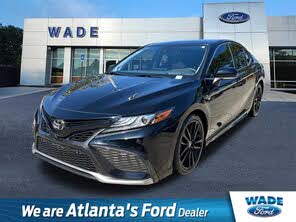
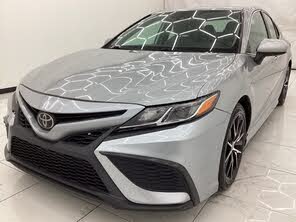
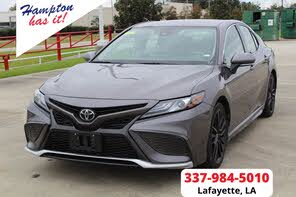
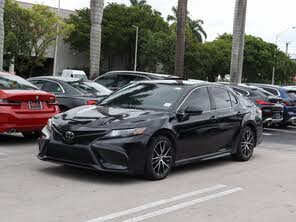
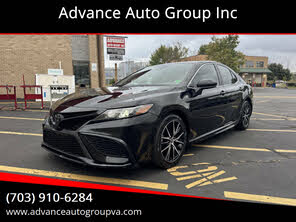
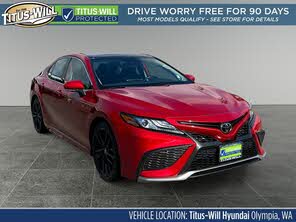
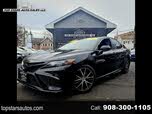
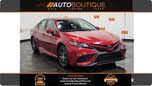
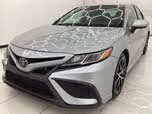
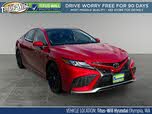
Conversely, the 2021 Toyota Camry was designed to break away from its staid predecessors and make a more vibrant impression. It shed its former ‘generic car’ appearance by incorporating more styling details. Elements like flared wheel arches and slim headlights and taillights helped visually broaden the car. However, trims like the SE, XSE, and TRD were criticized for excessive faux vents that added unnecessary visual noise. The LE and XLE trims featured a different, albeit large, grille that was somewhat cleaner in appearance. The underlying TNGA-K platform shared with models like the Avalon and RAV4 provided a solid foundation.
Toyota refreshed the front-fascia for most 2021 Camry trims, but the changes were subtle. The TRD model retained its unique styling elements, including a larger rear spoiler. Trim-specific aesthetics continued with the Nightshade Edition, which presented blacked-out exterior elements on the SE trim. Wheel choices ranged from 17-inch alloys on the base LE to larger 18 and 19-inch options on other models.
Inside, the Camry replicated the busy exterior with a somewhat disjointed dashboard design in the SE Nightshade Edition. Various trim elements—from contrast stitching to piano black and faux carbon fiber—lacked a unifying theme and felt rather low-rent. Overall, while the design attempted to be more engaging, it didn't always succeed in offering a coherent or high-end feel.


The 2021 Mercedes-Benz E-Class saw a significant shift in its powertrain lineup. The E450 model became a hybrid, featuring an electrified inline-six engine. This setup, which had been introduced on the AMG E53 in 2019, utilized a 48-volt electrical system alongside the conventional 12-volt setup. This allowed for a supplementary 21 horsepower and 184 pound-feet of torque. The inline-six turbocharged engine managed to deliver 362 horsepower and 369 pound-feet of torque, with overboost capabilities due to the battery.
While the engine changes promised better fuel efficiency and lower emissions, the real-world driving experience felt similar to the previous V6 models. The AMG E53 took the E450's engine a step further by adding a second electrically-driven supercharger, producing 429 hp and 384 lb-ft of torque. Even though it provided brisk acceleration, the engine's exhaust note was considerably tamer compared to previous AMG models. Meanwhile, the AMG E63 S with its hand-crafted 4.0-liter V8 engine churned out a massive 603 hp and 627 lb-ft of torque, setting it apart as a supercar-level performer.
In contrast, the 2021 Toyota Camry offered a range of powertrains, starting with a 2.5-liter four-cylinder engine, termed Dynamic Force. This engine provided 203 hp and 184 lb-ft of torque in most trims with FWD and slightly varied outputs for other configurations. XSE models had a dual-exhaust system, boosting figures a bit more. For a naturally aspirated engine, it delivered decent grunt and a surprisingly engaging driving experience.
For those seeking more power, the Camry offered a 3.5-liter V6 that produced 301 hp and 267 lb-ft of torque. Additionally, a hybrid version combined the base engine with an electric motor to deliver 208 hp. While the SE Nightshade Edition we tested had the base four-cylinder paired with AWD, the car felt eager and responsive, even with this less potent setup. Steering was precise but lacked feedback, and though not as sharp as rivals like the Honda Accord or Mazda 6, the Camry still delivered a surprisingly enjoyable drive.
Toyota reintroduced AWD in the 2020 Camry, and it persisted in the 2021 model, borrowing the system from the RAV4 AWD. This setup could send 50% of the torque to the rear wheels when additional traction was needed but reverted to FWD otherwise. This addition did not affect the interior or cargo space, which was a smart move by Toyota to enhance driving dynamics without compromising practicality.
The 2021 Mercedes-Benz E-Class offered a highly functional and luxurious interior. The introduction of a touchscreen and revamped infotainment interface simplified everyday tasks. Although the redesigned steering wheel touchpads posed some challenges, shortcut buttons for key functions and separate climate controls remained user-friendly features. The cabin provided ample space for four adults, though high-end features like separate rear climate controls and soft-close doors were notably absent in the E53 trim. Trunk space in the sedan stood at 13 cubic feet, and the two-door models offered around 10 cubic feet, reducing further with the convertible roof down. On the other hand, the wagon variant provided a more substantial 35 cubic feet of cargo space, expandable to 64 with seats folded.
The 2021 Toyota Camry, on the other hand, excelled in rear-seat accommodation, offering generous headroom and legroom. However, front seats had less space compared to the competition, but their adjustability and comfort compensated for this shortfall. With 15.1 cubic feet of cargo space, the Camry lagged behind rivals like the Honda Accord, which offered 16.7 cubic feet. In-cabin storage was limited, with small cupholders and door bottle holders. Despite some ergonomics issues, Toyota included analog controls for essential functions, simplifying their use without over-reliance on the touchscreen.
The 2021 Mercedes-Benz E-Class boasted the latest MBUX infotainment system, featuring a touchscreen interface that supported gestures and voice commands similar to AI assistants like Siri. The system displayed high-quality graphics and had advanced features like live camera feeds overlaid with navigation aids. It even had functions like massaging seats and seat kinetics for comfort. However, it lacked over-the-air updates and wireless Apple CarPlay/Android Auto. Despite this, the system’s incredible versatility in display and control made it stand out.
In comparison, the 2021 Toyota Camry came with a 7-inch touchscreen as standard, featuring essential functions like Apple CarPlay, Android Auto, and Amazon Alexa compatibility. Higher trims offered a larger 9-inch touchscreen, navigation, and a premium JBL audio system. The infotainment interface was straightforward but lacked the visual appeal found in higher-end systems. Toyota included several practical features like USB ports, a 12-volt outlet, and a WiFi hotspot, but none went beyond basic functionality.
The 2021 Mercedes-Benz E-Class excelled in safety, earning a five-star overall rating from NHTSA for the sedan and wagon variants. It received the 2020 IIHS Top Safety Pick+ award with top ratings across multiple crash tests and safety systems. The E-Class boasted numerous standard and optional safety features, some unique to Mercedes like the Pre-Safe Sound and comprehensive driver assistance systems capable of semi-autonomous driving.
Meanwhile, the 2021 Toyota Camry also achieved high safety accolades, including a Top Safety Pick+ rating from IIHS and a five-star overall rating from NHTSA. The Camry came with the new TSS 2.5+ package, enhancing the capabilities of existing features like adaptive cruise control, forward-collision warning, and lane-departure warning. It also introduced a Rear Seat Reminder across all trims to alert drivers of any rear passengers or pets. While it offered optional blind-spot monitoring and rear cross-traffic alert, some features remained trim-specific.
CarGurus highlights
According to CarGurus experts, the overall rating for the 2021 Mercedes-Benz E-Class is 8.3 out of 10, while the 2021 Toyota Camry scores 7.8 out of 10. Both vehicles excel in various aspects, but the E-Class edges out with its superior blend of luxury, performance, and cutting-edge technology. For those seeking a more opulent and high-tech experience, the 2021 Mercedes-Benz E-Class is the clear winner. However, if practicality, reliability, and engaging yet comfortable driving are your primary concerns, the 2021 Toyota Camry remains a solid choice.
Choose the 2021 Mercedes-Benz E-Class if:
- You prioritize a luxurious and technologically advanced interior with sophisticated materials.
- You desire a variety of powerful engine options, including hybrid and high-performance variants.
- Comprehensive safety features and high safety ratings are vital to your purchasing decision.


Choose the 2021 Toyota Camry if:
- You seek a reliable and comfortable family sedan with ample rear-seat space and overall practicality.
- An engaging driving experience with multiple powertrain options, including AWD and hybrid, is essential.
- High safety standards and modern driver assistance features are a priority for you.



CarGurus highlights
According to CarGurus experts, the overall rating for the 2021 Mercedes-Benz E-Class is 8.3 out of 10, while the 2021 Toyota Camry scores 7.8 out of 10. Both vehicles excel in various aspects, but the E-Class edges out with its superior blend of luxury, performance, and cutting-edge technology. For those seeking a more opulent and high-tech experience, the 2021 Mercedes-Benz E-Class is the clear winner. However, if practicality, reliability, and engaging yet comfortable driving are your primary concerns, the 2021 Toyota Camry remains a solid choice.
Choose the 2021 Mercedes-Benz E-Class if:
Shop Now- You prioritize a luxurious and technologically advanced interior with sophisticated materials.
- You desire a variety of powerful engine options, including hybrid and high-performance variants.
- Comprehensive safety features and high safety ratings are vital to your purchasing decision.






Choose the 2021 Toyota Camry if:
Shop Now- You seek a reliable and comfortable family sedan with ample rear-seat space and overall practicality.
- An engaging driving experience with multiple powertrain options, including AWD and hybrid, is essential.
- High safety standards and modern driver assistance features are a priority for you.



By: CarGurus + AI
At CarGurus, our team of experienced automotive writers remain at the heart of our content operation, conducting hands-on car tests and writing insightful guides that are backed by years of industry experience. To complement this, we are harnessing AI to make our content offering more diverse and more helpful to shoppers than ever. To achieve this, our AI systems are based exclusively on CarGurus content, ratings and data, so that what we produce is both unique to CarGurus, and uniquely helpful to car shoppers.