2021 Toyota Camry vs 2020 Lexus ES
Overview | |
MSRP$39,900 | MSRP$25,045 |
Listings80 | Listings217 |
Ratings & Reviews | |
User Reviews | User Reviews |
Expert reviews8.0 out of 10 | Expert reviews7.8 out of 10 |
Pros
Cons
| Pros
Cons
|
2020 Lexus ES Reviews SummarySUVs might dominate the luxury car market, but many luxury brands were built on sedans, like the 2020 Lexus ES. While crossovers and SUVs combine added cargo space with all-weather driving capability, sedans are all about driving in comfort. Lower ride height allows sedans to be far more refined in on-road driving dynamics, offer better fuel economy, and still have enough room for a weekend’s worth of bags. SUVs might have the attributes that you might need in certain scenarios, but sedans like the 2020 Lexus ES excel in ways that are relevant in everyday driving. The 2020 Lexus ES is one year off a complete redesign, though it maintains the same comfort-first formula. It is available in a racy 350 F Sport trim level, but don’t expect any major leaps in performance. The ES delivers on a serene ride and a quiet, well-appointed cabin. For 2020, the ES gains some in-cabin tech features, joining a long list of standard technology. | |
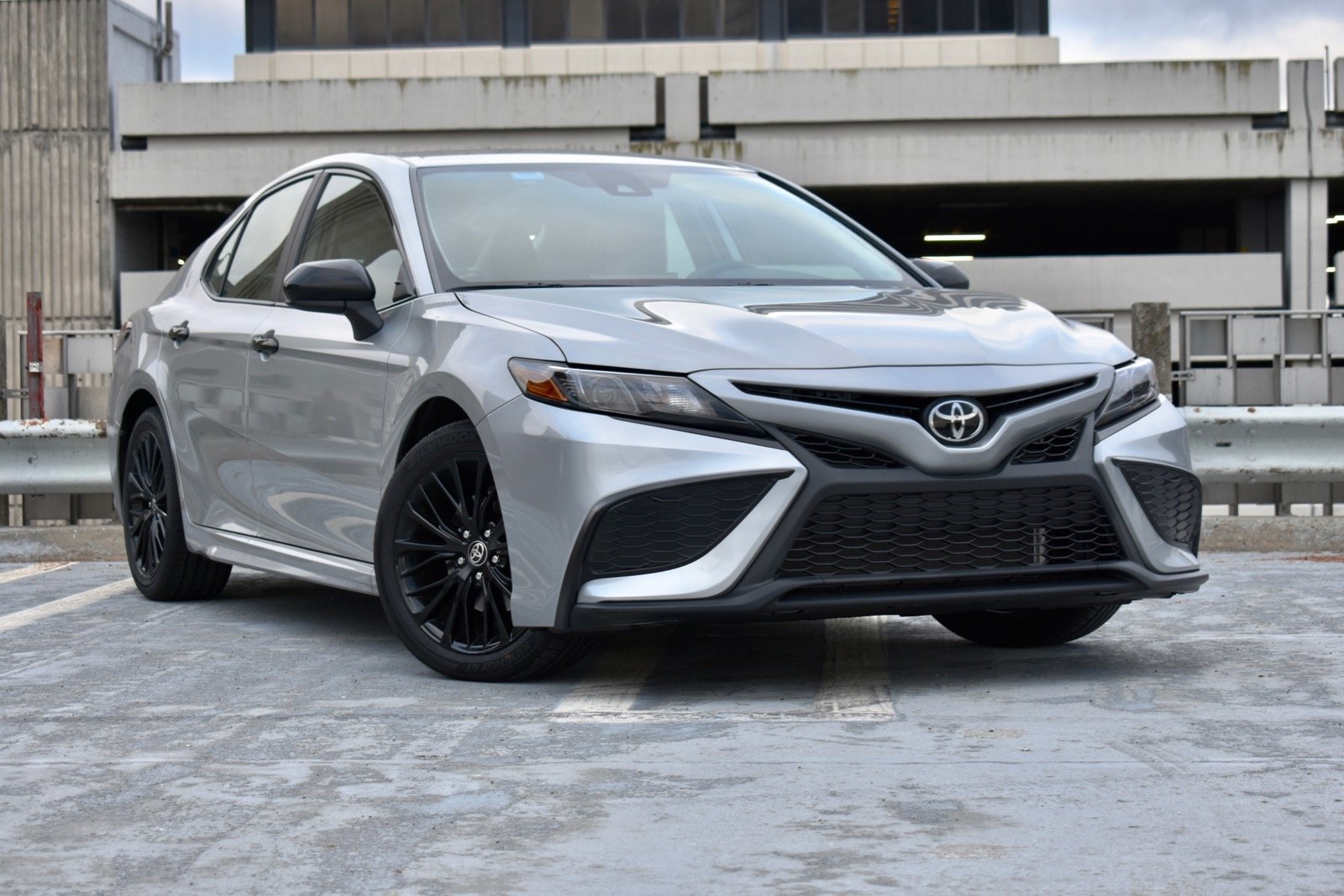
2021 Toyota Camry Reviews SummaryThe Toyota Camry has long been many new-car buyers’ default choice—but not because it’s interesting. Reliability and practicality have traditionally been the Camry’s strengths, not sportiness or style. Toyota tried to change that for the 2018 model year, when the Camry was last redesigned. The current-generation Camry adopted more extroverted styling, and engineers tried to make the driving experience more exciting, too. While Toyota’s approach has changed, the Camry still competes against the same array of midsize sedans, including the Honda Accord, Hyundai Sonata, Mazda 6, Nissan Altima, Subaru Legacy, and Volkswagen Passat. Changes for the 2021 model year include subtle styling tweaks, new infotainment displays, an upgrade to the Toyota Safety Sense 2.5+ (TSS 2.5+) package of driver aids, some changes to the dashboard trim, and the discontinuation of the Camry L trim level. That leaves the Camry LE as the new base trim level. The Camry offers buyers more choices than many rivals, encompassing three powertrains (inline-four, V6, and hybrid), six trim levels (LE, XLE, SE, SE Nightshade Edition, XSE, and TRD), and the choice of front-wheel drive (FWD) or all-wheel drive (AWD). Our test car was an AWD SE Nightshade Edition, positioned close to the middle of the lineup. | |
No video found | |
Popular Features & Specs | |
Engine3.5L 302 hp V6 | Engine2.5L 203 hp I4 |
Drive TrainFWD | Drive TrainFWD |
Seating Capacity5 | Seating Capacity5 |
Horsepower302 hp @ 6600 rpm | Horsepower |
MPG City22 | MPG City28 |
MPG Highway32 | MPG Highway39 |
Engine | |
Engine Name3.5L 302 hp V6 | Engine Name2.5L 203 hp I4 |
Torque267 lb-ft @ 4700 rpm | Torque |
Horsepower302 hp @ 6600 rpm | Horsepower |
DrivetrainFWD | DrivetrainFWD |
Fuel Economy | |
MPG City22 | MPG City28 |
MPG Highway32 | MPG Highway39 |
Interior | |
Seating Capacity5 | Seating Capacity5 |
Key Features | |
Sunroof/MoonroofOptional | Sunroof/Moonroof |
Safety | |
Front Crash Overall4 | Front Crash Overall5 |
Side Crash Overall5 | Side Crash Overall5 |
Dimensions & Capacity | |
Cargo Space16.7 cu ft | Cargo Space15.1 cu ft |
Curb Weight3649 lbs | Curb Weight3310 lbs |
Height56.9 in | Height56.9 in |
Length195.9 in | Length192.1 in |
Width73.4 in | Width72.4 in |
Wheelbase113.0 in | Wheelbase111.2 in |
Maximum Payload905 lbs | Maximum Payload925 lbs |
Number of doors4 | Number of doors4 |
Overview | ||
MSRP | $39,900 | $25,045 |
Listings | ||
Ratings & Reviews | ||
User reviews | ||
Expert reviews | 8.0 out of 10Read full review | 7.8 out of 10Read full review |
Pros & cons | Pros
Cons
| Pros
Cons
|
Summary | SUVs might dominate the luxury car market, but many luxury brands were built on sedans, like the 2020 Lexus ES. While crossovers and SUVs combine added cargo space with all-weather driving capability, sedans are all about driving in comfort. Lower ride height allows sedans to be far more refined in on-road driving dynamics, offer better fuel economy, and still have enough room for a weekend’s worth of bags. SUVs might have the attributes that you might need in certain scenarios, but sedans like the 2020 Lexus ES excel in ways that are relevant in everyday driving. The 2020 Lexus ES is one year off a complete redesign, though it maintains the same comfort-first formula. It is available in a racy 350 F Sport trim level, but don’t expect any major leaps in performance. The ES delivers on a serene ride and a quiet, well-appointed cabin. For 2020, the ES gains some in-cabin tech features, joining a long list of standard technology. | The Toyota Camry has long been many new-car buyers’ default choice—but not because it’s interesting. Reliability and practicality have traditionally been the Camry’s strengths, not sportiness or style. Toyota tried to change that for the 2018 model year, when the Camry was last redesigned. The current-generation Camry adopted more extroverted styling, and engineers tried to make the driving experience more exciting, too. While Toyota’s approach has changed, the Camry still competes against the same array of midsize sedans, including the Honda Accord, Hyundai Sonata, Mazda 6, Nissan Altima, Subaru Legacy, and Volkswagen Passat. Changes for the 2021 model year include subtle styling tweaks, new infotainment displays, an upgrade to the Toyota Safety Sense 2.5+ (TSS 2.5+) package of driver aids, some changes to the dashboard trim, and the discontinuation of the Camry L trim level. That leaves the Camry LE as the new base trim level. The Camry offers buyers more choices than many rivals, encompassing three powertrains (inline-four, V6, and hybrid), six trim levels (LE, XLE, SE, SE Nightshade Edition, XSE, and TRD), and the choice of front-wheel drive (FWD) or all-wheel drive (AWD). Our test car was an AWD SE Nightshade Edition, positioned close to the middle of the lineup. |
Video | No video found | |
Popular Features & Specs | ||
Engine | 3.5L 302 hp V6 | 2.5L 203 hp I4 |
Drive Train | FWD | FWD |
Seating Capacity | 5 | 5 |
Horsepower | 302 hp @ 6600 rpm | |
MPG City | 22 | 28 |
MPG Highway | 32 | 39 |
Engine | ||
Engine Name | 3.5L 302 hp V6 | 2.5L 203 hp I4 |
Torque | 267 lb-ft @ 4700 rpm | |
Horsepower | 302 hp @ 6600 rpm | |
Drivetrain | FWD | FWD |
Fuel Economy | ||
MPG City | 22 | 28 |
MPG Highway | 32 | 39 |
Interior | ||
Seating Capacity | 5 | 5 |
Key Features | ||
Sunroof/Moonroof | Optional | |
Safety | ||
Front Crash Overall | 4 | 5 |
Side Crash Overall | 5 | 5 |
Dimensions & Capacity | ||
Cargo Space | 16.7 cu ft | 15.1 cu ft |
Curb Weight | 3649 lbs | 3310 lbs |
Height | 56.9 in | 56.9 in |
Length | 195.9 in | 192.1 in |
Width | 73.4 in | 72.4 in |
Wheelbase | 113.0 in | 111.2 in |
Maximum Payload | 905 lbs | 925 lbs |
Number of doors | 4 | 4 |
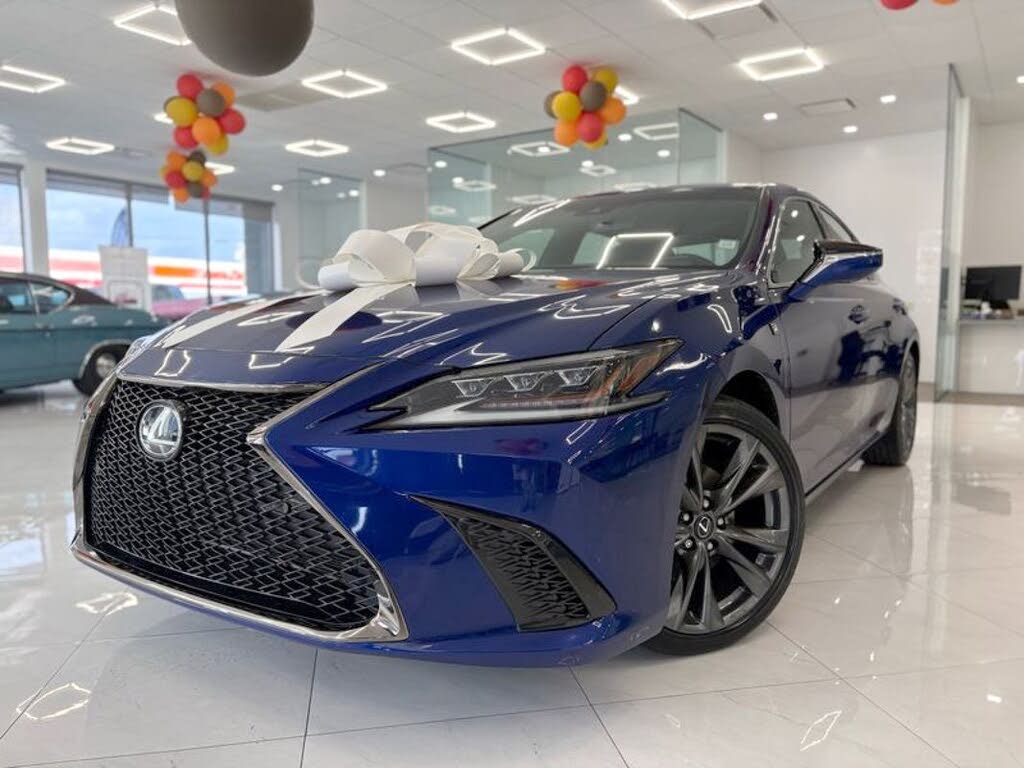
The 2020 Lexus ES aimed to shed its previous "boring" label with a more aggressive design approach. The large spindle grille that Lexus introduced in 2016 became even larger in the 2020 model, and while it previously seemed shoehorned into the car's design, it now meshed well with the car's more balanced proportions. The rear of the vehicle featured a more sedate appearance, characterized by thin taillamps that echoed the angular design of the headlights. A notable kink at the back of the side windows visually broke up the long and low profile of the sedan. Inside, the ES's cabin elegantly blended modern technology with soft-touch materials. Lexus had created an interior that, apart from Mercedes-Benz, few could rival in terms of luxury.
In contrast, the 2021 Toyota Camry worked vigorously to distance itself from its plain-looking predecessors. Designers added a plethora of styling elements to make it more exciting, such as flared wheel arches and thin headlights and taillights, which visually widened the car. However, the SE, XSE, and TRD trims were cluttered with fake vents. The LE and XLE trims had a cleaner but still large grille. Underpinning the car was the versatile TNGA-K platform, shared with other Toyota models like the Avalon and RAV4. Although there were some minor updates to the front fascia for 2021, the overall design remained consistent with the preceding year. The TRD performance model featured distinct styling elements, including a larger rear spoiler, while the Nightshade Edition, based on the SE trim, featured blacked-out trim and wheels. Inside, however, the Camry's chaotic styling continued, with mismatched trim elements making it look cobbled together.


The 2020 Lexus ES was equipped with a 3.5-liter V6 engine, delivering 302 horsepower and 267 pound-feet of torque to the front wheels via an eight-speed automatic transmission. Lexus claimed the vehicle could achieve a 0-60 mph time of 6.6 seconds, with a top speed of 131 mph. While not a performance machine, the ES provided confident acceleration and smooth rides. The suspension was designed to absorb road bumps without making the car feel wallowy. Steering was light but precise. The F Sport model even offered an Adaptive Variable Suspension that allowed drivers to switch between different driving modes, including an additional Sport+ mode for improved steering and throttle response. Although not aiming to be a hot performer, the upgraded suspension and paddle shifters made cornering a more engaging experience.
The 2021 Toyota Camry, on the other hand, offered multiple powertrain choices. Its base powertrain was a 2.5-liter four-cylinder engine, producing 203 horsepower and 184 pound-feet of torque with front-wheel drive, slightly lower with all-wheel drive. The four-cylinder variant in XSE models even featured a dual-exhaust system that bumped the output slightly higher. Toyota also continued to offer a naturally aspirated 3.5-liter V6 in the Camry, which produced 301 horsepower and 267 pound-feet of torque. There was also a hybrid model with a total system output of 208 horsepower. Our SE Nightshade Edition test car featured the base four-cylinder engine paired with AWD, which delivered a surprisingly engaging driving experience. The Dynamic Force engine was eager to rev and had an enjoyable sound, adding unexpected excitement. The TRD model took performance further with upgraded suspension, bigger brakes, and optional summer tires. The reintroduced AWD system derived from the RAV4 could send up to 50% of torque to the rear wheels when needed.
The Lexus ES featured a spacious cabin with ample head- and legroom in both rows. Front passengers could slide their seats far back without cramping rear-seat occupants. Although the exterior design might suggest tight rear-seat headroom, Lexus expanded this during the 2019 redesign, making it comfortable even for taller passengers. The cabin also had practical storage solutions, such as deep front door pockets and various compartments in the center console, which included cupholders and storage trays. With 16.7 cubic feet of trunk space, the ES was average but sufficient for most needs. The one downside was that the rear seats did not fold down, limiting cargo flexibility.
The 2021 Toyota Camry, by comparison, had generous rear headroom and legroom, though this seemed to compromise front-seat space. However, the front seats were adjustable enough to find a comfortable position. The seats themselves were supportive, and visibility was excellent. At 15.1 cubic feet, the Camry's trunk space was average for the segment but fell short of the Lexus ES. Interior storage was similarly limited, with small cupholders and door bottle holders, and items tended to get stuck in the door bins' crevices. Toyota did include helpful analog controls for major functions, but their placement sometimes made them hard to reach.
The 2020 Lexus ES featured the Lexus Remote Touch system, controlled via a touch-sensitive pad on the center console. This pad manipulated either the standard 8-inch display or the available 12.3-inch display. This system wasn't a touchscreen, but the touchpad was intuitive enough once presets were established. The infotainment system included standard Apple CarPlay and Android Auto for 2020, a welcome addition given Lexus's late adoption of these features. The ES also came with a 10-speaker premium audio system, upgradeable to a 17-speaker Mark Levinson system. A head-up display was an optional feature, offering crisp graphics and customization options.
The 2021 Toyota Camry included a 7-inch touchscreen as standard, featuring Apple CarPlay, Android Auto, Amazon Alexa compatibility, Bluetooth, Siri Eyes Free, and SiriusXM satellite radio. Higher trims got a 9-inch touchscreen, WiFi support for up to five devices, navigation, and a nine-speaker JBL audio system. Some trims also offered a 10-inch head-up display. A single USB media port, two USB charge ports, and a 12-volt outlet were standard across trims. The touchscreen menus were user-friendly but not particularly striking. Despite its functionality, Toyota's infotainment system lacked standout features, focusing on practicality rather than design.
Every 2020 Lexus ES came standard with Lexus Safety System+ 2.0. This comprehensive suite included forward collision avoidance, automatic emergency braking, lane-departure warning, dynamic radar cruise control, and automatic high beams. Additionally, it featured pedestrian and cyclist detection, lane-keep assist with steering correction, and lane-tracing assist for limited semi-autonomous functionality. The vehicle also came with a full array of airbags, traction control, stability control, and a tire-pressure monitoring system.
The 2021 Toyota Camry earned top safety ratings from both the IIHS and NHTSA. The Camry came with the new TSS 2.5+ package, which included adaptive cruise control, automatic emergency braking, forward-collision warning (with pedestrian detection), lane-departure warning, automatic high beams, and traffic-sign recognition. The adaptive cruise control could now provide acceleration assistance during lane changes. Forward-collision warning could also detect cyclists and oncoming vehicles during left turns. New for 2021 was the Rear Seat Reminder to prevent leaving children or pets in the back seats. Blind-spot monitoring and rear cross-traffic alert were standard on higher trims and optional on others.
CarGurus highlights

According to CarGurus experts, the overall rating for the 2020 Lexus ES was 8 out of 10, while the 2021 Toyota Camry scored 7.8 out of 10. Given these ratings, the Lexus ES edges out the Camry, offering a more luxurious and comfortable experience, along with superior interior quality and design. If luxury, comfort, and advanced features are your priorities, the 2020 Lexus ES should be your choice. However, if you seek a car with strong safety credentials and diverse powertrain options, the 2021 Toyota Camry remains a solid contender.
Choose the 2021 Toyota Camry if:
- You need a family car with a strong emphasis on safety, earning top ratings from major safety organizations.
- You're looking for a versatile vehicle with multiple powertrain options, including AWD and hybrid variants.
- You prefer a more dynamic driving experience, which is unexpected in a midsize sedan.


Choose the 2020 Lexus ES if:
- You prioritize a luxurious interior with top-notch materials and sophisticated design.
- You require a smooth, comfortable ride with advanced suspension options for varied driving conditions.
- You're looking for a spacious cabin with ample legroom and high-quality finishes.




CarGurus highlights
According to CarGurus experts, the overall rating for the 2020 Lexus ES was 8 out of 10, while the 2021 Toyota Camry scored 7.8 out of 10. Given these ratings, the Lexus ES edges out the Camry, offering a more luxurious and comfortable experience, along with superior interior quality and design. If luxury, comfort, and advanced features are your priorities, the 2020 Lexus ES should be your choice. However, if you seek a car with strong safety credentials and diverse powertrain options, the 2021 Toyota Camry remains a solid contender.
Choose the 2021 Toyota Camry if:
Shop Now- You need a family car with a strong emphasis on safety, earning top ratings from major safety organizations.
- You're looking for a versatile vehicle with multiple powertrain options, including AWD and hybrid variants.
- You prefer a more dynamic driving experience, which is unexpected in a midsize sedan.
Choose the 2020 Lexus ES if:
Shop Now- You prioritize a luxurious interior with top-notch materials and sophisticated design.
- You require a smooth, comfortable ride with advanced suspension options for varied driving conditions.
- You're looking for a spacious cabin with ample legroom and high-quality finishes.

By: CarGurus + AI
At CarGurus, our team of experienced automotive writers remain at the heart of our content operation, conducting hands-on car tests and writing insightful guides that are backed by years of industry experience. To complement this, we are harnessing AI to make our content offering more diverse and more helpful to shoppers than ever. To achieve this, our AI systems are based exclusively on CarGurus content, ratings and data, so that what we produce is both unique to CarGurus, and uniquely helpful to car shoppers.

