2021 Volvo XC40 vs 2020 Toyota 4Runner

Overview | |
MSRP$36,120 | MSRP$33,700 |
Listings788 | Listings166 |
Ratings & Reviews | |
User Reviews | User Reviews |
Expert reviews6.8 out of 10 | Expert reviews8.0 out of 10 |
Pros
Cons
| Pros
Cons
|
2020 Toyota 4Runner Reviews SummaryEven in its expensive Limited trim, the Toyota 4Runner remains clearly purpose-built for tackling terrain. Whether on a dusty cow path or snowy mountain road, the 4Runner looks most in its element when its outside the typical car’s comfort zone. For 2020, Toyota keeps enough chrome and leather available to market the 4Runner as a rough-and-tumble luxury alternative, but shoppers considering one had better have a real need for 4-wheel drive. | |
2021 Volvo XC40 Reviews SummaryIntroduced for the 2019 model year, the Volvo XC40 enters 2021 with one major change—the addition of an all-electric powertrain option. The 2021 Volvo XC40 Recharge is the Swedish automaker’s first mass-market electric vehicle, in fact. The Recharge will be sold alongside gasoline versions of the XC40, which carry over largely unchanged, and compete against small luxury crossovers like the Audi Q3, BMW X1, Mercedes-Benz GLA-Class, and Lexus UX. With its electric powertrain, the Recharge is a de facto Tesla Model Y competitor. It’s also priced similar to high-end versions of the Ford Mustang Mach-E, although the two electric crossovers have somewhat different philosophies. In addition to that zero-emission powertrain, the Recharge gets an Android-based operating system, over-the-air (OTA) software update capability for all vehicle systems, and some updates to driver-assist tech. These changes don’t apply to gasoline 2021 XC40 models, but Volvo does plan to add the Android operating system to more vehicles in the future. Since the Recharge is the main new thing for the 2021 XC40, that’s what we focused on for this review. While the gasoline XC40 is available in three trim levels—Momentum, R-Design, and Inscription—with front-wheel drive (FWD) or all-wheel drive (AWD), the Recharge is only offered in a single trim level, with standard AWD. | |
No video found | No video found |
Popular Features & Specs | |
Engine4.0L 270 hp V6 | Engine2.0L 187 hp I4 |
Drive Train4X2 | Drive TrainFWD |
Seating Capacity7 | Seating Capacity5 |
Horsepower270 hp @ 5600 rpm | Horsepower187 hp @ 4700 rpm |
MPG City16 | MPG City23 |
MPG Highway19 | MPG Highway32 |
Engine | |
Engine Name4.0L 270 hp V6 | Engine Name2.0L 187 hp I4 |
Torque278 lb-ft @ 4400 rpm | Torque221 lb-ft @ 1400 rpm |
Horsepower270 hp @ 5600 rpm | Horsepower187 hp @ 4700 rpm |
Drivetrain4X2 | DrivetrainFWD |
Fuel Economy | |
MPG City16 | MPG City23 |
MPG Highway19 | MPG Highway32 |
Interior | |
Leather Seats | Leather SeatsStandard |
Seating Capacity7 | Seating Capacity5 |
Safety | |
Front Crash Overall4 | Front Crash Overall5 |
Side Crash Overall5 | Side Crash Overall5 |
Dimensions & Capacity | |
Cargo Space47.2 cu ft | Cargo Space20.7 cu ft |
Curb Weight4400 lbs | Curb Weight3627 lbs |
Height71.5 in | Height65.3 in |
Length190.2 in | Length174.2 in |
Width75.8 in | Width80.1 in |
Wheelbase109.8 in | Wheelbase106.4 in |
Maximum Payload1700 lbs | Maximum Payload1133 lbs |
Number of doors4 | Number of doors4 |
Maximum Towing Capacity5000 lbs | Maximum Towing Capacity3500 lbs |
Standard Towing Capacity5000 lbs | Standard Towing Capacity |
Overview | ||
MSRP | $36,120 | $33,700 |
Listings | ||
Ratings & Reviews | ||
User reviews | ||
Expert reviews | 6.8 out of 10Read full review | 8.0 out of 10Read full review |
Pros & cons | Pros
Cons
| Pros
Cons
|
Summary | Even in its expensive Limited trim, the Toyota 4Runner remains clearly purpose-built for tackling terrain. Whether on a dusty cow path or snowy mountain road, the 4Runner looks most in its element when its outside the typical car’s comfort zone. For 2020, Toyota keeps enough chrome and leather available to market the 4Runner as a rough-and-tumble luxury alternative, but shoppers considering one had better have a real need for 4-wheel drive. | Introduced for the 2019 model year, the Volvo XC40 enters 2021 with one major change—the addition of an all-electric powertrain option. The 2021 Volvo XC40 Recharge is the Swedish automaker’s first mass-market electric vehicle, in fact. The Recharge will be sold alongside gasoline versions of the XC40, which carry over largely unchanged, and compete against small luxury crossovers like the Audi Q3, BMW X1, Mercedes-Benz GLA-Class, and Lexus UX. With its electric powertrain, the Recharge is a de facto Tesla Model Y competitor. It’s also priced similar to high-end versions of the Ford Mustang Mach-E, although the two electric crossovers have somewhat different philosophies. In addition to that zero-emission powertrain, the Recharge gets an Android-based operating system, over-the-air (OTA) software update capability for all vehicle systems, and some updates to driver-assist tech. These changes don’t apply to gasoline 2021 XC40 models, but Volvo does plan to add the Android operating system to more vehicles in the future. Since the Recharge is the main new thing for the 2021 XC40, that’s what we focused on for this review. While the gasoline XC40 is available in three trim levels—Momentum, R-Design, and Inscription—with front-wheel drive (FWD) or all-wheel drive (AWD), the Recharge is only offered in a single trim level, with standard AWD. |
Video | No video found | No video found |
Popular Features & Specs | ||
Engine | 4.0L 270 hp V6 | 2.0L 187 hp I4 |
Drive Train | 4X2 | FWD |
Seating Capacity | 7 | 5 |
Horsepower | 270 hp @ 5600 rpm | 187 hp @ 4700 rpm |
MPG City | 16 | 23 |
MPG Highway | 19 | 32 |
Engine | ||
Engine Name | 4.0L 270 hp V6 | 2.0L 187 hp I4 |
Torque | 278 lb-ft @ 4400 rpm | 221 lb-ft @ 1400 rpm |
Horsepower | 270 hp @ 5600 rpm | 187 hp @ 4700 rpm |
Drivetrain | 4X2 | FWD |
Fuel Economy | ||
MPG City | 16 | 23 |
MPG Highway | 19 | 32 |
Interior | ||
Leather Seats | Standard | |
Seating Capacity | 7 | 5 |
Safety | ||
Front Crash Overall | 4 | 5 |
Side Crash Overall | 5 | 5 |
Dimensions & Capacity | ||
Cargo Space | 47.2 cu ft | 20.7 cu ft |
Curb Weight | 4400 lbs | 3627 lbs |
Height | 71.5 in | 65.3 in |
Length | 190.2 in | 174.2 in |
Width | 75.8 in | 80.1 in |
Wheelbase | 109.8 in | 106.4 in |
Maximum Payload | 1700 lbs | 1133 lbs |
Number of doors | 4 | 4 |
Maximum Towing Capacity | 5000 lbs | 3500 lbs |
Standard Towing Capacity | 5000 lbs | |
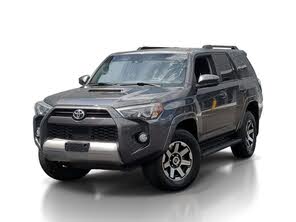
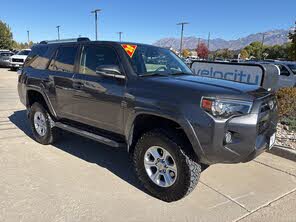
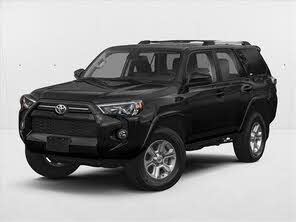
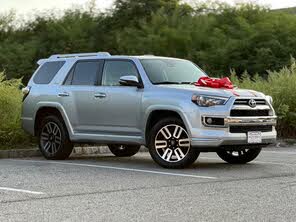
The 2020 Toyota 4Runner had a timeless design characterized by tall slab sides, a high beltline, short overhangs, and a near-vertical front fascia. Its utilitarian attitude was reminiscent of an XJ Jeep Cherokee, with flared wheel wells designed to accommodate bulky off-road tires and short overhangs for tackling steep pitches. The hood scoop, a visual cue for the off-road-focused TRD trim, was one of the few non-functional elements. The front end featured small, angular headlights, and the grille varied by trim, with body-color bars on most trims and blacked-out accents on the TRD Pro. The Limited trim had bright chrome bars. The trim lineup included SR5, SR5 Premium, TRD Off-Road, TRD Off-Road Premium, TRD Pro, and Limited, with the Nightshade Special Edition and Venture Special Edition adding unique aesthetics and off-road capabilities. The Limited trim, aimed at comfort, featured leather upholstery and an 8-inch touchscreen, but still had a utilitarian feel with plenty of plastic and a seating position designed for off-roading.
The 2021 Volvo XC40 had a more traditional SUV styling with a tall, flat roof and upright rear hatch, fitting nicely with the rest of the Volvo lineup. It featured “Thor’s Hammer” LED headlights and a simple oval grille, with gasoline models offering a white contrasting roof for a retro look. The XC40 Recharge, distinguished by a blanked-off grille, subtle “Recharge” badging, and model-specific alloy wheels, had a gloss black roof and mirror caps, a different rear bumper, and a model-exclusive Sage Green Metallic color. The charging port was located where the fuel filler would normally be. The interior was minimalist and premium, with real metal trim and a combination of Nappa leather and Nubuck textile upholstery. The design was coherent, with elements like the portrait-oriented touchscreen and air vents melding together seamlessly, offering a luxury feel uncommon in this segment.


The 2020 Toyota 4Runner featured a straightforward approach with a 4-liter V6 engine producing 270 horsepower and 278 pound-feet of torque, managed by a 5-speed automatic transmission. This engine was designed for durability and off-road capability rather than fuel efficiency, with an EPA estimate of 16 mpg city, 19 highway, and 17 combined. The 4Runner had a towing capacity of up to 5,000 pounds and excelled off-road with its body-on-frame construction and advanced traction systems like Toyota’s CRAWL control and Multi-Terrain Select. The 4Runner’s on-road performance was less impressive, with significant body roll and vague steering, but its off-road prowess made it a favorite for wilderness adventures.
The 2021 Volvo XC40 offered a three-tiered powertrain lineup, with the electric Recharge on top. The gasoline options included a 2.0-liter turbo four-cylinder engine with an eight-speed automatic transmission. The base FWD T4 had 187 horsepower and 221 pound-feet of torque, while the AWD T5 had 248 horsepower and 258 pound-feet of torque. The Recharge, sharing its powertrain with the Polestar 2, had 402 horsepower and 486 pound-feet of torque from its dual electric motors, with a 78-kilowatt-hour battery pack providing electricity. The Recharge could accelerate from zero to 60 mph in 4.7 seconds, while the T5 and T4 took 6.1 and 8.1 seconds, respectively. The Recharge emphasized quiet and comfort, with excellent ride quality even on rough roads, and offered one-pedal driving using regenerative braking. It also had a towing capacity of 2,000 pounds, a rarity for electric cars.
The 2020 Toyota 4Runner offered excellent outward visibility and a relatively tidy turning radius of 18 feet, 7 inches. The interior featured large, chunky knobs for HVAC and stereo controls, and an 8-inch touchscreen with physical buttons for ease of use. The tall seating position provided a commanding view of the road, and power-retractable running boards aided entry and exit. The 4Runner offered an optional third row of seats, but these were best suited for short and occasional use due to their narrow and thin design. The third-row seats folded toward the floor and slid backward, but lacked legroom and comfort compared to competitors.
The 2021 Volvo XC40 had less legroom and headroom compared to the Tesla Model Y and Ford Mustang Mach-E, and a smaller cargo area. However, it offered clever storage solutions, such as a removable trash bin in the center console, a bag hook in the glovebox door, and extra-large door bins thanks to the relocation of the Harman Kardon system's speakers to the dashboard. The storage cubby ahead of the shifter was well-shaped to hold a phone, with an optional wireless charging pad and a standard USB-C port. However, second-row occupants did not have phone-charging options.
The 2020 Toyota 4Runner featured an 8-inch touchscreen infotainment system with Apple CarPlay and Android Auto compatibility, a significant update for the model. The system included Amazon Alexa, Bluetooth connectivity, a single USB media port, and various subscription services like Sirius XM Radio, Safety Connect, and WiFi Connect. Higher trims offered a JBL stereo and navigation system, though the onboard navigation was less efficient than smartphone-based systems. The 4Runner’s technological advancements were more focused on off-road capabilities, with features like advanced traction systems hidden in the powertrain.
The 2021 Volvo XC40 Recharge featured the Android Automotive OS infotainment system, with Google apps like Google Assistant and Google Maps built-in. The system included Apple CarPlay, Android Auto, and Bluetooth connectivity, with a 9-inch touchscreen and a 12.3-inch digital instrument cluster. The Recharge also had OTA update capability, allowing for updates to the infotainment system and other vehicle functions. The Recharge lacked a start button, instead allowing the driver to shift out of park with the key fob on their person. The Polestar 2’s Digital Key feature, allowing smartphone use in place of the key fob, was expected to be available via OTA update, though not yet confirmed for the XC40.
The 2020 Toyota 4Runner came equipped with Toyota Safety Sense P (TSS-P), including adaptive cruise control, lane-departure alert, a pre-collision system with pedestrian detection, and automatic high beams. It also had eight standard airbags. The 4Runner received a four-star overall rating from the NHTSA, with three stars in the rollover test, and a Good rating in most IIHS crash tests, except for a Marginal rating in the small overlap front: driver-side test. The adaptive cruise control worked well, but the high center of gravity and imprecise steering made a more active lane-keeping assist system desirable.
The 2021 Volvo XC40 received the highest “Top Safety Pick+” rating from the IIHS and a five-star overall rating from the NHTSA, with five stars in frontal and side-crash tests, and four stars in rollover tests. The XC40 Recharge was expected to perform well in crash tests due to its safety cage around the battery and redesigned front crash structure. Standard safety features included lane-keep assist, blind-spot monitoring, automatic emergency braking, rear parking sensors, hill-start assist, and hill-descent control. Optional features included traffic-sign recognition, reverse automatic emergency braking, a driver-alertness monitor, run-off road mitigation, oncoming lane mitigation, and Volvo’s Pilot Assist system. The Recharge also had a scalable sensor suite for future advanced driver aids.
CarGurus highlights
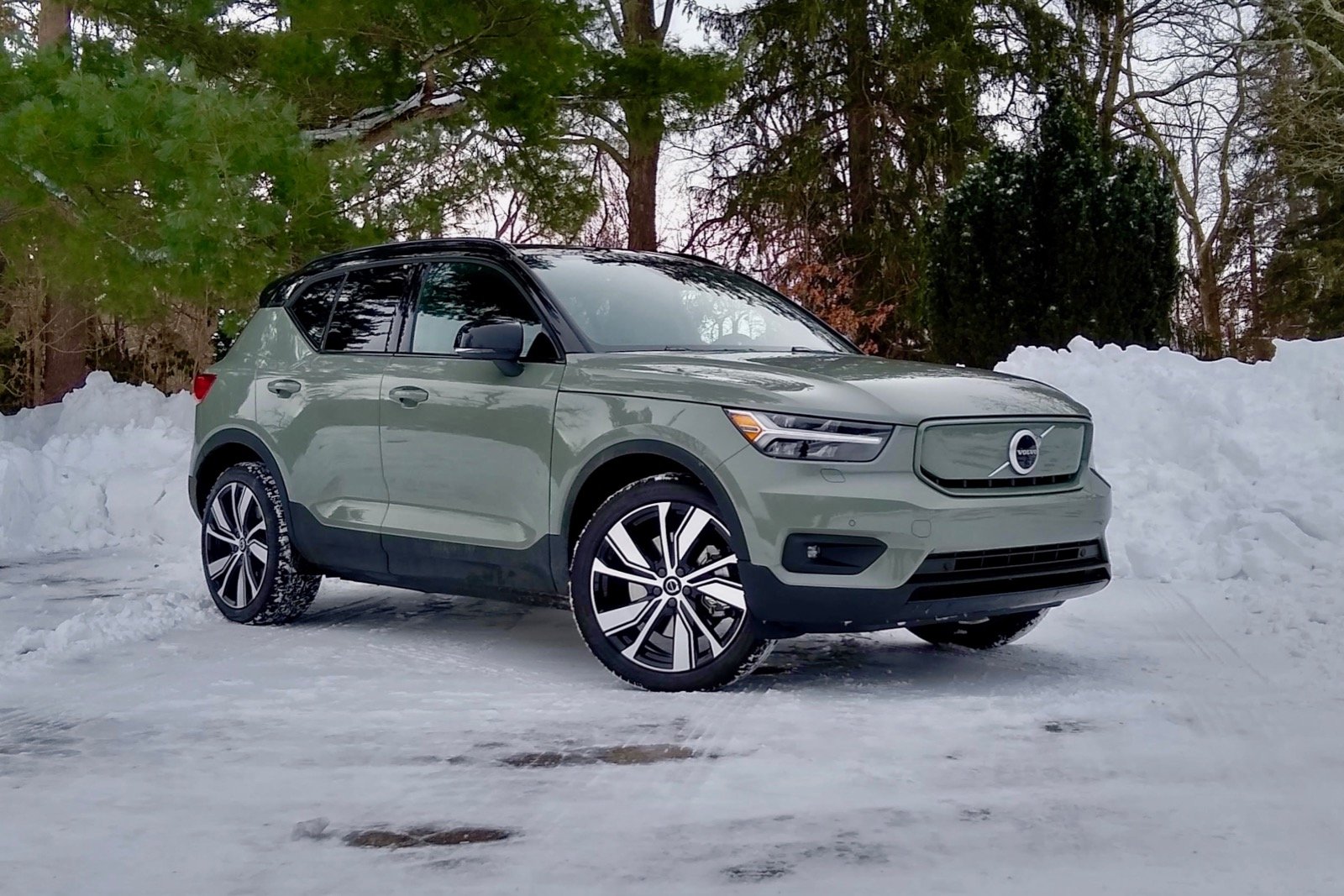
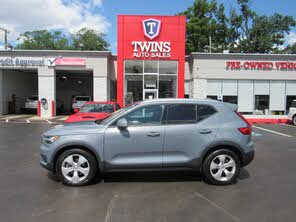
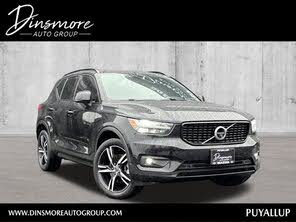
According to CarGurus experts, the overall rating for the 2020 Toyota 4Runner is 6.8 out of 10, while the 2021 Volvo XC40 scores 8.0 out of 10. Based on these ratings, the 2021 Volvo XC40 is the recommended choice, offering a more luxurious interior, advanced technology, and superior safety features.
Choose the 2021 Volvo XC40 if:
- You want a luxury SUV with a minimalist, high-quality interior.
- You prefer advanced technology, including Google apps and OTA updates.
- You prioritize safety with a long list of standard and optional features.








Choose the 2020 Toyota 4Runner if:
- You need a rugged, off-road capable SUV with advanced traction systems.
- You prefer a straightforward, durable engine with a proven track record.
- You value a commanding driving position and excellent outward visibility.






CarGurus highlights
According to CarGurus experts, the overall rating for the 2020 Toyota 4Runner is 6.8 out of 10, while the 2021 Volvo XC40 scores 8.0 out of 10. Based on these ratings, the 2021 Volvo XC40 is the recommended choice, offering a more luxurious interior, advanced technology, and superior safety features.
Choose the 2021 Volvo XC40 if:
Shop Now- You want a luxury SUV with a minimalist, high-quality interior.
- You prefer advanced technology, including Google apps and OTA updates.
- You prioritize safety with a long list of standard and optional features.










Choose the 2020 Toyota 4Runner if:
Shop Now- You need a rugged, off-road capable SUV with advanced traction systems.
- You prefer a straightforward, durable engine with a proven track record.
- You value a commanding driving position and excellent outward visibility.









By: CarGurus + AI
At CarGurus, our team of experienced automotive writers remain at the heart of our content operation, conducting hands-on car tests and writing insightful guides that are backed by years of industry experience. To complement this, we are harnessing AI to make our content offering more diverse and more helpful to shoppers than ever. To achieve this, our AI systems are based exclusively on CarGurus content, ratings and data, so that what we produce is both unique to CarGurus, and uniquely helpful to car shoppers.