Toyota 4Runner vs Toyota RAV4 Prime
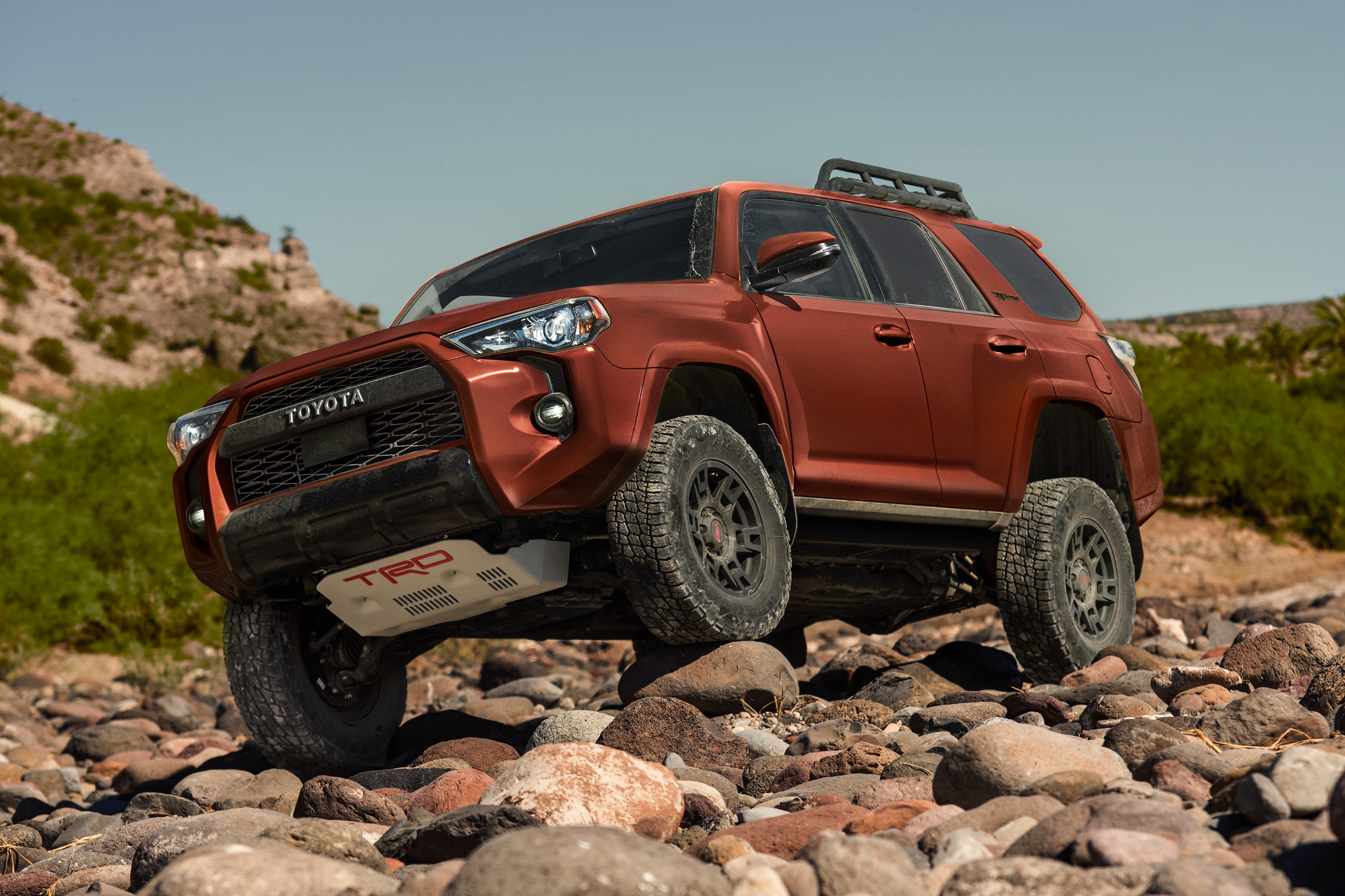
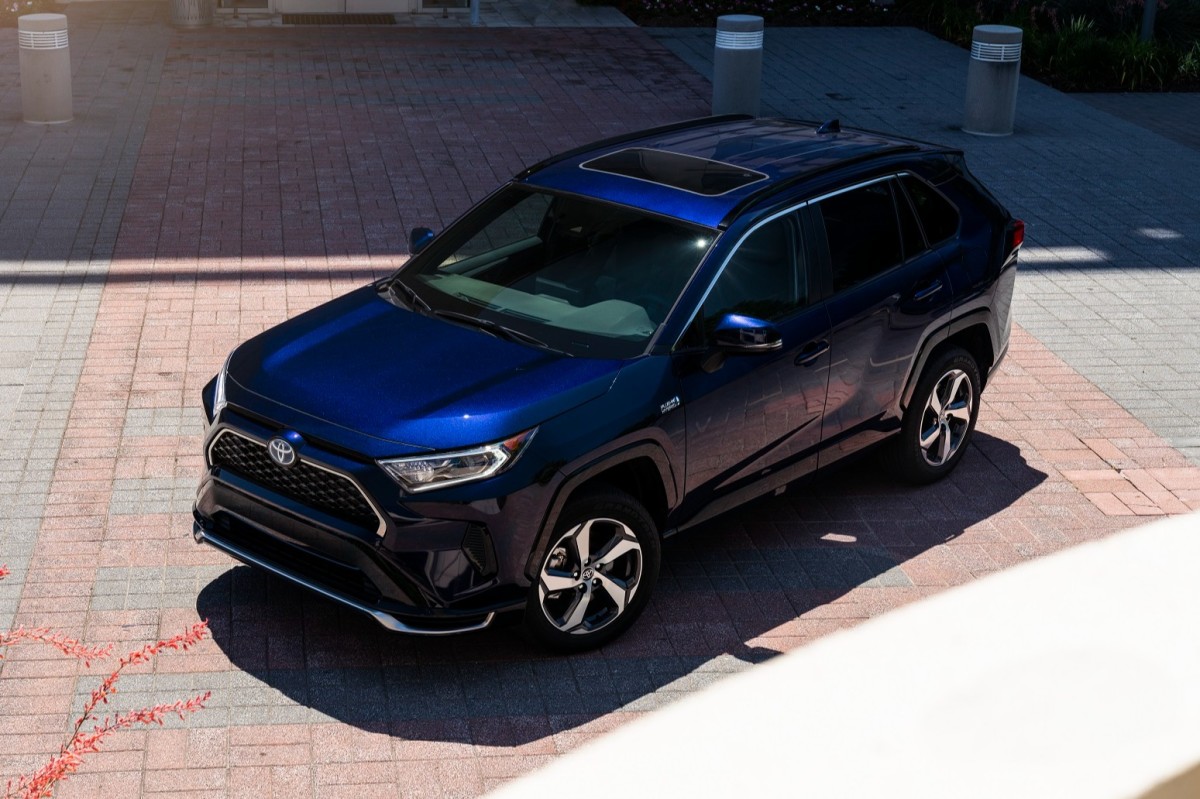
Overview | |
MSRP$40,155 | MSRP$40,300 |
Listings774 | Listings42 |
Ratings & Reviews | |
User Reviews | User Reviews |
Expert reviews7.0 out of 10 | Expert reviews8.2 out of 10 |
Pros
Cons
| Pros
Cons
|
Reviews SummaryIt has been 13 years since Toyota last redesigned the 4Runner. But in most ways, this rough-and-tumble traditional SUV is aging gracefully. Not only has Toyota kept the 4Runner’s technology up to minimum standards, but it also has rolled out new trim levels and special editions to rejuvenate interest. In addition to gaining standard blind-spot monitoring with rear cross-traffic alert, the 2023 Toyota 4Runner is available as a limited-production 40th Anniversary Special Edition. And you’ll know it when you see it. | |
Reviews SummaryPlug-in hybrid vehicles (PHEVs) are perfect transition models for people who want to try an electric car but are not ready to completely give up the convenience of a gasoline engine. Enter the 2022 Toyota RAV4 Prime, a PHEV with an estimated 42 miles of electric range and a total estimate of almost 600 miles of travel between stops for electricity or gasoline. The RAV4 Prime arrived for the 2021 model year and there are no major changes for 2022. | |
No video found | |
Popular Features & Specs | |
Engine4.0L 270 hp V6 | Engine2.5L 302 hp I4 Hybrid |
Drive Train4X2 | Drive TrainAWD |
Seating Capacity7 | Seating Capacity5 |
Horsepower270 hp @ 5600 rpm | Horsepower |
EV Battery Capacity | EV Battery Capacity18.1 kWh |
MPG City16 | MPG City40 |
MPG Highway19 | MPG Highway36 |
Battery Charge Time (120V) | Battery Charge Time (120V)12 hours |
Battery Charge Time (240V) | Battery Charge Time (240V)4.5 hours |
Engine | |
Engine Name4.0L 270 hp V6 | Engine Name2.5L 302 hp I4 Hybrid |
Torque278 lb-ft @ 4400 rpm | Torque |
Horsepower270 hp @ 5600 rpm | Horsepower |
Battery Charge Time (120V) | Battery Charge Time (120V)12 hours |
Battery Charge Time (240V) | Battery Charge Time (240V)4.5 hours |
Drivetrain4X2 | DrivetrainAWD |
Fuel Economy | |
EV Battery Capacity | EV Battery Capacity18.1 kWh |
MPG City16 | MPG City40 |
MPG Highway19 | MPG Highway36 |
Interior | |
Seating Capacity7 | Seating Capacity5 |
Safety | |
Front Crash Overall4 | Front Crash Overall |
Side Crash Overall5 | Side Crash Overall |
Dimensions & Capacity | |
Cargo Space47.2 cu ft | Cargo Space33.5 cu ft |
Curb Weight4400 lbs | Curb Weight4235 lbs |
Height71.5 in | Height67.0 in |
Length190.2 in | Length180.9 in |
Width75.8 in | Width73.0 in |
Wheelbase109.8 in | Wheelbase105.9 in |
Maximum Payload1700 lbs | Maximum Payload1295 lbs |
Number of doors4 | Number of doors4 |
Maximum Towing Capacity5000 lbs | Maximum Towing Capacity2500 lbs |
Standard Towing Capacity5000 lbs | Standard Towing Capacity |
Overview | ||
MSRP | $40,155 | $40,300 |
Listings | ||
Ratings & Reviews | ||
User reviews | ||
Expert reviews | 7.0 out of 10Read full review | 8.2 out of 10Read full review |
Pros & cons | Pros
Cons
| Pros
Cons
|
Summary | It has been 13 years since Toyota last redesigned the 4Runner. But in most ways, this rough-and-tumble traditional SUV is aging gracefully. Not only has Toyota kept the 4Runner’s technology up to minimum standards, but it also has rolled out new trim levels and special editions to rejuvenate interest. In addition to gaining standard blind-spot monitoring with rear cross-traffic alert, the 2023 Toyota 4Runner is available as a limited-production 40th Anniversary Special Edition. And you’ll know it when you see it. | Plug-in hybrid vehicles (PHEVs) are perfect transition models for people who want to try an electric car but are not ready to completely give up the convenience of a gasoline engine. Enter the 2022 Toyota RAV4 Prime, a PHEV with an estimated 42 miles of electric range and a total estimate of almost 600 miles of travel between stops for electricity or gasoline. The RAV4 Prime arrived for the 2021 model year and there are no major changes for 2022. |
Video | No video found | |
Popular Features & Specs | ||
Engine | 4.0L 270 hp V6 | 2.5L 302 hp I4 Hybrid |
Drive Train | 4X2 | AWD |
Seating Capacity | 7 | 5 |
Horsepower | 270 hp @ 5600 rpm | |
EV Battery Capacity | 18.1 kWh | |
MPG City | 16 | 40 |
MPG Highway | 19 | 36 |
Battery Charge Time (120V) | 12 hours | |
Battery Charge Time (240V) | 4.5 hours | |
Engine | ||
Engine Name | 4.0L 270 hp V6 | 2.5L 302 hp I4 Hybrid |
Torque | 278 lb-ft @ 4400 rpm | |
Horsepower | 270 hp @ 5600 rpm | |
Battery Charge Time (120V) | 12 hours | |
Battery Charge Time (240V) | 4.5 hours | |
Drivetrain | 4X2 | AWD |
Fuel Economy | ||
EV Battery Capacity | 18.1 kWh | |
MPG City | 16 | 40 |
MPG Highway | 19 | 36 |
Interior | ||
Seating Capacity | 7 | 5 |
Safety | ||
Front Crash Overall | 4 | |
Side Crash Overall | 5 | |
Dimensions & Capacity | ||
Cargo Space | 47.2 cu ft | 33.5 cu ft |
Curb Weight | 4400 lbs | 4235 lbs |
Height | 71.5 in | 67.0 in |
Length | 190.2 in | 180.9 in |
Width | 75.8 in | 73.0 in |
Wheelbase | 109.8 in | 105.9 in |
Maximum Payload | 1700 lbs | 1295 lbs |
Number of doors | 4 | 4 |
Maximum Towing Capacity | 5000 lbs | 2500 lbs |
Standard Towing Capacity | 5000 lbs | |


By: CarGurus + AI
At CarGurus, our team of experienced automotive writers remain at the heart of our content operation, conducting hands-on car tests and writing insightful guides that are backed by years of industry experience. To complement this, we are harnessing AI to make our content offering more diverse and more helpful to shoppers than ever. To achieve this, our AI systems are based exclusively on CarGurus content, ratings and data, so that what we produce is both unique to CarGurus, and uniquely helpful to car shoppers.

