2024 Hyundai Kona vs 2024 Genesis GV70
Overview | |
MSRP$24,250 | MSRP$45,150 |
Listings1105 | Listings271 |
Ratings & Reviews | |
User Reviews | User Reviews |
Expert reviews8.3 out of 10 | Expert reviews8.3 out of 10 |
Pros
Cons
| Pros
Cons
|
2024 Hyundai Kona Reviews SummaryThe previous-generation Hyundai Kona debuted for 2018 and got an electric counterpart when the Kona EV hit the market the following year. Hyundai's subcompact SUV got a refresh for 2022, which also saw the addition of the hot-hatch Kona N to the stable. Now, the Kona kicks off a whole new generation, with a new look, new tech, and, naturally, a new price tag to match. In a crowded segment, do the new features match—or perhaps even exceed—the added cost? | |
2024 Genesis GV70 Reviews SummaryVerdict: The GV70 offers style, impressive tech, and a well-executed electric variant. Launched as a 2022 model and thus still very fresh, the Genesis GV70 is the Korean luxury brand’s answer to the BMW X3, Mercedes-Benz GLC-Class, Lexus NX, Volvo XC60, and other small luxury crossover SUVs. The GV70 checks most of the boxes needed to compete in this segment while offering something the competition doesn’t: an all-electric powertrain option. | |
No video found | |
Popular Features & Specs | |
Engine2.0L 147 hp I4 | Engine2.5L 300 hp I4 |
Drive TrainFWD | Drive TrainAWD |
Seating Capacity5 | Seating Capacity5 |
Horsepower147 hp @ 6200 rpm | Horsepower |
MPG City29 | MPG City22 |
MPG Highway34 | MPG Highway28 |
Engine | |
Engine Name2.0L 147 hp I4 | Engine Name2.5L 300 hp I4 |
Torque132 lb-ft @ 4500 rpm | Torque |
Horsepower147 hp @ 6200 rpm | Horsepower |
DrivetrainFWD | DrivetrainAWD |
Fuel Economy | |
MPG City29 | MPG City22 |
MPG Highway34 | MPG Highway28 |
Interior | |
Seating Capacity5 | Seating Capacity5 |
Key Features | |
Navigation SystemStandard | Navigation SystemStandard |
Safety | |
Front Crash Overall4 | Front Crash Overall4 |
Side Crash Overall5 | Side Crash Overall5 |
Dimensions & Capacity | |
Cargo Space25.5 cu ft | Cargo Space28.9 cu ft |
Curb Weight3005 lbs | Curb Weight4167 lbs |
Height62.2 in | Height64.2 in |
Length171.3 in | Length185.6 in |
Width71.9 in | Width75.2 in |
Wheelbase104.7 in | Wheelbase113.2 in |
Maximum Payload1085 lbs | Maximum Payload1334 lbs |
Number of doors4 | Number of doors4 |
Maximum Towing Capacity | Maximum Towing Capacity3500 lbs |
Overview | ||
MSRP | $24,250 | $45,150 |
Listings | ||
Ratings & Reviews | ||
User reviews | ||
Expert reviews | 8.3 out of 10Read full review | 8.3 out of 10Read full review |
Pros & cons | Pros
Cons
| Pros
Cons
|
Summary | The previous-generation Hyundai Kona debuted for 2018 and got an electric counterpart when the Kona EV hit the market the following year. Hyundai's subcompact SUV got a refresh for 2022, which also saw the addition of the hot-hatch Kona N to the stable. Now, the Kona kicks off a whole new generation, with a new look, new tech, and, naturally, a new price tag to match. In a crowded segment, do the new features match—or perhaps even exceed—the added cost? | Verdict: The GV70 offers style, impressive tech, and a well-executed electric variant. Launched as a 2022 model and thus still very fresh, the Genesis GV70 is the Korean luxury brand’s answer to the BMW X3, Mercedes-Benz GLC-Class, Lexus NX, Volvo XC60, and other small luxury crossover SUVs. The GV70 checks most of the boxes needed to compete in this segment while offering something the competition doesn’t: an all-electric powertrain option. |
Video | No video found | |
Popular Features & Specs | ||
Engine | 2.0L 147 hp I4 | 2.5L 300 hp I4 |
Drive Train | FWD | AWD |
Seating Capacity | 5 | 5 |
Horsepower | 147 hp @ 6200 rpm | |
MPG City | 29 | 22 |
MPG Highway | 34 | 28 |
Engine | ||
Engine Name | 2.0L 147 hp I4 | 2.5L 300 hp I4 |
Torque | 132 lb-ft @ 4500 rpm | |
Horsepower | 147 hp @ 6200 rpm | |
Drivetrain | FWD | AWD |
Fuel Economy | ||
MPG City | 29 | 22 |
MPG Highway | 34 | 28 |
Interior | ||
Seating Capacity | 5 | 5 |
Key Features | ||
Navigation System | Standard | Standard |
Safety | ||
Front Crash Overall | 4 | 4 |
Side Crash Overall | 5 | 5 |
Dimensions & Capacity | ||
Cargo Space | 25.5 cu ft | 28.9 cu ft |
Curb Weight | 3005 lbs | 4167 lbs |
Height | 62.2 in | 64.2 in |
Length | 171.3 in | 185.6 in |
Width | 71.9 in | 75.2 in |
Wheelbase | 104.7 in | 113.2 in |
Maximum Payload | 1085 lbs | 1334 lbs |
Number of doors | 4 | 4 |
Maximum Towing Capacity | 3500 lbs | |
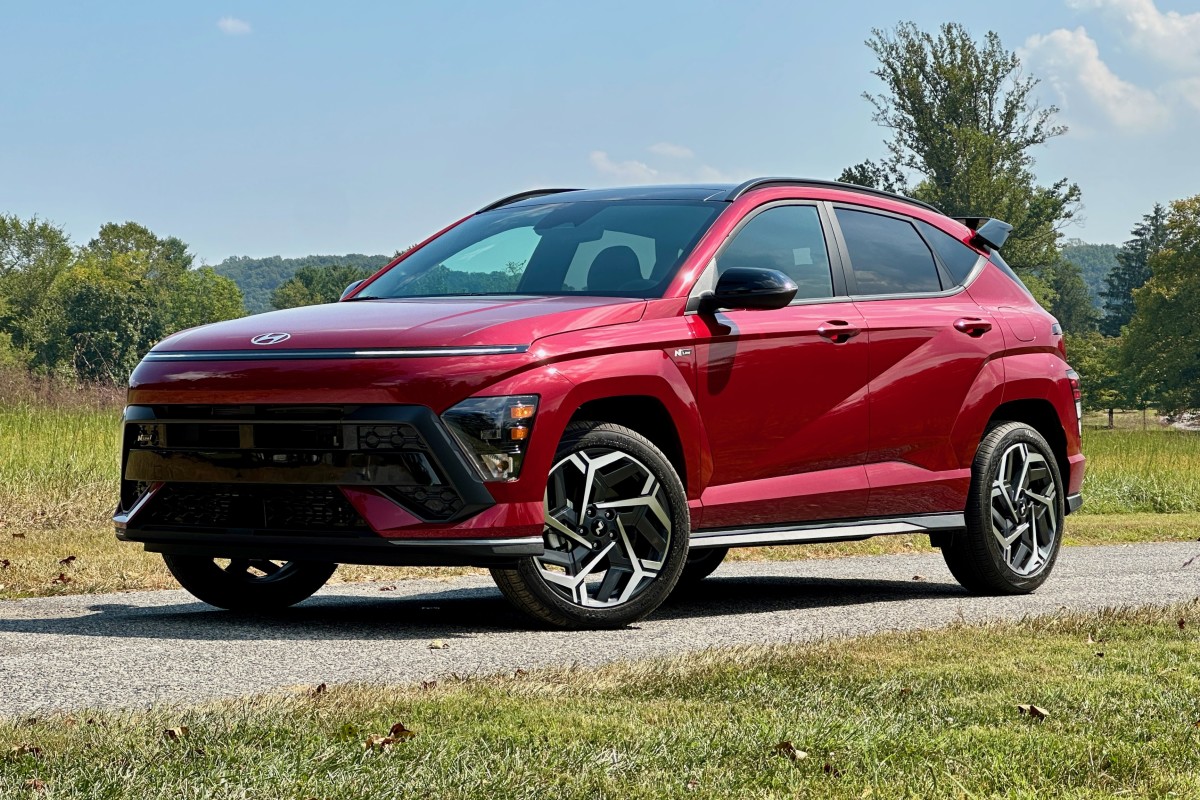
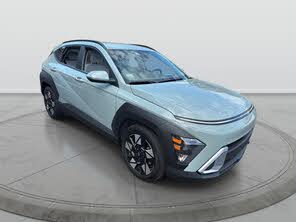
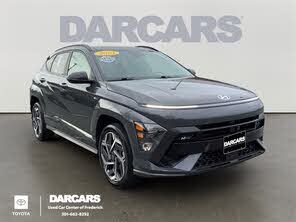
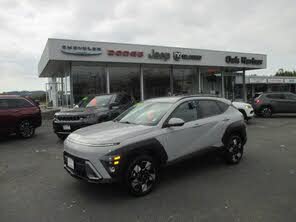
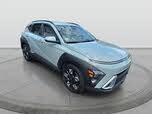
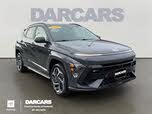
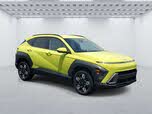
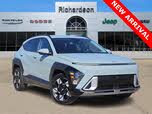
Hyundai designed the 2024 Kona as an electric vehicle (EV) first, and its appearance mirrored that focus. The front grille of the Kona had a sleek, single-piece design akin to the Ioniq 5, aligning with the modern trend for EVs. The "seamless horizon" style, featuring a slender LED headlight strip dominating the front, was notably noticeable. Despite growing nearly 6 inches longer than its predecessor, the new Kona maintained its familiar silhouette. However, the creased parametric surfaces on the doors and the robust black body cladding on the SE, SEL, and Limited trims marked a departure from the past designs. The N-Line trim sported body-colored wheel arches, adding a sporty touch. Across the board, LED headlights, taillights, and daytime running lights became standard, with 17-inch wheels standard and 18-inch and 19-inch wheels for higher trims. Inside, the Kona's cabin had a driver-focused design, with the gear shift relocated to the steering column, freeing up space between the front seats. The most noticeable upgrade was the curved display housing both the driver-information and infotainment screens.
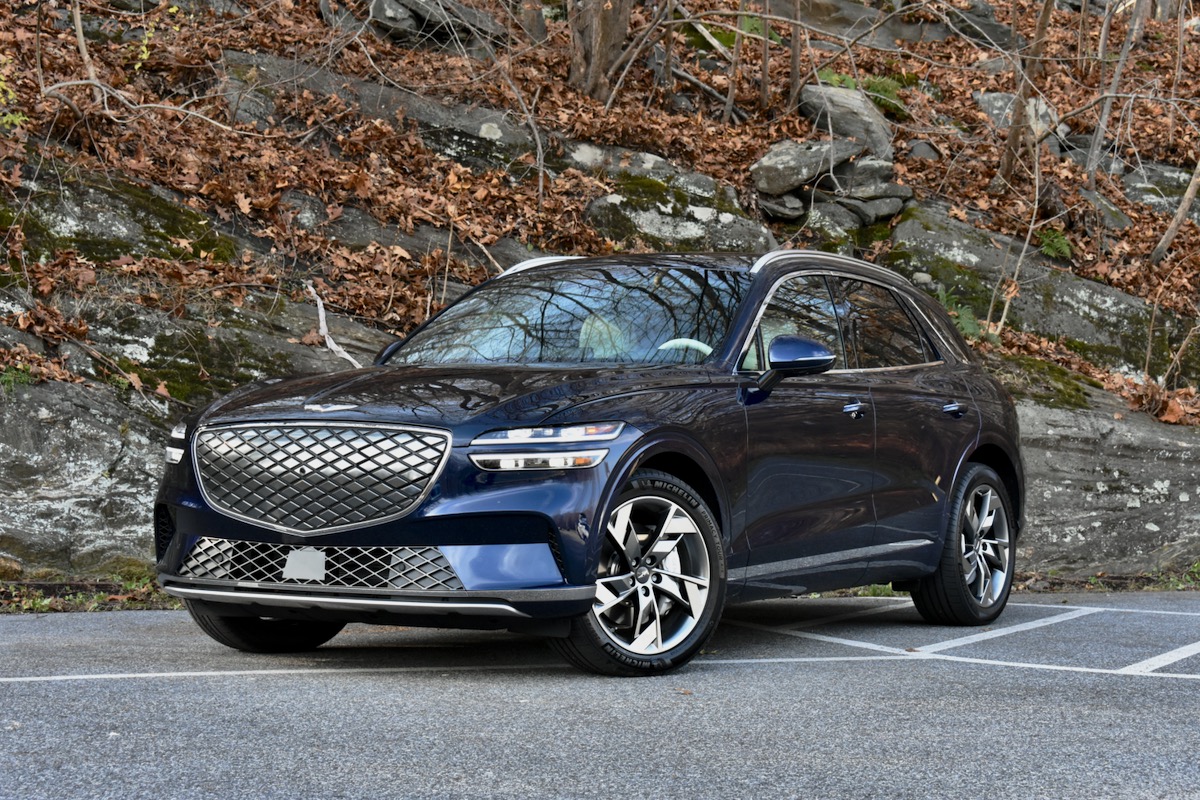
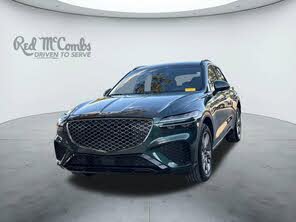
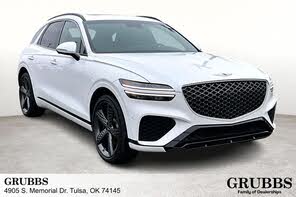
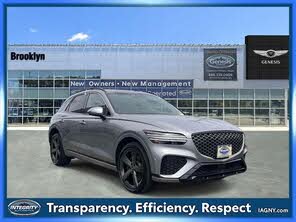
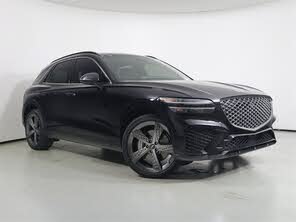
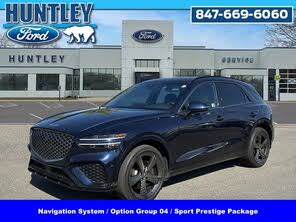
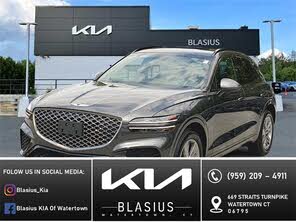
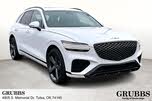
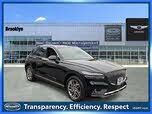
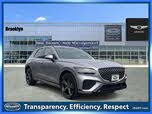
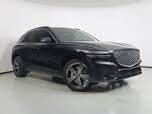
The 2024 Genesis GV70 stood out within both the Genesis lineup and its luxury SUV segment. It retained the brand's split headlights and large shield-like grille for consistency but boasted a sleeker profile compared to the larger GV80. Unlike the quirky GV60, the GV70 had a more harmonious design featuring a hatchback-like rear window profile and large round exhaust outlets on the gasoline-powered Sport Prestige trim. The available 21-inch wheels added sophistication. It achieved the perfect blend between SUV size and luxury-car style, standing out against competitors like the Audi Q5 and BMW X3. The Electrified GV70 retained the same styling elements as its gasoline counterpart, including the glitzy grille housing the charge port. The interior was a highlight with luxury touches like quilted Nappa leather upholstery and a panoramic sunroof. The elliptical pod housing climate controls and the Star Trek-esque rotary controller added a distinct flair, and the dashboard had a rounded, airplane wing-like cross-section.


The 2024 Hyundai Kona retained its predecessor's engines. The SE and SEL trims featured a naturally aspirated 2.0-liter four-cylinder engine delivering 147 horsepower and 132 lb-ft of torque, paired with a continuously variable transmission (CVT). The N-Line and Limited trims had a turbocharged 1.6-liter four-cylinder engine producing 190 horsepower and 195 lb-ft of torque, paired with an eight-speed automatic transmission. Paddle shifters were standard on N-Line and Limited trims and optional on SEL with the Convenience Package. During a test drive from Baltimore to the Maryland countryside, the Kona Limited's turbo engine’s pickup was found to be slightly slow but appreciated for its intuitive steering and nimble handling. The lineup came standard with front-wheel drive (FWD) while all-wheel drive (AWD) was available for an added fee, albeit with a small reduction in fuel efficiency.
For the 2024 Genesis GV70, the powertrain options were unchanged from the previous model. The standard gasoline model had a 2.0-liter turbocharged four-cylinder engine producing 300 horsepower and 311 lb-ft of torque and a 3.5-liter twin-turbo V6 option delivering 375 horsepower and 391 lb-ft of torque. Both engines were mated to an eight-speed automatic transmission and standard AWD. The Electrified GV70 had AWD powered by front and rear electric motors producing a combined 429 horsepower and 516 lb-ft of torque, with a "Boost Mode" providing up to 483 horsepower temporarily. While powerful in straight-line acceleration, the GV70's chassis tuning wasn't on par with its sportier rivals. The suspension also felt less refined on bumpy roads. Despite these quirks, the Electrified GV70 remained competent, with handy steering-wheel paddles for regenerative braking and a 236-mile EPA-rated range.
The extra length in the 2024 Hyundai Kona enhanced rear-seat legroom to 38.2 inches and cargo space to 25.5 cubic feet with the rear seats up or 63.7 cubic feet with them folded down. This marked a considerable increase from the previous model. The cabin had a handy shelf on the passenger's side of the dashboard and a guardrail on the wireless charging pad to keep items in place. The Limited trim featured ventilated front seats and a heated steering wheel, previously unavailable in the Kona lineup.
The 2024 Genesis GV70 offered competitive interior space compared to its rivals. It had slightly less headroom but marginally more front-seat legroom than the BMW X3 and Mercedes-Benz GLC-Class. The cargo space was 28.9 cubic feet with rear seats up, which was better than the GLC but less than the Audi Q5's 29.5 cubic feet. Folding the rear seats provided 56.9 cubic feet of space, less than all three German rivals. Despite accommodating the battery pack, the Electrified GV70's interior space remained largely unchanged. Stylish design elements like the orb-like infotainment controller and rotary shifter did limit small-item storage, though a dedicated phone storage nook and rear-seat climate controls were included. Automatic side bolsters in the front seats added comfort in Sport mode.
The 2024 Hyundai Kona included several technological upgrades. A 12.3-inch infotainment touchscreen display became standard, replacing the 8-inch and 10.25-inch screens from the previous model. Wireless Apple CarPlay and Android Auto were standard on lower trims, with an OTA update promising to bring them to higher trims soon. Higher trims also featured wireless device charging and a new Wi-Fi hotspot. SE and SEL trims had a 4.2-inch driver-information display, while dual 12.3-inch screens were optional or standard on higher trims. Hyundai’s Bluelink connected services became standard across the lineup, with a lifetime subscription included.
The 2024 Genesis GV70 borrowed its infotainment system from Hyundai but maintained simplicity over the elaborate systems in competitors. It had a 14.5-inch touchscreen and wired Apple CarPlay and Android Auto. Higher trims included a 12.3-inch digital instrument cluster with a 3D effect, a 12-inch head-up display, and a 16-speaker Lexicon audio system. The intuitive layout of the touchscreen and quality feel of the rotary controller stood out. Genesis also featured a fingerprint scanner for driver profiles and a digital key functionality allowing phone-as-key capabilities.
The 2024 Hyundai Kona was packed with advanced driver-assistance features. Standard features included Safe Exit Warning, blind-spot collision avoidance, and rear cross-traffic collision avoidance, with adaptive cruise control and a Surround View Monitor added in higher trims. Hyundai's Highway Driving Assist impressed with its smooth lane-keeping capabilities.
The gasoline versions of the 2024 Genesis GV70 received the IIHS's Top Safety Pick+ award. Although complete NHTSA ratings were unavailable at publication, the 2023 GV70, which was nearly identical, had a five-star overall safety rating. Standard safety features included lane-keep assist, forward collision-warning, automatic emergency braking, rear cross-traffic alert, and a driver-attention monitor. More advanced features like Highway Driving Assist 2 with lane-change capability and a sophisticated rear occupant alert system were also available.
CarGurus highlights
According to CarGurus experts, the overall rating for the 2024 Hyundai Kona is 8.3 out of 10, while the 2024 Genesis GV70 scores 8.3 out of 10. Both vehicles achieved an identical rating, reflecting their respective strengths in different areas. For those seeking a well-rounded luxury SUV, the Genesis GV70 comes highly recommended. It combines a striking design, powerful performance, and innovative technology in a versatile package. The Hyundai Kona stands out for its practicality, enhanced interior space, and a wealth of standard features, making it a terrific choice for those focused on value and functionality. Thus, choosing between these two will primarily depend on whether you prioritize luxury and power over practicality and safety.
Choose the 2024 Hyundai Kona if:
- You value extra cargo space and rear-seat legroom in a compact SUV.
- You prefer an updated, driver-oriented cabin with advanced technological features.
- Safety is a top priority, with Hyundai offering comprehensive driver-assistance features as standard.





Choose the 2024 Genesis GV70 if:
- You seek a luxury SUV with a balance between sleek design and substantial power.
- You appreciate high-end interior touches and innovative technology.
- You want strong all-wheel-drive performance available in both gasoline and electric variants.



CarGurus highlights
According to CarGurus experts, the overall rating for the 2024 Hyundai Kona is 8.3 out of 10, while the 2024 Genesis GV70 scores 8.3 out of 10. Both vehicles achieved an identical rating, reflecting their respective strengths in different areas. For those seeking a well-rounded luxury SUV, the Genesis GV70 comes highly recommended. It combines a striking design, powerful performance, and innovative technology in a versatile package. The Hyundai Kona stands out for its practicality, enhanced interior space, and a wealth of standard features, making it a terrific choice for those focused on value and functionality. Thus, choosing between these two will primarily depend on whether you prioritize luxury and power over practicality and safety.
Choose the 2024 Hyundai Kona if:
Shop Now- You value extra cargo space and rear-seat legroom in a compact SUV.
- You prefer an updated, driver-oriented cabin with advanced technological features.
- Safety is a top priority, with Hyundai offering comprehensive driver-assistance features as standard.


Choose the 2024 Genesis GV70 if:
Shop Now- You seek a luxury SUV with a balance between sleek design and substantial power.
- You appreciate high-end interior touches and innovative technology.
- You want strong all-wheel-drive performance available in both gasoline and electric variants.






By: CarGurus + AI
At CarGurus, our team of experienced automotive writers remain at the heart of our content operation, conducting hands-on car tests and writing insightful guides that are backed by years of industry experience. To complement this, we are harnessing AI to make our content offering more diverse and more helpful to shoppers than ever. To achieve this, our AI systems are based exclusively on CarGurus content, ratings and data, so that what we produce is both unique to CarGurus, and uniquely helpful to car shoppers.