2021 Honda Accord vs 2021 BMW 3 Series
Overview | |
MSRP$41,250 | MSRP$24,970 |
Listings573 | Listings1289 |
Ratings & Reviews | |
User Reviews | User Reviews |
Expert reviews6.8 out of 10 | Expert reviews9.2 out of 10 |
Pros
Cons
| Pros
Cons
|
2021 BMW 3 Series Reviews SummaryEarly generations of the BMW 3 Series redefined what a luxury car could be, justifying their prestige badge with sporty driving dynamics and impeccable engineering. BMW changed the luxury-car paradigm, proving that nimble sports sedans could be just as desirable as wood-encrusted land yachts. The 3 Series spawned a number of imitators, including the Audi A4, Mercedes-Benz C-Class, and Lexus IS. Those sedans, along with the Acura TLX, Alfa Romeo Giulia, Cadillac CT4, and Infiniti Q50 (which wear more recently-introduced nameplates) still form the 3 Series’ competitive set, but the car itself has changed. Introduced for the 2019 model year, the current-generation 3 Series (codenamed G20) feels more like a traditional luxury sedan, with a greater emphasis on comfort and convenience than previous generations. The manual transmission is gone, as are the wagon and 3 Series GT hatchback body styles. The 3 Series coupe and convertible were re-badged as the 4 Series beginning with the 2014 model year. The biggest change for the 2021 BMW 3 Series is the addition of the 330e plug-in hybrid model to the lineup, so that’s what we test drove for this review. BMW also offers 330i and M340i versions, and there’s an M3 performance model on the way. | |
2021 Honda Accord Reviews SummaryFor the 2021 model year, Honda is taking the Accord in a more elevated direction. The company has refined the Accord’s features list, added a trim level, and priced it right to compete against other heavyweights in the industry. Honda has made safety a priority in the 2021 Accord, helping this fresh version earn high praise. | |
No video found | No video found |
Popular Features & Specs | |
Engine2.0L 255 hp I4 | Engine1.5L 192 hp I4 |
Drive TrainRWD | Drive TrainFWD |
Seating Capacity5 | Seating Capacity5 |
Horsepower255 hp @ 5000 rpm | Horsepower192 hp @ 5500 rpm |
MPG City26 | MPG City30 |
MPG Highway36 | MPG Highway38 |
Engine | |
Engine Name2.0L 255 hp I4 | Engine Name1.5L 192 hp I4 |
Torque295 lb-ft @ 1450 rpm | Torque192 lb-ft @ 1500 rpm |
Horsepower255 hp @ 5000 rpm | Horsepower192 hp @ 5500 rpm |
DrivetrainRWD | DrivetrainFWD |
Fuel Economy | |
MPG City26 | MPG City30 |
MPG Highway36 | MPG Highway38 |
Interior | |
Seating Capacity5 | Seating Capacity5 |
Key Features | |
Navigation SystemStandard | Navigation System |
Sunroof/MoonroofStandard | Sunroof/Moonroof |
Safety | |
Front Crash Overall5 | Front Crash Overall5 |
Side Crash Overall5 | Side Crash Overall5 |
Dimensions & Capacity | |
Cargo Space13.0 cu ft | Cargo Space16.7 cu ft |
Curb Weight3589 lbs | Curb Weight3150 lbs |
Height56.8 in | Height57.1 in |
Length185.7 in | Length196.1 in |
Width81.4 in | Width73.3 in |
Wheelbase112.2 in | Wheelbase111.4 in |
Maximum Payload | Maximum Payload1149 lbs |
Number of doors4 | Number of doors4 |
Overview | ||
MSRP | $41,250 | $24,970 |
Listings | ||
Ratings & Reviews | ||
User reviews | ||
Expert reviews | 6.8 out of 10Read full review | 9.2 out of 10Read full review |
Pros & cons | Pros
Cons
| Pros
Cons
|
Summary | Early generations of the BMW 3 Series redefined what a luxury car could be, justifying their prestige badge with sporty driving dynamics and impeccable engineering. BMW changed the luxury-car paradigm, proving that nimble sports sedans could be just as desirable as wood-encrusted land yachts. The 3 Series spawned a number of imitators, including the Audi A4, Mercedes-Benz C-Class, and Lexus IS. Those sedans, along with the Acura TLX, Alfa Romeo Giulia, Cadillac CT4, and Infiniti Q50 (which wear more recently-introduced nameplates) still form the 3 Series’ competitive set, but the car itself has changed. Introduced for the 2019 model year, the current-generation 3 Series (codenamed G20) feels more like a traditional luxury sedan, with a greater emphasis on comfort and convenience than previous generations. The manual transmission is gone, as are the wagon and 3 Series GT hatchback body styles. The 3 Series coupe and convertible were re-badged as the 4 Series beginning with the 2014 model year. The biggest change for the 2021 BMW 3 Series is the addition of the 330e plug-in hybrid model to the lineup, so that’s what we test drove for this review. BMW also offers 330i and M340i versions, and there’s an M3 performance model on the way. | For the 2021 model year, Honda is taking the Accord in a more elevated direction. The company has refined the Accord’s features list, added a trim level, and priced it right to compete against other heavyweights in the industry. Honda has made safety a priority in the 2021 Accord, helping this fresh version earn high praise. |
Video | No video found | No video found |
Popular Features & Specs | ||
Engine | 2.0L 255 hp I4 | 1.5L 192 hp I4 |
Drive Train | RWD | FWD |
Seating Capacity | 5 | 5 |
Horsepower | 255 hp @ 5000 rpm | 192 hp @ 5500 rpm |
MPG City | 26 | 30 |
MPG Highway | 36 | 38 |
Engine | ||
Engine Name | 2.0L 255 hp I4 | 1.5L 192 hp I4 |
Torque | 295 lb-ft @ 1450 rpm | 192 lb-ft @ 1500 rpm |
Horsepower | 255 hp @ 5000 rpm | 192 hp @ 5500 rpm |
Drivetrain | RWD | FWD |
Fuel Economy | ||
MPG City | 26 | 30 |
MPG Highway | 36 | 38 |
Interior | ||
Seating Capacity | 5 | 5 |
Key Features | ||
Navigation System | Standard | |
Sunroof/Moonroof | Standard | |
Safety | ||
Front Crash Overall | 5 | 5 |
Side Crash Overall | 5 | 5 |
Dimensions & Capacity | ||
Cargo Space | 13.0 cu ft | 16.7 cu ft |
Curb Weight | 3589 lbs | 3150 lbs |
Height | 56.8 in | 57.1 in |
Length | 185.7 in | 196.1 in |
Width | 81.4 in | 73.3 in |
Wheelbase | 112.2 in | 111.4 in |
Maximum Payload | 1149 lbs | |
Number of doors | 4 | 4 |
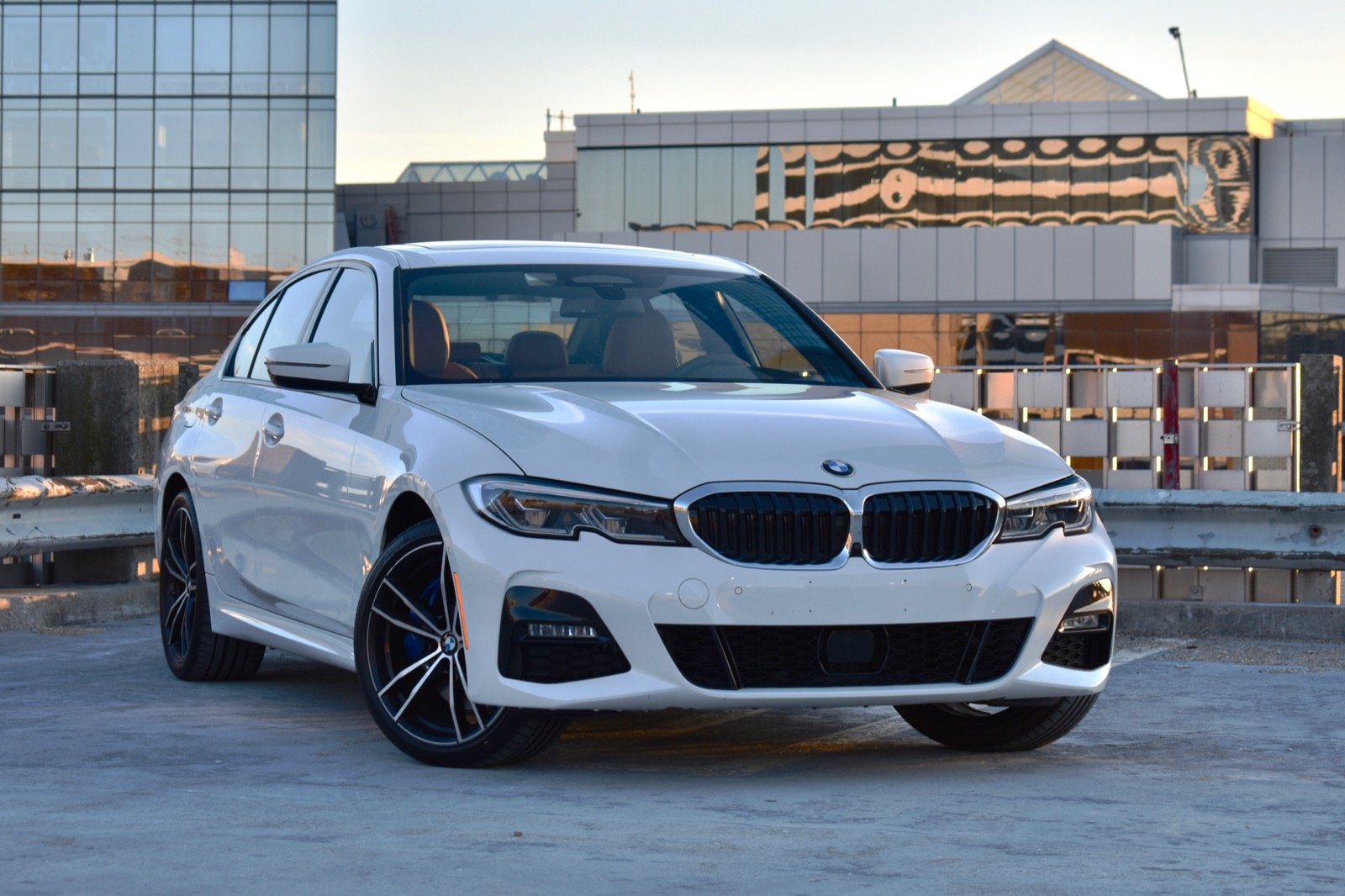
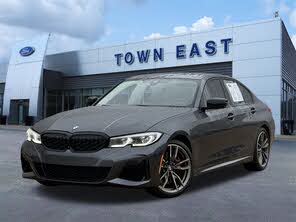
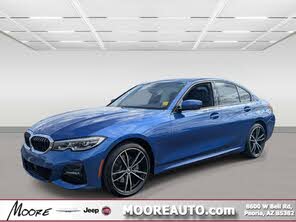
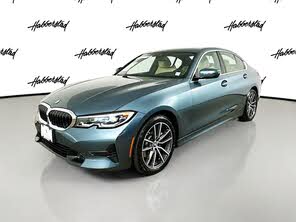
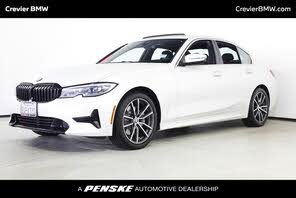
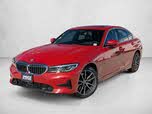
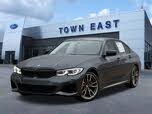
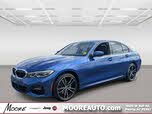
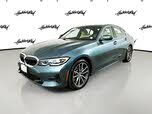
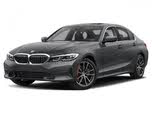
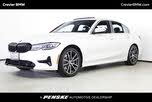
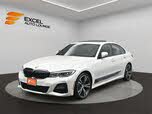
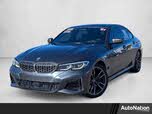
BMW reverted to its classic, familial styling for the G20 3 Series, reminiscent of the iconic E30 3 Series. With its design mirroring the larger 5 Series and 7 Series, the G20 unfortunately did not achieve the design icon status of its predecessor. The grille, oversized and oddly shaped, may have fit the larger sedans but looked somewhat misplaced on the 3 Series. Despite a few distinctive elements like the headlights and optional M 19-inch wheels with blue-painted brake calipers, the overall exterior was considered stuffy rather than stylish.
The interior of the 2021 BMW 3 Series failed to impress with its materials. Although the design was nice, the abundance of plastic trim was underwhelming. The Ash wood trim looked almost fake, failing to evoke a sense of luxury. Standard features included synthetic Sensatec material for upholstery, while our test car featured optional leather seats. Similarly, the optional M heated steering wheel seemed out of place amidst the otherwise conservative interior design.
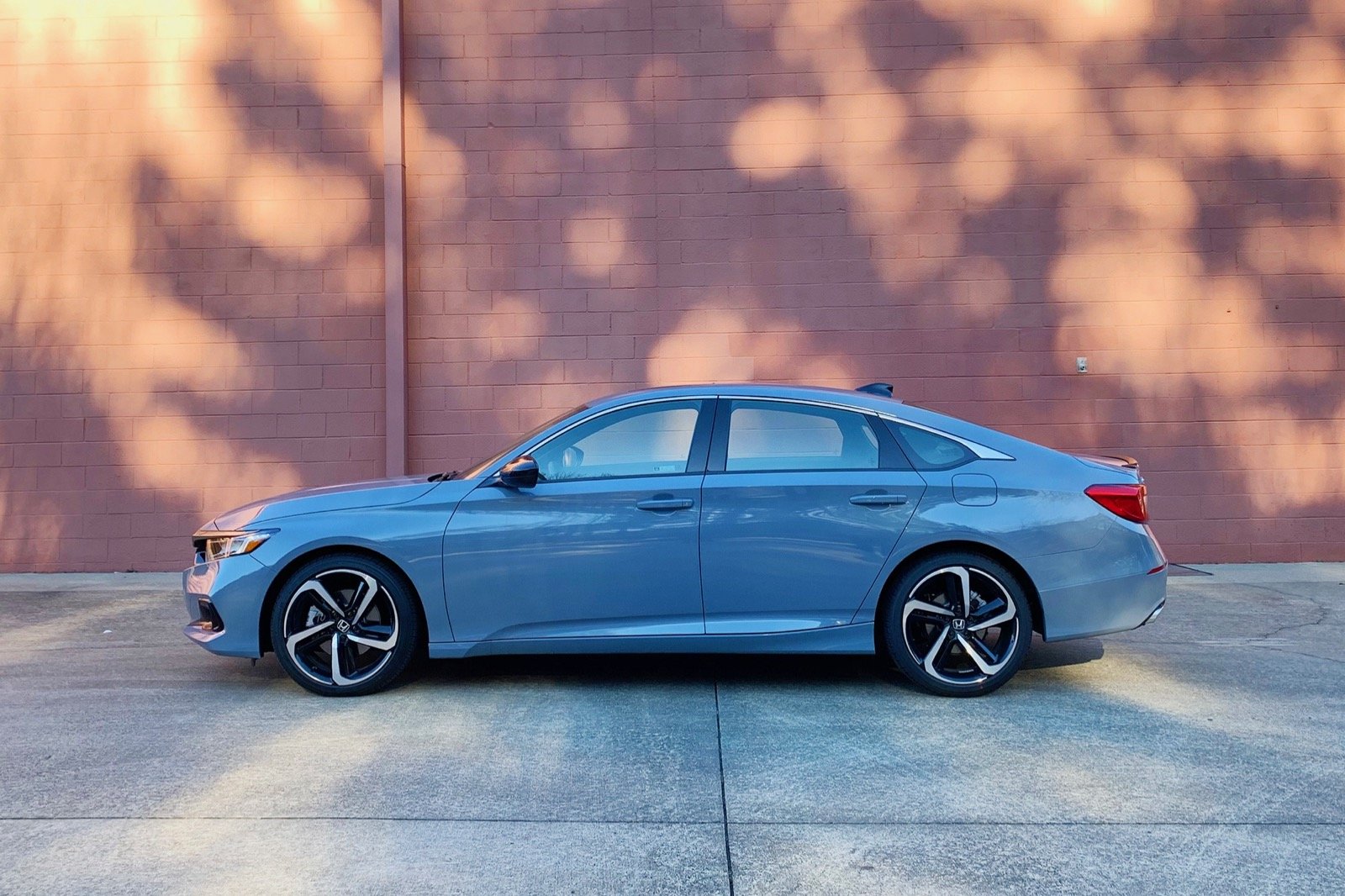
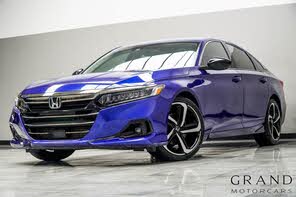
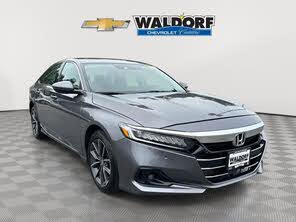
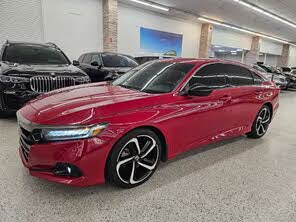
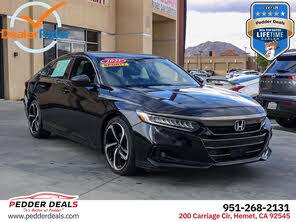
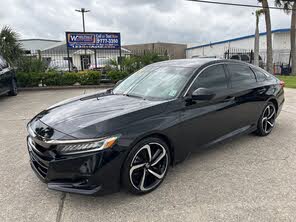
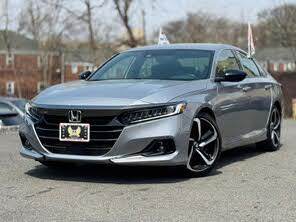
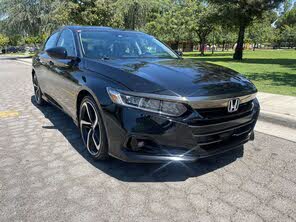
Contrastingly, Honda spruced up the Accord for 2021 with a mid-generation refresh, positioning it competitively in a diverse market. The 2021 Accord featured six trim levels, with our test vehicle being the Sport 2.0T model. The styling updates included a wider, more sculpted grille and sleeker fog light openings, achieving a more refined and sophisticated appearance.
All Accords except for the base model came with LED headlights and lowlights. These new designs enhanced night visibility and overall aesthetics. Honda also introduced new alloy wheel designs, with 19-inch wheels available on most trims. The luxurious Sonic Gray Pearl paint, available on select trims, added a touch more sophistication to higher-end models.
Inside, the Accord's cabin outclassed its rivals with high-quality cloth seats in the base trims, and leather-trimmed seats in the Sport SE and upper trims. The interior of the Accord felt more upscale than even the Toyota Camry’s, with features like an available power moonroof. Although it reduced headroom by two inches for front-seat occupants, this was a small tradeoff for the added elegance.


The 2021 BMW 3 Series offered a variety of powertrains, starting with the 2.0-liter turbocharged four-cylinder engine in the base 330i, producing 255 horsepower and 295 pound-feet of torque. The 330e plug-in hybrid combined a less powerful version of that engine with electric assistance, achieving a total output of 288 hp and 310 lb-ft of torque. Finally, the M340i featured a powerful turbo inline-six, delivering 382 hp and 369 lb-ft. Each engine was paired with an eight-speed automatic transmission and offered both RWD and AWD options.
Despite the promised power, the 3 Series provided mixed driving experiences. The M340i boasted an impressive 0-60 mph time of 4.2 seconds, while the 330i took 5.6 seconds. The RWD 330e matched the 330i's 0-60 mph time, despite its additional hybrid components. However, the driving experience, particularly in the 330e, was underwhelming due to the clunky transition between electric and gasoline power. Handling was precise, but lacked the engaging feel synonymous with earlier BMW models.
The Honda Accord offered two engine options. The first, a 192-horsepower, 1.5-liter turbocharged four-cylinder engine available on the LX, Sport, Sport SE, and EX-L trims, paired with a CVT, promised a smooth drive. The second, a 252-horsepower, 2.0-liter turbo-four engine in the Sport 2.0T and Touring trims, delivered a more spirited performance with a 10-speed automatic transmission.
Honda’s decision to focus on FWD only, while ignoring AWD, balanced out the provided power with impressive fuel efficiency. The 1.5-liter engine boasted an EPA-estimated 30 mpg city, 38 mpg highway, and 33 mpg combined. The more powerful 2.0-liter engine achieved 22 mpg city, 32 mpg highway, and 26 mpg combined, surpassing these estimates during real-world testing.
Overall, the Honda Accord, particularly with the 2.0-liter engine, delivered engaging drive dynamics with responsive steering and maneuverability, although it lacked the sporty punch of a manual transmission. The upgraded braking system introduced in 2021 provided smoother stops, enhancing the overall driving experience.
The 2021 BMW 3 Series outdid most of its luxury sedan competitors in terms of interior space. It offered superior rear headroom and above-average front headroom, slightly trailing behind the Infiniti Q50. Legroom was average, which could be cramped for rear-seat passengers, especially with tall front occupants. Despite its substantial quoted cargo space of 17 cubic feet for the gasoline models, the 330e plug-in hybrid's trunk was significantly reduced to 13.2 cubic feet due to the battery pack.
While the driving experience may not have been as engaging as previous models, the ergonomically designed cockpit of the 3 Series stood out. The strategic placement of the touchscreen, low hood line, and generous side glass contributed to excellent outward visibility and ease of use.
The Honda Accord was tailored for daily usability, offering ample space and comfort for five adults. Both front and rear seats provided good head-, hip-, and legroom, even for larger occupants. It featured standard dual-zone automatic climate control, auto up/down power windows, push-button start, and power outlets in both front and rear rows, ensuring convenience across the board.
From the Sport trim upward, the Accord interiors included a leather-wrapped steering wheel, and most models featured a leather-wrapped shift knob (exceptions being those with the push-button/lever pull shift system). Higher trims also offered features like memory settings for seating, heated, and ventilated seats in the Touring trim. Rear seats had a 60/40 split-fold function, enhancing the use of the Accord's 16.7 cubic feet trunk, which was more spacious than many midsize sedans.
The BMW 3 Series entertained with its BMW iDrive infotainment system featuring an 8.8-inch touchscreen, Bluetooth, and two USB ports. While gasoline models supported both Apple CarPlay and Android Auto, the 330e supported only CarPlay. The optional Live Cockpit Professional added a digital instrument cluster and navigation, with a head-up display also available.
The infotainment system stood out with high-quality graphics, responsiveness, and intuitive controls. Users had a choice of control methods—iDrive controller, steering wheel buttons, voice assistant, and gesture controls—although some of these felt gimmicky.
The Honda Accord came with an 8-inch infotainment touchscreen as standard, accompanied by physical volume and tuning knobs. It was responsive, with an attractive interface. Standard features included Bluetooth, Apple CarPlay, Android Auto, hands-free text messaging, and two USB ports. Higher trims added satellite radio, HD radio, wireless phone charging, a 10-speaker premium audio system, and WiFi hotspot.
The Touring 2.0T trim included a head-up display and HomeLink Remote, enhancing the user experience with information on cruise control, lane assist, turn-by-turn directions, and more.
The 2021 BMW 3 Series earned the “Top Safety Pick” award from IIHS with top “Good” scores in all crash tests, but had mixed headlight scores. NHTSA had not published ratings for this model. Standard safety features included forward-collision warning, automatic emergency braking, and lane-departure warning. Optional packages added adaptive cruise control, lane-keep assist, blind-spot monitoring, rear cross-traffic alert, and more advanced driving aids like Extended Traffic Jam Assistant and Active Side Collision Avoidance.
Honda prioritized safety, equipping the Accord with an extensive list of standard features along with the Honda Sensing suite, which included adaptive cruise control, traffic sign recognition, and lane-keeping assist. Higher trims added rear-seat reminders, low-speed braking control, and blind-spot monitoring. Accord's performance in safety ratings was exemplary, earning IIHS’s Top Safety Pick+ and NHTSA’s five-star overall safety rating, making it one of the safest in its class.
CarGurus highlights
According to CarGurus experts, the overall rating for the 2021 BMW 3 Series is 6.8 out of 10, while the 2021 Honda Accord scores 9.2 out of 10. Given these ratings, the 2021 Honda Accord is the recommended choice. It combines a sleek design, reliable performance, practical functionality, advanced technology, and excellent safety features in a more compelling package. It stands out as the superior option for consumers prioritizing value, safety, and day-to-day usability.
Choose the 2021 Honda Accord if:
- High safety ratings and comprehensive standard safety features are a priority.
- You seek a spacious, practical sedan with excellent fuel efficiency in lower trims.
- You value high-end technology in an affordable package.

Choose the 2021 BMW 3 Series if:
- You prioritize brand prestige and luxury nameplate recognition.
- You require powerful engine options and a dynamic driving experience, especially the M340i trim.
- Advanced technology and customizability of controls are essential for you.


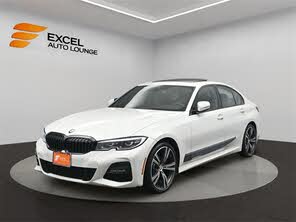
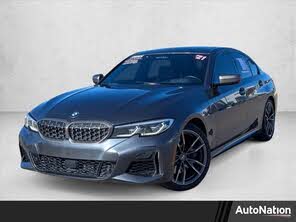
CarGurus highlights
According to CarGurus experts, the overall rating for the 2021 BMW 3 Series is 6.8 out of 10, while the 2021 Honda Accord scores 9.2 out of 10. Given these ratings, the 2021 Honda Accord is the recommended choice. It combines a sleek design, reliable performance, practical functionality, advanced technology, and excellent safety features in a more compelling package. It stands out as the superior option for consumers prioritizing value, safety, and day-to-day usability.
Choose the 2021 Honda Accord if:
Shop Now- High safety ratings and comprehensive standard safety features are a priority.
- You seek a spacious, practical sedan with excellent fuel efficiency in lower trims.
- You value high-end technology in an affordable package.




Choose the 2021 BMW 3 Series if:
Shop Now- You prioritize brand prestige and luxury nameplate recognition.
- You require powerful engine options and a dynamic driving experience, especially the M340i trim.
- Advanced technology and customizability of controls are essential for you.


By: CarGurus + AI
At CarGurus, our team of experienced automotive writers remain at the heart of our content operation, conducting hands-on car tests and writing insightful guides that are backed by years of industry experience. To complement this, we are harnessing AI to make our content offering more diverse and more helpful to shoppers than ever. To achieve this, our AI systems are based exclusively on CarGurus content, ratings and data, so that what we produce is both unique to CarGurus, and uniquely helpful to car shoppers.