2020 Toyota 4Runner vs 2020 Toyota RAV4

Overview | |
MSRP$25,950 | MSRP$36,120 |
Listings1177 | Listings788 |
Ratings & Reviews | |
User Reviews | User Reviews |
Expert reviews8.7 out of 10 | Expert reviews6.8 out of 10 |
Pros
Cons
| Pros
Cons
|
2020 Toyota RAV4 Reviews SummaryAmericans love the Toyota RAV4. The compact crossover SUV is the most popular vehicle in the U.S. that isn’t a pickup truck, and when you live with one for a while, it’s easy to understand why so many people buy a RAV4. Available with a gasoline 4-cylinder or a gas-electric hybrid powertrain (covered as a separate model), and in a wide range of configurations including sporty XSE, luxurious Limited, and rugged Adventure, the 2020 RAV4 meets a variety of customer wants and needs. | |
2020 Toyota 4Runner Reviews SummaryEven in its expensive Limited trim, the Toyota 4Runner remains clearly purpose-built for tackling terrain. Whether on a dusty cow path or snowy mountain road, the 4Runner looks most in its element when its outside the typical car’s comfort zone. For 2020, Toyota keeps enough chrome and leather available to market the 4Runner as a rough-and-tumble luxury alternative, but shoppers considering one had better have a real need for 4-wheel drive. | |
No video found | |
Popular Features & Specs | |
Engine2.5L 203 hp I4 | Engine4.0L 270 hp V6 |
Drive TrainFWD | Drive Train4X2 |
Seating Capacity5 | Seating Capacity7 |
Horsepower | Horsepower270 hp @ 5600 rpm |
MPG City27 | MPG City16 |
MPG Highway35 | MPG Highway19 |
Engine | |
Engine Name2.5L 203 hp I4 | Engine Name4.0L 270 hp V6 |
Torque | Torque278 lb-ft @ 4400 rpm |
Horsepower | Horsepower270 hp @ 5600 rpm |
DrivetrainFWD | Drivetrain4X2 |
Fuel Economy | |
MPG City27 | MPG City16 |
MPG Highway35 | MPG Highway19 |
Interior | |
Seating Capacity5 | Seating Capacity7 |
Safety | |
Front Crash Overall4 | Front Crash Overall4 |
Side Crash Overall5 | Side Crash Overall5 |
Dimensions & Capacity | |
Cargo Space37.6 cu ft | Cargo Space47.2 cu ft |
Curb Weight3370 lbs | Curb Weight4400 lbs |
Height67.0 in | Height71.5 in |
Length180.9 in | Length190.2 in |
Width73.0 in | Width75.8 in |
Wheelbase105.9 in | Wheelbase109.8 in |
Maximum Payload1240 lbs | Maximum Payload1700 lbs |
Number of doors4 | Number of doors4 |
Maximum Towing Capacity1500 lbs | Maximum Towing Capacity5000 lbs |
Standard Towing Capacity | Standard Towing Capacity5000 lbs |
Overview | ||
MSRP | $25,950 | $36,120 |
Listings | ||
Ratings & Reviews | ||
User reviews | ||
Expert reviews | 8.7 out of 10Read full review | 6.8 out of 10Read full review |
Pros & cons | Pros
Cons
| Pros
Cons
|
Summary | Americans love the Toyota RAV4. The compact crossover SUV is the most popular vehicle in the U.S. that isn’t a pickup truck, and when you live with one for a while, it’s easy to understand why so many people buy a RAV4. Available with a gasoline 4-cylinder or a gas-electric hybrid powertrain (covered as a separate model), and in a wide range of configurations including sporty XSE, luxurious Limited, and rugged Adventure, the 2020 RAV4 meets a variety of customer wants and needs. | Even in its expensive Limited trim, the Toyota 4Runner remains clearly purpose-built for tackling terrain. Whether on a dusty cow path or snowy mountain road, the 4Runner looks most in its element when its outside the typical car’s comfort zone. For 2020, Toyota keeps enough chrome and leather available to market the 4Runner as a rough-and-tumble luxury alternative, but shoppers considering one had better have a real need for 4-wheel drive. |
Video | No video found | |
Popular Features & Specs | ||
Engine | 2.5L 203 hp I4 | 4.0L 270 hp V6 |
Drive Train | FWD | 4X2 |
Seating Capacity | 5 | 7 |
Horsepower | 270 hp @ 5600 rpm | |
MPG City | 27 | 16 |
MPG Highway | 35 | 19 |
Engine | ||
Engine Name | 2.5L 203 hp I4 | 4.0L 270 hp V6 |
Torque | 278 lb-ft @ 4400 rpm | |
Horsepower | 270 hp @ 5600 rpm | |
Drivetrain | FWD | 4X2 |
Fuel Economy | ||
MPG City | 27 | 16 |
MPG Highway | 35 | 19 |
Interior | ||
Seating Capacity | 5 | 7 |
Safety | ||
Front Crash Overall | 4 | 4 |
Side Crash Overall | 5 | 5 |
Dimensions & Capacity | ||
Cargo Space | 37.6 cu ft | 47.2 cu ft |
Curb Weight | 3370 lbs | 4400 lbs |
Height | 67.0 in | 71.5 in |
Length | 180.9 in | 190.2 in |
Width | 73.0 in | 75.8 in |
Wheelbase | 105.9 in | 109.8 in |
Maximum Payload | 1240 lbs | 1700 lbs |
Number of doors | 4 | 4 |
Maximum Towing Capacity | 1500 lbs | 5000 lbs |
Standard Towing Capacity | 5000 lbs | |
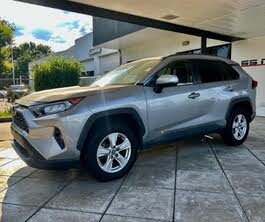
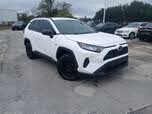
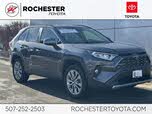
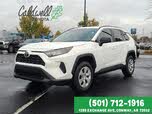
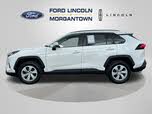
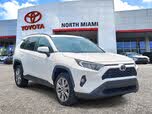
The 2020 Toyota RAV4 underwent a significant stylistic transformation following its 2019 redesign, emerging with a more bolder and angular appearance. This makeover was intended to give the RAV4 a more rugged look, befitting its proven durability. Competing with the Mazda CX-5 and Honda CR-V, the RAV4 sought to emphasize toughness with this redesign. Among its various trims, the Adventure model from 2019 stood out with its improved off-roading capabilities. This model came with a torque-vectoring all-wheel-drive (AWD) system, multiple driving modes for different weather and terrain conditions, and an impressive 8.6 inches of ground clearance.
For 2020, the RAV4 lineup introduced the TRD Off-Road trim, elevating the SUV's off-road prowess. This new trim featured smaller and lighter matte-black 18-inch alloy wheels, all-terrain tires rated for severe snow duty, and a special Toyota Racing Development (TRD) suspension setup. The TRD Off-Road could be distinguished by its unique wheels, tires, and badges, although it otherwise mirrored the Adventure trim in appearance. The test vehicle in question boasted an appealing Lunar Rock gray paint with an extra-cost white roof, which proved excellent at concealing dirt.
Inside, the TRD Off-Road trim added TRD logos on the front-seat head restraints, rubber floor mats, and a rubber cargo mat to gear the cabin for dirtier adventures. The interior combined quality construction with plush center-armrest padding, soft-touch upper door-panel trim, and rubberized surfaces, contrasting with some less expensive plastic elements. The RAV4's trim levels ranged from the LE and FWD at $25,950 to the Limited with AWD at $35,880, including multiple models such as the XLE, XLE Premium, Adventure, and TRD Off-Road.
Shoppers seeking the best value were generally directed to the XLE trim with the top option package, costing about $31,750 with the standard gas engine and FWD. The hybrid version with AWD came in just over $33,000. The test model with all factory options and dealer-installed accessories reached an unusual price of $42,902.
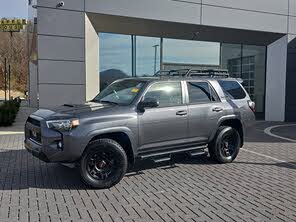
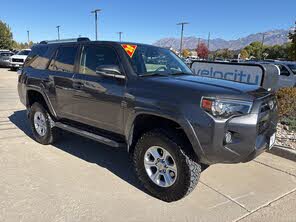
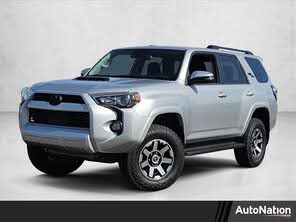
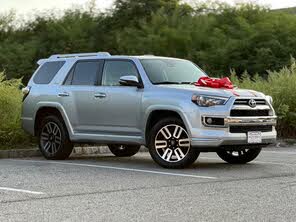
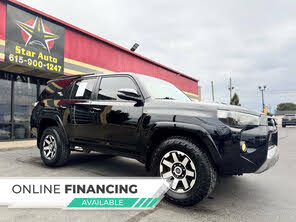
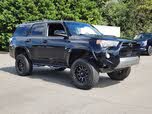
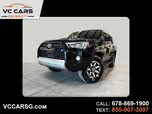
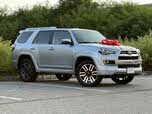
The 2020 Toyota 4Runner maintained its utilitarian aesthetic, reminiscent of the XJ Jeep Cherokee. Its tall slab sides, high beltline, short overhangs, and near-vertical front fascia lent the 4Runner a timeless design. Its flared wheel wells and short overhangs allowed for accommodating bulky off-road tires and tackling steep terrains, respectively. The hood scoop on the off-road-focused TRD trim, although non-functional, was a distinctive visual cue. Small, angular headlights marked the front end, with body-color bars on the grille for all but the Limited and TRD Pro trims. The TRD Pro featured blacked-out accents boasting “TOYOTA,” while the Limited trim sparkled with bright chrome.
The 4Runner lineup included several trims: SR5, SR5 Premium, TRD Off-Road, TRD Off-Road Premium, TRD Pro, and Limited. The Nightshade Special Edition and the new Venture Special Edition also appeared in 2020, adding a stealth aesthetic with blacked-out trim and off-road capabilities, including 17-inch TRD wheels and a Yakima Megawarrior roof rack on the Venture edition.
The test model, a Limited trim, catered to comfort-oriented shoppers with leather upholstery, which covered all seats, and the minimalist SofTex material in the SR5 Premium and TRD Off-Road Premium trims. All trims featured an 8-inch touchscreen within the dashboard. Despite chrome and leather enhancements, the 4Runner Limited still bore its utilitarian DNA, with plenty of plastic and a trail-oriented seating position rather than highway comfort.


The 2020 Toyota RAV4 offered a 2.5-liter 4-cylinder engine producing 203 horsepower and 184 pound-feet of torque. The RAV4 Hybrid variant delivered impressive fuel economy of up to 40 mpg in combined driving while producing 219 horsepower. The hybrid model, however, was not available with the TRD Off-Road trim. Our test vehicle, equipped with the non-turbo, non-hybrid powertrain, felt peppy enough, especially in Sport mode, although a turbocharged engine would be better for high-altitude areas like Denver.
The 8-speed automatic transmission functioned well most of the time, though it occasionally struggled with gear choice. The TRD Off-Road model featured a torque-vectoring AWD system with fuel-saving driveline disconnect technology. Drivers could also select from Snow, Mud & Sand, and Rock & Dirt multi-terrain settings, in addition to Eco, Normal, and Sport driving modes. Downhill assist control and 8.6 inches of ground clearance enhanced off-road capability.
Fuel economy averaged 23.4 mpg, lower than the EPA’s 27 mpg estimate for combined driving. Nonetheless, the RAV4 TRD Off-Road excelled in urban environments with its robust suspension smoothing out speed humps and aiding in slick, muddy trails. However, its all-terrain tires weren’t ideal for fast driving on mountain roads, and its primary strength lay in off-road and urban use.
The 2020 Toyota 4Runner featured a 4.0-liter V6 engine delivering 270 horsepower and 278 pound-feet of torque, managed by a 5-speed automatic transmission. This engine was designed for durability and towing up to 5,000 pounds, prioritizing reliability over fuel efficiency. Indeed, the 4Runner’s EPA estimates stood at 16 mpg city, 19 highway, and 17 combined. Over the test period, we managed 17.7 mpg.
The 4Runner shone off-road due to its body-on-frame construction, which tolerated rough, twisting forces well. On-road driving, however, highlighted significant body roll and steering that felt simultaneously heavy and vague. The 4Runner’s RWD option offered limited off-road value, while the full-time 4WD system in the Limited trim helped maintain progress on rough terrains. TRD models featured part-time systems capable of handling rigorous off-road tasks.
Advanced off-road features included Toyota’s CRAWL control, with five low-speed settings, and Multi-Terrain Select, which optimized traction settings for different surfaces like dirt, sand, or rock.
The 2020 RAV4 excelled in practicality. Entering and exiting the vehicle was easy due to the perfectly placed seating hip points. Inside, drivers found a sporty low driving position with an 8-way adjustable seat. However, the front passenger's seat lacked height adjustment, though it provided sufficient thigh support.
The RAV4 TRD Off-Road featured SofTex upholstery, known for trapping sweat, but the Weather Package brought heated and ventilated front seats and a heated steering wheel. Rear seat passengers enjoyed generous legroom, air conditioning vents, and USB ports.
Interior storage was ample, with a handy shelf running the width of the dashboard. Cargo space amounted to 37.6 cubic feet behind the rear seats, expanding to 69.8 cubic feet with the seats folded. The test vehicle also had a strong roof rack with crossbars, enhancing its utility, and an optional hands-free power liftgate.
The 2020 4Runner emphasized off-road visibility with generous dimensions allowing excellent road tracking. Its turning radius of 18 feet, 7 inches was impressive, tighter than the Highlander and Jeep Wrangler Unlimited. The dashboard featured large knobs for HVAC controls and slightly smaller ones for stereo controls, with easily comprehensible physical buttons flanking the 8-inch touchscreen. However, steering-wheel controls lacked illumination, making them difficult to use in the dark.
The 4Runner’s high seating position, due to its body-on-frame construction and ground clearance, often necessitated power-retractable running boards. Once inside, the commanding view and rugged build made city streets feel like minor obstacles. The optional third row in non-TRD and non-Venture trims offered two narrow and thin jump seats adequate for short trips.
Comparatively, the RAV4 offered more practical cargo space, with 37.6 cubic feet extending to 69.8 cubic feet, while the 4Runner’s design focused more on accommodating passengers than maximum cargo capacity.
The technology in the 2020 RAV4 was user-friendly and practical. Depending on the trim, the infotainment system featured a 7- or 8-inch touchscreen, which did suffer from glare issues. The standard TRD Off-Road trim included Bluetooth, Apple CarPlay, Android Auto, and Amazon Alexa integration, along with SiriusXM satellite radio and several connected services with generous trial periods. A 4G LTE WiFi hotspot provided free service for three months or up to 2GB of data usage.
The system was easy to use, with menu shortcut buttons and stereo volume and tuning knobs flanking the screen. Climate controls were separate from the display, and upgrades included an embedded navigation system and a JBL premium sound system. The voice-recognition technology was particularly impressive, accurately responding to commands.
The optional Technology Package added wireless smartphone charging, a 360-degree surround-view camera, and a digital rear-view mirror displaying a live video feed. The system allowed adjustments to camera height and angle, and zoom functionality.
The 2020 4Runner finally embraced modern technology with an 8-inch touchscreen infotainment system compatible with Apple CarPlay and Android Auto. This update was overdue, as the proprietary system was less intuitive. Our test vehicle’s navigation system struggled until we switched to the more direct Android Auto route.
Compatibility with Amazon Alexa, Bluetooth connectivity, a single USB media port, and various subscription services like Sirius XM Radio, Safety Connect, and WiFi Connect further modernized the 4Runner. Upgrading to higher trims brought a JBL stereo and navigation system, but the 4Runner still lagged behind competitors in total features and usability.
The 4Runner focused on providing advanced off-road technological features rather than dashboard advancements, with the top features hidden in the powertrain rather than the infotainment system.
Every 2020 RAV4 came equipped with Toyota Safety Sense 2.0 (TSS 2.0), a suite of advanced driving assist safety features. These included Pre-Collision System with Pedestrian Detection, radar adaptive cruise control, lane departure alert with steering assist, front and rear parking assist with automated braking, and blind spot assist with rear cross-traffic alert. The systems operated smoothly and accurately, encouraging drivers to keep them active.
Additionally, Toyota offered a free 1-year subscription to Safety Connect services, which included automatic collision notification, an SOS emergency assistance button, and enhanced roadside assistance. This trial period was more generous than most other automakers' offerings.
The Insurance Institute for Highway Safety (IIHS) awarded the 2020 RAV4 a Top Safety Pick rating for models equipped with full LED, curve adaptive headlights. Without these, the headlight performance rating was Marginal. Otherwise, the RAV4 excelled in crash protection and advanced driver assistance systems.
The 2020 4Runner benefitted from Toyota Safety Sense P (TSS-P), which included adaptive cruise control, lane-departure alert, a pre-collision system with pedestrian detection, and automatic high beams. These features significantly enhanced the vehicle’s safety profile.
Equipped with eight standard airbags, the 4Runner aimed to actively protect drivers and passengers. The National Highway Traffic Safety Administration (NHTSA) awarded it four out of five stars overall, with a three-star rating in the rollover test. The IIHS also rated the 4Runner well in crash tests, except for a Marginal score in the small overlap front: driver-side test.
On the highway, the adaptive cruise control was effective, though we found the high center of gravity and imprecise steering less suitable for highway driving without a more active lane-keeping assist system.
CarGurus highlights

According to CarGurus experts, the overall rating for the 2020 Toyota RAV4 is 8.7 out of 10, while the 2020 Toyota 4Runner scores 6.8 out of 10. Based on these ratings, the 2020 Toyota RAV4 emerges as the better choice for the average consumer. It offers superior safety features and ratings, better fuel efficiency, and a modern suite of technology that enhances everyday usability. While the 4Runner excels off-road and has its loyal following, the RAV4 is the more well-rounded vehicle for most drivers.
Choose the 2020 Toyota 4Runner if:
- You need a rugged, reliable vehicle designed primarily for off-road adventures.
- You require a vehicle with optional third-row seating and superior towing capacity.
- You prefer a high seating position and commanding view of the road, complementing the 4Runner's robust build.



Choose the 2020 Toyota RAV4 if:
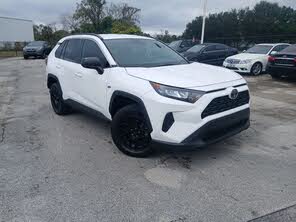
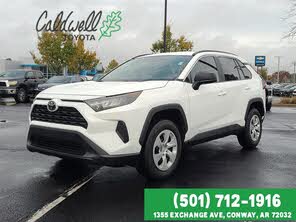
- You prioritize modern safety features and excellent safety ratings.
- You desire a practical and versatile vehicle with superior fuel efficiency.
- You want an SUV with modern technology, user-friendly infotainment, and impressive voice-recognition capabilities.





CarGurus highlights
According to CarGurus experts, the overall rating for the 2020 Toyota RAV4 is 8.7 out of 10, while the 2020 Toyota 4Runner scores 6.8 out of 10. Based on these ratings, the 2020 Toyota RAV4 emerges as the better choice for the average consumer. It offers superior safety features and ratings, better fuel efficiency, and a modern suite of technology that enhances everyday usability. While the 4Runner excels off-road and has its loyal following, the RAV4 is the more well-rounded vehicle for most drivers.
Choose the 2020 Toyota 4Runner if:
Shop Now- You need a rugged, reliable vehicle designed primarily for off-road adventures.
- You require a vehicle with optional third-row seating and superior towing capacity.
- You prefer a high seating position and commanding view of the road, complementing the 4Runner's robust build.




Choose the 2020 Toyota RAV4 if:
Shop Now- You prioritize modern safety features and excellent safety ratings.
- You desire a practical and versatile vehicle with superior fuel efficiency.
- You want an SUV with modern technology, user-friendly infotainment, and impressive voice-recognition capabilities.






By: CarGurus + AI
At CarGurus, our team of experienced automotive writers remain at the heart of our content operation, conducting hands-on car tests and writing insightful guides that are backed by years of industry experience. To complement this, we are harnessing AI to make our content offering more diverse and more helpful to shoppers than ever. To achieve this, our AI systems are based exclusively on CarGurus content, ratings and data, so that what we produce is both unique to CarGurus, and uniquely helpful to car shoppers.