2020 Honda Pilot vs 2020 Toyota 4Runner

Overview | |
MSRP$31,650 | MSRP$36,120 |
Listings632 | Listings827 |
Ratings & Reviews | |
User Reviews | User Reviews |
Expert reviews8.0 out of 10 | Expert reviews6.8 out of 10 |
Pros
Cons
| Pros
Cons
|
2020 Honda Pilot Reviews SummaryThe Honda Pilot was once the leader of the midsize 3-row SUV pack. But several rivals from Hyundai, Kia, and Mazda have caught up to (and in some cases, surpassed) the Pilot. Still, the Pilot offers tons of cargo space, an adult-friendly third row, and an impressive list of standard safety features. But Honda’s choices on driver controls and in-car tech are its biggest shortcomings. Read on to learn how the Pilot stacks up against the competition, and to learn the CarGurus recommended trim. | |
2020 Toyota 4Runner Reviews SummaryEven in its expensive Limited trim, the Toyota 4Runner remains clearly purpose-built for tackling terrain. Whether on a dusty cow path or snowy mountain road, the 4Runner looks most in its element when its outside the typical car’s comfort zone. For 2020, Toyota keeps enough chrome and leather available to market the 4Runner as a rough-and-tumble luxury alternative, but shoppers considering one had better have a real need for 4-wheel drive. | |
No video found | No video found |
Popular Features & Specs | |
Engine3.5L 280 hp V6 | Engine4.0L 270 hp V6 |
Drive TrainFWD | Drive Train4X2 |
Seating Capacity8 | Seating Capacity7 |
Horsepower280 hp @ 6000 rpm | Horsepower270 hp @ 5600 rpm |
MPG City19 | MPG City16 |
MPG Highway27 | MPG Highway19 |
Engine | |
Engine Name3.5L 280 hp V6 | Engine Name4.0L 270 hp V6 |
Torque262 lb-ft @ 4700 rpm | Torque278 lb-ft @ 4400 rpm |
Horsepower280 hp @ 6000 rpm | Horsepower270 hp @ 5600 rpm |
DrivetrainFWD | Drivetrain4X2 |
Fuel Economy | |
MPG City19 | MPG City16 |
MPG Highway27 | MPG Highway19 |
Interior | |
Seating Capacity8 | Seating Capacity7 |
Safety | |
Front Crash Overall4 | Front Crash Overall4 |
Side Crash Overall5 | Side Crash Overall5 |
Dimensions & Capacity | |
Cargo Space16.5 cu ft | Cargo Space47.2 cu ft |
Curb Weight4036 lbs | Curb Weight4400 lbs |
Height70.6 in | Height71.5 in |
Length196.5 in | Length190.2 in |
Width78.6 in | Width75.8 in |
Wheelbase111.0 in | Wheelbase109.8 in |
Maximum Payload1509 lbs | Maximum Payload1700 lbs |
Number of doors4 | Number of doors4 |
Maximum Towing Capacity3500 lbs | Maximum Towing Capacity5000 lbs |
Standard Towing Capacity | Standard Towing Capacity5000 lbs |
Overview | ||
MSRP | $31,650 | $36,120 |
Listings | ||
Ratings & Reviews | ||
User reviews | ||
Expert reviews | 8.0 out of 10Read full review | 6.8 out of 10Read full review |
Pros & cons | Pros
Cons
| Pros
Cons
|
Summary | The Honda Pilot was once the leader of the midsize 3-row SUV pack. But several rivals from Hyundai, Kia, and Mazda have caught up to (and in some cases, surpassed) the Pilot. Still, the Pilot offers tons of cargo space, an adult-friendly third row, and an impressive list of standard safety features. But Honda’s choices on driver controls and in-car tech are its biggest shortcomings. Read on to learn how the Pilot stacks up against the competition, and to learn the CarGurus recommended trim. | Even in its expensive Limited trim, the Toyota 4Runner remains clearly purpose-built for tackling terrain. Whether on a dusty cow path or snowy mountain road, the 4Runner looks most in its element when its outside the typical car’s comfort zone. For 2020, Toyota keeps enough chrome and leather available to market the 4Runner as a rough-and-tumble luxury alternative, but shoppers considering one had better have a real need for 4-wheel drive. |
Video | No video found | No video found |
Popular Features & Specs | ||
Engine | 3.5L 280 hp V6 | 4.0L 270 hp V6 |
Drive Train | FWD | 4X2 |
Seating Capacity | 8 | 7 |
Horsepower | 280 hp @ 6000 rpm | 270 hp @ 5600 rpm |
MPG City | 19 | 16 |
MPG Highway | 27 | 19 |
Engine | ||
Engine Name | 3.5L 280 hp V6 | 4.0L 270 hp V6 |
Torque | 262 lb-ft @ 4700 rpm | 278 lb-ft @ 4400 rpm |
Horsepower | 280 hp @ 6000 rpm | 270 hp @ 5600 rpm |
Drivetrain | FWD | 4X2 |
Fuel Economy | ||
MPG City | 19 | 16 |
MPG Highway | 27 | 19 |
Interior | ||
Seating Capacity | 8 | 7 |
Safety | ||
Front Crash Overall | 4 | 4 |
Side Crash Overall | 5 | 5 |
Dimensions & Capacity | ||
Cargo Space | 16.5 cu ft | 47.2 cu ft |
Curb Weight | 4036 lbs | 4400 lbs |
Height | 70.6 in | 71.5 in |
Length | 196.5 in | 190.2 in |
Width | 78.6 in | 75.8 in |
Wheelbase | 111.0 in | 109.8 in |
Maximum Payload | 1509 lbs | 1700 lbs |
Number of doors | 4 | 4 |
Maximum Towing Capacity | 3500 lbs | 5000 lbs |
Standard Towing Capacity | 5000 lbs | |
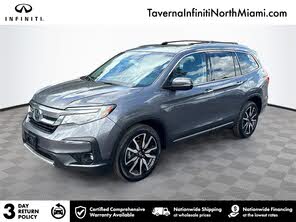
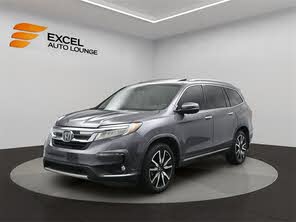
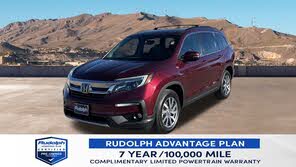
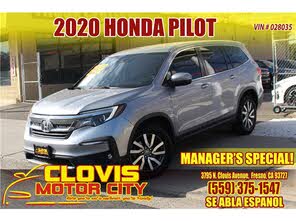
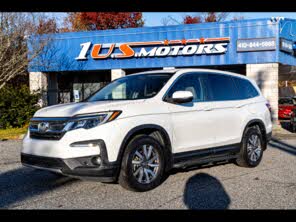
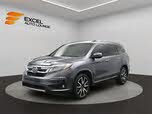
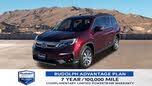
The 2020 Honda Pilot boasted a dynamic styling alignment with the rest of Honda's lineup. It featured thin LED headlights and a multi-tiered grille, with a distinctive uptick in the belt-line around the rear side windows that masked its actual size, lending it a more svelte appearance. Inside, the Pilot had a modern cabin equipped with a semi-digital instrument panel. While the fuel and engine-temperature gauges remained analog, other information was displayed digitally directly in front of the driver. Comfort and space were notable attributes, but some areas of the cabin utilized hard plastics. Rivals like the Kia Telluride, Hyundai Palisade, and Mazda CX-9 featured more upscale interiors.
The Honda Pilot was available in six trim levels: LX, EX, EX-L, Touring, Elite, and Black Edition. The base LX offered 18-inch alloy wheels, remote keyless entry, push-button start, power locks, and a driver’s window with a one-touch function. The EX trim improved upon this with remote start, Apple CarPlay, Android Auto, tri-zone climate control, and a power-adjustable driver’s seat. The EX-L added leather upholstery, a power liftgate, and a power moonroof. The Touring trim featured 20-inch alloy wheels, an upgraded stereo, and courtesy lights. The Elite trim stood out with power-folding mirrors, a panoramic sunroof, and heated and ventilated seats. Finally, the Black Edition, new for 2020, provided exclusive black-painted wheels and accents, closely mimicking the Elite’s features.
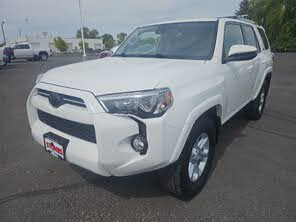
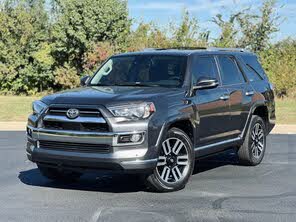
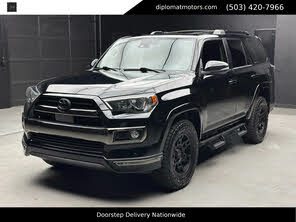
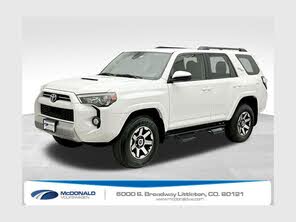
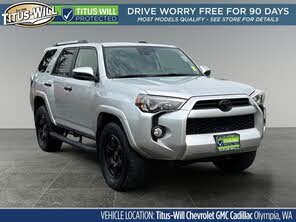
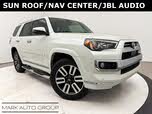
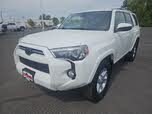
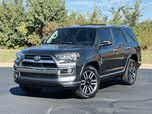
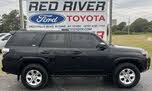
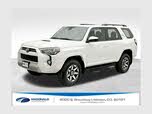
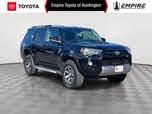
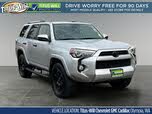
Conversely, the 2020 Toyota 4Runner exhibited a timeless yet utilitarian design. With tall slab sides, a high beltline, short overhangs, and a near-vertical front fascia harkening back to iconic vehicles like the XJ Jeep Cherokee, it presented a rugged appearance. The TRD trims featured flared wheel wells capable of accommodating off-road tires, and the short overhangs aided its clearance in steep terrains. The non-functional hood scoop on the TRD trims served as a distinctive marker for the off-road-focused model.
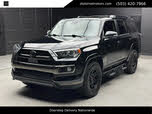
The 4Runner included several trim levels: SR5, SR5 Premium, TRD Off-Road, TRD Off-Road Premium, TRD Pro, Limited, Nightshade Special Edition, and Venture Special Edition. The Nightshade edition added a stealthy look with blacked-out trim, while the Venture featured 17-inch TRD wheels and a Yakima Megawarrior roof rack. The Limited trim aimed more at comfort with leather upholstery and chrome accents. Regardless of trim, the car lacked the plush interior of some rivals, maintaining a utilitarian essence with large, easy-to-use controls and durable materials.


Under the hood of the 2020 Honda Pilot sat a 3.5-liter V6 engine churning out 280 horsepower and 262 pound-feet of torque. Front-wheel drive was standard, while all-wheel drive was available. The engine paired with a 6-speed automatic transmission on the LX, EX, and EX-L trims. The Touring, Elite, and Black Edition trims received a more refined 9-speed automatic transmission, which offered smoother acceleration and potential fuel economy benefits. Operating the transmission relied on Honda’s proprietary shifter button setup, a departure from traditional shifters that perplexed many drivers initially.
The Pilot’s V6 ensured robust acceleration, whether from a standstill or while overtaking on highways. Despite not leading in acceleration among its class, it provided ample power for everyday driving. The ride quality prioritized comfort, making it ideal for long commutes and road trips, although it lacked any sportiness. Honda’s Intelligent Traction Management System offered drive modes such as Normal, Snow, Mud, and Sand, adjusting drivetrain and traction control settings accordingly to enhance its off-road capability, though it wasn’t designed for intense off-roading.
The 2020 Toyota 4Runner utilized a 4-liter V6 engine delivering 270 horsepower and 278 pound-feet of torque. Regardless of trim, a 5-speed automatic transmission handled the power. This robust but less refined engine was not built to be fuel-efficient, yielding EPA estimates of 16 mpg city, 19 highway, and 17 combined. Our test model echoed these estimates with a combined fuel economy of 17.7 mpg over 400-plus miles.
The 4Runner excelled off-road, benefiting from body-on-frame construction and high ground clearance. Its steering felt heavy and vague, making on-road navigation a blast from the past. Off-road capabilities were enhanced with the available 4WD systems, CRAWL control, and Multi-Terrain Select, which adjusted traction settings for various surfaces like dirt, sand, and rock. While it could tow up to 5,000 pounds, its prime value was in handling rugged terrains rather than smooth highways or fuel efficiency.
The 2020 Honda Pilot featured an 8-passenger capacity with second-row bench seating. Higher trims, including Touring, Elite, and Black Edition, provided second-row captain’s chairs, reducing capacity to seven. Unlike some competitors with child-suited third rows, the Pilot's third-row comfortably accommodated adults. The EX trim and above offered one-touch fold-down rear seats for easy third-row access.
When it came to cargo space, the Pilot offered 83.9 cubic feet with the second and third rows folded. The Honda compared favorably with competitors: Toyota Highlander (84.3), Kia Telluride (87), Hyundai Palisade (86.4), and Subaru Ascent (86.5). Although it fell short of the Volkswagen Atlas's 96.8 cubic feet, it exceeded Mazda CX-9’s 71.2 cubic feet. EX-L and higher trims featured a power liftgate, with Touring and higher getting a hands-free version. The Pilot excelled in family utility, with ample storage spaces for children's essentials. The higher trims’ second-row captain's chairs provided a convenient walk-through space and separation for children.
In contrast, the 2020 Toyota 4Runner's design focused on off-road visibility. Despite its size, the high seating position and ample ground clearance provided excellent road awareness. The 4Runner's dashboard featured large, chunky knobs for HVAC and stereo controls, and physical buttons flanked the 8-inch touchscreen. Steering-wheel controls were extensive but not illuminated, complicating nighttime use.
The 4Runner offered an optional third-row in non-TRD and non-Venture trims. These seats, designed for short and occasional use, were comparably less spacious and comfortable than those in rivals like the Subaru Ascent and Chevrolet Traverse. The third-row jump seats folded down to maximize cargo space, but their form sacrificed legroom and comfort. Entry and exit required effort due to the vehicle’s height, making power-retractable running boards a welcome addition in the Limited trim.
The 2020 Honda Pilot offered a range of technological features across its trims. The base LX came with a 5-inch color LCD screen, a 215-watt, 7-speaker stereo, Bluetooth connectivity, and a USB port. Higher trims featured Honda’s Display Audio 8-inch touchscreen infotainment system with Apple CarPlay and Android Auto, though the interface was criticized for its confusing layout. HD Radio, SiriusXM satellite radio, and Cabin Control Remote Capability were available from the EX trim onward.
Optional features included navigation, a rear-seat entertainment system, and a wall-style power outlet (standard on Touring, Elite, and Black Edition). The top trims also received a 590-watt, 10-speaker premium audio system, mobile hotspot capability, and a wireless charging pad.
For the 2020 Toyota 4Runner, technology had finally caught up with an 8-inch touchscreen infotainment system compatible with Apple CarPlay and Android Auto. The proprietary system wasn’t complicated, but our experience with the onboard navigation was less than ideal, contrasting sharply with the user-friendly Google Maps via Android Auto. The 4Runner supported Amazon Alexa, Bluetooth connectivity, a USB media port, and various subscription services like Sirius XM Radio, Safety Connect, and WiFi Connect. Higher trims featured a JBL stereo and navigation.
Despite these upgrades, the 4Runner lagged behind market leaders in both total feature count and usability. Its advanced technological strengths lay in its off-road powertrain features rather than its dashboard electronics.
The 2020 Honda Pilot came standard with the HondaSensing suite, which included forward-collision avoidance, automatic emergency braking, lane-departure warning, adaptive cruise control, and automatic high beams. Front and side-impact airbags, child-seat anchors, Vehicle Stability Assist, and traction control were standard. Optional safety features included front and rear parking sensors and blind-spot monitoring with rear cross-traffic alert. The Pilot earned a five-star overall crash test rating from the NHTSA and the top rating of Good from the IIHS, also achieving a Superior in crash prevention technology evaluation.
The 2020 Toyota 4Runner benefited from Toyota Safety Sense P (TSS-P), encompassing adaptive cruise control, lane-departure alert, a pre-collision system with pedestrian detection, and automatic high beams. It also featured eight standard airbags, significantly enhancing its safety profile compared to previous models. The NHTSA awarded the 4Runner four out of five stars overall, though it received only three stars in the rollover test. The IIHS rated it Good in most tests but Marginal in the small overlap front: driver-side test. Driving on highways, the adaptive cruise control was effective, but a more active lane-keeping assist system would have enhanced safety further.
CarGurus highlights
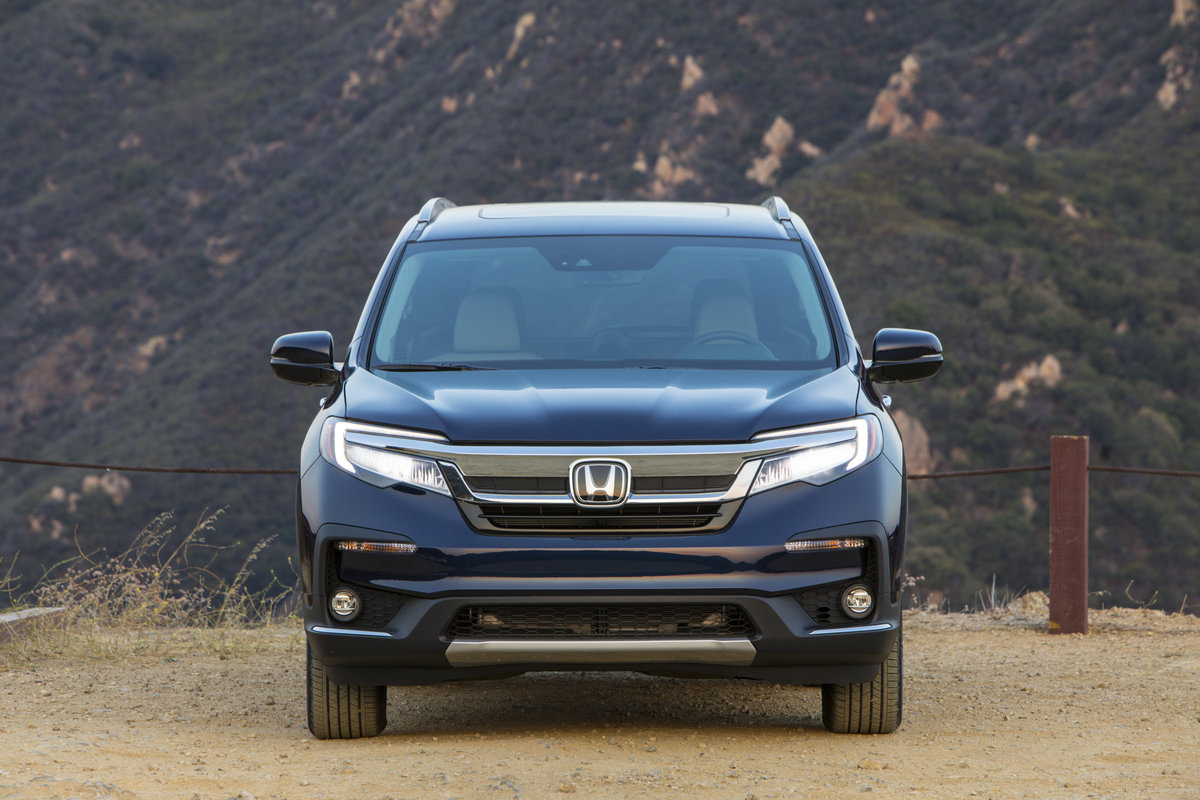
According to CarGurus experts, the overall rating for the 2020 Honda Pilot was 8.0 out of 10, while the 2020 Toyota 4Runner scored 6.8 out of 10. Based on these ratings, the final recommendation points towards the Honda Pilot. It combined modern amenities, extensive safety features, and family functionality, making it a well-rounded choice for most consumers. The Toyota 4Runner excelled in off-road performance but fell short on overall everyday usability and technological advancements.
Choose the 2020 Honda Pilot if:
- You need a family-friendly SUV offering spacious seating for up to eight and easy third-row access.
- You prefer a vehicle with a modern infotainment system and extensive standard safety features.
- You appreciate a comfortable ride geared toward long commutes and road trips.

Choose the 2020 Toyota 4Runner if:
- You plan to take advantage of its exceptional off-road capabilities.
- You favor a robust, reliable SUV with the ability to tow significant loads.
- You prefer a vehicle with an elevated seating position and commanding road visibility.





CarGurus highlights
According to CarGurus experts, the overall rating for the 2020 Honda Pilot was 8.0 out of 10, while the 2020 Toyota 4Runner scored 6.8 out of 10. Based on these ratings, the final recommendation points towards the Honda Pilot. It combined modern amenities, extensive safety features, and family functionality, making it a well-rounded choice for most consumers. The Toyota 4Runner excelled in off-road performance but fell short on overall everyday usability and technological advancements.
Choose the 2020 Honda Pilot if:
Shop Now- You need a family-friendly SUV offering spacious seating for up to eight and easy third-row access.
- You prefer a vehicle with a modern infotainment system and extensive standard safety features.
- You appreciate a comfortable ride geared toward long commutes and road trips.






Choose the 2020 Toyota 4Runner if:
Shop Now- You plan to take advantage of its exceptional off-road capabilities.
- You favor a robust, reliable SUV with the ability to tow significant loads.
- You prefer a vehicle with an elevated seating position and commanding road visibility.



By: CarGurus + AI
At CarGurus, our team of experienced automotive writers remain at the heart of our content operation, conducting hands-on car tests and writing insightful guides that are backed by years of industry experience. To complement this, we are harnessing AI to make our content offering more diverse and more helpful to shoppers than ever. To achieve this, our AI systems are based exclusively on CarGurus content, ratings and data, so that what we produce is both unique to CarGurus, and uniquely helpful to car shoppers.