2020 Ford Explorer vs 2020 Honda CR-V
Overview | |
MSRP$32,765 | MSRP$25,150 |
Listings3132 | Listings1674 |
Ratings & Reviews | |
User Reviews | User Reviews |
Expert reviews7.2 out of 10 | Expert reviews7.5 out of 10 |
Pros
Cons
| Pros
Cons
|
2020 Ford Explorer Reviews SummaryFor nearly 30 years, the Ford Explorer has settled into the American lexicon like Cheerios. We've gobbled up millions of them, from the rock-crawling Eddie Bauers of the 1990s to the brand-new ST that can take down sports cars. The 2020 Explorer brings an all-new chassis, cranks up the technology, and introduces hybrid and high-performance powertrains in a space the size of a small living room. The Explorer's also getting very expensive while other automakers catch on to Ford's winning formula—for a lot less money. | |
2020 Honda CR-V Reviews SummaryHonda’s compact SUV has been satisfying buyers for more than two decades, with more than five million CR-V’s sold. Such a legacy means the CR-V has long had its wrinkles smoothed out into a comfortable and capable crossover package that’s only downside may be its sheer inoffensiveness. This year’s model gets engine and safety upgrades, which improve fuel economy and help to make Honda’s bestseller an even better value. | |
No video found | |
Popular Features & Specs | |
Engine2.3L 300 hp I4 | Engine1.5L 190 hp I4 |
Drive TrainRWD | Drive TrainFWD |
Seating Capacity7 | Seating Capacity5 |
Horsepower | Horsepower190 hp @ 5600 rpm |
MPG City21 | MPG City28 |
MPG Highway28 | MPG Highway34 |
Engine | |
Engine Name2.3L 300 hp I4 | Engine Name1.5L 190 hp I4 |
Torque | Torque179 lb-ft @ 2000 rpm |
Horsepower | Horsepower190 hp @ 5600 rpm |
DrivetrainRWD | DrivetrainFWD |
Fuel Economy | |
MPG City21 | MPG City28 |
MPG Highway28 | MPG Highway34 |
Interior | |
Seating Capacity7 | Seating Capacity5 |
Safety | |
Front Crash Overall5 | Front Crash Overall5 |
Side Crash Overall5 | Side Crash Overall5 |
Dimensions & Capacity | |
Cargo Space18.2 cu ft | Cargo Space39.2 cu ft |
Curb Weight4345 lbs | Curb Weight3337 lbs |
Height69.9 in | Height66.1 in |
Length198.8 in | Length182.1 in |
Width89.3 in | Width73.0 in |
Wheelbase119.1 in | Wheelbase104.8 in |
Maximum Payload1425 lbs | Maximum Payload1358 lbs |
Number of doors4 | Number of doors4 |
Maximum Towing Capacity5300 lbs | Maximum Towing Capacity1500 lbs |
Overview | ||
MSRP | $32,765 | $25,150 |
Listings | ||
Ratings & Reviews | ||
User reviews | ||
Expert reviews | 7.2 out of 10Read full review | 7.5 out of 10Read full review |
Pros & cons | Pros
Cons
| Pros
Cons
|
Summary | For nearly 30 years, the Ford Explorer has settled into the American lexicon like Cheerios. We've gobbled up millions of them, from the rock-crawling Eddie Bauers of the 1990s to the brand-new ST that can take down sports cars. The 2020 Explorer brings an all-new chassis, cranks up the technology, and introduces hybrid and high-performance powertrains in a space the size of a small living room. The Explorer's also getting very expensive while other automakers catch on to Ford's winning formula—for a lot less money. | Honda’s compact SUV has been satisfying buyers for more than two decades, with more than five million CR-V’s sold. Such a legacy means the CR-V has long had its wrinkles smoothed out into a comfortable and capable crossover package that’s only downside may be its sheer inoffensiveness. This year’s model gets engine and safety upgrades, which improve fuel economy and help to make Honda’s bestseller an even better value. |
Video | No video found | |
Popular Features & Specs | ||
Engine | 2.3L 300 hp I4 | 1.5L 190 hp I4 |
Drive Train | RWD | FWD |
Seating Capacity | 7 | 5 |
Horsepower | 190 hp @ 5600 rpm | |
MPG City | 21 | 28 |
MPG Highway | 28 | 34 |
Engine | ||
Engine Name | 2.3L 300 hp I4 | 1.5L 190 hp I4 |
Torque | 179 lb-ft @ 2000 rpm | |
Horsepower | 190 hp @ 5600 rpm | |
Drivetrain | RWD | FWD |
Fuel Economy | ||
MPG City | 21 | 28 |
MPG Highway | 28 | 34 |
Interior | ||
Seating Capacity | 7 | 5 |
Safety | ||
Front Crash Overall | 5 | 5 |
Side Crash Overall | 5 | 5 |
Dimensions & Capacity | ||
Cargo Space | 18.2 cu ft | 39.2 cu ft |
Curb Weight | 4345 lbs | 3337 lbs |
Height | 69.9 in | 66.1 in |
Length | 198.8 in | 182.1 in |
Width | 89.3 in | 73.0 in |
Wheelbase | 119.1 in | 104.8 in |
Maximum Payload | 1425 lbs | 1358 lbs |
Number of doors | 4 | 4 |
Maximum Towing Capacity | 5300 lbs | 1500 lbs |
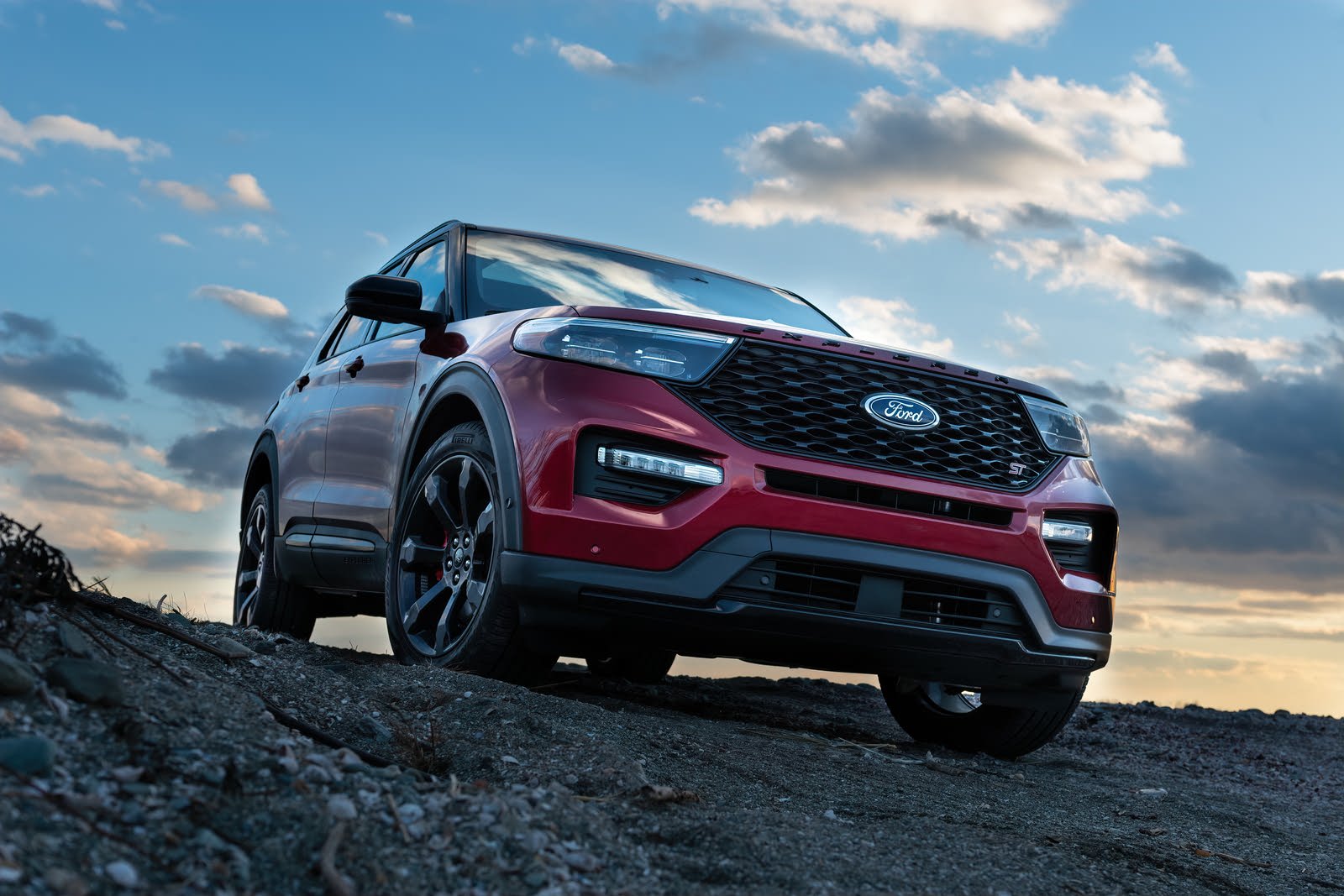
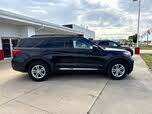
The 2020 Ford Explorer presented a striking, athletic aesthetic that managed to stand out in a crowded SUV market. Its design was more refined and streamlined, eliminating the bulk that characterized its predecessors. The expanded headlights, massive grille, and the distinct italic "Explorer" lettering on the hood gave it a rugged and upscale front fascia. The proportions were textbook perfect, except for the tiny taillights which seemed a minor misstep in the design.
Inside, unfortunately, was where the Explorer stumbled. Despite its hefty price tag, the quality of materials did not quite match the expectations. The so-called leather seemed more like low-grade vinyl, and the abundance of hard plastics made it feel less premium. Though some high-end touches like aluminum speaker covers and white stitching were present, these did little to elevate the overall ambient quality. Comparatively, more luxurious feel could be found in vehicles costing significantly less.
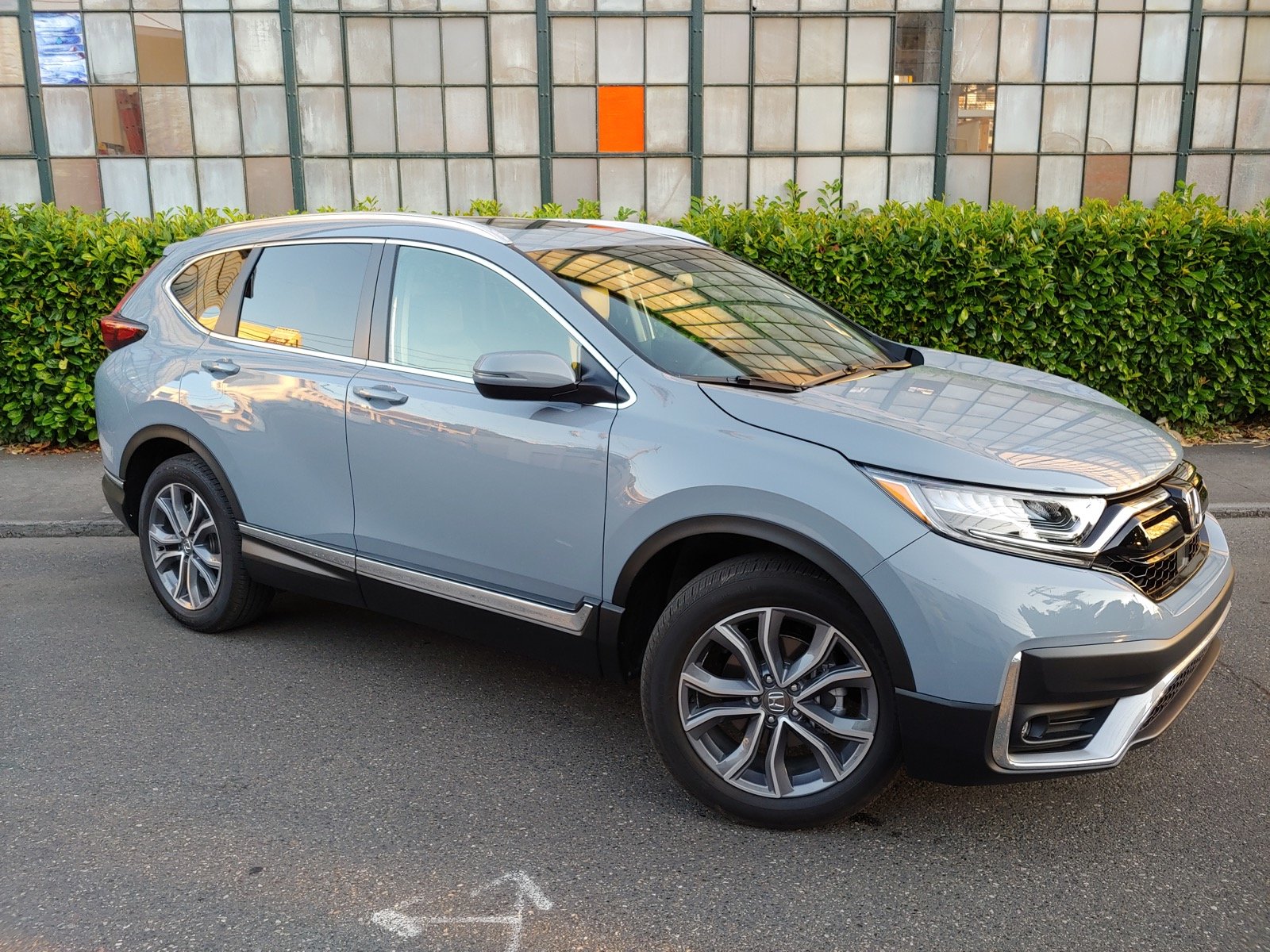
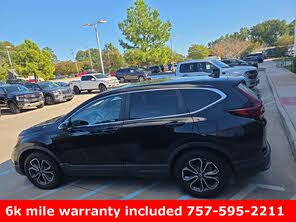
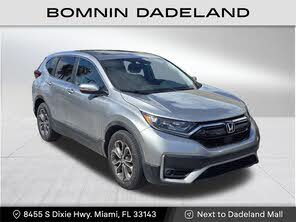
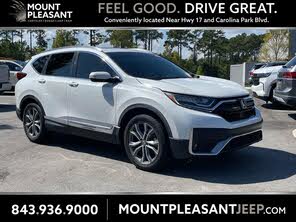
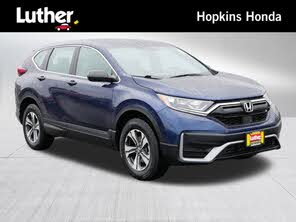
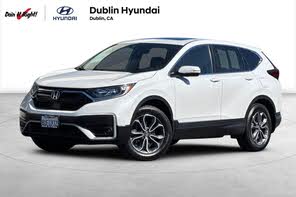
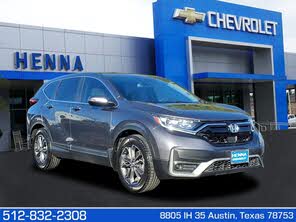
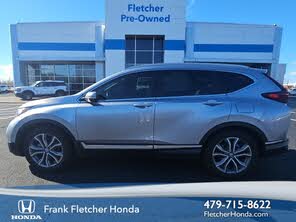
The 2020 Honda CR-V, though familiar in its design since 2017, maintained a cohesive, family-oriented aesthetic that leaned more towards a station wagon than an SUV. Its curvy lines and car-like demeanor were appreciated for their soft approach.
The interior of the CR-V, however, was not entirely harmonious. While certain elements like wood-look trim and leather upholstery in higher trims were appreciated, they clashed with the cheaper plastics found within. This reminded drivers that the CR-V, despite its potentially higher cost in upgraded trims, still had its roots as a commodity car.


In terms of driving dynamics, the 2020 Ford Explorer excelled with its powerful engines and rear-wheel-drive chassis. The ST trim, in particular, shone with its 3.0-liter twin-turbo V6 engine producing 400 horsepower and 415 pound-feet of torque. This configuration made it incredibly nimble for its size, offering superb cornering and brake feel. The 10-speed automatic transmission, though occasionally jerky while downshifting, mostly delivered smooth and addictive power.
Ford also provided an EcoBoost 2.3-liter turbocharged inline-four engine, yielding a respectable 300 hp and 310 lb-ft of torque, and an intriguing hybrid option combining a 3.3-liter V6 with an electric motor for a net 318 hp. However, the fuel economy gains of the hybrid model were minimal compared to its traditional counterpart.
The CR-V simplified its engine lineup for 2020, ditching the 2.4-liter four-cylinder for a standard 1.5-liter turbocharged engine across all trims. This powertrain produced 190 horsepower and 179 pound-feet of torque mated to a continuously variable automatic transmission (CVT). Despite the common criticisms of CVTs, Honda’s iteration provided a responsive and smooth driving experience.
The CR-V’s lighter curb weight—just 3,337 pounds for the FWD LX model—enhanced its car-like handling and fuel efficiency. FWD models boasted a combined 30 mpg while AWD versions managed 29 mpg, putting the CR-V at the top of its class in terms of fuel economy.
The 2020 Ford Explorer offered roomy and comfortable seating for all passengers. On a road trip, all occupants, including six-foot-tall adults, could sit comfortably without feeling tight. The Explorer provided a cargo space of 18 cubic feet behind the third row, 48 cubic feet behind the second row, and a total of 88 cubic feet with all seats folded down, making it one of the largest cargo areas in its class.
On the tech and ergonomic front, while there were physical knobs for climate and stereo control, some functions still required interaction with the touchscreen. There were also complaints about thick D-pillars that created blind spots and subpar 360-degree cameras.
The Honda CR-V excelled at interior packaging. Though it was shorter than some competitors, such as the Volkswagen Tiguan, it matched them in cargo capacity while offering exceptional head and legroom for both front and rear passengers. The flexible two-position load floor in the cargo area was a practical touch, allowing for 75.8 cubic feet of space with the rear seats folded. Clever storage solutions like the center console's deep well and sizeable door pockets enhanced usability.
The 2020 Explorer came standard with an 8-inch touchscreen featuring Sync 3, Apple CarPlay, Android Auto, and 4G WiFi. Higher trims had a premium 10-inch vertical touchscreen and a 12-inch digital instrument cluster. These screens offered functionalities like massaging seats and multiple driving mode displays, though some aspects felt unfinished, such as the inability to fully customize the gauge layout or integrate system updates through the car's 4G modem.
In contrast, the 2020 CR-V’s infotainment lagged, especially in the base LX trim equipped with an outdated 5-inch screen. Even the 7-inch screen on higher trims felt small compared to competitors’ offerings. The system's lack of physical buttons made it cumbersome to operate. However, trims with the larger screen included Apple CarPlay and Android Auto, improving navigation over Honda's built-in system. Ample USB ports and the addition of a wireless charger in the Touring trim kept the CR-V modern in terms of connectivity.
The 2020 Explorer was equipped with Ford Co-Pilot 360, which included forward emergency braking, blind-spot monitoring, auto high beams, and lane-keep assist. Optional Assist+ added adaptive cruise control with steering assist and reverse braking, though this system occasionally issued false alerts. Though rated favorably by most safety tests, it scored only “Acceptable” in the IIHS’s small overlap test on the driver's side.
The 2020 CR-V came standard with Honda Sensing, providing forward-collision warning, automatic emergency braking, road-departure mitigation, and adaptive cruise control across all trims. Higher trims included blind-spot monitoring and cross-traffic monitoring. The CR-V scored high in safety tests, earning a five-star rating from NHTSA and a Top Safety Pick designation from IIHS, with higher marks awarded to Touring trims with LED headlights.
CarGurus highlights
According to CarGurus experts, the overall rating for the 2020 Ford Explorer is 7.2 out of 10, while the 2020 Honda CR-V scores 7.5 out of 10. Given these ratings, the Honda CR-V emerges as the preferred choice. Its combination of efficient performance, intelligent interior design, and superior safety features make it a highly appealing option for consumers seeking a reliable and well-rounded compact SUV.
Choose the 2020 Ford Explorer if:
- You need the most power: The Explorer’s 3.0-liter twin-turbo V6 engine outperforms many competitors.
- Cargo space is a priority: With up to 88 cubic feet available, the Explorer offers substantial storage capacity.
- You value a sporty feel: The ST trim’s performance-tuned suspension and steering provide an engaging driving experience.








Choose the 2020 Honda CR-V if:
- Fuel efficiency matters: The CR-V’s 1.5-liter turbo engine offers excellent fuel economy for its class.
- Smart interior design is critical: Honda's clever storage solutions and roomy cabin enhance everyday usability.
- Safety is paramount: The CR-V's comprehensive Honda Sensing suite and top safety ratings provide peace of mind.



CarGurus highlights
According to CarGurus experts, the overall rating for the 2020 Ford Explorer is 7.2 out of 10, while the 2020 Honda CR-V scores 7.5 out of 10. Given these ratings, the Honda CR-V emerges as the preferred choice. Its combination of efficient performance, intelligent interior design, and superior safety features make it a highly appealing option for consumers seeking a reliable and well-rounded compact SUV.
Choose the 2020 Ford Explorer if:
Shop Now- You need the most power: The Explorer’s 3.0-liter twin-turbo V6 engine outperforms many competitors.
- Cargo space is a priority: With up to 88 cubic feet available, the Explorer offers substantial storage capacity.
- You value a sporty feel: The ST trim’s performance-tuned suspension and steering provide an engaging driving experience.









Choose the 2020 Honda CR-V if:
Shop Now- Fuel efficiency matters: The CR-V’s 1.5-liter turbo engine offers excellent fuel economy for its class.
- Smart interior design is critical: Honda's clever storage solutions and roomy cabin enhance everyday usability.
- Safety is paramount: The CR-V's comprehensive Honda Sensing suite and top safety ratings provide peace of mind.










By: CarGurus + AI
At CarGurus, our team of experienced automotive writers remain at the heart of our content operation, conducting hands-on car tests and writing insightful guides that are backed by years of industry experience. To complement this, we are harnessing AI to make our content offering more diverse and more helpful to shoppers than ever. To achieve this, our AI systems are based exclusively on CarGurus content, ratings and data, so that what we produce is both unique to CarGurus, and uniquely helpful to car shoppers.