2020 Honda Civic vs 2020 BMW 3 Series

Overview | |
MSRP$40,750 | MSRP$20,000 |
Listings619 | Listings1549 |
Ratings & Reviews | |
User Reviews | User Reviews |
Expert reviews8.2 out of 10 | Expert reviews8.2 out of 10 |
Pros
Cons
| Pros
Cons
|
2020 BMW 3 Series Reviews SummaryDoes BMW still use “The Ultimate Driving Machine” as its advertising tagline? Yes, it does. And with the arrival of the 2020 BMW M340i, which slots between the existing 330i and the forthcoming M3, the company proves there is substance behind the slogan. | |
2020 Honda Civic Reviews SummaryMinor design tweaks, more standard safety and convenience features, and more manual transmissions arrive as the standout changes for the Civic's 2020 model year. Last redesigned for the 2016 model year, the Civic keeps outperforming its small-car peers by offering the performance and quality of more expensive cars, while retaining the value and longevity expected of a Honda. Plus, I had a really fun week with the turbocharged Civic Si. | |
Popular Features & Specs | |
Engine2.0L 255 hp I4 | Engine2.0L 158 hp I4 |
Drive TrainRWD | Drive TrainFWD |
Seating Capacity5 | Seating Capacity5 |
Horsepower255 hp @ 5000 rpm | Horsepower158 hp @ 6500 rpm |
MPG City26 | MPG City25 |
MPG Highway36 | MPG Highway36 |
Engine | |
Engine Name2.0L 255 hp I4 | Engine Name2.0L 158 hp I4 |
Torque295 lb-ft @ 1450 rpm | Torque138 lb-ft @ 4200 rpm |
Horsepower255 hp @ 5000 rpm | Horsepower158 hp @ 6500 rpm |
DrivetrainRWD | DrivetrainFWD |
Fuel Economy | |
MPG City26 | MPG City25 |
MPG Highway36 | MPG Highway36 |
Interior | |
Seating Capacity5 | Seating Capacity5 |
Key Features | |
Navigation SystemStandard | Navigation System |
Sunroof/MoonroofStandard | Sunroof/Moonroof |
Safety | |
Front Crash Overall | Front Crash Overall5 |
Side Crash Overall | Side Crash Overall5 |
Dimensions & Capacity | |
Cargo Space13.0 cu ft | Cargo Space15.1 cu ft |
Curb Weight3589 lbs | Curb Weight2762 lbs |
Height56.8 in | Height55.7 in |
Length185.7 in | Length182.7 in |
Width81.4 in | Width70.8 in |
Wheelbase112.2 in | Wheelbase106.3 in |
Maximum Payload | Maximum Payload1007 lbs |
Number of doors4 | Number of doors4 |
Overview | ||
MSRP | $40,750 | $20,000 |
Listings | ||
Ratings & Reviews | ||
User reviews | ||
Expert reviews | 8.2 out of 10Read full review | 8.2 out of 10Read full review |
Pros & cons | Pros
Cons
| Pros
Cons
|
Summary | Does BMW still use “The Ultimate Driving Machine” as its advertising tagline? Yes, it does. And with the arrival of the 2020 BMW M340i, which slots between the existing 330i and the forthcoming M3, the company proves there is substance behind the slogan. | Minor design tweaks, more standard safety and convenience features, and more manual transmissions arrive as the standout changes for the Civic's 2020 model year. Last redesigned for the 2016 model year, the Civic keeps outperforming its small-car peers by offering the performance and quality of more expensive cars, while retaining the value and longevity expected of a Honda. Plus, I had a really fun week with the turbocharged Civic Si. |
Video | ||
Popular Features & Specs | ||
Engine | 2.0L 255 hp I4 | 2.0L 158 hp I4 |
Drive Train | RWD | FWD |
Seating Capacity | 5 | 5 |
Horsepower | 255 hp @ 5000 rpm | 158 hp @ 6500 rpm |
MPG City | 26 | 25 |
MPG Highway | 36 | 36 |
Engine | ||
Engine Name | 2.0L 255 hp I4 | 2.0L 158 hp I4 |
Torque | 295 lb-ft @ 1450 rpm | 138 lb-ft @ 4200 rpm |
Horsepower | 255 hp @ 5000 rpm | 158 hp @ 6500 rpm |
Drivetrain | RWD | FWD |
Fuel Economy | ||
MPG City | 26 | 25 |
MPG Highway | 36 | 36 |
Interior | ||
Seating Capacity | 5 | 5 |
Key Features | ||
Navigation System | Standard | |
Sunroof/Moonroof | Standard | |
Safety | ||
Front Crash Overall | 5 | |
Side Crash Overall | 5 | |
Dimensions & Capacity | ||
Cargo Space | 13.0 cu ft | 15.1 cu ft |
Curb Weight | 3589 lbs | 2762 lbs |
Height | 56.8 in | 55.7 in |
Length | 185.7 in | 182.7 in |
Width | 81.4 in | 70.8 in |
Wheelbase | 112.2 in | 106.3 in |
Maximum Payload | 1007 lbs | |
Number of doors | 4 | 4 |
In terms of aesthetics, the 2020 BMW 3 Series evoked memories of majestic marine creatures, like the humpbacks one might encounter off the coast of Massachusetts. Its lidded headlights, bulging curved hood, wide lower air intakes, and oversized grille gave it an almost aquatic look, reminiscent of an awe-inspiring sea giant. Despite the high starting price of $40,750 for the base 330i and reaching up to $56,000 for the M340i, the experience of driving this vehicle was considered worth every penny by enthusiasts. The M340i xDrive test car, priced at $69,570 with options, particularly stood out for its luxurious feel with the off-white Ivory leather interior set against a black cabin and Tanzanite Blue exterior paint. BMW's focus on quality was apparent in the interior, contributing to a high-end driving experience.
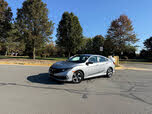
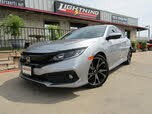
On the flip side, the 2020 Honda Civic was regarded as the crown jewel of Honda's lineup, noteworthy for its excellent engineering typical of more premium brands like BMW, all packaged in a compact, affordable $20,000 car. The Civic's three body styles—sedan, coupe, and 4-door hatchback—emphasized its sharp design and compact footprint. With a svelte roofline, arcing headlights, and sweeping LED taillights, it presented a low and wide stance. The 2020 model refreshed grilles, bumpers, and wheels, making for a visually stimulating exterior without any hint of cheapness. The Civic took a bold approach with its interior design, adding soft-touch rubbers and high-quality switchgear, though it accepted hard plastics in lower sections of the dash and doors.


The 2020 BMW 3 Series addressed past criticisms about its driving dynamics through significant structural and suspension modifications. The 3.0-liter turbocharged inline 6-cylinder engine in the M340i produced an impressive 382 horsepower and 369 pound-feet of torque. BMW’s xDrive all-wheel-drive system and Variable Sport Steering offered effortless handling. The M340i could reach 60 mph in 4.1 seconds, making it a thrill to drive, despite the lack of a manual transmission—a factor considered an acceptable compromise given the car’s overall performance in demanding driving conditions.
In contrast, the 2020 Honda Civic offered multiple engine choices and two transmission options across its lineup, all with front-wheel drive. The base engine on the LX and Sport trims was a 2.0-liter 4-cylinder with 158 horsepower, paired with either a 6-speed manual or a CVT. Higher trims came with a more potent 1.5-liter turbocharged engine producing 174 horsepower, which was bumped up to 180 horsepower on the Sport and Sport Touring hatchbacks. The Si version featured a 1.5-liter turbocharged engine with 205 horsepower, while the Type R was the powerhouse with 306 horsepower. Honda's 1.5-liter engines offered mid-range acceleration and responsiveness, enhanced by a tight shifter and adaptable CVT. The Civic Si’s adaptive dampers and short final-drive ratio provided excellent handling and acceleration, although at the cost of slightly reduced fuel economy.
The 2020 BMW 3 Series had simple yet supportive front seats, ensuring comfort during both performance driving and long journeys. Equipped with high-quality leather and heated features, the seats offered a premium feel. However, options like ventilated seats were missed in hotter climates. Rear-seat entry was a bit awkward, but once seated, the rear seats provided substantial support. The trunk space, officially at 17 cubic feet, seemed deceptively small when filled with full-size luggage, despite appearing generous on paper.
The 2020 Honda Civic offered significant improvements for 2019, including a volume knob and enhanced cupholders. The hatchback received additional sound insulation, and the EX model featured an eight-way power-adjustable driver's seat. The interior layout featured easy access to controls via a three-spoke steering wheel. With up to 26 cubic feet of cargo space in the hatchback (46 cubic feet with seats folded down), the Civic provided substantial storage compared to the 15 cubic feet in the sedan and 12 cubic feet in the coupe. However, it lacked rear air vents, which was a notable omission for passenger comfort.
The 2020 BMW 3 Series boasted an updated iDrive system with a touchscreen, natural voice recognition, and gesture control, improving upon earlier iterations. The central touchscreen was user-friendly, with intuitive menu pathways. Gesture control allowed users to adjust volume and change stations with simple hand movements, despite being somewhat gimmicky. The "Hey, BMW" voice recognition system was praised for its accuracy and usefulness, while the head-up display remained visible even with polarized sunglasses, adding to the car’s advanced technological suite.
Conversely, the Civic’s infotainment system was criticized for its outdated graphics and slower performance. However, it did come standard with Apple CarPlay and Android Auto on all models except the base LX, allowing users to bypass the factory interface. The navigation on higher trims was Garmin-based and considered fast and accurate. The Civic Si included features like Active Sound Control, push-button start, keyless entry, and heated front seats. Honda LaneWatch provided a live feed of the blind spot, enhancing safety. Automatic climate control was standard across all trims, and Honda Sensing added advanced safety features.
The 2020 BMW 3 Series could be equipped with advanced driving assistance systems via two optional Driving Assistance packages. Although these systems were accurate, they were sometimes not smooth. Despite this, the BMW 3 Series achieved a Top Safety Pick+ rating from the IIHS when equipped with adaptive full LED headlights, ensuring excellent crash protection and safety tech.
Honda Sensing on the 2020 Civic included forward collision warning, emergency braking, lane-keeping assist, and adaptive cruise control. These features, along with improved LED headlights, helped the Civic secure a Top Safety Pick rating from the IIHS for most trims. The Civic also received a five-star overall safety rating from NHTSA, though the coupe scored four stars in the passenger frontal crash rating.
CarGurus highlights
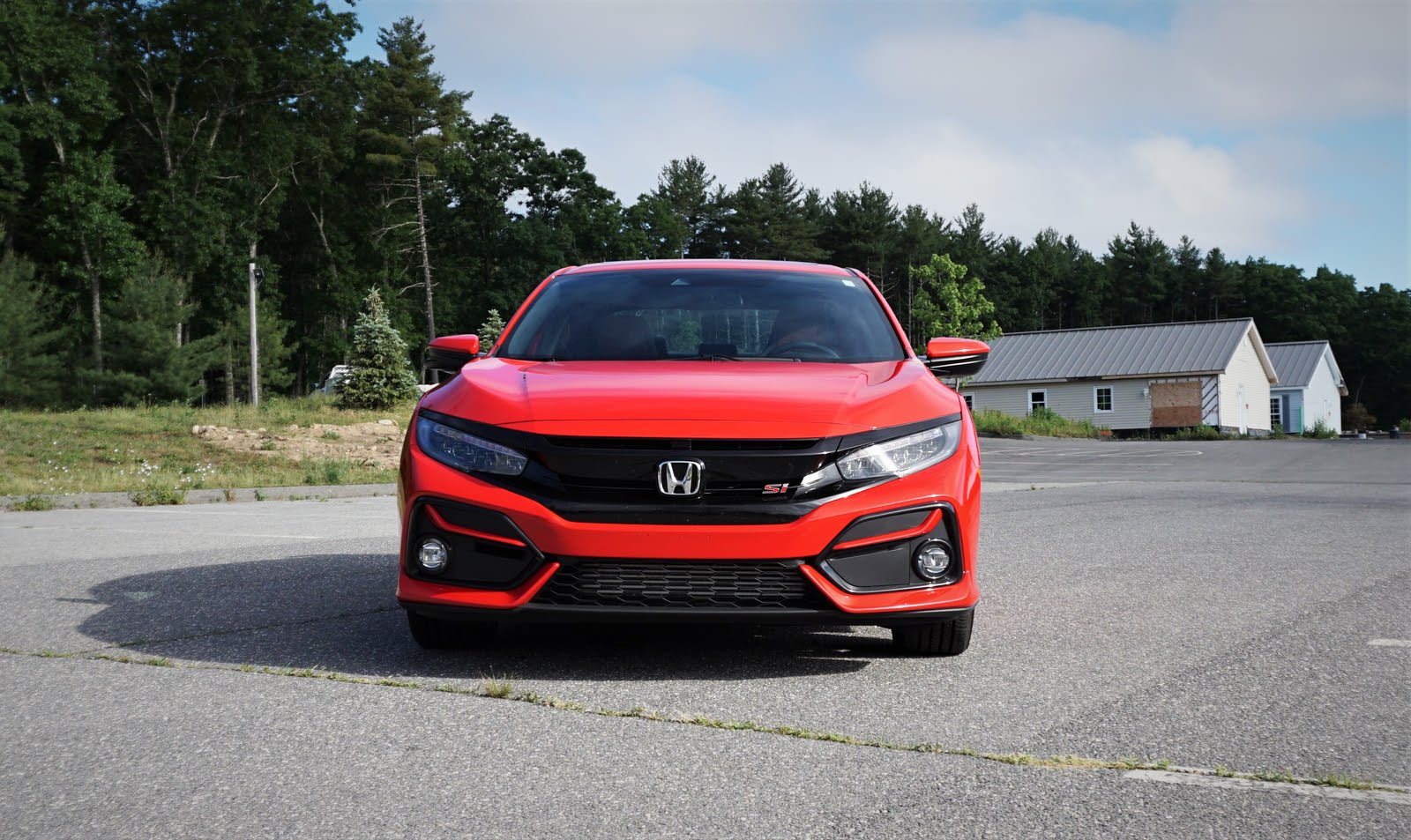
According to CarGurus experts, the overall rating for the 2020 BMW 3 Series is 8.2 out of 10, while the 2020 Honda Civic scores 8.2 out of 10. Despite both vehicles scoring an identical rating, the ultimate recommendation hinges on different priorities a buyer may have. For driving enthusiasts and those looking for a premium feel, the 2020 BMW 3 Series is the better choice. However, for a versatile, practical, and value-focused choice, the 2020 Honda Civic stands out.
Choose the 2020 Honda Civic if:
- You desire a versatile, affordable vehicle with multiple body styles.
- Superior fuel efficiency and a variety of engine options are crucial.
- You want ample cargo space and a practical, comfortable interior.


Choose the 2020 BMW 3 Series if:
- You need a high-performance vehicle with an engaging driving experience.
- Advanced infotainment and tech features are important to you.
- You require a premium interior with high-quality materials.





CarGurus highlights
According to CarGurus experts, the overall rating for the 2020 BMW 3 Series is 8.2 out of 10, while the 2020 Honda Civic scores 8.2 out of 10. Despite both vehicles scoring an identical rating, the ultimate recommendation hinges on different priorities a buyer may have. For driving enthusiasts and those looking for a premium feel, the 2020 BMW 3 Series is the better choice. However, for a versatile, practical, and value-focused choice, the 2020 Honda Civic stands out.
Choose the 2020 Honda Civic if:
Shop Now- You desire a versatile, affordable vehicle with multiple body styles.
- Superior fuel efficiency and a variety of engine options are crucial.
- You want ample cargo space and a practical, comfortable interior.





Choose the 2020 BMW 3 Series if:
Shop Now- You need a high-performance vehicle with an engaging driving experience.
- Advanced infotainment and tech features are important to you.
- You require a premium interior with high-quality materials.









By: CarGurus + AI
At CarGurus, our team of experienced automotive writers remain at the heart of our content operation, conducting hands-on car tests and writing insightful guides that are backed by years of industry experience. To complement this, we are harnessing AI to make our content offering more diverse and more helpful to shoppers than ever. To achieve this, our AI systems are based exclusively on CarGurus content, ratings and data, so that what we produce is both unique to CarGurus, and uniquely helpful to car shoppers.