Volvo XC60 vs Toyota bZ
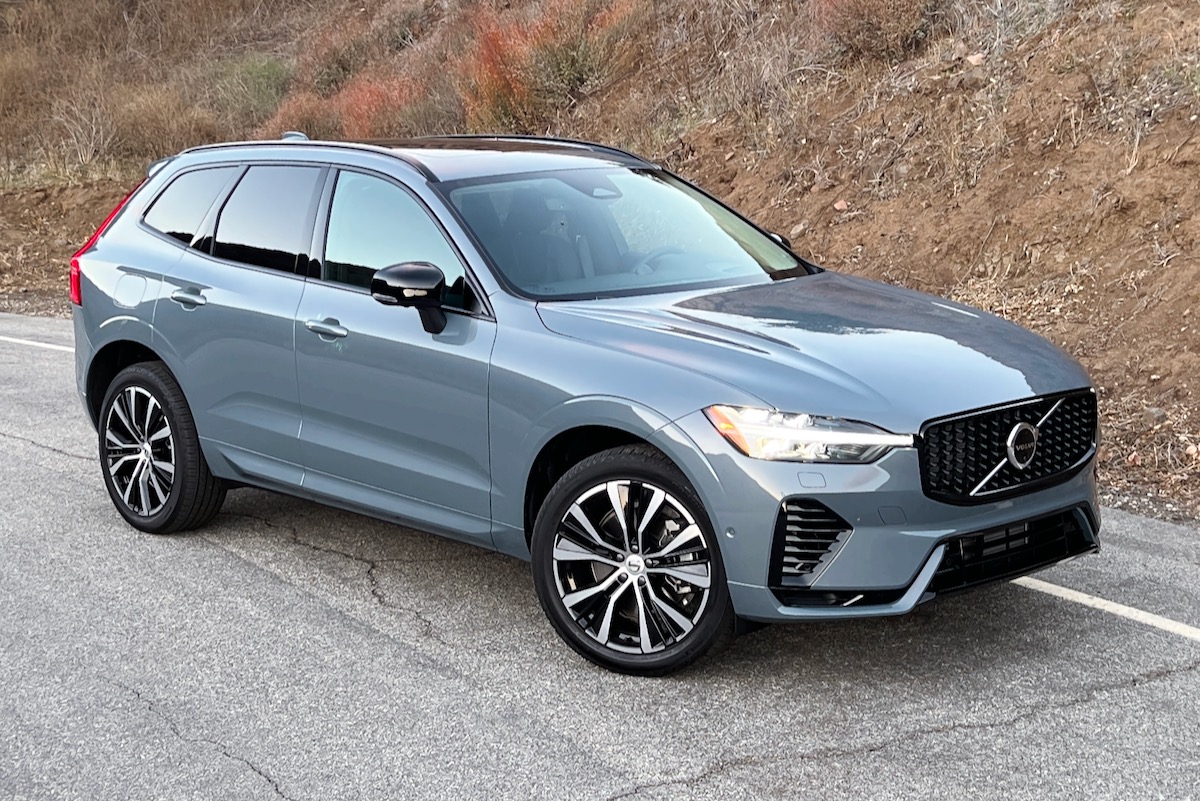
Overview | |
MSRP$49,700 | MSRP$34,900 |
Listings439 | Listings16 |
Ratings & Reviews | |
User Reviews | User Reviews |
Expert reviews6.5 out of 10 | Expert reviews6.5 out of 10 |
Pros
Cons
| Pros
Cons
|
Reviews SummaryVolvo’s compact crossover SUV is rapidly aging, but buyers would never know when using the new Volvo Car UX infotainment system. Featuring a larger 11.2-inch touchscreen, Google Gemini integration, and an improved user experience, this SUV is technologically up-to-date. Adaptive cruise control is standard this year, and Volvo has also improved the wireless smartphone charger. Verdict: Are the changes to the 2026 Volvo XC60 enough to keep this compact crossover on shopping lists? Possibly not if safety is a top priority. Otherwise, this Volvo is an undeniably appealing, comfortable, and luxurious choice. | |
Reviews SummaryReaders are looking at the electric vehicle formerly known as the bZ4X. It wears a shorter name for 2026, but that’s not the big news. More power, over 300 miles of range, a standard NACS charging port (with a CCS adapter), and Plug & Charge capability are all major improvements. Toyota has also tidied-up the styling—inside and out—and added a larger infotainment screen. Verdict: With the refreshed 2026 bZ, Toyota has fixed the bZ4X’s most significant flaws, making this a genuinely competitive model at a comparatively affordable price. | |
No video found | No video found |
Popular Features & Specs | |
Engine2.0L 247 hp I4 | Engine168 hp Electric |
DrivetrainAWD | DrivetrainFWD |
Seating Capacity5 | Seating Capacity5 |
Horsepower247 hp @ 5400 rpm | Horsepower |
EV Battery Capacity | EV Battery Capacity57.7 kWh |
MPG City23 | MPG City143 |
MPG Highway30 | MPG Highway119 |
Battery Charge Time (240V) | Battery Charge Time (240V)6 hours |
Engine | |
Engine Name2.0L 247 hp I4 | Engine Name168 hp Electric |
Torque266 lb-ft @ 2000 rpm | Torque |
Horsepower247 hp @ 5400 rpm | Horsepower |
Battery Charge Time (240V) | Battery Charge Time (240V)6 hours |
DrivetrainAWD | DrivetrainFWD |
Fuel Economy | |
EV Battery Capacity | EV Battery Capacity57.7 kWh |
MPG City23 | MPG City143 |
MPG Highway30 | MPG Highway119 |
Interior | |
Seating Capacity5 | Seating Capacity5 |
Key Features | |
Navigation SystemStandard | Navigation SystemOptional |
Sunroof/MoonroofStandard | Sunroof/Moonroof |
Safety | |
Front Crash Overall5 | Front Crash Overall |
Side Crash Overall5 | Side Crash Overall |
Dimensions & Capacity | |
Cargo Space17.1 cu ft | Cargo Space27.7 cu ft |
Curb Weight4045 lbs | Curb Weight4057 lbs |
Height65.4 in | Height65.0 in |
Length185.4 in | Length184.6 in |
Width83.3 in | Width73.2 in |
Wheelbase112.8 in | Wheelbase112.2 in |
Maximum Payload950 lbs | Maximum Payload1045 lbs |
Number of doors4 | Number of doors4 |
Maximum Towing Capacity3500 lbs | Maximum Towing Capacity |
Overview | ||
MSRP | $49,700 | $34,900 |
Listings | ||
Ratings & Reviews | ||
User reviews | ||
Expert reviews | 6.5 out of 10Read full review | 6.5 out of 10Read full review |
Pros & cons | Pros
Cons
| Pros
Cons
|
Summary | Volvo’s compact crossover SUV is rapidly aging, but buyers would never know when using the new Volvo Car UX infotainment system. Featuring a larger 11.2-inch touchscreen, Google Gemini integration, and an improved user experience, this SUV is technologically up-to-date. Adaptive cruise control is standard this year, and Volvo has also improved the wireless smartphone charger. Verdict: Are the changes to the 2026 Volvo XC60 enough to keep this compact crossover on shopping lists? Possibly not if safety is a top priority. Otherwise, this Volvo is an undeniably appealing, comfortable, and luxurious choice. | Readers are looking at the electric vehicle formerly known as the bZ4X. It wears a shorter name for 2026, but that’s not the big news. More power, over 300 miles of range, a standard NACS charging port (with a CCS adapter), and Plug & Charge capability are all major improvements. Toyota has also tidied-up the styling—inside and out—and added a larger infotainment screen. Verdict: With the refreshed 2026 bZ, Toyota has fixed the bZ4X’s most significant flaws, making this a genuinely competitive model at a comparatively affordable price. |
Video | No video found | No video found |
Popular Features & Specs | ||
Engine | 2.0L 247 hp I4 | 168 hp Electric |
Drivetrain | AWD | FWD |
Seating Capacity | 5 | 5 |
Horsepower | 247 hp @ 5400 rpm | |
EV Battery Capacity | 57.7 kWh | |
MPG City | 23 | 143 |
MPG Highway | 30 | 119 |
Battery Charge Time (240V) | 6 hours | |
Engine | ||
Engine Name | 2.0L 247 hp I4 | 168 hp Electric |
Torque | 266 lb-ft @ 2000 rpm | |
Horsepower | 247 hp @ 5400 rpm | |
Battery Charge Time (240V) | 6 hours | |
Drivetrain | AWD | FWD |
Fuel Economy | ||
EV Battery Capacity | 57.7 kWh | |
MPG City | 23 | 143 |
MPG Highway | 30 | 119 |
Interior | ||
Seating Capacity | 5 | 5 |
Key Features | ||
Navigation System | Standard | Optional |
Sunroof/Moonroof | Standard | |
Safety | ||
Front Crash Overall | 5 | |
Side Crash Overall | 5 | |
Dimensions & Capacity | ||
Cargo Space | 17.1 cu ft | 27.7 cu ft |
Curb Weight | 4045 lbs | 4057 lbs |
Height | 65.4 in | 65.0 in |
Length | 185.4 in | 184.6 in |
Width | 83.3 in | 73.2 in |
Wheelbase | 112.8 in | 112.2 in |
Maximum Payload | 950 lbs | 1045 lbs |
Number of doors | 4 | 4 |
Maximum Towing Capacity | 3500 lbs | |
The 2026 Toyota bZ was available in XLE and Limited trims, offering both single-motor front-wheel drive (FWD) and dual-motor all-wheel drive (AWD) configurations, with two battery size options. The larger battery, while more expensive, provided enhanced power, performance, and range, with prices ranging from $36,495 to $46,895, including destination charges. The XLE test vehicle featured FWD and the optional larger battery, transforming it into the XLE Plus for an additional $3,000. The total MSRP, including options like Heavy Metal paint and various mats, was $40,468. The 2026 bZ's restyled exterior, especially with body-color trim, was an improvement over its predecessor, and the interior boasted a cleaner dashboard and center console, with a 14-inch touchscreen integrated with climate controls. However, the digital driver display's placement and size remained a concern.
The 2026 Volvo XC60 was offered as the T5 mild hybrid and T8 Plug-in Hybrid, with the T5 available in Core, Plus, Ultra, and Black Edition trims. Prices ranged from $51,095 to $62,195, including a $1,395 destination charge. The T5 Ultra test vehicle, with numerous upgrades, had an MSRP of $68,870. The Forest Lake paint and 22-inch wheels added significant presence to the XC60's design, which aged gracefully. Inside, the XC60 Ultra's Scandinavian design featured plush Nappa leather, premium wood trim, and classy metal speaker grilles, creating a luxurious atmosphere. However, the minimalist interior controls could be frustrating, though they became second nature over time.

The 2026 Toyota bZ offered a range of powertrain options. The XLE with FWD featured a single electric motor and a 57.7-kWh battery, delivering 165 horsepower and 198 pound-feet of torque, with an EPA-estimated range of 236 miles and an efficiency rating of 26 kWh/100 miles. The optional 74.7-kWh battery increased power to 224 hp and extended the range to 314 miles, maintaining the same efficiency. Dual-motor models, available only with the larger battery, produced 338 hp, with a range of 288 miles for the XLE AWD and 278 miles for the Limited. Recharging the bZ using a DC fast charger took about 30 minutes to reach 80% from 10%, and a Level 2 home charger required seven hours for a full charge. The bZ's performance was agreeable for city driving, but its handling on winding roads was less impressive due to the tires and steering.
The 2026 Volvo XC60 T5 featured a turbocharged 2.0-liter four-cylinder engine, generating 247 horsepower and 266 pound-feet of torque, paired with an eight-speed automatic transmission and a 48-volt mild-hybrid system. The XC60's 6.5-second sprint to 60 mph was adequate, but turbo lag and transmission delays affected power delivery. The EPA-rated fuel efficiency was 26 mpg, but real-world tests showed 24.7 mpg on a fuel-economy loop and 21.7 mpg on a mountainous route. The 22-inch wheels impacted ride quality, but the air suspension provided comfort in Comfort mode. The XC60's handling was graceful, though the steering lacked feedback, and the brakes faded under hard use. The XC60 was not designed for off-road adventures, but it excelled as a road-tripper with its compact dimensions and ease of parking.
The 2026 Toyota bZ, built on a skateboard-style EV platform with 8.1 inches of ground clearance, offered easy entry and exit. The front seats featured standard height adjustment, with eight-way power adjustment for both XLE and Limited trims, providing variable lumbar and thigh support. Heated front seats and a heated steering wheel were standard, with ventilated front seats available in the Limited trim. The bZ lacked a traditional glove compartment but compensated with ample storage options, including a large bin under the center armrest and a tray beneath the center console. Rear-seat passengers enjoyed ample legroom, though foot space was limited. The bZ offered 27.7 cubic feet of cargo space, reduced to 25.8 cubic feet in the Limited trim due to a JBL subwoofer, with a maximum cargo capacity of 56.9 cubic feet.
The 2026 Volvo XC60 excelled in long-distance travel comfort, with top-shelf front seats wrapped in soft Nappa leather, featuring heating, cooling, massage, and extending leg supports. Rear seats, however, were less comfortable, with firm cushions and low positioning. The XC60's four-zone automatic climate control system and panoramic sunroof enhanced the cabin experience. In-cabin storage was adequate, with a tamboured cover for cupholders and large bins in the front lower door panels. The XC60 offered 21.6 cubic feet of cargo space, with a 40:20:40-split folding back seat for versatility, expanding to 63.3 cubic feet with the rear seats folded.
The 2026 Toyota bZ featured a 7-inch digital driver display and a new 14-inch touchscreen infotainment display. The driver display's placement and size made it difficult to read, while the infotainment system, running Toyota Audio Multimedia, lacked a home screen for simultaneous data panels. The system supported wireless Apple CarPlay and Android Auto, with SiriusXM satellite radio and five connected service plans. The Drive Connect powered the native navigation system and Intelligent Assistant, which performed well in testing.
The 2026 Volvo XC60 introduced a larger 11.2-inch touchscreen display with Volvo Car UX software, offering a four-year subscription to Digital Services, including Google built-in apps. The infotainment system functioned well, though navigating saved favorite stations was challenging. The system supported Apple CarPlay and Android Auto, but Apple CarPlay required a wired connection. The optional Bowers & Wilkins audio system provided exceptional sound quality, though it came at a high cost.
The 2026 Toyota bZ came standard with Toyota Safety Sense 3.0, including high-beam assist, forward-collision warning, automatic emergency braking, lane-departure warning, lane-keep assist, lane-centering assist, and adaptive cruise control. Proactive Driving Assist added subtle braking and steering inputs for safety. The Limited trim offered additional features like Traffic Jam Assist and Advanced Park Assist. The bZ received mixed safety ratings from the IIHS, with Good ratings for front-crash avoidance but Poor ratings for headlights and Acceptable ratings for frontal-impact crash tests.
The 2026 Volvo XC60 did not earn a Top Safety Pick rating from the IIHS due to an Acceptable rating in the side-impact crash test. Despite this, the XC60 offered a range of safety features, including forward-collision warning with large animal detection, oncoming collision mitigation, and intersection braking assist. The XC60's driver-assistance tech, however, was less sophisticated than competitors, with issues in lane-keeping and adaptive cruise control. The XC60 earned a five-star overall rating from the NHTSA.
CarGurus highlights
According to CarGurus experts, the overall rating for the 2026 Toyota bZ is 6.5 out of 10, while the 2026 Volvo XC60 scores 6.5 out of 10. Both vehicles offer unique strengths, but the Volvo XC60's luxurious interior, advanced technology, and strong safety reputation make it a more compelling choice for those seeking a premium driving experience.
Choose the 2026 Toyota bZ if:
- You prioritize cost-effectiveness and a lower starting price.
- You value a spacious interior with ample cargo capacity.
- You prefer a vehicle with a comprehensive suite of standard safety features.


Choose the 2026 Volvo XC60 if:
- You desire a luxurious interior with high-quality materials and comfort features.
- You appreciate advanced infotainment technology with Google built-in services.
- You seek a vehicle with a strong reputation for safety and a five-star NHTSA rating.


CarGurus highlights
According to CarGurus experts, the overall rating for the 2026 Toyota bZ is 6.5 out of 10, while the 2026 Volvo XC60 scores 6.5 out of 10. Both vehicles offer unique strengths, but the Volvo XC60's luxurious interior, advanced technology, and strong safety reputation make it a more compelling choice for those seeking a premium driving experience.
Choose the 2026 Toyota bZ if:
Shop Now- You prioritize cost-effectiveness and a lower starting price.
- You value a spacious interior with ample cargo capacity.
- You prefer a vehicle with a comprehensive suite of standard safety features.
Choose the 2026 Volvo XC60 if:
Shop Now- You desire a luxurious interior with high-quality materials and comfort features.
- You appreciate advanced infotainment technology with Google built-in services.
- You seek a vehicle with a strong reputation for safety and a five-star NHTSA rating.

By: CarGurus + AI
At CarGurus, our team of experienced automotive writers remain at the heart of our content operation, conducting hands-on car tests and writing insightful guides that are backed by years of industry experience. To complement this, we are harnessing AI to make our content offering more diverse and more helpful to shoppers than ever. To achieve this, our AI systems are based exclusively on CarGurus content, ratings and data, so that what we produce is both unique to CarGurus, and uniquely helpful to car shoppers.

