Mazda CX-5 vs Toyota bZ
Overview | |
MSRP$29,990 | MSRP$34,900 |
Listings731 | Listings15 |
Ratings & Reviews | |
User Reviews | User Reviews |
Expert reviews7.2 out of 10 | Expert reviews6.5 out of 10 |
Pros
Cons
| Pros
Cons
|
Reviews SummaryMazda's compact SUV gets its first full redesign in nearly a decade, and the results are a mixed bag. The 2026 CX-5 is longer, wider, more spacious, and more technologically advanced than its predecessor, with a striking new exterior, standard all-wheel drive (AWD) across the lineup, and Google built-in as standard—a first in this segment. But the carried-over 187-horsepower engine and six-speed automatic transmission feel like relics from a different era, especially when every key competitor now offers a hybrid option with significantly more power and better fuel economy. Verdict: The 2026 CX-5 is one of the best-looking and best-equipped compact crossovers you can buy, but its sluggish and thirsty powertrain and odd interior quibbles hold it back from greatness. Buyers who prioritize style, interior quality, and value will love it; those who want efficiency or performance should wait for the hybrid in 2027. | |
Reviews SummaryReaders are looking at the electric vehicle formerly known as the bZ4X. It wears a shorter name for 2026, but that’s not the big news. More power, over 300 miles of range, a standard NACS charging port (with a CCS adapter), and Plug & Charge capability are all major improvements. Toyota has also tidied-up the styling—inside and out—and added a larger infotainment screen. Verdict: With the refreshed 2026 bZ, Toyota has fixed the bZ4X’s most significant flaws, making this a genuinely competitive model at a comparatively affordable price. | |
No video found | |
Popular Features & Specs | |
Engine2.5L 187 hp I4 | Engine168 hp Electric |
DrivetrainAWD | DrivetrainFWD |
Seating Capacity5 | Seating Capacity5 |
Horsepower187 hp @ 6000 rpm | Horsepower |
EV Battery Capacity | EV Battery Capacity57.7 kWh |
MPG City24 | MPG City143 |
MPG Highway30 | MPG Highway119 |
Battery Charge Time (240V) | Battery Charge Time (240V)6 hours |
Engine | |
Engine Name2.5L 187 hp I4 | Engine Name168 hp Electric |
Torque186 lb-ft @ 4000 rpm | Torque |
Horsepower187 hp @ 6000 rpm | Horsepower |
Battery Charge Time (240V) | Battery Charge Time (240V)6 hours |
DrivetrainAWD | DrivetrainFWD |
Fuel Economy | |
EV Battery Capacity | EV Battery Capacity57.7 kWh |
MPG City24 | MPG City143 |
MPG Highway30 | MPG Highway119 |
Interior | |
Seating Capacity5 | Seating Capacity5 |
Key Features | |
Navigation SystemStandard | Navigation SystemOptional |
Dimensions & Capacity | |
Cargo Space33.7 cu ft | Cargo Space27.7 cu ft |
Curb Weight3856 lbs | Curb Weight4057 lbs |
Height66.7 in | Height65.0 in |
Length184.6 in | Length184.6 in |
Width81.8 in | Width73.2 in |
Wheelbase110.8 in | Wheelbase112.2 in |
Maximum Payload1058 lbs | Maximum Payload1045 lbs |
Number of doors4 | Number of doors4 |
Maximum Towing Capacity1500 lbs | Maximum Towing Capacity |
Overview | ||
MSRP | $29,990 | $34,900 |
Listings | ||
Ratings & Reviews | ||
User reviews | ||
Expert reviews | 7.2 out of 10Read full review | 6.5 out of 10Read full review |
Pros & cons | Pros
Cons
| Pros
Cons
|
Summary | Mazda's compact SUV gets its first full redesign in nearly a decade, and the results are a mixed bag. The 2026 CX-5 is longer, wider, more spacious, and more technologically advanced than its predecessor, with a striking new exterior, standard all-wheel drive (AWD) across the lineup, and Google built-in as standard—a first in this segment. But the carried-over 187-horsepower engine and six-speed automatic transmission feel like relics from a different era, especially when every key competitor now offers a hybrid option with significantly more power and better fuel economy. Verdict: The 2026 CX-5 is one of the best-looking and best-equipped compact crossovers you can buy, but its sluggish and thirsty powertrain and odd interior quibbles hold it back from greatness. Buyers who prioritize style, interior quality, and value will love it; those who want efficiency or performance should wait for the hybrid in 2027. | Readers are looking at the electric vehicle formerly known as the bZ4X. It wears a shorter name for 2026, but that’s not the big news. More power, over 300 miles of range, a standard NACS charging port (with a CCS adapter), and Plug & Charge capability are all major improvements. Toyota has also tidied-up the styling—inside and out—and added a larger infotainment screen. Verdict: With the refreshed 2026 bZ, Toyota has fixed the bZ4X’s most significant flaws, making this a genuinely competitive model at a comparatively affordable price. |
Video | No video found | |
Popular Features & Specs | ||
Engine | 2.5L 187 hp I4 | 168 hp Electric |
Drivetrain | AWD | FWD |
Seating Capacity | 5 | 5 |
Horsepower | 187 hp @ 6000 rpm | |
EV Battery Capacity | 57.7 kWh | |
MPG City | 24 | 143 |
MPG Highway | 30 | 119 |
Battery Charge Time (240V) | 6 hours | |
Engine | ||
Engine Name | 2.5L 187 hp I4 | 168 hp Electric |
Torque | 186 lb-ft @ 4000 rpm | |
Horsepower | 187 hp @ 6000 rpm | |
Battery Charge Time (240V) | 6 hours | |
Drivetrain | AWD | FWD |
Fuel Economy | ||
EV Battery Capacity | 57.7 kWh | |
MPG City | 24 | 143 |
MPG Highway | 30 | 119 |
Interior | ||
Seating Capacity | 5 | 5 |
Key Features | ||
Navigation System | Standard | Optional |
Dimensions & Capacity | ||
Cargo Space | 33.7 cu ft | 27.7 cu ft |
Curb Weight | 3856 lbs | 4057 lbs |
Height | 66.7 in | 65.0 in |
Length | 184.6 in | 184.6 in |
Width | 81.8 in | 73.2 in |
Wheelbase | 110.8 in | 112.2 in |
Maximum Payload | 1058 lbs | 1045 lbs |
Number of doors | 4 | 4 |
Maximum Towing Capacity | 1500 lbs | |
The 2026 Toyota bZ was available in XLE and Limited trims, offering both single-motor front-wheel drive (FWD) and dual-motor all-wheel drive (AWD) configurations, with two battery size options. The larger battery, which was standard on the Limited trim, provided enhanced power, performance, and range, albeit at a higher cost. Prices ranged from $36,495 to $46,895, including the destination charge. The XLE test vehicle featured FWD and the optional larger battery, transforming it into the XLE Plus for an additional $3,000. The vehicle's exterior design was improved with body-color trim, although some colors retained the black overfender trim. Inside, the dashboard and center console were redesigned for a cleaner look, and the fabric seats featured an upscale pattern. The center touchscreen was increased to 14 inches, integrating climate control functions, although the digital driver display remained a point of contention due to its placement and readability.
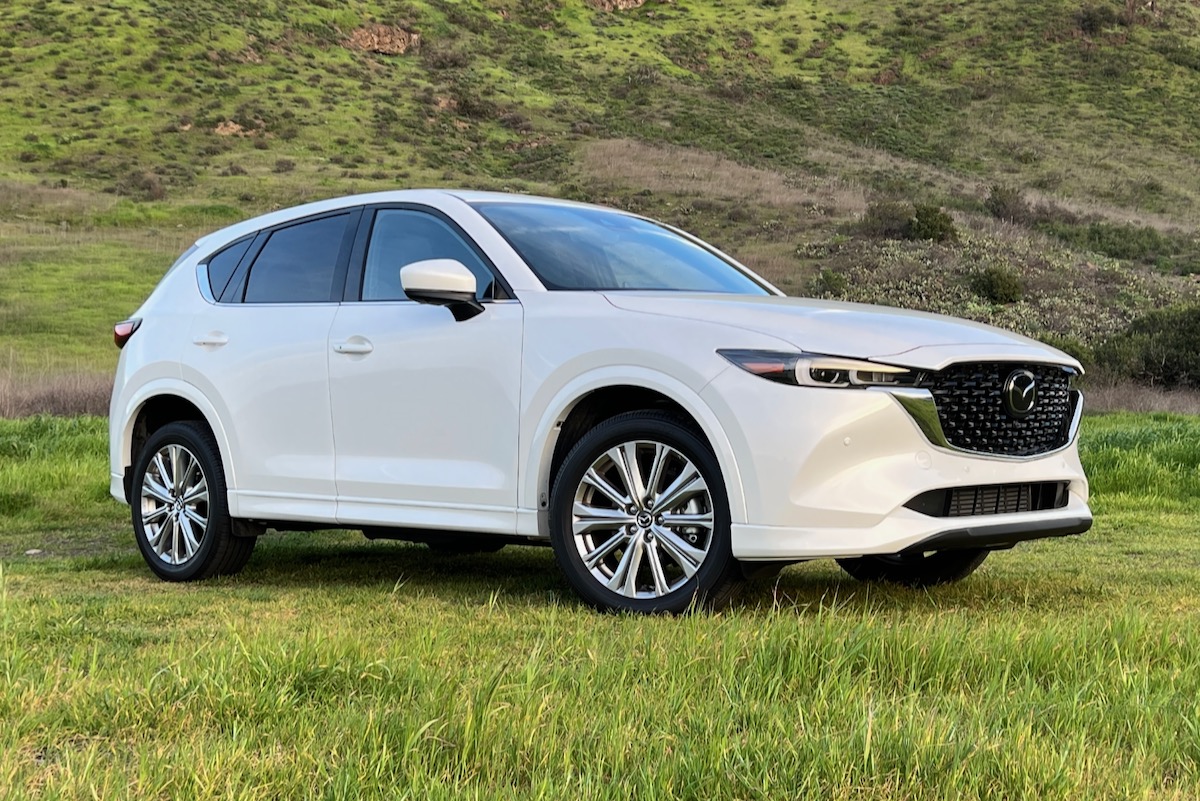
The 2026 Mazda CX-5 continued to impress with its evolved Kodo design language, known as "Wearable Gear," which gave it a sculpted and purposeful appearance. The front featured a Signature Wing grille and new LED headlights, while the rear boasted angular lighting that tied it to Mazda's larger models. A new "MAZDA" script badge replaced the traditional logo, enhancing its premium look. However, the wheel designs were underwhelming, with the base and Select trims sporting 17-inch wheels that appeared small on the larger body. Inside, the CX-5 maintained its reputation for high interior quality, with a clean dashboard design and a prominent central touchscreen. The materials were a step up from competitors, with soft-touch surfaces and a two-tone interior option on upper trims. Despite some hard plastic elements, the overall ambiance was more upscale sedan than mainstream crossover. The dimensional improvements, including a 4.5-inch wheelbase stretch, resulted in a more spacious interior, addressing previous criticisms of rear-seat space.

The 2026 Toyota bZ offered a range of powertrain options. The XLE with FWD featured a single electric motor and a 57.7-kilowatt-hour battery pack, delivering 165 horsepower and 198 pound-feet of torque, with an EPA-estimated range of 236 miles and an efficiency rating of 26 kWh/100 miles. The optional 74.7-kWh battery increased power to 224 hp and extended the range to 314 miles. Dual-motor models, available only with the larger battery, produced 338 hp and offered varying ranges depending on the trim. Recharging was efficient, with a DC fast charger bringing the battery from 10% to 80% in about 30 minutes. The bZ's driving experience was generally agreeable, with good visibility and standard parking sensors, although the FWD model struggled with traction in certain situations. On the highway, it was a comfortable cruiser, but the ride could be choppy on uneven pavement.
The 2026 Mazda CX-5 was powered by a carryover SkyActiv-G 2.5-liter naturally aspirated four-cylinder engine, producing 187 horsepower and 186 pound-feet of torque, paired with a six-speed automatic transmission. While these figures were adequate on paper, the engine felt underpowered in practice, especially given the vehicle's increased weight. The 0-60 time of 9.6 seconds was the slowest in its segment, and the six-speed automatic transmission struggled with responsiveness. The absence of the previously available turbocharged engine was notable, but Mazda planned to introduce a hybrid variant in 2027. Despite the powertrain limitations, the CX-5 excelled in handling, with direct steering and well-managed body roll. Ride quality was firm yet comfortable, and improved insulation reduced road and wind noise. However, its fuel efficiency lagged behind competitors, with EPA ratings of 24 mpg city, 30 mpg highway, and 26 combined mpg.
The 2026 Toyota bZ featured a skateboard-style EV platform with the battery under the passenger compartment, providing 8.1 inches of ground clearance. The front seats offered standard height adjustment, and both XLE and Limited trims included eight-way power adjustment for the driver. Heated front seats and a heated steering wheel were standard, with ventilated front seats available on the Limited trim. The bZ lacked a traditional glove compartment but compensated with ample storage options, including a large bin under the center armrest and a sizable tray beneath the center console. Rear-seat passengers enjoyed generous legroom, although foot space was limited. Cargo space measured 27.7 cubic feet behind the rear seats, expanding to 56.9 cubic feet with the seats folded down.
The 2026 Mazda CX-5 benefited from dimensional growth, resulting in a more spacious interior. The 4.5-inch wheelbase stretch improved rear knee clearance, and rear headroom was class-leading at 40.2 inches without the sunroof. Front legroom matched the segment average, while rear legroom was competitive. Cargo space increased to 38 cubic feet behind the second row, expanding to 70 cubic feet with the seats folded. Larger door openings facilitated entry and exit, and the available hands-free power liftgate added convenience. However, towing capacity decreased to 1,500 pounds, trailing competitors like the Tucson and Sportage.
The 2026 Toyota bZ came standard with a 7-inch digital driver display and a new 14-inch touchscreen infotainment display. While the driver display was criticized for its placement and readability, the infotainment system was generally user-friendly. However, it lacked a home screen for simultaneous data display and had low-contrast colors in daytime mode. The system supported wireless Apple CarPlay and Android Auto, along with SiriusXM satellite radio and various connected service plans. The Drive Connect feature powered the native navigation system and the Intelligent Assistant voice assistant, which performed well in testing.
The 2026 Mazda CX-5 received a significant infotainment upgrade, with a 12.9-inch touchscreen on most trims and a 15.6-inch unit on the Premium Plus. The system featured Google built-in, providing native Google Maps, the Google Gemini AI voice assistant, and access to the Google Play Store. A year's free data trial was included, with Apple CarPlay and Android Auto also available. The 10.2-inch digital instrument cluster was standard, though its execution was lacking in terms of information display. The removal of the physical volume knob was a drawback, and the climate control interface was not intuitive. Higher trims added features like a Bose audio system, SiriusXM satellite radio, and advanced driver assistance systems.
The 2026 Toyota bZ was equipped with Toyota Safety Sense 3.0, which included high-beam assist, forward-collision warning, automatic emergency braking, lane-departure warning, lane-keep assist, lane-centering assist, and adaptive cruise control. Proactive Driving Assist provided additional safety through subtle braking and steering inputs. Other standard features included blind-spot monitors, rear cross-traffic alert, and parking sensors. The Limited trim added Traffic Jam Assist and other advanced features. However, the bZ's safety ratings from the IIHS were mixed, with a Poor rating for headlights and Acceptable ratings in frontal-impact crash tests.
The 2026 Mazda CX-5 offered a comprehensive standard safety suite, including adaptive cruise control, automatic emergency braking, lane-keep assist, blind-spot monitors, and more. The Premium Plus trim added features like an adaptive front-lighting system and a 360-degree View Monitor. While crash test results were not available at the time of writing, the outgoing model had a strong safety record, and expectations were high for the new CX-5 to continue that trend.
CarGurus highlights
According to CarGurus experts, the overall rating for the 2026 Toyota bZ is 6.5 out of 10, while the 2026 Mazda CX-5 scores 7.2 out of 10. Based on these ratings, the 2026 Mazda CX-5 is the recommended choice, offering a more balanced combination of style, interior space, and technology, despite its powertrain limitations.
Choose the 2026 Toyota bZ if:
- You prioritize an electric vehicle with multiple powertrain options and impressive range.
- You value a spacious interior with ample storage solutions and comfortable seating.
- You appreciate advanced safety features and a user-friendly infotainment system.


Choose the 2026 Mazda CX-5 if:
- You desire a stylish crossover with a premium interior and excellent handling.
- You need a spacious cabin with class-leading headroom and competitive cargo space.
- You want a comprehensive standard safety suite and advanced technology features.


CarGurus highlights
According to CarGurus experts, the overall rating for the 2026 Toyota bZ is 6.5 out of 10, while the 2026 Mazda CX-5 scores 7.2 out of 10. Based on these ratings, the 2026 Mazda CX-5 is the recommended choice, offering a more balanced combination of style, interior space, and technology, despite its powertrain limitations.
Choose the 2026 Toyota bZ if:
Shop Now- You prioritize an electric vehicle with multiple powertrain options and impressive range.
- You value a spacious interior with ample storage solutions and comfortable seating.
- You appreciate advanced safety features and a user-friendly infotainment system.
Choose the 2026 Mazda CX-5 if:
Shop Now- You desire a stylish crossover with a premium interior and excellent handling.
- You need a spacious cabin with class-leading headroom and competitive cargo space.
- You want a comprehensive standard safety suite and advanced technology features.

By: CarGurus + AI
At CarGurus, our team of experienced automotive writers remain at the heart of our content operation, conducting hands-on car tests and writing insightful guides that are backed by years of industry experience. To complement this, we are harnessing AI to make our content offering more diverse and more helpful to shoppers than ever. To achieve this, our AI systems are based exclusively on CarGurus content, ratings and data, so that what we produce is both unique to CarGurus, and uniquely helpful to car shoppers.

