Ford Edge vs Kia EV6
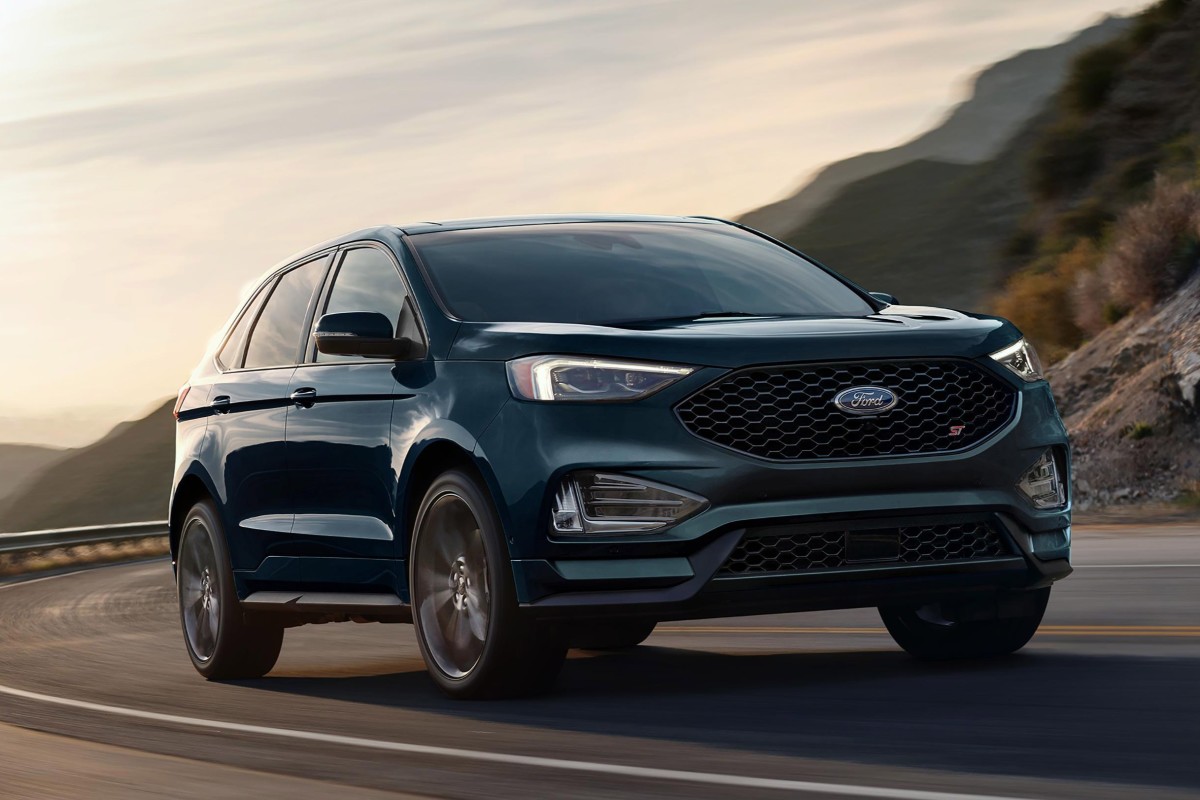
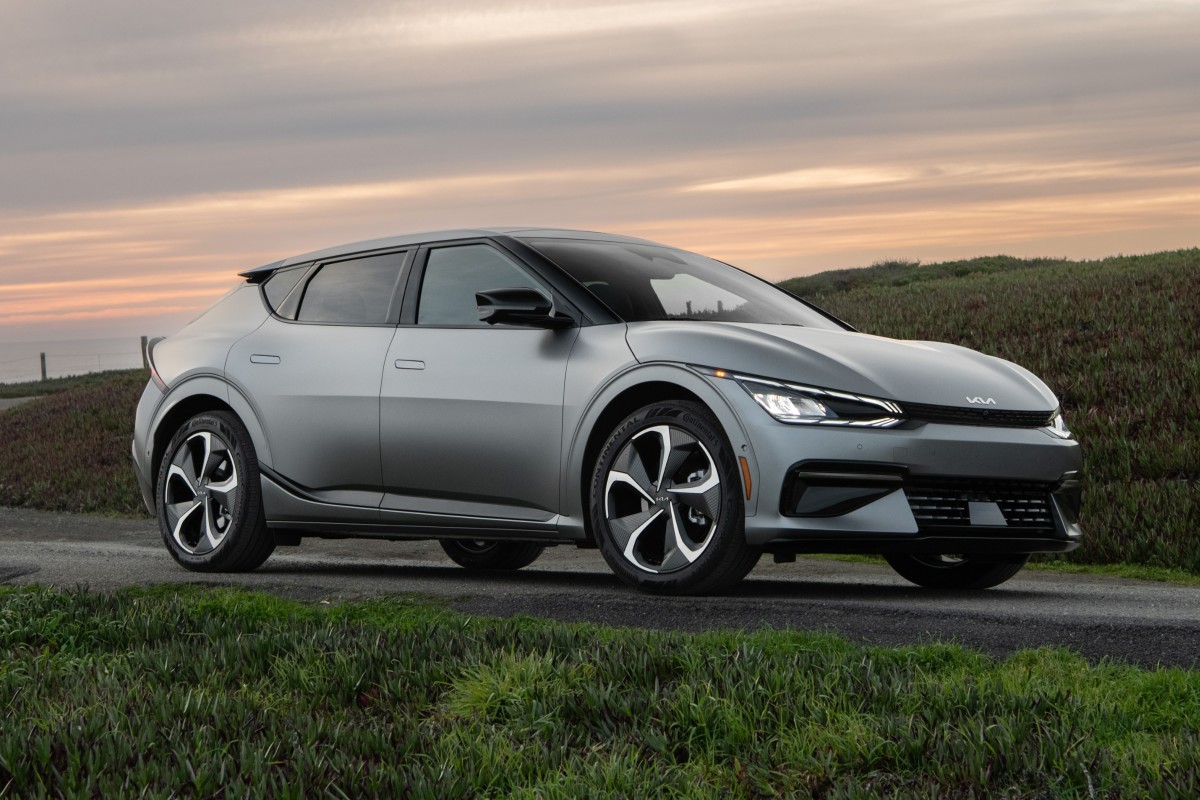
Overview | |
MSRP$32,750 | MSRP$40,900 |
Listings9423 | Listings2553 |
Ratings & Reviews | |
User Reviews | User Reviews |
Expert reviews7.2 out of 10 | Expert reviews7.7 out of 10 |
Pros
Cons
| Pros
Cons
|
Reviews SummaryThe Ford Edge proves that trends run in cycles. Launched in the early 2000s, the original Edge was one of the first midsize crossover SUVs, sporting car-like styling that sharply contrasted the more traditional-looking Ford Explorer of the time. However, new-car buyers realized they liked the roominess of three-row SUVs like the Explorer more, and interest in the two-row Edge waned. Now, however, car shoppers are once again eyeing two-row midsize SUVs, this time as an alternative to sedans. The Edge is now part of a growing market segment that includes the Chevrolet Blazer, Honda Passport, Hyundai Santa Fe, Jeep Grand Cherokee, Nissan Murano, and Volkswagen Atlas Cross Sport. Yet while market dynamics have changed, the Edge hasn’t. The current second-generation Edge dates back to the 2015 model year, and even a substantial update undertaken for the 2019 model year is quickly receding in the rearview mirror. The Edge now sits between the much newer Explorer and Ford Escape in the automaker's SUV-heavy lineup. Aside from some new tech features, the 2021 Ford Edge doesn’t get many significant changes, so we can evaluate it based on our experience with previous model years. As with the 2020 model year, trim levels include SE, SEL, ST-Line, Titanium, and ST. | |
Reviews SummaryWe didn't expect them to go there. But the designers and engineers behind the 2022 Kia EV6 did—and deleted the template of their company's affordable, cost-conscious brand. This is a $60,000 electric performance car that can genuinely compete with a Tesla Model 3 on everything from tech to style to acceleration to charging time. It's a masterclass of fresh thinking in a market segment dominated by rehashed ideas. And yet, it's hampered by the same major problems that, for decades, remain unresolved. The EV6 would be amazing with battery technology that hasn't yet been invented. For now, we'll tell you what the present life is like with this most unusual and exciting Kia in years. | |
No video found | |
Popular Features & Specs | |
Engine2.0L 250 hp I4 | Engine167 hp Electric |
Drive TrainFWD | Drive TrainRWD |
Seating Capacity5 | Seating Capacity5 |
Horsepower250 hp @ 5500 rpm | Horsepower |
EV Battery Capacity | EV Battery Capacity58 kWh |
MPG City21 | MPG City136 |
MPG Highway29 | MPG Highway100 |
Battery Charge Time (120V) | Battery Charge Time (120V)51 hours |
Engine | |
Engine Name2.0L 250 hp I4 | Engine Name167 hp Electric |
Torque280 lb-ft @ 3000 rpm | Torque |
Horsepower250 hp @ 5500 rpm | Horsepower |
Battery Charge Time (120V) | Battery Charge Time (120V)51 hours |
DrivetrainFWD | DrivetrainRWD |
Fuel Economy | |
EV Battery Capacity | EV Battery Capacity58 kWh |
MPG City21 | MPG City136 |
MPG Highway29 | MPG Highway100 |
Interior | |
Seating Capacity5 | Seating Capacity5 |
Key Features | |
Navigation System | Navigation SystemStandard |
Safety | |
Front Crash Overall5 | Front Crash Overall5 |
Side Crash Overall5 | Side Crash Overall5 |
Dimensions & Capacity | |
Cargo Space39.2 cu ft | Cargo Space24.4 cu ft |
Curb Weight3960 lbs | Curb Weight4017 lbs |
Height68.3 in | Height60.8 in |
Length188.8 in | Length184.3 in |
Width85.8 in | Width74.0 in |
Wheelbase112.2 in | Wheelbase114.2 in |
Maximum Payload1310 lbs | Maximum Payload987 lbs |
Number of doors4 | Number of doors4 |
Maximum Towing Capacity1500 lbs | Maximum Towing Capacity |
Overview | ||
MSRP | $32,750 | $40,900 |
Listings | ||
Ratings & Reviews | ||
User reviews | ||
Expert reviews | 7.2 out of 10Read full review | 7.7 out of 10Read full review |
Pros & cons | Pros
Cons
| Pros
Cons
|
Summary | The Ford Edge proves that trends run in cycles. Launched in the early 2000s, the original Edge was one of the first midsize crossover SUVs, sporting car-like styling that sharply contrasted the more traditional-looking Ford Explorer of the time. However, new-car buyers realized they liked the roominess of three-row SUVs like the Explorer more, and interest in the two-row Edge waned. Now, however, car shoppers are once again eyeing two-row midsize SUVs, this time as an alternative to sedans. The Edge is now part of a growing market segment that includes the Chevrolet Blazer, Honda Passport, Hyundai Santa Fe, Jeep Grand Cherokee, Nissan Murano, and Volkswagen Atlas Cross Sport. Yet while market dynamics have changed, the Edge hasn’t. The current second-generation Edge dates back to the 2015 model year, and even a substantial update undertaken for the 2019 model year is quickly receding in the rearview mirror. The Edge now sits between the much newer Explorer and Ford Escape in the automaker's SUV-heavy lineup. Aside from some new tech features, the 2021 Ford Edge doesn’t get many significant changes, so we can evaluate it based on our experience with previous model years. As with the 2020 model year, trim levels include SE, SEL, ST-Line, Titanium, and ST. | We didn't expect them to go there. But the designers and engineers behind the 2022 Kia EV6 did—and deleted the template of their company's affordable, cost-conscious brand. This is a $60,000 electric performance car that can genuinely compete with a Tesla Model 3 on everything from tech to style to acceleration to charging time. It's a masterclass of fresh thinking in a market segment dominated by rehashed ideas. And yet, it's hampered by the same major problems that, for decades, remain unresolved. The EV6 would be amazing with battery technology that hasn't yet been invented. For now, we'll tell you what the present life is like with this most unusual and exciting Kia in years. |
Video | No video found | |
Popular Features & Specs | ||
Engine | 2.0L 250 hp I4 | 167 hp Electric |
Drive Train | FWD | RWD |
Seating Capacity | 5 | 5 |
Horsepower | 250 hp @ 5500 rpm | |
EV Battery Capacity | 58 kWh | |
MPG City | 21 | 136 |
MPG Highway | 29 | 100 |
Battery Charge Time (120V) | 51 hours | |
Engine | ||
Engine Name | 2.0L 250 hp I4 | 167 hp Electric |
Torque | 280 lb-ft @ 3000 rpm | |
Horsepower | 250 hp @ 5500 rpm | |
Battery Charge Time (120V) | 51 hours | |
Drivetrain | FWD | RWD |
Fuel Economy | ||
EV Battery Capacity | 58 kWh | |
MPG City | 21 | 136 |
MPG Highway | 29 | 100 |
Interior | ||
Seating Capacity | 5 | 5 |
Key Features | ||
Navigation System | Standard | |
Safety | ||
Front Crash Overall | 5 | 5 |
Side Crash Overall | 5 | 5 |
Dimensions & Capacity | ||
Cargo Space | 39.2 cu ft | 24.4 cu ft |
Curb Weight | 3960 lbs | 4017 lbs |
Height | 68.3 in | 60.8 in |
Length | 188.8 in | 184.3 in |
Width | 85.8 in | 74.0 in |
Wheelbase | 112.2 in | 114.2 in |
Maximum Payload | 1310 lbs | 987 lbs |
Number of doors | 4 | 4 |
Maximum Towing Capacity | 1500 lbs | |


By: CarGurus + AI
At CarGurus, our team of experienced automotive writers remain at the heart of our content operation, conducting hands-on car tests and writing insightful guides that are backed by years of industry experience. To complement this, we are harnessing AI to make our content offering more diverse and more helpful to shoppers than ever. To achieve this, our AI systems are based exclusively on CarGurus content, ratings and data, so that what we produce is both unique to CarGurus, and uniquely helpful to car shoppers.