Audi Q7 vs Toyota bZ
Overview | |
MSRP$60,500 | MSRP$34,900 |
Listings652 | Listings16 |
Ratings & Reviews | |
User Reviews | User Reviews |
Expert reviews7.3 out of 10 | Expert reviews6.5 out of 10 |
Pros
Cons
| Pros
Cons
|
Reviews SummaryThe mid-size SUV has room for seven (barely) and comes in Premium, Premium Plus, and Prestige trims. There are two different engine choices, but all Q7s, regardless of trim, are all-wheel-drive (AWD) with excellent handling characteristics. However, this second-generation Q7 has been around since 2017, and it shows in some key areas. Verdict: While the 2025 Audi Q7 has a lot going for it in terms of driving dynamics and engine prowess, it falls behind the competition when it comes to safety tech. Further, the third row is cramped for anyone but the smallest of humans, and the price can skyrocket as you move up the trim line. | |
Reviews SummaryReaders are looking at the electric vehicle formerly known as the bZ4X. It wears a shorter name for 2026, but that’s not the big news. More power, over 300 miles of range, a standard NACS charging port (with a CCS adapter), and Plug & Charge capability are all major improvements. Toyota has also tidied-up the styling—inside and out—and added a larger infotainment screen. Verdict: With the refreshed 2026 bZ, Toyota has fixed the bZ4X’s most significant flaws, making this a genuinely competitive model at a comparatively affordable price. | |
No video found | No video found |
Popular Features & Specs | |
Engine2.0L 261 hp I4 | Engine168 hp Electric |
DrivetrainAWD | DrivetrainFWD |
Seating Capacity7 | Seating Capacity5 |
Horsepower261 hp @ 5250 rpm | Horsepower |
EV Battery Capacity | EV Battery Capacity57.7 kWh |
MPG City20 | MPG City143 |
MPG Highway26 | MPG Highway119 |
Battery Charge Time (240V) | Battery Charge Time (240V)6 hours |
Engine | |
Engine Name2.0L 261 hp I4 | Engine Name168 hp Electric |
Torque273 lb-ft @ 1600 rpm | Torque |
Horsepower261 hp @ 5250 rpm | Horsepower |
Battery Charge Time (240V) | Battery Charge Time (240V)6 hours |
DrivetrainAWD | DrivetrainFWD |
Fuel Economy | |
EV Battery Capacity | EV Battery Capacity57.7 kWh |
MPG City20 | MPG City143 |
MPG Highway26 | MPG Highway119 |
Interior | |
Leather SeatsStandard | Leather Seats |
Seating Capacity7 | Seating Capacity5 |
Key Features | |
Navigation SystemStandard | Navigation SystemOptional |
Sunroof/MoonroofStandard | Sunroof/Moonroof |
Safety | |
Front Crash Overall4 | Front Crash Overall |
Side Crash Overall5 | Side Crash Overall |
Dimensions & Capacity | |
Cargo Space13.6 cu ft | Cargo Space27.7 cu ft |
Curb Weight4949 lbs | Curb Weight4057 lbs |
Height68.5 in | Height65.0 in |
Length199.6 in | Length184.6 in |
Width87.1 in | Width73.2 in |
Wheelbase117.9 in | Wheelbase112.2 in |
Maximum Payload1257 lbs | Maximum Payload1045 lbs |
Number of doors4 | Number of doors4 |
Maximum Towing Capacity4400 lbs | Maximum Towing Capacity |
Overview | ||
MSRP | $60,500 | $34,900 |
Listings | ||
Ratings & Reviews | ||
User reviews | ||
Expert reviews | 7.3 out of 10Read full review | 6.5 out of 10Read full review |
Pros & cons | Pros
Cons
| Pros
Cons
|
Summary | The mid-size SUV has room for seven (barely) and comes in Premium, Premium Plus, and Prestige trims. There are two different engine choices, but all Q7s, regardless of trim, are all-wheel-drive (AWD) with excellent handling characteristics. However, this second-generation Q7 has been around since 2017, and it shows in some key areas. Verdict: While the 2025 Audi Q7 has a lot going for it in terms of driving dynamics and engine prowess, it falls behind the competition when it comes to safety tech. Further, the third row is cramped for anyone but the smallest of humans, and the price can skyrocket as you move up the trim line. | Readers are looking at the electric vehicle formerly known as the bZ4X. It wears a shorter name for 2026, but that’s not the big news. More power, over 300 miles of range, a standard NACS charging port (with a CCS adapter), and Plug & Charge capability are all major improvements. Toyota has also tidied-up the styling—inside and out—and added a larger infotainment screen. Verdict: With the refreshed 2026 bZ, Toyota has fixed the bZ4X’s most significant flaws, making this a genuinely competitive model at a comparatively affordable price. |
Video | No video found | No video found |
Popular Features & Specs | ||
Engine | 2.0L 261 hp I4 | 168 hp Electric |
Drivetrain | AWD | FWD |
Seating Capacity | 7 | 5 |
Horsepower | 261 hp @ 5250 rpm | |
EV Battery Capacity | 57.7 kWh | |
MPG City | 20 | 143 |
MPG Highway | 26 | 119 |
Battery Charge Time (240V) | 6 hours | |
Engine | ||
Engine Name | 2.0L 261 hp I4 | 168 hp Electric |
Torque | 273 lb-ft @ 1600 rpm | |
Horsepower | 261 hp @ 5250 rpm | |
Battery Charge Time (240V) | 6 hours | |
Drivetrain | AWD | FWD |
Fuel Economy | ||
EV Battery Capacity | 57.7 kWh | |
MPG City | 20 | 143 |
MPG Highway | 26 | 119 |
Interior | ||
Leather Seats | Standard | |
Seating Capacity | 7 | 5 |
Key Features | ||
Navigation System | Standard | Optional |
Sunroof/Moonroof | Standard | |
Safety | ||
Front Crash Overall | 4 | |
Side Crash Overall | 5 | |
Dimensions & Capacity | ||
Cargo Space | 13.6 cu ft | 27.7 cu ft |
Curb Weight | 4949 lbs | 4057 lbs |
Height | 68.5 in | 65.0 in |
Length | 199.6 in | 184.6 in |
Width | 87.1 in | 73.2 in |
Wheelbase | 117.9 in | 112.2 in |
Maximum Payload | 1257 lbs | 1045 lbs |
Number of doors | 4 | 4 |
Maximum Towing Capacity | 4400 lbs | |
The 2025 Audi Q7 showcased a refined exterior with a new front fascia, featuring standard Matrix-design LED headlamps and stylish daytime running lights. The front spoiler and rear diffuser were updated, and the grille sported vertical inlays within its octagon frame, contributing to a more cohesive look. Customization options allowed buyers to choose different finishes for the front bumper, door trim, and rear diffuser, with the Black Optic package adding black accents and Anthracite Gray Audi rings. The laser-etched badging on the B-pillar was a unique touch, and the Q7 was available in eight colors, including the new Sakhir Gold. Inside, the updates were minimal, with new wood and carbon trim inlays but limited interior color choices. The piano black surfaces were prone to fingerprints, but the stacked infotainment screens and wide HVAC vents added to the car's aesthetic appeal.
The 2026 Toyota bZ, available in XLE and Limited trims, offered a choice between single-motor front-wheel drive and dual-motor all-wheel drive, with two battery sizes. The exterior design was improved, with body-color trim replacing the black overfender trim of previous models. Inside, the dashboard and center console were redesigned for a cleaner look, and the fabric seats featured an upscale pattern. The center touchscreen was increased to 14 inches, integrating climate control with the display. However, the digital driver display was criticized for its placement and readability. The bZ's interior was practical, with ample storage options and comfortable seating, although the digital driver display's placement and readability were less than ideal.

The 2025 Audi Q7 offered two engine options for the Premium and Premium Plus trims: a 2.0-liter turbocharged inline four-cylinder engine producing 261 horsepower and 273 pound-feet of torque, and a 3.0-liter turbo V6 with 335 horsepower and 365 pound-feet of torque. The top Prestige trim came with the larger engine, providing smooth power delivery through an eight-speed automatic transmission. While the Q7 excelled in comfort mode, dynamic mode left some room for improvement in terms of steering feedback and transmission responsiveness. The SUV handled well, thanks to features like all-wheel steering, but its fuel economy lagged behind competitors, with the 55 TFSI engine rated at 18 mpg city, 23 mpg highway, and 20 mpg combined.
The 2026 Toyota bZ offered a single electric motor with a 57.7-kWh battery pack for the XLE FWD, delivering 165 horsepower and 198 pound-feet of torque, with an EPA-estimated range of 236 miles. The optional 74.7-kWh battery increased power to 224 horsepower and extended the range to 314 miles. Dual-motor models produced 338 horsepower, with varying ranges depending on the trim. The bZ's regenerative braking system allowed for adjustable brake regeneration, but it lacked one-pedal driving capability. The bZ was a comfortable cruiser, though its mid-range passing power was limited, and the ride could be choppy on uneven surfaces. The FWD model struggled on winding roads due to its tires and steering feedback.
The 2025 Audi Q7 featured heated eight-way power-adjustable front seats with four-way lumbar support, with the Prestige trim adding a Bang & Olufsen stereo system, 360-degree camera, and ventilated and massaging front seats. The Executive package included four-zone climate control and heated rear seats. The Q7's third row was best suited for children, with limited legroom for adults. Cargo space measured 14.2 cubic feet behind the third row, expanding to 69.6 cubic feet with the second and third rows folded. However, small storage spaces were limited, with a shallow center console and door pockets.
The 2026 Toyota bZ, built on a skateboard-style EV platform, offered easy entry and exit with 8.1 inches of ground clearance. Both front seats featured standard height adjustment, with eight-way power adjustment in the XLE and Limited trims. The bZ lacked a traditional glove compartment but compensated with a large bin under the center armrest and a sizable tray beneath the center console. Rear-seat passengers enjoyed ample legroom, though foot space was tight. Cargo space measured 27.7 cubic feet behind the rear liftgate, expanding to 56.9 cubic feet with the rear seats folded.
The 2025 Audi Q7's Multi Media Interface (MMI) infotainment system featured a 10.1-inch center screen with a smaller screen for HVAC controls, along with a configurable digital gauge cluster. The menu structure was user-friendly, but the screen required a firm push, and scrolling could be sluggish. Audi's navigation system, powered by Google Maps, was a highlight, and the Audi App Store offered third-party program downloads. The myAudi app allowed for customization, with 110 themed wallpaper options available for purchase.
The 2026 Toyota bZ came with a 7-inch digital driver display and a new 14-inch touchscreen infotainment display. The driver display's placement and readability were criticized, while the infotainment system was generally easy to use, despite lacking a home screen for simultaneous data display. The system supported wireless Apple CarPlay and Android Auto, with several connected service plans available. The Drive Connect feature powered the native navigation system and the Intelligent Assistant voice assistant, which performed well in testing.
The 2025 Audi Q7 was equipped with advanced driver-assistance systems (ADAS) like blind-spot monitoring, lane-keeping assist, and adaptive cruise control. However, the lane-centering feature was inconsistent, and the system lacked the ability to change lanes automatically. The Q7 received a five-star overall rating from the National Highway Traffic Safety Administration (NHTSA), with top marks in side crash tests. The Insurance Institute for Highway Safety (IIHS) had not yet rated the 2025 model, but the 2024 model received high marks in crashworthiness.
The 2026 Toyota bZ came standard with Toyota Safety Sense 3.0 (TSS 3.0), which included features like forward-collision warning, automatic emergency braking, and adaptive cruise control. Proactive Driving Assist (PDA) provided subtle braking and steering inputs, enhancing safety without being intrusive. The Limited trim added Traffic Jam Assist and other advanced features. The bZ's adaptive cruise control response was inconsistent, and the driver monitoring system was overly sensitive. The IIHS rated the bZ's front-crash avoidance tech highly, but the headlights received a Poor rating, and frontal-impact crash tests earned Acceptable ratings.
CarGurus highlights
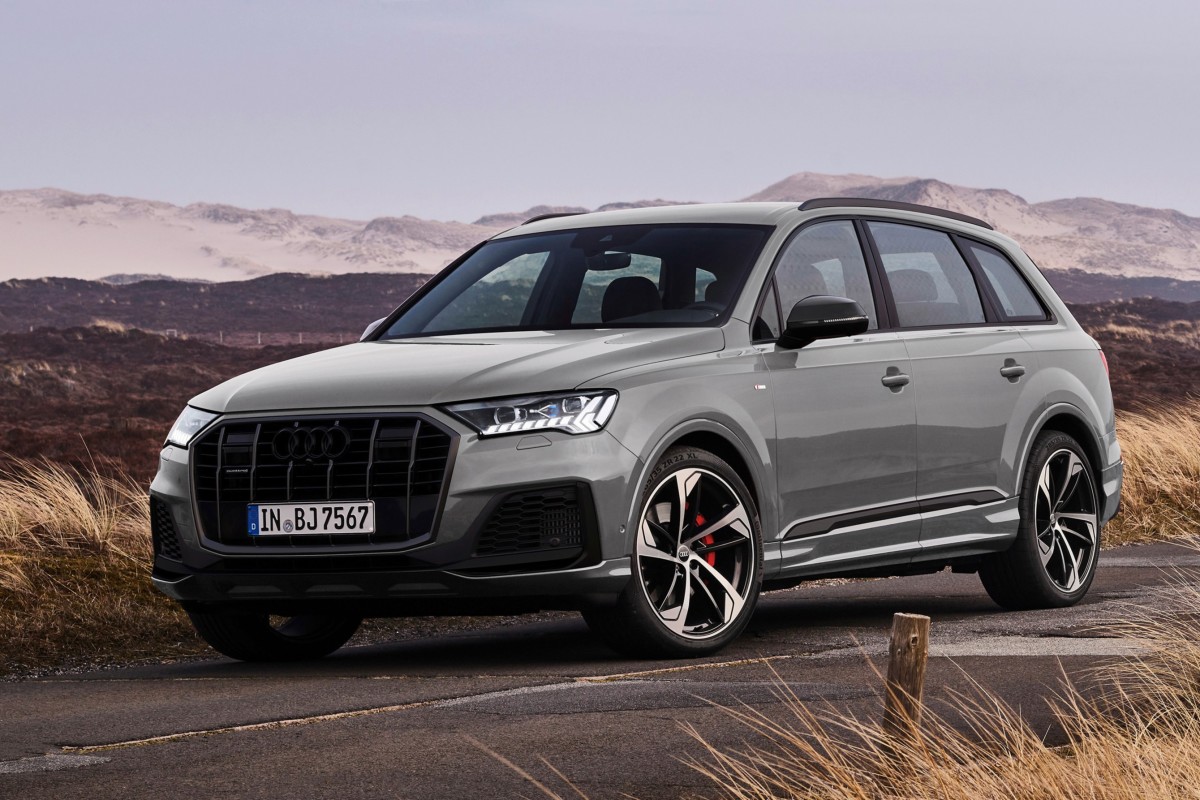
According to CarGurus experts, the overall rating for the 2025 Audi Q7 is 7.3 out of 10, while the 2026 Toyota bZ scores 6.5 out of 10. Based on these ratings, the 2025 Audi Q7 is the recommended choice for those seeking a luxury SUV with advanced technology and a refined design.
Choose the 2026 Toyota bZ if:
- You are looking for an electric vehicle with a choice of battery sizes and impressive range.
- You want a practical interior with ample storage options and comfortable seating.
- You prioritize safety features like Toyota Safety Sense 3.0 and Proactive Driving Assist.


Choose the 2025 Audi Q7 if:
- You prioritize a luxury SUV with a refined exterior design and customizable options.
- You value a smooth power delivery and handling, especially with the available all-wheel steering.
- You appreciate advanced technology features like Google Maps navigation and the Audi App Store.


CarGurus highlights
According to CarGurus experts, the overall rating for the 2025 Audi Q7 is 7.3 out of 10, while the 2026 Toyota bZ scores 6.5 out of 10. Based on these ratings, the 2025 Audi Q7 is the recommended choice for those seeking a luxury SUV with advanced technology and a refined design.
Choose the 2026 Toyota bZ if:
Shop Now- You are looking for an electric vehicle with a choice of battery sizes and impressive range.
- You want a practical interior with ample storage options and comfortable seating.
- You prioritize safety features like Toyota Safety Sense 3.0 and Proactive Driving Assist.
Choose the 2025 Audi Q7 if:
Shop Now- You prioritize a luxury SUV with a refined exterior design and customizable options.
- You value a smooth power delivery and handling, especially with the available all-wheel steering.
- You appreciate advanced technology features like Google Maps navigation and the Audi App Store.

By: CarGurus + AI
At CarGurus, our team of experienced automotive writers remain at the heart of our content operation, conducting hands-on car tests and writing insightful guides that are backed by years of industry experience. To complement this, we are harnessing AI to make our content offering more diverse and more helpful to shoppers than ever. To achieve this, our AI systems are based exclusively on CarGurus content, ratings and data, so that what we produce is both unique to CarGurus, and uniquely helpful to car shoppers.

