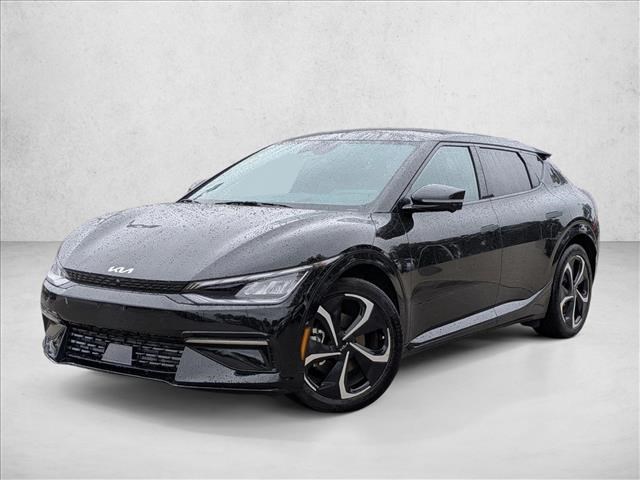
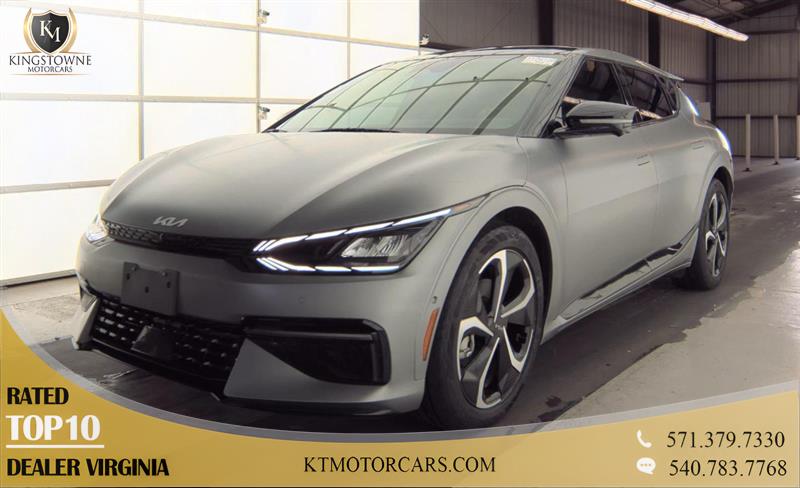
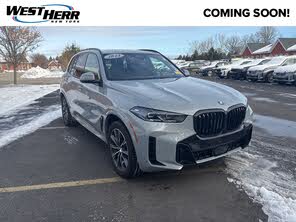
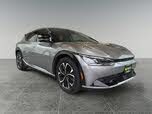
2023 Kia EV6 vs 2024 BMW X5
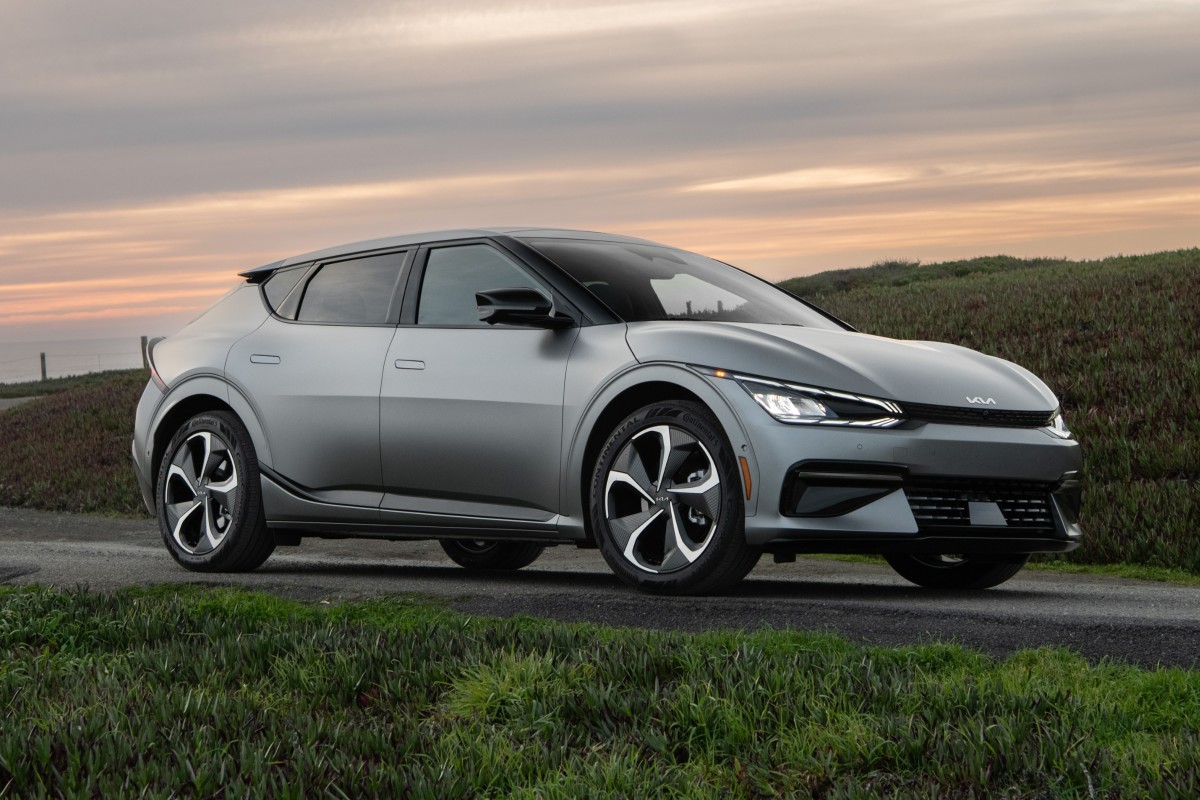
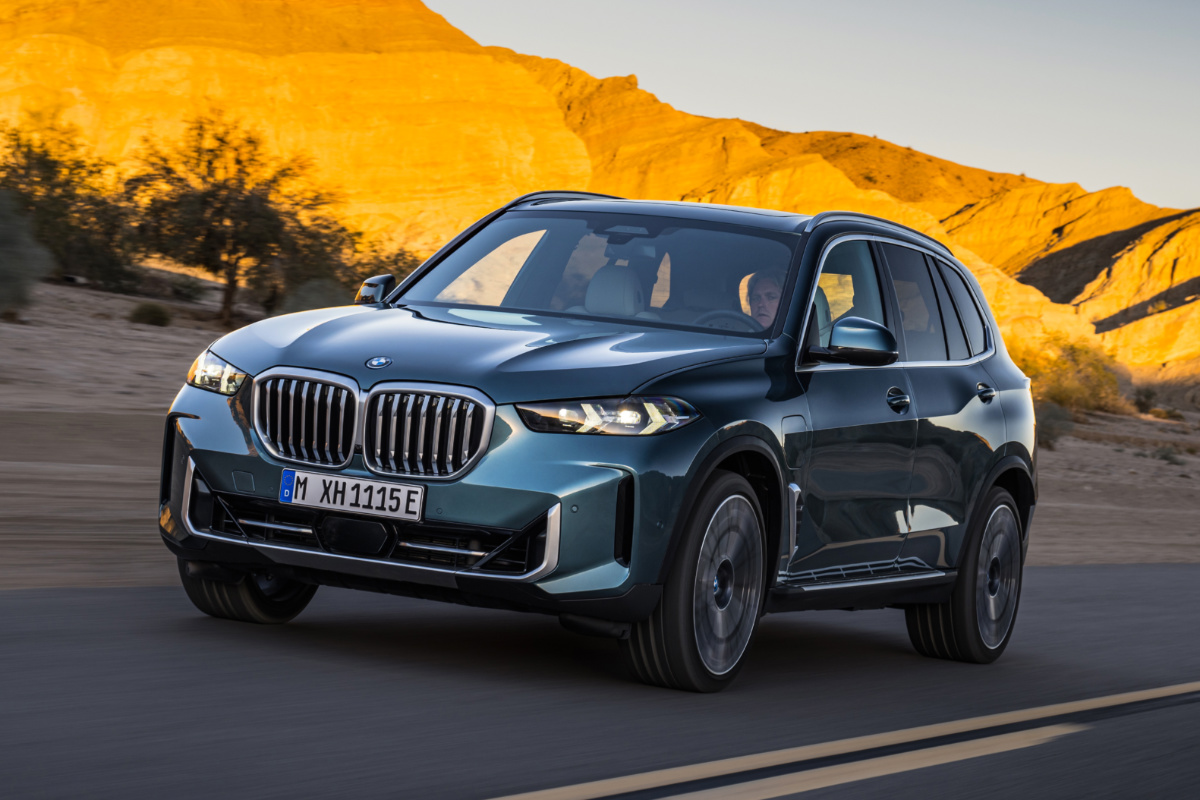
Overview | |
MSRP$42,600 | MSRP$65,200 |
Listings245 | Listings1106 |
Ratings & Reviews | |
User Reviews | User Reviews |
Expert reviews | Expert reviews7.7 out of 10 |
Pros
Cons
| |
2023 Kia EV6 Reviews Summary | |
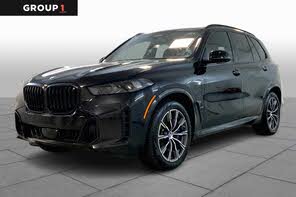
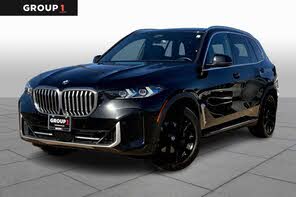
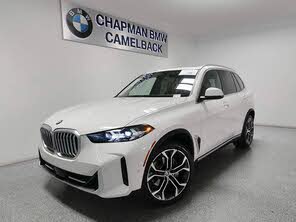
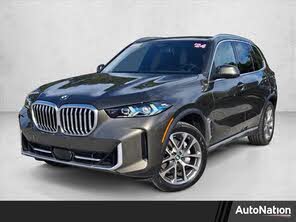
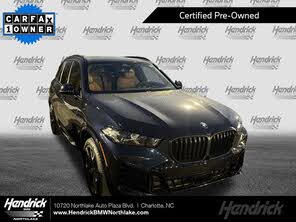
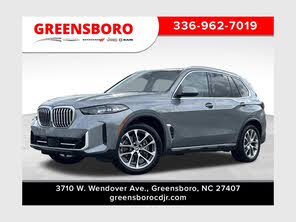
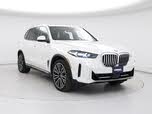
2024 BMW X5 Reviews SummaryOur test vehicle for this review was the X5 xDrive50e, the plug-in hybrid electric vehicle (PHEV) version of the X5 midsize SUV, but it’s just one of several X5 models you can buy. Those with 40i in their name feature a satisfying turbocharged six-cylinder engine (with electric assist in the plug-in hybrid), while the M60i features a turbocharged V8 engine. Maximum performance is available in the comically fun X5 M Competition. Drive any of them, though, and it’s easy to understand why the X5 is BMW’s best-selling model. Verdict: Newer BMWs are losing what has always made this automaker’s cars and SUVs appealing to people who like to drive. Fortunately, the 2024 BMW X5 hasn’t succumbed to the trend. In xDrive50e specification, it remains a delight to drive while supplying about 40 miles of electric-only range before its gasoline-fueled turbo six turns on. | |
No video found | |
Popular Features & Specs | |
Engine167 hp Electric | Engine3.0L 375 hp I6 |
Drive TrainRWD | Drive TrainRWD |
Seating Capacity5 | Seating Capacity5 |
Horsepower | Horsepower375 hp @ 5200 rpm |
EV Battery Capacity58 kWh | EV Battery Capacity |
MPG City136 | MPG City23 |
MPG Highway100 | MPG Highway27 |
Battery Charge Time (120V)51 hours | Battery Charge Time (120V) |
Battery Charge Time (240V)6.3 hours | Battery Charge Time (240V) |
Engine | |
Engine Name167 hp Electric | Engine Name3.0L 375 hp I6 |
Torque | Torque398 lb-ft @ 1850 rpm |
Horsepower | Horsepower375 hp @ 5200 rpm |
Battery Charge Time (120V)51 hours | Battery Charge Time (120V) |
Battery Charge Time (240V)6.3 hours | Battery Charge Time (240V) |
DrivetrainRWD | DrivetrainRWD |
Fuel Economy | |
EV Battery Capacity58 kWh | EV Battery Capacity |
MPG City136 | MPG City23 |
MPG Highway100 | MPG Highway27 |
Interior | |
Seating Capacity5 | Seating Capacity5 |
Key Features | |
Navigation SystemStandard | Navigation SystemStandard |
Sunroof/Moonroof | Sunroof/MoonroofStandard |
Safety | |
Front Crash Overall5 | Front Crash Overall4 |
Side Crash Overall5 | Side Crash Overall5 |
Dimensions & Capacity | |
Cargo Space24.4 cu ft | Cargo Space33.9 cu ft |
Curb Weight3984 lbs | Curb Weight4919 lbs |
Height60.8 in | Height69.1 in |
Length184.3 in | Length194.2 in |
Width74.0 in | Width87.3 in |
Wheelbase114.2 in | Wheelbase117.1 in |
Maximum Payload1020 lbs | Maximum Payload1054 lbs |
Number of doors4 | Number of doors4 |
Maximum Towing Capacity | Maximum Towing Capacity7200 lbs |
Overview | ||
MSRP | $42,600 | $65,200 |
Listings | ||
Ratings & Reviews | ||
User reviews | ||
Expert reviews | 7.7 out of 10Read full review | |
Pros & cons | Pros
Cons
| |
Summary | Our test vehicle for this review was the X5 xDrive50e, the plug-in hybrid electric vehicle (PHEV) version of the X5 midsize SUV, but it’s just one of several X5 models you can buy. Those with 40i in their name feature a satisfying turbocharged six-cylinder engine (with electric assist in the plug-in hybrid), while the M60i features a turbocharged V8 engine. Maximum performance is available in the comically fun X5 M Competition. Drive any of them, though, and it’s easy to understand why the X5 is BMW’s best-selling model. Verdict: Newer BMWs are losing what has always made this automaker’s cars and SUVs appealing to people who like to drive. Fortunately, the 2024 BMW X5 hasn’t succumbed to the trend. In xDrive50e specification, it remains a delight to drive while supplying about 40 miles of electric-only range before its gasoline-fueled turbo six turns on. | |
Video | No video found | |
Popular Features & Specs | ||
Engine | 167 hp Electric | 3.0L 375 hp I6 |
Drive Train | RWD | RWD |
Seating Capacity | 5 | 5 |
Horsepower | 375 hp @ 5200 rpm | |
EV Battery Capacity | 58 kWh | |
MPG City | 136 | 23 |
MPG Highway | 100 | 27 |
Battery Charge Time (120V) | 51 hours | |
Battery Charge Time (240V) | 6.3 hours | |
Engine | ||
Engine Name | 167 hp Electric | 3.0L 375 hp I6 |
Torque | 398 lb-ft @ 1850 rpm | |
Horsepower | 375 hp @ 5200 rpm | |
Battery Charge Time (120V) | 51 hours | |
Battery Charge Time (240V) | 6.3 hours | |
Drivetrain | RWD | RWD |
Fuel Economy | ||
EV Battery Capacity | 58 kWh | |
MPG City | 136 | 23 |
MPG Highway | 100 | 27 |
Interior | ||
Seating Capacity | 5 | 5 |
Key Features | ||
Navigation System | Standard | Standard |
Sunroof/Moonroof | Standard | |
Safety | ||
Front Crash Overall | 5 | 4 |
Side Crash Overall | 5 | 5 |
Dimensions & Capacity | ||
Cargo Space | 24.4 cu ft | 33.9 cu ft |
Curb Weight | 3984 lbs | 4919 lbs |
Height | 60.8 in | 69.1 in |
Length | 184.3 in | 194.2 in |
Width | 74.0 in | 87.3 in |
Wheelbase | 114.2 in | 117.1 in |
Maximum Payload | 1020 lbs | 1054 lbs |
Number of doors | 4 | 4 |
Maximum Towing Capacity | 7200 lbs | |




















By: CarGurus + AI
At CarGurus, our team of experienced automotive writers remain at the heart of our content operation, conducting hands-on car tests and writing insightful guides that are backed by years of industry experience. To complement this, we are harnessing AI to make our content offering more diverse and more helpful to shoppers than ever. To achieve this, our AI systems are based exclusively on CarGurus content, ratings and data, so that what we produce is both unique to CarGurus, and uniquely helpful to car shoppers.