2022 Hyundai Ioniq 5 vs 2021 Toyota Highlander
Overview | |
MSRP$35,085 | MSRP$39,700 |
Listings1547 | Listings141 |
Ratings & Reviews | |
User Reviews | User Reviews |
Expert reviews7.5 out of 10 | Expert reviews9.0 out of 10 |
Pros
Cons
| Pros
Cons
|
2021 Toyota Highlander Reviews SummaryToyota hardly needs any help selling three-row Highlanders. It already sits close to the top of the sales charts for its segment, and few vehicles carry the name recognition as the Highlander, which enters into its 20th year of production. But the three-row marketplace is a competitive one, and even after a 2020 redesign, Toyota would be foolish to rest on its laurels. As such, the Highlander enters this year with additional safety-feature technology listed as standard equipment. | |
2022 Hyundai Ioniq 5 Reviews SummaryThe Hyundai Ioniq 5 is the automaker’s debut electric vehicle from its new sub-brand that focuses solely on battery electric-powered mobility. The all-new Ioniq 5 is chock full of battery technology, smart car connectivity, advanced safety, and unique design all at a price point that appeals to the masses. | |
Popular Features & Specs | |
Engine3.5L 295 hp V6 | Engine168 hp Electric |
Drive TrainFWD | Drive TrainRWD |
Seating Capacity8 | Seating Capacity5 |
Horsepower295 hp @ 6600 rpm | Horsepower |
EV Battery Capacity | EV Battery Capacity58 kWh |
MPG City20 | MPG City127 |
MPG Highway28 | MPG Highway94 |
Engine | |
Engine Name3.5L 295 hp V6 | Engine Name168 hp Electric |
Torque263 lb-ft @ 4700 rpm | Torque |
Horsepower295 hp @ 6600 rpm | Horsepower |
DrivetrainFWD | DrivetrainRWD |
Fuel Economy | |
EV Battery Capacity | EV Battery Capacity58 kWh |
MPG City20 | MPG City127 |
MPG Highway28 | MPG Highway94 |
Interior | |
Seating Capacity8 | Seating Capacity5 |
Key Features | |
Navigation System | Navigation SystemStandard |
Safety | |
Front Crash Overall4 | Front Crash Overall4 |
Side Crash Overall5 | Side Crash Overall5 |
Dimensions & Capacity | |
Cargo Space16.0 cu ft | Cargo Space27.2 cu ft |
Curb Weight4145 lbs | Curb Weight4200 lbs |
Height68.1 in | Height63.0 in |
Length194.9 in | Length182.5 in |
Width76.0 in | Width74.4 in |
Wheelbase112.2 in | Wheelbase118.1 in |
Maximum Payload1685 lbs | Maximum Payload1157 lbs |
Number of doors4 | Number of doors4 |
Maximum Towing Capacity5000 lbs | Maximum Towing Capacity |
Overview | ||
MSRP | $35,085 | $39,700 |
Listings | ||
Ratings & Reviews | ||
User reviews | ||
Expert reviews | 7.5 out of 10Read full review | 9.0 out of 10Read full review |
Pros & cons | Pros
Cons
| Pros
Cons
|
Summary | Toyota hardly needs any help selling three-row Highlanders. It already sits close to the top of the sales charts for its segment, and few vehicles carry the name recognition as the Highlander, which enters into its 20th year of production. But the three-row marketplace is a competitive one, and even after a 2020 redesign, Toyota would be foolish to rest on its laurels. As such, the Highlander enters this year with additional safety-feature technology listed as standard equipment. | The Hyundai Ioniq 5 is the automaker’s debut electric vehicle from its new sub-brand that focuses solely on battery electric-powered mobility. The all-new Ioniq 5 is chock full of battery technology, smart car connectivity, advanced safety, and unique design all at a price point that appeals to the masses. |
Video | ||
Popular Features & Specs | ||
Engine | 3.5L 295 hp V6 | 168 hp Electric |
Drive Train | FWD | RWD |
Seating Capacity | 8 | 5 |
Horsepower | 295 hp @ 6600 rpm | |
EV Battery Capacity | 58 kWh | |
MPG City | 20 | 127 |
MPG Highway | 28 | 94 |
Engine | ||
Engine Name | 3.5L 295 hp V6 | 168 hp Electric |
Torque | 263 lb-ft @ 4700 rpm | |
Horsepower | 295 hp @ 6600 rpm | |
Drivetrain | FWD | RWD |
Fuel Economy | ||
EV Battery Capacity | 58 kWh | |
MPG City | 20 | 127 |
MPG Highway | 28 | 94 |
Interior | ||
Seating Capacity | 8 | 5 |
Key Features | ||
Navigation System | Standard | |
Safety | ||
Front Crash Overall | 4 | 4 |
Side Crash Overall | 5 | 5 |
Dimensions & Capacity | ||
Cargo Space | 16.0 cu ft | 27.2 cu ft |
Curb Weight | 4145 lbs | 4200 lbs |
Height | 68.1 in | 63.0 in |
Length | 194.9 in | 182.5 in |
Width | 76.0 in | 74.4 in |
Wheelbase | 112.2 in | 118.1 in |
Maximum Payload | 1685 lbs | 1157 lbs |
Number of doors | 4 | 4 |
Maximum Towing Capacity | 5000 lbs | |
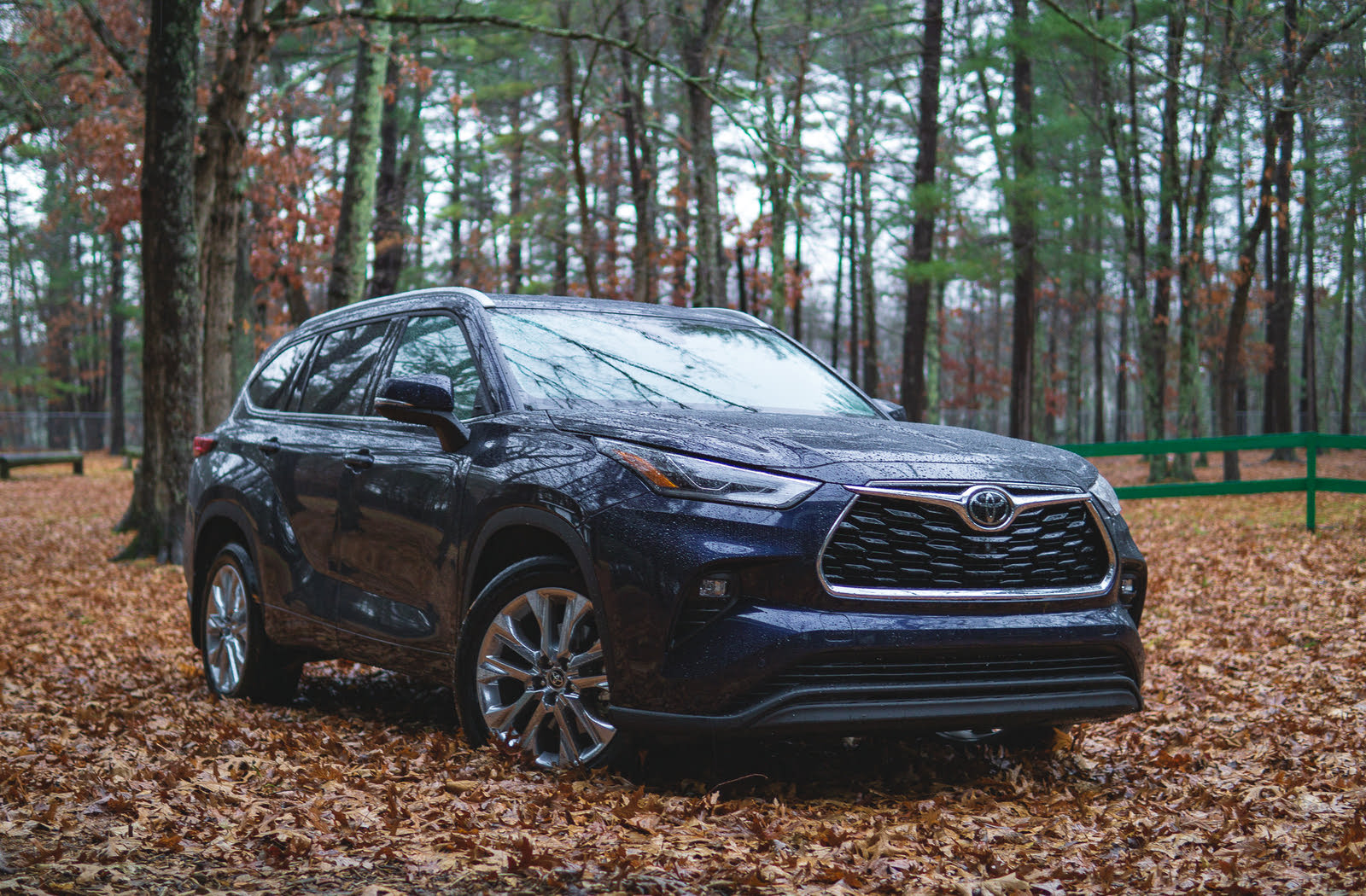
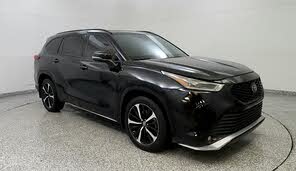
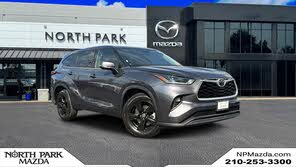
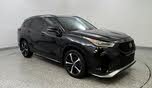
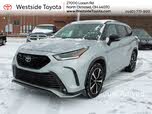
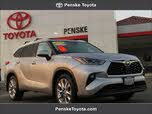
The 2021 Toyota Highlander distinguished itself from the crowded midsize SUV market with distinctive design elements. Its front end was less dramatic compared to some of its peers but still made a statement with wide headlights, a long hood, and an assertive grille. The character line that ran along its body, reminiscent of the Supra sports car, enhanced its aesthetic appeal. The taillights borrowed inspiration from Lexus models, although missing the vertical elements. Despite these changes, it kept its size while appearing longer and lower than its predecessors.
In 2021, Toyota introduced the XSE trim level to the Highlander lineup. The XSE featured a more aggressive front end, larger lower air intake, and 20-inch wheels with black accents. However, it did not significantly boost performance but added a sportier look. The Highlander Limited trim, which we tested, boasted chrome roof rails and accent trim that gave it a premium feel, both externally and internally.
The interior of the Limited-trim Highlander was impressive, featuring near-flawless fit and finish, tan leather seats with dark brown accents, and wood details, even if they were not genuine wood. It excelled in comfort and convenience, crucial for a family vehicle, marking a balance between practicality and a touch of luxury.
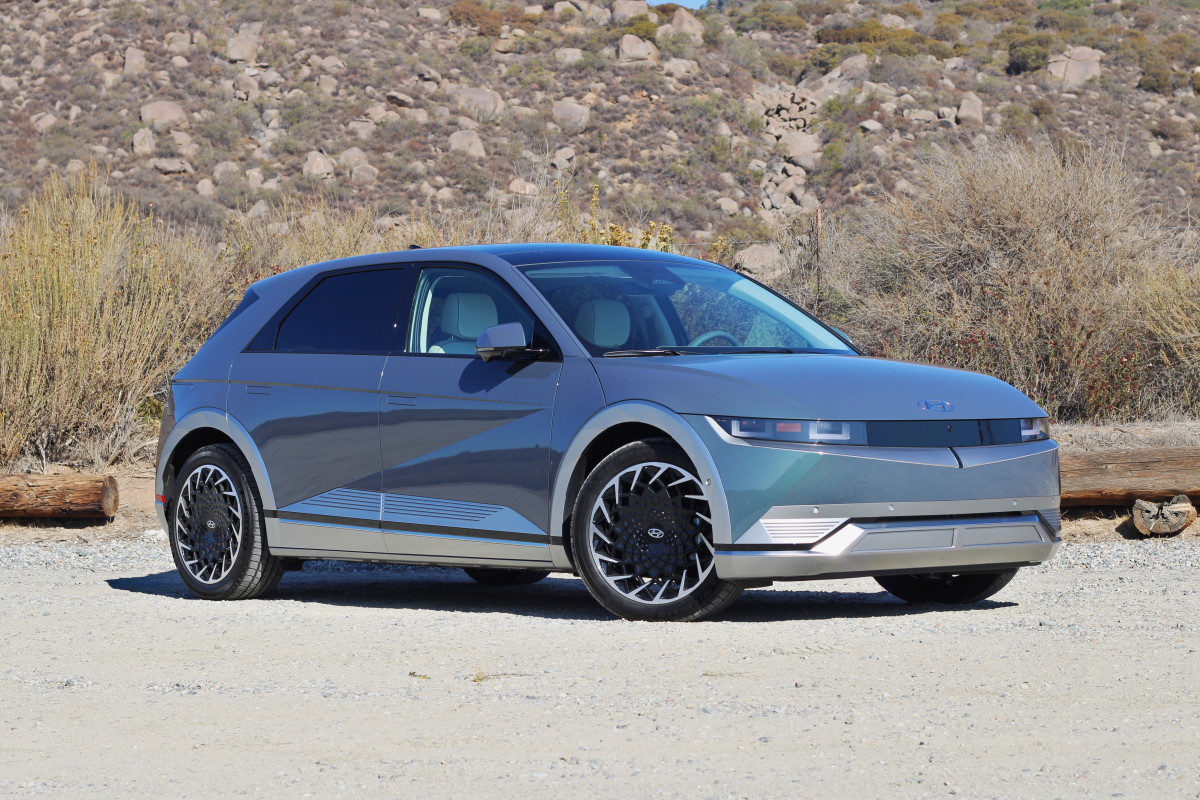
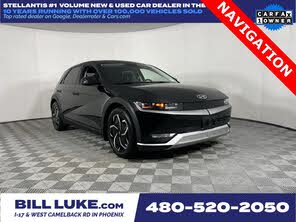
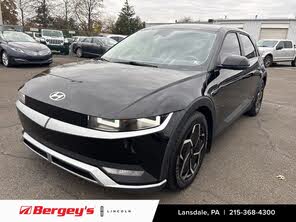
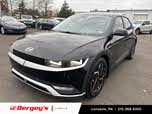
In contrast, the 2022 Hyundai Ioniq 5 represented a bold leap into the future. A spinoff of the original Ioniq, this model was specifically designed to showcase electrified mobility. Unlike the first Hyundai Ioniq, which offered hybrid variants, the Ioniq 5 stood as the flagship of Hyundai's emerging EV sub-brand.
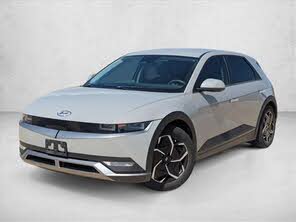
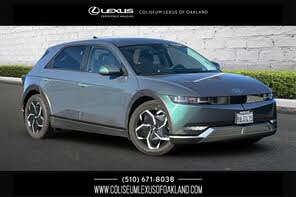
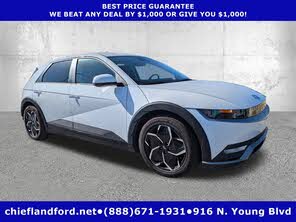
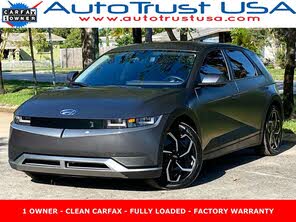
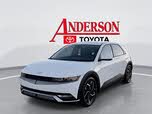
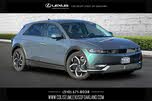
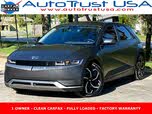
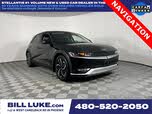
The Ioniq 5 featured a polished exterior with minimal character lines, giving it a sleek, concept-car look. Hyundai's Parametric Pixel design dominated the lighting elements, using pixels in the headlights, taillights, daytime running lights, and integrated turn lights. The aerodynamic wheels followed this futuristic design theme, extending into the arches within the fender flares. The consistent pixelated theme ran throughout, even appearing in the steering wheel, door inserts, and seat upholstery.
Inside the Ioniq 5, the design took a mellow turn with the “Living Space” theme. The cabin was spacious and comfortable, featuring stain-resistant cloth seats and optional leatherette upholstery. Hyundai emphasized sustainable materials, using recycled fibers and bio-materials derived from bean oil and sugar cane for various interior elements. The center console was movable, and the driver's seat included a "Relaxation" mode, reinforcing the concept of a tranquil driving environment.


In the performance department, the 2021 Toyota Highlander housed a 3.5-liter V6 engine with 295 horsepower and 263-pound feet of torque. This engine was paired with an eight-speed automatic transmission, available in both front-wheel and all-wheel drive configurations. The powertrain offered reliable and smooth performance, making merging onto highways easy but not thrilling. While it didn't excel in drag races, it performed competitively compared to other midsize crossovers like the Hyundai Palisade, Kia Telluride, and Honda Pilot.
The Highlander’s handling was consistent with that of a three-row crossover, leaning towards a softer suspension for comfort. The XSE trim, with its higher-rated springs, retuned shock absorbers, and rear stabilizer bar, offered slightly tighter handling but did not transform into a sport-focused vehicle.
On the other hand, the 2022 Hyundai Ioniq 5 provided a more varied performance range. Available in SE, SEL, and Limited trims, it offered rear-wheel drive as standard, with optional all-wheel drive across all trims. The base SE Standard Range model featured a rear-mounted 128-kW electric motor producing 168 horsepower, delivering 220 miles of range. For more power and range, the SE, SEL, and Limited RWD variants offered a 168-kW rear motor with 225 horsepower and 258-pound feet of torque, achieving a 303-mile range.
The Ioniq 5 AWD variant combined a 74-kW front motor and a 165-kW rear motor for a total output of 320 horsepower and 446-pound feet of torque. Despite its higher power, the range dipped to 256 miles. The Ioniq 5, especially in its AWD configuration, handled well under various driving conditions. Although not aiming for the enthusiast market like the Polestar 2 or Porsche Taycan, it still offered satisfactory performance with four drive modes, including a Sport mode.
The Ioniq 5 also featured paddle shifters for adjusting regenerative braking levels, making driving an interactive experience. In terms of noise management, it utilized acoustic tires, sound-deadening materials, and strategic design elements to ensure a quiet ride.
The 2021 Toyota Highlander’s interior was designed for practicality and passenger comfort. The front seats showcased a set of convenient shelves large enough to hold even the biggest cell phones, with a pass-through for charging cords. Higher trims included a wireless charging pad located within the center console. Second-row passengers enjoyed ample legroom, with seats that could be moved forward or backward to balance space between the middle and rear rows. Third-row seating, although available, was less comfortable for adults unless second-row passengers compromised on their space.
Cargo space in the Highlander stood at 16 cubic feet behind the third row, expanding to 48.4 cubic feet with the third row folded down and a substantial 84.3 cubic feet with both the second- and third-row seats folded, proving versatile for various needs.
The 2022 Hyundai Ioniq 5 benefited from its Electric Global Modular Platform (E-GMP), which offered a long wheelbase to maximize interior space. Although appearing like a hatchback, it provided SUV-level roominess, surpassing the overall cabin space of competitors like the Ford Mustang Mach-E and Volkswagen ID.4. The Ioniq 5 featured 133.7 cubic feet of interior volume, focusing more on passenger comfort with 106.5 cubic feet of passenger space. However, it offered a modest 27.2 cubic feet of cargo space, prioritizing passenger accommodation over luggage capacity.
The innovative interior design included a shift-away center console, a moveable center armrest with cubby space, and a modern take on the front bench seat concept, allowing easy vehicle entry and exit from both front doors. The leatherette seats provided a blend of comfort and support, catering to various driver sizes without compromising on comfort.
The 2021 Toyota Highlander offered an 8-inch touchscreen for trims below the Limited, which had the option of a 12.3-inch touchscreen. This larger screen was standard on the Platinum trim. Both systems were user-friendly, although navigation could sometimes struggle with locating points of interest. Android Auto and Apple CarPlay were standard across all trims. The 12.3-inch screen was bright, crisp, and fast, though it showcased limited apps on its full width. The JBL audio system provided decent sound quality, enhancing the overall tech experience.
The 2022 Hyundai Ioniq 5 excelled in technology, starting with its next-generation high-voltage system capable of ultra-fast charging and vehicle-to-load capabilities. It could support up to 800-volt charging infrastructure and offered 80 percent battery capacity in just 18 minutes. Hyundai's partnership with Electrify America provided two years of free 30-minute fast-charging sessions, enhancing convenience for owners.
The Ioniq 5 also boasted innovative multimedia features, including a redesigned Blue Link connected car app focused on EV management. It offered a digital key, enhanced smartphone pairing, virtual assistant compatibility, AI-powered voice recognition, and over-the-air updates. The 12.3-inch screens for the instrument cluster and infotainment were elegant, intuitive, and featured anti-glare coatings, ensuring readability even with polarized sunglasses.
The 2021 Toyota Highlander came equipped with the Toyota Safety Sense 2.5+ suite, which included automatic emergency braking with pedestrian detection, intersection support, road sign assist, adaptive cruise control, lane departure warning, lane-keeping assist, lane-tracing assist, and automatic high beams. The Highlander received five out of five stars from the National Highway Traffic Safety Administration (NHTSA) and was named a Top Safety Pick+ by the Insurance Institute for Highway Safety (IIHS).
Similarly, the 2022 Hyundai Ioniq 5 featured an extensive list of safety technologies through the Hyundai SmartSense suite. Standard features included blind-spot monitoring, lane-departure warning, automatic high beams, front- and rear-collision avoidance, and Hyundai Highway Drive Assist I (HAD I), a Level 2 semi-autonomous driving system with machine-learning adaptive cruise control. The Ioniq 5 also introduced a head-up display with augmented reality overlays, although it could prove distracting in practice. Despite lacking crash safety ratings from NHTSA and IIHS at the time, Hyundai's strong track record with safety awards indicated that high marks were likely.
CarGurus highlights
According to CarGurus experts, the overall rating for the 2021 Toyota Highlander was 7.5 out of 10, while the 2022 Hyundai Ioniq 5 scored 9 out of 10. Based on these ratings, the Hyundai Ioniq 5 is the clear winner in this comparison. It offers advanced technology, superior safety features, and a more refined driving experience, making it the better choice for consumers looking for the latest in automotive innovation combined with practical everyday functionality.
Choose the 2022 Hyundai Ioniq 5 if:
- You seek cutting-edge EV technology with fast charging and vehicle-to-load capabilities.
- A spacious, comfortable interior with sustainable materials and innovative design elements is essential.
- You prefer an advanced suite of safety and driver assistance features.


Choose the 2021 Toyota Highlander if:
- You value a reliable, comfortable family vehicle with proven performance.
- Versatile cargo space is crucial, accommodating up to 84.3 cubic feet.
- Advanced safety features with a solid safety rating are priorities for your peace of mind.






CarGurus highlights
According to CarGurus experts, the overall rating for the 2021 Toyota Highlander was 7.5 out of 10, while the 2022 Hyundai Ioniq 5 scored 9 out of 10. Based on these ratings, the Hyundai Ioniq 5 is the clear winner in this comparison. It offers advanced technology, superior safety features, and a more refined driving experience, making it the better choice for consumers looking for the latest in automotive innovation combined with practical everyday functionality.
Choose the 2022 Hyundai Ioniq 5 if:
Shop Now- You seek cutting-edge EV technology with fast charging and vehicle-to-load capabilities.
- A spacious, comfortable interior with sustainable materials and innovative design elements is essential.
- You prefer an advanced suite of safety and driver assistance features.





Choose the 2021 Toyota Highlander if:
Shop Now- You value a reliable, comfortable family vehicle with proven performance.
- Versatile cargo space is crucial, accommodating up to 84.3 cubic feet.
- Advanced safety features with a solid safety rating are priorities for your peace of mind.






By: CarGurus + AI
At CarGurus, our team of experienced automotive writers remain at the heart of our content operation, conducting hands-on car tests and writing insightful guides that are backed by years of industry experience. To complement this, we are harnessing AI to make our content offering more diverse and more helpful to shoppers than ever. To achieve this, our AI systems are based exclusively on CarGurus content, ratings and data, so that what we produce is both unique to CarGurus, and uniquely helpful to car shoppers.