2021 Lincoln Aviator vs 2020 Toyota Highlander

Overview | |
MSRP$34,600 | MSRP$50,660 |
Listings710 | Listings269 |
Ratings & Reviews | |
User Reviews | User Reviews |
Expert reviews7.7 out of 10 | Expert reviews7.8 out of 10 |
Pros
Cons
| Pros
Cons
|
2020 Toyota Highlander Reviews SummaryMidsize three-row SUVs are all spacious and powerful, but only the Toyota Highlander reaches the premium threshold for passenger comfort. Redesigned for 2020, the Highlander's revised styling and technology are secondary to its silent operation, soft ride, and cosseting interior. The upper trims feel and drive just like a Lexus, without the upcharge. There is nothing exciting about a Highlander, and yet, there is no other SUV in the $35,000 to $50,000 range that feels so effortless and tranquil. | |
2021 Lincoln Aviator Reviews SummaryOnly a few years ago, Lincoln was in a confusing space. Confusing because many of its cars overlapped with the nicest trims of vehicles from parent company Ford. It was also confusing because of the alphanumeric vehicle names. But Lincoln has ended both of those trends. First, Lincoln has returned to real names for its vehicles, such as the Corsair and Nautilus (Cadillac, are you listening?!). But what’s in a name? This rebranding would be moot without a compelling product. In this respect, the American luxury brand has delivered, highlighted by the 2021 Lincoln Aviator. This three-row midsize SUV boasts modern technology, potent drivetrain options, and creature comforts that you might sooner find in a high-end German luxury sedan. But this newfound quality comes with a steeper price tag. So is it worth consideration against the likes of the Audi Q7 and RX 350L? Read on to find out. | |
No video found | |
Popular Features & Specs | |
Engine3.5L 295 hp V6 | Engine3.0L 400 hp V6 |
Drive TrainFWD | Drive TrainRWD |
Seating Capacity8 | Seating Capacity7 |
Horsepower295 hp @ 6600 rpm | Horsepower |
MPG City20 | MPG City18 |
MPG Highway28 | MPG Highway26 |
Engine | |
Engine Name3.5L 295 hp V6 | Engine Name3.0L 400 hp V6 |
Torque263 lb-ft @ 4700 rpm | Torque |
Horsepower295 hp @ 6600 rpm | Horsepower |
DrivetrainFWD | DrivetrainRWD |
Fuel Economy | |
MPG City20 | MPG City18 |
MPG Highway28 | MPG Highway26 |
Interior | |
Seating Capacity8 | Seating Capacity7 |
Safety | |
Front Crash Overall4 | Front Crash Overall5 |
Side Crash Overall5 | Side Crash Overall5 |
Dimensions & Capacity | |
Cargo Space16.0 cu ft | Cargo Space18.3 cu ft |
Curb Weight4145 lbs | Curb Weight4745 lbs |
Height68.1 in | Height69.6 in |
Length194.9 in | Length199.3 in |
Width76.0 in | Width89.9 in |
Wheelbase112.2 in | Wheelbase119.1 in |
Maximum Payload1685 lbs | Maximum Payload1615 lbs |
Number of doors4 | Number of doors4 |
Maximum Towing Capacity5000 lbs | Maximum Towing Capacity |
Overview | ||
MSRP | $34,600 | $50,660 |
Listings | ||
Ratings & Reviews | ||
User reviews | ||
Expert reviews | 7.7 out of 10Read full review | 7.8 out of 10Read full review |
Pros & cons | Pros
Cons
| Pros
Cons
|
Summary | Midsize three-row SUVs are all spacious and powerful, but only the Toyota Highlander reaches the premium threshold for passenger comfort. Redesigned for 2020, the Highlander's revised styling and technology are secondary to its silent operation, soft ride, and cosseting interior. The upper trims feel and drive just like a Lexus, without the upcharge. There is nothing exciting about a Highlander, and yet, there is no other SUV in the $35,000 to $50,000 range that feels so effortless and tranquil. | Only a few years ago, Lincoln was in a confusing space. Confusing because many of its cars overlapped with the nicest trims of vehicles from parent company Ford. It was also confusing because of the alphanumeric vehicle names. But Lincoln has ended both of those trends. First, Lincoln has returned to real names for its vehicles, such as the Corsair and Nautilus (Cadillac, are you listening?!). But what’s in a name? This rebranding would be moot without a compelling product. In this respect, the American luxury brand has delivered, highlighted by the 2021 Lincoln Aviator. This three-row midsize SUV boasts modern technology, potent drivetrain options, and creature comforts that you might sooner find in a high-end German luxury sedan. But this newfound quality comes with a steeper price tag. So is it worth consideration against the likes of the Audi Q7 and RX 350L? Read on to find out. |
Video | No video found | |
Popular Features & Specs | ||
Engine | 3.5L 295 hp V6 | 3.0L 400 hp V6 |
Drive Train | FWD | RWD |
Seating Capacity | 8 | 7 |
Horsepower | 295 hp @ 6600 rpm | |
MPG City | 20 | 18 |
MPG Highway | 28 | 26 |
Engine | ||
Engine Name | 3.5L 295 hp V6 | 3.0L 400 hp V6 |
Torque | 263 lb-ft @ 4700 rpm | |
Horsepower | 295 hp @ 6600 rpm | |
Drivetrain | FWD | RWD |
Fuel Economy | ||
MPG City | 20 | 18 |
MPG Highway | 28 | 26 |
Interior | ||
Seating Capacity | 8 | 7 |
Safety | ||
Front Crash Overall | 4 | 5 |
Side Crash Overall | 5 | 5 |
Dimensions & Capacity | ||
Cargo Space | 16.0 cu ft | 18.3 cu ft |
Curb Weight | 4145 lbs | 4745 lbs |
Height | 68.1 in | 69.6 in |
Length | 194.9 in | 199.3 in |
Width | 76.0 in | 89.9 in |
Wheelbase | 112.2 in | 119.1 in |
Maximum Payload | 1685 lbs | 1615 lbs |
Number of doors | 4 | 4 |
Maximum Towing Capacity | 5000 lbs | |
The 2020 Toyota Highlander presented a design that was more about subtlety than making a bold statement. Its exterior featured a trapezoidal theme, with slanted tailgate glass and pronounced body panel creases. The vehicle's styling was consistent with Toyota's design language, offering LED headlights and fog lights on all trims except the base L. The interior, however, was where the Highlander truly shone. It boasted quality fit and finish, with silver-painted accents and a multi-layered dash. The Limited trim offered a three-tone interior with rich textures and padded surfaces, making it a standout in its class.
In contrast, the 2021 Lincoln Aviator embraced a more distinctive and luxurious design. It carried forward the styling cues from the larger Navigator, with crisp lines and chrome accents that added to its sharp appearance. Inside, the Aviator differentiated itself with a focus on comfort and warmth, featuring soft-touch materials and a 10.1-inch touchscreen. The cabin was defined by its elegant center console and piano button shifter, contributing to an air of class and luxury. The Aviator's trims offered a range of features, from synthetic leather upholstery to massaging front seats, ensuring a premium experience.


The 2020 Toyota Highlander was equipped with a 3.5-liter V6 engine, delivering 295 horsepower and 263 pound-feet of torque. It offered both front-wheel drive (FWD) and all-wheel drive (AWD) options. The eight-speed automatic transmission provided smooth acceleration, although it required a heavy foot for kickdown. The Highlander's steering was loose, and its suspension was soft, leading to a floaty ride. However, it excelled in providing a calm and isolating driving experience, ideal for long road trips. Fuel economy was commendable, with the FWD model achieving 21 mpg city and 29 mpg highway.
The 2021 Lincoln Aviator, on the other hand, came with a 3.0-liter twin-turbocharged V6 engine, producing 400 horsepower and 415 pound-feet of torque. It offered a 10-speed automatic transmission with rear-wheel drive (RWD) or AWD. The Grand Touring trims featured a plug-in hybrid configuration, boosting output to 494 hp and 630 lb-ft of torque. The Aviator's drive mode selector included options like "Excite" and "Conserve," enhancing its versatility. While it provided brisk acceleration, the Aviator's size and weight were noticeable in corners, and it was best suited for highway cruising.
The 2020 Toyota Highlander offered seating for eight, or seven with second-row captain's chairs. The second row was versatile, with generous legroom and easy access to the third row. Cargo space was ample, with 16 cubic feet behind the third row, expanding to 84 cubic feet with all seats folded. The Highlander's interior featured practical storage solutions, including shelves integrated into the dash and multiple cupholders. Controls were straightforward, with a user-friendly infotainment interface.
The 2021 Lincoln Aviator provided 18.3 cubic feet of cargo space behind the third row, expanding to 77.7 cubic feet with all seats folded. The second row was particularly comfortable, with captain's chairs and a digital control panel for seat and climate adjustments. The Aviator's power-button door releases were a unique feature, though they raised concerns about functionality in case of a battery failure. Overall, the Aviator offered a spacious and luxurious interior.
The 2020 Toyota Highlander's infotainment system was functional but outdated, with a 12.3-inch touchscreen that lacked detailed maps and onboard apps. However, it included Apple CarPlay, Android Auto, and Amazon Alexa integration. The Highlander featured a 10-inch head-up display and a 7-inch instrument cluster display, providing useful information. Safety features like adaptive cruise control and road sign detection were standard, enhancing the driving experience.
The 2021 Lincoln Aviator's Sync 3 infotainment system was intuitive and user-friendly, with a 10.1-inch touchscreen in a landscape format. It offered Apple CarPlay and Android Auto, with large icons for easy navigation. The Aviator also featured a fully digital instrument panel and an optional head-up display with crisp graphics. These technological features contributed to a seamless and enjoyable driving experience.
The 2020 Toyota Highlander came with Toyota Safety Sense 2.0, which included automatic emergency braking, lane-keeping assist, and adaptive cruise control. It also offered optional features like blind-spot monitoring and rear emergency braking. The Highlander earned a 2020 Top Safety Pick from the IIHS for its crash test performance and emergency braking capabilities.
The 2021 Lincoln Aviator was equipped with the Lincoln Co-Pilot 360 package, featuring automatic emergency braking, lane departure warning, and blind-spot monitoring. The Co-Pilot 360 Plus package added reverse automatic braking and adaptive cruise control. The Aviator received top safety ratings from both the NHTSA and IIHS, earning a Top Safety Pick accolade.
CarGurus highlights
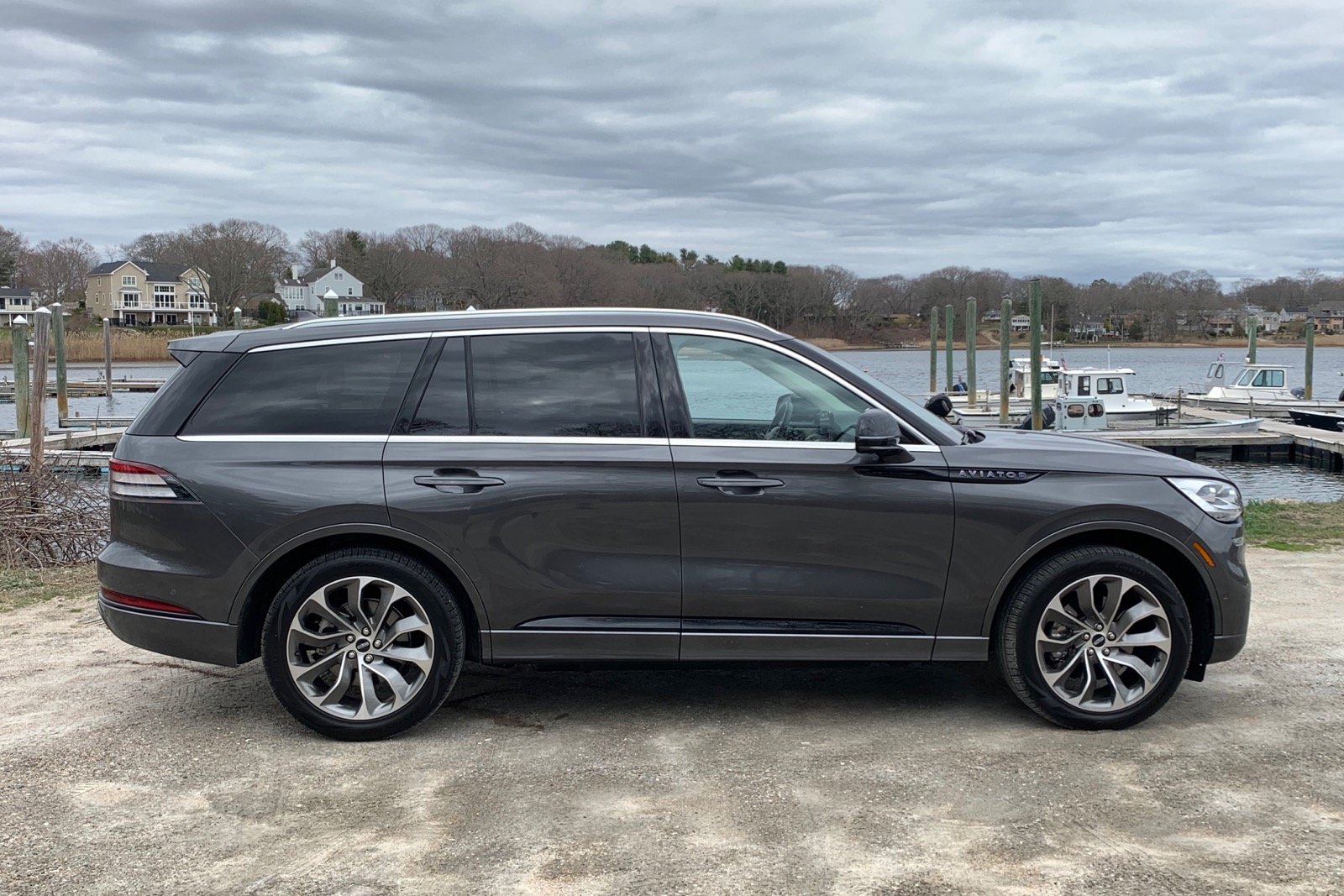
According to CarGurus experts, the overall rating for the 2020 Toyota Highlander is 7.7 out of 10, while the 2021 Lincoln Aviator scores 7.8 out of 10. Based on these ratings, the Lincoln Aviator is the recommended choice for those seeking a more luxurious and technologically advanced SUV.
Choose the 2021 Lincoln Aviator if:
- You desire a luxurious and distinctive design with premium interior materials.
- You want a powerful engine with the option for a plug-in hybrid configuration.
- You appreciate advanced technology and intuitive infotainment systems.








Choose the 2020 Toyota Highlander if:
- You prioritize a calm and isolating driving experience for long road trips.
- You need versatile seating and generous cargo space for family use.
- You value Toyota's reputation for reliability and safety features.


CarGurus highlights
According to CarGurus experts, the overall rating for the 2020 Toyota Highlander is 7.7 out of 10, while the 2021 Lincoln Aviator scores 7.8 out of 10. Based on these ratings, the Lincoln Aviator is the recommended choice for those seeking a more luxurious and technologically advanced SUV.
Choose the 2021 Lincoln Aviator if:
Shop Now- You desire a luxurious and distinctive design with premium interior materials.
- You want a powerful engine with the option for a plug-in hybrid configuration.
- You appreciate advanced technology and intuitive infotainment systems.





Choose the 2020 Toyota Highlander if:
Shop Now- You prioritize a calm and isolating driving experience for long road trips.
- You need versatile seating and generous cargo space for family use.
- You value Toyota's reputation for reliability and safety features.







By: CarGurus + AI
At CarGurus, our team of experienced automotive writers remain at the heart of our content operation, conducting hands-on car tests and writing insightful guides that are backed by years of industry experience. To complement this, we are harnessing AI to make our content offering more diverse and more helpful to shoppers than ever. To achieve this, our AI systems are based exclusively on CarGurus content, ratings and data, so that what we produce is both unique to CarGurus, and uniquely helpful to car shoppers.