2021 Toyota 4Runner vs 2020 Toyota Highlander
Overview | |
MSRP$34,600 | MSRP$36,765 |
Listings694 | Listings1133 |
Ratings & Reviews | |
User Reviews | User Reviews |
Expert reviews7.7 out of 10 | Expert reviews6.2 out of 10 |
Pros
Cons
| Pros
Cons
|
2020 Toyota Highlander Reviews SummaryMidsize three-row SUVs are all spacious and powerful, but only the Toyota Highlander reaches the premium threshold for passenger comfort. Redesigned for 2020, the Highlander's revised styling and technology are secondary to its silent operation, soft ride, and cosseting interior. The upper trims feel and drive just like a Lexus, without the upcharge. There is nothing exciting about a Highlander, and yet, there is no other SUV in the $35,000 to $50,000 range that feels so effortless and tranquil. | |
2021 Toyota 4Runner Reviews SummaryDespite its design age, poor fuel economy, rough ride, iffy handling, and marginal safety ratings, the current-generation Toyota 4Runner remains a popular choice in a midsize SUV. Why? Its reputation for reliability and resale value, coupled with its undeniable utility, rugged image, and go-anywhere and do-anything capability, are the selling points. And if that's why you want a 2021 Toyota 4Runner, it won't disappoint you as long as you accept its shortcomings. | |
No video found | |
Popular Features & Specs | |
Engine3.5L 295 hp V6 | Engine4.0L 270 hp V6 |
Drive TrainFWD | Drive Train4X2 |
Seating Capacity8 | Seating Capacity7 |
Horsepower295 hp @ 6600 rpm | Horsepower270 hp @ 5600 rpm |
MPG City20 | MPG City16 |
MPG Highway28 | MPG Highway19 |
Engine | |
Engine Name3.5L 295 hp V6 | Engine Name4.0L 270 hp V6 |
Torque263 lb-ft @ 4700 rpm | Torque278 lb-ft @ 4400 rpm |
Horsepower295 hp @ 6600 rpm | Horsepower270 hp @ 5600 rpm |
DrivetrainFWD | Drivetrain4X2 |
Fuel Economy | |
MPG City20 | MPG City16 |
MPG Highway28 | MPG Highway19 |
Interior | |
Seating Capacity8 | Seating Capacity7 |
Safety | |
Front Crash Overall4 | Front Crash Overall4 |
Side Crash Overall5 | Side Crash Overall5 |
Dimensions & Capacity | |
Cargo Space16.0 cu ft | Cargo Space47.2 cu ft |
Curb Weight4145 lbs | Curb Weight4400 lbs |
Height68.1 in | Height71.5 in |
Length194.9 in | Length190.2 in |
Width76.0 in | Width75.8 in |
Wheelbase112.2 in | Wheelbase109.8 in |
Maximum Payload1685 lbs | Maximum Payload1700 lbs |
Number of doors4 | Number of doors4 |
Maximum Towing Capacity5000 lbs | Maximum Towing Capacity5000 lbs |
Standard Towing Capacity | Standard Towing Capacity5000 lbs |
Overview | ||
MSRP | $34,600 | $36,765 |
Listings | ||
Ratings & Reviews | ||
User reviews | ||
Expert reviews | 7.7 out of 10Read full review | 6.2 out of 10Read full review |
Pros & cons | Pros
Cons
| Pros
Cons
|
Summary | Midsize three-row SUVs are all spacious and powerful, but only the Toyota Highlander reaches the premium threshold for passenger comfort. Redesigned for 2020, the Highlander's revised styling and technology are secondary to its silent operation, soft ride, and cosseting interior. The upper trims feel and drive just like a Lexus, without the upcharge. There is nothing exciting about a Highlander, and yet, there is no other SUV in the $35,000 to $50,000 range that feels so effortless and tranquil. | Despite its design age, poor fuel economy, rough ride, iffy handling, and marginal safety ratings, the current-generation Toyota 4Runner remains a popular choice in a midsize SUV. Why? Its reputation for reliability and resale value, coupled with its undeniable utility, rugged image, and go-anywhere and do-anything capability, are the selling points. And if that's why you want a 2021 Toyota 4Runner, it won't disappoint you as long as you accept its shortcomings. |
Video | No video found | |
Popular Features & Specs | ||
Engine | 3.5L 295 hp V6 | 4.0L 270 hp V6 |
Drive Train | FWD | 4X2 |
Seating Capacity | 8 | 7 |
Horsepower | 295 hp @ 6600 rpm | 270 hp @ 5600 rpm |
MPG City | 20 | 16 |
MPG Highway | 28 | 19 |
Engine | ||
Engine Name | 3.5L 295 hp V6 | 4.0L 270 hp V6 |
Torque | 263 lb-ft @ 4700 rpm | 278 lb-ft @ 4400 rpm |
Horsepower | 295 hp @ 6600 rpm | 270 hp @ 5600 rpm |
Drivetrain | FWD | 4X2 |
Fuel Economy | ||
MPG City | 20 | 16 |
MPG Highway | 28 | 19 |
Interior | ||
Seating Capacity | 8 | 7 |
Safety | ||
Front Crash Overall | 4 | 4 |
Side Crash Overall | 5 | 5 |
Dimensions & Capacity | ||
Cargo Space | 16.0 cu ft | 47.2 cu ft |
Curb Weight | 4145 lbs | 4400 lbs |
Height | 68.1 in | 71.5 in |
Length | 194.9 in | 190.2 in |
Width | 76.0 in | 75.8 in |
Wheelbase | 112.2 in | 109.8 in |
Maximum Payload | 1685 lbs | 1700 lbs |
Number of doors | 4 | 4 |
Maximum Towing Capacity | 5000 lbs | 5000 lbs |
Standard Towing Capacity | 5000 lbs | |
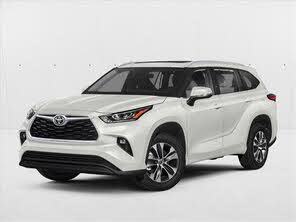
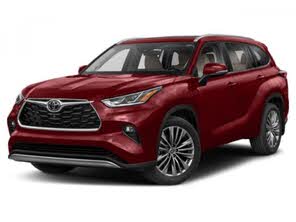
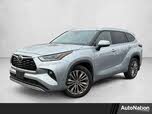
The 2020 Toyota Highlander presented a design that was subtly refined from its predecessor, with a slanted tailgate glass and more pronounced body panel creases. The trapezoidal theme was evident in various elements, including the tailgate's license plate cutout and the grille. While the base L trim had standard headlights, higher trims like the Limited and Platinum boasted projector-beam LED headlights and fog lights. The interior was where the Highlander truly shone, with quality fit and finish, silver-painted accents, and a multi-layered dash featuring an 8-inch touchscreen. The Limited trim offered a three-tone interior with rich textures and padded surfaces, rivaling the Kia Telluride in terms of interior quality.
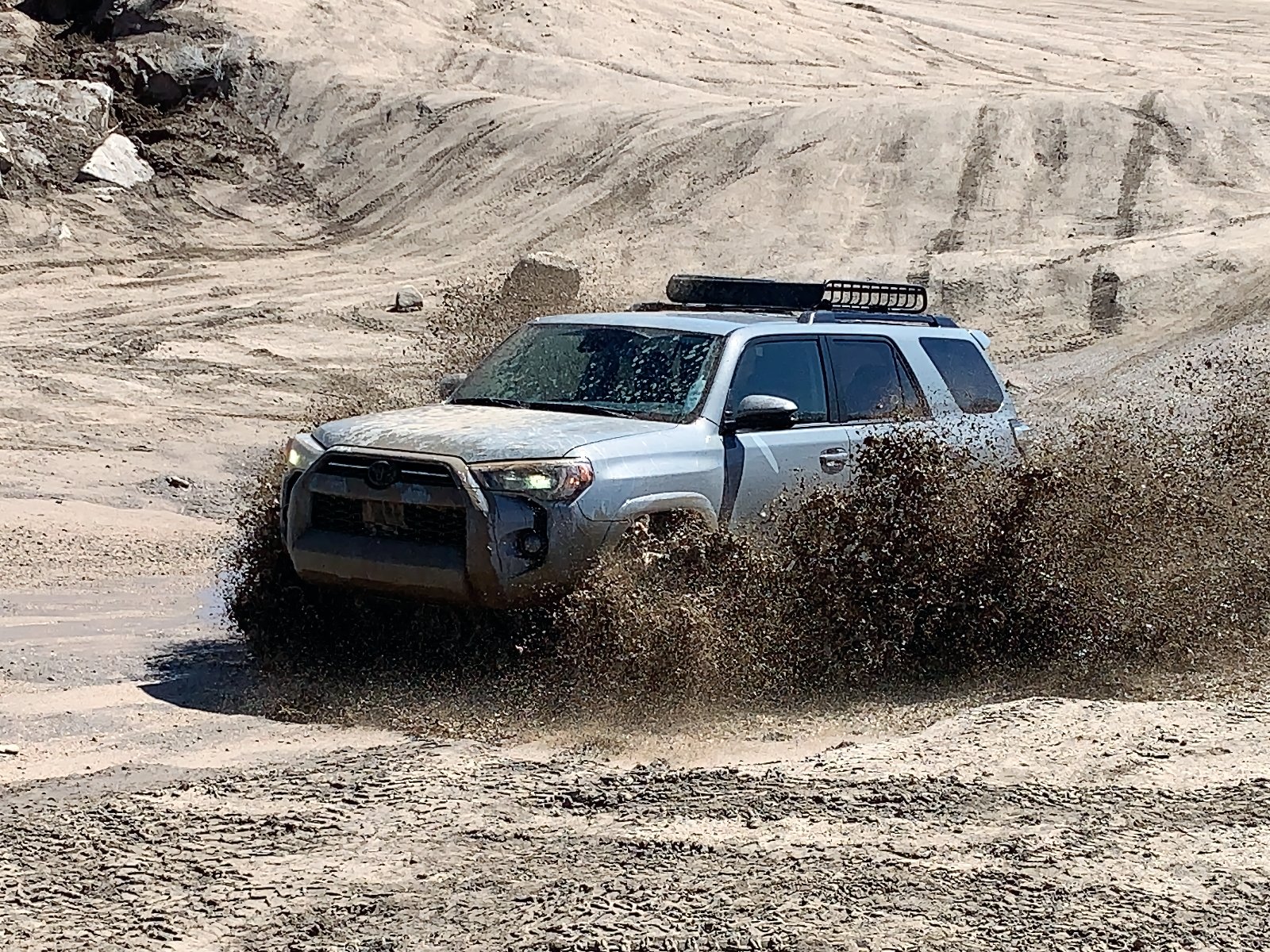
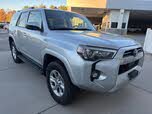
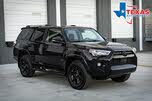
In contrast, the 2021 Toyota 4Runner maintained a design that had remained largely unchanged for over a decade. Its rugged, two-box body with flared fenders and trapezoidal wheel arches exuded timeless utility. The 4Runner's interior was functional, with hard plastic surfaces that were easy to clean. The Trail Special Edition featured black cloth upholstery with tan stitching and a sliding rear cargo tray. While the dashboard was old-school with big knobs and buttons, it provided a straightforward and durable environment. The 4Runner's design was more about practicality and durability than modern aesthetics.


The 2020 Toyota Highlander was equipped with a 3.5-liter V6 engine, delivering 295 horsepower and 263 pound-feet of torque. It offered both front-wheel drive (FWD) and all-wheel drive (AWD) options. The eight-speed automatic transmission made full use of the engine's power, though it required a heavy foot for kickdown. The Highlander's steering was loose, and the suspension was soft, leading to a floaty ride. However, it provided a calm and isolating driving experience, ideal for long road trips. Fuel economy was commendable, with the FWD model achieving 21 mpg city, 29 mpg highway, and 24 mpg combined.
The 2021 Toyota 4Runner, on the other hand, featured a 4.0-liter V6 engine producing 270 horsepower and 278 pound-feet of torque. It came with a five-speed automatic transmission and a part-time 4WD drivetrain. The 4Runner excelled off-road, thanks to its A-Trac traction control system and optional features like a locking rear differential and Crawl Control. However, on pavement, it felt slow and clunky, with heavy steering and brakes. Fuel efficiency was lower, with an EPA rating of 17 mpg combined and 19 mpg highway.
The 2020 Toyota Highlander offered seating for eight or seven with second-row captain's chairs. The second-row seats were versatile, with generous legroom and easy access to the third row. The Highlander featured three-zone climate control, a 120-volt outlet, and ample cargo space, with 16 cubic feet behind the third row and 84 cubic feet with both rows folded. The interior was well-designed, with simple controls and a user-friendly infotainment system.
The 2021 Toyota 4Runner sat high off the ground, which could be challenging for shorter passengers. It provided comfortable seating with good legroom and visibility. The Trail Special Edition included a sliding cargo deck and a spacious cargo area, offering up to 89.7 cubic feet of space with the rear seat folded. The 4Runner's interior was practical, with decent storage and a functional layout.
The 2020 Toyota Highlander's infotainment system felt outdated, with low-resolution screens and a lack of onboard apps. However, it included Apple CarPlay, Android Auto, and Amazon Alexa compatibility. The Limited and Platinum trims featured a 10-inch head-up display and a 7-inch instrument cluster display. Safety features like adaptive cruise control and road sign detection were standard.
The 2021 Toyota 4Runner's Trail Special Edition came with an 8-inch touchscreen infotainment system, offering Bluetooth, Apple CarPlay, Android Auto, and Amazon Alexa compatibility. The premium audio upgrade added dynamic navigation and voice recognition. The system was user-friendly, with physical shortcut buttons and knobs for easy operation.
The 2020 Toyota Highlander came with Toyota Safety Sense 2.0, which included automatic emergency braking, lane-keeping assist, and adaptive cruise control. It received a 2020 Top Safety Pick from the IIHS for its crash test performance and emergency braking capabilities.
The 2021 Toyota 4Runner featured Toyota Safety Sense P, which included adaptive cruise control, forward-collision warning, and lane departure warning. However, it lacked blind-spot monitoring and rear cross-traffic warning. The 4Runner received mixed safety ratings, with a three-star rollover resistance rating from the NHTSA and a "Marginal" rating for driver protection in a small overlap frontal-impact collision from the IIHS.
CarGurus highlights

According to CarGurus experts, the overall rating for the 2020 Toyota Highlander is 7.7 out of 10, while the 2021 Toyota 4Runner scores 6.2 out of 10. Based on these ratings, the 2020 Toyota Highlander is the recommended choice for those seeking a well-rounded and comfortable family SUV with modern features and strong safety credentials.
Choose the 2021 Toyota 4Runner if:
- You need a rugged and capable off-road vehicle with proven durability.
- You prefer a straightforward and practical interior design.
- You require ample cargo space and a versatile cargo deck for outdoor adventures.







Choose the 2020 Toyota Highlander if:
- You prioritize a refined and comfortable interior with high-quality materials.
- You seek a smooth and quiet driving experience with good fuel economy.
- You value advanced safety features and a strong safety rating.






CarGurus highlights
According to CarGurus experts, the overall rating for the 2020 Toyota Highlander is 7.7 out of 10, while the 2021 Toyota 4Runner scores 6.2 out of 10. Based on these ratings, the 2020 Toyota Highlander is the recommended choice for those seeking a well-rounded and comfortable family SUV with modern features and strong safety credentials.
Choose the 2021 Toyota 4Runner if:
Shop Now- You need a rugged and capable off-road vehicle with proven durability.
- You prefer a straightforward and practical interior design.
- You require ample cargo space and a versatile cargo deck for outdoor adventures.








Choose the 2020 Toyota Highlander if:
Shop Now- You prioritize a refined and comfortable interior with high-quality materials.
- You seek a smooth and quiet driving experience with good fuel economy.
- You value advanced safety features and a strong safety rating.





By: CarGurus + AI
At CarGurus, our team of experienced automotive writers remain at the heart of our content operation, conducting hands-on car tests and writing insightful guides that are backed by years of industry experience. To complement this, we are harnessing AI to make our content offering more diverse and more helpful to shoppers than ever. To achieve this, our AI systems are based exclusively on CarGurus content, ratings and data, so that what we produce is both unique to CarGurus, and uniquely helpful to car shoppers.