2020 Honda Pilot vs 2020 Honda CR-V
Overview | |
MSRP$31,650 | MSRP$25,150 |
Listings699 | Listings1672 |
Ratings & Reviews | |
User Reviews | User Reviews |
Expert reviews8.0 out of 10 | Expert reviews7.5 out of 10 |
Pros
Cons
| Pros
Cons
|
2020 Honda Pilot Reviews SummaryThe Honda Pilot was once the leader of the midsize 3-row SUV pack. But several rivals from Hyundai, Kia, and Mazda have caught up to (and in some cases, surpassed) the Pilot. Still, the Pilot offers tons of cargo space, an adult-friendly third row, and an impressive list of standard safety features. But Honda’s choices on driver controls and in-car tech are its biggest shortcomings. Read on to learn how the Pilot stacks up against the competition, and to learn the CarGurus recommended trim. | |
2020 Honda CR-V Reviews SummaryHonda’s compact SUV has been satisfying buyers for more than two decades, with more than five million CR-V’s sold. Such a legacy means the CR-V has long had its wrinkles smoothed out into a comfortable and capable crossover package that’s only downside may be its sheer inoffensiveness. This year’s model gets engine and safety upgrades, which improve fuel economy and help to make Honda’s bestseller an even better value. | |
No video found | No video found |
Popular Features & Specs | |
Engine3.5L 280 hp V6 | Engine1.5L 190 hp I4 |
Drive TrainFWD | Drive TrainFWD |
Seating Capacity8 | Seating Capacity5 |
Horsepower280 hp @ 6000 rpm | Horsepower190 hp @ 5600 rpm |
MPG City19 | MPG City28 |
MPG Highway27 | MPG Highway34 |
Engine | |
Engine Name3.5L 280 hp V6 | Engine Name1.5L 190 hp I4 |
Torque262 lb-ft @ 4700 rpm | Torque179 lb-ft @ 2000 rpm |
Horsepower280 hp @ 6000 rpm | Horsepower190 hp @ 5600 rpm |
DrivetrainFWD | DrivetrainFWD |
Fuel Economy | |
MPG City19 | MPG City28 |
MPG Highway27 | MPG Highway34 |
Interior | |
Seating Capacity8 | Seating Capacity5 |
Safety | |
Front Crash Overall4 | Front Crash Overall5 |
Side Crash Overall5 | Side Crash Overall5 |
Dimensions & Capacity | |
Cargo Space16.5 cu ft | Cargo Space39.2 cu ft |
Curb Weight4036 lbs | Curb Weight3337 lbs |
Height70.6 in | Height66.1 in |
Length196.5 in | Length182.1 in |
Width78.6 in | Width73.0 in |
Wheelbase111.0 in | Wheelbase104.8 in |
Maximum Payload1509 lbs | Maximum Payload1358 lbs |
Number of doors4 | Number of doors4 |
Maximum Towing Capacity3500 lbs | Maximum Towing Capacity1500 lbs |
Overview | ||
MSRP | $31,650 | $25,150 |
Listings | ||
Ratings & Reviews | ||
User reviews | ||
Expert reviews | 8.0 out of 10Read full review | 7.5 out of 10Read full review |
Pros & cons | Pros
Cons
| Pros
Cons
|
Summary | The Honda Pilot was once the leader of the midsize 3-row SUV pack. But several rivals from Hyundai, Kia, and Mazda have caught up to (and in some cases, surpassed) the Pilot. Still, the Pilot offers tons of cargo space, an adult-friendly third row, and an impressive list of standard safety features. But Honda’s choices on driver controls and in-car tech are its biggest shortcomings. Read on to learn how the Pilot stacks up against the competition, and to learn the CarGurus recommended trim. | Honda’s compact SUV has been satisfying buyers for more than two decades, with more than five million CR-V’s sold. Such a legacy means the CR-V has long had its wrinkles smoothed out into a comfortable and capable crossover package that’s only downside may be its sheer inoffensiveness. This year’s model gets engine and safety upgrades, which improve fuel economy and help to make Honda’s bestseller an even better value. |
Video | No video found | No video found |
Popular Features & Specs | ||
Engine | 3.5L 280 hp V6 | 1.5L 190 hp I4 |
Drive Train | FWD | FWD |
Seating Capacity | 8 | 5 |
Horsepower | 280 hp @ 6000 rpm | 190 hp @ 5600 rpm |
MPG City | 19 | 28 |
MPG Highway | 27 | 34 |
Engine | ||
Engine Name | 3.5L 280 hp V6 | 1.5L 190 hp I4 |
Torque | 262 lb-ft @ 4700 rpm | 179 lb-ft @ 2000 rpm |
Horsepower | 280 hp @ 6000 rpm | 190 hp @ 5600 rpm |
Drivetrain | FWD | FWD |
Fuel Economy | ||
MPG City | 19 | 28 |
MPG Highway | 27 | 34 |
Interior | ||
Seating Capacity | 8 | 5 |
Safety | ||
Front Crash Overall | 4 | 5 |
Side Crash Overall | 5 | 5 |
Dimensions & Capacity | ||
Cargo Space | 16.5 cu ft | 39.2 cu ft |
Curb Weight | 4036 lbs | 3337 lbs |
Height | 70.6 in | 66.1 in |
Length | 196.5 in | 182.1 in |
Width | 78.6 in | 73.0 in |
Wheelbase | 111.0 in | 104.8 in |
Maximum Payload | 1509 lbs | 1358 lbs |
Number of doors | 4 | 4 |
Maximum Towing Capacity | 3500 lbs | 1500 lbs |
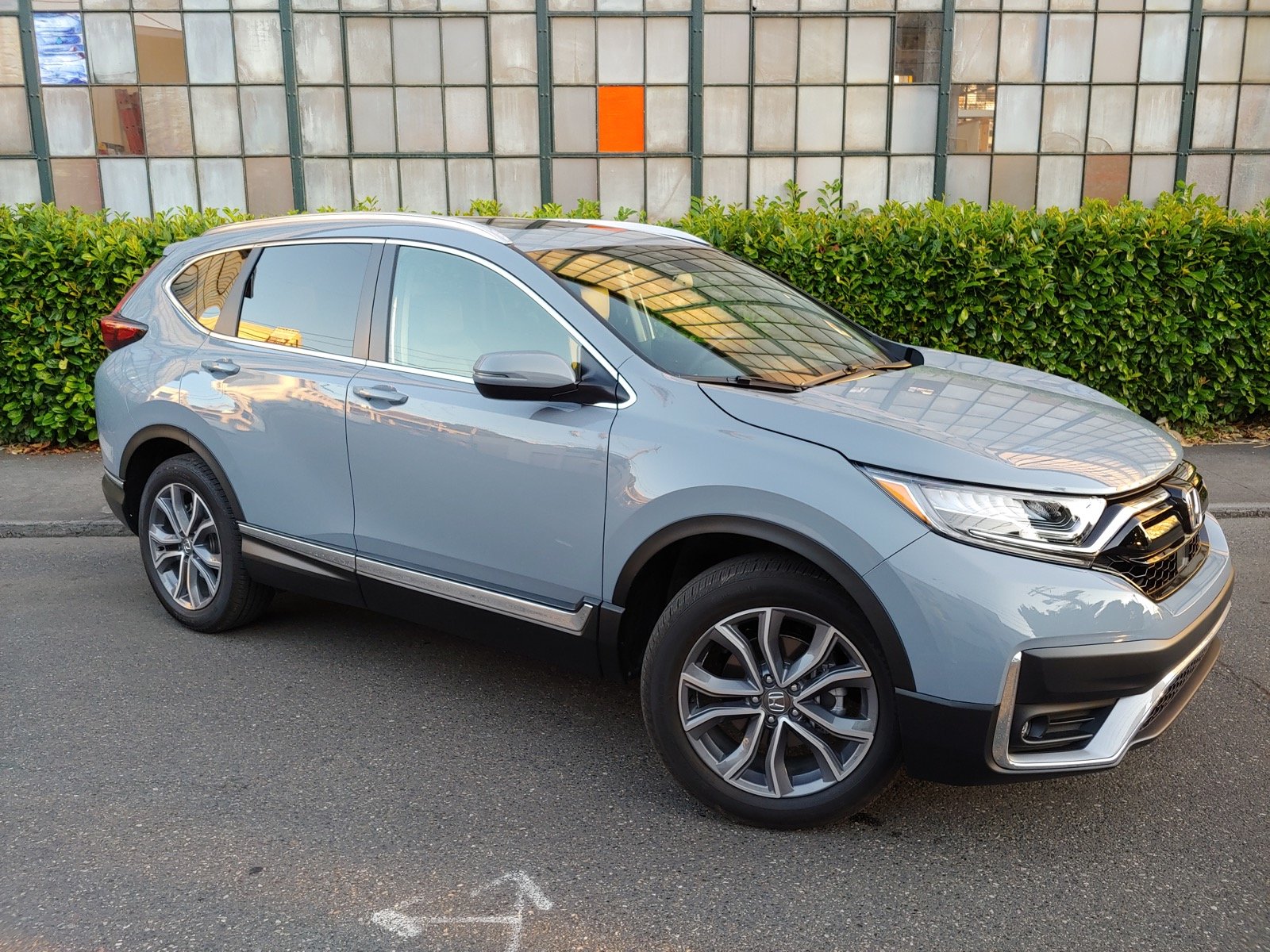
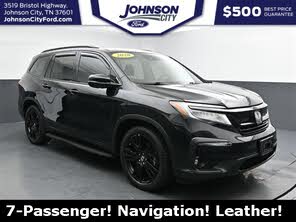
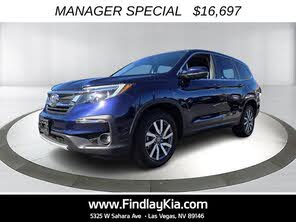
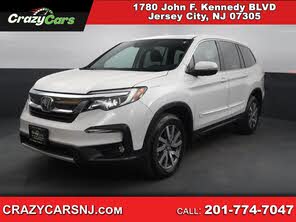
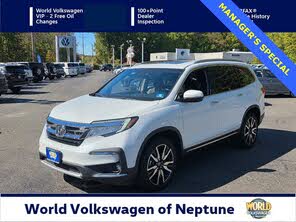
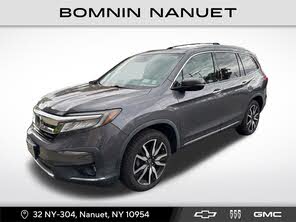
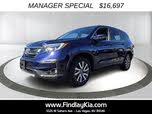
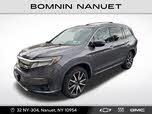
The 2020 Honda Pilot exhibited dynamic styling consistent with the overall Honda lineup. Noteworthy features included thin LED headlights and a multi-tiered grille, complemented by an uptick in the belt-line around the rear side windows, which effectively masked the SUV's actual size, making it appear more svelte.
Inside, the Pilot's cabin was decidedly modern. A semi-digital instrument panel was prominent, with analog gauges for fuel and engine temperature, while other information was displayed on a digital screen. Although comfortable and spacious, the Pilot’s use of hard plastics detracted from its upscale aspirations, especially when compared to rivals like the Kia Telluride, Hyundai Palisade, and Mazda CX-9.
With six trim levels—LX, EX, EX-L, Touring, Elite, and Black Edition—the Pilot offered a broad spectrum of features. The basic LX trim came with 18-inch alloy wheels, remote keyless entry, push-button start, power locks, and power windows with a one-touch driver’s window. The EX trim, recommended by CarGurus, added remote start, Apple CarPlay, Android Auto, LED fog lights, Smart Entry, tri-zone climate control, a 10-way power-adjustable driver’s seat, and heated front seats.
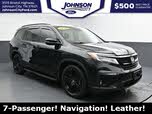
The EX-L trim introduced leather upholstery, a power liftgate, second-row sunshades, and a power moonroof, among other features. Stepping up to the Touring trim meant 20-inch alloy wheels, integrated roof rails, and blue ambient interior lighting. The Elite trim added power-folding side mirrors with turn signals, a massive panoramic sunroof, a heated steering wheel, and ventilated front seats. Lastly, the Black Edition, new for 2020, offered 20-inch black-painted wheels, black exterior paint, along with nearly all the features of the Elite trim.
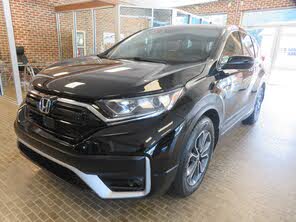
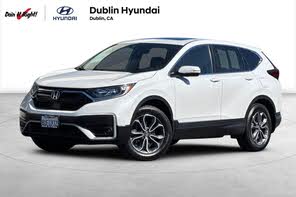
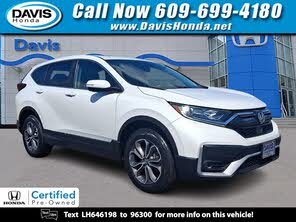
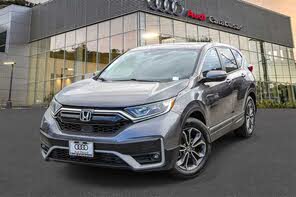
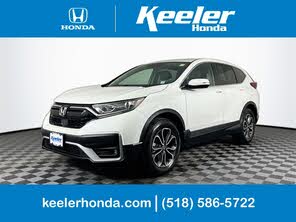
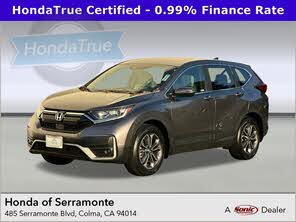
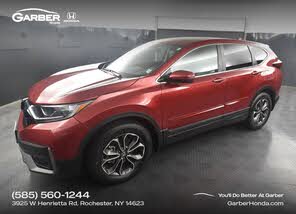
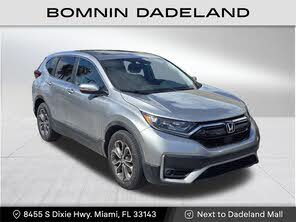
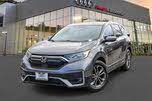
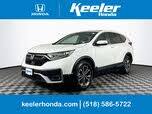
By contrast, the 2020 Honda CR-V’s design was familiar and fun. It continued the soft, curvy lines Honda was known for in its sedans, giving the CR-V a station wagon-like appearance. This generation had been on the market since the 2017 model year and had a family resemblance to other Honda vehicles.
The CR-V’s interior, however, was a mix of textures and materials. Higher trims featured premium touches like wood-look trim and leather upholstery, but these clashed with noticeable low-quality plastics, reminding drivers of the CR-V’s more economical origins.
The CR-V had four trim levels: LX, EX, EX-L, and Touring. Prices started at $26,270 for the base LX, featuring 17-inch alloy wheels and basic fabric seating, progressing to the Touring, which approached the price of some premium competitors at $34,470. Notably, AWD was a $1,500 option across all trims.
Higher trims added 18- or 19-inch wheels, leather seating, and a retractable moonroof—though not the panoramic sunroof offered by some competitors. Roof rails came only on the Touring model, emphasizing the CR-V’s more car-like functionality.


The 2020 Honda Pilot was equipped with a 3.5-liter V6 engine across all trims, producing 280 horsepower and 262 pound-feet of torque. This power was sent to either front wheels or all-wheel drive, depending on the configuration. The LX, EX, and EX-L trims came with a 6-speed automatic transmission, while the Touring, Elite, and Black Edition featured a more refined 9-speed automatic transmission, designed to enhance both acceleration and fuel economy.
Honda’s proprietary shifter button setup replaced a conventional shifter, creating a unique, if somewhat confusing, interface. Regardless of the specific transmission, the V6 provided stout acceleration, capable of handling both city and highway driving with ease. However, the Pilot was tuned more for comfort than sportiness, emphasizing a smooth ride over athleticism.
The Pilot also included an Intelligent Traction Management System, allowing drivers to cycle through Normal, Snow, Mud, and Sand modes. While not designed for serious off-roading, these modes helped in diverse driving conditions.
In contrast, the 2020 Honda CR-V simplified its lineup by standardizing the 1.5-liter turbocharged 4-cylinder engine, producing 190 horsepower and 179 pound-feet of torque. This engine was mated to a continuously variable automatic transmission (CVT), delivering a balanced combination of power and fuel efficiency.
Though some CVTs were known for sluggish response, the CR-V’s CVT was tuned well, offering a credible imitation of a traditional automatic transmission. The CR-V felt quick, particularly in Sport mode, providing nimble handling and a firm yet comfortable ride. Weighing just 3,337 pounds for the FWD LX model, the CR-V’s low curb weight contributed to better acceleration, handling, and fuel economy. AWD models achieved a commendable 29 mpg combined, making them among the most fuel-efficient in their class.
The 2020 Honda Pilot offered a spacious 8-passenger cabin with second-row bench seating, but higher trims like the Touring, Elite, and Black Edition featured second-row captain’s chairs, reducing seating capacity to seven. The Pilot’s third row was notably more adult-friendly compared to some competitors' cramped spaces. The EX trims and higher also provided one-touch fold-down rear seats for easier third-row access.
With both the second and third rows folded, the Pilot offered 83.9 cubic feet of cargo space. While slightly less than some rivals like the Kia Telluride (87 cubic feet) and the Hyundai Palisade (86.4 cubic feet), the Pilot’s capacity was still significant. Additionally, the EX-L and higher trims included a power liftgate, with Touring and above featuring hands-free operation.
The CR-V was masterfully packaged for its class. Despite its compact footprint, it offered ample head and legroom in both the front and rear seats. The seating position and visibility were excellent, enhancing the overall driving experience. The CR-V matched the Volkswagen Tiguan in cargo volume, offering 75.8 cubic feet of space with the rear seats folded.
Innovative storage solutions included a deep center console bin with a sliding cover, accommodating various small items securely. The rear featured a two-position load floor, allowing owners to maximize cargo space or create a flat floor with the 60-40 split rear seats folded. Even the door pockets were spacious, providing plenty of room for everyday items.
The 2020 Honda Pilot’s base LX trim included a 5-inch color LCD screen operating a 215-watt, 7-speaker stereo with Bluetooth connectivity and a USB port. All other trims featured the 8-inch Display Audio touchscreen infotainment system, equipped with Apple CarPlay and Android Auto.
Despite these inclusions, the system was criticized for its overcomplicated interface, relying heavily on touchscreen interactions without sufficient physical buttons, making operations cumbersome. Higher trims also included HD Radio, SiriusXM, and Cabin Control Remote Capability, allowing back seat passengers to control the stereo via a smartphone app—a feature that might not appeal to all parents.
Optional features like navigation and a rear-seat entertainment system were available on EX-L trims and higher. The Touring, Elite, and Black Edition received a 590-watt, 10-speaker premium audio system and mobile hotspot capability, with wireless charging included in the top trims.
The 2020 Honda CR-V also showed its age in the technology arena. The base LX trim had a rather diminutive 5-inch screen, offering basic features like Bluetooth connectivity and Pandora compatibility. Higher trims upgraded to a 7-inch touchscreen, but even this seemed small by modern standards.
The infotainment system itself was frustrating to use, lacking physical buttons and requiring multiple taps to perform basic functions. Apple CarPlay and Android Auto were available only with the larger screen, providing a somewhat subpar experience. While the Touring trim added a wireless phone charger, the overall technology package felt dated compared to competitors.
On the plus side, the CR-V offered plenty of USB ports in the EX trim and higher, with two in the front and two high-powered ports in the backseat, accommodating a variety of devices.
The 2020 Honda Pilot came standard with the HondaSensing suite of driver assistance systems, including forward-collision avoidance, automatic emergency braking, lane-departure warning, adaptive cruise control, and automatic high beams. Standard safety features included front and side-impact airbags, child-seat anchors, Vehicle Stability Assist, and traction control. Optional safety features included front and rear parking sensors and blind-spot monitoring with rear cross-traffic alert.
The Pilot earned a five-star overall crash test rating from the NHTSA and the highest crash test score of Good from the IIHS. In crash prevention technology evaluation, it also scored Superior, thanks to HondaSensing.
Similarly, the 2020 Honda CR-V included the HondaSensing system as standard, even on the base LX trim. This suite offered forward-collision warning with automatic emergency braking and pedestrian detection, road-departure mitigation, and adaptive cruise control with lane-keeping assist. All trims also featured automatic high beams, while EX trims and above added blind-spot monitoring and cross-traffic alert.
The CR-V earned a five-star overall rating from the NHTSA and was designated a Top Safety Pick by the IIHS. However, only the Touring trim received LED headlights, which significantly improved night-time visibility.
CarGurus highlights
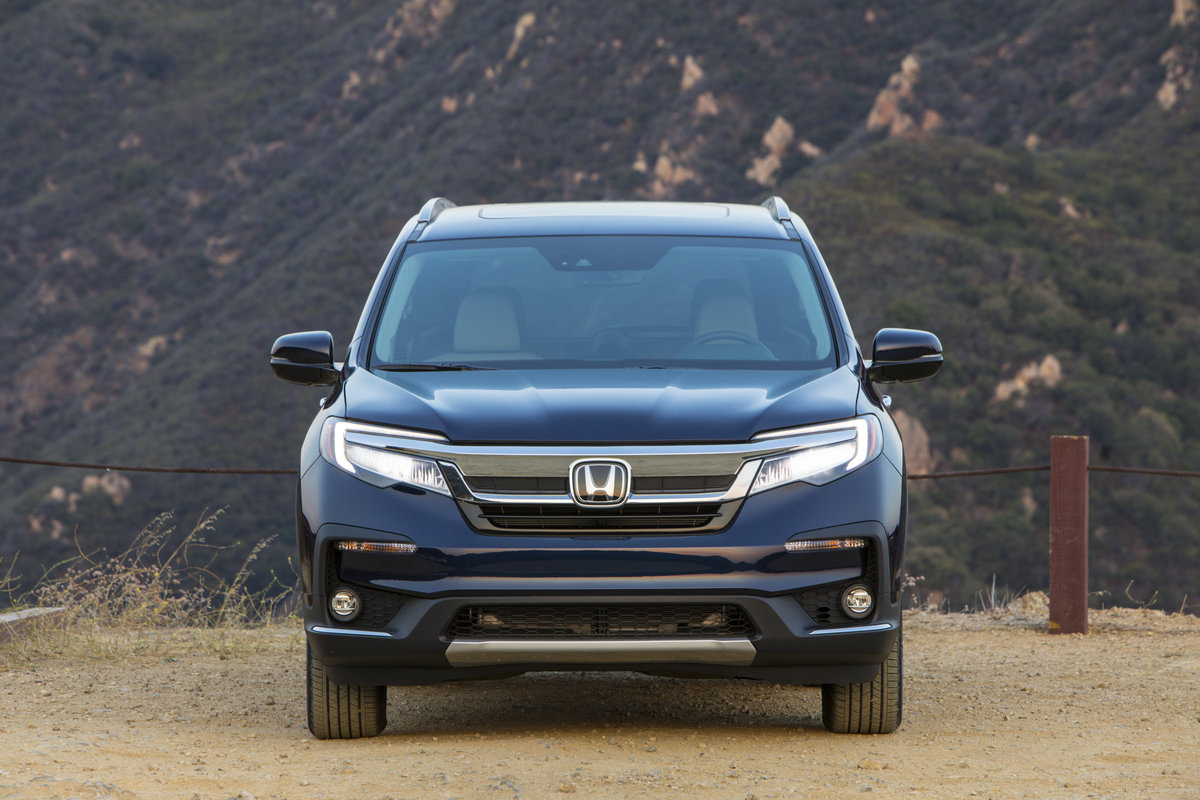
According to CarGurus experts, the overall rating for the 2020 Honda Pilot is 8.0 out of 10, while the 2020 Honda CR-V scores 7.5 out of 10. Although the CR-V is an excellent vehicle for those seeking fuel efficiency and compact maneuverability, the Pilot stands out for its spacious cabin, strong performance, and family-friendly features. Therefore, the 2020 Honda Pilot is the better choice for most consumers.
Choose the 2020 Honda Pilot if:
- You need a spacious, family-friendly SUV with an adult-sized third row.
- You want a powerful V6 engine for better acceleration and towing capacity.
- You prefer a vehicle with comprehensive safety features and high ratings.



Choose the 2020 Honda CR-V if:
- You want a compact SUV with excellent fuel efficiency and nimble handling.
- You need versatile cargo space with innovative storage solutions for daily use.
- You prefer modern safety features as standard across all trims.

CarGurus highlights
According to CarGurus experts, the overall rating for the 2020 Honda Pilot is 8.0 out of 10, while the 2020 Honda CR-V scores 7.5 out of 10. Although the CR-V is an excellent vehicle for those seeking fuel efficiency and compact maneuverability, the Pilot stands out for its spacious cabin, strong performance, and family-friendly features. Therefore, the 2020 Honda Pilot is the better choice for most consumers.
Choose the 2020 Honda Pilot if:
Shop Now- You need a spacious, family-friendly SUV with an adult-sized third row.
- You want a powerful V6 engine for better acceleration and towing capacity.
- You prefer a vehicle with comprehensive safety features and high ratings.






Choose the 2020 Honda CR-V if:
Shop Now- You want a compact SUV with excellent fuel efficiency and nimble handling.
- You need versatile cargo space with innovative storage solutions for daily use.
- You prefer modern safety features as standard across all trims.








By: CarGurus + AI
At CarGurus, our team of experienced automotive writers remain at the heart of our content operation, conducting hands-on car tests and writing insightful guides that are backed by years of industry experience. To complement this, we are harnessing AI to make our content offering more diverse and more helpful to shoppers than ever. To achieve this, our AI systems are based exclusively on CarGurus content, ratings and data, so that what we produce is both unique to CarGurus, and uniquely helpful to car shoppers.