2019 Toyota Prius vs 2019 BMW 3 Series

Overview | |
MSRP$40,250 | MSRP$23,770 |
Listings368 | Listings213 |
Ratings & Reviews | |
User Reviews | User Reviews |
Expert reviews8.2 out of 10 | Expert reviews7.3 out of 10 |
Pros
Cons
| |
2019 BMW 3 Series Reviews SummarySince 1975, the BMW 3 Series has defined what a small, sporty sedan should be. In its seventh generation, the 3 is very much in the zone it created. It’s trim and athletic, handsome yet stoic, and above all, unashamed to raise its premium name on a pedestal. Unfortunately for BMW, lots of other car companies have copied its sport sedan recipe—sometimes for the better, and often for less money. But for 2019, BMW ups its software game like none other. And it helps that the new car surrounding that software is still pretty good. | |
2019 Toyota Prius Reviews SummaryReliable, efficient, affordable, practical, and safe, the 2019 Toyota Prius checks off multiple boxes on a typical car shopper’s list. The latest version is even decent to drive, but the Prius' styling does the car no favors. For 2019, Toyota tries to tone down the design, revises its trim-level strategy, and adds a new electric all-wheel-drive option to the car. | |
Popular Features & Specs | |
Engine2.0L 255 hp I4 | Engine1.8L 121 hp I4 Hybrid |
Drive TrainRWD | Drive TrainFWD |
Seating Capacity5 | Seating Capacity5 |
Horsepower255 hp @ 5000 rpm | Horsepower |
EV Battery Capacity | EV Battery Capacity0.7 kWh |
MPG City26 | MPG City58 |
MPG Highway36 | MPG Highway53 |
Engine | |
Engine Name2.0L 255 hp I4 | Engine Name1.8L 121 hp I4 Hybrid |
Torque295 lb-ft @ 1450 rpm | Torque |
Horsepower255 hp @ 5000 rpm | Horsepower |
DrivetrainRWD | DrivetrainFWD |
Fuel Economy | |
EV Battery Capacity | EV Battery Capacity0.7 kWh |
MPG City26 | MPG City58 |
MPG Highway36 | MPG Highway53 |
Interior | |
Seating Capacity5 | Seating Capacity5 |
Key Features | |
Sunroof/MoonroofStandard | Sunroof/Moonroof |
Safety | |
Front Crash Overall | Front Crash Overall4 |
Side Crash Overall | Side Crash Overall5 |
Dimensions & Capacity | |
Cargo Space13.0 cu ft | Cargo Space27.4 cu ft |
Curb Weight3589 lbs | Curb Weight3010 lbs |
Height56.8 in | Height57.9 in |
Length185.7 in | Length180.0 in |
Width81.4 in | Width69.3 in |
Wheelbase112.2 in | Wheelbase106.3 in |
Maximum Payload | Maximum Payload825 lbs |
Number of doors4 | Number of doors4 |
Overview | ||
MSRP | $40,250 | $23,770 |
Listings | ||
Ratings & Reviews | ||
User reviews | ||
Expert reviews | 8.2 out of 10Read full review | 7.3 out of 10Read full review |
Pros & cons | Pros
Cons
| |
Summary | Since 1975, the BMW 3 Series has defined what a small, sporty sedan should be. In its seventh generation, the 3 is very much in the zone it created. It’s trim and athletic, handsome yet stoic, and above all, unashamed to raise its premium name on a pedestal. Unfortunately for BMW, lots of other car companies have copied its sport sedan recipe—sometimes for the better, and often for less money. But for 2019, BMW ups its software game like none other. And it helps that the new car surrounding that software is still pretty good. | Reliable, efficient, affordable, practical, and safe, the 2019 Toyota Prius checks off multiple boxes on a typical car shopper’s list. The latest version is even decent to drive, but the Prius' styling does the car no favors. For 2019, Toyota tries to tone down the design, revises its trim-level strategy, and adds a new electric all-wheel-drive option to the car. |
Video | ||
Popular Features & Specs | ||
Engine | 2.0L 255 hp I4 | 1.8L 121 hp I4 Hybrid |
Drive Train | RWD | FWD |
Seating Capacity | 5 | 5 |
Horsepower | 255 hp @ 5000 rpm | |
EV Battery Capacity | 0.7 kWh | |
MPG City | 26 | 58 |
MPG Highway | 36 | 53 |
Engine | ||
Engine Name | 2.0L 255 hp I4 | 1.8L 121 hp I4 Hybrid |
Torque | 295 lb-ft @ 1450 rpm | |
Horsepower | 255 hp @ 5000 rpm | |
Drivetrain | RWD | FWD |
Fuel Economy | ||
EV Battery Capacity | 0.7 kWh | |
MPG City | 26 | 58 |
MPG Highway | 36 | 53 |
Interior | ||
Seating Capacity | 5 | 5 |
Key Features | ||
Sunroof/Moonroof | Standard | |
Safety | ||
Front Crash Overall | 4 | |
Side Crash Overall | 5 | |
Dimensions & Capacity | ||
Cargo Space | 13.0 cu ft | 27.4 cu ft |
Curb Weight | 3589 lbs | 3010 lbs |
Height | 56.8 in | 57.9 in |
Length | 185.7 in | 180.0 in |
Width | 81.4 in | 69.3 in |
Wheelbase | 112.2 in | 106.3 in |
Maximum Payload | 825 lbs | |
Number of doors | 4 | 4 |
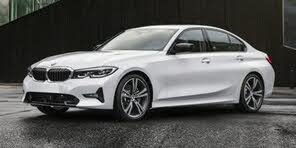
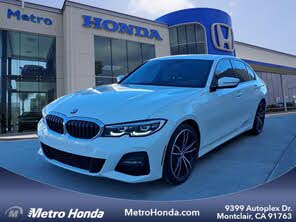
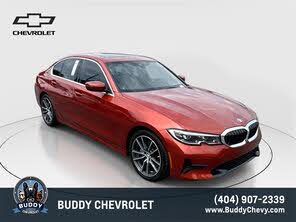
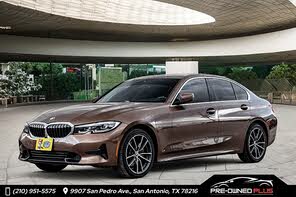
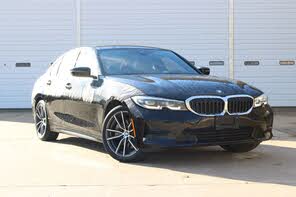
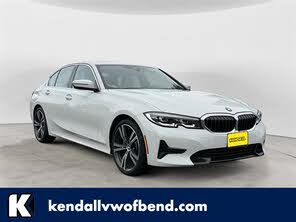
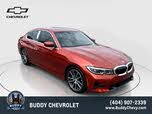
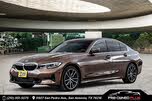
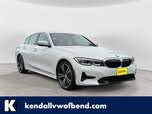
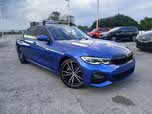
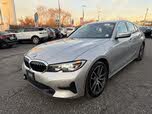
The 2019 BMW 3 Series maintained its evolutionary design approach, avoiding radical changes and sticking to a classic, timeless look. It was slightly longer and wider than its predecessors, yet retained a compact footprint, making it easy to park and maneuver. The design featured subtle changes, such as the removal of the Hoffmeister kink on the rear doors, but overall, it adhered to the sport sedan design principles with a low hood, short overhangs, and a ground-hugging stance. The front was unmistakably BMW, with LED running lamps and a refined kidney grille. Inside, the 3 Series kept its driver-focused layout, with a digital instrument panel and an optional wireless charging pad. While the interior materials were somewhat coarse, the fit and finish were top-notch.
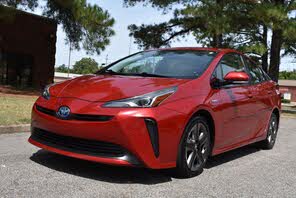
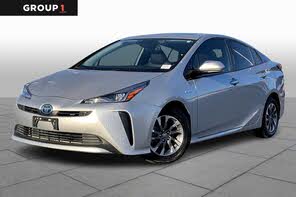
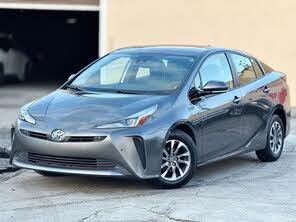
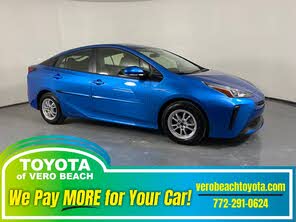
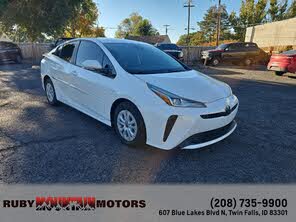
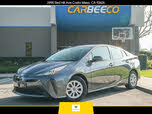
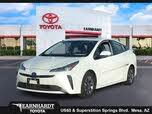
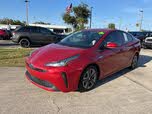
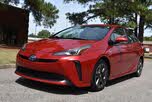
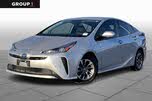
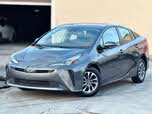
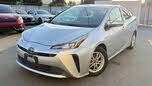
In contrast, the 2019 Toyota Prius had a more polarizing design, with its boomerang-shaped profile and hatchback style. The fourth-generation Prius aimed for an extroverted look, which some argued might have impacted its sales. Despite its unconventional exterior, the Prius offered a practical solution for daily driving. The 2019 lineup included various trims, with the XLE AWD model featuring a new Electric Storm Blue color and an Advanced Technology Package. The interior had a centralized control layout, with a digital instrumentation strip and a joystick-style gear selector. While the design was offbeat, it functioned well, though the gloss black trim attracted dust. The Prius was known for its practicality and efficiency, making it a reliable choice for those seeking a no-nonsense daily driver.


The 2019 BMW 3 Series, particularly the 330i xDrive, was a testament to BMW's engineering prowess. It featured a 2.0-liter turbocharged inline-4 engine, delivering 255 horsepower and 295 pound-feet of torque. This engine was praised for its smoothness and power, although it had some turbo lag at low speeds. The 8-speed automatic transmission provided perfect shifts, making it ideal for commuters. The M Sport package added a lower suspension, variable-ratio steering, and a widened body kit, enhancing its performance on backroads. The 3 Series offered a quiet ride, with fuel economy rated at 25 mpg city and 34 mpg highway for the xDrive model. The M340i variant, with a twin-turbo 6-cylinder engine, promised near-M3 performance with 382 hp and 369 lb-ft of torque.
The 2019 Toyota Prius combined a 1.8-liter 4-cylinder gasoline engine with an electric motor, producing a total of 121 horsepower. The optional AWD-e system added a rear electric motor, providing extra traction at low speeds. While AWD-e reduced fuel economy slightly, the standard front-drive Prius achieved an impressive 52 mpg combined. The Prius featured a CVT, offering smooth power delivery, and its driving dynamics were surprisingly enjoyable. The Prius excelled in urban environments, with quiet operation in EV mode and decent handling. It was a practical choice for those seeking efficiency and ease of use, with the ability to drive long distances without frequent refueling.
The 2019 BMW 3 Series offered a comfortable interior with slightly improved backseat legroom. It accommodated four passengers comfortably, with 17 cubic feet of trunk space for luggage. The seats were firm yet supportive, and visibility was excellent. The infotainment system was intuitive, with a touchscreen and a rotary controller. The climate controls were user-friendly, and USB-C ports were available for connectivity.
The 2019 Toyota Prius surprised many with its roomy interior, comfortably seating four adults. The driver's seat had manual height adjustment, while the front passenger seat sat high off the floor. Rear passengers enjoyed good thigh support, though air conditioning vents were absent. The Prius offered up to 27.4 cubic feet of cargo space, comparable to small SUVs. The hatchback design made it versatile for carrying larger items, and the AWD-e version provided an alternative to crossovers for light off-road use.
The 2019 BMW 3 Series was packed with technology, though many features required subscription fees. The iDrive system was highly customizable, with live info tiles and over-the-air updates. The navigation system adapted to driving habits, and a digital key option was available. Gesture control allowed for hands-free operation, though it was sometimes unreliable. The Driving Assistance Professional Package offered advanced features like automatic steering and Traffic Jam Assist, enhancing the driving experience.
The 2019 Toyota Prius, particularly in the Limited trim, featured an impressive infotainment system with an 11.6-inch touchscreen, navigation, and a premium JBL sound system. However, the XLE AWD-e model had a more basic setup with a 6.1-inch screen and Bluetooth. The Prius lacked Apple CarPlay and Android Auto, but it offered wireless smartphone charging. The instrumentation was a mix of modern and outdated displays, and the Advanced Technology Package included a head-up display and adaptive headlights.
The 2019 BMW 3 Series earned a Top Safety Pick+ rating from the IIHS, with top scores in crash tests and high ratings for its laser headlights and forward emergency braking. Standard safety features included pedestrian detection, while options like blind-spot monitoring and adaptive cruise control enhanced safety further.
The 2019 Toyota Prius came with standard Toyota Safety Sense, offering adaptive cruise control, forward-collision warning, and lane-keeping assist. The LE trim added blind-spot monitoring and rear cross-traffic alert. The Prius received a 5-star rating from the NHTSA, though front passenger protection was rated 4 stars. The IIHS awarded it a Top Safety Pick rating, with some areas rated as Acceptable.
CarGurus highlights
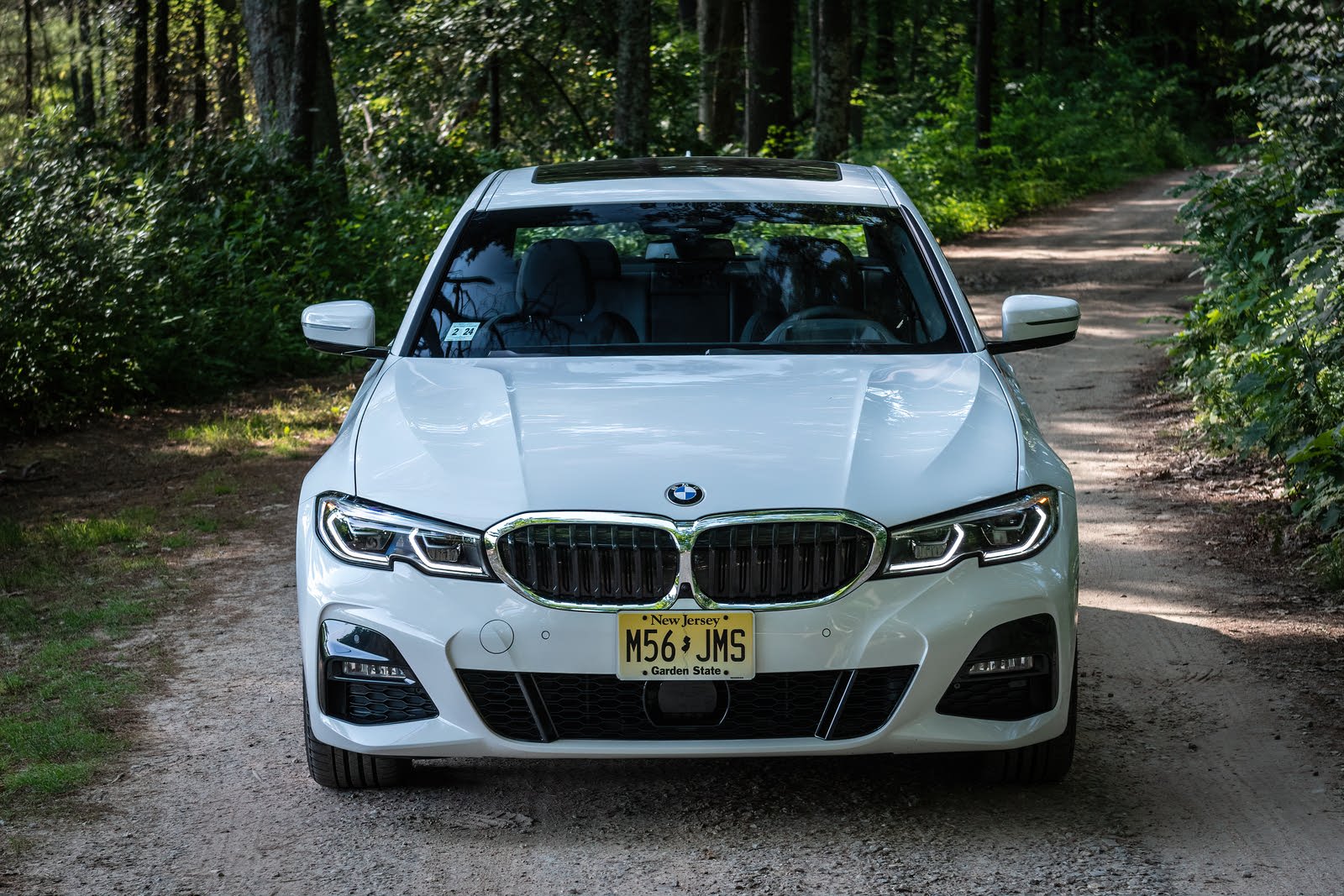
According to CarGurus experts, the overall rating for the 2019 BMW 3 Series is 8.2 out of 10, while the 2019 Toyota Prius scores 7.3 out of 10. Based on these ratings, the BMW 3 Series is the recommended choice for those seeking a blend of performance, luxury, and advanced technology. However, the Toyota Prius remains a strong contender for those prioritizing efficiency and practicality.
Choose the 2019 Toyota Prius if:
- You prioritize fuel efficiency and low running costs for long-distance driving without frequent refueling.
- You need a spacious and practical interior with versatile cargo space for everyday use.
- You value standard safety features and a reliable, no-nonsense driving experience.


Choose the 2019 BMW 3 Series if:
- You prioritize performance and driving dynamics with a powerful engine and advanced handling features.
- You value a luxurious interior with intuitive technology and customizable infotainment options.
- You seek top safety ratings and advanced driver-assistance features for peace of mind.



CarGurus highlights
According to CarGurus experts, the overall rating for the 2019 BMW 3 Series is 8.2 out of 10, while the 2019 Toyota Prius scores 7.3 out of 10. Based on these ratings, the BMW 3 Series is the recommended choice for those seeking a blend of performance, luxury, and advanced technology. However, the Toyota Prius remains a strong contender for those prioritizing efficiency and practicality.
Choose the 2019 Toyota Prius if:
Shop Now- You prioritize fuel efficiency and low running costs for long-distance driving without frequent refueling.
- You need a spacious and practical interior with versatile cargo space for everyday use.
- You value standard safety features and a reliable, no-nonsense driving experience.



Choose the 2019 BMW 3 Series if:
Shop Now- You prioritize performance and driving dynamics with a powerful engine and advanced handling features.
- You value a luxurious interior with intuitive technology and customizable infotainment options.
- You seek top safety ratings and advanced driver-assistance features for peace of mind.





By: CarGurus + AI
At CarGurus, our team of experienced automotive writers remain at the heart of our content operation, conducting hands-on car tests and writing insightful guides that are backed by years of industry experience. To complement this, we are harnessing AI to make our content offering more diverse and more helpful to shoppers than ever. To achieve this, our AI systems are based exclusively on CarGurus content, ratings and data, so that what we produce is both unique to CarGurus, and uniquely helpful to car shoppers.