You have multiple choices when deciding where to buy a car: huge franchise dealerships, independently operated dealerships, and even private listings. Each option has its benefits, and any of them could make sense for you—depending on the vehicle, the price, and the sales experience you want.
Buy Used Cars Online with CarGurus
A Franchise Dealership
An Independent Used Car Dealership
Private Party Sellers
Online Classified Listings
Other Online Car-Buying Sites
Buy Used Cars Online with CarGurus
CarGurus can help make your search for a used vehicle easier. You can search for cars by make and model, body style (sedan, SUV, hatchbacks, minivans, coupes etc.), and pricing with the CarGurus Used Car search engine. Search results will include both CarGurus Instant Market Value analysis and will be automatically ranked by our deal rating. Cargurus does most of the work for you, so you don’t have to sift through endless pages of listings. We also have car reviews to help narrow down your list.
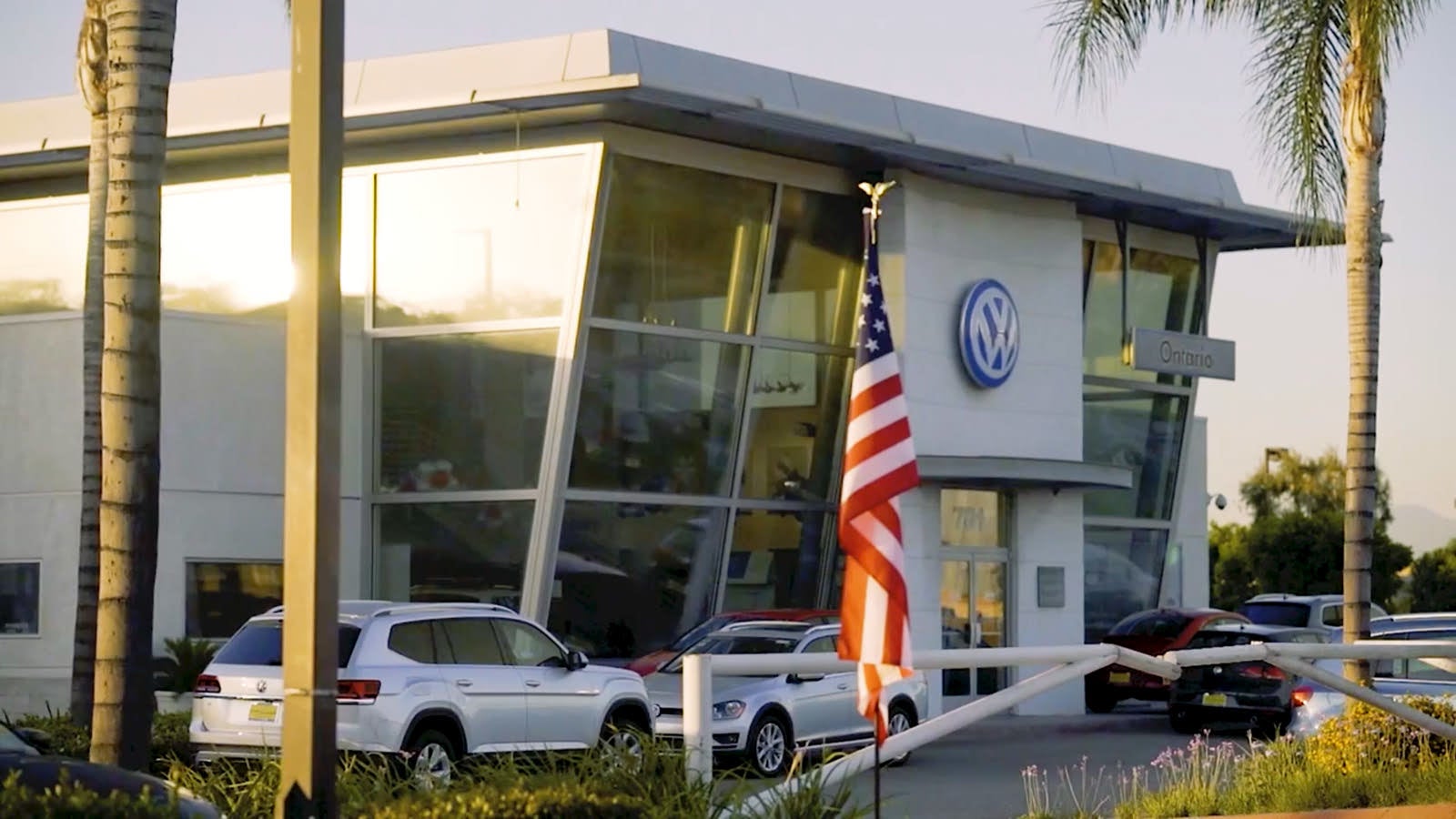
A Franchise Dealership
Franchise dealerships are the main option for new vehicles, but they also move a significant amount of used cars. According to the National Automotive Dealers Association, the United States is home to more than 16,800 franchise dealerships.
The biggest advantage to buying from a franchise dealership is its connection to the manufacturer, which can pay dividends for servicing vehicles. In-house mechanics at franchise dealerships will know all an automaker’s cars well, and you can easily get quality parts directly from the manufacturer. Roll up at a Toyota dealership, for example, and you can be sure the staff will know any Camry, Corolla, Prius, Sienna, or RAV4 inside out.
You’re probably familiar with more than a few franchise car dealerships in your area, perhaps thanks to their often-substantial advertising budgets. Dealerships make money in a few ways to cover all their costs (including promotional expenses). As a result, you can easily pay more there than you would anywhere else, and that’s before the taxes and fees that are part of most car purchases.
It’s always wise to research financing options at various banks and credit unions before walking into a dealership. If you’re planning to finance your vehicle in-house, however, a franchise dealership may or may not work for you, depending on your credit score. The finance arm or affiliated lender of a large franchise dealership may be risk-averse, meaning it’s not willing to set up a monthly payment scheme for those with a poor or unestablished credit history. Those shoppers may be better off choosing a different option.
If you do chose to buy from a franchise dealership, keep in mind that the dealer may be happy to throw in tune-ups, oil changes, and more to close a sale. Don’t forget to ask!
Certified Pre-Owned (CPO) Cars
Franchised dealerships also offer certified pre-owned (CPO) vehicles. These are used cars for sale that have been inspected and verified by dealers to meet certain standards. While dealerships may have their own CPO programs, it’s best to look for factory-certified cars, which meet standards set by the original manufacturer that are generally more thorough than dealership CPOs.
In addition to the peace of mind that comes with a higher-quality pre-owned vehicle, CPO cars are typically backed with their own warranties. As with new cars sold at a franchise dealership, CPO cars can be bought via dealer or manufacturer finance programs, and if your credit score meets their standards, you might want to consider using your existing car as a trade-in for a downpayment on your new one.
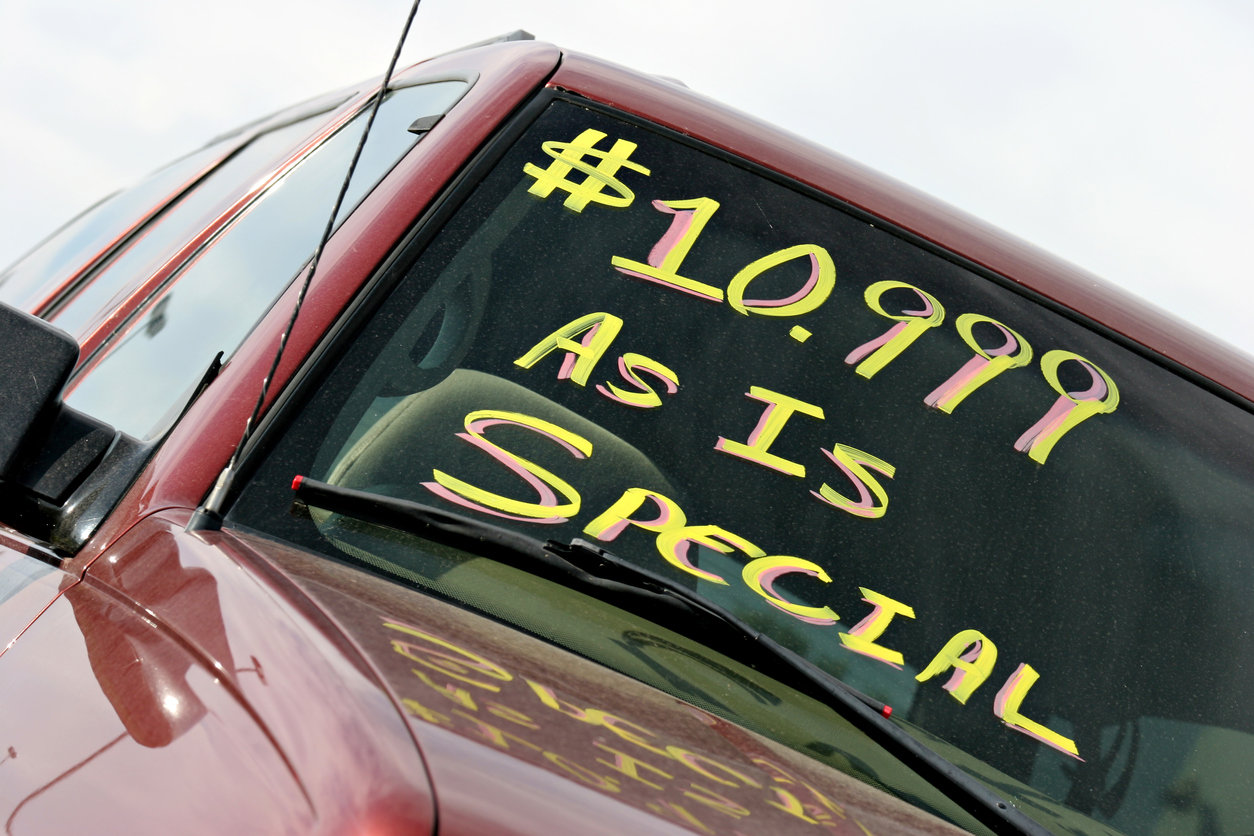
An Independent Dealership
Independent car dealerships have no affiliation with a car manufacturer. These dealerships can range in size, from small mom-and-pop stores to nationwide businesses, such as CarMax. It’s easy to tell a franchise dealership from an independent operation: just look to see if there’s a car brand’s name within the dealer’s name. If there’s no “Ford,” “Toyota,” etc., you’re almost certainly dealing with an independent operation.
Independent car dealers specialize in used car sales, but that’s not the only reason these businesses can be a good option for price-conscious car shoppers. The sales process at these dealerships is often more negotiation heavy, though some well-known larger retailers (CarMax, in particular) promote “no-haggle” pricing.
While that likely sounds good to the negotiation-averse, asking a few simple questions can help you can get the best price possible with any car purchase. Negotiating doesn’t have to be an exhausting experience—though trying to haggle at a “no-haggle” location may be. Knowing a dealer’s policy on this before visiting will ensure you get the experience (and price) you want.
Of course, you can purchase used cars from franchise dealerships as well, and independent dealers won’t be able to provide manufacturer CPO cars. With any used car purchase—from any type of dealership—test drive and get an independent mechanic to inspect it to avoid ending up with a lemon. This may help ease any concerns you have about buying from an independent dealer, especially if the price is simply too good to pass up.
Private Sellers
Private sellers are people just like you: individuals who just want to get the most bang for their buck. Even with that in mind, cars for sale from private sellers are often less expensive than they would be from a dealership because they don't have to pay employees.
Naturally, you'll find more options shopping at dealerships than if you limit your search to include only private listings. Hunting for the right car—then dealing with an individual to buy it—may be more of a headache than you’d like. The same could be said for the procedural hurdles of going with a private seller. For these purchases, you’ll not only have to handle the sales paperwork independently, but you could also run into complications if the car is coming from out of state or has a lien on the title.
Such complications are hardly deal-breakers, though. If you don’t mind the additional work, and you don’t need a car right away, watching and waiting out the private resale market could help you get the best deal possible. Fortunately, online marketplaces, including CarGurus, make it easier than ever for you to find and connect with private sellers near you and further afield.
Online Classified Listings
If you’re comfortable buying a car through a private seller, online classified listings at sites such as eBay Motors, Craigslist, and Facebook Marketplace are worth a look, as people often list their used cars alongside the furniture, clothing, and other random items that end up in online classified listings. The amount of detail in these listings can vary, meaning you might need to do a bit of extra research and track down a vehicle history report. But if the specific used car you’re looking for pops up, they can be a good way to get a deal on a vehicle that might not be getting the same amount of attention it would on a dedicated car-buying site. The level of accessibility means you can look up multiple cars from muliple different sellers, too.
Other Online Car-Buying Sites
We think you’ll enjoy the buying experience on CarGurus, but if you don’t find what you’re looking for, there are other options for used car shopping. These are some of the best used car websites.
AutoTrader
AutoTrader has extensive used car listings and the ability to filter them not only by year, make, model, and body style, but also by fuel economy and specific features.
Cars.com
Cars.com has listings for both CPO and non-CPO cars, and includes search parameters such as powertrain, transmission, and even color. It’s connected to dealerships, serving as an online platform for dealers selling used cars.
Carvana
Best known for its car vending machines, Carvana differs from most other car buying websites in that it actually sells cars it lists, rather than connecting shoppers with sellers. Carvana inspects and certifies cars it sells, and offers home delivery in some areas.
Edmunds
Edmunds primarily focuses on new-car buying advice, but also has nationwide used car listings, including both CPO and non-CPO cars, with tools that rate deals and show how long a car has been sitting on a dealership’s lot.
The Bottom Line
When deciding where to buy a car, look for a retailer that matches your goals. Want a relatively “safe” purchase or a new car? Opt for a franchise dealership with good reviews and fair pricing. All about the bottom line? A private seller may provide the lowest price—but with a few extra steps. An independent dealership can split the difference for a used car. However, no matter where you decide to buy your next car, always have it inspected by an independent mechanic first.


