We live in an age of brilliant technology and nowhere is this more prevalent than in our cars. Yes, there’s dazzling tech like navigation and smartphone connectivity, but some of the greatest recent advances have been in car safety.
Cars, pickup trucks, and SUVs today employ advanced safety features that you might be unfamiliar with if you drive an older vehicle, or are adjusting to if you have a new one. If you have a new vehicle equipped with these safety features and have gotten used to them, maybe they’ve saved your bacon (or someone else’s).
The Best Car Safety Features in 2025
- What Are Advanced Driver Safety Systems? (ADAS)
- Top 10 Advanced Car Safety Features
- 1. Brake Assist, Pre-Collision Throttle Management
- 2. Pedestrian Detection and Avoidance
- 3. Forward Collision Warning and Mitigation
- 4. Front and Rear Cross-Traffic Collision Avoidance
- 5. Blind-Spot Warning and Mitigation
- 6. Lane-Keep Assist and Lane-Departure Warning
- 7. Adaptive Cruise Control
- 8. Traffic Sign Recognition and Speed Warning
- 9. 360-Degree Camera
- 10. Rear Occupant Alert
- How To Ensure Your New Car Has the Best Car Safety Features

What Are Advanced Driver Safety Systems? (ADAS)
There are many vehicle safety features that are widely standard on most new cars and used cars, such as airbags, seatbelts, antilock brakes, electronic stability control, and backup cameras and these are vital to driver and passenger safety. Advanced driver safety systems (ADAS) take things a step further and use even more sophisticated technology such as cameras, sonar, radar, and lidar – working both independently and together – to warn drivers and activate brake-assist and pre-collision features if necessary. These use the car's brake, engine management and steering functions to try and avoid a collision happening in the first place.
And nowadays safety isn't an option – automakers have to adhere to certain laws and requirements for cars to be on the road. While you may think of them in the context of their crash tests and safety ratings, the Insurance Institute for Highway Safety (IIHS) and the National Highway Traffic Safety Administration (NHTSA) test vehicles and make recommendations about the systems that should be required for all new vehicles out on the road.
Top 10 Advanced Car Safety Features
Read on to learn about ten of the best car safety features. Remember, crash avoidance is the number one goal, so many of these systems work to prevent a crash. And if they can’t prevent one, they work to minimize the damage, so most of these systems fall into the driver assistance category.

1. Brake Assist, Pre-Collision Throttle Management
This system, also known as automatic emergency braking (AEB), works to apply the brakes when the system senses the driver isn’t acting quick enough. The brakes are applied when sensors like sonar and/or cameras detect a vehicle in front of you that is moving slower or is at a stop. Brake assist and throttle management systems are a foundation of other more dynamic safety features in today’s vehicles.

2. Pedestrian Detection and Avoidance
This brake assist function works to monitor the space around your car to warn you that there is a pedestrian in your path. Some systems also detect cyclists and animals ahead. This type of system will sound a warning and, if equipped, will apply the brakes if the driver does not take corrective action. Be aware that the system in many cars is a camera-based system and know that at night it’s less effective than systems that use radar.
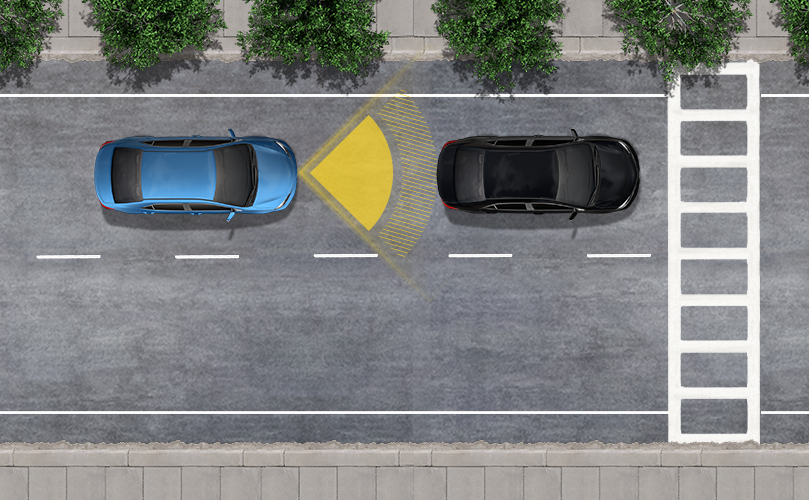
3. Forward Collision Warning and Mitigation
Forward Collision Warning will monitor the traffic in front of you and warn you if you’re not stopping. If you don’t respond by applying the brakes, the vehicle will employ a brake assist system and/or a throttle management system to minimize the impact of the collision or prevent it altogether. Sometimes the system will act without first issuing the warning.
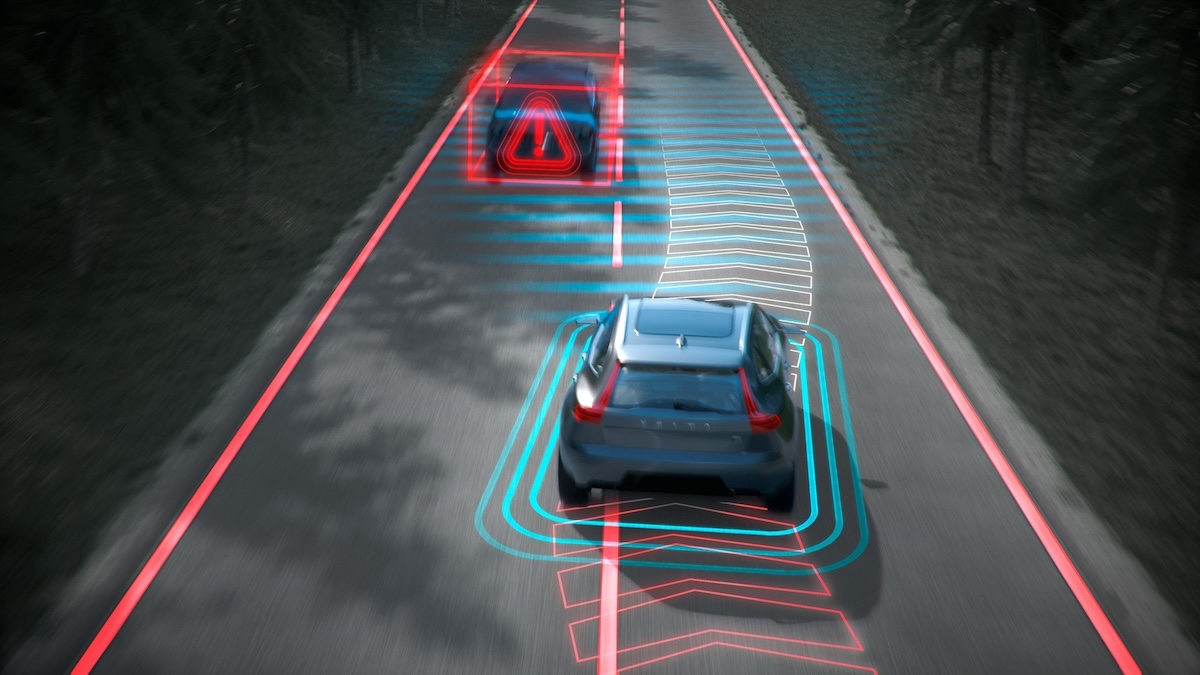
4. Front and Rear Cross-Traffic Collision Avoidance
This system works to avoid collisions with oncoming traffic, like in a left-turn or reversing out of a driveway or parking spot. When reversing, it’s tricky to see a car coming and sometimes we can check multiple times but a quick-moving vehicle can seem to come out of nowhere. A rear cross-traffic alert will let you know that your path isn’t clear, and if your car is equipped with a braking system, the car will apply the brakes.
When driving out on the road, it’s especially tough to make a left-hand turn when a car on the opposite side of the road is also making a left turn. The cameras and radars in your system will look for traffic coming from the other direction and warn you if you’re about to turn into an oncoming vehicle.

5. Blind-Spot Warning and Mitigation
Blind spot warning systems were some of the first active safety systems and today they are more common than ever. These days many systems will just have a little lamp that lights up (usually orange) in the rear-view mirror or side mirror if someone is in the lane next to you. If you attempt to move into that lane an alarm will sound and usually that little lamp will blink more aggressively or even turn red.
If your car is equipped with a mitigation system, the car will take corrective action via the steering to make sure you don’t collide with the car in your blind spot. Genesis and Hyundai employ the cameras on their side-view mirrors to actually display the blind spot in your instrument cluster when the turn signal is activated.

6. Lane-Keep Assist and Lane-Departure Warning
A lane-keep assist system works similarly to a blind-spot monitoring system. When driving, the system monitors the lines on the road. If you drive close to a dotted line without having the turn signal engaged, the system will take corrective steering to keep you in your lane. If you drift toward a solid line the system will steer the car away from it, no turn signal needed. The lane-centering systems can take some getting used to, as sometimes the car, truck, or SUV is centered a bit close to those lines.

7. Adaptive Cruise Control
Adaptive cruise control is an early system that today operates in conjunction with other systems. Turn on adaptive cruise control and not only can you set the speed at which you’re traveling, you can set how close or far you get to any vehicles in front of you. When the sensors detect you are within a preset distance (usually measured in car lengths) the car will automatically slow down.
Often adaptive cruise control will partner with lane-keep assist programs and automatic lane-change systems to ensure there is a safe distance between you and other cars to change lanes.

8. Traffic Sign Recognition and Speed Warning
This is a simple piece of technology designed to help you drive safely. In addition to reading other road signs, the traffic sign recognition system uses sensors and cameras to read speed limit signs and post that speed in a display either in the instrument cluster or in the multimedia navigation system to keep you updated on the speed limit.
If equipped, the system will warn you that you’re going too fast, typically by sounding a tone or having the icon flash red when you’ve gone over the posted limit. This type of system is usually configurable in the car’s settings, so you can program when you get the alert and how you get it, either visually, by sound, or both. Whether you’re driving in low-speed zones or highways, the speed limit sign recognition system can help keep that lead foot of yours off the accelerator.

9. 360-Degree Camera
Many of us have a rearview camera that shows the view out the rear of our vehicle. Sometimes the view on the display in our car even shows guidelines for reversing safely. But 360-degree cameras (or surround-view cameras) show a bird’s-eye view of your vehicle so you can be mindful of people, other cars, curbs or parking blocks out the front and sides of your vehicle as well. Additionally, many of these cameras can be activated while driving forward so they can be used during off-roading or parallel parking. Sometimes, these cameras assist with other systems like blind-spot warning and park-assist systems.

10. Rear Occupant Alert
Not all traffic incidents happen out on the road. Leaving a child in the rear seat is not uncommon. Tired parents or caregivers sometimes go on autopilot when heading to work in the mornings and forget to drop their child at daycare or school. This system triggers when the car is parked, and uses weight sensors to alert drivers that someone is in the rear seat. There is a warning display that pops up in the instrument cluster and sounds an alarm as well. These days, apps that pair with your car can be set up to send an alarm to your phone if you wander away from your car and there is still someone or something on that sensor.

How To Ensure Your New Car Has the Best Car Safety Features
Not all of these systems are standard equipment, so if you are car shopping and want to consider the safest cars for your new vehicle, be sure to check the sticker or ask of those features are present in the car you’re considering.
The level of standard safety features you get with a car varies depending on the make and model, and while brands such as Audi, Mercedes-Benz, Nissan, Toyota and Volvo generally include a lot of advanced safety tech with their latest cars, these systems can sometimes be part of an option package. If you’re purchasing a used car, it’s smart to ask the previous owner what safety systems are in the car or SUV. Or do your homework ahead of time to know what trim levels of the car you’re interested in have which systems.
Be sure you know if the systems simply employ a warning or also incorporate mitigation for the safest setup. It is often worth the extra cost to know that there are extra systems in place to help us if we are in a situation with difficult visibility, increased driver distraction, and crazy drivers, even if those crazy drivers are us.


