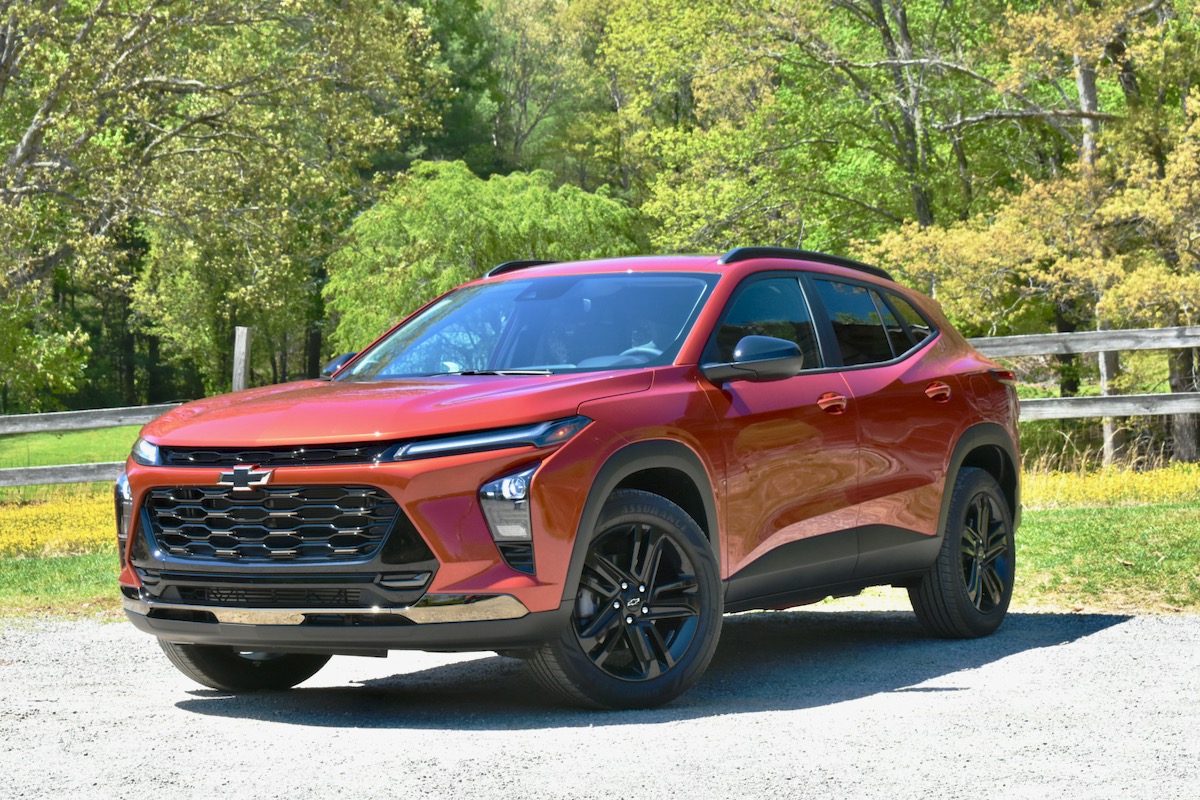
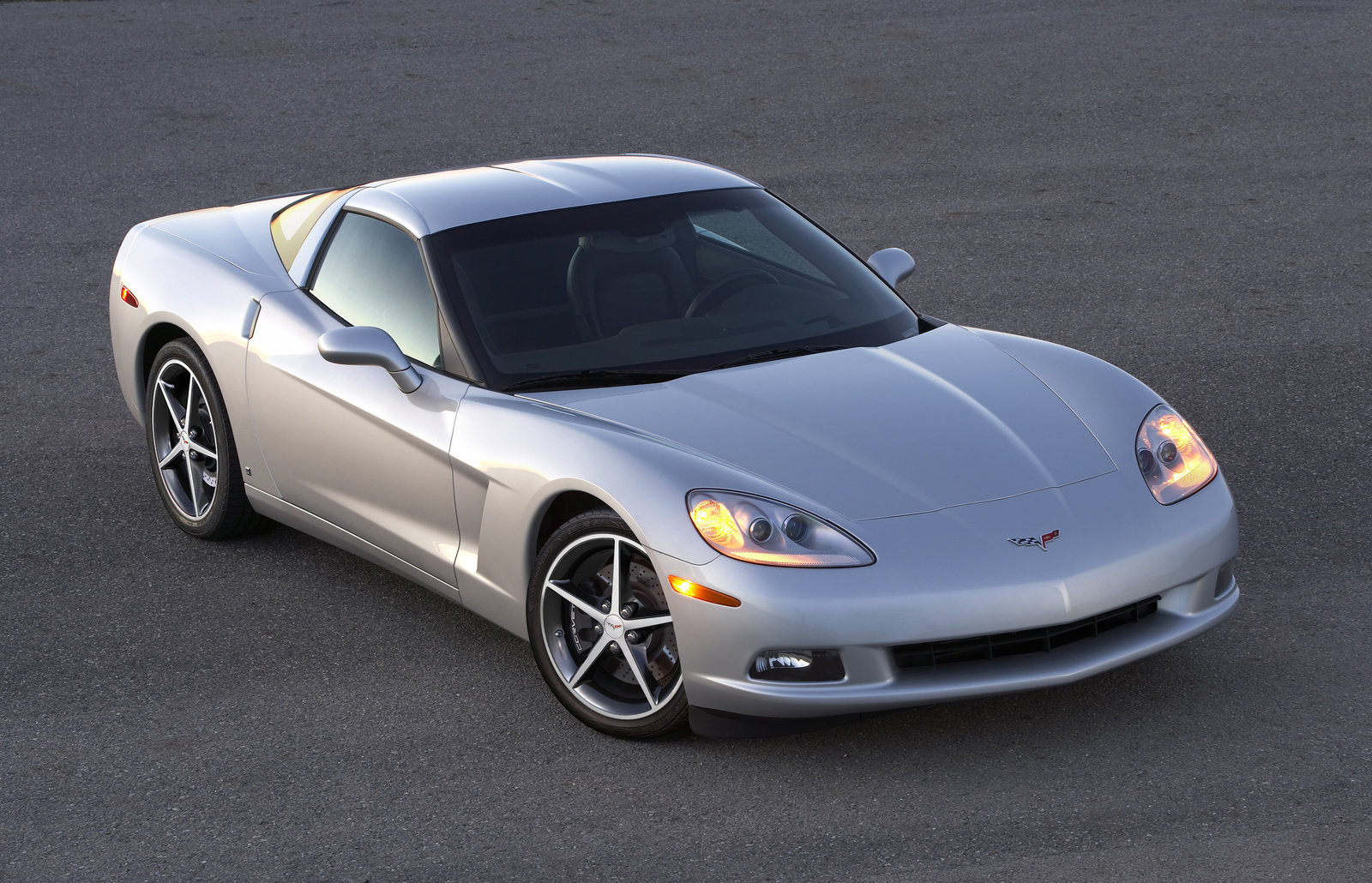
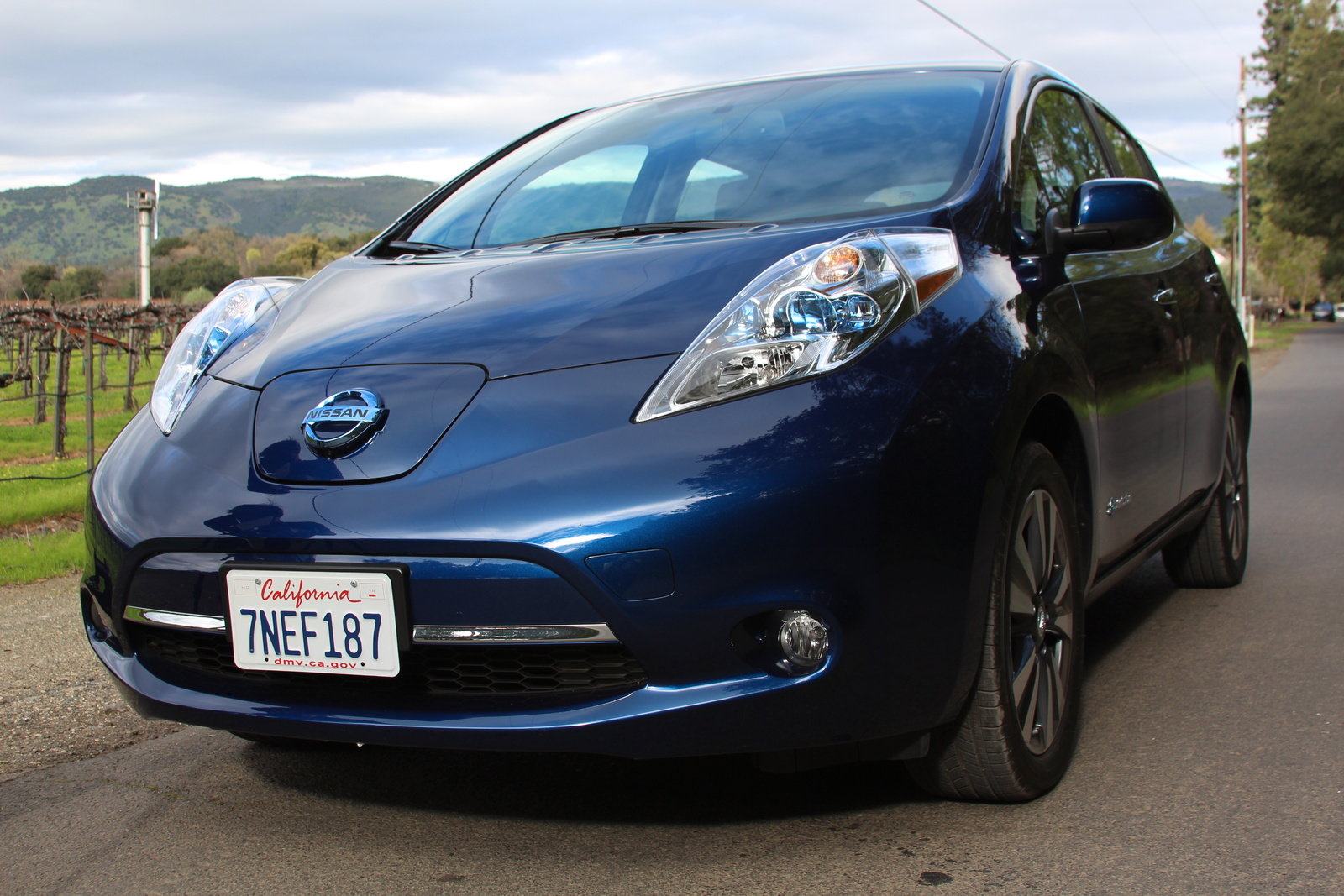
Manual-transmission vehicles have become increasingly scarce in today's new car market. A fortunate few remain—sports cars like the Toyota GR86 and Subaru BRZ, the ever-popular Mazda MX-5 Miata, the Toyota GR Corolla, and a select group of high-performance machines—even a manual midsize muscle car in the form of the Cadillac CT5-V Blackwing. But beyond those bright spots, the stick shift has all but vanished from the broader automotive landscape.
Whether it's because automatic transmissions have become cost-effective to produce, because fewer drivers want to manage their own gear changes, or because automakers are chasing every last mile per gallon, manuals simply aren't as prevalent as they were 10, 20, or 30 years ago.
The good news? The used car market remains well stocked with compelling options, from classic sports cars to rugged Japanese hatchbacks built for adventure. That's exactly why we put this list together—to point you toward the best manual-transmission used vehicles money can buy. Economy cars, coupes, hatchbacks, sports cars, pickup trucks, off-roaders—you'll find them all here. We left out manual-equipped minivans and steered clear of the Chevrolet Camaro, Ford Mustang, and older Corvettes in favor of more budget-friendly picks. Let's get into it.
The Best Vehicles Under $10,000 With a Manual Transmission in 2026
FAQs
What Makes CarGurus Best Cars Guides Different
Shopping Tools
Related Topics
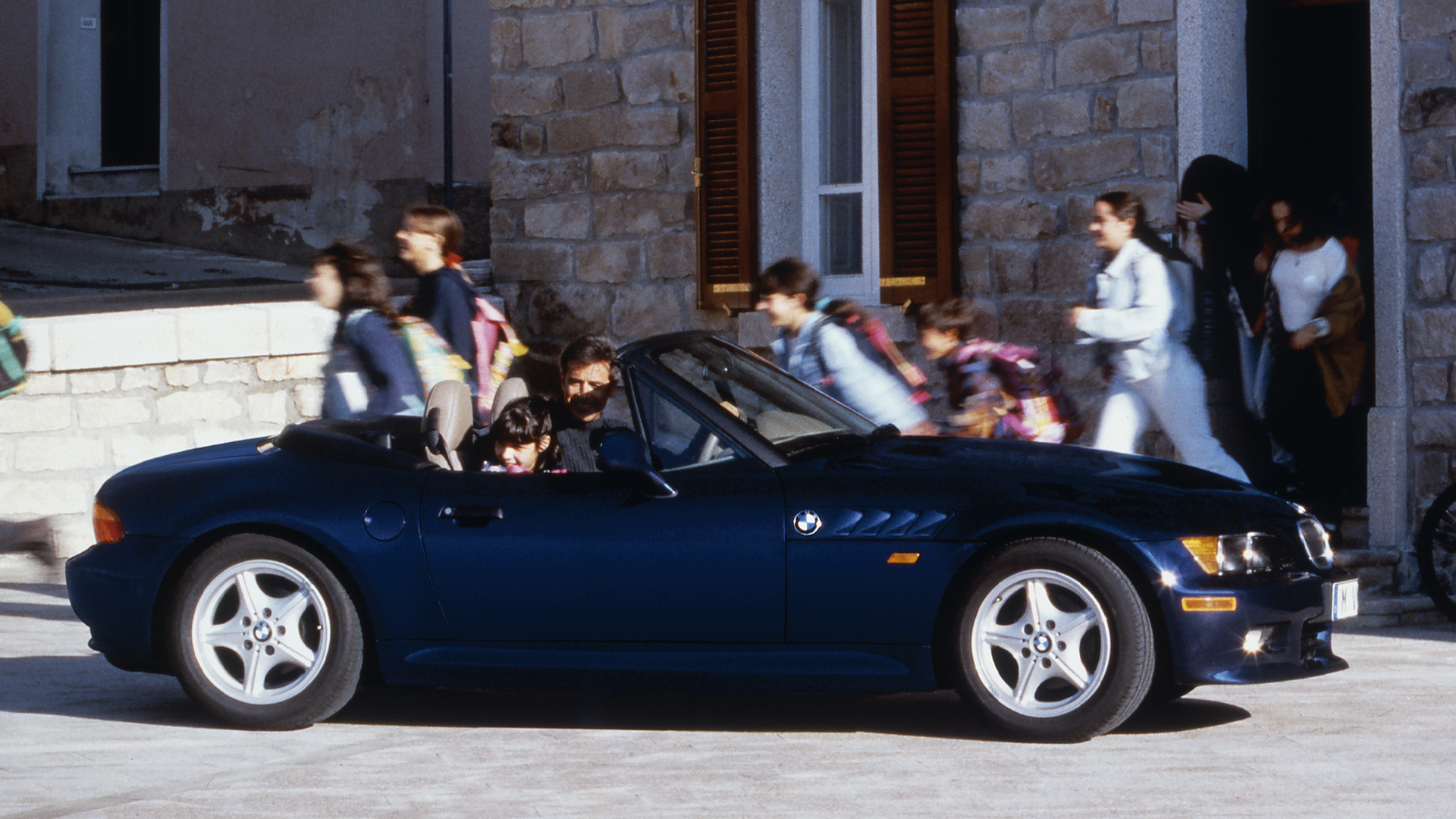
BMW Z3
Among affordable manual-transmission cars, the BMW Z3 stands apart from the crowd. It hails from a premium marque, delivers rear-wheel-drive (RWD) performance, and was genuinely luxurious for its era. This is, after all, the car that starred alongside Pierce Brosnan in the best James Bond film of the 1990s: Goldeneye. The newest Z3 is now 24 years old in 2026, yet it still has the power to put a grin on any driving enthusiast's face.
The Z3 is reasonably manageable on the maintenance front for an older European car, and finding a well-kept five-speed example for under $10,000 isn't difficult. Don't expect to score one of the high-powered M-badged variants at this price—those command a premium. But even the entry-level models deliver genuine driving pleasure. The most affordable version carries a 1.9-liter four-cylinder producing 138 horsepower, while the 2.3-liter inline-six puts out 170 hp and the 2.8-liter six delivers roughly 190 hp. With some luck, you might even come across a 3.0-liter model packing a very capable 225 hp—plenty of punch for this Miata-sized roadster.
The Z3 came standard as a roadster with a cloth convertible top. It's worth carefully inspecting the top's condition and checking thoroughly for rust or water intrusion, though the mechanical underpinnings are generally quite durable. That said, repair bills can climb when something does go wrong. The styling is an acquired taste, and you won't find any modern driver-assistance technology, infotainment systems, or backup cameras—these cars predate all of that. They do feature 1990s-era safety equipment including airbags and a solid body structure. All in all, they're fun, accessible, and surprisingly easy to live with day to day.
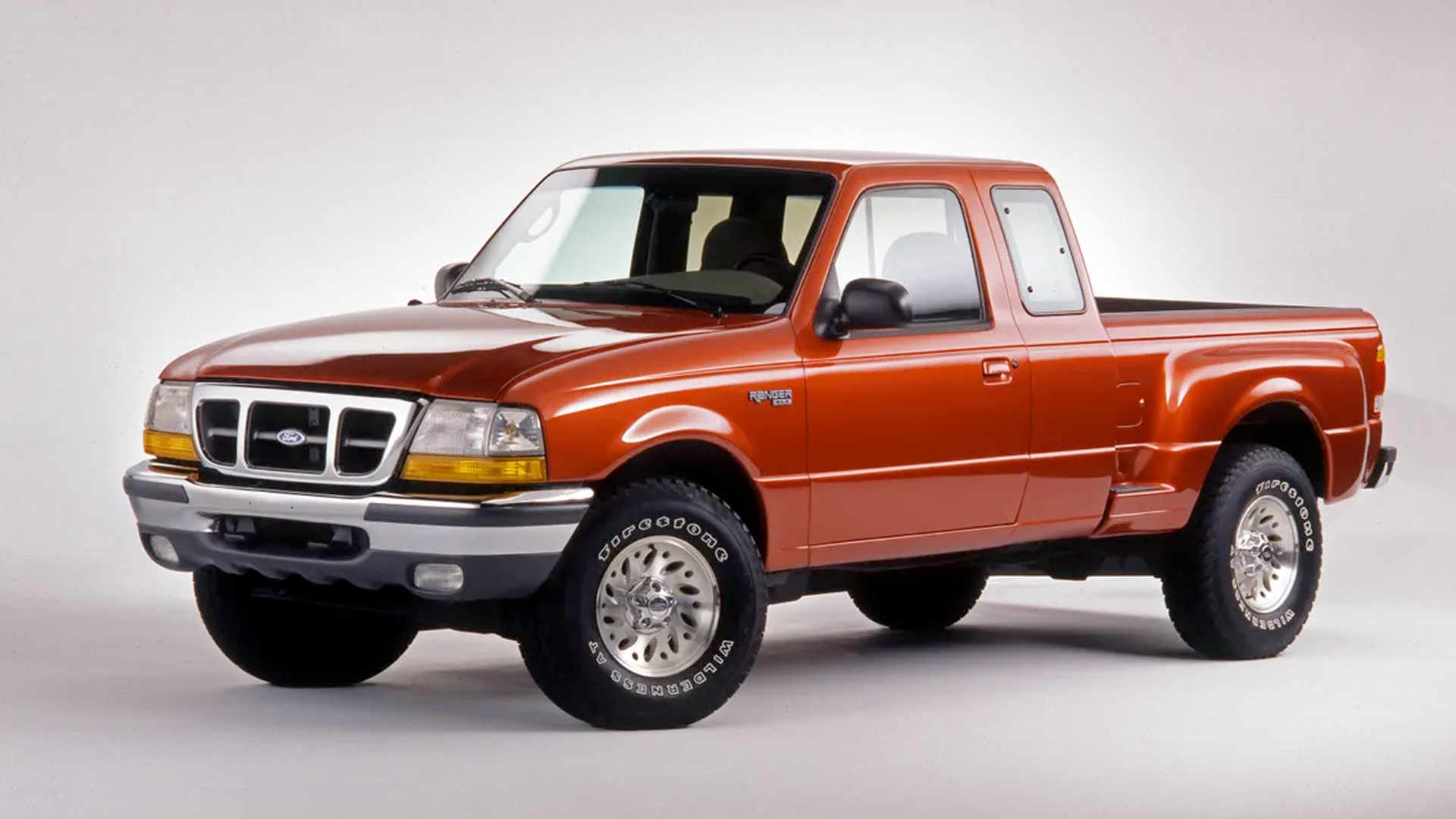
Ford Ranger
If manual cars feel rare, try hunting down a manual-transmission pickup truck. Among new trucks, only the Jeep Gladiator and Toyota Tacoma still offer a stick shift, and used Tacomas have appreciated so much that even examples from two decades ago are nearly impossible to find with a manual for under $10,000. Enter the reliable old standby: the previous-generation Ford Ranger. Produced from 1983 to 2011, the Ranger underwent two significant overhauls during its long life—in 1993 and 1998—while retaining its fundamental architecture throughout. It's a no-frills truck. It looks and feels its age. But it's also simple, tough, and affordable.
While Reagan-era Rangers still surface occasionally, our searches turned up very few trucks older than around 1995, with the majority of available examples hailing from the 2000s. Mid-1990s Rangers offered the 98-horsepower "Pinto" 2.3-liter four-cylinder alongside a pair of V6s producing 140 to 160 horsepower. The five-speed manual gearbox was sourced from Mazda, which sold its own rebadged version of the Ranger—the B-Series—from 1994 to 2010. The 1998 refresh brought a modest exterior update, minor interior revisions, and new engine options, including a 2.5-liter "Pinto" variant (117 hp) and a 2.3-liter Duratec (135 hp), while the V6 lineup carried over.
None of these Rangers will win any awards for excitement or aesthetics, but they're dependably reliable and relatively easy to source with a manual gearbox. Worth noting: only about one in five Rangers we found were equipped with a manual, but that's still a considerably higher rate than most other trucks. The second-generation Ranger was eventually discontinued in late 2011. A redesigned Ranger arrived for 2018, but it does not offer a manual transmission option.
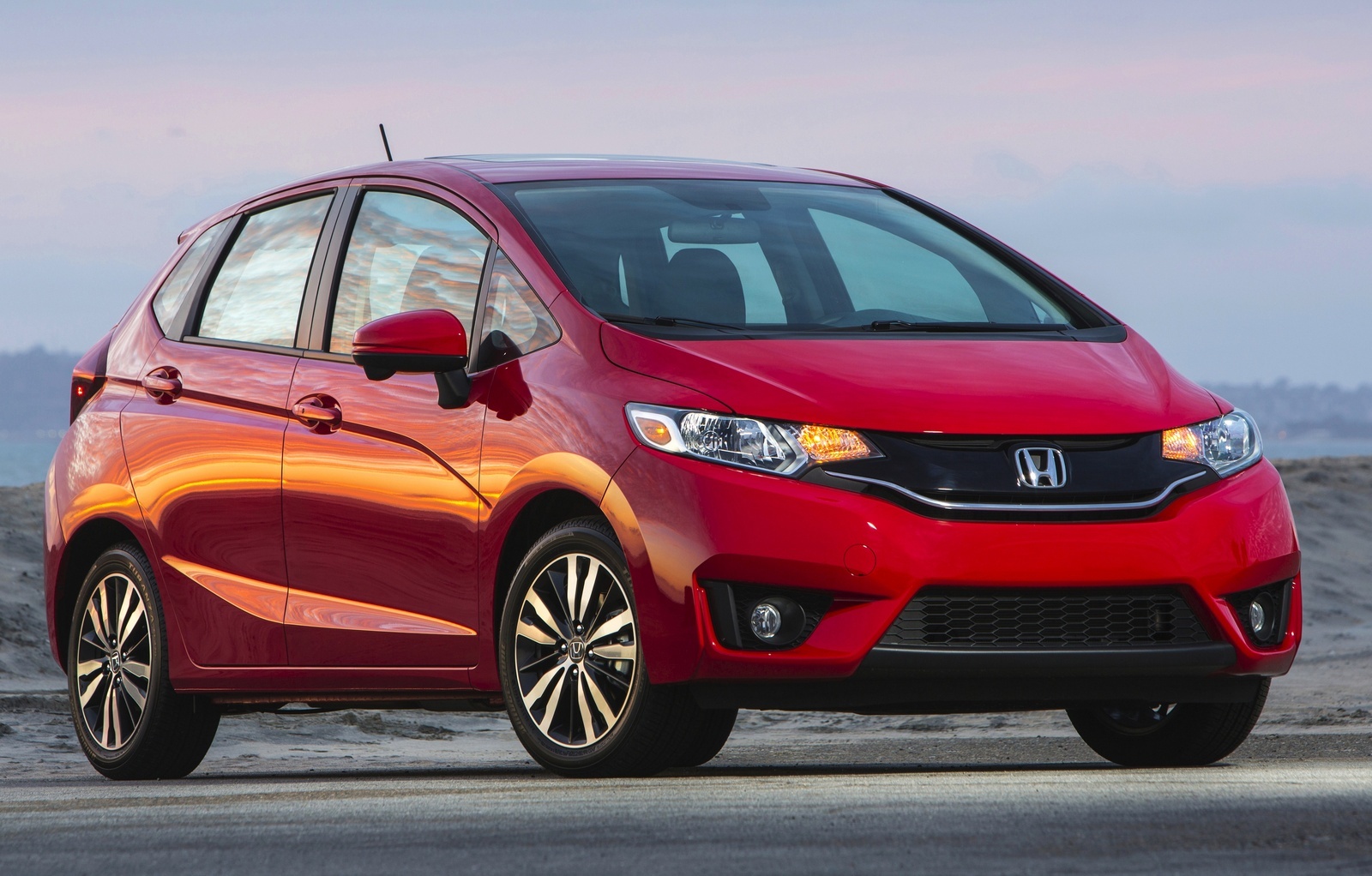
Honda Fit
For buyers seeking affordable, reliable daily transportation, the front-wheel-drive (FWD) Honda Fit ticks virtually every box. Its reliability record is impeccable, it's genuinely enjoyable to drive, easy on the wallet at the pump, and impressively spacious for its compact footprint. In short, it's an outstanding everyday car. Although Honda had sold the Fit in other markets for years before it arrived stateside, US buyers could only get one from 2007 to 2020. Honda continues to sell it overseas to this day. Within our $10,000 budget, you'll be shopping among the first two generations: the 2007-2008 original and the second-generation 2009-2015 model.
Both generations make exceptional economy cars, with low ownership costs across maintenance, fuel (most Fits return 29 to 31 mpg combined), and insurance. Each will comfortably seat up to five passengers, though the rear bench is ideally suited for two adults or three children. Cargo capacity is impressive for the class, and the cleverly engineered folding seats transform the cabin into something resembling a miniature minivan.
We're fond of the four-door Honda Civic as well—it was long available with a manual, and the sporty Civic Si still is, as is the related Acura Integra—but the Fit holds a special place for its remarkable versatility. It was one of the few vehicles in its segment to offer a manual transmission, and it was surprisingly engaging to drive despite modest power figures. It wasn't as unconventional as the Nissan Cube or Honda Element, but it matched them in practicality while undercutting them on price. The Fit also outlasted the Cube and most of its "big box" rivals in terms of reliability, with a repair record rivaled only by the Scion xB in this segment. Those are compelling strengths, tempered slightly by a noisy cabin at highway speeds and a tendency to wear through tires a bit faster than some competitors.
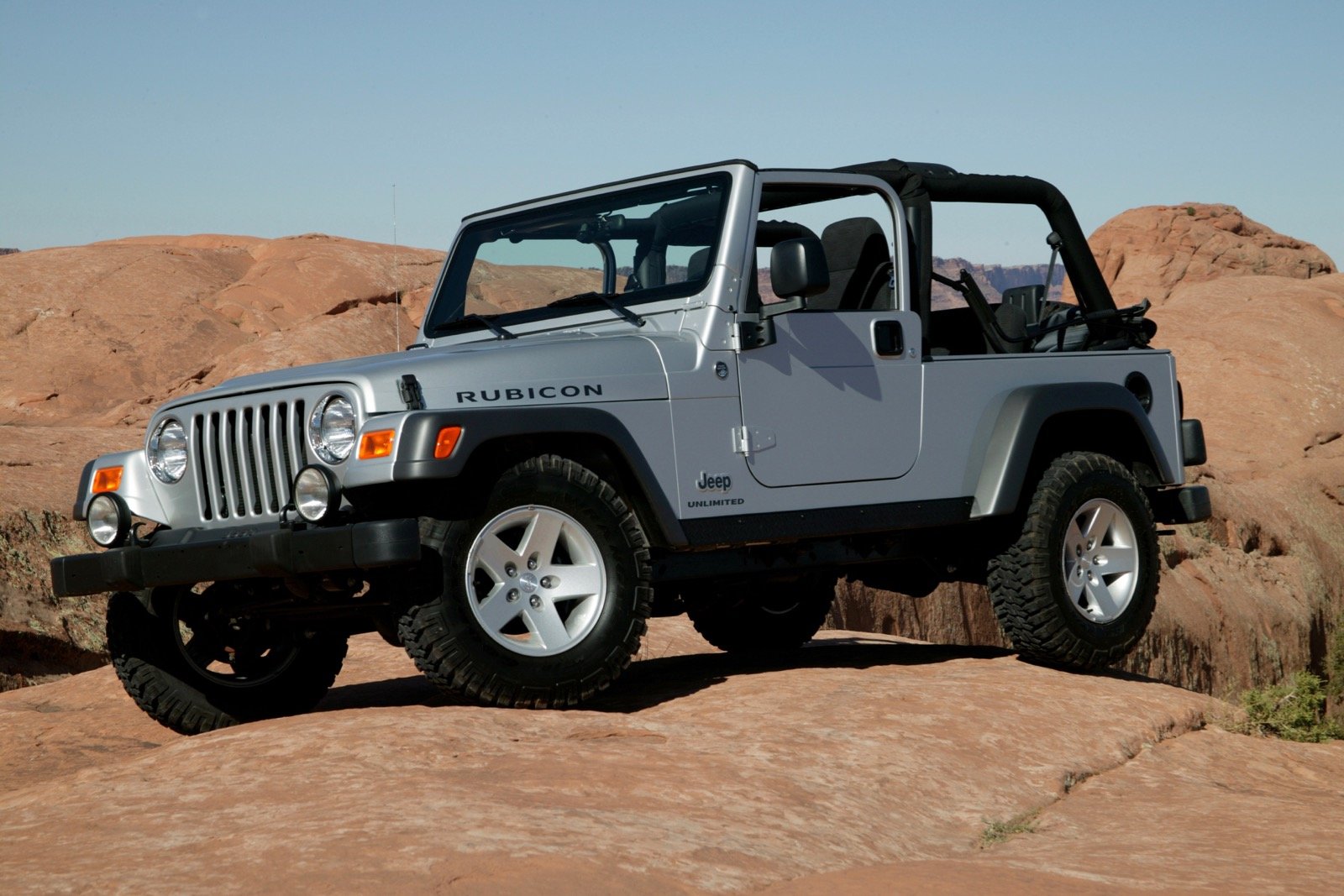
Jeep Wrangler
The Jeep Wrangler is essentially the last American SUV you'll regularly encounter with a manual gearbox, and it's far more attainable than any classic or current-generation Ford Bronco. While it's possible to stumble across a JK-era Wrangler (2006 to 2018) within this budget, it's a challenge. Your most realistic option at this price point is a TJ-era Wrangler (1996 to 2005).
It's worth noting that pandemic-era vehicle shortages and a surge in off-road enthusiasm pushed Wrangler prices higher across the board—even on models that are now 25 years old. Many of the manual-equipped Jeeps that surfaced in our searches were actually Jeep Patriots, which we'd steer clear of given their spotty reliability history. We did find hundreds of manual Wranglers for sale nationwide, the majority being TJs. What makes these appealing despite their age? They're extraordinarily tough. These Wranglers originally came equipped with the venerable 2.5-liter four-cylinder and 4.0-liter straight-six powertrains originally engineered by American Motors (AMC), well before Jeep became part of Chrysler—and both engines are famously bulletproof.
From 2003 to 2006, the AMC four-cylinder was replaced by a Chrysler 2.4-liter unit borrowed from the Dodge Neon. It wasn't quite as indestructible as its predecessor, but it brought a meaningful power increase: 150 hp versus the previous 120. The primary thing to scrutinize on any Wrangler of this vintage is rust—and not just surface rust on the body. The frame can corrode to alarming thinness after years of driving on salt-treated winter roads, so always have a prospective purchase inspected on a lift before committing.
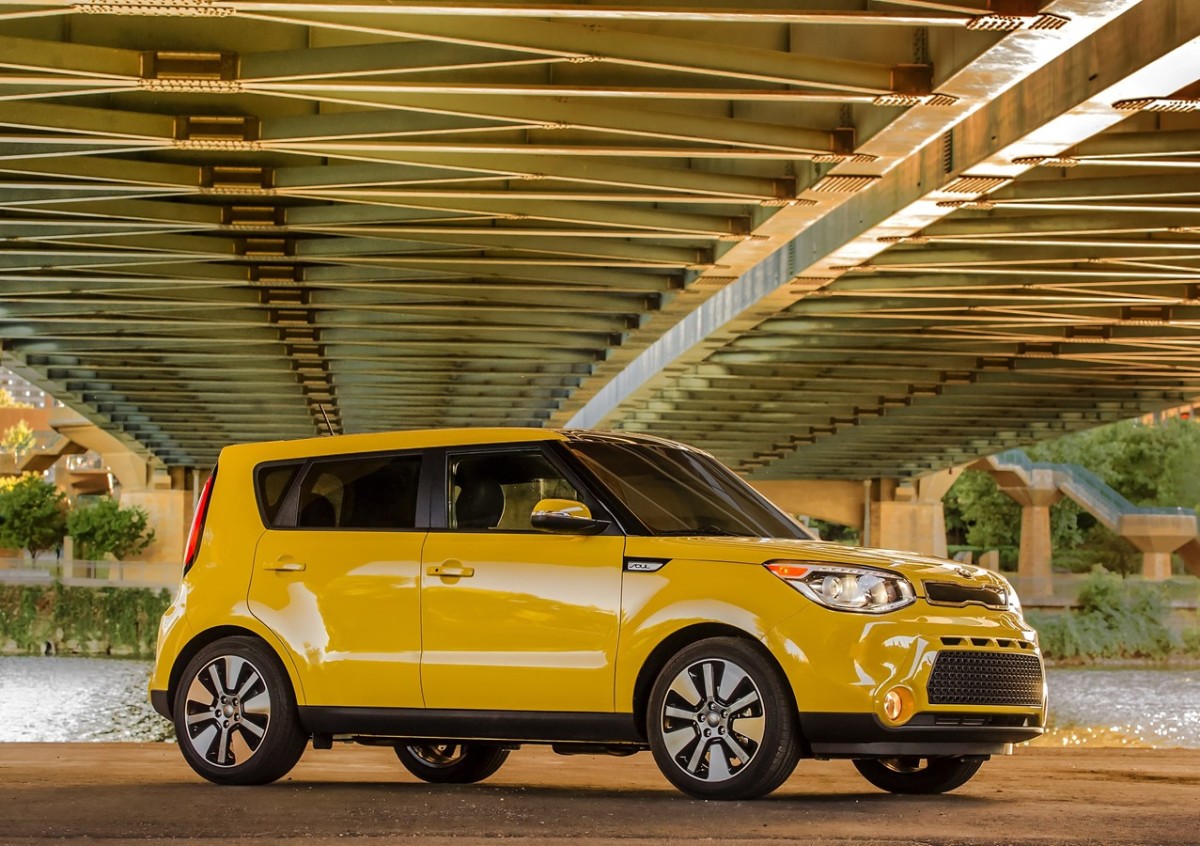
Kia Soul
The Kia Soul has a habit of appearing on best-value used car lists, and the reasons aren't hard to understand. Older Souls are well-built and genuinely useful, offering generous interior space for hauling cargo, and they can be had for very little money. In our searches, we found manual-transmission examples as recent as the 2020 model year with under 80,000 miles for $10,000. Most manual-equipped Souls at this price will be older, but first (2010 to 2013) and second (2014 to 2019) generation models are plentiful.
The majority of Souls we found at this price were base-trim examples, which sounds like a compromise—but these vehicles came well equipped from the factory with air conditioning, power windows, power locks, and Bluetooth. Kia tended to pair manual transmissions with entry-level trims, which actually works in favor of budget-minded used car shoppers since it keeps supply healthy. With 1.6 and 2.0-liter engines producing between 108 and 142 hp, none are particularly quick—except for the rare late-model turbocharged variant that churned out 201 hp. But outright speed was never the Soul's selling point.
It's a practical, boxy hauler that thoroughly outmaneuvered its competition, namely the Nissan Cube and Scion (née Toyota) xB—both of which faded away while the Soul continued to find buyers. The xB shares much of the Soul's appeal with a stronger reliability record, but manual-transmission examples are harder to track down. If it's purely practical transportation you need, used manual versions of the Volkswagen Jetta and Hyundai Elantra are also worth exploring at this price point.
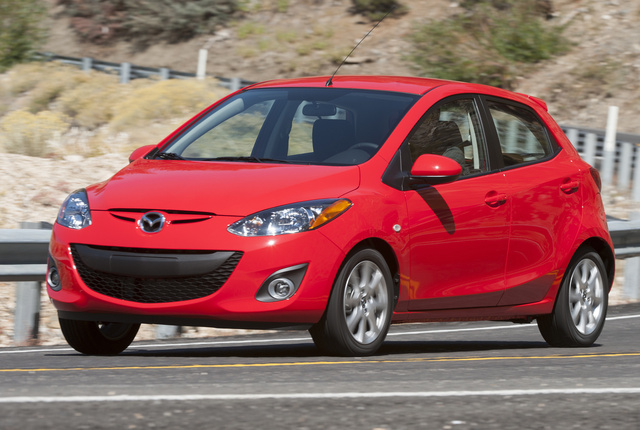
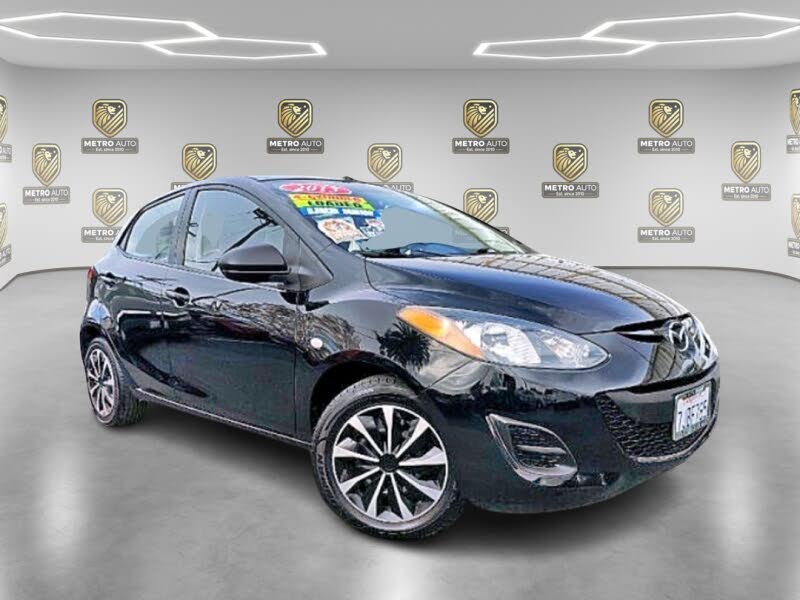
Mazda MAZDA2
The charming MAZDA2 is a five-door hatchback that punches well above its weight in the fun-to-drive department. Enthusiasts often call it a front-wheel-drive Miata, and for good reason—its lively, engaging character sets it apart from rivals. That spirited driving experience translates into a notably higher proportion of manual transmission models compared to alternatives like the Toyota Yaris, Honda Fit, or Nissan Versa. Interestingly, the Versa is still sold new with a manual, but it simply can't match the Mazda2's entertainment value behind the wheel.
With a $10,000 ceiling, the full range of available trims is within reach. The top-spec Touring trim is the pick of the litter, bringing alloy wheels, fog lights, and cruise control to the table. If you'd rather keep things simple and save a bit more, the Sport trim covers the essentials with a solid stereo, AUX and USB connectivity, and air conditioning. Regardless of trim, every Mazda2 is powered by the same naturally aspirated 1.5-liter four-cylinder, rated at 100 hp and 98 lb-ft of torque. Those numbers may look modest on paper, but the short-geared manual and the car's featherlight 2,300-lb curb weight mean it feels considerably livelier than the specs suggest.
It's a genuinely fun car to hustle through corners, with sharp steering, competent suspension tuning, and that endearing little engine egging you on. There's also a healthy aftermarket for suspension, brake, and tire upgrades, making it easy to build a capable weekend track toy on a budget. If you need a bit more room to breathe, the larger Mazda3 is also available with a manual and well worth adding to your shortlist.
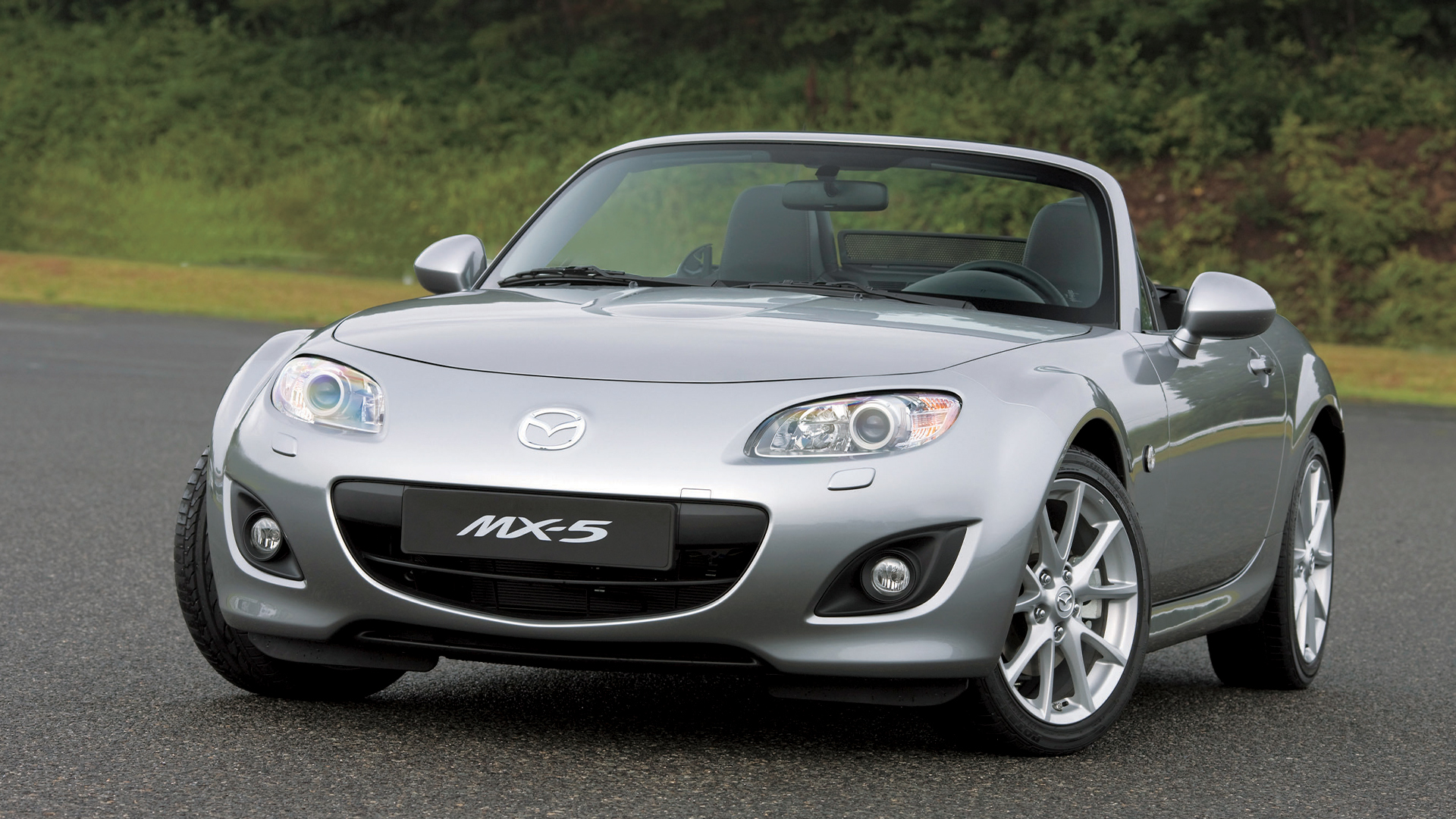
Mazda MX-5 Miata
The undisputed king of the manual transmission, the Miata delivers everything a driving enthusiast could want from a sports car—provided you're under six-foot-two and don't need to haul more than a couple of grocery bags. You could spend your time hunting for a Porsche Boxster or a Subaru BRZ, but why complicate things when Miatas are everywhere? A $10,000 Boxster, meanwhile, can quickly become a financial black hole if its service history is questionable.
Within our $10,000 budget, you'll find solid examples spanning the NA, NB, and NC generations. The current and stunning ND generation hasn't quite filtered down to this price range yet. First-generation NA Miatas have achieved genuine classic status and are steadily appreciating in value. The second-generation "NB" models—which ditched the iconic pop-up headlamps—arguably represent the best value, offering all the character of the originals with fewer miles and the possibility of a six-speed manual on select trims.
Automotive purists tended to be cooler on the third-generation NC cars from 2006 to 2015, citing added weight and a slightly more refined character, plus the introduction of an optional power retractable hardtop. In reality, NCs are excellent cars—more refined, more reliable, and less susceptible to rust than their predecessors. And like the Z3, Miatas tend to attract devoted, meticulous owners, which means the used market is full of well-cared-for examples. That's great news for buyers.
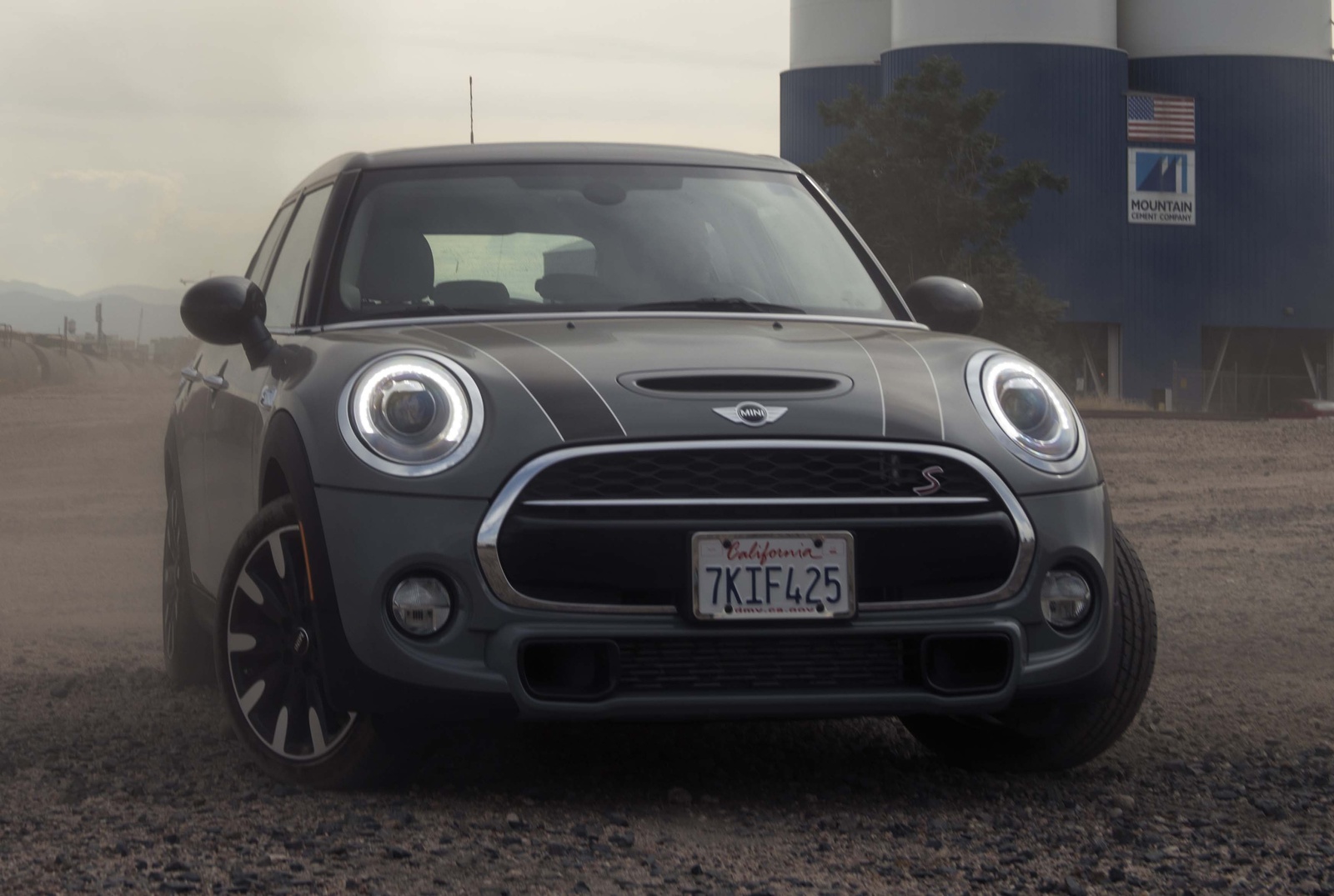
MINI Cooper & Related MINI models
The Volkswagen Golf and GTI have historically been the go-to choices for hot hatch buyers, but manual-equipped examples are becoming harder to find in the used market. MINI, on the other hand, has always been a champion of the manual gearbox and driving enjoyment, and inventory remains strong. For $10,000, well-maintained Coopers as recent as the 2015 model year are attainable, meaning first (2002), second (2007), and third-generation (2014) models are all within reach.
First-generation cars are the smallest and arguably the most characterful of the bunch. Across all generations, you'll encounter an extraordinary variety of colors and trim combinations that would rival a Pantone catalog. Body styles span convertibles, long-wheelbase Clubman wagons, and the short-lived two-seat coupe and roadster variants. Most are powered by eager, high-revving 1.6-liter four-cylinders, though third-generation models step up to 2.0-liter BMW-derived fours. Fun is hardwired into the MINI's DNA—it's light and agile, a worthy heir to its classic namesake—though each successive generation has added a bit of weight.
As entertaining as MINIs are to drive and as easy as they are to find with a manual, there are trade-offs to consider. Reliability, particularly on early models, has never been a strong suit, and the complexity of their electronics and mechanical systems can make repairs surprisingly expensive. Expect smiles, but don't expect Honda-level dependability.
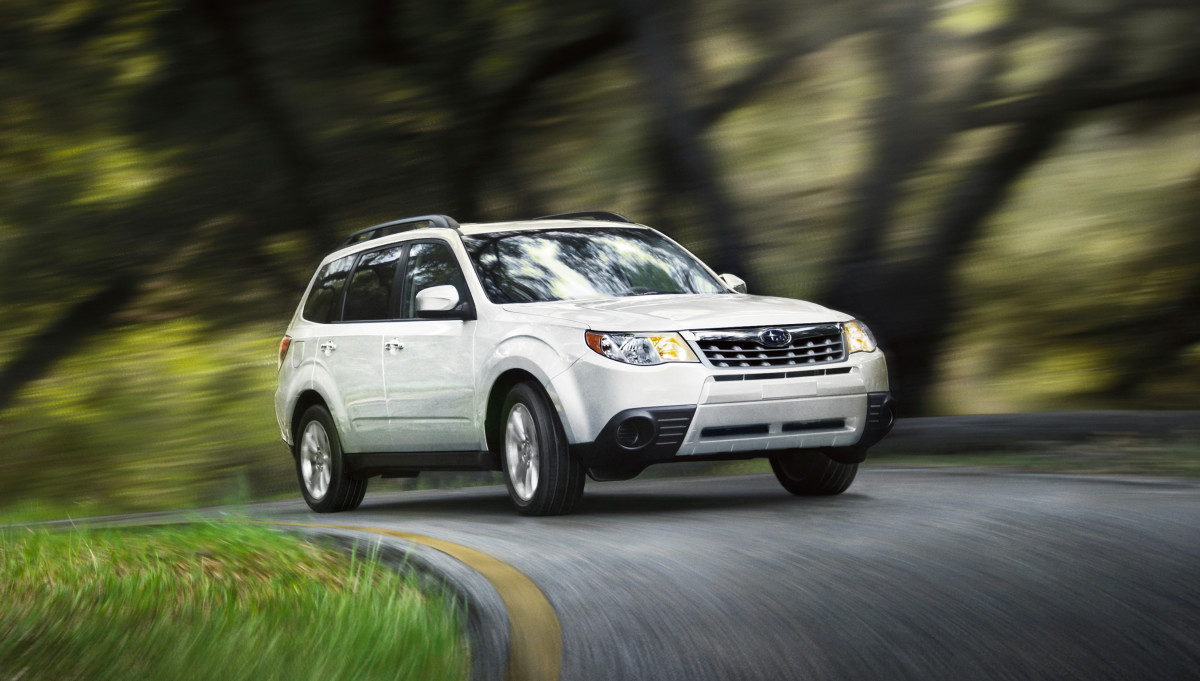
Subaru Forester
The Subaru Forester has anchored Subaru's compact crossover lineup since 1997, earning a devoted following among outdoor enthusiasts for its rugged capability and practical versatility. Today's Forester is CVT-only, but for much of its history Subaru offered it with a manual transmission—and because Forester buyers have historically chosen manuals at higher rates than, say, Honda CR-V or Toyota RAV4 shoppers, finding a stick-shift example is more achievable. Within our $10,000 budget, you won't find anything newer than roughly 2016, but models from any of the Forester's first four generations (introduced in 1998, 2003, 2009, and 2014) are all viable options.
Four generations, three distinct vehicles: the second-gen Forester was essentially a heavily revised version of the first. Those initial two generations were derived from the Impreza platform and functioned more like elevated station wagons than true crossover SUVs. The 2009 redesign transformed the Forester into a more conventionally proportioned and visually appealing SUV, and its popularity climbed accordingly—especially after the boxy, upright 2014 redesign. All generations were powered by Subaru's horizontally opposed ("flat" or "boxer") four-cylinder engines, predominantly 2.5-liter units. These engines delivered strong torque and capable performance, but they were generally noisier than conventional fours, less fuel-efficient, and prone to head gasket issues at higher mileages.
Despite those quirks, every Forester came with Subaru's capable all-wheel drive (AWD) system—even manual-transmission models—making them genuinely capable on gravel roads and light off-road terrain. Interior space was competitive with CR-Vs and RAV4s of the same era, and Foresters earned strong safety ratings from the earliest generations onward. A limited-run high-performance STi variant appeared in the mid-2000s with a formidable 265 hp. For those prioritizing performance, the latest Subaru WRX—successor to the Impreza WRX—remains available with a six-speed manual and is well worth considering in the used market.
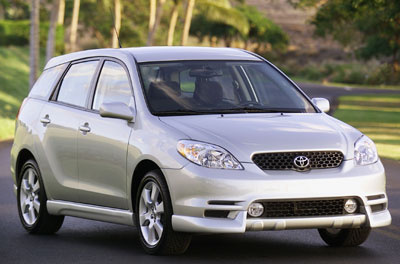
Toyota Matrix
Of all the vehicles we researched for this list, none appeared more frequently at the lower end of the price spectrum than the Toyota Matrix. Think of the Matrix as a Toyota Corolla reimagined as a station wagon, built just before compact crossovers swept the market. It had a respectable production run from 2003 to 2013, though it never achieved blockbuster sales volumes. That's a shame, because it offered nearly everything a compact crossover could deliver—practical cargo space, a comfortable ride, and outstanding reliability—while remaining more car-like to drive.
A closely related twin was sold as the Pontiac Vibe, and the two made an interesting pair. The Vibe wore more expressive, extroverted styling, but mechanically the two were near-identical siblings. Both shared the same family of 1.8-liter four-cylinder engines producing 123 to 180 hp, along with front- or all-wheel drive (FWD or AWD). Neither was a thrill to drive, but both handled competently and offered roomy, comfortable cabins with excellent cargo versatility.
Both received a second generation for the 2009 model year, though the Pontiac Vibe's run was cut short when GM discontinued the brand at the end of 2010. That second generation brought a revised base 1.8-liter four-cylinder (132 hp) and an available 2.4-liter unit shared with the RAV4 (158 hp). Reliability dipped slightly compared to the first generation, but only marginally—it's still a high benchmark. Both the Matrix and the Vibe were assembled at GM's NUMMI plant, which now produces Teslas. Either one represents exceptional used car value.
The Best Vehicles Under $10,000 With a Manual Transmission in 2026 FAQs
What cars can you still buy with a manual transmission?
In the new car market, manual transmissions have become increasingly rare, surviving mainly in sports cars like the Toyota GR86, Subaru BRZ, Mazda MX-5 Miata, and Toyota GR Corolla, along with a handful of high-performance models like the Cadillac CT5-V Blackwing. The used car market, however, offers far more variety — from compact hatchbacks and economy cars to pickup trucks and off-roaders. If a stick shift is a priority, used is almost certainly where you'll find the most options at the best prices.
What is the best used manual transmission car under $10,000?
The Mazda MX-5 Miata is widely considered the gold standard for manual transmission driving enjoyment, and solid examples spanning the NA, NB, and NC generations are all findable within a $10,000 budget. For buyers who need more practicality, the Honda Fit and Kia Soul both offer reliable, versatile everyday transportation with manual gearboxes at this price point. The right pick really depends on whether you're prioritizing driving fun, cargo space, or all-weather capability.
Are used manual transmission trucks hard to find under $10,000?
Manual-transmission pickup trucks are genuinely scarce, but the older Ford Ranger — produced from 1983 to 2011 — is one of the more realistic options at this budget. Roughly one in five Rangers on the used market are equipped with a manual, which is a notably higher rate than most other trucks. Just keep in mind that the redesigned Ranger introduced for 2018 does not offer a manual transmission, so you'll need to focus your search on the previous generation.
What should I watch out for when buying a used manual car under $10,000?
The concerns vary by model, but a few issues come up repeatedly across this price range. Older Jeep Wranglers can develop serious frame rust from years of driving on salt-treated roads, so always have one inspected on a lift before buying. BMW Z3s and MINI Coopers can carry higher-than-average repair costs when something goes wrong, while Subaru Foresters from earlier generations are known for head gasket problems at higher mileages. In all cases, a thorough pre-purchase inspection from an independent mechanic is well worth the investment.
What Makes CarGurus Best Cars Guides Different?
Most car-shopping websites publish lists of the best cars across a variety of categories, with recommendations generally driven by editorial expertise. Here's what makes ours different: In addition to the insights and verdicts of our team of car-testing experts, our best cars guides take into account other factors that we know matter to buyers-real owner experiences and current market value.
Our expert reviewers are among this country's most trusted automotive journalists, also writing for publications including US News and World Report, Edmunds, Digital Trends, J.D. Power, and Car & Driver. They put each car through real-world testing and create detailed reviews of performance in a range of categories, from practicality and driving manners to cost-effectiveness and safety.
We also analyze hundreds of thousands of used car listings on CarGurus.com to track which models consistently offer the highest percentage of best deals relative to how many are listed for sale. Then we factor in reviews from owners-people who actually live with these cars every day. Our proprietary Best Cars algorithm then creates a final Overall CarGurus rating combining expert scores, user reviews, and the percentage of listings that have earned the Good or Great Deal rating. This multi-pronged approach reveals not just which cars excel on paper, but which ones deliver satisfaction and value when you're ready to buy.
The CarGurus market data used in this guide was last updated in March 2026. Values were accurate at time of publication and should be used as a guide only.
Shopping Tools
Related Topics