BMW X7 vs Toyota bZ
Overview | |
MSRP$84,300 | MSRP$34,900 |
Listings548 | Listings18 |
Ratings & Reviews | |
User Reviews | User Reviews |
Expert reviews7.3 out of 10 | Expert reviews6.5 out of 10 |
Pros
Cons
| Pros
Cons
|
Reviews SummaryThe X7 is BMW’s flagship SUV, providing more space, luxury, and seats for new car buyers looking for a bigger utility vehicle but wanting to stay in the BMW fold. It arrived for the 2019 model year, received a substantial update for 2023, and continues into the 2025 model year without major changes. Its diverse competitive set includes the Cadillac Escalade, Lincoln Navigator, Land Rover Range Rover, Lexus LX, Infiniti QX80, and Mercedes-Benz GLS-Class. Verdict: BMW loyalists will find more of what they love about the brand, while the X7’s superb driving dynamics and reasonable pricing (for this high-end segment, that is) should give customers of rival brands something to think about. | |
Reviews SummaryReaders are looking at the electric vehicle formerly known as the bZ4X. It wears a shorter name for 2026, but that’s not the big news. More power, over 300 miles of range, a standard NACS charging port (with a CCS adapter), and Plug & Charge capability are all major improvements. Toyota has also tidied-up the styling—inside and out—and added a larger infotainment screen. Verdict: With the refreshed 2026 bZ, Toyota has fixed the bZ4X’s most significant flaws, making this a genuinely competitive model at a comparatively affordable price. | |
No video found | No video found |
Popular Features & Specs | |
Engine3.0L 375 hp I6 | Engine168 hp Electric |
DrivetrainAWD | DrivetrainFWD |
Seating Capacity7 | Seating Capacity5 |
Horsepower375 hp @ 5500 rpm | Horsepower |
EV Battery Capacity | EV Battery Capacity57.7 kWh |
MPG City20 | MPG City143 |
MPG Highway24 | MPG Highway119 |
Battery Charge Time (240V) | Battery Charge Time (240V)6 hours |
Engine | |
Engine Name3.0L 375 hp I6 | Engine Name168 hp Electric |
Torque398 lb-ft @ 1500 rpm | Torque |
Horsepower375 hp @ 5500 rpm | Horsepower |
Battery Charge Time (240V) | Battery Charge Time (240V)6 hours |
DrivetrainAWD | DrivetrainFWD |
Fuel Economy | |
EV Battery Capacity | EV Battery Capacity57.7 kWh |
MPG City20 | MPG City143 |
MPG Highway24 | MPG Highway119 |
Interior | |
Seating Capacity7 | Seating Capacity5 |
Key Features | |
Navigation SystemStandard | Navigation SystemOptional |
Sunroof/MoonroofStandard | Sunroof/Moonroof |
Dimensions & Capacity | |
Cargo Space12.8 cu ft | Cargo Space27.7 cu ft |
Curb Weight5452 lbs | Curb Weight4057 lbs |
Height72.2 in | Height65.0 in |
Length203.6 in | Length184.6 in |
Width87.3 in | Width73.2 in |
Wheelbase122.2 in | Wheelbase112.2 in |
Maximum Payload1316 lbs | Maximum Payload1045 lbs |
Number of doors4 | Number of doors4 |
Maximum Towing Capacity7500 lbs | Maximum Towing Capacity |
Overview | ||
MSRP | $84,300 | $34,900 |
Listings | ||
Ratings & Reviews | ||
User reviews | ||
Expert reviews | 7.3 out of 10Read full review | 6.5 out of 10Read full review |
Pros & cons | Pros
Cons
| Pros
Cons
|
Summary | The X7 is BMW’s flagship SUV, providing more space, luxury, and seats for new car buyers looking for a bigger utility vehicle but wanting to stay in the BMW fold. It arrived for the 2019 model year, received a substantial update for 2023, and continues into the 2025 model year without major changes. Its diverse competitive set includes the Cadillac Escalade, Lincoln Navigator, Land Rover Range Rover, Lexus LX, Infiniti QX80, and Mercedes-Benz GLS-Class. Verdict: BMW loyalists will find more of what they love about the brand, while the X7’s superb driving dynamics and reasonable pricing (for this high-end segment, that is) should give customers of rival brands something to think about. | Readers are looking at the electric vehicle formerly known as the bZ4X. It wears a shorter name for 2026, but that’s not the big news. More power, over 300 miles of range, a standard NACS charging port (with a CCS adapter), and Plug & Charge capability are all major improvements. Toyota has also tidied-up the styling—inside and out—and added a larger infotainment screen. Verdict: With the refreshed 2026 bZ, Toyota has fixed the bZ4X’s most significant flaws, making this a genuinely competitive model at a comparatively affordable price. |
Video | No video found | No video found |
Popular Features & Specs | ||
Engine | 3.0L 375 hp I6 | 168 hp Electric |
Drivetrain | AWD | FWD |
Seating Capacity | 7 | 5 |
Horsepower | 375 hp @ 5500 rpm | |
EV Battery Capacity | 57.7 kWh | |
MPG City | 20 | 143 |
MPG Highway | 24 | 119 |
Battery Charge Time (240V) | 6 hours | |
Engine | ||
Engine Name | 3.0L 375 hp I6 | 168 hp Electric |
Torque | 398 lb-ft @ 1500 rpm | |
Horsepower | 375 hp @ 5500 rpm | |
Battery Charge Time (240V) | 6 hours | |
Drivetrain | AWD | FWD |
Fuel Economy | ||
EV Battery Capacity | 57.7 kWh | |
MPG City | 20 | 143 |
MPG Highway | 24 | 119 |
Interior | ||
Seating Capacity | 7 | 5 |
Key Features | ||
Navigation System | Standard | Optional |
Sunroof/Moonroof | Standard | |
Dimensions & Capacity | ||
Cargo Space | 12.8 cu ft | 27.7 cu ft |
Curb Weight | 5452 lbs | 4057 lbs |
Height | 72.2 in | 65.0 in |
Length | 203.6 in | 184.6 in |
Width | 87.3 in | 73.2 in |
Wheelbase | 122.2 in | 112.2 in |
Maximum Payload | 1316 lbs | 1045 lbs |
Number of doors | 4 | 4 |
Maximum Towing Capacity | 7500 lbs | |
The 2025 BMW X7 was a full-size luxury SUV that exuded a commanding presence, appealing to buyers who appreciated its bold design. Despite its size, it was not as massive as some of its competitors like the Cadillac Escalade or Lincoln Navigator. The X7's design, especially after its 2023 facelift, featured distinctive stacked quad headlights and an illuminated grille, which made it stand out from the smaller X5. The exterior was further enhanced by large wheels, with options up to 23 inches, and the M Sport Package added sporty elements like dual-spoke wheels and aggressive styling cues. Inside, the X7's cabin was a mix of luxury and sportiness, with features like carbon-fiber trim and light-up graphics, although some of these were optional extras, leaving the base interior feeling less premium.
The 2026 Toyota bZ, on the other hand, offered a more streamlined and modern appearance, especially with its restyled body-color trim that improved its aesthetics over previous models. The bZ was available in XLE and Limited trims, with options for single-motor FWD or dual-motor AWD, and two battery sizes. The interior was designed for practicality and comfort, with a clean dashboard and center console layout. The seats were comfortable, with power adjustments and heating features, and the cabin offered ample storage solutions. The bZ's infotainment system featured a large 14-inch touchscreen, although the digital driver display was criticized for its placement and readability. Overall, the bZ provided a comfortable and functional environment, though it lacked some of the luxury touches found in the X7.

The 2025 BMW X7 offered a range of powerful engine options, all equipped with xDrive AWD and an eight-speed automatic transmission. The xDrive40i model featured a turbocharged 3.0-liter inline-six engine producing 375 horsepower and 398 lb-ft of torque, achieving 0-60 mph in 5.6 seconds. The M60i xDrive model boasted a twin-turbo 4.4-liter V8 with 523 hp and 553 lb-ft, reaching 0-60 mph in 4.5 seconds. For those seeking even more performance, the Alpina XB7 variant delivered 631 hp and 590 lb-ft, sprinting to 60 mph in just 3.9 seconds. The X7's sophisticated chassis technology, including rear-wheel steering and adaptive air suspension, provided a nimble and comfortable driving experience, making it a versatile luxury SUV.
In contrast, the 2026 Toyota bZ focused on electric efficiency and practicality. The XLE FWD model with a 57.7-kWh battery offered 165 hp and 198 lb-ft of torque, with an EPA-estimated range of 236 miles. Upgrading to the 74.7-kWh battery increased power to 224 hp and extended the range to 314 miles. The dual-motor AWD version produced 338 hp, with a range of 288 miles. The bZ's regenerative braking system allowed for efficient energy use, although it lacked one-pedal driving capability. While the bZ excelled in urban environments with its instant torque and maneuverability, it was less suited for spirited driving due to its all-season tires and less engaging steering.
The 2025 BMW X7 offered a spacious interior with seating for six or seven passengers, depending on the configuration. It provided ample headroom across all three rows, surpassing many of its competitors. The cargo space was generous, with 48.6 cubic feet behind the rear seats and 90.4 cubic feet with the second and third rows folded. However, the space behind the third row was limited, and the split tailgate design, while practical, contributed to this. The X7's towing capacity was 7,500 pounds, which was competitive but not class-leading.
The 2026 Toyota bZ, built on an EV platform, offered easy access with its 8.1 inches of ground clearance. The interior featured comfortable seats with power adjustments and heating, and the cabin provided various storage solutions, including a large bin under the center armrest. Rear passengers enjoyed ample legroom, although foot space was somewhat restricted. The bZ offered 27.7 cubic feet of cargo space behind the rear seats, expanding to 56.9 cubic feet with the seats folded. The Limited trim had slightly less cargo space due to the JBL subwoofer.
The 2025 BMW X7 featured a sophisticated infotainment system with a 12.3-inch digital instrument cluster and a 14.9-inch touchscreen, both housed under a single glass panel. The iDrive system was user-friendly, with a rotary controller and real buttons for ease of use. The X7 also offered digital-key functionality and augmented reality navigation, although the voice recognition system had some issues with accuracy. Gesture control was unique to BMW but was often more trouble than it was worth.
The 2026 Toyota bZ came equipped with a 7-inch digital driver display and a new 14-inch touchscreen infotainment system. While the driver display was criticized for its placement and readability, the infotainment system was generally easy to use, despite lacking a home screen for simultaneous data display. The system supported wireless Apple CarPlay and Android Auto, and offered several connected service plans. The voice assistant worked well, although it occasionally struggled with complex commands.
The 2025 BMW X7 included standard safety features like forward collision warning, automatic emergency braking, and blind-spot monitoring. However, some advanced features like adaptive cruise control and BMW's Highway Assistant were part of an optional package. The Highway Assistant offered lane-keeping and automated lane-change functions but was not as advanced as Cadillac's Super Cruise. Safety ratings from IIHS and NHTSA were not available at the time.
The 2026 Toyota bZ came standard with Toyota Safety Sense 3.0, which included a comprehensive suite of safety features such as forward-collision warning, lane-keep assist, and adaptive cruise control. The Limited trim added Traffic Jam Assist and other advanced features. While the adaptive cruise control's performance was inconsistent, the overall safety package was robust. The IIHS rated the bZ's front-crash avoidance tech highly, but its headlights and frontal-impact crash-test ratings were less impressive.
CarGurus highlights
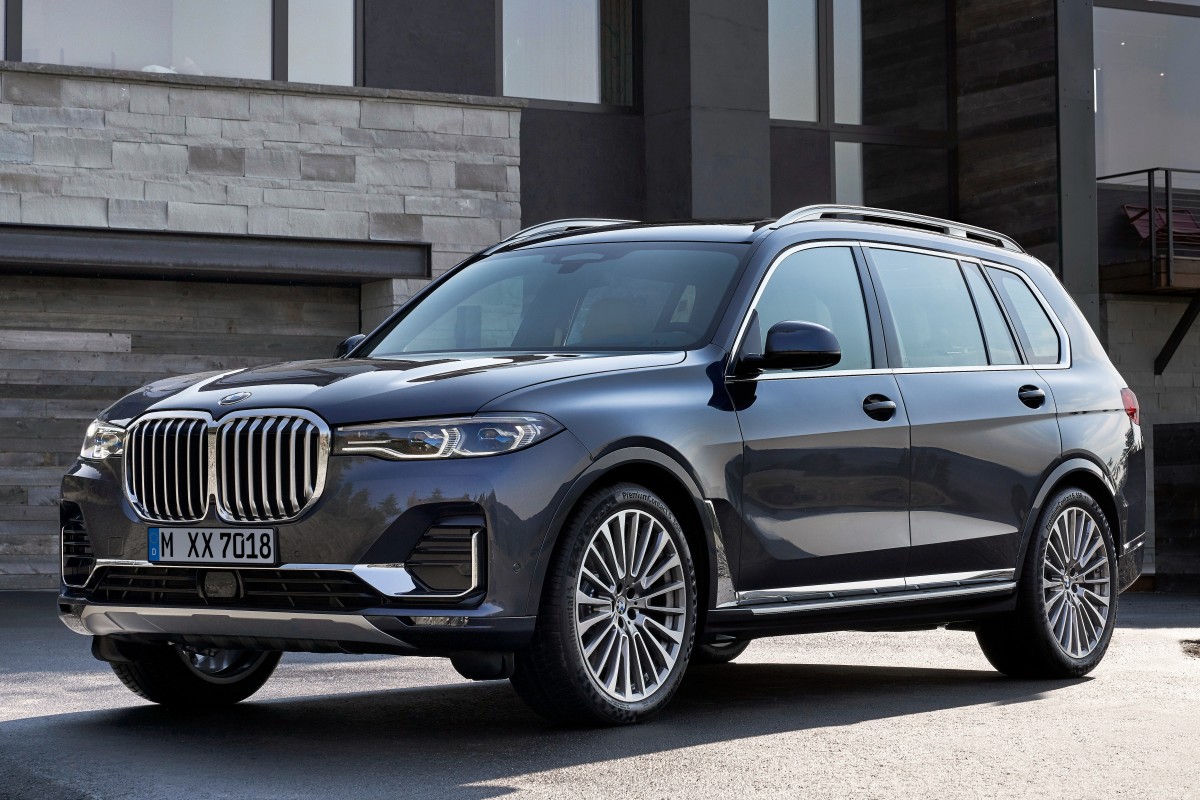
According to CarGurus experts, the overall rating for the 2025 BMW X7 is 7.3 out of 10, while the 2026 Toyota bZ scores 6.5 out of 10. Based on these ratings, the BMW X7 is the recommended choice for those seeking a luxury SUV with powerful performance, advanced technology, and a spacious interior.
Choose the 2025 BMW X7 if:
- You prioritize a powerful engine lineup and sporty driving dynamics in a luxury SUV.
- You value a spacious and versatile interior with advanced technology features.
- You seek a vehicle with sophisticated chassis technology for a comfortable and engaging driving experience.


Choose the 2026 Toyota bZ if:
- You are looking for an efficient and practical electric vehicle with a good range.
- You prefer a modern and comfortable interior with ample storage solutions.
- You want a comprehensive suite of standard safety features and advanced driver-assist technologies.


CarGurus highlights
According to CarGurus experts, the overall rating for the 2025 BMW X7 is 7.3 out of 10, while the 2026 Toyota bZ scores 6.5 out of 10. Based on these ratings, the BMW X7 is the recommended choice for those seeking a luxury SUV with powerful performance, advanced technology, and a spacious interior.
Choose the 2025 BMW X7 if:
Shop Now- You prioritize a powerful engine lineup and sporty driving dynamics in a luxury SUV.
- You value a spacious and versatile interior with advanced technology features.
- You seek a vehicle with sophisticated chassis technology for a comfortable and engaging driving experience.
Choose the 2026 Toyota bZ if:
Shop Now- You are looking for an efficient and practical electric vehicle with a good range.
- You prefer a modern and comfortable interior with ample storage solutions.
- You want a comprehensive suite of standard safety features and advanced driver-assist technologies.

By: CarGurus + AI
At CarGurus, our team of experienced automotive writers remain at the heart of our content operation, conducting hands-on car tests and writing insightful guides that are backed by years of industry experience. To complement this, we are harnessing AI to make our content offering more diverse and more helpful to shoppers than ever. To achieve this, our AI systems are based exclusively on CarGurus content, ratings and data, so that what we produce is both unique to CarGurus, and uniquely helpful to car shoppers.

