2020 Toyota Sienna vs 2021 Kia Sorento

Overview | |
MSRP$29,715 | MSRP$29,390 |
Listings412 | Listings675 |
Ratings & Reviews | |
User Reviews | User Reviews |
Expert reviews7.8 out of 10 | Expert reviews7.7 out of 10 |
Pros
Cons
| Pros
Cons
|
2020 Toyota Sienna Reviews SummarySince the second half of the 20th century, each decade has had a hot-topic family car, and, as we’ve noted in a number of reviews this year, the crossover is our current darling vehicle. Before the crossover, there were big, truck-based SUVs. Before that, there were station wagons. And for the past 35 years, there's always been the minivan. The Dodge Caravan has been widely considered the Patient Zero of the minivan segment. From there, seemingly everyone joined the party, including Toyota, Nissan, Ford, Chevy, GMC, Volkswagen, Oldsmobile, Ford, and more. Heck, even Mercury had a “Nautica Edition” version of the Villager. The minivan was king once, the crossover is king now, and some other type of vehicle will likely dominate in the near future. But in all this, the 7- and 8-passenger minivans will always represent the ultimate in versatility. The crossover is an image-forward fad with a dash of usability, but the minivan continues to prove itself as the pinnacle of practicality. The 2020 Toyota Sienna is neither the newest nor flashiest minivan out there, but when you absolutely need space for people and gear, there’s nothing better. Additionally, the Sienna is the only minivan to offer all-wheel drive (AWD), which is something specifically desired by many car buyers. | |
2021 Kia Sorento Reviews SummaryAfter striking gold with the Telluride, Kia has doubled down on the three-row SUV segment with the redesigned Sorento. While it might not bring the same level of near-luxury refinement that has made the Telluride a smash hit, the slightly smaller Sorento arrives as a compelling option for those who value a more maneuverable family crossover. | |
Popular Features & Specs | |
Engine3.5L 296 hp V6 | Engine2.5L 191 hp I4 |
Drive TrainFWD | Drive TrainFWD |
Seating Capacity2 | Seating Capacity7 |
Horsepower296 hp @ 6200 rpm | Horsepower191 hp @ 6100 rpm |
MPG City19 | MPG City24 |
MPG Highway26 | MPG Highway29 |
Engine | |
Engine Name3.5L 296 hp V6 | Engine Name2.5L 191 hp I4 |
Torque263 lb-ft @ 4700 rpm | Torque181 lb-ft @ 4000 rpm |
Horsepower296 hp @ 6200 rpm | Horsepower191 hp @ 6100 rpm |
DrivetrainFWD | DrivetrainFWD |
Fuel Economy | |
MPG City19 | MPG City24 |
MPG Highway26 | MPG Highway29 |
Interior | |
Seating Capacity2 | Seating Capacity7 |
Safety | |
Front Crash Overall4 | Front Crash Overall4 |
Side Crash Overall5 | Side Crash Overall5 |
Dimensions & Capacity | |
Cargo Space | Cargo Space12.6 cu ft |
Curb Weight4375 lbs | Curb Weight3714 lbs |
Height68.9 in | Height66.7 in |
Length200.2 in | Length189.0 in |
Width78.1 in | Width74.8 in |
Wheelbase119.3 in | Wheelbase110.8 in |
Maximum Payload | Maximum Payload1643 lbs |
Number of doors4 | Number of doors4 |
Maximum Towing Capacity | Maximum Towing Capacity2000 lbs |
Overview | ||
MSRP | $29,715 | $29,390 |
Listings | ||
Ratings & Reviews | ||
User reviews | ||
Expert reviews | 7.8 out of 10Read full review | 7.7 out of 10Read full review |
Pros & cons | Pros
Cons
| Pros
Cons
|
Summary | Since the second half of the 20th century, each decade has had a hot-topic family car, and, as we’ve noted in a number of reviews this year, the crossover is our current darling vehicle. Before the crossover, there were big, truck-based SUVs. Before that, there were station wagons. And for the past 35 years, there's always been the minivan. The Dodge Caravan has been widely considered the Patient Zero of the minivan segment. From there, seemingly everyone joined the party, including Toyota, Nissan, Ford, Chevy, GMC, Volkswagen, Oldsmobile, Ford, and more. Heck, even Mercury had a “Nautica Edition” version of the Villager. The minivan was king once, the crossover is king now, and some other type of vehicle will likely dominate in the near future. But in all this, the 7- and 8-passenger minivans will always represent the ultimate in versatility. The crossover is an image-forward fad with a dash of usability, but the minivan continues to prove itself as the pinnacle of practicality. The 2020 Toyota Sienna is neither the newest nor flashiest minivan out there, but when you absolutely need space for people and gear, there’s nothing better. Additionally, the Sienna is the only minivan to offer all-wheel drive (AWD), which is something specifically desired by many car buyers. | After striking gold with the Telluride, Kia has doubled down on the three-row SUV segment with the redesigned Sorento. While it might not bring the same level of near-luxury refinement that has made the Telluride a smash hit, the slightly smaller Sorento arrives as a compelling option for those who value a more maneuverable family crossover. |
Video | ||
Popular Features & Specs | ||
Engine | 3.5L 296 hp V6 | 2.5L 191 hp I4 |
Drive Train | FWD | FWD |
Seating Capacity | 2 | 7 |
Horsepower | 296 hp @ 6200 rpm | 191 hp @ 6100 rpm |
MPG City | 19 | 24 |
MPG Highway | 26 | 29 |
Engine | ||
Engine Name | 3.5L 296 hp V6 | 2.5L 191 hp I4 |
Torque | 263 lb-ft @ 4700 rpm | 181 lb-ft @ 4000 rpm |
Horsepower | 296 hp @ 6200 rpm | 191 hp @ 6100 rpm |
Drivetrain | FWD | FWD |
Fuel Economy | ||
MPG City | 19 | 24 |
MPG Highway | 26 | 29 |
Interior | ||
Seating Capacity | 2 | 7 |
Safety | ||
Front Crash Overall | 4 | 4 |
Side Crash Overall | 5 | 5 |
Dimensions & Capacity | ||
Cargo Space | 12.6 cu ft | |
Curb Weight | 4375 lbs | 3714 lbs |
Height | 68.9 in | 66.7 in |
Length | 200.2 in | 189.0 in |
Width | 78.1 in | 74.8 in |
Wheelbase | 119.3 in | 110.8 in |
Maximum Payload | 1643 lbs | |
Number of doors | 4 | 4 |
Maximum Towing Capacity | 2000 lbs | |
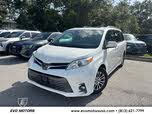
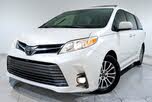
The 2020 Toyota Sienna, part of its third generation, had been around since the 2011 model year. Despite a 2018 update that added newer infotainment tech and minor changes, the 2020 version still felt dated. The interior occasionally felt upscale but was generally considered outdated. The hollow "thud" of the front doors and the instrument panel, reminiscent of Toyota's 2010 parts bin, were clear indicators of its age. However, the simplicity of the controls made them easy to use.
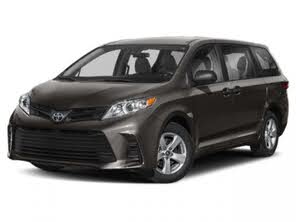
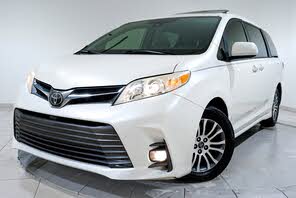
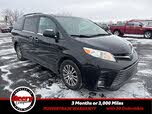
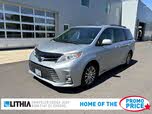
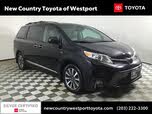
The Sienna offered a range of trims, from the base L to the Limited Premium. The base L trim was well-equipped with features like 17-inch alloy wheels, three-zone climate control, and a 7-inch touchscreen with Apple CarPlay. The LE trim added family-friendly features like dual power sliding doors and easy-clean upholstery. The SE trim, recommended by CarGurus, included a power rear liftgate, 19-inch alloy wheels, and leather upholstery. Higher trims like the SE Premium, XLE, and Limited added more luxury features, with the Limited Premium offering a DVD entertainment system and HID headlights. The Nightshade Edition added dark accents and wheels for a sportier look.
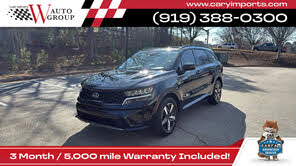
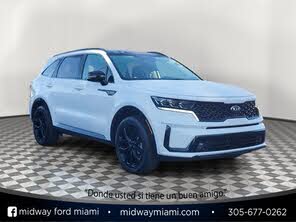
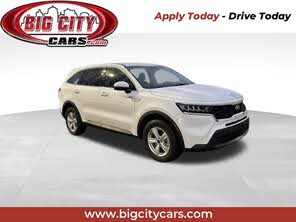
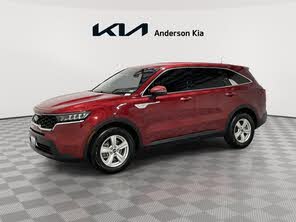
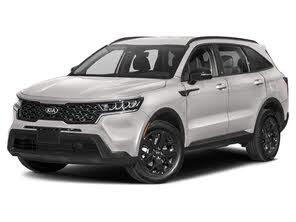
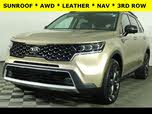
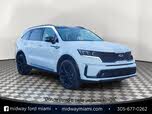
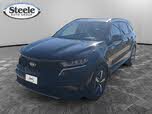
The 2021 Kia Sorento represented a significant design leap from its predecessor. The new model featured a more athletic and muscular silhouette, moving away from the previous jelly-bean-inspired styling. The SX Prestige trim with the X-Line package added roof rails and a shark fin antenna, enhancing its rugged look. The front showcased Kia's expanded tiger-nose grille, while the side featured a silver accent between the front fender and the door. The rear had stylish vertical taillights, and despite a large D-pillar, the overall design was modern and cohesive.
Inside, the Sorento was packed with high-value features. All trims came with heated outside mirrors, second-row air vents, Apple CarPlay, Android Auto, Bluetooth connectivity, and keyless entry. The base LX trim offered six-way driver seat adjustment, while higher trims provided 10-way adjustment with power lumbar support. The SX Prestige trim featured real perforated leather seats, which were soft and comfortable. The panoramic sunroof in the test vehicle let in plenty of light, although it could get too hot during sunny days. Overall, the Sorento's interior was well-designed and comfortable, with ample legroom and thoughtful storage solutions.


The 2020 Toyota Sienna was powered by a 3.5-liter V6 engine, producing 296 horsepower and 263 pound-feet of torque, paired with an 8-speed automatic transmission. The Sienna offered stout acceleration in normal Drive mode, with a Sport mode for livelier throttle and shift response. It also had a manual mode, which was rarely used but could be helpful for towing up to 3,500 pounds. The Sienna came standard with front-wheel drive (FWD), but all trims except the base L had an all-wheel-drive (AWD) option, available only in a 7-passenger configuration.
The FWD Sienna had the best fuel economy, with 19 mpg city, 26 highway, and 21 combined. AWD versions returned 18/24/20 mpg. In a week of mixed driving, the observed fuel economy was 18.3 mpg. The Sienna's low center of gravity and broad base contributed to decent handling dynamics, providing a smooth ride and confidence in various driving conditions. However, the steering response was twitchy at higher speeds, requiring constant attention to keep the van moving straight.
The 2021 Kia Sorento offered a range of powertrains. The base LX and S trims were equipped with a naturally aspirated 2.5-liter four-cylinder engine, producing 191 horsepower and 181 lb-ft of torque, paired with an eight-speed automatic transmission. However, the test car featured a turbocharged 2.5-liter four-cylinder engine, delivering 281 horsepower and 311 lb-ft of torque through an eight-speed dual-clutch transmission (DCT) with a wet clutch to AWD. This setup provided ample power for merging, cruising, and passing.
The Sorento also had a hybrid version with a turbocharged 1.6-liter four-cylinder engine and an electric motor, available only with FWD. The AWD system in the test car included torque vectoring and a center-locking differential for better traction in slippery conditions. The X-Line package added 1.3 inches of ride height, 20-inch alloy wheels, and a roof rack. The suspension setup, with McPherson struts in the front and a multi-link rear, provided a smooth and comfortable ride. The various drive modes, including Eco, Normal, and Sport, made a noticeable difference in throttle response and overall driving experience.
The 2020 Toyota Sienna excelled in cargo space, offering 150 cubic feet, more than competitors like the Chrysler Pacifica and Honda Odyssey. However, accessing this space required removing the second-row seats, which was easier with captain’s chairs than with a bench seat. The third row folded seamlessly into the floor, but getting into the backseat could be challenging due to the awkward folding mechanism of the second-row seats. Toyota also offered mobility access features, like the Auto Access Seat, making the Sienna a practical choice for those needing such capabilities.
The 2021 Kia Sorento, while a three-row SUV, was best considered a four-seater in its top trims due to the tight third row. The second-row captain's chairs were comfortable, and the front and rear seats provided ample legroom. Cargo space behind the third row was limited to 12.6 cubic feet, making it more practical to fold those seats down. Total cargo volume was 75.5 cubic feet, which was on the smaller side for a three-row midsize crossover. However, the Sorento offered thoughtful storage solutions, including a spot for a phone with an optional wireless charger, multiple cupholders, and decent-sized door pockets.
The 2020 Toyota Sienna came standard with a 7-inch touchscreen infotainment system, supporting Amazon Alexa and Apple CarPlay. Other standard tech features included Bluetooth connectivity, five USB ports, and a WiFi hotspot with a 6-month trial. Higher trims added features like navigation and a JBL 10-speaker premium audio system. The Limited trim also included Driver Easy Speak, an intercom system that broadcasted the driver’s voice to the rear speakers, making it easier to communicate with passengers in the back.
The 2021 Kia Sorento featured an 8-inch touchscreen display on the LX, S, and EX trims, with hard buttons, volume and tuning knobs, and wireless Apple CarPlay and Android Auto. The larger 10.25-inch screen on the SX and SX Prestige trims looked fantastic but required a physical connection for Apple CarPlay and Android Auto. The Sorento had plenty of USB ports, although no USB-C ports. The optional Bose stereo in the test car was decent but not exceptional. The navigation system needed improvement, particularly in voice search and Point-of-Interest functions, but most drivers would likely use Apple CarPlay or Android Auto for navigation.
The 2020 Toyota Sienna came standard with the Toyota Safety Sense (TSS-P) suite, including lane-departure warning, lane-keep assist, forward-collision warning with pedestrian detection, dynamic cruise control, and automatic high beams. Blind-spot monitoring was optional on lower trims and standard on the XLE and Limited trims. The Sienna earned five stars in NHTSA crash testing and top scores from the IIHS, including a Superior rating for its standard driver-assistance features.
The 2021 Kia Sorento was equipped with a comprehensive array of standard safety features, including automatic emergency braking with pedestrian detection, driver-attention warning, lane-keeping assist, lane-departure warning, lane-following assist, and auto high beams. The test car also had a surround-view camera and adaptive cruise control, which worked smoothly. The NHTSA awarded the Sorento four out of five stars overall, with perfect scores in side-impact crash tests. The IIHS awarded it a Top Safety Pick designation, with the SX trims receiving top ratings for their LED headlights.
CarGurus highlights
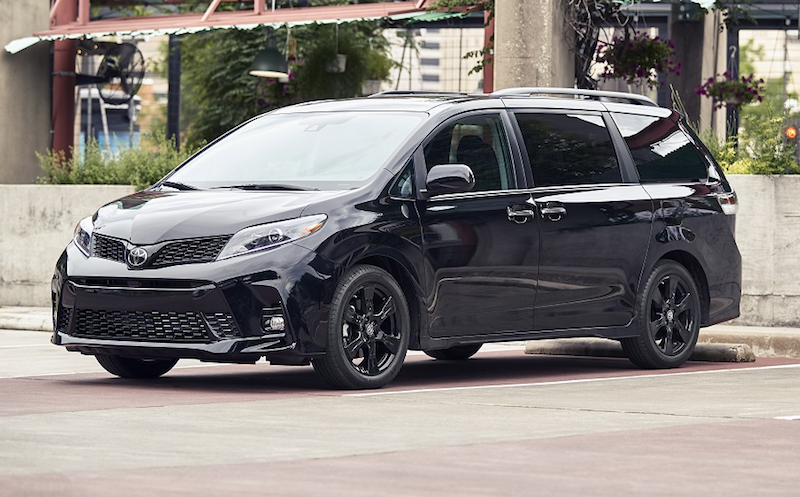
According to CarGurus experts, the overall rating for the 2020 Toyota Sienna is 7.8 out of 10, while the 2021 Kia Sorento scores 7.7 out of 10. Based on these ratings, the 2020 Toyota Sienna is the recommended choice, offering superior cargo space, comprehensive safety features, and practical mobility access options.
Choose the 2020 Toyota Sienna if:
- You need maximum cargo space and are willing to remove the second-row seats to access it.
- You prefer a minivan with a comprehensive suite of standard safety features.
- You require mobility access features like the Auto Access Seat.




Choose the 2021 Kia Sorento if:
- You want a stylish, modern SUV with a muscular design and high-value interior features.
- You prefer a vehicle with multiple powertrain options, including a turbocharged engine and hybrid variant.
- You need a comfortable and well-equipped second row with captain's chairs and ample legroom.

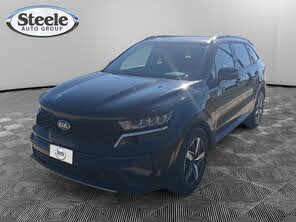



CarGurus highlights
According to CarGurus experts, the overall rating for the 2020 Toyota Sienna is 7.8 out of 10, while the 2021 Kia Sorento scores 7.7 out of 10. Based on these ratings, the 2020 Toyota Sienna is the recommended choice, offering superior cargo space, comprehensive safety features, and practical mobility access options.
Choose the 2020 Toyota Sienna if:
Shop Now- You need maximum cargo space and are willing to remove the second-row seats to access it.
- You prefer a minivan with a comprehensive suite of standard safety features.
- You require mobility access features like the Auto Access Seat.





Choose the 2021 Kia Sorento if:
Shop Now- You want a stylish, modern SUV with a muscular design and high-value interior features.
- You prefer a vehicle with multiple powertrain options, including a turbocharged engine and hybrid variant.
- You need a comfortable and well-equipped second row with captain's chairs and ample legroom.







By: CarGurus + AI
At CarGurus, our team of experienced automotive writers remain at the heart of our content operation, conducting hands-on car tests and writing insightful guides that are backed by years of industry experience. To complement this, we are harnessing AI to make our content offering more diverse and more helpful to shoppers than ever. To achieve this, our AI systems are based exclusively on CarGurus content, ratings and data, so that what we produce is both unique to CarGurus, and uniquely helpful to car shoppers.