2020 Nissan Altima vs 2020 Toyota Prius

Overview | |
MSRP$24,325 | MSRP$24,300 |
Listings110 | Listings1366 |
Ratings & Reviews | |
User Reviews | User Reviews |
Expert reviews7.5 out of 10 | Expert reviews7.3 out of 10 |
Pros
Cons
| Pros
Cons
|
2020 Toyota Prius Reviews SummaryEver heard of an eponym? It’s a brand or product that is so popular that it’s come to define its respective market. Think of Kleenex for tissues or Band-Aid for medical bandages. For hybrids, the Toyota Prius has ascended to near-eponym status. It was one of the first—and remains one of the most popular—hybrids ever made. As automakers across the industry are rolling out more hybrid models, the Prius continues to be the standard-bearer of this genre. This is largely due to the fact that the Prius is a dedicated hybrid, rather than a hybrid variant of an existing model. Throughout the industry, different companies are taking different approaches to alt-fuel vehicles, including full-electric and hydrogen fuel cell powertrains. The Prius endures as the leader in hybrid power due to a focus on fuel efficiency that doesn’t compromise on style, drivability, and versatility. So how does the Prius hold its ground as more players enter the fray? Read on to find out. | |
2020 Nissan Altima Reviews SummarySedans are not dead, though some models in the segment are not long for this world. In fact, post-pandemic financial pressure on consumers could result in a resurgence of the traditional 4-door car as consumers seek lower-cost, higher-value transportation. Clearly, Nissan believes in sedans. And should economic headwinds once again favor cars over more expensive and less efficient SUVs, the company is perfectly positioned to capitalize on such a theoretical trend. During the past two years, the company has redesigned or refreshed its entire sedan lineup, which includes the Versa, Sentra, Altima, and Maxima. New last year, the 2020 Nissan Altima receives an important change. The company's Nissan Safety Shield 360 advanced driving assistance systems (ADAS) package is more widely available than before. Now optional for base S trim and standard with SR trim and higher, this collection of ADAS makes the 2020 Altima even more worthy of your consideration. But is that enough? | |
No video found | No video found |
Popular Features & Specs | |
Engine1.8L 121 hp I4 Hybrid | Engine2.5L 188 hp I4 |
Drive TrainFWD | Drive TrainFWD |
Seating Capacity5 | Seating Capacity5 |
Horsepower | Horsepower188 hp @ 6000 rpm |
EV Battery Capacity0.7 kWh | EV Battery Capacity |
MPG City58 | MPG City28 |
MPG Highway53 | MPG Highway39 |
Engine | |
Engine Name1.8L 121 hp I4 Hybrid | Engine Name2.5L 188 hp I4 |
Torque | Torque180 lb-ft @ 3600 rpm |
Horsepower | Horsepower188 hp @ 6000 rpm |
DrivetrainFWD | DrivetrainFWD |
Fuel Economy | |
EV Battery Capacity0.7 kWh | EV Battery Capacity |
MPG City58 | MPG City28 |
MPG Highway53 | MPG Highway39 |
Interior | |
Seating Capacity5 | Seating Capacity5 |
Safety | |
Front Crash Overall4 | Front Crash Overall4 |
Side Crash Overall5 | Side Crash Overall5 |
Dimensions & Capacity | |
Cargo Space27.4 cu ft | Cargo Space15.4 cu ft |
Curb Weight3010 lbs | Curb Weight3208 lbs |
Height57.9 in | Height56.7 in |
Length180.0 in | Length192.9 in |
Width69.3 in | Width72.9 in |
Wheelbase106.3 in | Wheelbase111.2 in |
Maximum Payload825 lbs | Maximum Payload1120 lbs |
Number of doors4 | Number of doors4 |
Overview | ||
MSRP | $24,325 | $24,300 |
Listings | ||
Ratings & Reviews | ||
User reviews | ||
Expert reviews | 7.5 out of 10Read full review | 7.3 out of 10Read full review |
Pros & cons | Pros
Cons
| Pros
Cons
|
Summary | Ever heard of an eponym? It’s a brand or product that is so popular that it’s come to define its respective market. Think of Kleenex for tissues or Band-Aid for medical bandages. For hybrids, the Toyota Prius has ascended to near-eponym status. It was one of the first—and remains one of the most popular—hybrids ever made. As automakers across the industry are rolling out more hybrid models, the Prius continues to be the standard-bearer of this genre. This is largely due to the fact that the Prius is a dedicated hybrid, rather than a hybrid variant of an existing model. Throughout the industry, different companies are taking different approaches to alt-fuel vehicles, including full-electric and hydrogen fuel cell powertrains. The Prius endures as the leader in hybrid power due to a focus on fuel efficiency that doesn’t compromise on style, drivability, and versatility. So how does the Prius hold its ground as more players enter the fray? Read on to find out. | Sedans are not dead, though some models in the segment are not long for this world. In fact, post-pandemic financial pressure on consumers could result in a resurgence of the traditional 4-door car as consumers seek lower-cost, higher-value transportation. Clearly, Nissan believes in sedans. And should economic headwinds once again favor cars over more expensive and less efficient SUVs, the company is perfectly positioned to capitalize on such a theoretical trend. During the past two years, the company has redesigned or refreshed its entire sedan lineup, which includes the Versa, Sentra, Altima, and Maxima. New last year, the 2020 Nissan Altima receives an important change. The company's Nissan Safety Shield 360 advanced driving assistance systems (ADAS) package is more widely available than before. Now optional for base S trim and standard with SR trim and higher, this collection of ADAS makes the 2020 Altima even more worthy of your consideration. But is that enough? |
Video | No video found | No video found |
Popular Features & Specs | ||
Engine | 1.8L 121 hp I4 Hybrid | 2.5L 188 hp I4 |
Drive Train | FWD | FWD |
Seating Capacity | 5 | 5 |
Horsepower | 188 hp @ 6000 rpm | |
EV Battery Capacity | 0.7 kWh | |
MPG City | 58 | 28 |
MPG Highway | 53 | 39 |
Engine | ||
Engine Name | 1.8L 121 hp I4 Hybrid | 2.5L 188 hp I4 |
Torque | 180 lb-ft @ 3600 rpm | |
Horsepower | 188 hp @ 6000 rpm | |
Drivetrain | FWD | FWD |
Fuel Economy | ||
EV Battery Capacity | 0.7 kWh | |
MPG City | 58 | 28 |
MPG Highway | 53 | 39 |
Interior | ||
Seating Capacity | 5 | 5 |
Safety | ||
Front Crash Overall | 4 | 4 |
Side Crash Overall | 5 | 5 |
Dimensions & Capacity | ||
Cargo Space | 27.4 cu ft | 15.4 cu ft |
Curb Weight | 3010 lbs | 3208 lbs |
Height | 57.9 in | 56.7 in |
Length | 180.0 in | 192.9 in |
Width | 69.3 in | 72.9 in |
Wheelbase | 106.3 in | 111.2 in |
Maximum Payload | 825 lbs | 1120 lbs |
Number of doors | 4 | 4 |
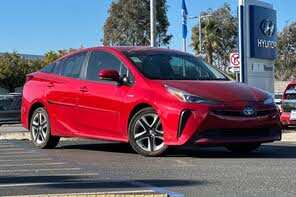
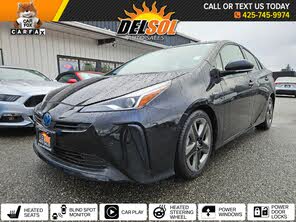
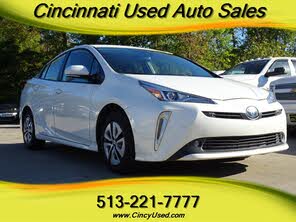
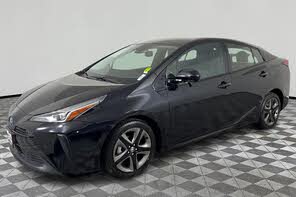
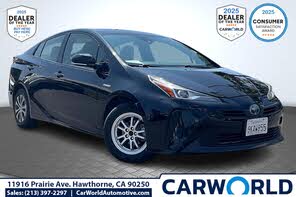
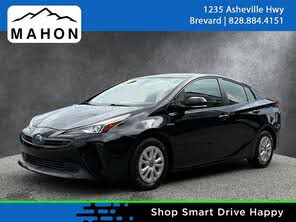
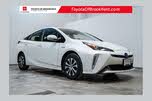
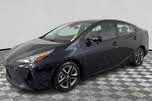
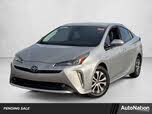
The 2020 Toyota Prius retained its iconic jellybean-like shape, optimized for aerodynamics. Toyota made subtle changes to give it a more sedan-like appearance while maintaining its hatchback functionality. The Prius continued to look contemporary with its futuristic style, especially with its unique cabin design featuring centrally located instrumentation and gauges. The trim levels ranged from the entry-level L Eco to the top-tier Limited, each adding more features and luxury.
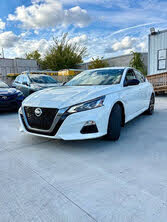
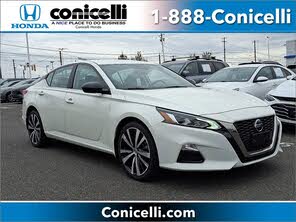
The 2020 Nissan Altima, particularly in the Platinum trim, showcased a clean and contemporary design with ergonomic simplicity. The interior featured high-quality materials, though limited to black or gray colors. The infotainment system was user-friendly, and the climate controls were straightforward. The Altima's exterior design was refined, with 19-inch machined-finish aluminum wheels adding to its appeal. However, some design elements, like the door handles and rear diffuser panel, were less well-received.


The 2020 Toyota Prius was powered by a 1.8-liter four-cylinder engine paired with an electric motor, producing a combined 121 horsepower and 105 pound-feet of torque. It offered both front-wheel drive (FWD) and an all-wheel-drive (AWD) variant, the Prius AWD-e, which used a second electric motor for the rear wheels. The Prius featured three drive modes—EV, Eco, and Power—each catering to different driving needs. The unique shifter design and Engine Braking mode added to its distinctive driving experience. The Prius handled well, with a low center of gravity providing sharper handling than expected for a hybrid.
The 2020 Nissan Altima offered a 2.5-liter four-cylinder engine with 188 horsepower, paired with a continuously variable automatic transmission (CVT). An AWD option was available for this engine. The test car featured a turbocharged 2.0-liter four-cylinder engine, producing 248 horsepower and 273 pound-feet of torque on premium fuel. The Altima's ride and handling were impressive, thanks to features like Active Ride Control and Intelligent Trace Control. The VC-Turbo engine provided a satisfying driving experience, though the CVT's power surges were noticeable.
The 2020 Toyota Prius made excellent use of its compact platform, offering spacious and comfortable front seats with good visibility. The rear seats also provided ample space, though taller passengers needed to be cautious. The Prius boasted 50.7 cubic feet of cargo space with the rear seats folded and up to 27.4 cubic feet with the seats up, making it one of the most versatile hybrids available. The hatchback design facilitated easy loading of large items.
The 2020 Nissan Altima featured NASA-inspired front and back seats for superior comfort, though it lacked a front passenger seat height adjuster and ventilated front seats. Heated front seats, a heated steering wheel, and a remote engine starter were available for cold climates. The Altima offered substantial in-cabin storage but lacked a wireless smartphone charging pad. The trunk provided 15.4 cubic feet of space, with optional grocery bag hooks and an interior grab handle for convenience.
The 2020 Toyota Prius came standard with a 7-inch touchscreen, Android Auto, Apple CarPlay, Bluetooth connectivity, a WiFi hotspot, and three USB ports. The Limited trim upgraded to an 11.6-inch screen with a customizable layout, though it lacked Android Auto. Additional features included satellite radio, HD Radio, a head-up display (HUD), and a 10-speaker JBL premium audio system. The top-center instrument panel was a defining feature, providing critical readouts and hybrid drivetrain status.
The 2020 Nissan Altima offered an 8-inch display with an intuitive layout, stereo knobs, and physical and virtual buttons for easy navigation. Standard features included Bluetooth connectivity, a text-messaging assistant, Siri Eyes Free, Apple CarPlay, and Android Auto. Available upgrades included satellite radio, a navigation system, a 9-speaker Bose premium audio system, and NissanConnect Services. The connected services technology provided various plans for enhanced functionality, though the voice recognition system required specific commands.
The 2020 Toyota Prius came equipped with Toyota Safety Sense 2.0, including automatic emergency braking, forward-collision warning, lane-departure warning, adaptive cruise control, and automatic high beams. Optional features included blind-spot monitoring, rear cross-traffic alert, parking sensors, and active park assist. The Prius earned a five-star rating from the NHTSA and a "Top Safety Pick" from the IIHS, though it fell short of the highest rating due to "average" scores in certain tests.
The 2020 Nissan Altima included Nissan Safety Shield 360, with features like forward collision warning, automatic emergency braking, pedestrian detection, blind-spot warning, rear cross-traffic warning, lane departure warning, rear automatic braking, and automatic high-beam assistance. Additional safety systems included a driver monitoring system, road-sign recognition, and a surround-view camera. ProPilot Assist offered semi-autonomous driving aids, though it was not entirely reliable. The Altima received a five-star rating from the NHTSA and a "Top Safety Pick" from the IIHS.
CarGurus highlights

According to CarGurus experts, the overall rating for the 2020 Toyota Prius is 7.5 out of 10, while the 2020 Nissan Altima scores 7.3 out of 10. Based on these ratings, the Toyota Prius is the recommended choice for its superior fuel efficiency, versatile cargo space, and comprehensive safety features.
Choose the 2020 Nissan Altima if:
- You prefer a more powerful engine option with turbocharging.
- You want a user-friendly infotainment system with connected services.
- You seek a comfortable and ergonomically designed interior.





Choose the 2020 Toyota Prius if:
- You prioritize fuel efficiency and hybrid technology.
- You need a versatile and spacious cargo area.
- You value a comprehensive suite of standard safety features.




CarGurus highlights
According to CarGurus experts, the overall rating for the 2020 Toyota Prius is 7.5 out of 10, while the 2020 Nissan Altima scores 7.3 out of 10. Based on these ratings, the Toyota Prius is the recommended choice for its superior fuel efficiency, versatile cargo space, and comprehensive safety features.
Choose the 2020 Nissan Altima if:
Shop Now- You prefer a more powerful engine option with turbocharging.
- You want a user-friendly infotainment system with connected services.
- You seek a comfortable and ergonomically designed interior.








Choose the 2020 Toyota Prius if:
Shop Now- You prioritize fuel efficiency and hybrid technology.
- You need a versatile and spacious cargo area.
- You value a comprehensive suite of standard safety features.







By: CarGurus + AI
At CarGurus, our team of experienced automotive writers remain at the heart of our content operation, conducting hands-on car tests and writing insightful guides that are backed by years of industry experience. To complement this, we are harnessing AI to make our content offering more diverse and more helpful to shoppers than ever. To achieve this, our AI systems are based exclusively on CarGurus content, ratings and data, so that what we produce is both unique to CarGurus, and uniquely helpful to car shoppers.