2021 Nissan Altima vs 2021 Hyundai Elantra

Overview | |
MSRP$19,650 | MSRP$24,550 |
Listings652 | Listings1362 |
Ratings & Reviews | |
User Reviews | User Reviews |
Expert reviews8.8 out of 10 | Expert reviews7.2 out of 10 |
Pros
Cons
| Pros
Cons
|
2021 Hyundai Elantra Reviews SummaryCompact cars are no longer compact. Cheap cars are no longer cheap. And it is no longer necessary to buy a luxury vehicle for performance, technology, and sophistication. The redesigned 2021 Hyundai Elantra proves it. | |
2021 Nissan Altima Reviews SummaryThe 2021 Nissan Altima is a popular midsize sedan now in the third year of its sixth generation of production. The Altima debuted as a 1993 model and has spent the decades nudged from the spotlight by the Toyota Camry and Honda Accord, despite continuous evolution and improvement over the years. Don’t feel bad for the Altima—it has a lot of fans, and some innovative features it hopes will allow it to take center stage someday. | |
No video found | |
Popular Features & Specs | |
Engine2.0L 147 hp I4 | Engine2.5L 182 hp I4 |
Drive TrainFWD | Drive TrainFWD |
Seating Capacity5 | Seating Capacity5 |
Horsepower147 hp @ 6200 rpm | Horsepower182 hp @ 6000 rpm |
MPG City31 | MPG City28 |
MPG Highway41 | MPG Highway39 |
Engine | |
Engine Name2.0L 147 hp I4 | Engine Name2.5L 182 hp I4 |
Torque132 lb-ft @ 4500 rpm | Torque178 lb-ft @ 3600 rpm |
Horsepower147 hp @ 6200 rpm | Horsepower182 hp @ 6000 rpm |
DrivetrainFWD | DrivetrainFWD |
Fuel Economy | |
MPG City31 | MPG City28 |
MPG Highway41 | MPG Highway39 |
Interior | |
Seating Capacity5 | Seating Capacity5 |
Safety | |
Front Crash Overall | Front Crash Overall4 |
Side Crash Overall | Side Crash Overall5 |
Dimensions & Capacity | |
Cargo Space14.2 cu ft | Cargo Space15.4 cu ft |
Curb Weight2725 lbs | Curb Weight3207 lbs |
Height55.7 in | Height56.7 in |
Length184.1 in | Length192.9 in |
Width71.9 in | Width72.9 in |
Wheelbase107.1 in | Wheelbase111.2 in |
Maximum Payload1133 lbs | Maximum Payload1121 lbs |
Number of doors4 | Number of doors4 |
Overview | ||
MSRP | $19,650 | $24,550 |
Listings | ||
Ratings & Reviews | ||
User reviews | ||
Expert reviews | 8.8 out of 10Read full review | 7.2 out of 10Read full review |
Pros & cons | Pros
Cons
| Pros
Cons
|
Summary | Compact cars are no longer compact. Cheap cars are no longer cheap. And it is no longer necessary to buy a luxury vehicle for performance, technology, and sophistication. The redesigned 2021 Hyundai Elantra proves it. | The 2021 Nissan Altima is a popular midsize sedan now in the third year of its sixth generation of production. The Altima debuted as a 1993 model and has spent the decades nudged from the spotlight by the Toyota Camry and Honda Accord, despite continuous evolution and improvement over the years. Don’t feel bad for the Altima—it has a lot of fans, and some innovative features it hopes will allow it to take center stage someday. |
Video | No video found | |
Popular Features & Specs | ||
Engine | 2.0L 147 hp I4 | 2.5L 182 hp I4 |
Drive Train | FWD | FWD |
Seating Capacity | 5 | 5 |
Horsepower | 147 hp @ 6200 rpm | 182 hp @ 6000 rpm |
MPG City | 31 | 28 |
MPG Highway | 41 | 39 |
Engine | ||
Engine Name | 2.0L 147 hp I4 | 2.5L 182 hp I4 |
Torque | 132 lb-ft @ 4500 rpm | 178 lb-ft @ 3600 rpm |
Horsepower | 147 hp @ 6200 rpm | 182 hp @ 6000 rpm |
Drivetrain | FWD | FWD |
Fuel Economy | ||
MPG City | 31 | 28 |
MPG Highway | 41 | 39 |
Interior | ||
Seating Capacity | 5 | 5 |
Safety | ||
Front Crash Overall | 4 | |
Side Crash Overall | 5 | |
Dimensions & Capacity | ||
Cargo Space | 14.2 cu ft | 15.4 cu ft |
Curb Weight | 2725 lbs | 3207 lbs |
Height | 55.7 in | 56.7 in |
Length | 184.1 in | 192.9 in |
Width | 71.9 in | 72.9 in |
Wheelbase | 107.1 in | 111.2 in |
Maximum Payload | 1133 lbs | 1121 lbs |
Number of doors | 4 | 4 |
The 2021 Hyundai Elantra and 2021 Nissan Altima showcased distinct design philosophies that set them apart in the competitive sedan market.
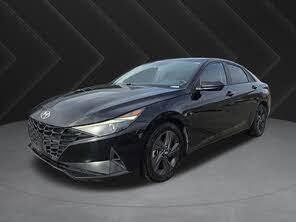
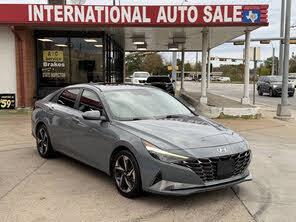
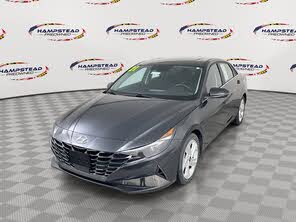
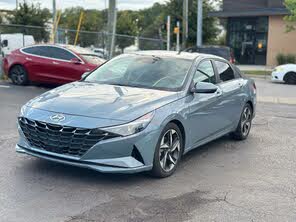
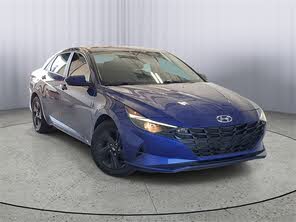
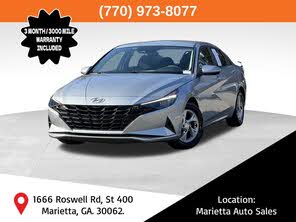
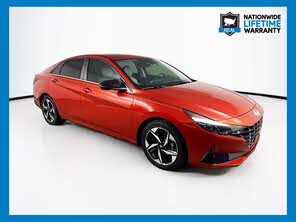
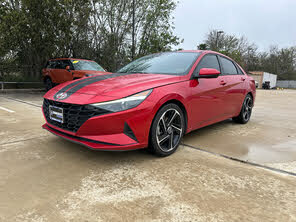
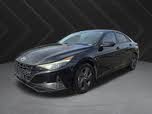
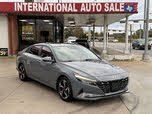
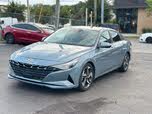
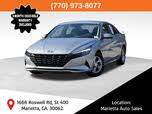
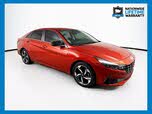
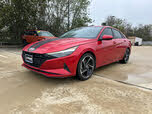
The 2021 Hyundai Elantra boasted a striking design that was unmistakable. This model was the latest recipient of Hyundai’s Sensuous Sportiness design language, featuring dramatic angles and sharp creases, enhanced by the unique Parametric surfacing inside and out. The Elantra's styling conveyed an edgy and distinctive appearance. One of the most talked-about features was the Z-shaped indentation on the doors. This design, introduced by senior designer Davis Lee, broke conventional automotive design norms, giving the Elantra a unique character.
The Elantra was available in SE, SEL, N Line, and Limited trims, with a Hybrid powertrain option for the SEL and Limited. Prices ranged from $19,650 to $25,450 before destination charges. Hyundai anticipated that only about 10% of buyers would opt for the hybrid variant.
The interior of the 2021 Elantra continued the bold exterior theme with a driver-focused dashboard and center console. The Limited and Hybrid Limited trims, with their gray seats and contrasting black cabins, offered a high-end, modern feel. The use of gray helped in concealing some cheaper plastic elements, ultimately elevating the overall cabin aesthetics.
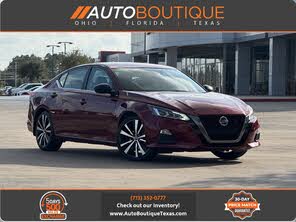
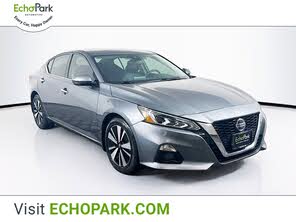
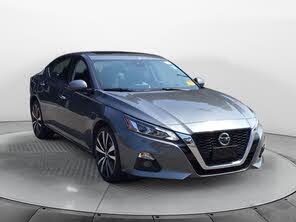
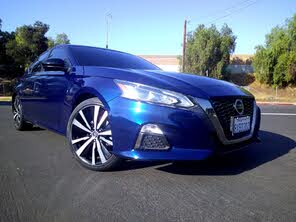
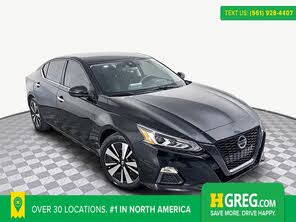
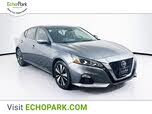
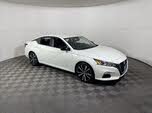
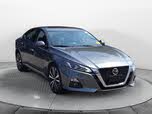
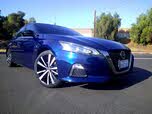
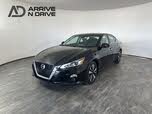
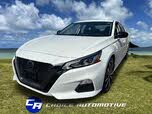
Nissan’s 2021 Altima had a design approach that leaned towards a refined family look. The V-Motion grille was a central feature, draped in either chrome or dark chrome, depending on the trim, and it added a touch of elegance to the front profile. The side profile of the Altima was aerodynamic with a sloping, coupe-like roofline. The body had more folds than curves, lending it a trim and tight essence.
However, the Altima's design also had a few challenges. There was considerable overhang in front of the wheels and behind them, contributing to a somewhat old-fashioned look despite the incorporation of modern elements like LED lighting and wheels ranging from 16-inch steel to 19-inch alloy.
The Altima's fit and finish were commendable, with lustrous paint and rich chrome details. It was offered in nine exterior colors, each with distinctive names and character.
Inside, the Altima’s design was uncluttered and intelligently arranged. The dashboard featured a standard 8-inch touchscreen, thoughtfully placed for optimal convenience. Nissan’s strategy of incorporating more upscale materials as you moved up the trim levels was apparent and effective. The upgraded models included better hand feel materials and aesthetically pleasing stitching on the dash and seats.


The 2021 Elantra provided a diverse range of powertrains catering to different driving preferences.
The Elantra SEL, with a sticker price of $25,015 (including destination charge), was powered by a 2.0-liter 4-cylinder engine producing 147 horsepower and 132 pound-feet of torque, paired with a CVT. This setup was suitable for city driving but felt underwhelming on highways. The EPA rating was 35 mpg combined, though real-world figures were around 31.4 mpg. The ride, tuned via a beam-axle rear suspension, managed to maintain comfort while addressing previous generation’s issues with rear-end bouncing.
Priced at $29,095 (including destination charge), this trim featured a 1.6-liter Atkinson-cycle four-cylinder engine combined with an electric motor and a 1.32-kWh battery, producing 139 horsepower. The six-speed DCT and hybrid system offered instant torque and a more enjoyable driving experience. EPA ratings were 50 mpg combined, although actual fuel economy was slightly lower due to variations in driving conditions.
The N Line and N models were for the performance enthusiast. The N Line, priced at $26,245, came with a turbocharged 1.6-liter four-cylinder engine producing 201 horsepower and 195 pound-feet of torque. It provided a sporty driving experience with its slick manual transmission and sport suspension.
The Elantra N, expected to cost around $34,000, was a high-performance version with a turbocharged 2.0-liter 4-cylinder engine churning out 276 horsepower and 289 pound-feet of torque. It featured an advanced suspension setup and offered an exhilarating driving experience, especially on twisty roads and high-speed runs.
For 2021, the Nissan Altima offered distinctly different powertrains catering to both efficiency and performance.
Base 2.5-Liter Engine
Most Altima models were equipped with a naturally aspirated 2.5-liter four-cylinder engine, which produced 182 horsepower and 178 pound-feet of torque. This engine was mated to Nissan's Xtronic CVT and was available with both FWD and AWD options. Fuel economy for the FWD was rated at 28 mpg city/39 mpg highway/32 mpg combined, while the AWD version achieved 25 mpg city/35 mpg highway/29 mpg combined. The AWD system was adept at reallocating torque to the rear wheels as needed, enhancing traction and stability.
VC-Turbo Engine
Exclusive to the SR VC-Turbo trim, this unique 2.0-liter turbocharged four-cylinder engine used a variable compression system, producing 248 horsepower and 273 pound-feet of torque. Paired with a CVT, this engine delivered a significantly more engaging driving experience, almost as good in fuel economy as the AWD at 25 mpg city/34 mpg highway/29 mpg combined. Despite weighing nearly 200 pounds more than the 2.5-liter version, the VC-Turbo felt considerably more responsive.
Both engine options were complemented by an impressive suspension system, featuring McPherson struts in the front and a multi-link setup in the rear. The electric-powered steering provided decent feedback, although the sport-tuned suspension on the VC-Turbo did not exhibit a noticeable difference from the standard setup.
The Elantra's interior was spacious, earning it a midsize car designation by the EPA despite being a compact sedan. The front seats were height-adjustable and offered ample comfort, with options for heated and ventilated seats on higher trims. One drawback was the removal of the height-adjustable passenger seat, reducing front passenger comfort.
In the rear, the Elantra claimed best-in-class legroom, almost rivaling the larger Hyundai Sonata. Despite this spaciousness, the backrest and angle provided inadequate upper-back support, and there were no rear air vents or USB charging ports.
Cargo space stood at 14.2 cubic feet with a handy 60/40-split rear seat enhancing utility. However, Hyundai overlooked practical elements like a grab handle for the trunk lid, necessitating contact with the exterior.
The Altima was equipped with Nissan’s Zero Gravity front seats, highly praised for their comfort on long drives. These seats offered power adjustment, position memory, leather upholstery, and heating options on upper trims.
The interior storage was generous, with features including a large glovebox, center console bin, cupholders, door pockets, and a center stack cubby. Rear passengers enjoyed ample space, comparable to the Elantra’s, and the ability to fold the rear seats flat in a 60/40 split for increased cargo access. The Altima's trunk offered slightly more space at 15.4 cubic feet, further enhancing its practicality over the Elantra.
The Elantra’s tech offerings varied with trim levels. SE, SEL, and N Line trims featured an 8-inch touchscreen with knobs for volume and tuning, accompanied by wireless Apple CarPlay and Android Auto. The N Line added satellite radio and Blue Link connected services, along with wireless smartphone charging.
Limited trims stepped up with a dual 10.25-inch display, combining the infotainment and digital instrument cluster under one glass panel. This setup wowed with its sleek design and provided amenities like navigation, dynamic voice recognition, and ambient lighting. Notably, wireless smartphone integration was unavailable with the 10.25-inch screen, but full-screen functionality for Apple CarPlay and Android Auto was included.
A Bose premium sound system was available, delivering impressive audio quality. The Hyundai Digital Key, compatible with Android smartphones, allowed for keyless entry and ignition, with the ability to share and restrict access.
Nissan ensured that essential tech features were standard across all Altima models. This included Nissan Intelligent Key with pushbutton start, remote engine start, Bluetooth, cruise control, rear-view camera, Siri Eyes Free, Google Assistant Voice Recognition, and streaming audio.
The standard touchscreen was a 7-inch display on the S trim, while other models enjoyed the 8-inch NissanConnect touchscreen. Higher trims featured a 7-inch advanced Drive-Assist display alongside the instrument panel. The base S model had one USB port, while other trims offered multiple USB and USB-C ports.
SiriusXM satellite radio was included on all but the S trim, and a Bose audio system was standard on SL and Platinum trims. The VC-Turbo models featured Active Noise Cancellation, making for a quieter cabin experience. Upper trims also enjoyed Nissan Door to Door Navigation with a five-year trial for Premium Traffic.
The 2021 Elantra was built on a new platform designed to disperse collision energy effectively. Hyundai’s SmartSense suite included essential safety features like forward collision warning, automatic emergency braking, lane-departure warning, lane-keeping and lane-centering assistance, automatic high beams, blind-spot warning, and rear cross-traffic alert.
Advanced features such as cyclist detection, junction turning assistance, adaptive cruise control, rear automatic braking, and Hyundai’s Highway Drive Assist elevated the safety profile.
Nissan’s Safety Shield 360 suite was standard for the Altima SV and above. It comprised automatic emergency braking with pedestrian detection, rear automatic braking, rear cross-traffic alert, blind-spot warning, lane-departure warning, and high-beam assist.
ProPilot Assist was available on higher trims, aiding in reducing highway driving stress by offering features like intelligent forward collision warning, lane intervention, traffic sign recognition, intelligent driver alertness, and adaptive cruise control. The Intelligent Around View Monitor, available on higher trims, enhanced parking safety by offering a 360-degree overhead view and sonar-based object detection.
The 2021 Altima earned a five-star overall safety rating from the NHTSA and a Top Safety Pick + rating from the IIHS.
CarGurus highlights

According to CarGurus experts, the overall rating for the 2021 Hyundai Elantra is 8.8 out of 10, while the 2021 Nissan Altima scores 7.2 out of 10. Based on these ratings, the 2021 Hyundai Elantra emerges as the winner in this comparison. With its standout design, spacious interior, advanced tech features, and a strong performance lineup, the Elantra offers a more comprehensive and satisfying package for consumers.
Choose the 2021 Nissan Altima if:
- You appreciate a refined, sleek exterior design with high-quality fit and finish.
- You prioritize comfort, especially with the highly praised Zero Gravity seats.
- You require a slightly larger trunk space and value comprehensive safety features like ProPilot Assist.





Choose the 2021 Hyundai Elantra if:
- You desire distinctive, bold styling both inside and out.
- You're seeking best-in-class rear-seat legroom and a spacious interior.
- You value advanced technology features, including a sophisticated infotainment system and digital key functionality.


CarGurus highlights
According to CarGurus experts, the overall rating for the 2021 Hyundai Elantra is 8.8 out of 10, while the 2021 Nissan Altima scores 7.2 out of 10. Based on these ratings, the 2021 Hyundai Elantra emerges as the winner in this comparison. With its standout design, spacious interior, advanced tech features, and a strong performance lineup, the Elantra offers a more comprehensive and satisfying package for consumers.
Choose the 2021 Nissan Altima if:
Shop Now- You appreciate a refined, sleek exterior design with high-quality fit and finish.
- You prioritize comfort, especially with the highly praised Zero Gravity seats.
- You require a slightly larger trunk space and value comprehensive safety features like ProPilot Assist.




Choose the 2021 Hyundai Elantra if:
Shop Now- You desire distinctive, bold styling both inside and out.
- You're seeking best-in-class rear-seat legroom and a spacious interior.
- You value advanced technology features, including a sophisticated infotainment system and digital key functionality.



By: CarGurus + AI
At CarGurus, our team of experienced automotive writers remain at the heart of our content operation, conducting hands-on car tests and writing insightful guides that are backed by years of industry experience. To complement this, we are harnessing AI to make our content offering more diverse and more helpful to shoppers than ever. To achieve this, our AI systems are based exclusively on CarGurus content, ratings and data, so that what we produce is both unique to CarGurus, and uniquely helpful to car shoppers.