2020 Toyota Highlander vs 2020 Ford Edge

Overview | |
MSRP$34,600 | MSRP$31,100 |
Listings263 | Listings199 |
Ratings & Reviews | |
User Reviews | User Reviews |
Expert reviews7.7 out of 10 | Expert reviews8.0 out of 10 |
Pros
Cons
| Pros
Cons
|
2020 Toyota Highlander Reviews SummaryMidsize three-row SUVs are all spacious and powerful, but only the Toyota Highlander reaches the premium threshold for passenger comfort. Redesigned for 2020, the Highlander's revised styling and technology are secondary to its silent operation, soft ride, and cosseting interior. The upper trims feel and drive just like a Lexus, without the upcharge. There is nothing exciting about a Highlander, and yet, there is no other SUV in the $35,000 to $50,000 range that feels so effortless and tranquil. | |
2020 Ford Edge Reviews SummaryThe Ford Edge isn’t exactly memorable, which isn’t a bad thing. It isn’t a good thing either. Cars can be remembered for attractive design, fun driving dynamics, or being a solid value. They can also be remembered in a negative light for a polarizing design, poor build quality, or being unsafe to the point of scandal. But the 2020 Ford Edge is just... there. It is a midsize two-row SUV that doesn’t offend, but also doesn’t “wow.” But just as critically, the Edge is getting long in the tooth. In the SUV segment, constant iteration is necessary for survival, and the Edge is in need of a redesign. But in lieu of new blood, Ford has done well to keep the Edge fitted with the latest infotainment and safety technology. It also offers a performance variant, called the Edge ST. This is something that you won’t find in the Edge’s competitors, the Nissan Murano and Honda Passport. But is it enough to keep the Edge relevant against its more contemporary rivals? Read on to find out. | |
No video found | |
Popular Features & Specs | |
Engine3.5L 295 hp V6 | Engine2.0L 250 hp I4 |
Drive TrainFWD | Drive TrainFWD |
Seating Capacity8 | Seating Capacity5 |
Horsepower295 hp @ 6600 rpm | Horsepower250 hp @ 5500 rpm |
MPG City20 | MPG City21 |
MPG Highway28 | MPG Highway29 |
Engine | |
Engine Name3.5L 295 hp V6 | Engine Name2.0L 250 hp I4 |
Torque263 lb-ft @ 4700 rpm | Torque280 lb-ft @ 3000 rpm |
Horsepower295 hp @ 6600 rpm | Horsepower250 hp @ 5500 rpm |
DrivetrainFWD | DrivetrainFWD |
Fuel Economy | |
MPG City20 | MPG City21 |
MPG Highway28 | MPG Highway29 |
Interior | |
Seating Capacity8 | Seating Capacity5 |
Safety | |
Front Crash Overall4 | Front Crash Overall5 |
Side Crash Overall5 | Side Crash Overall5 |
Dimensions & Capacity | |
Cargo Space16.0 cu ft | Cargo Space39.2 cu ft |
Curb Weight4145 lbs | Curb Weight4027 lbs |
Height68.1 in | Height68.3 in |
Length194.9 in | Length188.8 in |
Width76.0 in | Width85.8 in |
Wheelbase112.2 in | Wheelbase112.2 in |
Maximum Payload1685 lbs | Maximum Payload1243 lbs |
Number of doors4 | Number of doors4 |
Maximum Towing Capacity5000 lbs | Maximum Towing Capacity1500 lbs |
Overview | ||
MSRP | $34,600 | $31,100 |
Listings | ||
Ratings & Reviews | ||
User reviews | ||
Expert reviews | 7.7 out of 10Read full review | 8.0 out of 10Read full review |
Pros & cons | Pros
Cons
| Pros
Cons
|
Summary | Midsize three-row SUVs are all spacious and powerful, but only the Toyota Highlander reaches the premium threshold for passenger comfort. Redesigned for 2020, the Highlander's revised styling and technology are secondary to its silent operation, soft ride, and cosseting interior. The upper trims feel and drive just like a Lexus, without the upcharge. There is nothing exciting about a Highlander, and yet, there is no other SUV in the $35,000 to $50,000 range that feels so effortless and tranquil. | The Ford Edge isn’t exactly memorable, which isn’t a bad thing. It isn’t a good thing either. Cars can be remembered for attractive design, fun driving dynamics, or being a solid value. They can also be remembered in a negative light for a polarizing design, poor build quality, or being unsafe to the point of scandal. But the 2020 Ford Edge is just... there. It is a midsize two-row SUV that doesn’t offend, but also doesn’t “wow.” But just as critically, the Edge is getting long in the tooth. In the SUV segment, constant iteration is necessary for survival, and the Edge is in need of a redesign. But in lieu of new blood, Ford has done well to keep the Edge fitted with the latest infotainment and safety technology. It also offers a performance variant, called the Edge ST. This is something that you won’t find in the Edge’s competitors, the Nissan Murano and Honda Passport. But is it enough to keep the Edge relevant against its more contemporary rivals? Read on to find out. |
Video | No video found | |
Popular Features & Specs | ||
Engine | 3.5L 295 hp V6 | 2.0L 250 hp I4 |
Drive Train | FWD | FWD |
Seating Capacity | 8 | 5 |
Horsepower | 295 hp @ 6600 rpm | 250 hp @ 5500 rpm |
MPG City | 20 | 21 |
MPG Highway | 28 | 29 |
Engine | ||
Engine Name | 3.5L 295 hp V6 | 2.0L 250 hp I4 |
Torque | 263 lb-ft @ 4700 rpm | 280 lb-ft @ 3000 rpm |
Horsepower | 295 hp @ 6600 rpm | 250 hp @ 5500 rpm |
Drivetrain | FWD | FWD |
Fuel Economy | ||
MPG City | 20 | 21 |
MPG Highway | 28 | 29 |
Interior | ||
Seating Capacity | 8 | 5 |
Safety | ||
Front Crash Overall | 4 | 5 |
Side Crash Overall | 5 | 5 |
Dimensions & Capacity | ||
Cargo Space | 16.0 cu ft | 39.2 cu ft |
Curb Weight | 4145 lbs | 4027 lbs |
Height | 68.1 in | 68.3 in |
Length | 194.9 in | 188.8 in |
Width | 76.0 in | 85.8 in |
Wheelbase | 112.2 in | 112.2 in |
Maximum Payload | 1685 lbs | 1243 lbs |
Number of doors | 4 | 4 |
Maximum Towing Capacity | 5000 lbs | 1500 lbs |
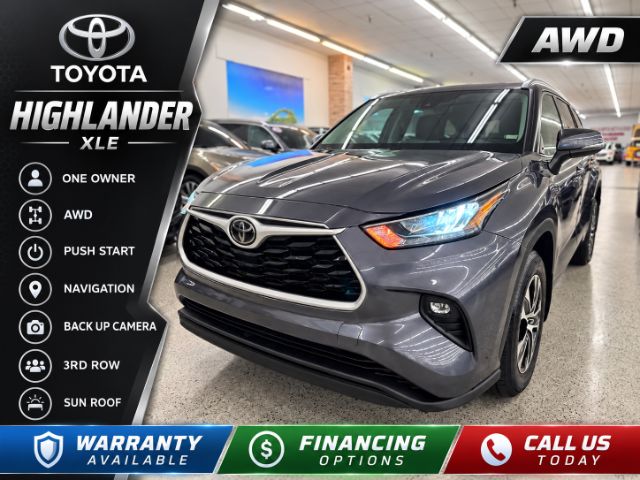
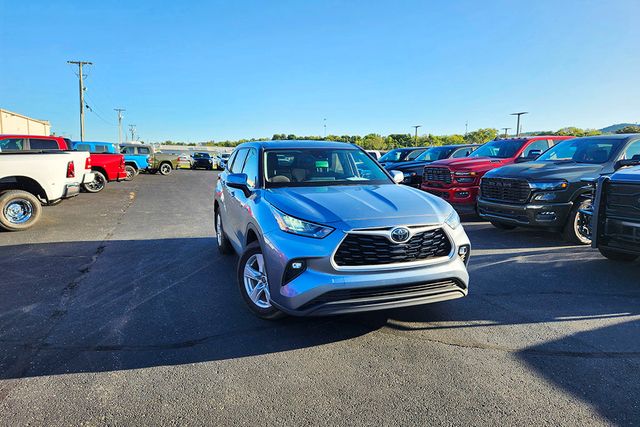
The 2020 Toyota Highlander presented a moderately conservative design that did not overly stand out from its competitors. Changes from the previous model were noticeable, including a more slanted tailgate glass and exaggerated creases in the body panels that drew wide arcs around the front and rear fenders. The trapezoidal theme Toyota used was evident in various aspects of the exterior, from the license plate cutout on the tailgate to the shape of the grille and lower front bumper. With projector-beam LED headlights and fog lights on all except the base L trim, the higher trims like Limited and Platinum also featured LED running lamps and new 20-inch wheels.
Inside, Toyota invested considerable effort into the Highlander's cabin, where the quality of fit and finish was a highlight. The vehicle showcased silver-painted accents on the armrests, steering wheel, and gear selector, complemented by an 8-inch touchscreen. The dashboard's multi-layered design carried a mix of pleasing color palettes. The Limited trim's interior boasted a three-tone layout. Quality materials extended across the cabin, with padded surfaces and rich textures, placing the Highlander on par with the Kia Telluride in terms of interior quality.
Conversely, the 2020 Ford Edge retained a sense of familiarity with its design, which had been updated for the 2019 model year and carried over into 2020. The update maintained the Edge's resemblance to the Ford Fusion, with angular headlights and a large, trapezoidal grille. Although the Edge showed signs of aging, particularly in the interior layout first introduced in 2015, it still offered some contemporary touches, like the rotary shifter which addressed space and packaging concerns.
Inside, the Edge's cabin prioritized practicality with ample storage spaces and a design geared towards comfort and convenience. The overall layout remained familiar and functional, with durable materials but a noticeable use of hard plastics detracting from the otherwise solid fit and finish. Across its trims—from the base SE to the luxurious Titanium and sporty ST—the Edge catered to various preferences, each offering specific features to enhance the driving experience.


The 2020 Toyota Highlander came equipped with a robust 3.5-liter V6 engine, available in both front-wheel drive (FWD) and all-wheel drive (AWD) configurations. This large V6 engine, shared with the Lexus RX, offered smooth and quiet operation with 295 horsepower and 263 pound-feet of torque, managed through an eight-speed automatic transmission. The engine's performance was generally brisk, although achieving quick acceleration required a firm nudge on the accelerator. The Highlander's steering felt loose and required frequent adjustments at highway speeds, and its soft suspension contributed to a bouncy ride, which might not inspire confidence during spirited driving. However, this soft setup did align with the preferences of many Highlander buyers, who valued comfort over sporty handling.
The 2020 Ford Edge, on the other hand, provided a standard 2.0-liter turbocharged four-cylinder engine that delivered 250 horsepower and 275 pound-feet of torque, driving the front wheels or, optionally, all four wheels through an eight-speed automatic transmission. This setup ensured strong low-end acceleration suitable for city driving, though highway merging required more effort. Those seeking more performance gravitated towards the Edge ST, which featured a 2.7-liter EcoBoost V6 engine generating 335 horsepower and 380 pound-feet of torque, coupled with standard AWD. The ST’s sporty demeanor included heavy steering and excellent cornering capabilities, with an engaging Sport mode that adjusted the throttle response and transmission for a livelier drive.
For interior space and versatility, the 2020 Toyota Highlander seated eight passengers or seven with second-row captain's chairs (standard on Limited and Platinum trims). The flexibility of these seats, with generous legroom and easy access to the third row, was notable, particularly when compared to other competitors. The Highlander's cargo space measured 16 cubic feet behind the third row, expanding to 48 cubic feet with the third row folded, and reaching a maximum of 84 cubic feet with both rows down. This, combined with convenient features like a 120-volt outlet for rear passengers and multiple storage compartments, made the Highlander highly practical for families.
In contrast, the 2020 Ford Edge provided substantial space for five passengers with roomy second-row accommodations, ensuring comfort without the need to adjust the front seats. Cargo capacity in the Edge was considerable, offering 39.2 cubic feet behind the rear seats and 73.4 cubic feet with the rear seats folded down—a storage space competitive with peers like the Jeep Grand Cherokee but slightly less than the Honda Passport. The Edge also featured numerous cubbies and compartments designed for the rigors of daily use or extended road trips.
The 2020 Toyota Highlander continued using an older-generation infotainment system that felt outdated compared to rivals. Its maps lacked detail, and the process for using onboard apps through a connected phone was cumbersome. Both the 8-inch standard touchscreen and the 12.3-inch optional unit failed to utilize their full screen potential effectively. However, standard integration of Apple CarPlay, Android Auto, and Amazon Alexa provided some modern conveniences. High trims benefited from a useful 10-inch head-up display and a 7-inch instrument cluster display. Semi-automated driving features like adaptive cruise control were proficient, contributing to overall driver convenience.
Ford's Edge impressed with its standard SYNC 3 infotainment system, touted for its ease of use and intuitive interface on an 8-inch touchscreen. The system included standard Apple CarPlay and Android Auto, eliminating the need for optional navigation if desired. Available voice-activated navigation with real-time traffic updates enhanced the technology suite. Additional tech features included a semi-digital instrument panel and optional rear-seat entertainment systems on higher trims.
The 2020 Toyota Highlander came equipped with Toyota Safety Sense 2.0, a comprehensive suite of safety features including automatic emergency braking with pedestrian and cyclist detection, lane-keeping assist, adaptive cruise control, and automatic high beams. Optional features such as blind-spot monitoring and rear emergency braking further enhanced safety. The Highlander received a 2020Top Safety Pick designation from the IIHS and was highly rated in crash tests, though its NHTSA ratings were pending at the time.
Similarly, the 2020 Ford Edge included a full suite of airbags and standard safety features, such as AdvanceTrac traction control with Roll Stability Control and Curve Control, tire pressure monitoring, and child seat anchors. The Ford Co-Pilot360 system, standard across all trims, featured advanced driver assistance technologies including automatic emergency braking, forward collision warning, lane departure warning, and blind-spot monitoring. The optional Co-Pilot360 Assist+ package added adaptive cruise control and active lane centering for enhanced semi-autonomous driving capabilities. The Edge earned a "Top Safety Pick" rating from the IIHS and a five-star overall safety rating from the NHTSA.
CarGurus highlights

According to CarGurus experts, the overall rating for the 2020 Toyota Highlander is 7.7 out of 10, while the 2020 Ford Edge scores 8.0 out of 10. Given these ratings, the Ford Edge emerges as the recommended choice. It offers better overall value with its user-friendly technology, engaging performance options, and well-rounded safety features.
Choose the 2020 Toyota Highlander if:
- You need a versatile and spacious interior with third-row seats and flexible seating configurations.
- You value a high-quality interior fit-and-finish with premium materials in upper trims.
- You want a robust V6 engine with smooth and quiet operation, ideal for long-distance cruising.





Choose the 2020 Ford Edge if:
- You prefer a performance-oriented SUV with the option of a powerful V6 engine in the ST trim.
- You want a user-friendly infotainment system with straightforward controls and modern connectivity features.
- You seek a comfortable and spacious two-row SUV with abundant cargo capacity for all your gear.


CarGurus highlights
According to CarGurus experts, the overall rating for the 2020 Toyota Highlander is 7.7 out of 10, while the 2020 Ford Edge scores 8.0 out of 10. Given these ratings, the Ford Edge emerges as the recommended choice. It offers better overall value with its user-friendly technology, engaging performance options, and well-rounded safety features.
Choose the 2020 Toyota Highlander if:
Shop Now- You need a versatile and spacious interior with third-row seats and flexible seating configurations.
- You value a high-quality interior fit-and-finish with premium materials in upper trims.
- You want a robust V6 engine with smooth and quiet operation, ideal for long-distance cruising.
Choose the 2020 Ford Edge if:
Shop Now- You prefer a performance-oriented SUV with the option of a powerful V6 engine in the ST trim.
- You want a user-friendly infotainment system with straightforward controls and modern connectivity features.
- You seek a comfortable and spacious two-row SUV with abundant cargo capacity for all your gear.

By: CarGurus + AI
At CarGurus, our team of experienced automotive writers remain at the heart of our content operation, conducting hands-on car tests and writing insightful guides that are backed by years of industry experience. To complement this, we are harnessing AI to make our content offering more diverse and more helpful to shoppers than ever. To achieve this, our AI systems are based exclusively on CarGurus content, ratings and data, so that what we produce is both unique to CarGurus, and uniquely helpful to car shoppers.

