2020 Ford Escape vs 2021 Lincoln Aviator
Overview | |
MSRP$24,885 | MSRP$50,660 |
Listings1858 | Listings298 |
Ratings & Reviews | |
User Reviews | User Reviews |
Expert reviews8.0 out of 10 | Expert reviews7.8 out of 10 |
Pros
Cons
| Pros
Cons
|
2020 Ford Escape Reviews SummaryIn case you didn’t hear, Ford came out with an electric crossover, calling it the Mustang Mach-E. Ford could have called it something else, but the marketing department decided to leverage the famous Mustang name to capture headlines and, hopefully, shoppers. What should not be overlooked is the fact Ford chose to make its first-ever standalone electric vehicle a crossover. This choice is a testament to how far the sport utility vehicle has come. Paired with Ford's decision to phase out sedans and hatchbacks, it's clear the company is putting all of its eggs into its trucks, SUVs, and crossovers. Suffice it to say, there is just a bit of pressure on the redesigned 2020 Ford Escape. While the Escape has been around since 2000, it came into its own in 2013 when the “One Ford” philosophy was adopted, meaning that vehicles would be sold in multiple markets around the globe. As a result, the U.S. got Europe’s Ford Kuga, rebranded as the Escape—a high-tech, handsome, and surprisingly athletic small SUV. So, with all this mind, the new Escape needs to not only be an improvement over the previous generation to compete against the rest of the compact crossover segment, it also needs to win over would-be sedan and hatchback customers. Can the 2020 Escape rise to the occasion? | |
2021 Lincoln Aviator Reviews SummaryOnly a few years ago, Lincoln was in a confusing space. Confusing because many of its cars overlapped with the nicest trims of vehicles from parent company Ford. It was also confusing because of the alphanumeric vehicle names. But Lincoln has ended both of those trends. First, Lincoln has returned to real names for its vehicles, such as the Corsair and Nautilus (Cadillac, are you listening?!). But what’s in a name? This rebranding would be moot without a compelling product. In this respect, the American luxury brand has delivered, highlighted by the 2021 Lincoln Aviator. This three-row midsize SUV boasts modern technology, potent drivetrain options, and creature comforts that you might sooner find in a high-end German luxury sedan. But this newfound quality comes with a steeper price tag. So is it worth consideration against the likes of the Audi Q7 and RX 350L? Read on to find out. | |
No video found | |
Popular Features & Specs | |
Engine1.5L 181 hp I3 | Engine3.0L 400 hp V6 |
Drive TrainFWD | Drive TrainRWD |
Seating Capacity5 | Seating Capacity7 |
MPG City27 | MPG City18 |
MPG Highway33 | MPG Highway26 |
Engine | |
Engine Name1.5L 181 hp I3 | Engine Name3.0L 400 hp V6 |
DrivetrainFWD | DrivetrainRWD |
Fuel Economy | |
MPG City27 | MPG City18 |
MPG Highway33 | MPG Highway26 |
Interior | |
Seating Capacity5 | Seating Capacity7 |
Safety | |
Front Crash Overall5 | Front Crash Overall5 |
Side Crash Overall5 | Side Crash Overall5 |
Dimensions & Capacity | |
Cargo Space37.5 cu ft | Cargo Space18.3 cu ft |
Curb Weight3299 lbs | Curb Weight4745 lbs |
Height66.1 in | Height69.6 in |
Length180.5 in | Length199.3 in |
Width85.6 in | Width89.9 in |
Wheelbase106.7 in | Wheelbase119.1 in |
Maximum Payload | Maximum Payload1615 lbs |
Number of doors4 | Number of doors4 |
Overview | ||
MSRP | $24,885 | $50,660 |
Listings | ||
Ratings & Reviews | ||
User reviews | ||
Expert reviews | 8.0 out of 10Read full review | 7.8 out of 10Read full review |
Pros & cons | Pros
Cons
| Pros
Cons
|
Summary | In case you didn’t hear, Ford came out with an electric crossover, calling it the Mustang Mach-E. Ford could have called it something else, but the marketing department decided to leverage the famous Mustang name to capture headlines and, hopefully, shoppers. What should not be overlooked is the fact Ford chose to make its first-ever standalone electric vehicle a crossover. This choice is a testament to how far the sport utility vehicle has come. Paired with Ford's decision to phase out sedans and hatchbacks, it's clear the company is putting all of its eggs into its trucks, SUVs, and crossovers. Suffice it to say, there is just a bit of pressure on the redesigned 2020 Ford Escape. While the Escape has been around since 2000, it came into its own in 2013 when the “One Ford” philosophy was adopted, meaning that vehicles would be sold in multiple markets around the globe. As a result, the U.S. got Europe’s Ford Kuga, rebranded as the Escape—a high-tech, handsome, and surprisingly athletic small SUV. So, with all this mind, the new Escape needs to not only be an improvement over the previous generation to compete against the rest of the compact crossover segment, it also needs to win over would-be sedan and hatchback customers. Can the 2020 Escape rise to the occasion? | Only a few years ago, Lincoln was in a confusing space. Confusing because many of its cars overlapped with the nicest trims of vehicles from parent company Ford. It was also confusing because of the alphanumeric vehicle names. But Lincoln has ended both of those trends. First, Lincoln has returned to real names for its vehicles, such as the Corsair and Nautilus (Cadillac, are you listening?!). But what’s in a name? This rebranding would be moot without a compelling product. In this respect, the American luxury brand has delivered, highlighted by the 2021 Lincoln Aviator. This three-row midsize SUV boasts modern technology, potent drivetrain options, and creature comforts that you might sooner find in a high-end German luxury sedan. But this newfound quality comes with a steeper price tag. So is it worth consideration against the likes of the Audi Q7 and RX 350L? Read on to find out. |
Video | No video found | |
Popular Features & Specs | ||
Engine | 1.5L 181 hp I3 | 3.0L 400 hp V6 |
Drive Train | FWD | RWD |
Seating Capacity | 5 | 7 |
MPG City | 27 | 18 |
MPG Highway | 33 | 26 |
Engine | ||
Engine Name | 1.5L 181 hp I3 | 3.0L 400 hp V6 |
Drivetrain | FWD | RWD |
Fuel Economy | ||
MPG City | 27 | 18 |
MPG Highway | 33 | 26 |
Interior | ||
Seating Capacity | 5 | 7 |
Safety | ||
Front Crash Overall | 5 | 5 |
Side Crash Overall | 5 | 5 |
Dimensions & Capacity | ||
Cargo Space | 37.5 cu ft | 18.3 cu ft |
Curb Weight | 3299 lbs | 4745 lbs |
Height | 66.1 in | 69.6 in |
Length | 180.5 in | 199.3 in |
Width | 85.6 in | 89.9 in |
Wheelbase | 106.7 in | 119.1 in |
Maximum Payload | 1615 lbs | |
Number of doors | 4 | 4 |
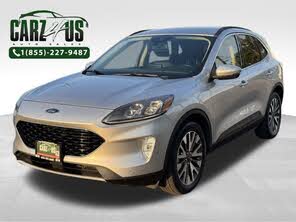
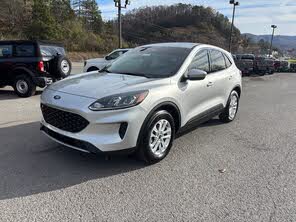
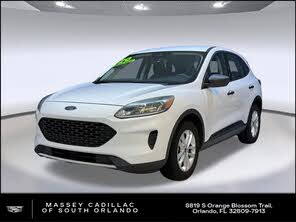
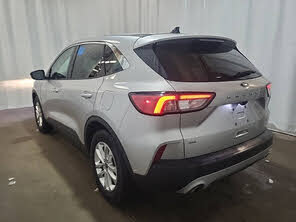
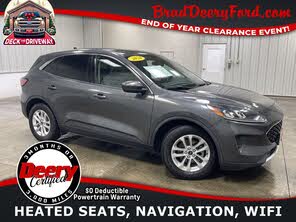
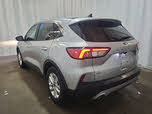
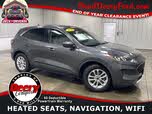
The 2020 Ford Escape was a striking compact crossover, boasting a large grille reminiscent of the Fiesta and Focus hatchbacks, with headlights inspired by the Ford GT supercar. Its design was more curvaceous than its predecessor, which came at the cost of some practicality, yet it remained one of the most attractive small SUVs, trailing only behind the Mazda CX-5 and Jeep Cherokee. Inside, the Escape featured a modern cabin with a digital instrument panel and a floating infotainment screen, maintaining a balance between futuristic design and user-friendly controls. The various trims, from the base S to the top-tier Titanium, offered a range of features, with the SE trim being particularly recommended for its value, including an 8-inch Sync 3 screen and heated front seats.
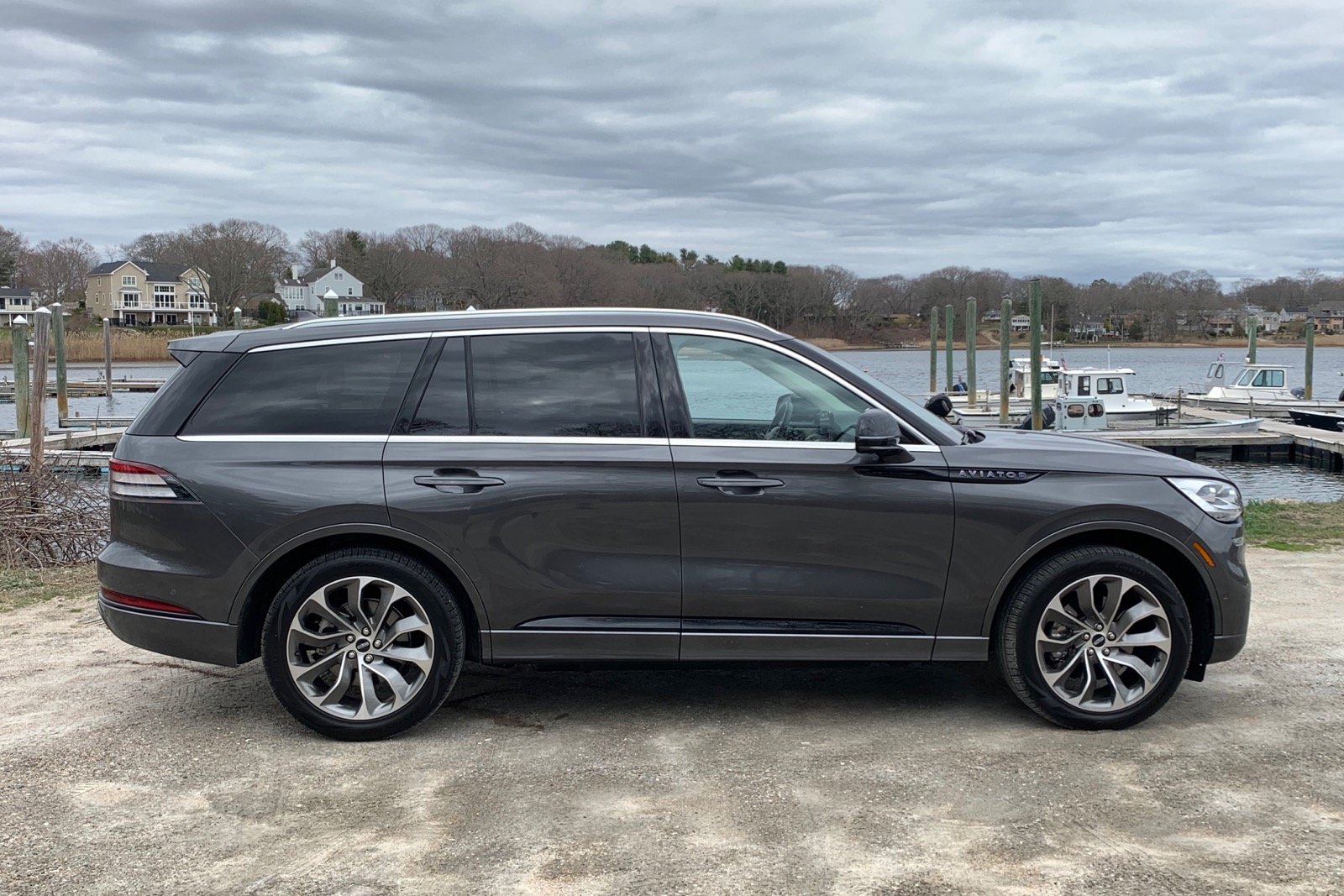
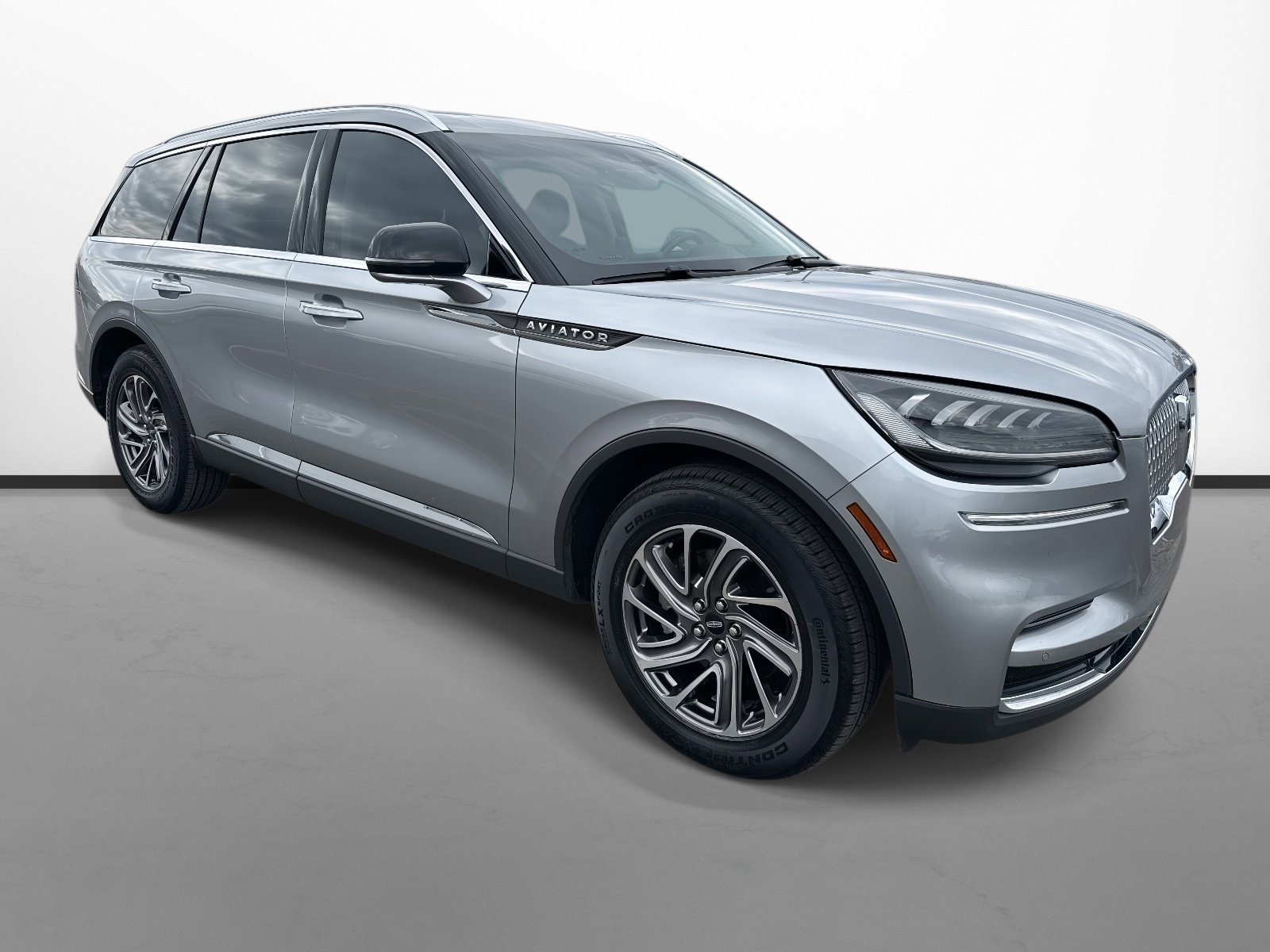
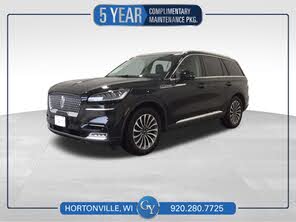
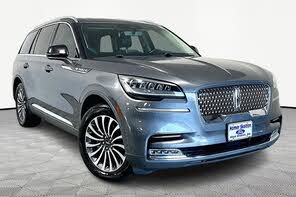
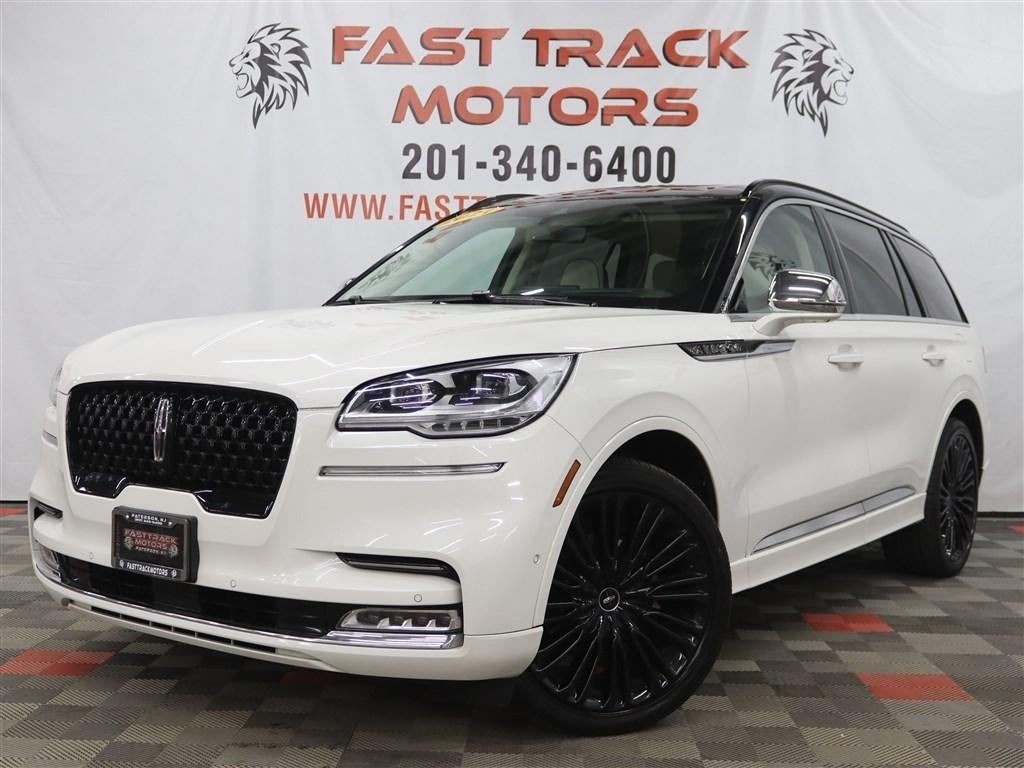
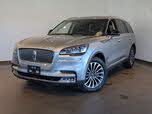
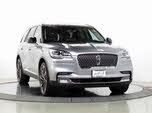
The 2021 Lincoln Aviator, on the other hand, embraced a distinct design language, avoiding the temptation to mimic its rivals. It carried the sharp, chrome-accented styling of the Navigator, making it a standout in the luxury SUV segment. Inside, the Aviator differentiated itself with a warm, comfortable cabin filled with soft-touch materials and a 10.1-inch touchscreen. The piano button shifter and soothing chimes added to its luxurious feel. The Aviator's trims, from Standard to Black Label Grand Touring, offered a range of features, with the Grand Touring trim providing a plug-in hybrid powertrain and massaging Multi-Contour Seats. The second-row captain's chairs and digital control panel in the Grand Touring model enhanced passenger comfort, although the power-button door releases raised concerns about functionality in case of a battery failure.


The 2020 Ford Escape offered a diverse range of powertrains, including a new 3-cylinder engine producing 180 horsepower and 177 pound-feet of torque, standard in the S, SE, and SEL trims. The 2.0-liter turbocharged 4-cylinder engine, available on the SEL and standard on the Titanium, delivered 250 horsepower and 275 pound-feet of torque, providing brisk acceleration. The hybrid options included a 2.5-liter 4-cylinder engine with a battery pack, making 198 horsepower, and a plug-in hybrid variant. The Escape's conventional engines used an 8-speed automatic transmission, while the hybrids employed a CVT. The Escape's steering was direct and taut, offering an athletic feel, with the most efficient version being the non-Sport hybrid, achieving 44 mpg city, 37 highway, and 41 combined.
The 2021 Lincoln Aviator came with a 3.0-liter twin-turbocharged V6 engine, producing 400 horsepower and 415 pound-feet of torque, paired with a 10-speed automatic transmission. The Grand Touring trims featured a plug-in hybrid setup, increasing output to 494 horsepower and 630 pound-feet of torque, with a 21-mile electric-only range. The Aviator's drive mode selector offered options like "Excite" and "Conserve," enhancing its highway and suburban driving capabilities. However, its long wheelbase and noticeable body roll in corners made it less agile in city driving.
The 2020 Ford Escape's sleeker design resulted in reduced cargo space, offering 37.5 cubic feet behind the second row and 65.4 cubic feet with the backseat folded, less than its predecessor and some rivals. However, it prioritized passenger space, providing ample headroom and legroom for second-row passengers, along with practical storage solutions like deep water-bottle holders and multiple compartments.
The 2021 Lincoln Aviator provided 18.3 cubic feet of cargo space behind the third row, expanding to 41.8 cubic feet with the third row folded, and 77.7 cubic feet with all rear seats down. The second row, especially in the Grand Touring model, offered captain's chairs, a center console, and a digital control panel for seat, climate, and audio controls. The power-button door releases, however, posed potential functional issues if the battery died.
The 2020 Ford Escape's base trim featured a small 4.2-inch audio control screen, while the SE trim upgraded to an 8-inch Sync 3 screen with Android Auto and Apple CarPlay. The Titanium trim included a head-up display, though its flip-up screen design limited its effectiveness for taller drivers.
The 2021 Lincoln Aviator came standard with a 10.1-inch touchscreen running the Sync 3 infotainment system, offering a user-friendly interface with Apple CarPlay and Android Auto. The Aviator's fully digital instrument panel and optional head-up display provided crisp graphics and easy-to-read information, enhancing the overall driving experience.
The 2020 Ford Escape came equipped with a comprehensive suite of safety features, including Ford Co-Pilot360, which offered forward-collision warning, lane-keeping assist, and adaptive cruise control. It received a "Good" rating from the IIHS in all phases of testing.
The 2021 Lincoln Aviator featured the Lincoln Co-Pilot 360 package, with automatic emergency braking, lane departure warning, and blind-spot monitoring. The Co-Pilot 360 Plus package added reverse automatic braking and adaptive cruise control. The Aviator earned top safety ratings from both the NHTSA and IIHS, including a Top Safety Pick accolade.
CarGurus highlights

According to CarGurus experts, the overall rating for the 2020 Ford Escape is 8.0 out of 10, while the 2021 Lincoln Aviator scores 7.8 out of 10. Based on these ratings, the 2020 Ford Escape is the recommended choice, offering a better balance of performance, technology, and safety features at a more accessible price point.
Choose the 2020 Ford Escape if:
- You prioritize fuel efficiency and a variety of powertrain options.
- You seek a compact SUV with a modern design and user-friendly technology.
- You value a vehicle with strong safety features and a high safety rating.

Choose the 2021 Lincoln Aviator if:
- You desire a luxury SUV with a powerful engine and a plug-in hybrid option.
- You appreciate a spacious and comfortable interior with advanced technology.
- You want a vehicle with top safety ratings and comprehensive driver assistance features.




CarGurus highlights
According to CarGurus experts, the overall rating for the 2020 Ford Escape is 8.0 out of 10, while the 2021 Lincoln Aviator scores 7.8 out of 10. Based on these ratings, the 2020 Ford Escape is the recommended choice, offering a better balance of performance, technology, and safety features at a more accessible price point.
Choose the 2020 Ford Escape if:
Shop Now- You prioritize fuel efficiency and a variety of powertrain options.
- You seek a compact SUV with a modern design and user-friendly technology.
- You value a vehicle with strong safety features and a high safety rating.






Choose the 2021 Lincoln Aviator if:
Shop Now- You desire a luxury SUV with a powerful engine and a plug-in hybrid option.
- You appreciate a spacious and comfortable interior with advanced technology.
- You want a vehicle with top safety ratings and comprehensive driver assistance features.





By: CarGurus + AI
At CarGurus, our team of experienced automotive writers remain at the heart of our content operation, conducting hands-on car tests and writing insightful guides that are backed by years of industry experience. To complement this, we are harnessing AI to make our content offering more diverse and more helpful to shoppers than ever. To achieve this, our AI systems are based exclusively on CarGurus content, ratings and data, so that what we produce is both unique to CarGurus, and uniquely helpful to car shoppers.