2019 Toyota Prius vs 2020 Nissan Versa

Overview | |
MSRP$23,770 | MSRP$14,830 |
Listings215 | Listings303 |
Ratings & Reviews | |
User Reviews | User Reviews |
Expert reviews7.3 out of 10 | Expert reviews7.2 out of 10 |
Pros
Cons
| Pros
Cons
|
2019 Toyota Prius Reviews SummaryReliable, efficient, affordable, practical, and safe, the 2019 Toyota Prius checks off multiple boxes on a typical car shopper’s list. The latest version is even decent to drive, but the Prius' styling does the car no favors. For 2019, Toyota tries to tone down the design, revises its trim-level strategy, and adds a new electric all-wheel-drive option to the car. | |
2020 Nissan Versa Reviews SummaryWhen you're on a tight budget and need to replace a car, you often face a tough choice: Do you buy a new small car or something that’s pre-owned but has more space? For many years, if you were in the market for a new car, few came as cheaply as the Nissan Versa. Not only was it marketed as the least-expensive car in the United States, but it also had a plucky, underdog appeal to it. However, the charm of the Versa started to wear off as its shortcomings became more apparent. If you look at the “cheap” end of the market, you'll find some pretty unlovable cars, like the Mitsubishi Mirage and Chevrolet Spark. But there are also some bright spots. The Kia Rio and Hyundai Accent are both competent cars in their own ways, and the Honda Fit has always been a serious player. With the Fit, you never felt like you were seriously compromising to meet your budget. It seems as though Nissan has caught on to the realization that racing to the bottom works for only so long. Buyers have certainly caught on to the notion that you can have a small car that’s actually kind of good (See: Fit). In response, Nissan has rolled out the all-new 2020 Versa. It’s no longer the cheapest car in America, and in fact, it costs a couple of thousand dollars more than last year's version. But does that mean it’s more car, too? Read on to find out. | |
Popular Features & Specs | |
Engine1.8L 121 hp I4 Hybrid | Engine1.6L 122 hp I4 |
Drive TrainFWD | Drive TrainFWD |
Seating Capacity5 | Seating Capacity5 |
Horsepower | Horsepower122 hp @ 6300 rpm |
EV Battery Capacity0.7 kWh | EV Battery Capacity |
MPG City58 | MPG City27 |
MPG Highway53 | MPG Highway35 |
Engine | |
Engine Name1.8L 121 hp I4 Hybrid | Engine Name1.6L 122 hp I4 |
Torque | Torque114 lb-ft @ 4000 rpm |
Horsepower | Horsepower122 hp @ 6300 rpm |
DrivetrainFWD | DrivetrainFWD |
Fuel Economy | |
EV Battery Capacity0.7 kWh | EV Battery Capacity |
MPG City58 | MPG City27 |
MPG Highway53 | MPG Highway35 |
Interior | |
Seating Capacity5 | Seating Capacity5 |
Safety | |
Front Crash Overall4 | Front Crash Overall5 |
Side Crash Overall5 | Side Crash Overall5 |
Dimensions & Capacity | |
Cargo Space27.4 cu ft | Cargo Space14.7 cu ft |
Curb Weight3010 lbs | Curb Weight2650 lbs |
Height57.9 in | Height57.3 in |
Length180.0 in | Length177.0 in |
Width69.3 in | Width68.5 in |
Wheelbase106.3 in | Wheelbase103.1 in |
Maximum Payload825 lbs | Maximum Payload955 lbs |
Number of doors4 | Number of doors4 |
Overview | ||
MSRP | $23,770 | $14,830 |
Listings | ||
Ratings & Reviews | ||
User reviews | ||
Expert reviews | 7.3 out of 10Read full review | 7.2 out of 10Read full review |
Pros & cons | Pros
Cons
| Pros
Cons
|
Summary | Reliable, efficient, affordable, practical, and safe, the 2019 Toyota Prius checks off multiple boxes on a typical car shopper’s list. The latest version is even decent to drive, but the Prius' styling does the car no favors. For 2019, Toyota tries to tone down the design, revises its trim-level strategy, and adds a new electric all-wheel-drive option to the car. | When you're on a tight budget and need to replace a car, you often face a tough choice: Do you buy a new small car or something that’s pre-owned but has more space? For many years, if you were in the market for a new car, few came as cheaply as the Nissan Versa. Not only was it marketed as the least-expensive car in the United States, but it also had a plucky, underdog appeal to it. However, the charm of the Versa started to wear off as its shortcomings became more apparent. If you look at the “cheap” end of the market, you'll find some pretty unlovable cars, like the Mitsubishi Mirage and Chevrolet Spark. But there are also some bright spots. The Kia Rio and Hyundai Accent are both competent cars in their own ways, and the Honda Fit has always been a serious player. With the Fit, you never felt like you were seriously compromising to meet your budget. It seems as though Nissan has caught on to the realization that racing to the bottom works for only so long. Buyers have certainly caught on to the notion that you can have a small car that’s actually kind of good (See: Fit). In response, Nissan has rolled out the all-new 2020 Versa. It’s no longer the cheapest car in America, and in fact, it costs a couple of thousand dollars more than last year's version. But does that mean it’s more car, too? Read on to find out. |
Video | ||
Popular Features & Specs | ||
Engine | 1.8L 121 hp I4 Hybrid | 1.6L 122 hp I4 |
Drive Train | FWD | FWD |
Seating Capacity | 5 | 5 |
Horsepower | 122 hp @ 6300 rpm | |
EV Battery Capacity | 0.7 kWh | |
MPG City | 58 | 27 |
MPG Highway | 53 | 35 |
Engine | ||
Engine Name | 1.8L 121 hp I4 Hybrid | 1.6L 122 hp I4 |
Torque | 114 lb-ft @ 4000 rpm | |
Horsepower | 122 hp @ 6300 rpm | |
Drivetrain | FWD | FWD |
Fuel Economy | ||
EV Battery Capacity | 0.7 kWh | |
MPG City | 58 | 27 |
MPG Highway | 53 | 35 |
Interior | ||
Seating Capacity | 5 | 5 |
Safety | ||
Front Crash Overall | 4 | 5 |
Side Crash Overall | 5 | 5 |
Dimensions & Capacity | ||
Cargo Space | 27.4 cu ft | 14.7 cu ft |
Curb Weight | 3010 lbs | 2650 lbs |
Height | 57.9 in | 57.3 in |
Length | 180.0 in | 177.0 in |
Width | 69.3 in | 68.5 in |
Wheelbase | 106.3 in | 103.1 in |
Maximum Payload | 825 lbs | 955 lbs |
Number of doors | 4 | 4 |
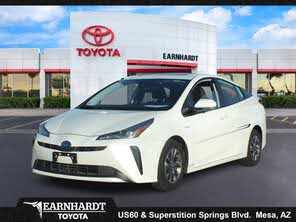
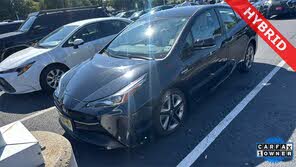
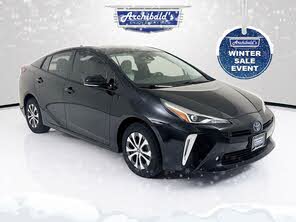
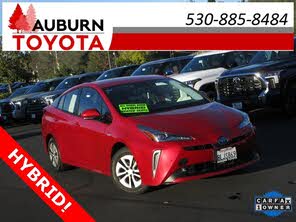
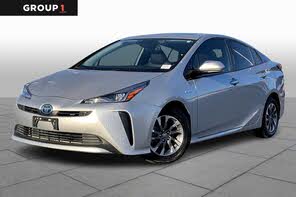
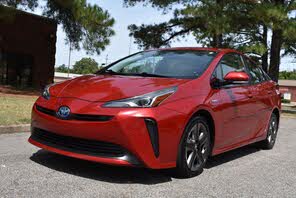
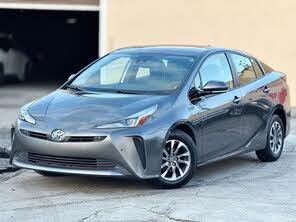
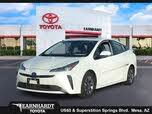
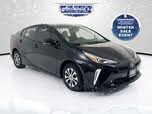
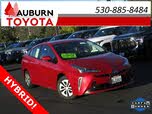
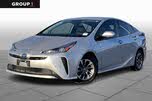
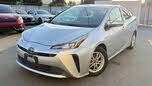
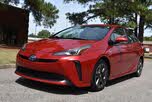
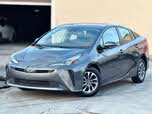
The 2019 Toyota Prius was not known for its looks. Its design, especially the fourth-generation model introduced in 2016, was considered more extroverted and less appealing to many. Despite its unconventional exterior, the Prius offered a practical solution for daily driving. The 2019 lineup included L Eco, LE, XLE, and Limited trims, with prices starting at $23,770. The XLE AWD model, tested in Electric Storm Blue, featured an Advanced Technology Package and other upgrades, bringing the price to $32,146. Inside, the Prius had a unique design with centralized controls and a digital instrumentation strip. The interior's gloss black trim, however, attracted dust, which could be a concern for meticulous owners.
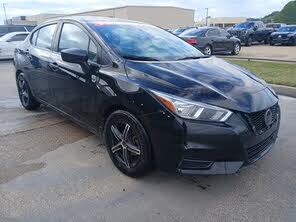
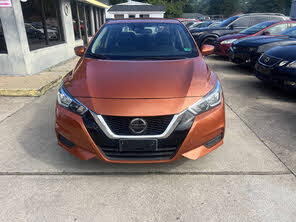
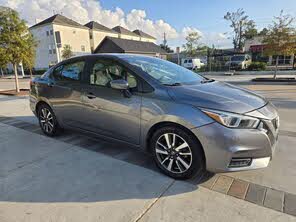
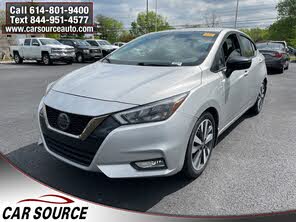
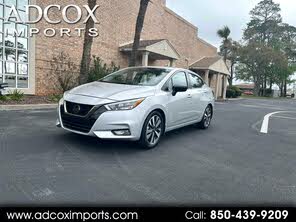
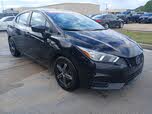
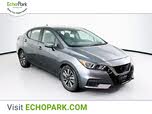
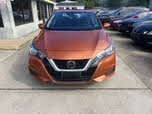
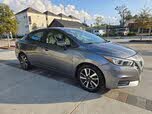
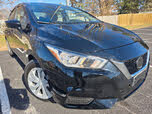
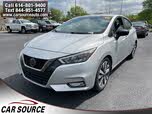
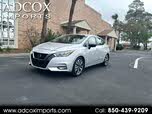
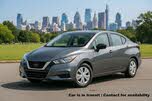
In contrast, the 2020 Nissan Versa had a more appealing design, shedding the "big car" styling details of its predecessor. The new model took cues from its larger siblings, the Maxima and Altima, resulting in a relatively handsome appearance. Inside, the Versa's cabin was straightforward yet stylish, with a two-tone theme and unique seat designs. The SV trim, tested, featured upgraded cloth fabric, an armrest for the driver's seat, and an enhanced infotainment system. The range-topping SR trim added more premium features, but the SV trim was recommended for its balance of price and content. Despite some harsh plastics and cheap-feeling manual seat adjustments, the new Versa made significant improvements over its predecessor.


The 2019 Toyota Prius combined a 1.8-liter 4-cylinder gasoline engine with an electric motor, producing a total of 121 horsepower. The optional AWD-e system added a 5-kilowatt rear electric motor and a nickel-metal hydride battery. This system powered the rear wheels up to 6 mph and provided extra traction up to 43 mph, after which the Prius operated as a front-wheel-drive vehicle. The AWD-e system reduced fuel economy slightly, with the standard FWD Prius achieving 52 mpg combined, while the AWD-e version managed 50 mpg. The Prius featured a continuously variable transmission (CVT) and offered a smooth, quiet ride, especially in urban environments. The car's aerodynamic design and modest tires contributed to its quietness, though road noise was more noticeable on the freeway. The Prius was easy to drive, with a good balance of ride compliance and body control, making it a pleasant daily driver.
The 2020 Nissan Versa retained its 1.6-liter 4-cylinder engine, now producing 122 horsepower and 114 pound-feet of torque, an improvement over the previous model. The engine was paired with either a 5-speed manual or a CVT, with the latter standard on the SV and SR trims. The Versa's acceleration improved, making it more capable of merging onto highways. The CVT managed power well, and a Sport mode added liveliness to the driving experience. The Versa's steering was responsive, and the car handled well, though it leaned at higher speeds. Fuel economy was decent, with the manual transmission achieving 27 mpg city, 35 highway, and 30 combined, while the CVT version managed 32/40/35. During testing, the Versa averaged 34.7 mpg in mixed driving conditions.
The 2019 Toyota Prius offered comfortable seating for four adults, with manual height adjustment for the driver's seat and heated front seats and steering wheel. Rear passengers enjoyed good thigh support and decent legroom, though air conditioning vents were absent in the second row. The Prius's trunk provided up to 27.4 cubic feet of space behind the rear seat, expandable to 65.5 cubic feet with the seats folded down. The AWD-e version had slightly less cargo space. The Prius's hatchback design made it a practical alternative to small crossover SUVs, though it lacked the ground clearance for off-road adventures.
The 2020 Nissan Versa maintained a large trunk size of 15 cubic feet, one of the largest in its class, with a wide opening for easy loading. However, the new model lost 6 inches of rear legroom compared to its predecessor, making the backseat less suitable for long journeys. The front seats offered ample legroom, even for taller drivers. The Versa's cabin was straightforward but stylish, with a two-tone theme and unique seat designs. The SV trim added an armrest for the driver's seat and an upgraded infotainment system, making it a practical choice for daily commuting.
The 2019 Toyota Prius Limited trim featured an impressive infotainment system with an 11.6-inch touchscreen, navigation, the Entune App Suite, a premium JBL sound system, satellite radio, and Safety Connect subscription services. The XLE AWD-e test car had a standard 6.1-inch touchscreen, Bluetooth, and a CD player, with wireless smartphone charging. The Prius's instrumentation was housed in a horizontal strip below the windshield, with some displays looking outdated. The Advanced Technology Package included a head-up display, adaptive headlights, and a Hybrid System Indicator. However, the Prius lacked Apple CarPlay and Android Auto, which were becoming standard in other vehicles.
The 2020 Nissan Versa stepped up its game with a 7-inch touchscreen, Bluetooth connectivity, Siri Eyes Free, and a hands-free text-messaging assistant as standard features. The SV trim added the NissanConnect system with Apple CarPlay and Android Auto, enhancing smartphone integration. The SV trim also featured an upgraded instrument panel with a digital screen displaying safety alerts, Bluetooth streaming audio, and fuel-economy stats. This system offered much of the functionality of more advanced systems without requiring a full instrument panel replacement, making it user-friendly and familiar.
The 2019 Toyota Prius Limited trim included Safety Connect, offering automatic collision notification, emergency assistance, and roadside assistance for the first year. All Prius models came with Toyota Safety Sense, which included adaptive cruise control, forward-collision warning with automatic emergency braking, lane-departure warning, lane-keeping assist, and automatic high-beam headlights. The LE trim added blind-spot monitoring, rear cross-traffic alert, and Intelligent Clearance Sonar with parking assist. The Prius received a 5-star rating in federal crash tests and a Top Safety Pick rating from the Insurance Institute for Highway Safety.
The 2020 Nissan Versa added standard driver-assistance features, including automatic emergency braking, pedestrian detection, lane-departure warning, and automatic high beams. These features were part of a trend to make safety technologies more accessible. However, the increased complexity of these systems could lead to higher repair costs. The Versa also included a reversing camera, front- and side-impact airbags, and Nissan's Easy Fill Tire Alert, which honked the horn when the tire was properly inflated.
CarGurus highlights

According to CarGurus experts, the overall rating for the 2019 Toyota Prius is 7.3 out of 10, while the 2020 Nissan Versa scores 7.2 out of 10. Based on these ratings, the 2019 Toyota Prius is the recommended choice for its superior fuel efficiency, practical design, and advanced safety features.
Choose the 2019 Toyota Prius if:
- You prioritize fuel efficiency and a smooth, quiet ride.
- You need a practical hatchback with ample cargo space.
- You value advanced safety features and driver-assistance technologies.



Choose the 2020 Nissan Versa if:
- You want a stylish, affordable sedan with modern design cues.
- You need a car with a user-friendly infotainment system and smartphone integration.
- You prefer a vehicle with responsive handling and improved acceleration.




CarGurus highlights
According to CarGurus experts, the overall rating for the 2019 Toyota Prius is 7.3 out of 10, while the 2020 Nissan Versa scores 7.2 out of 10. Based on these ratings, the 2019 Toyota Prius is the recommended choice for its superior fuel efficiency, practical design, and advanced safety features.
Choose the 2019 Toyota Prius if:
Shop Now- You prioritize fuel efficiency and a smooth, quiet ride.
- You need a practical hatchback with ample cargo space.
- You value advanced safety features and driver-assistance technologies.



Choose the 2020 Nissan Versa if:
Shop Now- You want a stylish, affordable sedan with modern design cues.
- You need a car with a user-friendly infotainment system and smartphone integration.
- You prefer a vehicle with responsive handling and improved acceleration.


By: CarGurus + AI
At CarGurus, our team of experienced automotive writers remain at the heart of our content operation, conducting hands-on car tests and writing insightful guides that are backed by years of industry experience. To complement this, we are harnessing AI to make our content offering more diverse and more helpful to shoppers than ever. To achieve this, our AI systems are based exclusively on CarGurus content, ratings and data, so that what we produce is both unique to CarGurus, and uniquely helpful to car shoppers.