2019 Hyundai Elantra vs 2020 Nissan Versa

Overview | |
MSRP$17,200 | MSRP$14,830 |
Listings739 | Listings303 |
Ratings & Reviews | |
User Reviews | User Reviews |
Expert reviews8.2 out of 10 | Expert reviews7.2 out of 10 |
Pros
Cons
| |
2019 Hyundai Elantra Reviews SummaryCustomer satisfaction is dependent on multiple factors. For example, let's say you go out to a new restaurant. Even if the service is great, or the bill is inexpensive, or the restaurant has a lovely ambiance, you probably won't go back if the food doesn't taste good. The updated and upgraded 2019 Hyundai Elantra is like that—unless you buy the turbocharged Sport trim. | |
2020 Nissan Versa Reviews SummaryWhen you're on a tight budget and need to replace a car, you often face a tough choice: Do you buy a new small car or something that’s pre-owned but has more space? For many years, if you were in the market for a new car, few came as cheaply as the Nissan Versa. Not only was it marketed as the least-expensive car in the United States, but it also had a plucky, underdog appeal to it. However, the charm of the Versa started to wear off as its shortcomings became more apparent. If you look at the “cheap” end of the market, you'll find some pretty unlovable cars, like the Mitsubishi Mirage and Chevrolet Spark. But there are also some bright spots. The Kia Rio and Hyundai Accent are both competent cars in their own ways, and the Honda Fit has always been a serious player. With the Fit, you never felt like you were seriously compromising to meet your budget. It seems as though Nissan has caught on to the realization that racing to the bottom works for only so long. Buyers have certainly caught on to the notion that you can have a small car that’s actually kind of good (See: Fit). In response, Nissan has rolled out the all-new 2020 Versa. It’s no longer the cheapest car in America, and in fact, it costs a couple of thousand dollars more than last year's version. But does that mean it’s more car, too? Read on to find out. | |
Popular Features & Specs | |
Engine2.0L 147 hp I4 | Engine1.6L 122 hp I4 |
Drive TrainFWD | Drive TrainFWD |
Seating Capacity5 | Seating Capacity5 |
Horsepower147 hp @ 6200 rpm | Horsepower122 hp @ 6300 rpm |
MPG City26 | MPG City27 |
MPG Highway36 | MPG Highway35 |
Engine | |
Engine Name2.0L 147 hp I4 | Engine Name1.6L 122 hp I4 |
Torque132 lb-ft @ 4500 rpm | Torque114 lb-ft @ 4000 rpm |
Horsepower147 hp @ 6200 rpm | Horsepower122 hp @ 6300 rpm |
DrivetrainFWD | DrivetrainFWD |
Fuel Economy | |
MPG City26 | MPG City27 |
MPG Highway36 | MPG Highway35 |
Interior | |
Seating Capacity5 | Seating Capacity5 |
Safety | |
Front Crash Overall4 | Front Crash Overall5 |
Side Crash Overall4 | Side Crash Overall5 |
Dimensions & Capacity | |
Cargo Space14.4 cu ft | Cargo Space14.7 cu ft |
Curb Weight2972 lbs | Curb Weight2650 lbs |
Height56.5 in | Height57.3 in |
Length181.9 in | Length177.0 in |
Width70.9 in | Width68.5 in |
Wheelbase106.3 in | Wheelbase103.1 in |
Maximum Payload | Maximum Payload955 lbs |
Number of doors4 | Number of doors4 |
Overview | ||
MSRP | $17,200 | $14,830 |
Listings | ||
Ratings & Reviews | ||
User reviews | ||
Expert reviews | 8.2 out of 10Read full review | 7.2 out of 10Read full review |
Pros & cons | Pros
Cons
| |
Summary | Customer satisfaction is dependent on multiple factors. For example, let's say you go out to a new restaurant. Even if the service is great, or the bill is inexpensive, or the restaurant has a lovely ambiance, you probably won't go back if the food doesn't taste good. The updated and upgraded 2019 Hyundai Elantra is like that—unless you buy the turbocharged Sport trim. | When you're on a tight budget and need to replace a car, you often face a tough choice: Do you buy a new small car or something that’s pre-owned but has more space? For many years, if you were in the market for a new car, few came as cheaply as the Nissan Versa. Not only was it marketed as the least-expensive car in the United States, but it also had a plucky, underdog appeal to it. However, the charm of the Versa started to wear off as its shortcomings became more apparent. If you look at the “cheap” end of the market, you'll find some pretty unlovable cars, like the Mitsubishi Mirage and Chevrolet Spark. But there are also some bright spots. The Kia Rio and Hyundai Accent are both competent cars in their own ways, and the Honda Fit has always been a serious player. With the Fit, you never felt like you were seriously compromising to meet your budget. It seems as though Nissan has caught on to the realization that racing to the bottom works for only so long. Buyers have certainly caught on to the notion that you can have a small car that’s actually kind of good (See: Fit). In response, Nissan has rolled out the all-new 2020 Versa. It’s no longer the cheapest car in America, and in fact, it costs a couple of thousand dollars more than last year's version. But does that mean it’s more car, too? Read on to find out. |
Video | ||
Popular Features & Specs | ||
Engine | 2.0L 147 hp I4 | 1.6L 122 hp I4 |
Drive Train | FWD | FWD |
Seating Capacity | 5 | 5 |
Horsepower | 147 hp @ 6200 rpm | 122 hp @ 6300 rpm |
MPG City | 26 | 27 |
MPG Highway | 36 | 35 |
Engine | ||
Engine Name | 2.0L 147 hp I4 | 1.6L 122 hp I4 |
Torque | 132 lb-ft @ 4500 rpm | 114 lb-ft @ 4000 rpm |
Horsepower | 147 hp @ 6200 rpm | 122 hp @ 6300 rpm |
Drivetrain | FWD | FWD |
Fuel Economy | ||
MPG City | 26 | 27 |
MPG Highway | 36 | 35 |
Interior | ||
Seating Capacity | 5 | 5 |
Safety | ||
Front Crash Overall | 4 | 5 |
Side Crash Overall | 4 | 5 |
Dimensions & Capacity | ||
Cargo Space | 14.4 cu ft | 14.7 cu ft |
Curb Weight | 2972 lbs | 2650 lbs |
Height | 56.5 in | 57.3 in |
Length | 181.9 in | 177.0 in |
Width | 70.9 in | 68.5 in |
Wheelbase | 106.3 in | 103.1 in |
Maximum Payload | 955 lbs | |
Number of doors | 4 | 4 |
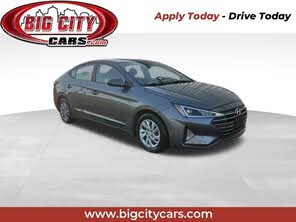
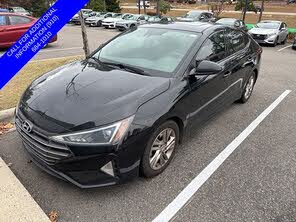
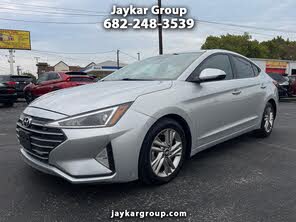
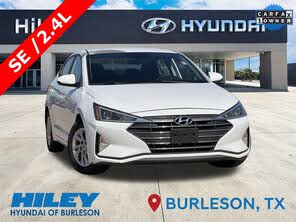
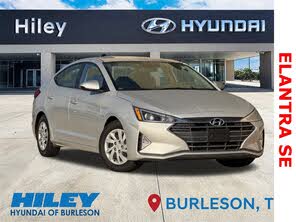
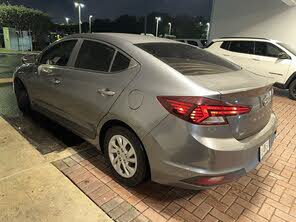
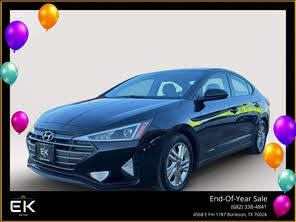
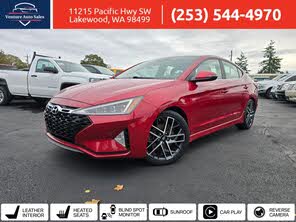
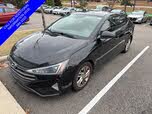
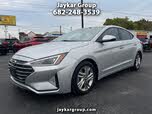
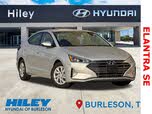
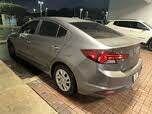
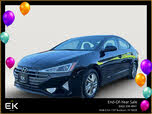
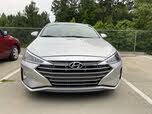
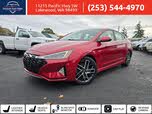
The 2019 Hyundai Elantra had undergone a significant redesign, featuring new styling elements forward of the windshield and front doors, redesigned wheels, and a new trunk lid, taillights, and rear bumper. The design was described as kaleidoscopic, with a focus on geometric patterns, which some found less appealing than the previous year's model. Inside, subtle changes improved the interior, adding design flair to the air vents, a carbon-texture finish to some plastic housings, new gauges, and revised dashboard controls. The interior quality was high, with robust and solid-feeling components, although some materials felt inexpensive, which was expected in a compact car.
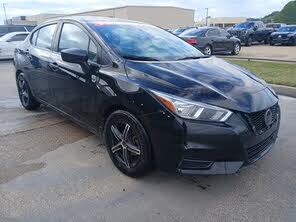
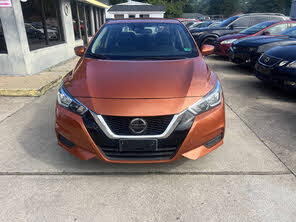
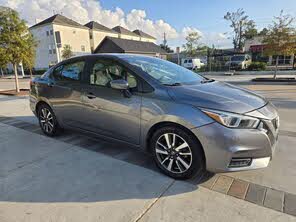
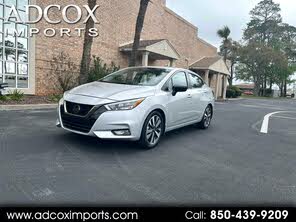
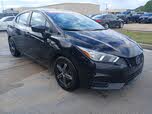
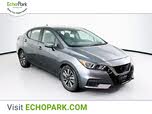
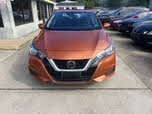
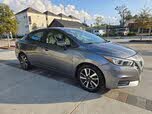
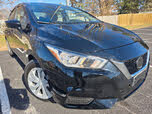
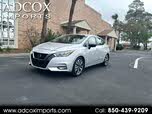
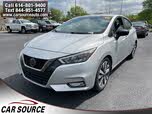
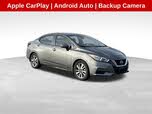
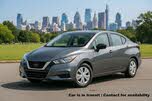
In contrast, the 2020 Nissan Versa moved away from its previous "big car" styling details, adopting a more handsome design inspired by its larger siblings, the Maxima and Altima. The cabin was similar to the Nissan Kicks, offering plenty of interior space for a subcompact sedan. The test model featured a two-tone theme with dark charcoal and grayish cream colors, and the seats had a neat design. Nissan was praised for livening up economy-car cabins with stylistic flair. The Versa was available in three trims: S, SV, and SR, each offering different levels of features and amenities.


The 2019 Hyundai Elantra was equipped with a 2.0-liter 4-cylinder engine producing 147 horsepower, paired with a 6-speed automatic transmission powering the front wheels. Acceleration was acceptable, with driving modes including Normal, Sport, and Smart. However, the Smart mode was not very perceptive, and Sport mode added unwelcome weight to the steering. The Elantra achieved an EPA rating of 32 mpg in combined driving, with real-world testing showing 29.3 mpg on a modified loop and 32.4 mpg after a week of driving. Handling was decent, with no significant praise or criticism for the steering and brakes. The ride quality was busy due to the inexpensive torsion-beam rear-axle suspension.
The 2020 Nissan Versa featured a revised 1.6-liter 4-cylinder engine, now producing 122 horsepower and 114 pound-feet of torque, an improvement over the previous generation's 109 horsepower and 107 pound-feet of torque. The engine was paired with either a 5-speed manual or a continuously variable automatic transmission (CVT). The S trim came standard with the manual transmission, while the CVT was standard on the SV and SR trims. Acceleration was decent, with the CVT managing power well in both low- and high-speed settings. The Versa returned fuel economy of 27 mpg city, 35 highway, and 30 combined with the manual transmission, and 32/40/35 with the CVT. Real-world testing showed 34.7 mpg with the CVT.
The 2019 Hyundai Elantra offered good front-seat comfort for a compact car, with height-adjustable seats in all trims, heated front seats, a leather-wrapped tilt-and-telescopic steering wheel, and dual-zone automatic climate control in most trims. Backseat comfort was less impressive, with hard plastic front seatbacks and no air conditioning vents or USB ports for rear passengers. Interior storage was decent, with a good-size center-console storage bin, a sizable glove box, and a tray forward of the shifter. The trunk offered 14.4 cubic feet of space, with a hands-free Smart Trunk feature in most trims.
The 2020 Nissan Versa retained the previous generation's trunk size, offering 15 cubic feet of space, one of the largest in the class. However, it lost 6 inches of rear legroom, making the backseat less spacious for full-size adults. The front seats had plenty of legroom, even for taller drivers. The Versa was no longer available in a hatchback body style, but the possibility of its return in the future was not ruled out.
The 2019 Hyundai Elantra, except for the base SE trim, came with a 7-inch touchscreen infotainment system with Apple CarPlay, Android Auto, and satellite radio. The Limited trim featured an Infinity premium sound system, and the Ultimate Package added an 8-inch display, navigation, and SiriusXM Data Services. The infotainment system was user-friendly, with a good balance of knobs and buttons. The Value Edition and Limited trims included a free 3-year trial subscription to Blue Link services, offering a range of safety and convenience functions.
The 2020 Nissan Versa stepped up its game with a standard 7-inch touchscreen, Bluetooth connectivity, Siri Eyes Free, and a hands-free text-messaging assistant. It also had three USB ports, with the SV trim featuring the upgraded NissanConnect system with Apple CarPlay and Android Auto. The SV trim also had an upgraded instrument panel with a digital screen, offering various functions and displays. This system was praised for its helpfulness and seamless integration of technology.
The 2019 Hyundai Elantra included important driver-assistance and collision-avoidance systems as standard equipment starting with the SEL trim. These included forward-collision warning with automatic emergency braking, lane-departure warning with lane-keeping assist, a blind-spot-monitoring system with rear cross-traffic alert, and a driver-monitoring system. The Limited trim added adaptive cruise control, pedestrian detection, automatic high-beam headlights, and a Safe Exit system. The Elantra received top marks from the IIHS, except for an Acceptable rating for LATCH child-seat anchors. The NHTSA gave it a 4-star overall rating.
The 2020 Nissan Versa added a host of standard driver-assistance features, including automatic emergency braking, pedestrian detection, lane-departure warning, and automatic high beams. Other standard safety features included a reversing camera, front- and side-impact airbags, and Nissan's Easy Fill Tire Alert. While these features were commendable, they also raised repair costs for minor accidents due to the sensors in the bumpers.
CarGurus highlights

According to CarGurus experts, the overall rating for the 2019 Hyundai Elantra is 8.2 out of 10, while the 2020 Nissan Versa scores 7.2 out of 10. Based on these ratings, the 2019 Hyundai Elantra is the better choice, offering a higher-quality interior, more advanced technology, and superior safety features.
Choose the 2019 Hyundai Elantra if:
- You value a high-quality interior with user-friendly technology.
- You want a car with a good balance of comfort and practicality.
- You appreciate advanced safety features and high crash-test ratings.


Choose the 2020 Nissan Versa if:
- You need a car with a spacious trunk and plenty of front-seat legroom.
- You prefer a vehicle with modern infotainment and connectivity options.
- You want standard driver-assistance features across all trims.



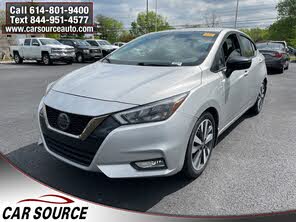
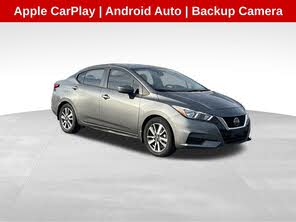

CarGurus highlights
According to CarGurus experts, the overall rating for the 2019 Hyundai Elantra is 8.2 out of 10, while the 2020 Nissan Versa scores 7.2 out of 10. Based on these ratings, the 2019 Hyundai Elantra is the better choice, offering a higher-quality interior, more advanced technology, and superior safety features.
Choose the 2019 Hyundai Elantra if:
Shop Now- You value a high-quality interior with user-friendly technology.
- You want a car with a good balance of comfort and practicality.
- You appreciate advanced safety features and high crash-test ratings.

Choose the 2020 Nissan Versa if:
Shop Now- You need a car with a spacious trunk and plenty of front-seat legroom.
- You prefer a vehicle with modern infotainment and connectivity options.
- You want standard driver-assistance features across all trims.


By: CarGurus + AI
At CarGurus, our team of experienced automotive writers remain at the heart of our content operation, conducting hands-on car tests and writing insightful guides that are backed by years of industry experience. To complement this, we are harnessing AI to make our content offering more diverse and more helpful to shoppers than ever. To achieve this, our AI systems are based exclusively on CarGurus content, ratings and data, so that what we produce is both unique to CarGurus, and uniquely helpful to car shoppers.