2019 Tesla Model 3 vs 2020 Lexus ES


Overview | |
MSRP$36,500 | MSRP$39,900 |
Listings263 | Listings85 |
Ratings & Reviews | |
User Reviews | User Reviews |
Expert reviews | Expert reviews8.0 out of 10 |
Pros
Cons
| |
2019 Tesla Model 3 Reviews Summary | |
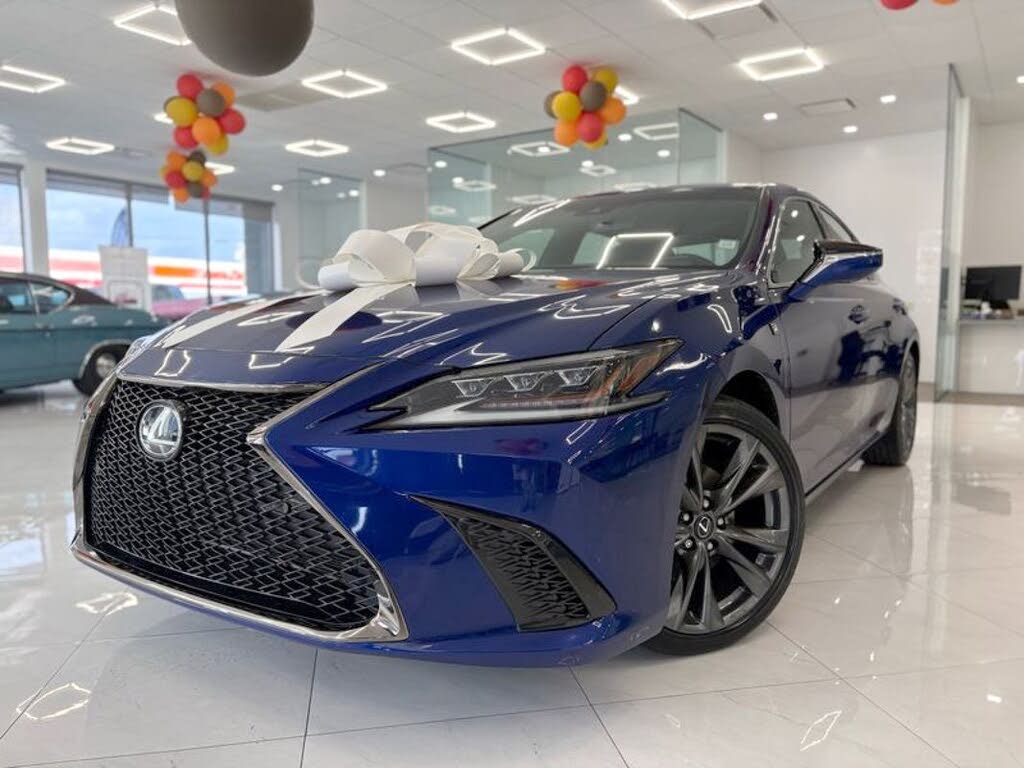
2020 Lexus ES Reviews SummarySUVs might dominate the luxury car market, but many luxury brands were built on sedans, like the 2020 Lexus ES. While crossovers and SUVs combine added cargo space with all-weather driving capability, sedans are all about driving in comfort. Lower ride height allows sedans to be far more refined in on-road driving dynamics, offer better fuel economy, and still have enough room for a weekend’s worth of bags. SUVs might have the attributes that you might need in certain scenarios, but sedans like the 2020 Lexus ES excel in ways that are relevant in everyday driving. The 2020 Lexus ES is one year off a complete redesign, though it maintains the same comfort-first formula. It is available in a racy 350 F Sport trim level, but don’t expect any major leaps in performance. The ES delivers on a serene ride and a quiet, well-appointed cabin. For 2020, the ES gains some in-cabin tech features, joining a long list of standard technology. | |
No video found | |
Popular Features & Specs | |
Engine283 hp Electric | Engine3.5L 302 hp V6 |
DrivetrainRWD | DrivetrainFWD |
Seating Capacity5 | Seating Capacity5 |
Horsepower | Horsepower302 hp @ 6600 rpm |
EV Battery Capacity50 kWh | EV Battery Capacity |
MPG City138 | MPG City22 |
MPG Highway124 | MPG Highway32 |
Battery Charge Time (240V)10 hours | Battery Charge Time (240V) |
Engine | |
Engine Name283 hp Electric | Engine Name3.5L 302 hp V6 |
Torque | Torque267 lb-ft @ 4700 rpm |
Horsepower | Horsepower302 hp @ 6600 rpm |
Battery Charge Time (240V)10 hours | Battery Charge Time (240V) |
DrivetrainRWD | DrivetrainFWD |
Fuel Economy | |
EV Battery Capacity50 kWh | EV Battery Capacity |
MPG City138 | MPG City22 |
MPG Highway124 | MPG Highway32 |
Interior | |
Seating Capacity5 | Seating Capacity5 |
Key Features | |
Navigation SystemStandard | Navigation System |
Sunroof/MoonroofStandard | Sunroof/MoonroofOptional |
Safety | |
Front Crash Overall5 | Front Crash Overall4 |
Side Crash Overall5 | Side Crash Overall5 |
Dimensions & Capacity | |
Cargo Space15.0 cu ft | Cargo Space16.7 cu ft |
Curb Weight3624 lbs | Curb Weight3649 lbs |
Height56.8 in | Height56.9 in |
Length184.8 in | Length195.9 in |
Width82.2 in | Width73.4 in |
Wheelbase113.2 in | Wheelbase113.0 in |
Maximum Payload1181 lbs | Maximum Payload905 lbs |
Number of doors4 | Number of doors4 |
Overview | ||
MSRP | $36,500 | $39,900 |
Listings | ||
Ratings & Reviews | ||
User reviews | ||
Expert reviews | 8.0 out of 10Read full review | |
Pros & cons | Pros
Cons
| |
Summary | SUVs might dominate the luxury car market, but many luxury brands were built on sedans, like the 2020 Lexus ES. While crossovers and SUVs combine added cargo space with all-weather driving capability, sedans are all about driving in comfort. Lower ride height allows sedans to be far more refined in on-road driving dynamics, offer better fuel economy, and still have enough room for a weekend’s worth of bags. SUVs might have the attributes that you might need in certain scenarios, but sedans like the 2020 Lexus ES excel in ways that are relevant in everyday driving. The 2020 Lexus ES is one year off a complete redesign, though it maintains the same comfort-first formula. It is available in a racy 350 F Sport trim level, but don’t expect any major leaps in performance. The ES delivers on a serene ride and a quiet, well-appointed cabin. For 2020, the ES gains some in-cabin tech features, joining a long list of standard technology. | |
Video | No video found | |
Popular Features & Specs | ||
Engine | 283 hp Electric | 3.5L 302 hp V6 |
Drivetrain | RWD | FWD |
Seating Capacity | 5 | 5 |
Horsepower | 302 hp @ 6600 rpm | |
EV Battery Capacity | 50 kWh | |
MPG City | 138 | 22 |
MPG Highway | 124 | 32 |
Battery Charge Time (240V) | 10 hours | |
Engine | ||
Engine Name | 283 hp Electric | 3.5L 302 hp V6 |
Torque | 267 lb-ft @ 4700 rpm | |
Horsepower | 302 hp @ 6600 rpm | |
Battery Charge Time (240V) | 10 hours | |
Drivetrain | RWD | FWD |
Fuel Economy | ||
EV Battery Capacity | 50 kWh | |
MPG City | 138 | 22 |
MPG Highway | 124 | 32 |
Interior | ||
Seating Capacity | 5 | 5 |
Key Features | ||
Navigation System | Standard | |
Sunroof/Moonroof | Standard | Optional |
Safety | ||
Front Crash Overall | 5 | 4 |
Side Crash Overall | 5 | 5 |
Dimensions & Capacity | ||
Cargo Space | 15.0 cu ft | 16.7 cu ft |
Curb Weight | 3624 lbs | 3649 lbs |
Height | 56.8 in | 56.9 in |
Length | 184.8 in | 195.9 in |
Width | 82.2 in | 73.4 in |
Wheelbase | 113.2 in | 113.0 in |
Maximum Payload | 1181 lbs | 905 lbs |
Number of doors | 4 | 4 |




By: CarGurus + AI
At CarGurus, our team of experienced automotive writers remain at the heart of our content operation, conducting hands-on car tests and writing insightful guides that are backed by years of industry experience. To complement this, we are harnessing AI to make our content offering more diverse and more helpful to shoppers than ever. To achieve this, our AI systems are based exclusively on CarGurus content, ratings and data, so that what we produce is both unique to CarGurus, and uniquely helpful to car shoppers.

