A dead car battery can ruin your day, but with the right tools, a little know-how, and a car with a good battery, you can be back on the road in minutes. This step-by-step guide covers everything you need know about how to jump-start your car, from common troubleshooting tips to FAQs.
How to Jump-Start Your Car
How to Jump-Start Your Car
- What You’ll Need to Jump-Start a Car
- Attach Jumper Cables in the Correct Order
- Start the engine
- FAQs
- What to Do If Your Car Won’t Jump Start
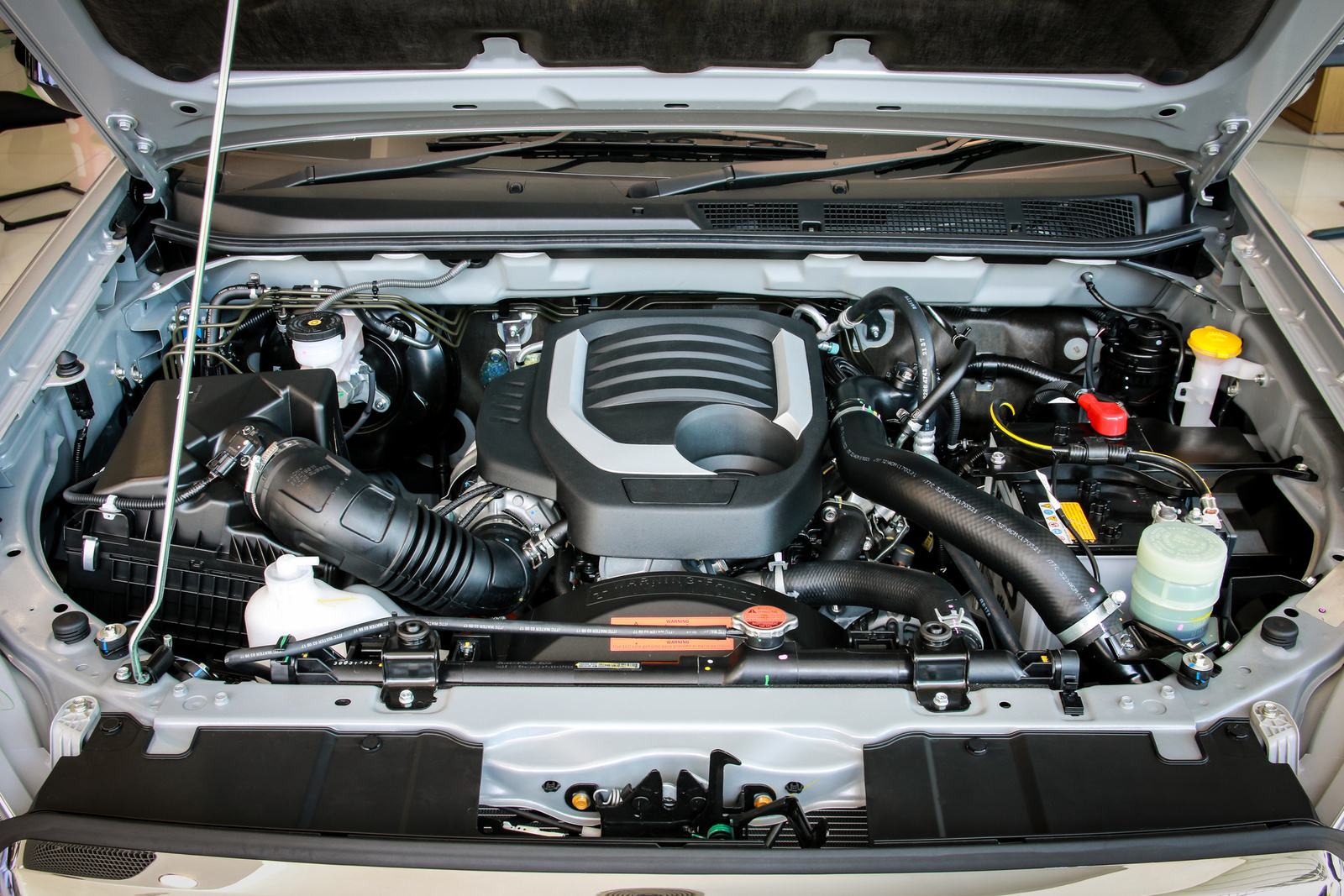
What You’ll Need to Jump-Start a Car
Before starting:
- A set of jumper cables
- A car with a charged battery (the booster car)
- Or a portable jump starter
- Your owner’s manual
Most vehicles use a 12-volt battery, but if you drive a manual transmission or hybrid, consult your owner’s manual for specific guidance before trying to jump-start it. Some vehicles, like certain BMW, Mercedes-Benz, and Volvo models, have batteries located somewhere other than under the hood, and their location will be noted in the manual as well.
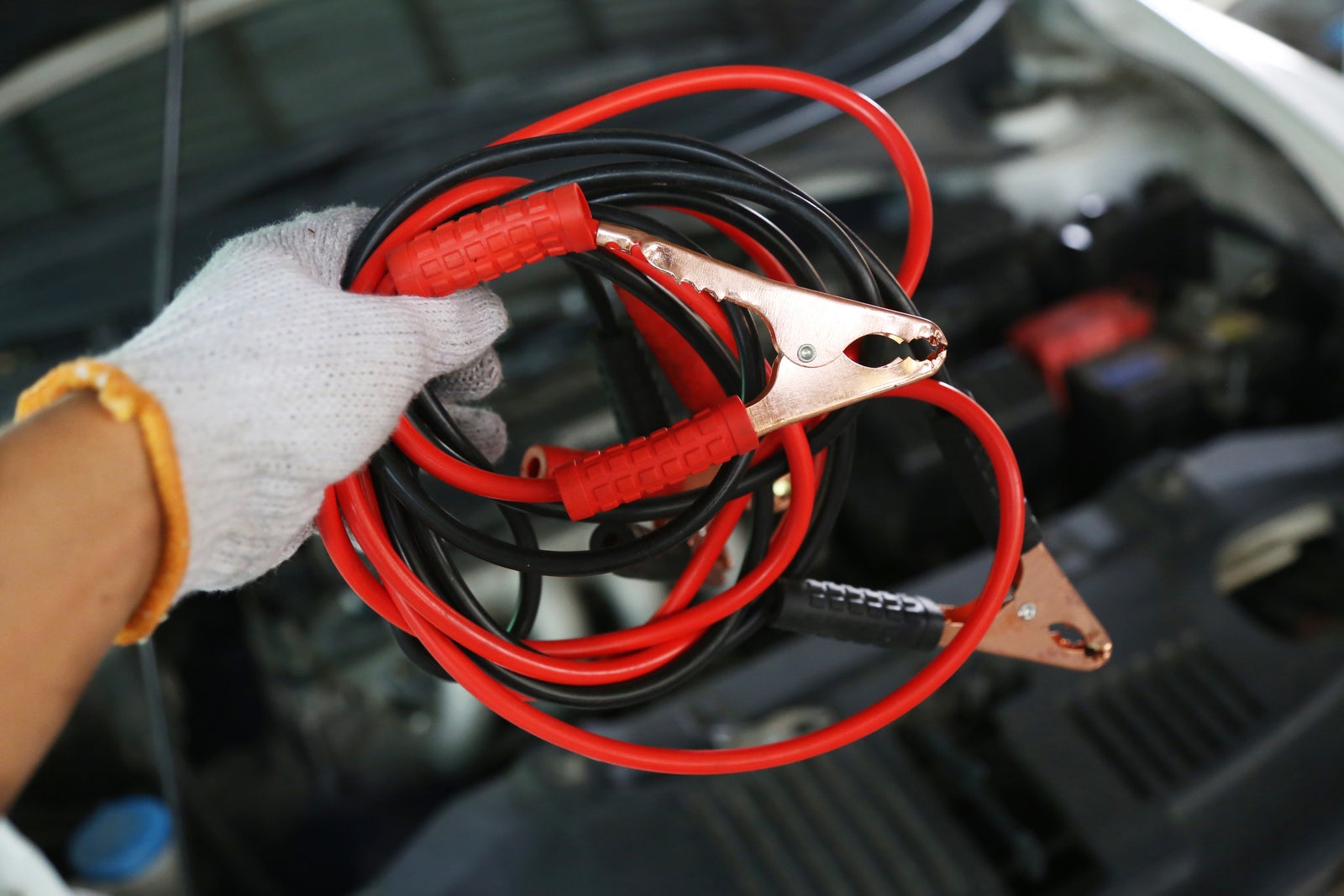
Attach Jumper Cables in the Correct Order
Connecting cables in the right sequence protects the electrical system in both vehicles. Here’s a handy rhyme:
“Red from the dead to red on the good. Black from the good, to under the hood.”
Here’s how that breaks down:
- Make sure both cars are off
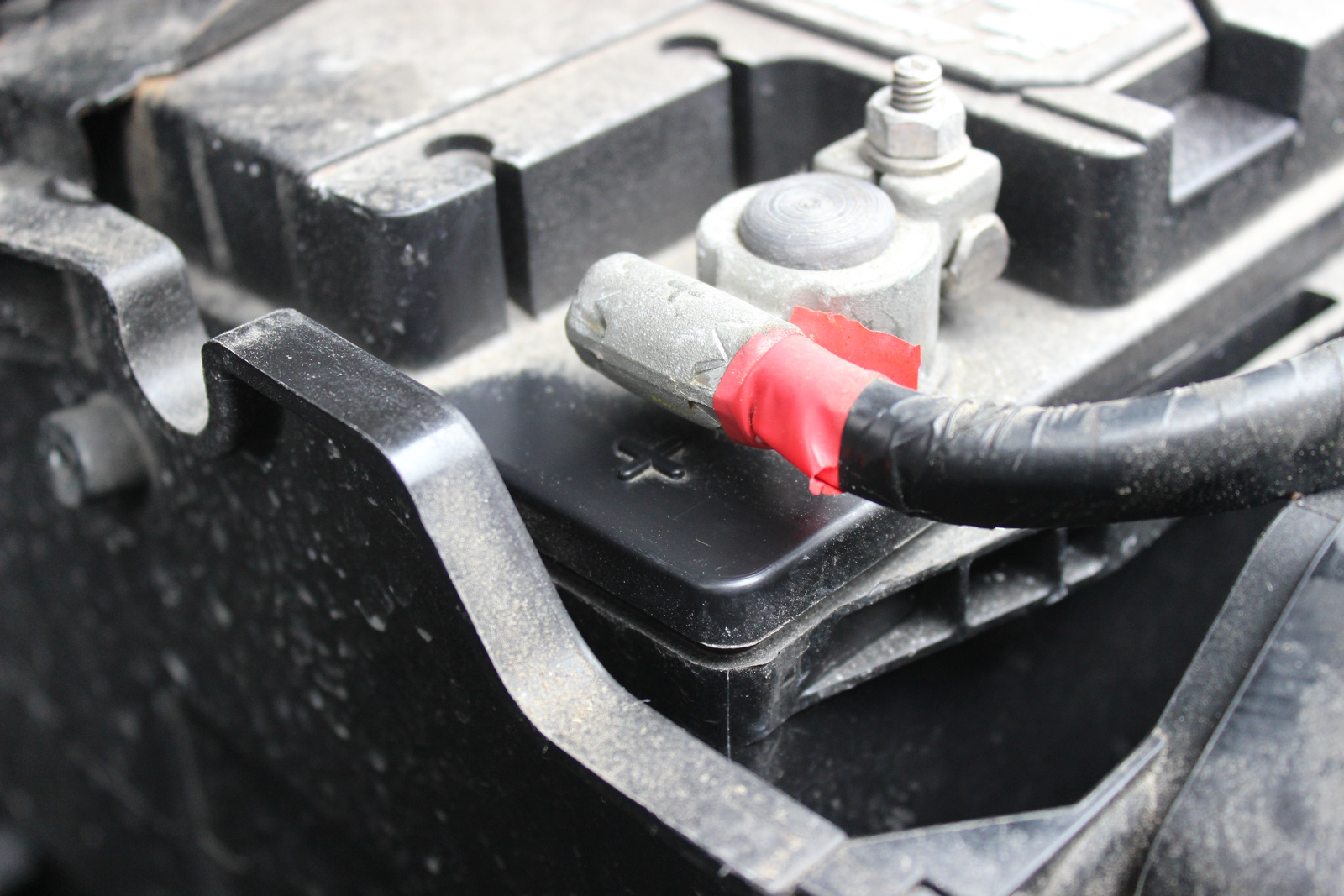
- Find the battery terminals: the positive terminal (red, "+") and negative terminal (black, "–")
- Connect the red cable to the positive terminal on the dead battery
- Connect the other red clamp to the positive terminal on the good battery
- Attach the black cable to the negative terminal of the good battery
- Connect the final black clamp to an unpainted metal surface (like a bolt on the engine block) on the car with the dead battery. Avoid the negative post to reduce the risk of causing sparks near corrosion or battery gases
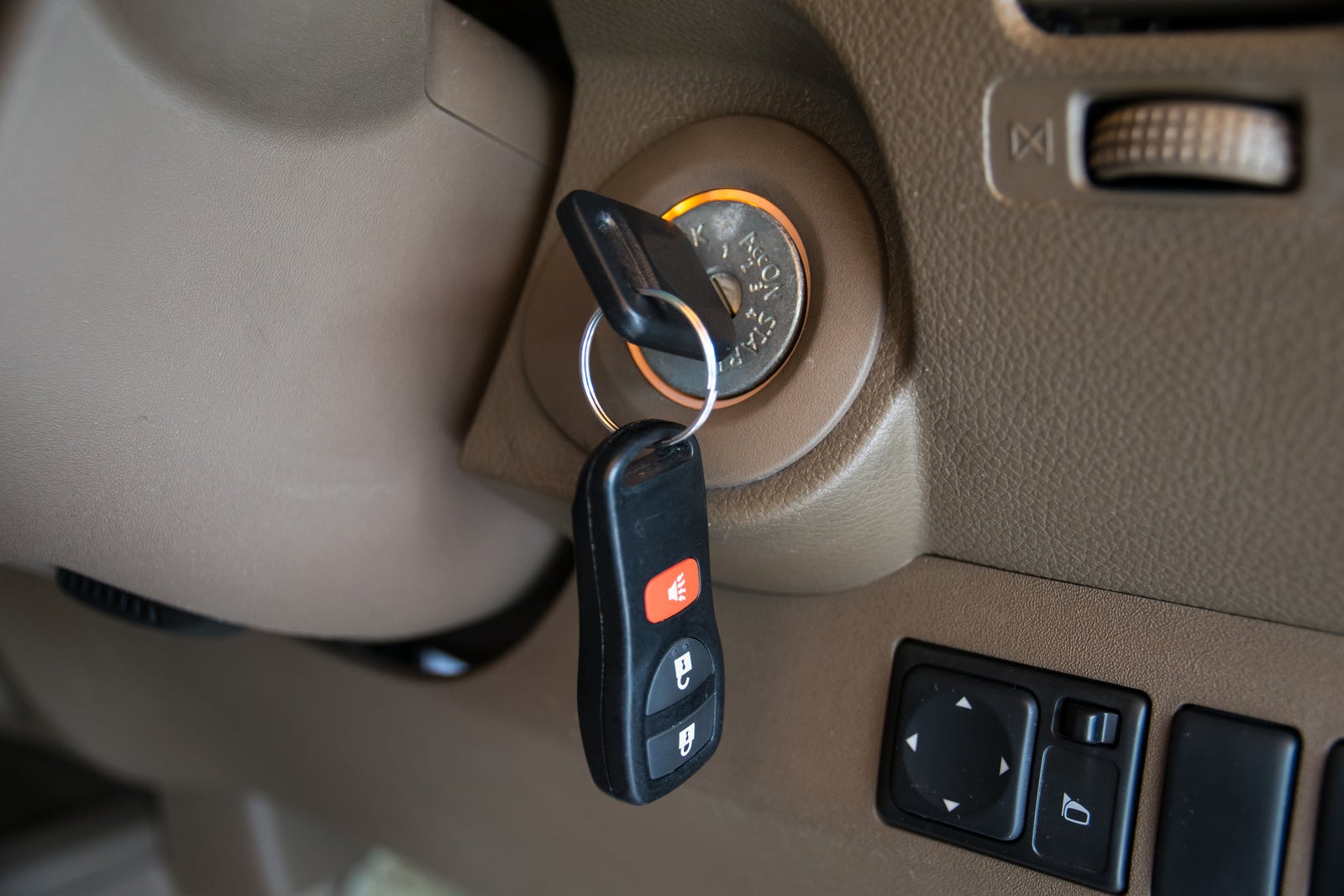
Start the engine
Once everything is connected:
- Start the car with the good battery and let it idle for a few minutes
- Then start the car that has the dead battery
- Let the engine run for several minutes to stabilize the vehicle battery
Use this rhyme to disconnect the cables safely:
“When the battery’s not dead, remove black then red.”
Follow this reverse order:
- Black from the grounded unpainted metal surface
- Black from the good battery
- Red from the good battery
- Red from the dead battery
Drive for at least 15 to 30 minutes to recharge the battery. Driving recharges the battery faster than just letting the vehicle idle.
FAQs
Where do you ground your jumper cables?
Always attach the last black clamp to an unpainted metal surface (like a bolt or bracket) on the dead car’s engine block, away from the battery. Avoid the negative terminal to reduce the chance of sparks near battery gases or corrosion.
Can you jump-start a car in the rain?
Yes. Automotive electrical systems are insulated, and jumper cables are safe when used properly. Just make sure you don’t touch the ends of the jumper cables together and keep all clamps secure.
Can you jump a car battery without cables?
Yes, using a portable jump starter. These handy devices eliminate the need for a second car. Follow the instructions to connect the positive cable and negative cable to the correct battery terminals, and you will be on your way.
Can you jump-start a hybrid vehicle?
It’s best not to. While it may be technically possible, manufacturers like Toyota recommend against it. Hybrids have sensitive electrical systems, and incorrect handling can cause damage. Always check the owner’s manual and contact a service center if needed.

What to Do If Your Car Won’t Jump-Start
If the car won’t start after several attempts:
- Check for a loose or dirty cable clamp at any connection point.
- Look for corrosion on the battery terminals
- Try grounding to a different unpainted metal surface
- Wait a few minutes and try again
If the engine cranks but won’t start, the issue could be that the battery cables are worn or not connected properly, a bad starter, a faulty alternator, or a severely drained battery. A battery charger might help. If not, you may need a new battery or assistance from a service center or auto parts store.
Related Topics


by John Graham
A lifelong car enthusiast, John once worked at an import dealership in a small New England town. He divides his time between hanging out with his family and fixing up one of his many classic vehicles. John has contributed to various automotive club publications.
The content above is for informational purposes only and should be independently verified. Please see our Terms of Use for more details.


