Choosing a hybrid vehicle is a practical step for many drivers looking to reduce their fuel costs and environmental impact without committing to a fully electric lifestyle. These vehicles cleverly combine a traditional gasoline engine with an electric motor, allowing them to operate with greater efficiency than their gas-only counterparts. The primary benefits are straightforward: fewer trips to the gas station and lower emissions. For the everyday driver, this means saving money over the long term and enjoying a quieter ride, especially in city traffic, where the electric motor can often do most of the work. There's no need for special charging stations, as the battery is recharged by the gas engine and through regenerative braking.
As hybrid technology has matured, it has expanded into nearly every vehicle category. The 2026 market offers a diverse lineup, from fuel-sipping sedans perfect for commuting to versatile family-haulers. Shoppers can now find efficient hybrid powertrains in popular compact SUVs and even in three-row vehicles. This variety means buyers no longer have to compromise on space, features, or even all-wheel-drive (AWD) capability to gain the advantages of a hybrid system.
The Best Hybrid Vehicles of 2026
FAQs
What Makes CarGurus Best Cars Guides Different
Shopping Tools
Related Topics
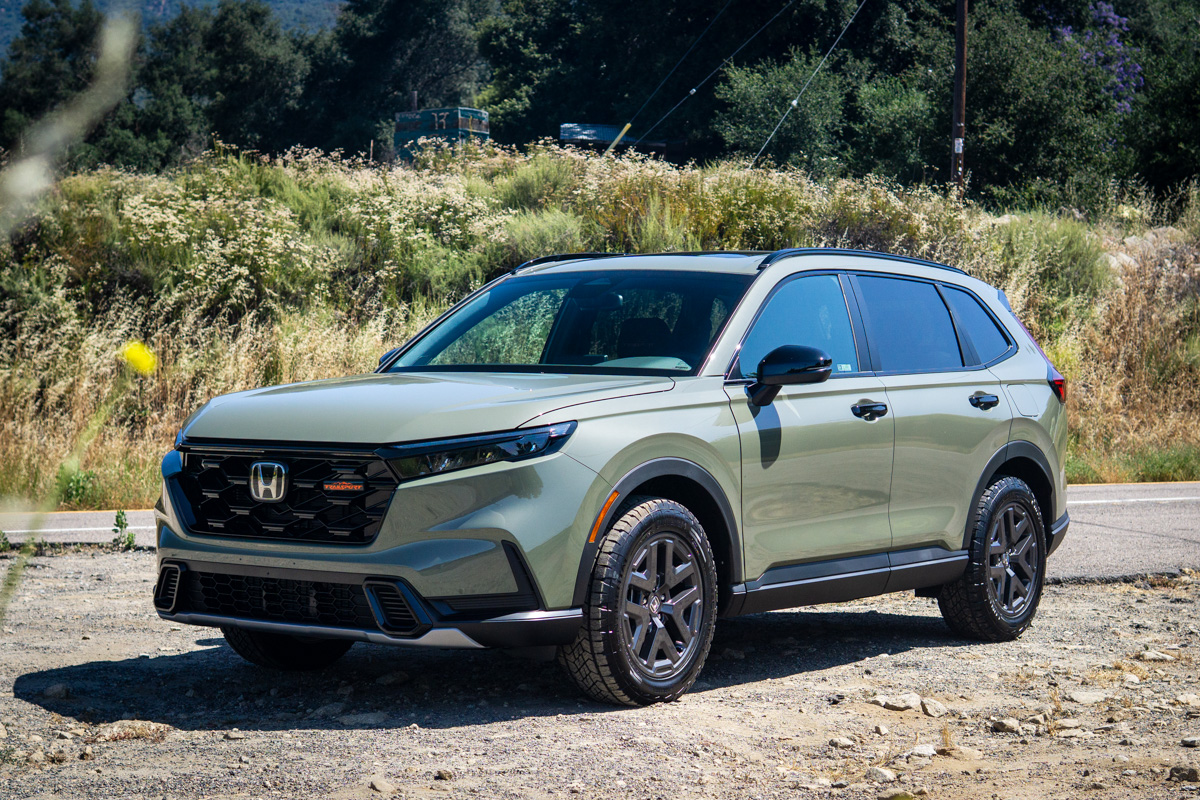
1. Honda CR-V Hybrid
CarGurus expert rating: 7.8 out of 10
CarGurus user rating: 4.8 out of 5
Percentage of Good and Great Deals available on CarGurus: 35.0%
Overall CarGurus rating: 4.6 out of 5
| Pros |
Cons |
| Great ride quality |
Underwhelming off-road chops |
| Efficient hybrid powertrain |
No SiriusXM radio |
| Easy-to-use technology |
Limited tech features |
Honda’s best-selling vehicle gets a light refresh for 2026, and for hybrid shoppers the CR-V continues to focus on easy, everyday wins: smooth power delivery, strong fuel economy, and a calm ride that works just as well for commuting as it does for long family trips. Hybrid “Sport” trims (including the new TrailSport) use a 2.0-liter Atkinson-cycle engine with two electric motors for 204 hp and 247 lb-ft of torque, and the system’s near-seamless gas-to-electric transitions help the CR-V feel effortless around town. Efficiency remains a core reason to buy one: most hybrid models return up to 40 mpg combined with FWD (37 mpg combined with AWD), while the TrailSport’s all-terrain tires drop it to about 35 mpg combined—still competitive for an outdoors-themed compact SUV.
Inside, the CR-V leans functional, with 39.3 cubic feet of cargo room behind the rear seats and 76.5 cubic feet with them folded, plus a straightforward center console with physical climate controls and useful storage. Tech is also streamlined: a 9-inch touchscreen is now standard across the lineup with wireless Apple CarPlay and Android Auto, and upper trims add a 10.2-inch digital driver display; Sport Touring models also offer Google built-in (free for three years, then a subscription for data-connected features). Honda Sensing driver-assist features come standard, although some desirable items—like blind-spot monitoring and rear cross-traffic alert—aren’t included on the base LX, and the TrailSport doesn’t add extra trail-view cameras. Pricing ranges from $37,025 for the Hybrid Sport up to $43,645 for the Sport Touring, putting it in the mix with top trims of key rivals while keeping the CR-V’s strengths centered on real-world efficiency and comfort.
The CarGurus Verdict: "The CR-V is one of the best compact crossovers on the market, and the hybrid powertrain only makes it better. If adventure and off-road driving are truly in the cards for you, however, the CR-V TrailSport may not be the right choice." - Matt Smith
Read our most recent Honda CR-V Hybrid review
Search for Honda CR-V Hybrid
See all
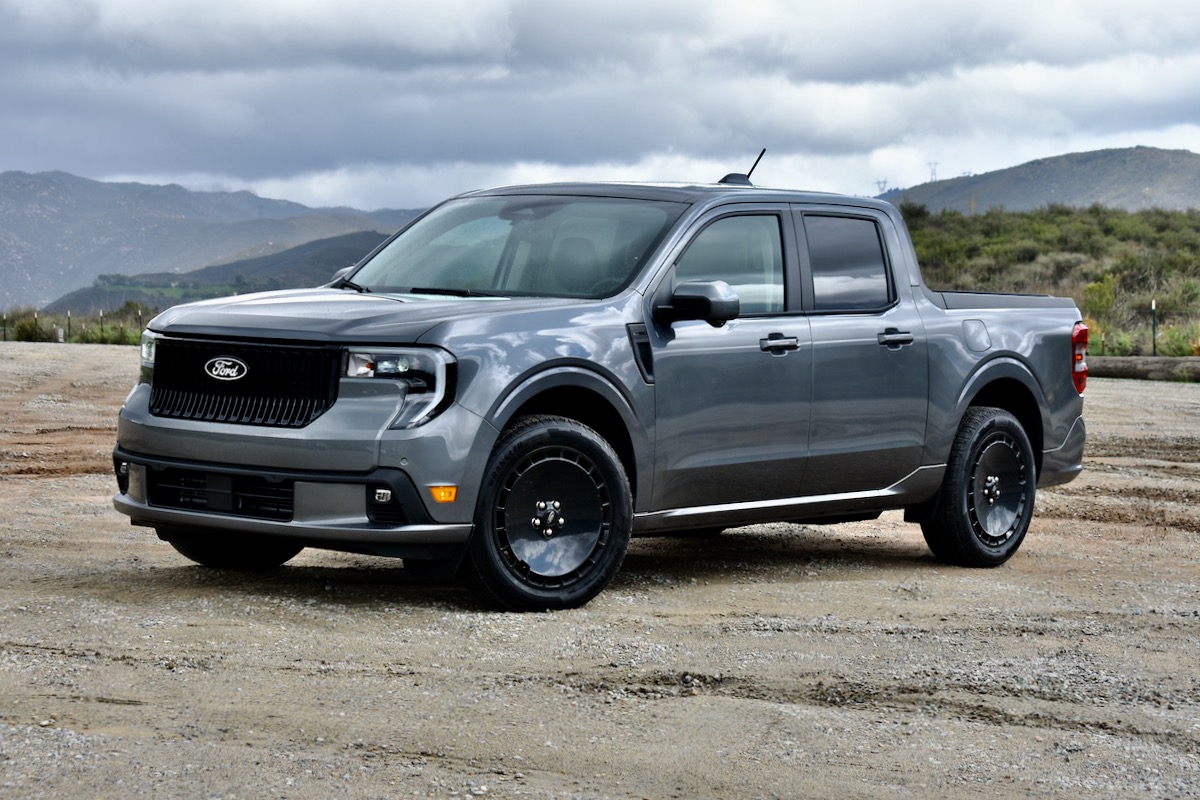
2. Ford Maverick
CarGurus expert rating: 7.8 out of 10
CarGurus user rating: 4.5 out of 5
Percentage of Good and Great Deals available on CarGurus: 30.4%
Overall CarGurus rating: 4.5 out of 5
| Pros |
Cons |
| Standard hybrid powertrain |
Price has crept up |
| Charming and functional interior |
Advanced safety features are not standard |
| Fun-to-drive Lobo model |
Excessive touchscreen controls |
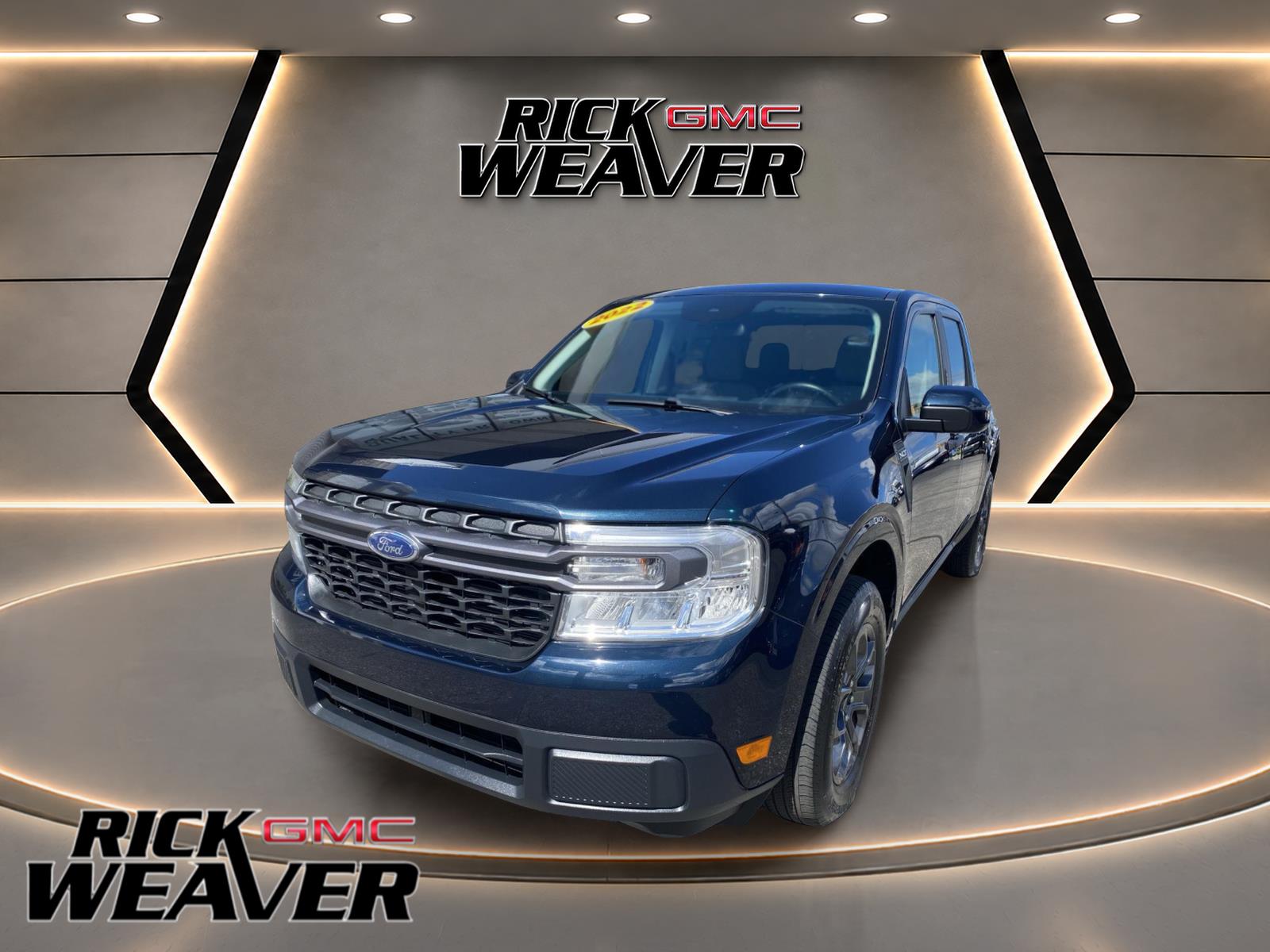
The 2025 Ford Maverick makes a compelling case in the hybrid segment by delivering impressive fuel efficiency in a form factor that actually functions as a pickup truck. The standard hybrid powertrain—a 2.5-liter Atkinson-cycle four-cylinder paired with an electric motor and CVT—produces 191 hp and earns an outstanding EPA-estimated 42 mpg city and 38 mpg combined with FWD, or 40 mpg city and 37 mpg combined with the new-for-2025 AWD option. That's genuinely competitive with hybrid crossovers, in a vehicle that can also haul cargo, tow up to 4,000 pounds with the optional towing package, and carry a payload of up to 1,500 pounds. The interior punches well above its price point too, with clever storage solutions throughout, a standard 13.2-inch touchscreen with wireless Apple CarPlay and Android Auto, and a charming design aesthetic that makes even basic plastic trim feel intentional and fun. An eight-year/100,000-mile hybrid component warranty adds long-term peace of mind.
On the road, the Maverick's unibody platform delivers a car-like ride that sets it apart from conventional body-on-frame pickups, and the hybrid powertrain keeps daily driving smooth and composed. For those who want more excitement, the new Lobo variant adds lowered suspension, torque-vectoring AWD, and a track-focused drive mode that makes it genuinely entertaining on winding roads—a rare trait in any truck. The main caveats are a price that has climbed significantly since the Maverick's debut, and safety features that aren't as comprehensive at base trim levels as buyers might expect. But as a hybrid that doubles as a practical, versatile small truck, the Maverick remains one of the most distinctive and capable entries in the efficiency-focused vehicle space.
The CarGurus Verdict: "The Maverick is still a great vehicle, but it’s not quite the bargain it once was." - Stephen Edelstein
Read our most recent Ford Maverick review
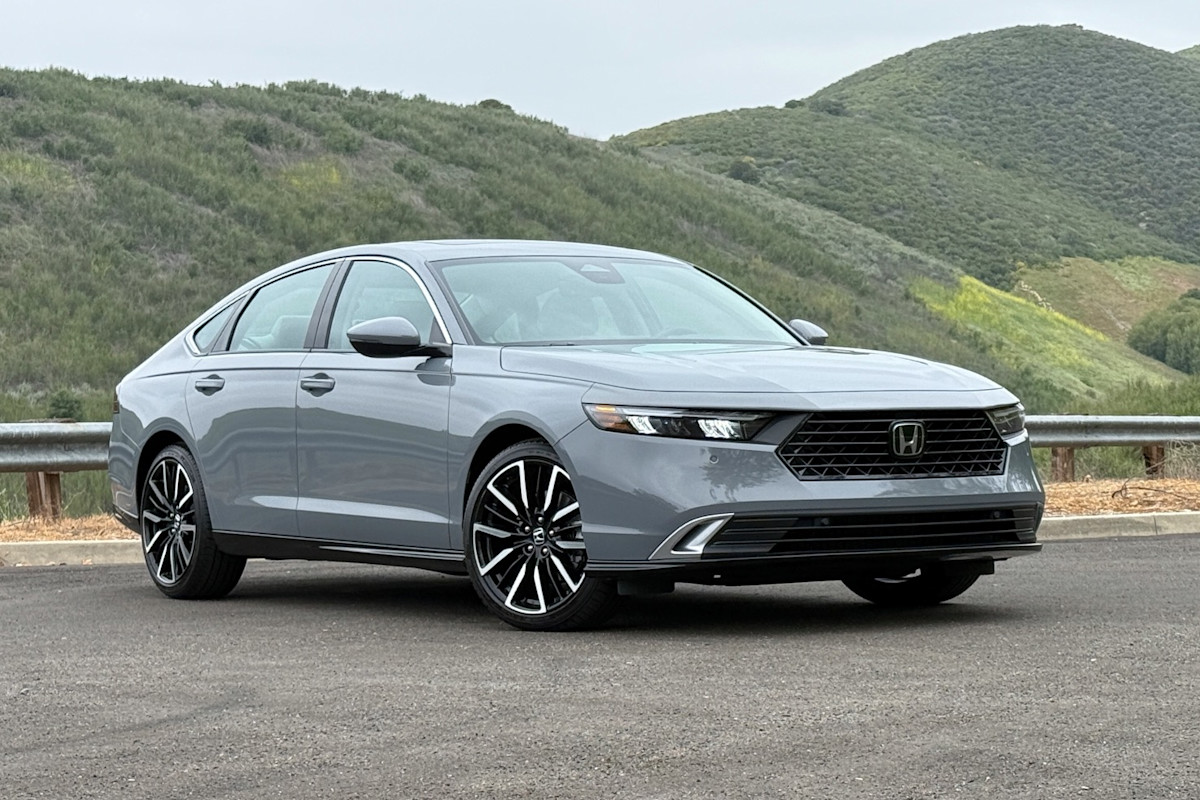
3. Honda Accord Hybrid
CarGurus expert rating: 7.5 out of 10
CarGurus user rating: 4.6 out of 5
Percentage of Good and Great Deals available on CarGurus: 32.2%
Overall CarGurus rating: 4.5 out of 5
| Pros |
Cons |
| Fuel-efficient |
Noisy |
| Fun to drive |
No front-passenger seat height adjuster |
| Great safety ratings |
Restrictive paint, interior, wheel, and equipment packaging |
If you want a hybrid with a very traditional driving feel, the Accord Hybrid makes a strong case. Every trim uses Honda’s two-motor hybrid system with 204 hp and 247 lb-ft of torque, and it’s rated for up to 48 mpg combined depending on configuration. The way the powertrain blends gas and electric power is mostly transparent from the driver’s seat, and the chassis tuning leans confident and predictable—helpful for commuters who also rack up weekend miles. The trade-off is refinement: it can be noisy at highway speeds, and passing power isn’t abundant when you’re loaded up with people and cargo.
For family-friendly day-to-day usability, the Accord Hybrid’s packaging is hard to ignore, with a roomy rear seat and a big 16.7-cubic-foot trunk that makes airport runs and road trips easier. For 2025, wireless Apple CarPlay and Android Auto, wireless charging, heated front seats, and rear A/C vents are standard—exactly the kind of convenience upgrades shoppers expect in newer hybrids. Honda Sensing safety tech comes on every model, and this Accord Hybrid earns top marks, including a five-star overall rating from the National Highway Traffic Safety Administration (NHTSA) and a Top Safety Pick+ award from the Insurance Institute for Highway Safety (IIHS) for 2025. Value looks good, too: with 32.2% of listings marked as Good or Great Deals on CarGurus, it’s the kind of hybrid sedan that can reward patient shoppers.
The CarGurus Verdict: "Cars like the Accord used to be the traditional choice for a family of four. Now, consumers generally prefer crossover SUVs, so selecting an Accord is unconventional. Those that do will get a lot for their money, though. The 2025 Honda Accord Hybrid is roomy, comfortable, great to drive, safe in a collision, and budget-friendly." - Christian Wardlaw
Read our most recent Honda Accord Hybrid review
Search for Honda Accord Hybrid
See all
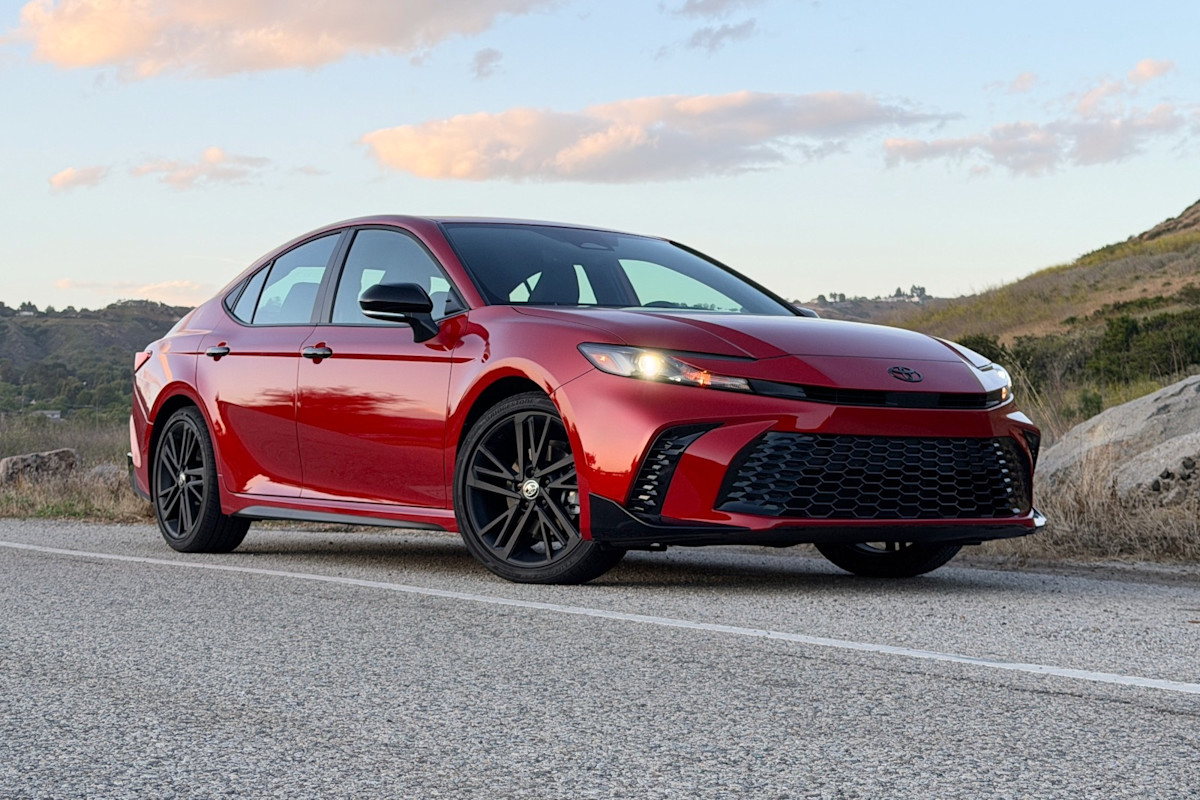
4. Toyota Camry
CarGurus expert rating: 7.8 out of 10
CarGurus user rating: 4.5 out of 5
Percentage of Good and Great Deals available on CarGurus: 30.8%
Overall CarGurus rating: 4.5 out of 5
| Pros |
Cons |
| Fuel-efficient |
Uninspired styling |
| Easy-to-use technology |
Not much cargo space |
| Great safety ratings |
Stereo is lacking |
Affordable, efficient, and safe, the Camry leans into the basics that matter day to day: it’s the kind of midsize sedan that’s easy to live with, easy to understand, and built around minimizing hassles. Simple, user-friendly tech helps keep common tasks—like pairing a phone and managing media or navigation—straightforward, which is a big part of why it earns strong marks with owners.
The trade-offs are the ones many shoppers will recognize in this class. The styling plays it safe, the trunk isn’t especially generous if you routinely pack bulky gear, and the standard audio system may leave music lovers wanting more. If you’re shopping listings, it also helps that 30.8% of Camry examples on CarGurus are tagged as Good or Great Deals, making it easier to narrow in on strong value without spending hours comparing every similar car.
The CarGurus Verdict: "Affordable, efficient, and safe, the 2026 Toyota Camry is all about practicality." - Christian Wardlaw
Read our most recent Toyota Camry review
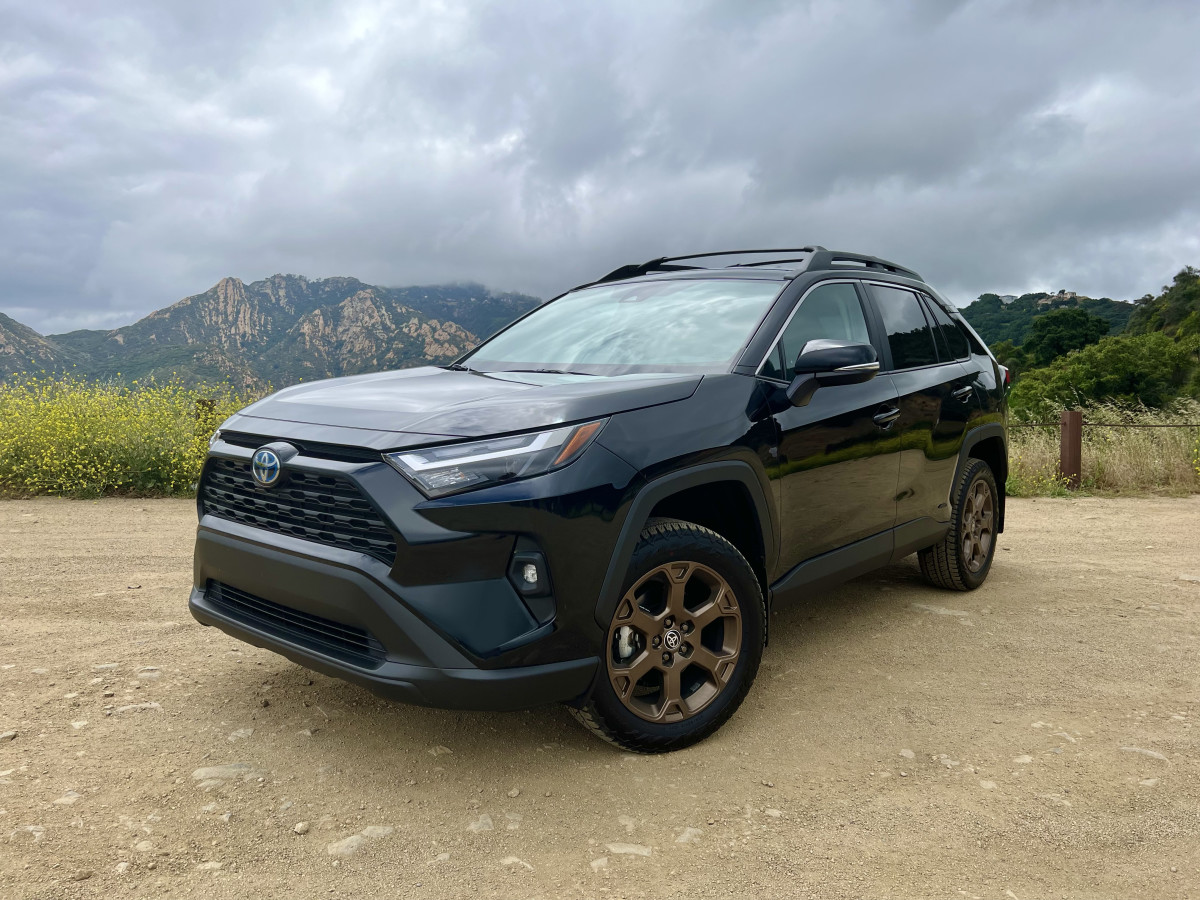
5. Toyota RAV4 Hybrid
CarGurus expert rating: 6.3 out of 10
CarGurus user rating: 4.8 out of 5
Percentage of Good and Great Deals available on CarGurus: 33.1%
Overall CarGurus rating: 4.5 out of 5
| Pros |
Cons |
| Fuel-efficient |
Interior isn't as refined as some rivals |
| Standard all-wheel drive |
Smaller-than-average cargo capacity |
| Easy-to-use technology |
|
The Toyota RAV4 Hybrid remains an easy recommendation for shoppers who want straightforward, real-world efficiency in a compact SUV footprint. Its 2.5-liter hybrid system makes 219 hp, and standard AWD adds confidence in wet weather without demanding much from the driver day to day. In mixed driving, the RAV4 Hybrid can realistically deliver around 40 mpg, which is exactly the kind of payback hybrid shoppers prioritize—especially for commuting and family errand duty.
It’s also a practical choice, with adult-friendly seating space and 37.5 cubic feet of cargo room behind the rear seats (a figure that’s competitive for a hybrid, even if some rivals offer a bit more). Toyota’s updated infotainment system for this generation is a meaningful improvement, with standard wireless Apple CarPlay and Android Auto, while Safety Sense 2.5 driver assists come standard and helped the RAV4 Hybrid earn strong NHTSA and IIHS results. Value depends on how long you keep it—the hybrid premium can take years to recoup versus a non-hybrid—so it’s best for buyers planning to put on miles and hold onto the vehicle long enough to benefit from its lower fuel use.
The CarGurus Verdict: "The Toyota RAV4 Hybrid is a solid choice in its rather limited class, with an easily attained 40 mpg, pleasant driving characteristics, and high levels of comfort. A new infotainment system helps its standing, as does a new off-road capable Woodland Edition." - Mark Takahashi
Read our most recent Toyota RAV4 Hybrid review
Search for Toyota RAV4 Hybrid
See all
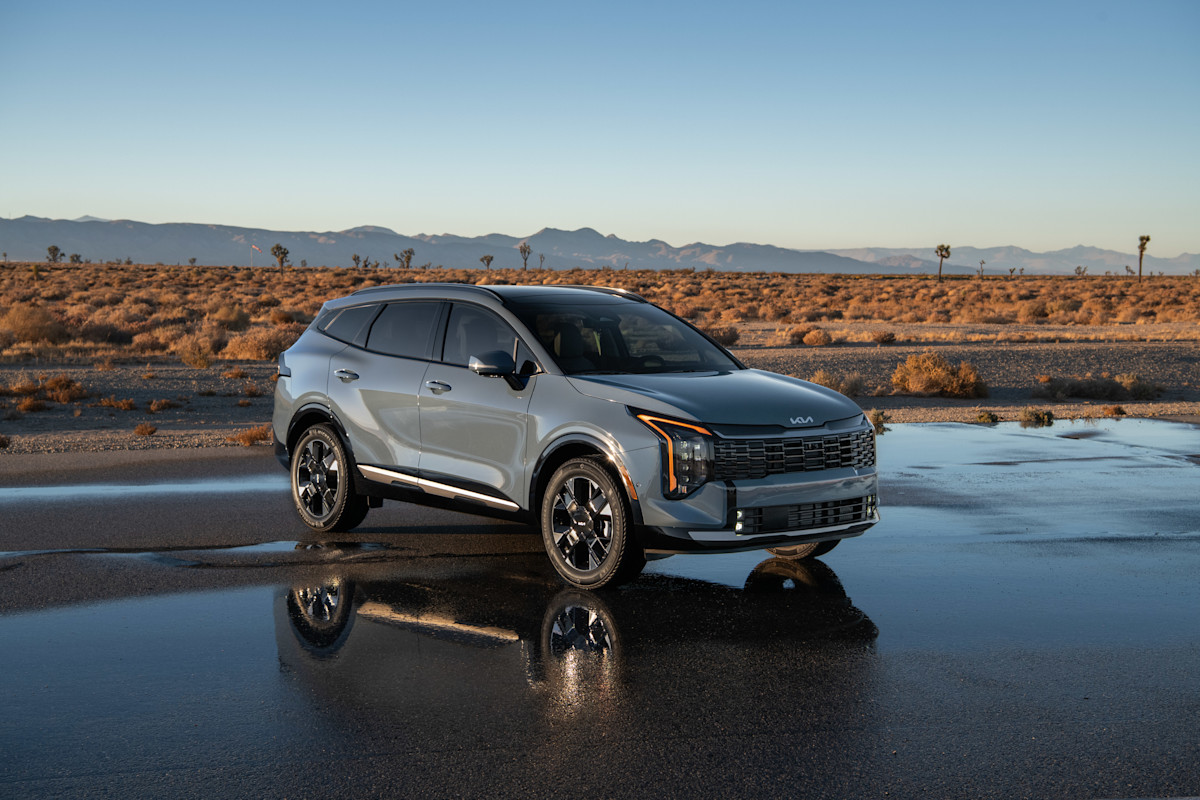
6. Kia Sportage Hybrid
CarGurus expert rating: 7.5 out of 10
CarGurus user rating: 4.8 out of 5
Percentage of Good and Great Deals available on CarGurus: 33.1%
Overall CarGurus rating: 4.4 out of 5
| Pros |
Cons |
| Fuel-efficient |
Fuel efficiency drops with AWD |
| Comfortable |
Fairly pedestrian performance |
| Premium interior materials |
Some advanced safety features are not standard |
For hybrid shoppers who want a do-it-all compact SUV without the “too big for city parking” feel, the 2026 Kia Sportage Hybrid hits a sweet spot in day-to-day livability. Its turbocharged 1.6-liter hybrid powertrain makes 232 hp and 271 lb-ft of torque, giving it quick, easy response around town, while a comfort-focused ride and low road noise make commuting and road trips relaxing. It’s also notably roomy for people and cargo, with 39.5 cubic feet behind the rear seats and up to 73.7 cubic feet with them folded, which is right in the mix with top mainstream rivals.
Where the Sportage Hybrid really earns its place among the best hybrids of 2026 is its blend of efficiency and tech at a price that’s still within reach for many families. The standard 12.3-inch touchscreen brings wireless Apple CarPlay and Android Auto across the lineup, and higher trims can add premium touches like a head-up display and Harman Kardon audio. Just pay close attention to drivetrain and trim choices: fuel economy is excellent in FWD form (up to 42 mpg combined), but it drops significantly with AWD (35 mpg combined), and some of Kia’s most advanced driver-assistance features require stepping up to the SX-Prestige.
The CarGurus Verdict: "The 2026 Kia Sportage is sized right in between smaller subcompact and larger compact crossover SUVs, and it strikes an intriguing balance of roominess, comfort and efficiency that ought to win over plenty of American buyers." - Jeremy Korzeniewski
Read our most recent Kia Sportage Hybrid review
Search for Kia Sportage Hybrid
See all

7. Toyota Prius
CarGurus expert rating: 6.7 out of 10
CarGurus user rating: 4.7 out of 5
Percentage of Good and Great Deals available on CarGurus: 31.0%
Overall CarGurus rating: 4.4 out of 5
| Pros |
Cons |
| Stylish design |
Real-world fuel economy falls short of EPA ratings |
| Easy-to-use technology |
Cramped back seat |
| Great safety ratings |
Not much cargo space |
If your top priority in a 2026-era hybrid is sipping fuel, the Toyota Prius remains a compelling choice, and the latest design finally looks as modern as its reputation. The Nightshade Edition leans into that new attitude with blacked-out exterior details and 19-inch wheels, while the cabin sticks to a minimalist layout anchored by Toyota’s Audio Multimedia system with standard wireless Apple CarPlay and Android Auto (and an available 12.3-inch touchscreen). It’s also loaded with safety tech: Toyota Safety Sense 3.0 is standard, and the Prius earns an IIHS Top Safety Pick+ plus strong NHTSA crash-test scores.
There are tradeoffs that matter in day-to-day use, especially compared with newer, roomier hybrid rivals. The standard hybrid system makes 194 hp (196 hp with available AWD) and feels quick enough for highway merges, but visibility and parking can take some acclimation due to the low roofline and long dash. Cargo capacity is modest for the class—Toyota lists 20.3 cubic feet behind the rear seat in Nightshade trim (23.8 cubic feet in LE)—and the rear seat is snug, with limited headroom and no rear air vents. Most importantly for budget-minded shoppers, our real-world fuel economy observation fell well short of the EPA estimate, which can change the value equation even when the Prius has a strong selection of listings on CarGurus.
The CarGurus Verdict: "The point of the 2025 Toyota Prius is fuel economy, but our Prius Nightshade test car averaged 39.2 mpg, falling significantly short of the EPA estimate of 52 mpg in combined driving. That certainly isn’t superior to roomier hybrid cars from Honda, Hyundai, or from within Toyota’s own lineup." - Christian Wardlaw
Read our most recent Toyota Prius review

8. Toyota Sienna
CarGurus expert rating: 6.3 out of 10
CarGurus user rating: 4.5 out of 5
Percentage of Good and Great Deals available on CarGurus: 29.5%
Overall CarGurus rating: 4.4 out of 5
| Pros |
Cons |
| Great ride quality |
Irritating transmission |
| Quiet cabin |
Poor real-world fuel economy |
| Easy-to-use technology |
Less outright load space than rivals |
If you want three-row family utility with hybrid efficiency baked in, the Toyota Sienna is a rare solution: every trim comes with a hybrid powertrain pairing a 2.5-liter four-cylinder with a CVT for a combined 245 hp. Front-wheel drive (FWD) is standard, and an available AWD system adds a rear electric motor for extra traction—handy for snowy climates or wet roads—while the Woodland Edition raises ground clearance slightly for the occasional rough driveway or light trail. The EPA estimate for a FWD model is 36 mpg combined, though our real-world loop returned 26.3 mpg, a reminder that driving style, terrain, and speed can make a big dent in hybrid results.
For day-to-day usability, the Sienna leans into minivan strengths: sliding doors ease kid and car-seat loading in tight parking lots, and the third row is adult-friendly. Cargo space measures 33.5 cubic feet behind the third row and 75.2 cubic feet behind the second row, and while the 101-cubic-foot max is lower than rival vans, you don’t have to remove second-row seats to get practical space (you tip and slide them forward instead). Higher trims bring a strong tech mix—available 12.3-inch digital gauges and a 12.3-inch touchscreen, wireless Apple CarPlay/Android Auto, an excellent “Hey, Toyota” voice assistant with active subscriptions, and useful features like a digital rearview mirror—plus Toyota Safety Sense 2.0 and a new rear-seat reminder that can escalate alerts to a phone call if movement is detected after you lock up.
The CarGurus Verdict: "Saving money on gas, making life simpler, and the option of AWD ruggedness are all good things in a minivan, and they make the Toyota Sienna worth considering if you’re also looking at cars such as the Chrysler Pacifica, Honda Odyssey, and Kia Carnival." - Christian Wardlaw
Read our most recent Toyota Sienna review

9. Subaru Crosstrek Hybrid
CarGurus expert rating: 7.2 out of 10
CarGurus user rating: 4.4 out of 5
Percentage of Good and Great Deals available on CarGurus: 33.8%
Overall CarGurus rating: 4.2 out of 5
| Pros |
Cons |
| Capable AWD |
Expensive |
| Smooth engine performance |
Trades fuel efficiency for AWD capability |
| Stylish design |
Unimpressive technology |
The 2026 Subaru Crosstrek Hybrid is one of the few subcompact crossovers offering a hybrid powertrain alongside genuine AWD capability—and it's the best version of the concept Subaru has ever produced. The new hybrid system pairs a 2.5-liter Atkinson-cycle boxer-four with a 118-hp traction motor for a combined 194 horsepower, making it the quickest Crosstrek ever built while delivering an EPA-estimated 36 mpg combined. Critically, Subaru's AWD system retains a mechanical driveshaft connection rather than relying solely on an electric rear motor, giving it more predictable and capable all-weather traction than the Toyota Corolla Cross Hybrid—its closest rival. X-Mode traction management with dedicated dirt/snow and deep snow/mud settings, plus automatic hill-descent control, add genuine off-road credibility that's rare in the hybrid segment. A 16.6-gallon fuel tank means a theoretical range of nearly 600 miles between fill-ups, and the hybrid's cargo space of 18.6 cubic feet behind the rear seats avoids the compromises that plagued the previous plug-in hybrid version.
Inside, the Crosstrek Hybrid comes well-equipped across both available trims, with every model featuring an 11.6-inch touchscreen, standard wireless Apple CarPlay and Android Auto, and Subaru's EyeSight safety suite including adaptive cruise control, lane-keeping assist, and automatic emergency braking. The Limited Hybrid adds a Harman Kardon stereo and a striking 12.3-inch digital gauge cluster. The infotainment software itself can feel sluggish and lags behind rivals like the Kia Niro Hybrid, but most drivers will find wireless smartphone integration makes that a minor inconvenience. Starting at $35,415 including destination, the Crosstrek Hybrid asks a premium over non-hybrid alternatives, but for shoppers who want efficiency, AWD capability, and compact dimensions all in one package, it remains the most compelling option in its niche.
The CarGurus Verdict: "With its attractive styling, comfortable interior, and tested AWD system, the 2026 Subaru Crosstrek delivers a terrific package, even if it’s not as efficient as some larger (and more expensive) competitors." - Matt Smith
Read our most recent Subaru Crosstrek Hybrid review
Search for Subaru Crosstrek Hybrid
See all
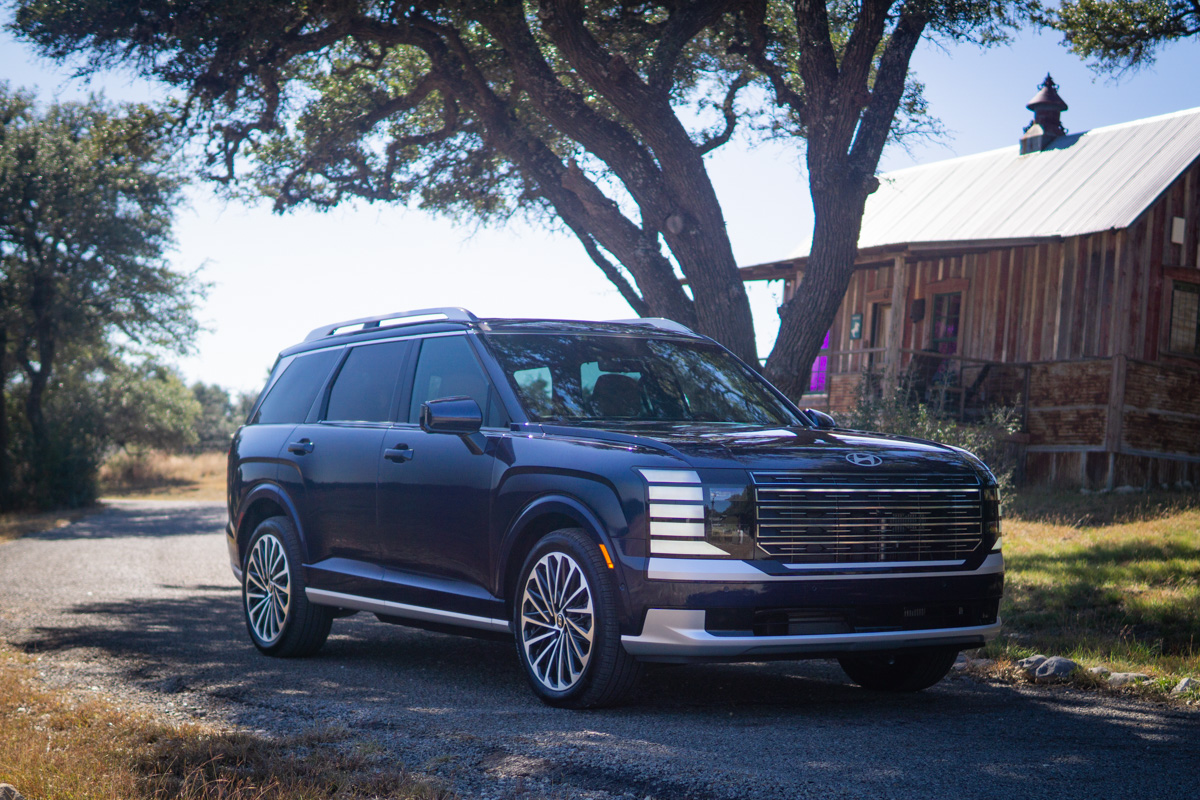
10. Hyundai Palisade Hybrid
CarGurus expert rating: 8.3 out of 10
CarGurus user rating: N/A out of 5
Percentage of Good and Great Deals available on CarGurus: 28.0%
Overall CarGurus rating: 3.8 out of 5
| Pros |
Cons |
| Excellent fuel economy |
Not as spacious as segment leaders |
| Powerful engine |
Engine sounds unrefined at times |
| Comfortable interior |
|
For 2026, Hyundai adds the missing piece to its family-sized three-row SUV: a hybrid powertrain tuned for long-haul efficiency without giving up everyday punch. The Palisade Hybrid pairs a turbocharged 2.5-liter four-cylinder with two electric motors for a combined 329 hp and 339 lb-ft of torque, and it’s rated as high as 34 mpg combined in FWD SEL/SEL Premium form—helping it clear 600 miles on a tank in ideal conditions. It’s also impressively quiet most of the time thanks to extra sound-deadening and acoustic glass, though the engine note can get coarse when you lean hard on the accelerator.
Inside, the Palisade Hybrid leans into real-world usability: a 12.3-inch touchscreen with wireless Apple CarPlay and Android Auto, a matching 12.3-inch digital gauge cluster, and thoughtful details like standard three-zone climate control, second-row HVAC controls, and six USB-C outlets spread across all three rows. Cargo room tops out at 86.7 cubic feet, which is competitive but not class-leading, and third-row space trails a few key rivals—still, the cabin’s comfort and storage solutions make it easy to live with day to day. Pricing starts at $45,760 for an SEL with front-wheel drive (when available), and climbs to $58,380 for the Calligraphy; even at the high end, the blend of features, performance, and fuel savings helps make the case for hybrid shoppers.
The CarGurus Verdict: "Simply put, Hyundai currently sells the best mass-market three-row crossover SUV in the United States. The 2026 Hyundai Palisade looks good, drives well, and feels special–and it will keep you away from the gas station, too." - Matt Smith
Read our most recent Hyundai Palisade Hybrid review
The Best Hybrid Vehicles of 2026 FAQs
Which hybrid vehicle is the most fuel-efficient?
Based on manufacturer estimates, the 2025 Toyota Camry is one of the most fuel-efficient vehicles on this list, with an estimated 51 mpg combined for front-wheel-drive models. The Kia Sportage Hybrid is also a strong contender with up to 42 mpg combined in its FWD configuration. However, it's important to remember that real-world fuel economy can vary based on driving style, conditions, and whether you choose FWD or AWD.
Are there any three-row hybrids available?
Yes, this list includes excellent options for larger families. The 2025 Toyota Sienna is a minivan that comes standard with a hybrid powertrain. For those who prefer an SUV, the new 2026 Hyundai Palisade Hybrid offers three rows of seating combined with impressive fuel economy for its size.
Do I have to give up all-wheel drive (AWD) to get a good hybrid?
Not at all. Many of the best hybrids for 2026 offer all-wheel drive. The 2025 Toyota Camry makes it available on every trim, and the Toyota RAV4 Hybrid includes it as a standard feature. The Honda CR-V Hybrid, Toyota Sienna, and Hyundai Palisade Hybrid also offer AWD, providing extra traction and confidence in various weather conditions without a major penalty to fuel efficiency.
Is paying extra for a hybrid worth it?
Whether the higher initial price of a hybrid is "worth it" depends on your driving habits and how long you plan to own the car. As noted in the review for the Toyota RAV4 Hybrid, it can take several years of fuel savings to recoup the initial hybrid premium. If you drive a lot, especially in stop-and-go city traffic where hybrids are most efficient, you'll see the financial benefit sooner. If you have a short commute or drive infrequently, a traditional gasoline car might be more cost-effective upfront.
What Makes CarGurus Best Cars Guides Different?
Most car-shopping websites publish lists of the best cars across a variety of categories, with recommendations generally driven by editorial expertise. Here's what makes ours different: In addition to the insights and verdicts of our team of car-testing experts, our best cars guides take into account other factors that we know matter to buyers-real owner experiences and current market value.
Our expert reviewers are among this country's most trusted automotive journalists, also writing for publications including US News and World Report, Edmunds, Digital Trends, J.D. Power, and Car & Driver. They put each car through real-world testing and create detailed reviews of performance in a range of categories, from practicality and driving manners to cost-effectiveness and safety.
We also analyze hundreds of thousands of used car listings on CarGurus.com to track which models consistently offer the highest percentage of best deals relative to how many are listed for sale. Then we factor in reviews from owners-people who actually live with these cars every day. Our proprietary Best Cars algorithm then creates a final Overall CarGurus rating combining expert scores, user reviews, and the percentage of listings that have earned the Good or Great Deal rating. This multi-pronged approach reveals not just which cars excel on paper, but which ones deliver satisfaction and value when you're ready to buy.
The CarGurus market data used in this guide was last updated in June 2026. Values were accurate at time of publication and should be used as a guide only.
Shopping Tools
Related Topics