INFINITI QX50 vs Ford Escape Hybrid Plug-in
Overview | |
MSRP$38,050 | MSRP$33,075 |
Listings179 | Listings169 |
Ratings & Reviews | |
User Reviews | User Reviews |
Expert reviews7.2 out of 10 | Expert reviews5.7 out of 10 |
Pros
Cons
| Pros
Cons
|
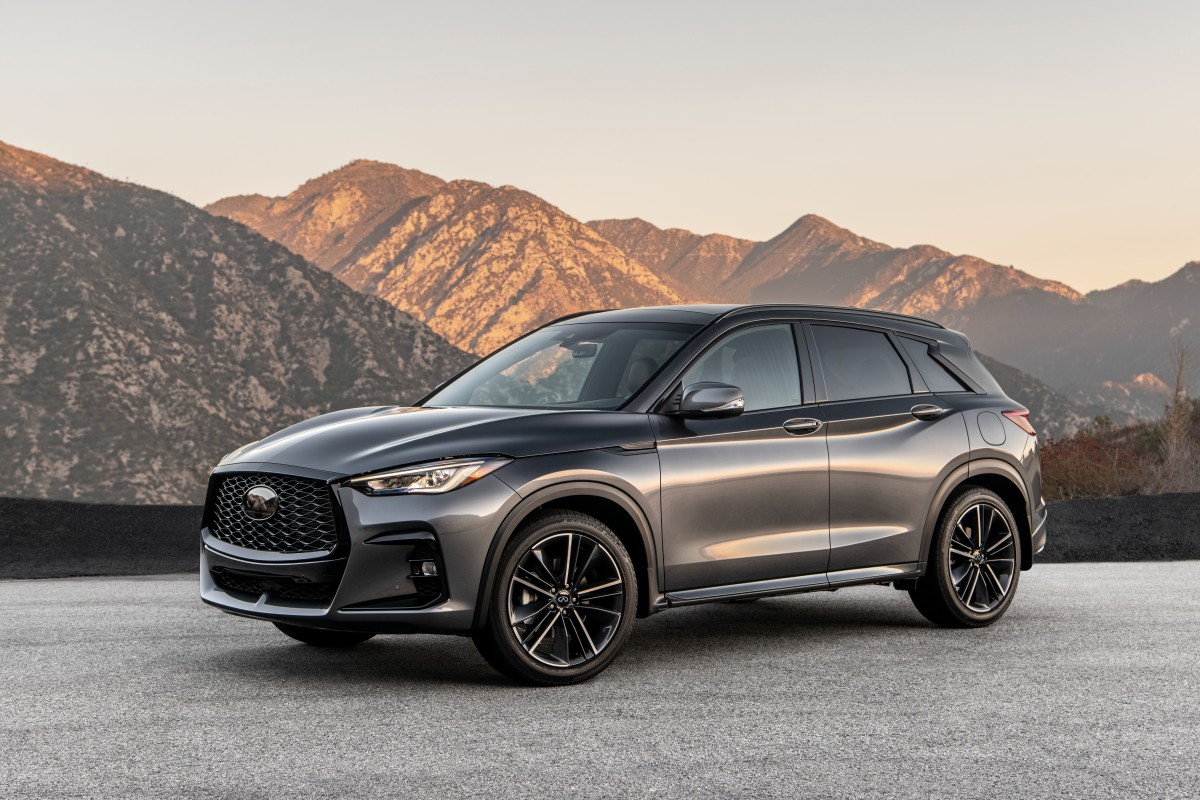
Reviews SummaryThe Infiniti QX50 was redesigned for the 2019 model year, introducing a fresh new look and a cutting-edge variable-compression turbocharged (VC-Turbo) engine. Safety improvements followed in 2020, and the 2021 model year sees even more changes. Among the highlights are more safety equipment throughout the trim level lineup, a standard WiFi hotspot, and increased availability of the automaker's ProPilot Assist suite of driver-assistance features. | |
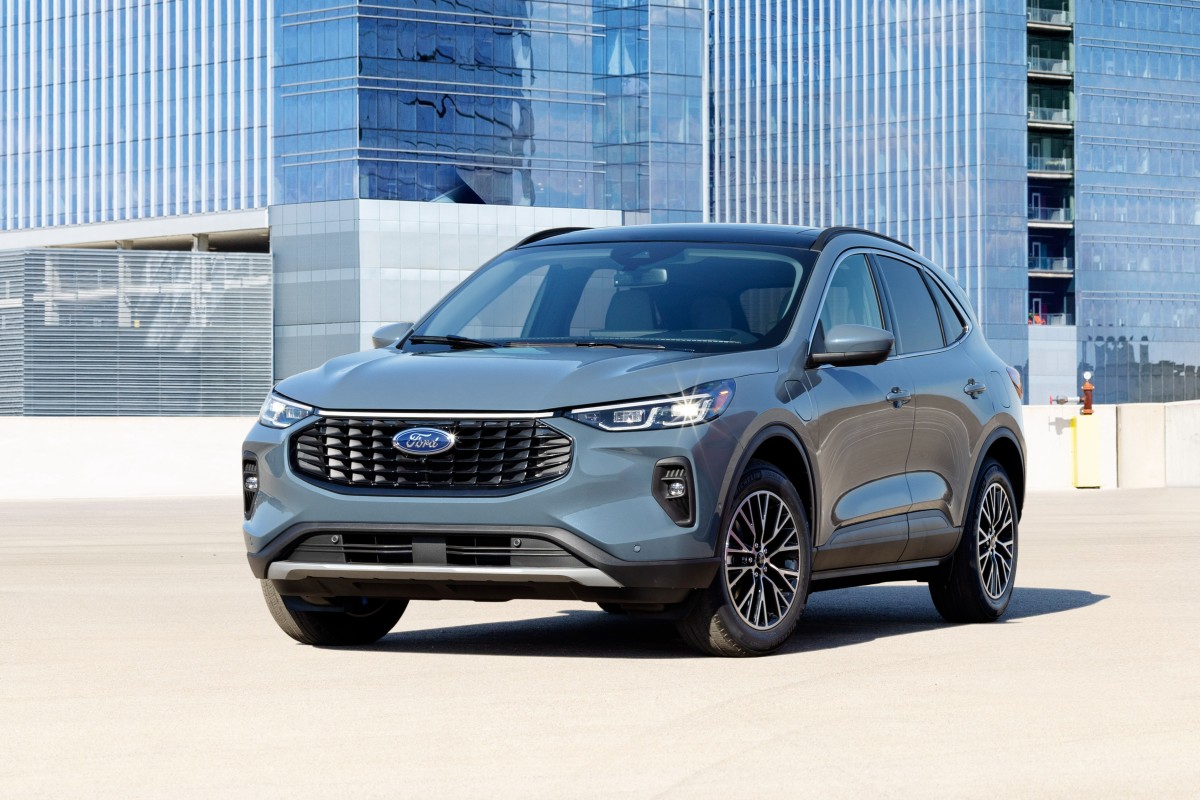
Reviews SummaryAnnounced ahead of the 2020 model year, the Ford Escape PHEV already looks like a half-measure in 2021. An electric motor and battery pack provide reasonable driving range in ideal conditions, helping it achieve a commendable combined fuel economy rating from the EPA. But in a rapidly electrifying marketplace, and with many of the most exciting EVs coming from the Blue Oval itself, the Escape PHEV is hard to recommend as a long-term option. | |
No video found | No video found |
Popular Features & Specs | |
Engine2.0L 268 hp I4 | Engine2.5L 221 hp I4 Hybrid |
Drive TrainFWD | Drive TrainFWD |
Seating Capacity5 | Seating Capacity5 |
Horsepower268 hp @ 5600 rpm | Horsepower |
EV Battery Capacity | EV Battery Capacity14.4 kWh |
MPG City23 | MPG City43 |
MPG Highway29 | MPG Highway38 |
Engine | |
Engine Name2.0L 268 hp I4 | Engine Name2.5L 221 hp I4 Hybrid |
Torque280 lb-ft @ 1600 rpm | Torque |
Horsepower268 hp @ 5600 rpm | Horsepower |
DrivetrainFWD | DrivetrainFWD |
Fuel Economy | |
EV Battery Capacity | EV Battery Capacity14.4 kWh |
MPG City23 | MPG City43 |
MPG Highway29 | MPG Highway38 |
Interior | |
Seating Capacity5 | Seating Capacity5 |
Safety | |
Front Crash Overall4 | Front Crash Overall |
Side Crash Overall5 | Side Crash Overall |
Dimensions & Capacity | |
Cargo Space31.4 cu ft | Cargo Space34.4 cu ft |
Curb Weight3807 lbs | Curb Weight3909 lbs |
Height66.0 in | Height66.1 in |
Length184.7 in | Length180.5 in |
Width85.1 in | Width85.6 in |
Wheelbase110.2 in | Wheelbase106.7 in |
Maximum Payload1109 lbs | Maximum Payload |
Number of doors4 | Number of doors4 |
Overview | ||
MSRP | $38,050 | $33,075 |
Listings | ||
Ratings & Reviews | ||
User reviews | ||
Expert reviews | 7.2 out of 10Read full review | 5.7 out of 10Read full review |
Pros & cons | Pros
Cons
| Pros
Cons
|
Summary | The Infiniti QX50 was redesigned for the 2019 model year, introducing a fresh new look and a cutting-edge variable-compression turbocharged (VC-Turbo) engine. Safety improvements followed in 2020, and the 2021 model year sees even more changes. Among the highlights are more safety equipment throughout the trim level lineup, a standard WiFi hotspot, and increased availability of the automaker's ProPilot Assist suite of driver-assistance features. | Announced ahead of the 2020 model year, the Ford Escape PHEV already looks like a half-measure in 2021. An electric motor and battery pack provide reasonable driving range in ideal conditions, helping it achieve a commendable combined fuel economy rating from the EPA. But in a rapidly electrifying marketplace, and with many of the most exciting EVs coming from the Blue Oval itself, the Escape PHEV is hard to recommend as a long-term option. |
Video | No video found | No video found |
Popular Features & Specs | ||
Engine | 2.0L 268 hp I4 | 2.5L 221 hp I4 Hybrid |
Drive Train | FWD | FWD |
Seating Capacity | 5 | 5 |
Horsepower | 268 hp @ 5600 rpm | |
EV Battery Capacity | 14.4 kWh | |
MPG City | 23 | 43 |
MPG Highway | 29 | 38 |
Engine | ||
Engine Name | 2.0L 268 hp I4 | 2.5L 221 hp I4 Hybrid |
Torque | 280 lb-ft @ 1600 rpm | |
Horsepower | 268 hp @ 5600 rpm | |
Drivetrain | FWD | FWD |
Fuel Economy | ||
EV Battery Capacity | 14.4 kWh | |
MPG City | 23 | 43 |
MPG Highway | 29 | 38 |
Interior | ||
Seating Capacity | 5 | 5 |
Safety | ||
Front Crash Overall | 4 | |
Side Crash Overall | 5 | |
Dimensions & Capacity | ||
Cargo Space | 31.4 cu ft | 34.4 cu ft |
Curb Weight | 3807 lbs | 3909 lbs |
Height | 66.0 in | 66.1 in |
Length | 184.7 in | 180.5 in |
Width | 85.1 in | 85.6 in |
Wheelbase | 110.2 in | 106.7 in |
Maximum Payload | 1109 lbs | |
Number of doors | 4 | 4 |


By: CarGurus + AI
At CarGurus, our team of experienced automotive writers remain at the heart of our content operation, conducting hands-on car tests and writing insightful guides that are backed by years of industry experience. To complement this, we are harnessing AI to make our content offering more diverse and more helpful to shoppers than ever. To achieve this, our AI systems are based exclusively on CarGurus content, ratings and data, so that what we produce is both unique to CarGurus, and uniquely helpful to car shoppers.

