2021 Hyundai Kona vs 2022 Hyundai Ioniq 5

Overview | |
MSRP$20,500 | MSRP$39,700 |
Listings492 | Listings137 |
Ratings & Reviews | |
User Reviews | User Reviews |
Expert reviews7.2 out of 10 | Expert reviews9.0 out of 10 |
Pros
Cons
| Pros
Cons
|
2021 Hyundai Kona Reviews SummaryAfter three years on the market, the Hyundai Kona continues to wow with great features, strong styling, and decent specs. The 2021 model year brings subtle changes to the Kona lineup, including new colors, a new Night Edition with Rays semi-gloss black 18-inch wheels, and gloss black exterior and interior accents. Hyundai offers the Kona in several trims: SE, SEL, SEL Plus, Night Edition, Limited, and Ultimate. A Hyundai Kona Electric model is available as well, but we'll cover that in a separate overview. A high-performance Kona N will be available for the 2022 model year. The Hyundai Kona competes with subcompact SUVs that include the Kia Soul, Volkswagen Taos, Mazda CX-30, Subaru Crosstrek, Nissan Kicks, Hyundai Venue, and Toyota C-HR. Given its size and price, buyers may also cross-shop the larger Hyundai Tucson. New car buyers have many other choices, then, but the Kona still stands out as a value-forward crossover with a long warranty and plenty of standard features. | |
2022 Hyundai Ioniq 5 Reviews SummaryThe Hyundai Ioniq 5 is the automaker’s debut electric vehicle from its new sub-brand that focuses solely on battery electric-powered mobility. The all-new Ioniq 5 is chock full of battery technology, smart car connectivity, advanced safety, and unique design all at a price point that appeals to the masses. | |
No video found | |
Popular Features & Specs | |
Engine2.0L 147 hp I4 | Engine168 hp Electric |
Drive TrainFWD | Drive TrainRWD |
Seating Capacity5 | Seating Capacity5 |
Horsepower147 hp @ 6200 rpm | Horsepower |
EV Battery Capacity | EV Battery Capacity58 kWh |
MPG City27 | MPG City127 |
MPG Highway33 | MPG Highway94 |
Engine | |
Engine Name2.0L 147 hp I4 | Engine Name168 hp Electric |
Torque132 lb-ft @ 4500 rpm | Torque |
Horsepower147 hp @ 6200 rpm | Horsepower |
DrivetrainFWD | DrivetrainRWD |
Fuel Economy | |
EV Battery Capacity | EV Battery Capacity58 kWh |
MPG City27 | MPG City127 |
MPG Highway33 | MPG Highway94 |
Interior | |
Seating Capacity5 | Seating Capacity5 |
Key Features | |
Navigation System | Navigation SystemStandard |
Safety | |
Front Crash Overall5 | Front Crash Overall4 |
Side Crash Overall5 | Side Crash Overall5 |
Dimensions & Capacity | |
Cargo Space19.2 cu ft | Cargo Space27.2 cu ft |
Curb Weight2890 lbs | Curb Weight4200 lbs |
Height61.0 in | Height63.0 in |
Length164.0 in | Length182.5 in |
Width70.9 in | Width74.4 in |
Wheelbase102.4 in | Wheelbase118.1 in |
Maximum Payload1089 lbs | Maximum Payload1157 lbs |
Number of doors4 | Number of doors4 |
Overview | ||
MSRP | $20,500 | $39,700 |
Listings | ||
Ratings & Reviews | ||
User reviews | ||
Expert reviews | 7.2 out of 10Read full review | 9.0 out of 10Read full review |
Pros & cons | Pros
Cons
| Pros
Cons
|
Summary | After three years on the market, the Hyundai Kona continues to wow with great features, strong styling, and decent specs. The 2021 model year brings subtle changes to the Kona lineup, including new colors, a new Night Edition with Rays semi-gloss black 18-inch wheels, and gloss black exterior and interior accents. Hyundai offers the Kona in several trims: SE, SEL, SEL Plus, Night Edition, Limited, and Ultimate. A Hyundai Kona Electric model is available as well, but we'll cover that in a separate overview. A high-performance Kona N will be available for the 2022 model year. The Hyundai Kona competes with subcompact SUVs that include the Kia Soul, Volkswagen Taos, Mazda CX-30, Subaru Crosstrek, Nissan Kicks, Hyundai Venue, and Toyota C-HR. Given its size and price, buyers may also cross-shop the larger Hyundai Tucson. New car buyers have many other choices, then, but the Kona still stands out as a value-forward crossover with a long warranty and plenty of standard features. | The Hyundai Ioniq 5 is the automaker’s debut electric vehicle from its new sub-brand that focuses solely on battery electric-powered mobility. The all-new Ioniq 5 is chock full of battery technology, smart car connectivity, advanced safety, and unique design all at a price point that appeals to the masses. |
Video | No video found | |
Popular Features & Specs | ||
Engine | 2.0L 147 hp I4 | 168 hp Electric |
Drive Train | FWD | RWD |
Seating Capacity | 5 | 5 |
Horsepower | 147 hp @ 6200 rpm | |
EV Battery Capacity | 58 kWh | |
MPG City | 27 | 127 |
MPG Highway | 33 | 94 |
Engine | ||
Engine Name | 2.0L 147 hp I4 | 168 hp Electric |
Torque | 132 lb-ft @ 4500 rpm | |
Horsepower | 147 hp @ 6200 rpm | |
Drivetrain | FWD | RWD |
Fuel Economy | ||
EV Battery Capacity | 58 kWh | |
MPG City | 27 | 127 |
MPG Highway | 33 | 94 |
Interior | ||
Seating Capacity | 5 | 5 |
Key Features | ||
Navigation System | Standard | |
Safety | ||
Front Crash Overall | 5 | 4 |
Side Crash Overall | 5 | 5 |
Dimensions & Capacity | ||
Cargo Space | 19.2 cu ft | 27.2 cu ft |
Curb Weight | 2890 lbs | 4200 lbs |
Height | 61.0 in | 63.0 in |
Length | 164.0 in | 182.5 in |
Width | 70.9 in | 74.4 in |
Wheelbase | 102.4 in | 118.1 in |
Maximum Payload | 1089 lbs | 1157 lbs |
Number of doors | 4 | 4 |
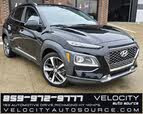
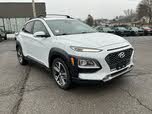
The 2021 Hyundai Kona exuded a sense of playful energy with its youthful and daring design. Its exterior displayed a concoction of lighting features, including a uniquely configured grille surrounded by multiple light clusters and fog lights on certain trims. This busy and exuberant look appeared to align perfectly with its target audience of younger buyers. The rear design of the Kona was more understated, featuring a traditional crossover shape and standard lighting arrangement, providing a balance between vivacity and simplicity. Inside, the modern yet not overly whimsical interior offered comfortable seats with appealing patterns, ranging from standard cloth to optional leather on higher trims. The well-organized layout included a high-mounted infotainment system touchscreen and physical climate controls, ensuring an intuitive and easy-to-navigate space.
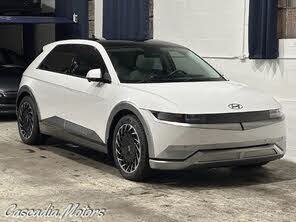
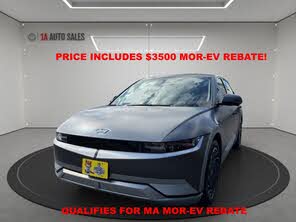
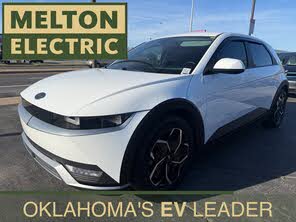
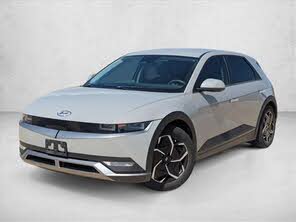
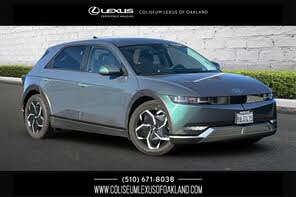
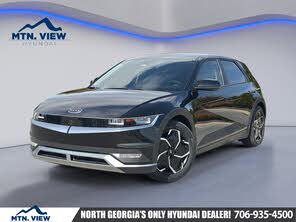
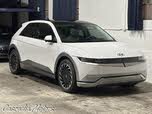
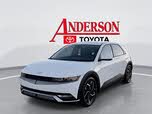
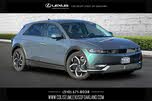
Conversely, the 2022 Hyundai Ioniq 5 took a different approach to design with its Polished exterior that blended retro and futuristic elements. Drawing inspiration from an 8-bit aesthetic, the Ioniq 5 featured a design called Parametric Pixel, which intricately replicated tiny dot matrices resembling digital pixelation throughout its lighting features. This surreal look frequently gave the impression of a concept vehicle brought to life. Aerodynamic wheels complemented the avant-garde exterior, while the plastic elements around the vehicle added a retro-futuristic contrast. The cabin reversed the exterior's complexity with a minimalist, relaxing environment. Using Hyundai’s “Living Space” theme, the interior offered features like a zero-gravity relaxation mode for the driver’s seat and utilized sustainable materials for upholsteries and other components. Seats were crafted from recycled fibers and featured stain-resistant cloth, with higher trims receiving leatherette upholstery.


In 2021, the Hyundai Kona offered two powertrain choices tailored to everyday practicality. The base model came equipped with a 2.0-liter four-cylinder engine producing 147 horsepower and 132 pound-feet of torque, paired with a six-speed automatic transmission. Additionally, there was a turbocharged 1.6-liter engine delivering 195 horsepower and 195 pound-feet of torque, coupled with a seven-speed dual-clutch automatic transmission. Front-wheel drive was standard, with all-wheel drive available for an extra $1,400. While neither setup was intended to thrill speed enthusiasts, both engines provided sufficient power for city and highway driving. The Kona excelled with its nimble handling and engaging driving experience, despite the turbo engine's roughness at low speeds. Fuel efficiency ranged between 25/30/27 mpg (city/highway/combined) for the AWD turbo engine and 27/33/30 mpg for the base engine with FWD.
The 2022 Hyundai Ioniq 5, an electric rival, introduced more sophisticated and powerful options. It was available in RWD or AWD configurations across three trims: SE, SEL, and Limited. The base variant (SE Standard Range) featured a 128-kW rear electric motor with 168 horsepower and a range of 220 miles. Extended-range models equipped with a 168-kW motor delivered 225 horsepower, 258 pound-feet of torque, and 303 miles of range. The dual-motor AWD version combined a 74-kW front motor and a 165-kW rear motor for a total of 320 horsepower and 446 pound-feet of torque, although it reduced the range to 256 miles. The Ioniq 5's dynamic driving capability and rapid acceleration (0 to 60 mph in under 5 seconds for the AWD) were paired with multiple modes, including Sport mode, and four levels of regenerative braking. This EV strived for a balance between excitement and efficiency but favored practicality over sheer performance, similar to other crossovers in its segment.
The 2021 Hyundai Kona offered a reasonably spacious front cabin, providing enough headroom and legroom for most passengers. The front seats, while wide and padded, lacked sufficient bolstering and hip support, especially during spirited drives. Rear-seat passengers experienced good headroom, but legroom was somewhat restricted, particularly for taller occupants. The cargo space in the Kona was among the smallest in its segment, at only 19.2 cubic feet behind the second row, exacerbated by a limited 45.8 cubic feet with the rear seats folded down. Though it lacked in cargo volume, it made up for this with practical small-item storage areas like large door pockets and a spacious center console.
The 2022 Hyundai Ioniq 5, built on the new Electric Global Modular Platform (E-GMP), provided an expansive interior because of its significant wheelbase of 118.1 inches. This was even longer than the seven-passenger Palisade SUV. It offered a superior overall interior volume of 133.7 cubic feet and a substantial passenger volume of 106.5 cubic feet, ensuring ample space for the driver and passengers. However, the Ioniq 5’s cargo space was slightly less competitive, with 27.2 cubic feet behind the rear seats, which expanded when the seats were folded. Despite the smaller cargo area compared to the competition, the Ioniq 5’s interior boasted moveable center console features, a retro front bench seat, and an array of practical storage solutions, including a large cubby and innovative use of free space thanks to the flat floor design.
For the 2021 Hyundai Kona, technology features were robust and user-friendly. Every Kona came with an eight-inch infotainment touchscreen, Bluetooth, six speakers, wireless Apple CarPlay, Android Auto, and USB inputs. Higher trims could be upgraded with SiriusXM, navigation, wireless device charging, a premium Harman Kardon audio system, and a larger 10.25-inch touchscreen. The infotainment system’s ease of use and intuitive layout made interacting with features simple and straightforward, greatly enhancing the driving experience.
The 2022 Hyundai Ioniq 5 took tech-savvy to a new level with its advanced electric capabilities and multimedia features. With ultra-fast charging capabilities reaching 80% battery capacity in just 18 minutes, the Ioniq 5 also supported 800-volt charging infrastructures and provided vehicle-to-load capabilities to power other devices. Two futuristic 12.3-inch screens, an instrument cluster, and an infotainment display adorned the dashboard, offering bright, anti-glare visuals easily readable even with polarized sunglasses. The redesigned Blue Link connected car app, enhanced smartphone pairing, AI-powered voice recognition, and over-the-air updates emphasized convenience and connectivity, further complemented by Hyundai’s unique offer of two years of free 30-minute fast-charging sessions through Electrify America.
In terms of safety, the 2021 Hyundai Kona earned top recognition from both the IIHS as a Top Safety Pick and the NHTSA with a five-star overall rating. It was equipped with a comprehensive suite of safety features, including forward-collision warning, pedestrian detection, lane-keeping assist, lane-following assist, automatic emergency braking, adaptive cruise control, a driver attention warning system, and rear occupant alert. Additional safety options included blind-spot monitoring, rear cross-traffic alert, a head-up display, and parking sensors.
The 2022 Hyundai Ioniq 5, despite not yet being rated by the NHTSA or IIHS, was expected to excel in crash tests. It was equipped with Hyundai SmartSense, a suite of advanced driver assistance systems. Standard features included blind-spot monitoring, lane-departure warning, automatic high beams, and front and rear collision avoidance. The Ioniq 5 also sported Hyundai’s Highway Drive Assist I, a Level 2 semi-autonomous driving system featuring adaptive cruise control with machine learning. It also offered a unique head-up display (HUD) with augmented reality overlays for turn-by-turn navigation, although this feature’s practicality was sometimes questionable depending on driver preference.
CarGurus highlights
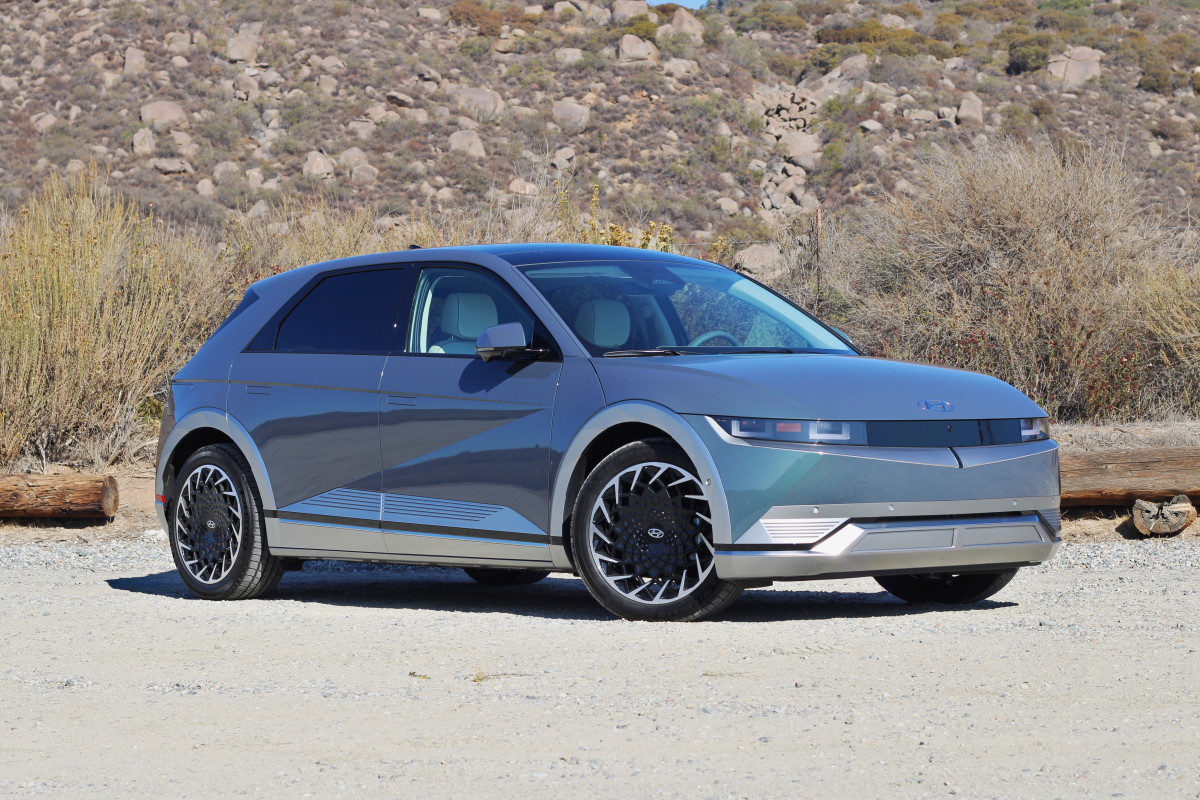
According to CarGurus experts, the overall rating for the 2021 Hyundai Kona was 7.2 out of 10, while the 2022 Hyundai Ioniq 5 scored 9.0 out of 10. Based on these ratings, the 2022 Hyundai Ioniq 5 clearly stands out as the superior choice. It offers cutting-edge electric vehicle technology, spacious and innovative interior design, and an impressive suite of safety and convenience features. If you’re ready to embrace the future of driving with substantial comfort and state-of-the-art amenities, the Ioniq 5 is the ideal pick.
Choose the 2021 Hyundai Kona if:
- You prefer a more affordable and fuel-efficient vehicle.
- You prioritize ease of maneuverability and agile handling in an urban setting.
- You appreciate straightforward, user-friendly technology and infotainment systems.






Choose the 2022 Hyundai Ioniq 5 if:
- You seek the latest in electric vehicle technology and rapid charging capabilities.
- You need a roomier, more comfortable interior for both driver and passengers.
- You value cutting-edge safety features and semi-autonomous driving capabilities.




CarGurus highlights
According to CarGurus experts, the overall rating for the 2021 Hyundai Kona was 7.2 out of 10, while the 2022 Hyundai Ioniq 5 scored 9.0 out of 10. Based on these ratings, the 2022 Hyundai Ioniq 5 clearly stands out as the superior choice. It offers cutting-edge electric vehicle technology, spacious and innovative interior design, and an impressive suite of safety and convenience features. If you’re ready to embrace the future of driving with substantial comfort and state-of-the-art amenities, the Ioniq 5 is the ideal pick.
Choose the 2021 Hyundai Kona if:
Shop Now- You prefer a more affordable and fuel-efficient vehicle.
- You prioritize ease of maneuverability and agile handling in an urban setting.
- You appreciate straightforward, user-friendly technology and infotainment systems.




Choose the 2022 Hyundai Ioniq 5 if:
Shop Now- You seek the latest in electric vehicle technology and rapid charging capabilities.
- You need a roomier, more comfortable interior for both driver and passengers.
- You value cutting-edge safety features and semi-autonomous driving capabilities.








By: CarGurus + AI
At CarGurus, our team of experienced automotive writers remain at the heart of our content operation, conducting hands-on car tests and writing insightful guides that are backed by years of industry experience. To complement this, we are harnessing AI to make our content offering more diverse and more helpful to shoppers than ever. To achieve this, our AI systems are based exclusively on CarGurus content, ratings and data, so that what we produce is both unique to CarGurus, and uniquely helpful to car shoppers.