2021 Lincoln Aviator vs 2021 GMC Yukon
Overview | |
MSRP$51,000 | MSRP$50,660 |
Listings1453 | Listings298 |
Ratings & Reviews | |
User Reviews | User Reviews |
Expert reviews7.7 out of 10 | Expert reviews7.8 out of 10 |
Pros
Cons
| Pros
Cons
|
2021 GMC Yukon Reviews SummaryWith the redesigned 2021 GMC Yukon, several good things happen. First, GMC improves passenger space and cargo space by stretching the wheelbase and switching to an independent rear suspension design. Second, those same changes, coupled with a new adaptive air suspension option, enhance the full-size SUV’s ride and handling. Third, payload ratings rise by as much as 100 pounds. Fourth, the Yukon gets a significant technology upgrade. But at the same time, the new Yukon takes a couple of steps backward. Tow ratings can’t match the outgoing Yukon, and in some cases, fuel economy numbers worsen rather than improve. Still, all things considered, the new 2021 Yukon represents advancement. | |
2021 Lincoln Aviator Reviews SummaryOnly a few years ago, Lincoln was in a confusing space. Confusing because many of its cars overlapped with the nicest trims of vehicles from parent company Ford. It was also confusing because of the alphanumeric vehicle names. But Lincoln has ended both of those trends. First, Lincoln has returned to real names for its vehicles, such as the Corsair and Nautilus (Cadillac, are you listening?!). But what’s in a name? This rebranding would be moot without a compelling product. In this respect, the American luxury brand has delivered, highlighted by the 2021 Lincoln Aviator. This three-row midsize SUV boasts modern technology, potent drivetrain options, and creature comforts that you might sooner find in a high-end German luxury sedan. But this newfound quality comes with a steeper price tag. So is it worth consideration against the likes of the Audi Q7 and RX 350L? Read on to find out. | |
No video found | No video found |
Popular Features & Specs | |
Engine5.3L 355 hp V8 | Engine3.0L 400 hp V6 |
Drive Train4X2 | Drive TrainRWD |
Seating Capacity9 | Seating Capacity7 |
Horsepower355 hp @ 5600 rpm | Horsepower |
MPG City15 | MPG City18 |
MPG Highway20 | MPG Highway26 |
Engine | |
Engine Name5.3L 355 hp V8 | Engine Name3.0L 400 hp V6 |
Torque383 lb-ft @ 4100 rpm | Torque |
Horsepower355 hp @ 5600 rpm | Horsepower |
Drivetrain4X2 | DrivetrainRWD |
Fuel Economy | |
MPG City15 | MPG City18 |
MPG Highway20 | MPG Highway26 |
Interior | |
Seating Capacity9 | Seating Capacity7 |
Safety | |
Front Crash Overall4 | Front Crash Overall5 |
Side Crash Overall5 | Side Crash Overall5 |
Dimensions & Capacity | |
Cargo Space25.5 cu ft | Cargo Space18.3 cu ft |
Curb Weight5490 lbs | Curb Weight4745 lbs |
Height76.5 in | Height69.6 in |
Length210.0 in | Length199.3 in |
Width81.0 in | Width89.9 in |
Wheelbase120.9 in | Wheelbase119.1 in |
Maximum Payload1792 lbs | Maximum Payload1615 lbs |
Number of doors4 | Number of doors4 |
Maximum Towing Capacity8400 lbs | Maximum Towing Capacity |
Standard Towing Capacity7900 lbs | Standard Towing Capacity |
Overview | ||
MSRP | $51,000 | $50,660 |
Listings | ||
Ratings & Reviews | ||
User reviews | ||
Expert reviews | 7.7 out of 10Read full review | 7.8 out of 10Read full review |
Pros & cons | Pros
Cons
| Pros
Cons
|
Summary | With the redesigned 2021 GMC Yukon, several good things happen. First, GMC improves passenger space and cargo space by stretching the wheelbase and switching to an independent rear suspension design. Second, those same changes, coupled with a new adaptive air suspension option, enhance the full-size SUV’s ride and handling. Third, payload ratings rise by as much as 100 pounds. Fourth, the Yukon gets a significant technology upgrade. But at the same time, the new Yukon takes a couple of steps backward. Tow ratings can’t match the outgoing Yukon, and in some cases, fuel economy numbers worsen rather than improve. Still, all things considered, the new 2021 Yukon represents advancement. | Only a few years ago, Lincoln was in a confusing space. Confusing because many of its cars overlapped with the nicest trims of vehicles from parent company Ford. It was also confusing because of the alphanumeric vehicle names. But Lincoln has ended both of those trends. First, Lincoln has returned to real names for its vehicles, such as the Corsair and Nautilus (Cadillac, are you listening?!). But what’s in a name? This rebranding would be moot without a compelling product. In this respect, the American luxury brand has delivered, highlighted by the 2021 Lincoln Aviator. This three-row midsize SUV boasts modern technology, potent drivetrain options, and creature comforts that you might sooner find in a high-end German luxury sedan. But this newfound quality comes with a steeper price tag. So is it worth consideration against the likes of the Audi Q7 and RX 350L? Read on to find out. |
Video | No video found | No video found |
Popular Features & Specs | ||
Engine | 5.3L 355 hp V8 | 3.0L 400 hp V6 |
Drive Train | 4X2 | RWD |
Seating Capacity | 9 | 7 |
Horsepower | 355 hp @ 5600 rpm | |
MPG City | 15 | 18 |
MPG Highway | 20 | 26 |
Engine | ||
Engine Name | 5.3L 355 hp V8 | 3.0L 400 hp V6 |
Torque | 383 lb-ft @ 4100 rpm | |
Horsepower | 355 hp @ 5600 rpm | |
Drivetrain | 4X2 | RWD |
Fuel Economy | ||
MPG City | 15 | 18 |
MPG Highway | 20 | 26 |
Interior | ||
Seating Capacity | 9 | 7 |
Safety | ||
Front Crash Overall | 4 | 5 |
Side Crash Overall | 5 | 5 |
Dimensions & Capacity | ||
Cargo Space | 25.5 cu ft | 18.3 cu ft |
Curb Weight | 5490 lbs | 4745 lbs |
Height | 76.5 in | 69.6 in |
Length | 210.0 in | 199.3 in |
Width | 81.0 in | 89.9 in |
Wheelbase | 120.9 in | 119.1 in |
Maximum Payload | 1792 lbs | 1615 lbs |
Number of doors | 4 | 4 |
Maximum Towing Capacity | 8400 lbs | |
Standard Towing Capacity | 7900 lbs | |
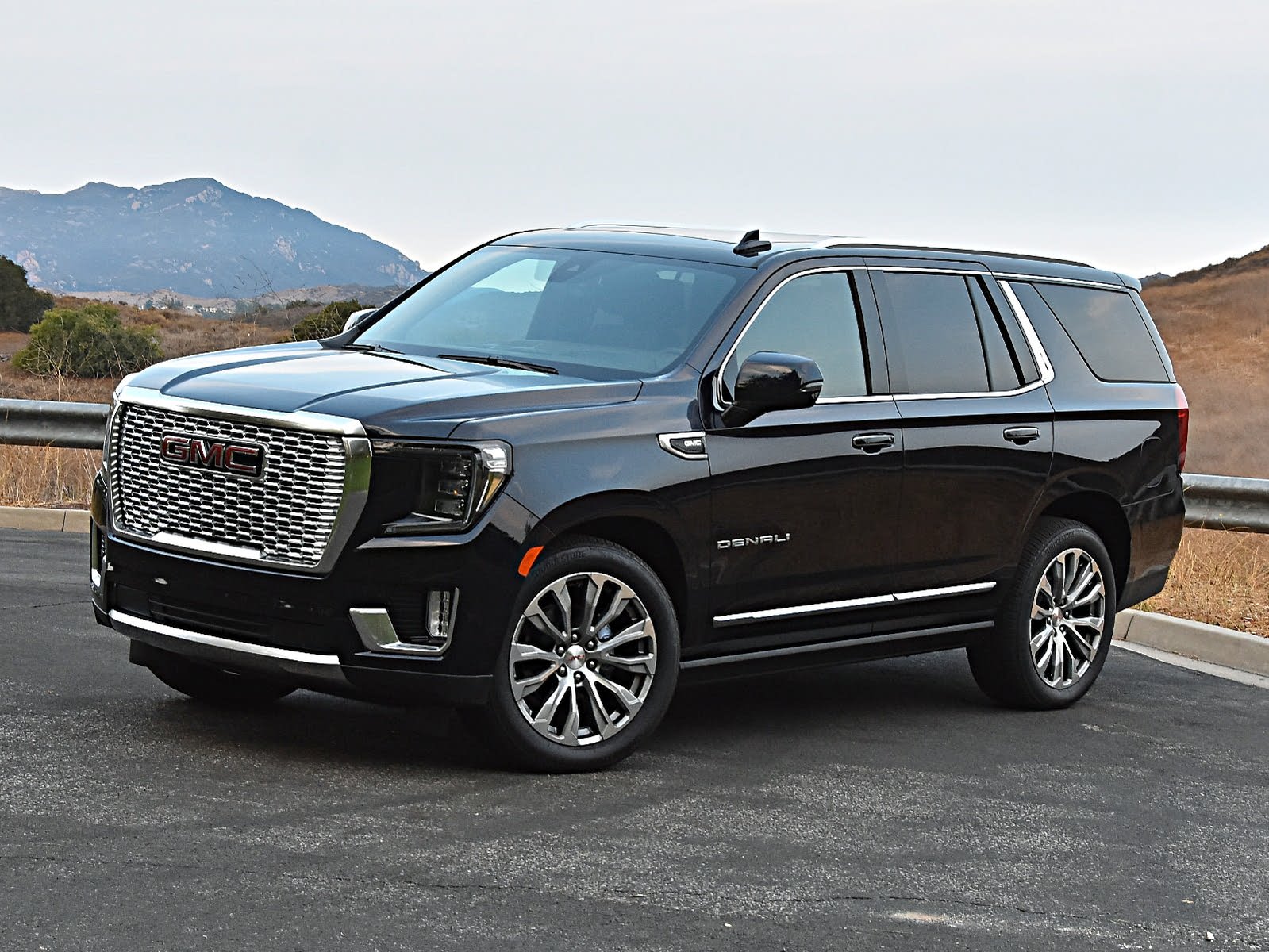
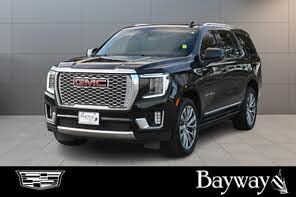
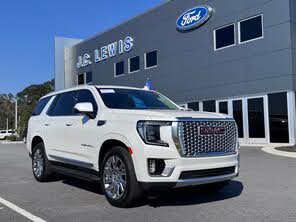
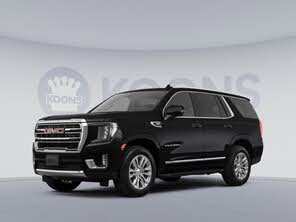
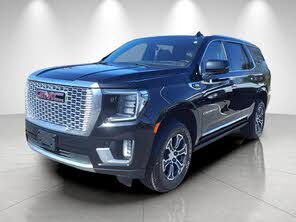
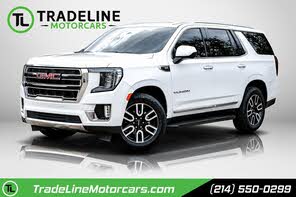
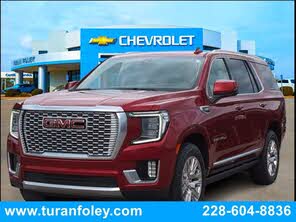
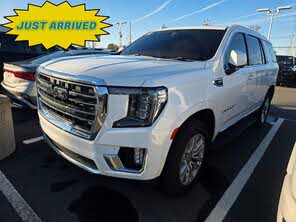
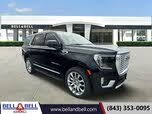
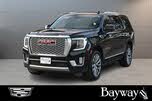
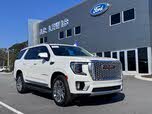
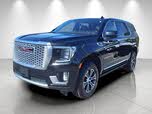
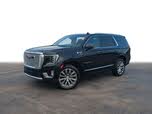
GMC branded itself as “professional grade” but also aspired to be seen as “premium grade,” strategically positioning itself between Chevrolet and Cadillac within the General Motors ecosystem. This space was also where Buick resided but with a softer and more plush ethos compared to GMC’s rugged yet refined persona. The 2021 GMC Yukon, a truck-based full-size SUV, reflected this blend, coming in both standard and extended-length body styles and available in SLE, SLT, AT4, and Denali trims. Priced starting at $50,700, the 2021 model marked a significant redesign.
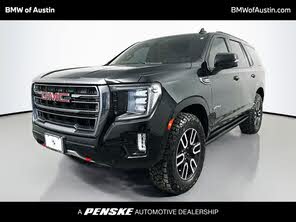
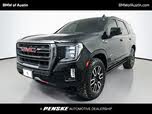
The new AT4 trim, designed for off-road escapades, featured enhancements like an improved approach angle, skid plates, and all-terrain tires, though the Denali, historically favored by buyers, would likely see more action. Priced at $83,720 with the Denali Ultimate package, the Yukon was not a budget choice but certainly was visually impressive. Its Midnight Blue paint and 22-inch wheels provided a more upscale look compared to the Chevrolet Tahoe High Country, courtesy of intricate grillework, chrome lower body trim, and better rear styling. However, some of these enhancements came at a premium—GMC charged significantly more for certain upgrades compared to Chevrolet.
Inside, the Denali offered an exclusive dashboard design with real wood trim, leather-wrapped panels, unique stitching, and an optional panoramic sunroof, distinguishing it from other Yukons and the Tahoe.
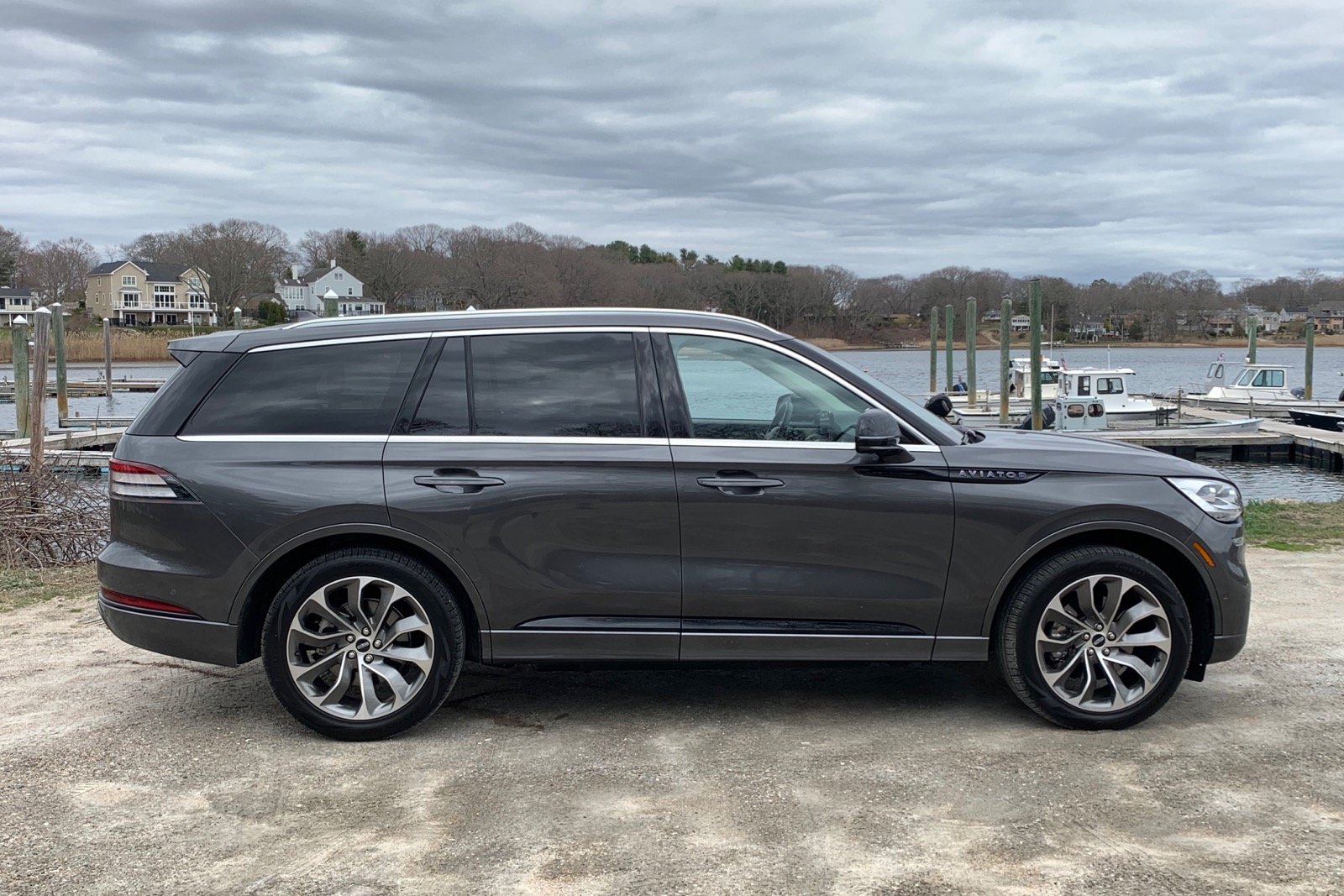
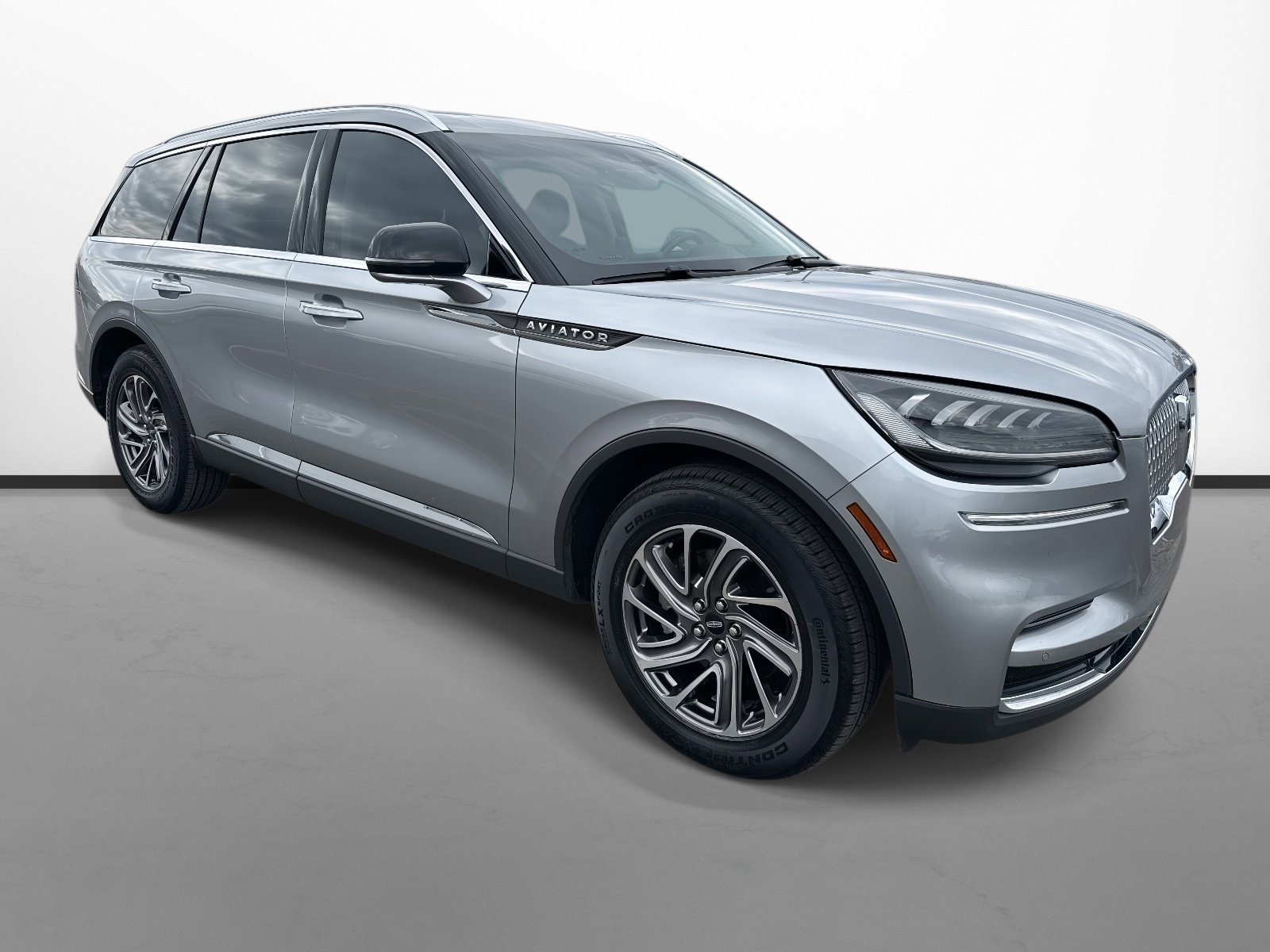
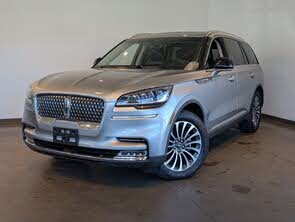
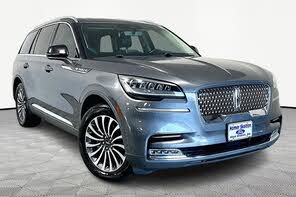
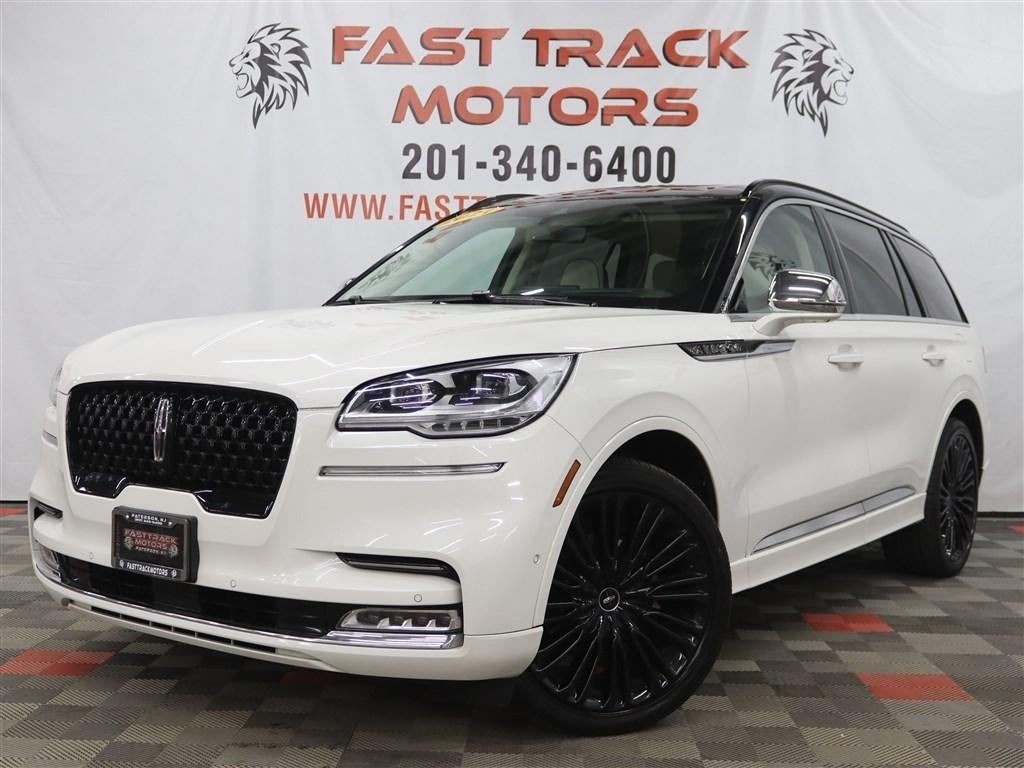
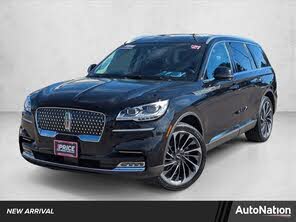
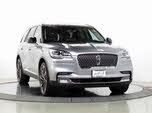
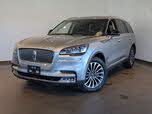
Contrasting the Yukon, the Lincoln Aviator, which carried the design essence of the Lincoln Navigator, adopted a sophisticated styling without mimicking its competitors. Equipped with crisp lines and chrome accents, the Aviator’s appearance was sharp and modern. Retaining much of its styling from its 2020 debut, the 2021 Aviator’s design felt fresh and upscale. Inside, Lincoln created a comfortable and warm environment with plenty of soft-touch materials and a thoughtfully designed center console rising elegantly to the 10.1-inch touchscreen.
Unique to Lincoln, the piano button shifter in the middle of the dash earned mixed reviews but ultimately contributed to the Aviator’s high-end feel. Featuring trims like Standard, Reserve, Grand Touring, Black Label, and Black Label Grand Touring, the Aviator offered a range of luxury features. Starting with synthetic leather and tri-zone climate control at the Standard level to massaging Multi-Contour Seats and heated steering wheels on higher trims, the Aviator catered to a variety of luxury preferences. The Grand Touring trim, in particular, combined a plug-in hybrid powertrain with substantial comfort features, enhancing its appeal.


The 2021 GMC Yukon offered three engine choices. Most trims came with a 355-horsepower 5.3-liter V8 engine, while the Denali exclusively featured a 420-horsepower 6.2-liter V8 engine. A 3.0-liter turbo-diesel inline six-cylinder was expected to be available for all trims except the AT4. The Denali’s 6.2-liter V8 provided robust acceleration and a pleasing V8 burble at idle. However, fuel efficiency was a drawback, averaging 14.4 mpg on a typical testing loop and 16.2 mpg on a shorter driver-only loop. EPA ratings were lower than the previous generation, indicating decreased fuel efficiency.
GMC improved the Yukon’s ride quality with an independent rear suspension and available Four-Corner Air Ride suspension. Despite this, the 22-inch wheels and 275/50 tires detracted from ride smoothness. Steering and braking were adequately responsive, if not thrilling. The new Active Response 4WD system aimed to improve cornering and traction but real-world off-roading and towing tests remained uncompleted. Towing capacity slightly decreased from the previous generation but payload capacity saw a modest increase.
In comparison, the Lincoln Aviator provided two levels of performance based on trim. Standard, Reserve, and Black Label trims housed a 3.0-liter twin-turbocharged V6 engine with 400 horsepower and 415 lb-ft of torque, paired with a 10-speed automatic transmission and options for rear-wheel drive or all-wheel drive. The Grand Touring and Grand Touring Black Label trims added an electric motor to the twin-turbo V6 in a plug-in hybrid configuration, escalating output to 494 horsepower and a considerable 630 lb-ft of torque. The hybrid offered up to 21 miles of pure electric driving when fully charged.
The Aviator’s substantial power translated into brisk acceleration, especially with the hybrid, although its significant weight led to noticeable body roll in corners. Drive mode options like “Excite” and “Conserve” aligned with its luxury persona rather than sporty ambitions. The Aviator excelled in highway comfort but was less suited for city driving.
Thanks to a new independent rear suspension, the 2021 GMC Yukon experienced a significant boost in passenger and cargo space. Front-seat room remained similar, but with added conveniences in the Denali trim like leather-wrapped, heated, and ventilated seats, and a power sliding console. However, after prolonged use, the front seats felt hard, and there were no massage functions. Second-row improvements included sliding and collapsing seats for enhanced comfort and cargo room, with standard heating in the Denali trim. The third-row saw notable upgrades, offering better thigh support and adult-friendly space.
Cargo volume increased substantially: 25.5 cubic feet behind the third-row, escalating to 72.6 cubic feet with the seats folded, and maxing out at 122.9 cubic feet. The Denali XL provided even more space, making the Yukon practically comparable to a minivan.
The Lincoln Aviator offered 18.3 cubic feet of cargo space behind the third-row seats. Power-adjustable systems could expand this to 41.8 cubic feet, and with all rear seats down, total cargo space reached 77.7 cubic feet. While the third row was decent, the second row was particularly luxurious, especially in the Grand Touring trim, which included captain’s chairs, a center console, and a digital control panel for various functions.
Potential issues included the unconventional power-button door releases, raising questions about practicality if the battery were to fail.
The 2021 GMC Yukon’s tech offerings were robust, starting with a 10.2-inch touchscreen infotainment system featuring wireless Apple CarPlay and Android Auto, Amazon Alexa, and over-the-air updates. Upgrades included wireless charging, navigation, a 14-speaker Bose audio system, and a dual-screen Rear Seat Media system, which the young passengers found somewhat glitchy.
Additional tech highlights included a 15-inch color head-up display, a rear camera mirror, and multiple surround-view camera angles, enhancing maneuverability along with front and rear parking sensors. However, the Bose audio system was underwhelming for the vehicle’s price point.
In the Lincoln Aviator, the Sync 3 infotainment system on a 10.1-inch landscape touchscreen felt natural and easy to use, with well-presented Apple CarPlay and Android Auto. Redundant controls and an optional head-up display with clear graphics further added to the user experience.
For the 2021 GMC Yukon, standard safety features included forward collision warning, pedestrian detection, automatic emergency braking, and high-beam headlights. Teen Driver technology and a rear-seat reminder provided added safety measures. Higher trims introduced blind-spot and rear cross-traffic warnings, lane-departure warning, lane-keeping assistance, and adaptive cruise control. The lack of crash-test ratings left some uncertainty, but the Yukon’s weight implied inherent safety.
The Lincoln Aviator came standard with the Lincoln Co-Pilot 360 package, featuring automatic emergency braking, lane departure warning, high beams, blind-spot monitoring, and parking sensors. The Co-Pilot 360 Plus package added reverse automatic braking, self-parking, and adaptive cruise control. The Aviator earned top safety ratings from NHTSA and IIHS, including a Top Safety Pick accolade.
CarGurus highlights
According to CarGurus experts, the overall rating for the 2021 GMC Yukon was 7.7 out of 10, while the 2021 Lincoln Aviator scored 7.8 out of 10. Based on these ratings, the 2021 Lincoln Aviator comes across as the marginally superior choice. Its combination of elegant styling, luxurious interior, comprehensive technology, and high safety ratings make it a compelling option for those seeking a premium midsize SUV experience with an edge in comfort and sophistication.
Choose the 2021 Lincoln Aviator if:
- You desire a stylish luxury SUV with impressive power and smooth performance, particularly in the hybrid Grand Touring trim.
- You value an interior designed for comfort with features like captain’s chairs, digital climate and audio controls, and massaging seats.
- You appreciate comprehensive standard safety features and high safety ratings from reputable organizations.




Choose the 2021 GMC Yukon if:
- You prioritize substantial cargo space and passenger comfort, especially in the third row.
- You enjoy off-road capabilities paired with luxury amenities found in higher trims like the Denali.
- You seek a near-luxury full-size SUV with a robust V8 engine and advanced technological offerings.


CarGurus highlights
According to CarGurus experts, the overall rating for the 2021 GMC Yukon was 7.7 out of 10, while the 2021 Lincoln Aviator scored 7.8 out of 10. Based on these ratings, the 2021 Lincoln Aviator comes across as the marginally superior choice. Its combination of elegant styling, luxurious interior, comprehensive technology, and high safety ratings make it a compelling option for those seeking a premium midsize SUV experience with an edge in comfort and sophistication.
Choose the 2021 Lincoln Aviator if:
Shop Now- You desire a stylish luxury SUV with impressive power and smooth performance, particularly in the hybrid Grand Touring trim.
- You value an interior designed for comfort with features like captain’s chairs, digital climate and audio controls, and massaging seats.
- You appreciate comprehensive standard safety features and high safety ratings from reputable organizations.






Choose the 2021 GMC Yukon if:
Shop Now- You prioritize substantial cargo space and passenger comfort, especially in the third row.
- You enjoy off-road capabilities paired with luxury amenities found in higher trims like the Denali.
- You seek a near-luxury full-size SUV with a robust V8 engine and advanced technological offerings.





By: CarGurus + AI
At CarGurus, our team of experienced automotive writers remain at the heart of our content operation, conducting hands-on car tests and writing insightful guides that are backed by years of industry experience. To complement this, we are harnessing AI to make our content offering more diverse and more helpful to shoppers than ever. To achieve this, our AI systems are based exclusively on CarGurus content, ratings and data, so that what we produce is both unique to CarGurus, and uniquely helpful to car shoppers.