2020 Volkswagen Passat vs 2020 Mercedes-Benz E-Class

Overview | |
MSRP$22,995 | MSRP$54,050 |
Listings255 | Listings260 |
Ratings & Reviews | |
User Reviews | User Reviews |
Expert reviews8.0 out of 10 | Expert reviews8.0 out of 10 |
Pros
Cons
| Pros
Cons
|
2020 Volkswagen Passat Reviews SummaryVolkswagen builds a full-size car in Chattanooga, Tennessee, and has for nearly a decade. It’s called the Passat, and it gets a restyle for 2020. Huge inside like a full-size automobile, priced like a midsize sedan, and thrifty with gas like a compact car, the Passat has long been one of my favorite family haulers. Unfortunately, what it needs is a redesign, not a restyle. But since consumers want SUVs instead of sedans and VW is about to roll out a squadron of electric vehicles, the company couldn’t make a business case for spending a pile of cash to craft a new gas-powered car. Instead, you get the old one wearing a new suit. | |
2020 Mercedes-Benz E-Class Reviews SummaryA Mercedes-Benz is a physical indulgence that gives as much or as little pleasure as your checking account allows. The 2020 E-Class starts off well-equipped in ways a $55,000 Mercedes wasn't just a few years ago, and it becomes decadent and power-drunk once you start adding options. For 2020, a new base engine joins this car's stellar design, technology, and effortless demeanor. | |
Popular Features & Specs | |
Engine2.0L 174 hp I4 | Engine2.0L 255 hp I4 |
Drive TrainFWD | Drive TrainRWD |
Seating Capacity5 | Seating Capacity5 |
Horsepower174 hp @ 5200 rpm | Horsepower255 hp @ 5800 rpm |
MPG City23 | MPG City23 |
MPG Highway34 | MPG Highway32 |
Engine | |
Engine Name2.0L 174 hp I4 | Engine Name2.0L 255 hp I4 |
Torque206 lb-ft @ 1700 rpm | Torque273 lb-ft @ 1800 rpm |
Horsepower174 hp @ 5200 rpm | Horsepower255 hp @ 5800 rpm |
DrivetrainFWD | DrivetrainRWD |
Fuel Economy | |
MPG City23 | MPG City23 |
MPG Highway34 | MPG Highway32 |
Interior | |
Seating Capacity5 | Seating Capacity5 |
Key Features | |
Navigation System | Navigation SystemStandard |
Sunroof/Moonroof | Sunroof/MoonroofStandard |
Safety | |
Front Crash Overall4 | Front Crash Overall5 |
Side Crash Overall5 | Side Crash Overall5 |
Dimensions & Capacity | |
Cargo Space15.9 cu ft | Cargo Space13.1 cu ft |
Curb Weight3325 lbs | Curb Weight3814 lbs |
Height58.0 in | Height57.8 in |
Length193.6 in | Length193.8 in |
Width72.2 in | Width81.3 in |
Wheelbase110.4 in | Wheelbase115.7 in |
Maximum Payload926 lbs | Maximum Payload |
Number of doors4 | Number of doors4 |
Overview | ||
MSRP | $22,995 | $54,050 |
Listings | ||
Ratings & Reviews | ||
User reviews | ||
Expert reviews | 8.0 out of 10Read full review | 8.0 out of 10Read full review |
Pros & cons | Pros
Cons
| Pros
Cons
|
Summary | Volkswagen builds a full-size car in Chattanooga, Tennessee, and has for nearly a decade. It’s called the Passat, and it gets a restyle for 2020. Huge inside like a full-size automobile, priced like a midsize sedan, and thrifty with gas like a compact car, the Passat has long been one of my favorite family haulers. Unfortunately, what it needs is a redesign, not a restyle. But since consumers want SUVs instead of sedans and VW is about to roll out a squadron of electric vehicles, the company couldn’t make a business case for spending a pile of cash to craft a new gas-powered car. Instead, you get the old one wearing a new suit. | A Mercedes-Benz is a physical indulgence that gives as much or as little pleasure as your checking account allows. The 2020 E-Class starts off well-equipped in ways a $55,000 Mercedes wasn't just a few years ago, and it becomes decadent and power-drunk once you start adding options. For 2020, a new base engine joins this car's stellar design, technology, and effortless demeanor. |
Video | ||
Popular Features & Specs | ||
Engine | 2.0L 174 hp I4 | 2.0L 255 hp I4 |
Drive Train | FWD | RWD |
Seating Capacity | 5 | 5 |
Horsepower | 174 hp @ 5200 rpm | 255 hp @ 5800 rpm |
MPG City | 23 | 23 |
MPG Highway | 34 | 32 |
Engine | ||
Engine Name | 2.0L 174 hp I4 | 2.0L 255 hp I4 |
Torque | 206 lb-ft @ 1700 rpm | 273 lb-ft @ 1800 rpm |
Horsepower | 174 hp @ 5200 rpm | 255 hp @ 5800 rpm |
Drivetrain | FWD | RWD |
Fuel Economy | ||
MPG City | 23 | 23 |
MPG Highway | 34 | 32 |
Interior | ||
Seating Capacity | 5 | 5 |
Key Features | ||
Navigation System | Standard | |
Sunroof/Moonroof | Standard | |
Safety | ||
Front Crash Overall | 4 | 5 |
Side Crash Overall | 5 | 5 |
Dimensions & Capacity | ||
Cargo Space | 15.9 cu ft | 13.1 cu ft |
Curb Weight | 3325 lbs | 3814 lbs |
Height | 58.0 in | 57.8 in |
Length | 193.6 in | 193.8 in |
Width | 72.2 in | 81.3 in |
Wheelbase | 110.4 in | 115.7 in |
Maximum Payload | 926 lbs | |
Number of doors | 4 | 4 |
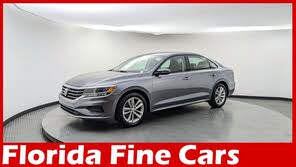
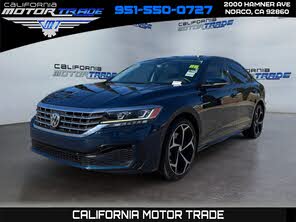
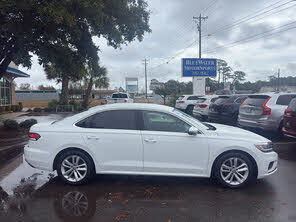
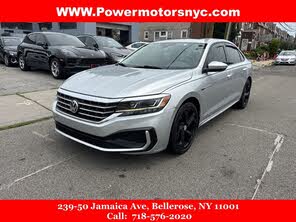
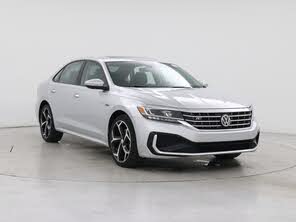
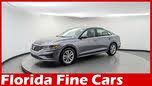
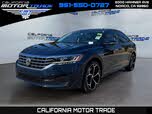
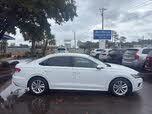
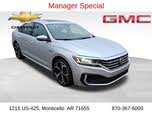
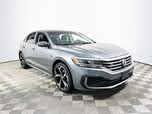
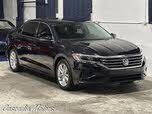
The 2020 Volkswagen Passat maintained a familiar appearance, reminiscent of the Passat models from 2012 to 2019 and heavily borrowing from the newer Jetta design cues. Despite revamping its dashboard to give a nod to its cousin, its 6.3-inch infotainment screen seemed stuck in the past, unable to project the latest VW technology. The interior, dominated by cheap, glossy plastic, was easy to clean but betrayed the car's budget-conscious nature. Remarkably functional yet unpretentious, the Passat was designed for comfort and ease of use, making it look and feel friendly and approachable. It was offered in four trims: S, SE, R-Line, and SEL, with the test model being the sporty R-Line, which came with extra-cost Aurora Red paint and remote engine start, leading to a total cost of $30,206 including destination charge.
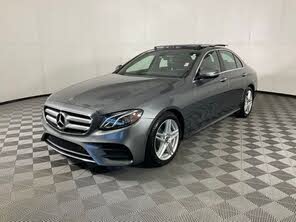
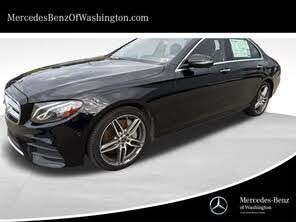
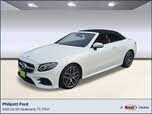
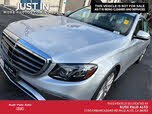
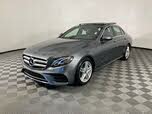
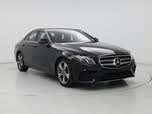
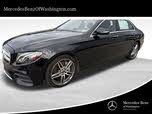
In stark contrast, the 2020 Mercedes-Benz E-Class exuded luxury and sophistication. Its design echoed the larger S-Class and smaller C-Class, creating an immediate visual link within Mercedes’s prestigious lineup. The E-Class was available in several body styles: sedan, wagon, coupe, and cabriolet. The Mercedes emphasized a fluid, almost creaseless form which looked particularly striking on the cabriolet with its contrasting soft-top. Inside, it featured a span of high-resolution digital screens stretching across the dashboard, circular air vents, and knurled silver toggles that added an industrial yet refined touch to the luxurious, multi-tone leather interior. Ambient lighting available in 64 color options, engaging massaging seats, and high-quality materials made the E-Class interior a haven of modern luxury and technology, compared to the utilitarian comfort of the Passat.


The 2020 Volkswagen Passat was powered by a 2.0-liter turbocharged 4-cylinder engine that generated 174 horsepower and 206 pound-feet of torque. This engine was mated to a 6-speed automatic transmission, feeding power to the front wheels. While not particularly powerful, it was efficient and able to use regular gasoline instead of premium fuel. The Passat's performance was straightforward with no extravagant driving modes, offering a Sport transmission setting and paddle shifters for those interested in a more engaged driving experience. Although it lacked the thrust to press drivers back into their seats, the engine's torque facilitated smooth acceleration. In combined driving conditions, the Passat achieved a decent 27 miles per gallon. Steering was light, but the brakes were somewhat grabby, which some drivers found tiresome. Its suspension, while capable over larger undulations, harshly handled sharp bumps, contributing to a somewhat busy ride.
Meanwhile, the 2020 Mercedes-Benz E-Class came with a range of engine options, starting with the E350, which featured a turbocharged 2.0-liter 4-cylinder producing 255 horsepower and 273 pound-feet of torque. This engine utilized a 9-speed automatic transmission and had improved response due to its twin-scroll turbo design. Although quick off the line, it lagged in midrange passing maneuvers. For more robust performance, the E450 offered a 3.0-liter V6 with 362 horsepower and 369 pound-feet of torque, providing effortless power delivery. For those seeking high performance, the AMG models were available with significantly enhanced engines, like the AMG E53 with 429 horsepower and the AMG E63 S producing a whopping 603 horsepower. The latter also featured AWD and a drift mode for an exhilarating driving experience. Fuel economy varied across models, with a range from 16 to 32 miles per gallon. Overall, the E-Class provided a broader array of powertrains with more diverse performance capabilities.
Volkswagen tailored the Passat for American consumers, offering vast interior space including wide, comfortable seats, and easy ingress and egress. The sedan could comfortably seat five passengers, featuring ample storage compartments and excellent outward visibility. The base model came with cloth upholstery, while higher trims had V-Tex leatherette or genuine leather. Practicality was evident in features like rear air vents and an easy-open 15.9 cubic feet trunk that could accommodate full-size suitcases or strollers with ease.
The Mercedes-Benz E-Class matched the Passat's spaciousness but added its signature touch of luxury. Available in sedan and wagon formats (along with coupe and cabriolet), the E-Class offered a functional layout without sacrificing opulence. Although the infotainment system was intricate and lacked touchscreen capability, the interior was flush with premium materials and clever use of space. The E-Class sedan had a functional trunk, albeit not as straightforwardly large as the Passat's, with each model utilizing rear seats to complement cargo capacity. The E-Class also ingeniously featured a net in the front passenger footwell for additional storage. The wagon variant offered a unique rear-facing jump seat, optimizing space in a playful yet practical manner.
The Passat's infotainment system might have appeared undersized with its 6.3-inch screen, lacking VW’s newer Digital Cockpit display. However, it included practical features like App Connect, Apple CarPlay, Android Auto, HD and satellite radio, and an optional Fender premium sound system with the SEL trim. The system was refreshingly simple, relying on familiar buttons and knobs instead of cumbersome touch interfaces. Additionally, the R-Line trim offered features like remote engine start, which added a layer of convenience.
The Mercedes-Benz E-Class, despite a convoluted COMAND system, boasted impressive technology. The optional Driver Assistance Package included semi-automated driving capabilities, sophisticated lane-keeping with lane-change assist, and obstacle avoidance, making the E-Class a pioneer in automotive safety and convenience. The E-Class also featured cutting-edge V2X communication and versatile customizable displays. Standard offerings included Bluetooth, Apple CarPlay, Android Auto, and a Burmester surround-sound system. Over-the-top tech, like the Energizing Comfort Package, added an experiential component to driving, enhancing comfort and ambiance in unprecedented ways.
Volkswagen equipped the 2020 Passat generously with safety tech including forward-collision warning, automatic emergency braking, blind-spot warning, and rear cross-traffic warning. The Passat SE added adaptive cruise control and lane-keeping assist, while the SEL trim included parking assist sensors and adaptive headlights. The Passat earned top IIHS ratings, affirming its commitment to safety.
The 2020 Mercedes-Benz E-Class excelled in safety, with the sedan and wagon receiving 5-star ratings from the NHTSA and the Top Safety Pick+ status from the IIHS. Innovative features like Pre-Safe Sound, inflatable side bolsters, and crosswind stabilization underscored Mercedes' safety leadership. Forward emergency braking and blind-spot monitoring were standard, with an extensive suite of 14 optional driver-assist features available to enhance safety further.
CarGurus highlights

According to CarGurus experts, the overall rating for the 2020 Volkswagen Passat is 8.0 out of 10, while the 2020 Mercedes-Benz E-Class scores 8.5 out of 10. Given these ratings, the 2020 Mercedes-Benz E-Class is the superior choice. It offers a richer blend of luxury, performance, and advanced technology, making it well worth the investment. While the Volkswagen Passat remains a strong contender for those seeking practicality and value, the E-Class delivers an experience that is truly a cut above.
Choose the 2020 Volkswagen Passat if:
- You need a spacious, comfortable sedan that offers significant value for money.
- You prefer straightforward, easy-to-use technology and controls in your car.
- You want solid fuel economy with a practical, family-friendly trunk space.




Choose the 2020 Mercedes-Benz E-Class if:
- You desire a luxurious sedan with an array of powerful engine options and performance capabilities.
- You're looking for cutting-edge safety features and semi-automated driving technologies.
- You appreciate advanced comfort and entertainment features that provide a high-end driving experience.



CarGurus highlights
According to CarGurus experts, the overall rating for the 2020 Volkswagen Passat is 8.0 out of 10, while the 2020 Mercedes-Benz E-Class scores 8.5 out of 10. Given these ratings, the 2020 Mercedes-Benz E-Class is the superior choice. It offers a richer blend of luxury, performance, and advanced technology, making it well worth the investment. While the Volkswagen Passat remains a strong contender for those seeking practicality and value, the E-Class delivers an experience that is truly a cut above.
Choose the 2020 Volkswagen Passat if:
Shop Now- You need a spacious, comfortable sedan that offers significant value for money.
- You prefer straightforward, easy-to-use technology and controls in your car.
- You want solid fuel economy with a practical, family-friendly trunk space.



Choose the 2020 Mercedes-Benz E-Class if:
Shop Now- You desire a luxurious sedan with an array of powerful engine options and performance capabilities.
- You're looking for cutting-edge safety features and semi-automated driving technologies.
- You appreciate advanced comfort and entertainment features that provide a high-end driving experience.




By: CarGurus + AI
At CarGurus, our team of experienced automotive writers remain at the heart of our content operation, conducting hands-on car tests and writing insightful guides that are backed by years of industry experience. To complement this, we are harnessing AI to make our content offering more diverse and more helpful to shoppers than ever. To achieve this, our AI systems are based exclusively on CarGurus content, ratings and data, so that what we produce is both unique to CarGurus, and uniquely helpful to car shoppers.