2021 BMW X3 vs 2020 Toyota Highlander
Overview | |
MSRP$34,600 | MSRP$43,000 |
Listings264 | Listings283 |
Ratings & Reviews | |
User Reviews | User Reviews |
Expert reviews7.7 out of 10 | Expert reviews7.5 out of 10 |
Pros
Cons
| Pros
Cons
|
2020 Toyota Highlander Reviews SummaryMidsize three-row SUVs are all spacious and powerful, but only the Toyota Highlander reaches the premium threshold for passenger comfort. Redesigned for 2020, the Highlander's revised styling and technology are secondary to its silent operation, soft ride, and cosseting interior. The upper trims feel and drive just like a Lexus, without the upcharge. There is nothing exciting about a Highlander, and yet, there is no other SUV in the $35,000 to $50,000 range that feels so effortless and tranquil. | |
2021 BMW X3 Reviews SummaryThe BMW X3 is one of the cornerstones of the luxury compact SUV market. Thanks to its combination of a spacious interior, solid driving dynamics, and wealth of technology, it’s one of BMW’s most popular offerings as well. For the 2021 model year, BMW enhances the X3 with more standard safety features and newly available in-car tech features. If you want an upscale, versatile crossover that’s just a bit more exciting to drive than most of its competition, then read on to learn more about the 2021 BMW X3. | |
No video found | |
Popular Features & Specs | |
Engine3.5L 295 hp V6 | Engine2.0L 248 hp I4 |
Drive TrainFWD | Drive TrainRWD |
Seating Capacity8 | Seating Capacity5 |
Horsepower295 hp @ 6600 rpm | Horsepower248 hp @ 5200 rpm |
MPG City20 | MPG City25 |
MPG Highway28 | MPG Highway29 |
Engine | |
Engine Name3.5L 295 hp V6 | Engine Name2.0L 248 hp I4 |
Torque263 lb-ft @ 4700 rpm | Torque258 lb-ft @ 1450 rpm |
Horsepower295 hp @ 6600 rpm | Horsepower248 hp @ 5200 rpm |
DrivetrainFWD | DrivetrainRWD |
Fuel Economy | |
MPG City20 | MPG City25 |
MPG Highway28 | MPG Highway29 |
Interior | |
Seating Capacity8 | Seating Capacity5 |
Key Features | |
Navigation System | Navigation SystemStandard |
Safety | |
Front Crash Overall4 | Front Crash Overall5 |
Side Crash Overall5 | Side Crash Overall5 |
Dimensions & Capacity | |
Cargo Space16.0 cu ft | Cargo Space28.7 cu ft |
Curb Weight4145 lbs | Curb Weight3931 lbs |
Height68.1 in | Height66.0 in |
Length194.9 in | Length185.9 in |
Width76.0 in | Width84.2 in |
Wheelbase112.2 in | Wheelbase112.8 in |
Maximum Payload1685 lbs | Maximum Payload888 lbs |
Number of doors4 | Number of doors4 |
Maximum Towing Capacity5000 lbs | Maximum Towing Capacity |
Overview | ||
MSRP | $34,600 | $43,000 |
Listings | ||
Ratings & Reviews | ||
User reviews | ||
Expert reviews | 7.7 out of 10Read full review | 7.5 out of 10Read full review |
Pros & cons | Pros
Cons
| Pros
Cons
|
Summary | Midsize three-row SUVs are all spacious and powerful, but only the Toyota Highlander reaches the premium threshold for passenger comfort. Redesigned for 2020, the Highlander's revised styling and technology are secondary to its silent operation, soft ride, and cosseting interior. The upper trims feel and drive just like a Lexus, without the upcharge. There is nothing exciting about a Highlander, and yet, there is no other SUV in the $35,000 to $50,000 range that feels so effortless and tranquil. | The BMW X3 is one of the cornerstones of the luxury compact SUV market. Thanks to its combination of a spacious interior, solid driving dynamics, and wealth of technology, it’s one of BMW’s most popular offerings as well. For the 2021 model year, BMW enhances the X3 with more standard safety features and newly available in-car tech features. If you want an upscale, versatile crossover that’s just a bit more exciting to drive than most of its competition, then read on to learn more about the 2021 BMW X3. |
Video | No video found | |
Popular Features & Specs | ||
Engine | 3.5L 295 hp V6 | 2.0L 248 hp I4 |
Drive Train | FWD | RWD |
Seating Capacity | 8 | 5 |
Horsepower | 295 hp @ 6600 rpm | 248 hp @ 5200 rpm |
MPG City | 20 | 25 |
MPG Highway | 28 | 29 |
Engine | ||
Engine Name | 3.5L 295 hp V6 | 2.0L 248 hp I4 |
Torque | 263 lb-ft @ 4700 rpm | 258 lb-ft @ 1450 rpm |
Horsepower | 295 hp @ 6600 rpm | 248 hp @ 5200 rpm |
Drivetrain | FWD | RWD |
Fuel Economy | ||
MPG City | 20 | 25 |
MPG Highway | 28 | 29 |
Interior | ||
Seating Capacity | 8 | 5 |
Key Features | ||
Navigation System | Standard | |
Safety | ||
Front Crash Overall | 4 | 5 |
Side Crash Overall | 5 | 5 |
Dimensions & Capacity | ||
Cargo Space | 16.0 cu ft | 28.7 cu ft |
Curb Weight | 4145 lbs | 3931 lbs |
Height | 68.1 in | 66.0 in |
Length | 194.9 in | 185.9 in |
Width | 76.0 in | 84.2 in |
Wheelbase | 112.2 in | 112.8 in |
Maximum Payload | 1685 lbs | 888 lbs |
Number of doors | 4 | 4 |
Maximum Towing Capacity | 5000 lbs | |
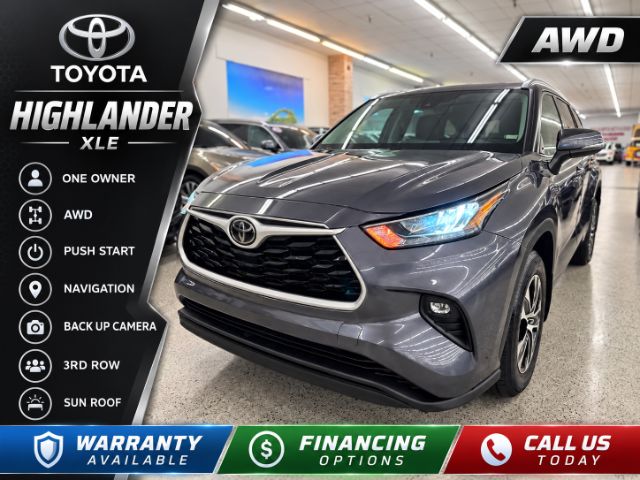
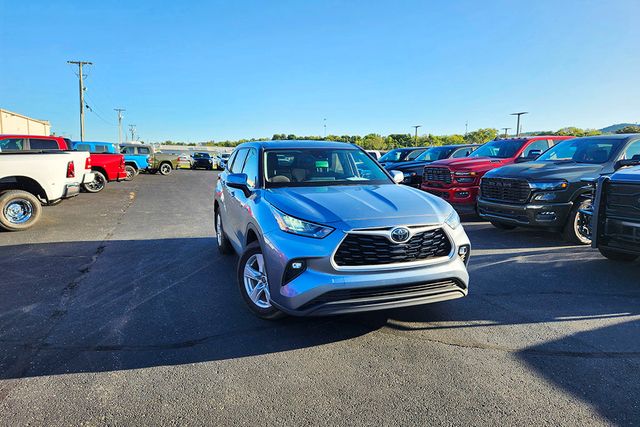
The 2020 Toyota Highlander had a design that was somewhat unremarkable from the side, with a few updates from the previous model year, such as a more slanted tailgate glass and more pronounced body panel creases. The trapezoidal theme was evident in various parts of the vehicle, including the tailgate's license plate cutout, rear bumper, headlights, grille, and lower front bumper. Higher trims like the Limited and Platinum featured projector-beam LED headlights and fog lights, along with attractive LED running lamps. The new 20-inch wheels were exclusive to these top trims, and new paint colors like Blueprint added a touch of appeal. The interior of the Highlander was where it truly shined, with quality fit and finish, silver-painted accents, and a multi-layered dash. The Limited trim boasted a three-tone interior with padded surfaces and rich textures, making it one of the nicest interiors in its class.
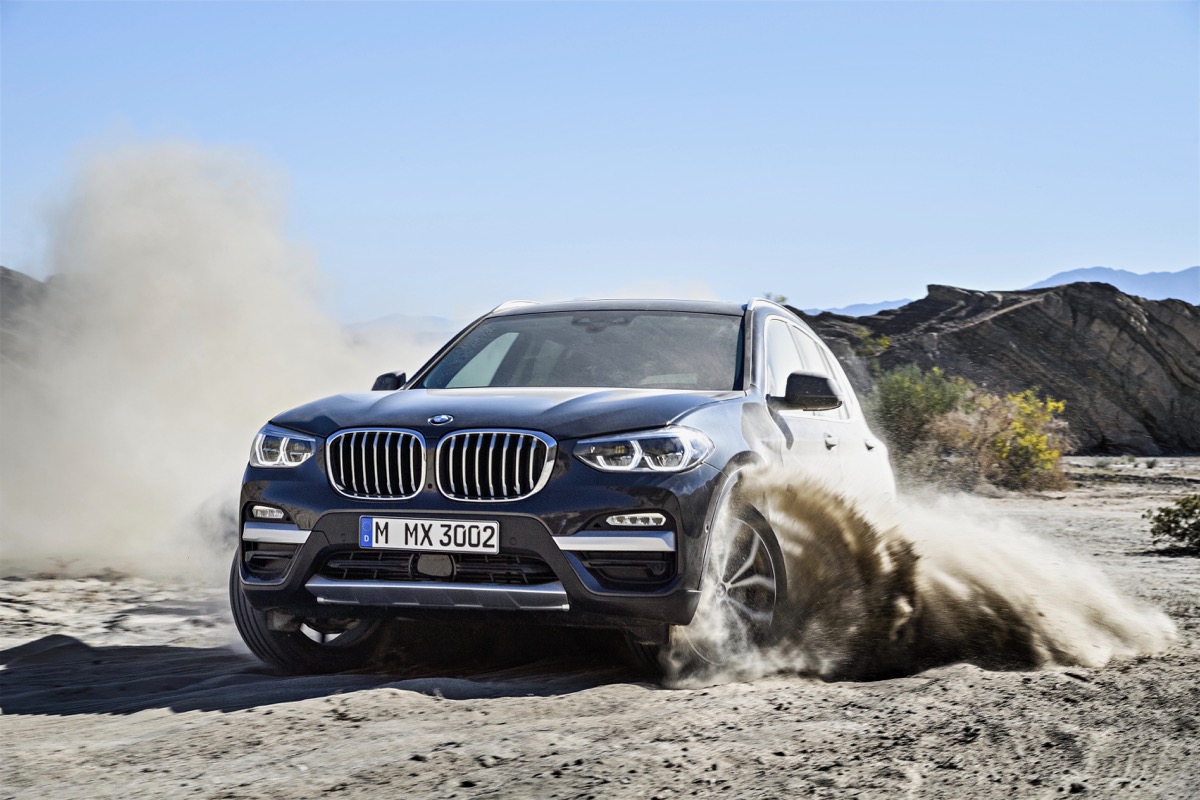
In contrast, the 2021 BMW X3, introduced in its third generation in 2018, received updates in 2020, including a plug-in hybrid model and M performance variants. The redesign refined the X3's formula, giving it the presence of larger, more expensive BMW models. The exterior resembled a downsized BMW X5, while the interior had a cold, mechanical styling typical of BMW. Although not as aesthetically pleasing as the Mercedes-Benz GLC-Class, the X3's dash was more functional. The 2021 X3 came in various trims, including the sDrive30i, xDrive30i, M40i, and the xDrive30e plug-in hybrid. Standard features included 18-inch alloy wheels, push-button start, synthetic leather upholstery, tri-zone climate control, a 10.2-inch infotainment system, navigation, and 10-way power-adjustable front seats. Optional features included genuine leather upholstery, a panoramic sunroof, and a hands-free power liftgate, among others.


The 2020 Toyota Highlander was equipped with a 3.5-liter V6 engine, available in both front-wheel drive (FWD) and all-wheel drive (AWD) configurations. This engine delivered 295 horsepower and 263 pound-feet of torque, providing brisk acceleration without the need for a turbocharger. The eight-speed automatic transmission made full use of the engine's power, although it required a heavy foot to initiate a kickdown. The Highlander's steering was loose, requiring adjustments at highway speeds, and the soft suspension had too much rebound, resulting in a ride that felt like an older Buick. However, the Highlander's cushy ride made for a relaxing driving experience, especially on long road trips. The Limited and Platinum trims featured torque vectoring on the rear axle for AWD models, selectable driving modes, and two off-road modes. Fuel economy was impressive for a large vehicle, with the FWD model achieving 21 mpg city, 29 mpg highway, and 24 mpg combined, while the AWD model achieved 20/27/23 mpg.
The 2021 BMW X3 offered a range of powertrains, starting with the sDrive30i and xDrive30i, which featured a turbocharged four-cylinder engine producing 248 horsepower. The sDrive30i had rear-wheel drive (RWD), while the xDrive30i came with all-wheel drive (AWD). The xDrive30e plug-in hybrid powertrain delivered 288 horsepower and had a 17-mile electric-only range. It could be recharged in about 3.5 hours using a 240-volt Level 2 charger or almost 12 hours using a 120-volt outlet. For those seeking a performance-oriented driving experience, the M40i trim featured a 382-horsepower twin-turbo inline-six engine, providing robust acceleration and responsive cornering abilities. The high-performance X3 M model offered an impressive 473 horsepower, making it a great choice for those who needed both speed and space.
The 2020 Toyota Highlander could seat eight passengers or seven with the second-row captain's chairs, which were standard on the Limited and Platinum trims and a no-cost option on the XLE. The Platinum model exclusively featured captain's chairs, while the L and LE trims had bench seats only. The second-row seats were versatile, with generous fore/aft and reclining adjustments, and the amount of legroom was impressive. The rear doors opened wide, making ingress and egress easy. The Highlander also featured three-zone climate control, a 120-volt outlet for the rear on upper trims, and a large panoramic moonroof on the Platinum trim. Cargo space was generous, with 16 cubic feet behind the third row, 48 cubic feet behind the second row, and 84 cubic feet with both rows folded. The Highlander also had eight cupholders, four bottle holders, and two shelves integrated into the dash for added convenience.
The 2021 BMW X3 provided up to 62.7 cubic feet of cargo space with the rear seats folded, making it one of the best in the small luxury SUV segment. With the rear seats in use, it still offered a generous 28.7 cubic feet of cargo space. A power liftgate was standard, with a hands-free power liftgate available as an option. The X3's interior was spacious, with plenty of headroom and legroom for front-row passengers and adult-friendly rear seats. The driver and front passenger had access to real buttons and dials, complementing the main touchscreen and making the controls easy to use.
The 2020 Toyota Highlander featured an infotainment system that felt outdated, with maps that lacked detail and no onboard apps. The 12.3-inch touchscreen, optional on the Limited and standard on the Platinum, had limited usable area due to the constant display of climate and fuel economy information. However, the Highlander came standard with Apple CarPlay, Android Auto, and Amazon Alexa integration. Upper trims featured a large 10-inch head-up display and a 7-inch display in the instrument cluster, both of which were crisp and informative. The semi-automated driving system was effective, and the optional JBL audio system had 11 speakers. Standard features included SiriusXM, HD radio, WiFi, and four USB-A ports, along with a one-year trial for Safety Connect.
The 2021 BMW X3 came standard with a 10.2-inch touchscreen running the iDrive infotainment system, which was user-friendly compared to other luxury systems. The combination of touch operation and the iDrive dial in the center console catered to different user preferences. The X3 came standard with Apple CarPlay, while Android Auto was optional. Other available features included wireless device charging, a fully digital instrument panel, and a 16-speaker Harman Kardon premium stereo system. The optional gesture control allowed for basic controls through hand movements, although it could result in false positives for those who talked with their hands.
The 2020 Toyota Highlander came standard with Toyota Safety Sense 2.0, which included automatic emergency braking with pedestrian and cyclist detection, lane-keeping assist, adaptive cruise control, and automatic high beams. Optional safety features included blind-spot monitoring, parking sensors, and rear emergency braking. The Highlander also had a driver's knee airbag and a special cushion airbag for the front passenger. The Insurance Institute for Highway Safety (IIHS) awarded the Highlander a 2020 Top Safety Pick for its top ratings in all six crash tests and its effective emergency braking system.
The 2021 BMW X3 came standard with advanced driver-assistance features such as automatic emergency braking, forward collision warning, pedestrian detection, and lane departure warning. It also included blind-spot monitoring, rear cross-traffic alert, and front-and-rear parking sensors. Optional safety features included adaptive cruise control, automatic high beams, headlights that bend with the road, and a head-up display.
CarGurus highlights

According to CarGurus experts, the overall rating for the 2020 Toyota Highlander is 7.7 out of 10, while the 2021 BMW X3 scores 7.5 out of 10. Based on these ratings, the 2020 Toyota Highlander is the recommended choice for its higher overall rating, spacious interior, and comprehensive safety features.
Choose the 2021 BMW X3 if:
- You seek a luxury SUV with a refined and functional interior.
- You want a range of powerful engine options, including a plug-in hybrid.
- You prefer a user-friendly infotainment system with both touch and dial controls.


Choose the 2020 Toyota Highlander if:
- You need a spacious and versatile interior with ample cargo space.
- You prioritize a comfortable and relaxing driving experience.
- You value a comprehensive suite of standard safety features.






CarGurus highlights
According to CarGurus experts, the overall rating for the 2020 Toyota Highlander is 7.7 out of 10, while the 2021 BMW X3 scores 7.5 out of 10. Based on these ratings, the 2020 Toyota Highlander is the recommended choice for its higher overall rating, spacious interior, and comprehensive safety features.
Choose the 2021 BMW X3 if:
Shop Now- You seek a luxury SUV with a refined and functional interior.
- You want a range of powerful engine options, including a plug-in hybrid.
- You prefer a user-friendly infotainment system with both touch and dial controls.
Choose the 2020 Toyota Highlander if:
Shop Now- You need a spacious and versatile interior with ample cargo space.
- You prioritize a comfortable and relaxing driving experience.
- You value a comprehensive suite of standard safety features.

By: CarGurus + AI
At CarGurus, our team of experienced automotive writers remain at the heart of our content operation, conducting hands-on car tests and writing insightful guides that are backed by years of industry experience. To complement this, we are harnessing AI to make our content offering more diverse and more helpful to shoppers than ever. To achieve this, our AI systems are based exclusively on CarGurus content, ratings and data, so that what we produce is both unique to CarGurus, and uniquely helpful to car shoppers.

