2020 Lincoln Corsair vs 2020 Toyota Highlander

Overview | |
MSRP$34,600 | MSRP$35,945 |
Listings716 | Listings387 |
Ratings & Reviews | |
User Reviews | User Reviews |
Expert reviews7.7 out of 10 | Expert reviews7.7 out of 10 |
Pros
Cons
| Pros
Cons
|
2020 Toyota Highlander Reviews SummaryMidsize three-row SUVs are all spacious and powerful, but only the Toyota Highlander reaches the premium threshold for passenger comfort. Redesigned for 2020, the Highlander's revised styling and technology are secondary to its silent operation, soft ride, and cosseting interior. The upper trims feel and drive just like a Lexus, without the upcharge. There is nothing exciting about a Highlander, and yet, there is no other SUV in the $35,000 to $50,000 range that feels so effortless and tranquil. | |
2020 Lincoln Corsair Reviews SummaryThe 2020 Corsair replaces the MKC as the most entry-level Lincoln in the lineup, and it doesn't look the least bit short on style. If you haven't checked out a new Lincoln SUV, you're missing a brand resurgence. We've tested all four of them during the past couple years and came away pleasantly surprised each time. The 2020 Corsair's not any cheaper than the MKC was, and you risk reliability concerns on a car in its first model year, but I would recommend a Lincoln Corsair over an Audi Q5, Mercedes-Benz GLC-Class, Infiniti QX50, or Jaguar E-Pace. Here's why. | |
Popular Features & Specs | |
Engine3.5L 295 hp V6 | Engine2.0L 250 hp I4 |
Drive TrainFWD | Drive TrainFWD |
Seating Capacity8 | Seating Capacity5 |
Horsepower295 hp @ 6600 rpm | Horsepower250 hp @ 5500 rpm |
MPG City20 | MPG City22 |
MPG Highway28 | MPG Highway29 |
Engine | |
Engine Name3.5L 295 hp V6 | Engine Name2.0L 250 hp I4 |
Torque263 lb-ft @ 4700 rpm | Torque275 lb-ft @ 3000 rpm |
Horsepower295 hp @ 6600 rpm | Horsepower250 hp @ 5500 rpm |
DrivetrainFWD | DrivetrainFWD |
Fuel Economy | |
MPG City20 | MPG City22 |
MPG Highway28 | MPG Highway29 |
Interior | |
Seating Capacity8 | Seating Capacity5 |
Safety | |
Front Crash Overall4 | Front Crash Overall5 |
Side Crash Overall5 | Side Crash Overall5 |
Dimensions & Capacity | |
Cargo Space16.0 cu ft | Cargo Space34.0 cu ft |
Curb Weight4145 lbs | Curb Weight3691 lbs |
Height68.1 in | Height64.1 in |
Length194.9 in | Length180.6 in |
Width76.0 in | Width83.0 in |
Wheelbase112.2 in | Wheelbase106.7 in |
Maximum Payload1685 lbs | Maximum Payload |
Number of doors4 | Number of doors4 |
Maximum Towing Capacity5000 lbs | Maximum Towing Capacity |
Overview | ||
MSRP | $34,600 | $35,945 |
Listings | ||
Ratings & Reviews | ||
User reviews | ||
Expert reviews | 7.7 out of 10Read full review | 7.7 out of 10Read full review |
Pros & cons | Pros
Cons
| Pros
Cons
|
Summary | Midsize three-row SUVs are all spacious and powerful, but only the Toyota Highlander reaches the premium threshold for passenger comfort. Redesigned for 2020, the Highlander's revised styling and technology are secondary to its silent operation, soft ride, and cosseting interior. The upper trims feel and drive just like a Lexus, without the upcharge. There is nothing exciting about a Highlander, and yet, there is no other SUV in the $35,000 to $50,000 range that feels so effortless and tranquil. | The 2020 Corsair replaces the MKC as the most entry-level Lincoln in the lineup, and it doesn't look the least bit short on style. If you haven't checked out a new Lincoln SUV, you're missing a brand resurgence. We've tested all four of them during the past couple years and came away pleasantly surprised each time. The 2020 Corsair's not any cheaper than the MKC was, and you risk reliability concerns on a car in its first model year, but I would recommend a Lincoln Corsair over an Audi Q5, Mercedes-Benz GLC-Class, Infiniti QX50, or Jaguar E-Pace. Here's why. |
Video | ||
Popular Features & Specs | ||
Engine | 3.5L 295 hp V6 | 2.0L 250 hp I4 |
Drive Train | FWD | FWD |
Seating Capacity | 8 | 5 |
Horsepower | 295 hp @ 6600 rpm | 250 hp @ 5500 rpm |
MPG City | 20 | 22 |
MPG Highway | 28 | 29 |
Engine | ||
Engine Name | 3.5L 295 hp V6 | 2.0L 250 hp I4 |
Torque | 263 lb-ft @ 4700 rpm | 275 lb-ft @ 3000 rpm |
Horsepower | 295 hp @ 6600 rpm | 250 hp @ 5500 rpm |
Drivetrain | FWD | FWD |
Fuel Economy | ||
MPG City | 20 | 22 |
MPG Highway | 28 | 29 |
Interior | ||
Seating Capacity | 8 | 5 |
Safety | ||
Front Crash Overall | 4 | 5 |
Side Crash Overall | 5 | 5 |
Dimensions & Capacity | ||
Cargo Space | 16.0 cu ft | 34.0 cu ft |
Curb Weight | 4145 lbs | 3691 lbs |
Height | 68.1 in | 64.1 in |
Length | 194.9 in | 180.6 in |
Width | 76.0 in | 83.0 in |
Wheelbase | 112.2 in | 106.7 in |
Maximum Payload | 1685 lbs | |
Number of doors | 4 | 4 |
Maximum Towing Capacity | 5000 lbs | |
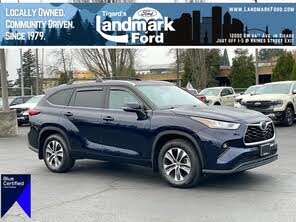
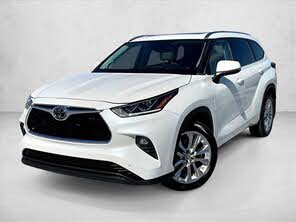
The 2020 Toyota Highlander presented a design that was subtly refined from its predecessor. The exterior featured a trapezoidal theme, with slanted tailgate glass and pronounced creases on the body panels. The vehicle's aesthetics were marked by slimmer headlights, a distinctive grille, and a lower front bumper. Higher trims boasted projector-beam LED headlights and fog lights, with LED running lamps exclusive to the Limited and Platinum trims. The introduction of 20-inch wheels and new paint colors like Blueprint added a touch of flair, though the overall design was considered more functional than exciting. Inside, the Highlander excelled with its quality fit and finish. The cabin was adorned with silver-painted accents and a multi-layered dash, complemented by an 8-inch touchscreen. The interior color schemes were well thought out, with the Limited trim offering a three-tone palette. The use of padded surfaces and rich textures was notable, rivaling competitors like the Kia Telluride. The Highlander's interior was inviting and comfortable, even if the exterior styling was less captivating.
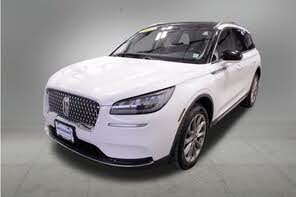
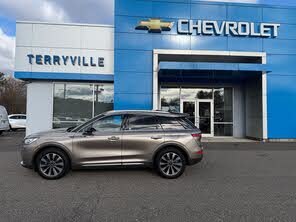
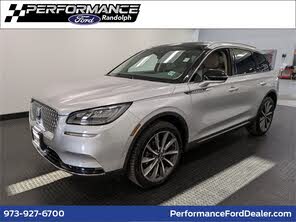
The 2020 Lincoln Corsair, on the other hand, exuded a sense of luxury and refinement that set it apart from its Ford roots. The Corsair's design was unique, with every body panel and trim piece distinct to Lincoln. Its low hood line, restrained chrome grille, and teardrop headlights contributed to its sophisticated appearance. The vehicle's silhouette was marked by a tall roof that gently sloped, ending in a Land Rover-like edge. The clamshell tailgate and thin taillights added to its elegance, drawing inspiration from luxury SUVs like the Audi Q5 and Porsche Cayenne. The Corsair's body sat low on optional 20-inch wheels, with "Lincoln" spelled out wide on the tailgate, a confident design choice. Inside, the Corsair's dashboard was a close contender to the Mercedes-Benz GLC, featuring rich materials and details like curved matte-finish wood and leather with contrast stitching. The cabin was adorned with chrome trim and a two-tone steering wheel, offering a luxurious and comfortable experience.


The 2020 Toyota Highlander was equipped with a 3.5-liter V6 engine, available in both front-wheel drive (FWD) and all-wheel drive (AWD) configurations. This engine delivered 295 horsepower and 263 pound-feet of torque, providing brisk acceleration without the need for turbochargers. The eight-speed automatic transmission made full use of the engine's power, though it required a heavy foot for kickdowns. The Highlander's steering was loose, and the suspension was soft, leading to a ride that felt more like an older Buick. However, the vehicle offered a smooth and isolating driving experience, especially on long road trips. The AWD models on Limited and Platinum trims featured torque vectoring and selectable driving modes, enhancing the driving experience. Fuel economy was commendable, with the FWD model achieving 21 mpg city, 29 mpg highway, and 24 mpg combined, while the AWD model offered 20/27/23 mpg.
The 2020 Lincoln Corsair offered two turbocharged 4-cylinder engines, each paired with an 8-speed automatic transmission. The 2.0T trim featured a 2.0-liter engine with 250 horsepower and 280 pound-feet of torque, while the 2.3T trim boasted a 2.3-liter engine with 295 horsepower and 310 pound-feet of torque. The Corsair's steering lacked road feel, but the vehicle's body provided excellent control and composure at high speeds. The adaptive dampers on the 2.3T trim firmed up the ride in Excite mode, though the overall driving experience remained comfortable rather than sporty. Fuel economy for the 2.3T was estimated at 21 mpg city, 28 highway, and 24 combined, with the 2.0T AWD rated at 21/29/24 and the FWD model at 22/29/25 mpg. A plug-in hybrid trim was also on the horizon, promising an electric range of over 25 miles.
The 2020 Toyota Highlander offered seating for eight, or seven with the second-row captain's chairs available on higher trims. The second-row seats were versatile, with generous adjustments and easy access to the third row. The vehicle's ergonomics were praised, with wide-opening rear doors and comfortable seat heights. Standard features included three-zone climate control, with upper trims offering additional amenities like a 120-volt outlet and a panoramic moonroof. Cargo space was ample, with 16 cubic feet behind the third row, 48 cubic feet behind the second, and 84 cubic feet with both rows folded. The Highlander also featured practical storage solutions, though the wireless charging pad's placement was a minor inconvenience.
The 2020 Lincoln Corsair provided a comfortable and adjustable interior, with seat controls conveniently located on the doors. The Perfect Position seats offered 24 ways of adjustment, including massage settings. The driving position was airy, with good sightlines and ample headroom and legroom for rear passengers. Cargo space was more limited, with 28 cubic feet behind the seats and 58 cubic feet when folded. The Corsair's controls were user-friendly, though the engine auto stop-start control was somewhat obscure. The center console was spacious, with a sliding storage bin and a wireless phone charger in the center armrest.
The 2020 Toyota Highlander's infotainment system was considered outdated, with low-resolution screens and a lack of onboard apps. The 12.3-inch touchscreen, optional on the Limited and standard on the Platinum, was not fully utilized, with climate and fuel economy information always displayed. However, the Highlander included Apple CarPlay, Android Auto, and Amazon Alexa integration. The vehicle's technology was bolstered by a 10-inch head-up display and a 7-inch display in the instrument cluster. The semi-automated driving system was effective, and the optional JBL audio system provided decent sound quality. Standard features included SiriusXM, HD radio, WiFi, and USB ports, with additional connectivity options on higher trims.
The 2020 Lincoln Corsair offered advanced technology, including the option to use a smartphone as an ignition key through the Lincoln Way app. The head-up display was wide and informative, displaying various vehicle and navigation information. The Co-Pilot360 Plus safety system provided semi-automated driving features, though it was sometimes overly cautious. The instrument panel was minimalist, with limited customization options. Voice recognition and destination searches were fast and accurate, and in-car WiFi was available. The Corsair's software updates required an external WiFi connection, which was unusual given the vehicle's cellular modem.
The 2020 Toyota Highlander came standard with Toyota Safety Sense 2.0, which included automatic emergency braking, lane-keeping assist, adaptive cruise control, and automatic high beams. Optional features included blind-spot monitoring and rear emergency braking. The Highlander received a 2020 Top Safety Pick from the IIHS, with top ratings in all crash tests and for its emergency braking system.
The 2020 Lincoln Corsair was also rated a Top Safety Pick by the IIHS, with top scores in all crash tests and for its forward emergency braking system. The Corsair's Co-Pilot360 system included forward emergency braking, adaptive cruise control, traffic-sign recognition, and more. The Co-Pilot360 Plus added lane-keep assist and evasive steering assist. The Corsair featured rear side airbags and knee airbags for both driver and passenger.
CarGurus highlights

According to CarGurus experts, the overall rating for the 2020 Toyota Highlander is 7.7 out of 10, while the 2020 Lincoln Corsair scores 7.7 out of 10. Both vehicles offer distinct advantages, but the Lincoln Corsair's unique design and advanced technology features make it a compelling choice for those seeking a luxury SUV experience.
Choose the 2020 Lincoln Corsair if:
- You desire a luxury SUV with a unique and refined design.
- You appreciate advanced technology features, including a comprehensive head-up display.
- You seek a comfortable and adjustable interior with premium seating options.






Choose the 2020 Toyota Highlander if:
- You need a spacious vehicle with versatile seating for up to eight passengers.
- You prioritize a comfortable and well-appointed interior with high-quality materials.
- You value a smooth and isolating driving experience for long road trips.







CarGurus highlights
According to CarGurus experts, the overall rating for the 2020 Toyota Highlander is 7.7 out of 10, while the 2020 Lincoln Corsair scores 7.7 out of 10. Both vehicles offer distinct advantages, but the Lincoln Corsair's unique design and advanced technology features make it a compelling choice for those seeking a luxury SUV experience.
Choose the 2020 Lincoln Corsair if:
Shop Now- You desire a luxury SUV with a unique and refined design.
- You appreciate advanced technology features, including a comprehensive head-up display.
- You seek a comfortable and adjustable interior with premium seating options.









Choose the 2020 Toyota Highlander if:
Shop Now- You need a spacious vehicle with versatile seating for up to eight passengers.
- You prioritize a comfortable and well-appointed interior with high-quality materials.
- You value a smooth and isolating driving experience for long road trips.








By: CarGurus + AI
At CarGurus, our team of experienced automotive writers remain at the heart of our content operation, conducting hands-on car tests and writing insightful guides that are backed by years of industry experience. To complement this, we are harnessing AI to make our content offering more diverse and more helpful to shoppers than ever. To achieve this, our AI systems are based exclusively on CarGurus content, ratings and data, so that what we produce is both unique to CarGurus, and uniquely helpful to car shoppers.