2020 Lincoln Aviator vs 2020 Hyundai Palisade

Overview | |
MSRP$31,975 | MSRP$51,100 |
Listings1175 | Listings591 |
Ratings & Reviews | |
User Reviews | User Reviews |
Expert reviews8.2 out of 10 | Expert reviews8.2 out of 10 |
Pros
Cons
| Pros
Cons
|
2020 Hyundai Palisade Reviews SummaryWhen your job is to test drive cars, you start to see trends happening before your eyes. You mention something once, then again, and before you know it, it's unavoidable. The downside is I end up sounding like a broken record to a lot of shoppers. Car reviewers started seeing huge improvements from Kia and its parent company, Hyundai, years ago. Now, these Korean automakers are so good, they're genuine contenders in nearly every segment. We saw this earlier this year with the 2020 Kia Telluride, which Cliff Atiyeh reviewed. Now we’re seeing it again with the all-new 2020 Hyundai Palisade. This is a spacious, comfortable, and versatile 3-row SUV, and one you should seriously consider against cornerstones of the family SUV market, like the Toyota Highlander and Honda Pilot. The Palisade has been a long time coming for Hyundai, which has been without a true contender in the segment. From 2008 to 2012, Hyundai offered the 3-row Veracruz, but that was more of a glorified 2-row SUV that had extra-small seats in the back for kids. More recently, Hyundai has offered the Santa Fe XL with three rows, but that was a stopgap car. This is a similar situation to Subaru, which offered the Tribeca for a number of years but didn't become a serious contender in the space until it debuted the Ascent. There are no half-measures in the family-hauler market. This little history lesson serves to indicate the lengths to which automakers will go to stand out in the 3-row family SUV segment. The Palisade is already making headlines, but will it move the needle for Hyundai? Read on to find out, and to learn which trim of the Palisade CarGurus recommends. | |
2020 Lincoln Aviator Reviews SummaryThe heyday for Lincoln was more than a half-century ago. Those postwar years of prosperity and optimism were the perfect time for cars like the Continental and others. They delivered comfort and luxury, wrapped in midcentury modern styling. Even as recently as the 1990s, Lincoln was still a popular brand, riding the SUV craze with its Navigator. But after the turn of the century, Lincoln lost its ability to create new designs and looked inward and backward. Sure, retro-themed cars like the redesigned Mustang, PT Cruiser, and Chevy HHR had turned some heads, but none of those came from luxury brands. The BMWs and Mercedes of the world were all looking forward and pushing the envelope for contemporary automotive design. Meanwhile, Lincoln offered the MKX, which was based on the Ford Edge and featured ’66 Continental styling. Neat in a vacuum, but off-base compared to the modern luxury market. This experimental phase with various retro looks coincided with the move to the MK-# alphabet-soup naming convention and big improvements in the Ford lineup, where top-end trims of the Fusion overlapped with an entry-level trim of the MKZ. The combination left Lincoln a confusing, anonymous afterthought in the modern luxury game. But Lincoln is finally ready to change all that. It has a new cohesive design language, its focus is once again on luxury, and the three-letter naming convention that never meant anything to anyone other than Lincoln marketers is gone. The brand led with the 2017 Continental and 2018 Navigator, which are each impressive in their own right. But the company's lineup is growing and now includes the all-new 2020 Lincoln Aviator. Named after a luxury variant of the 2002-2005 Ford Explorer, this new Aviator is also based on the contemporary Explorer platform, but it's a luxury vehicle in its own right. Much of the success of the Lincoln brand may hinge on this midsize, 3-row luxury SUV, so you need to consider its competition, such as the Audi Q7, Infiniti QX60, and all-new Cadillac XT6. Read on to learn if Lincoln’s take on luxury will stand out in a crowded competitive field. | |
Popular Features & Specs | |
Engine3.8L 291 hp V6 | Engine3.0L 400 hp V6 |
Drive TrainFWD | Drive TrainRWD |
Seating Capacity8 | Seating Capacity7 |
Horsepower291 hp @ 6000 rpm | Horsepower |
MPG City19 | MPG City18 |
MPG Highway26 | MPG Highway26 |
Engine | |
Engine Name3.8L 291 hp V6 | Engine Name3.0L 400 hp V6 |
Torque262 lb-ft @ 5000 rpm | Torque |
Horsepower291 hp @ 6000 rpm | Horsepower |
DrivetrainFWD | DrivetrainRWD |
Fuel Economy | |
MPG City19 | MPG City18 |
MPG Highway26 | MPG Highway26 |
Interior | |
Seating Capacity8 | Seating Capacity7 |
Safety | |
Front Crash Overall5 | Front Crash Overall5 |
Side Crash Overall5 | Side Crash Overall5 |
Dimensions & Capacity | |
Cargo Space18.0 cu ft | Cargo Space18.3 cu ft |
Curb Weight4127 lbs | Curb Weight4764 lbs |
Height68.9 in | Height69.8 in |
Length196.1 in | Length199.3 in |
Width77.8 in | Width89.9 in |
Wheelbase114.2 in | Wheelbase119.1 in |
Maximum Payload1605 lbs | Maximum Payload |
Number of doors4 | Number of doors4 |
Maximum Towing Capacity5000 lbs | Maximum Towing Capacity |
Overview | ||
MSRP | $31,975 | $51,100 |
Listings | ||
Ratings & Reviews | ||
User reviews | ||
Expert reviews | 8.2 out of 10Read full review | 8.2 out of 10Read full review |
Pros & cons | Pros
Cons
| Pros
Cons
|
Summary | When your job is to test drive cars, you start to see trends happening before your eyes. You mention something once, then again, and before you know it, it's unavoidable. The downside is I end up sounding like a broken record to a lot of shoppers. Car reviewers started seeing huge improvements from Kia and its parent company, Hyundai, years ago. Now, these Korean automakers are so good, they're genuine contenders in nearly every segment. We saw this earlier this year with the 2020 Kia Telluride, which Cliff Atiyeh reviewed. Now we’re seeing it again with the all-new 2020 Hyundai Palisade. This is a spacious, comfortable, and versatile 3-row SUV, and one you should seriously consider against cornerstones of the family SUV market, like the Toyota Highlander and Honda Pilot. The Palisade has been a long time coming for Hyundai, which has been without a true contender in the segment. From 2008 to 2012, Hyundai offered the 3-row Veracruz, but that was more of a glorified 2-row SUV that had extra-small seats in the back for kids. More recently, Hyundai has offered the Santa Fe XL with three rows, but that was a stopgap car. This is a similar situation to Subaru, which offered the Tribeca for a number of years but didn't become a serious contender in the space until it debuted the Ascent. There are no half-measures in the family-hauler market. This little history lesson serves to indicate the lengths to which automakers will go to stand out in the 3-row family SUV segment. The Palisade is already making headlines, but will it move the needle for Hyundai? Read on to find out, and to learn which trim of the Palisade CarGurus recommends. | The heyday for Lincoln was more than a half-century ago. Those postwar years of prosperity and optimism were the perfect time for cars like the Continental and others. They delivered comfort and luxury, wrapped in midcentury modern styling. Even as recently as the 1990s, Lincoln was still a popular brand, riding the SUV craze with its Navigator. But after the turn of the century, Lincoln lost its ability to create new designs and looked inward and backward. Sure, retro-themed cars like the redesigned Mustang, PT Cruiser, and Chevy HHR had turned some heads, but none of those came from luxury brands. The BMWs and Mercedes of the world were all looking forward and pushing the envelope for contemporary automotive design. Meanwhile, Lincoln offered the MKX, which was based on the Ford Edge and featured ’66 Continental styling. Neat in a vacuum, but off-base compared to the modern luxury market. This experimental phase with various retro looks coincided with the move to the MK-# alphabet-soup naming convention and big improvements in the Ford lineup, where top-end trims of the Fusion overlapped with an entry-level trim of the MKZ. The combination left Lincoln a confusing, anonymous afterthought in the modern luxury game. But Lincoln is finally ready to change all that. It has a new cohesive design language, its focus is once again on luxury, and the three-letter naming convention that never meant anything to anyone other than Lincoln marketers is gone. The brand led with the 2017 Continental and 2018 Navigator, which are each impressive in their own right. But the company's lineup is growing and now includes the all-new 2020 Lincoln Aviator. Named after a luxury variant of the 2002-2005 Ford Explorer, this new Aviator is also based on the contemporary Explorer platform, but it's a luxury vehicle in its own right. Much of the success of the Lincoln brand may hinge on this midsize, 3-row luxury SUV, so you need to consider its competition, such as the Audi Q7, Infiniti QX60, and all-new Cadillac XT6. Read on to learn if Lincoln’s take on luxury will stand out in a crowded competitive field. |
Video | ||
Popular Features & Specs | ||
Engine | 3.8L 291 hp V6 | 3.0L 400 hp V6 |
Drive Train | FWD | RWD |
Seating Capacity | 8 | 7 |
Horsepower | 291 hp @ 6000 rpm | |
MPG City | 19 | 18 |
MPG Highway | 26 | 26 |
Engine | ||
Engine Name | 3.8L 291 hp V6 | 3.0L 400 hp V6 |
Torque | 262 lb-ft @ 5000 rpm | |
Horsepower | 291 hp @ 6000 rpm | |
Drivetrain | FWD | RWD |
Fuel Economy | ||
MPG City | 19 | 18 |
MPG Highway | 26 | 26 |
Interior | ||
Seating Capacity | 8 | 7 |
Safety | ||
Front Crash Overall | 5 | 5 |
Side Crash Overall | 5 | 5 |
Dimensions & Capacity | ||
Cargo Space | 18.0 cu ft | 18.3 cu ft |
Curb Weight | 4127 lbs | 4764 lbs |
Height | 68.9 in | 69.8 in |
Length | 196.1 in | 199.3 in |
Width | 77.8 in | 89.9 in |
Wheelbase | 114.2 in | 119.1 in |
Maximum Payload | 1605 lbs | |
Number of doors | 4 | 4 |
Maximum Towing Capacity | 5000 lbs | |
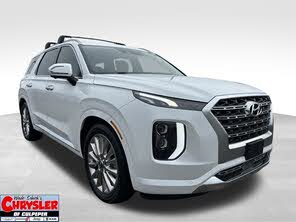
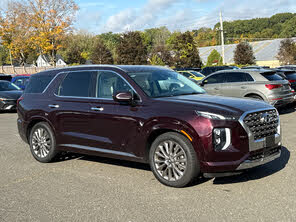
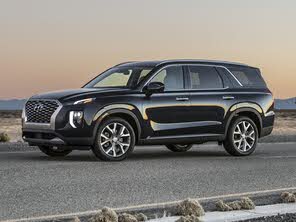
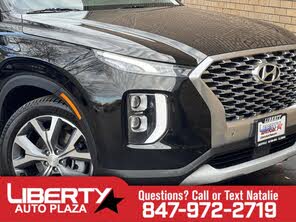
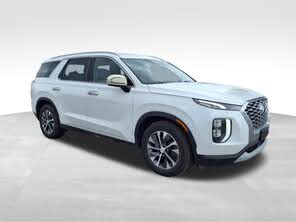
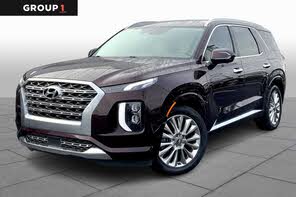
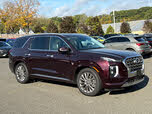
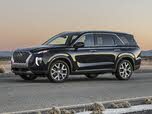
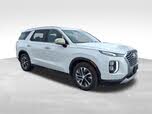
Hyundai had absolutely knocked the Palisade's styling out of the park. This vehicle could have worn a Cadillac logo, and shoppers wouldn't have blinked an eye. The Palisade stood out more than Caddy’s new XT6 3-row luxury SUV. Its bold, in-your-face styling was characterized by a massive grille and rakishly thin headlights. Interestingly enough, the upper headlight assembly was only part of the headlight puzzle. What appeared to be larger fog lights made up the rest of the headlights. With them on, there was a character line of LEDs that extended from the upper headlights down through the mid-level assembly.
Speaking of unique style choices, Hyundai was known for doing interesting things with chrome and vehicles' character lines. This trend continued with the Palisade, which had a large chrome strip that ran from the base of the A-pillar up over both side door windows, and interestingly, finished right after the rear door. This visually broke up what might otherwise have been a very long design. The cabin of the Palisade continued that upscale feel, but with more elegance and simplicity. It had a fully digital instrument panel, a large touchscreen that flowed seamlessly across the dash, and a center console bristling with controls that rose up along the centerline.
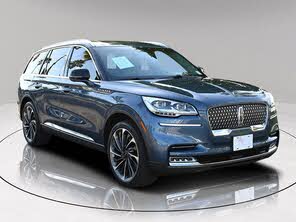
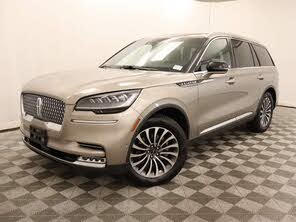
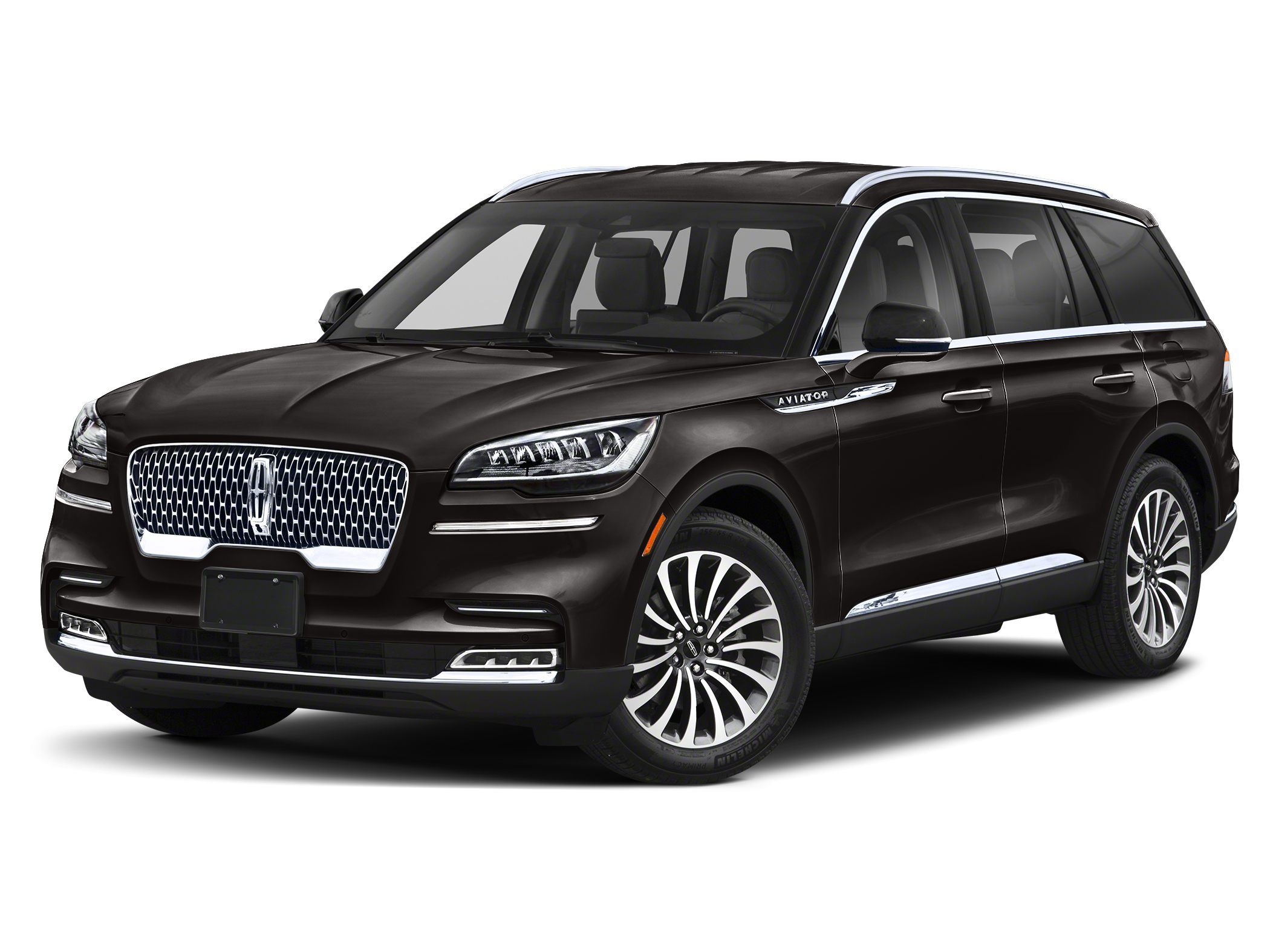
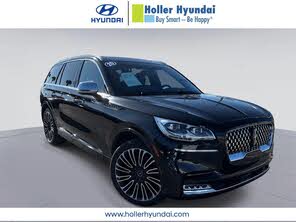
The Aviator slotted below the Navigator and above the compact MKC and its replacement, the Lincoln Corsair. The new look for Lincoln was unified across all its sedans, crossovers, and SUVs, including handsome headlights and an upright chrome grille. The Aviator’s roofline tapered a bit, giving the vehicle a more elongated look, and its low, wide beltline almost gave the Aviator a boat-like appearance. The cabin of the Aviator had a flowing design, soft-touch materials, and selective use of brightwork. The seats appeared both elegant and sturdy, and the shifter buttons almost had a piano-key design to them.
The front seats were incredibly comfortable and backed up their appearance. They used soft-touch materials throughout, and from the dash to the door panels to even the sides of the center console, plush leather was found even where it didn’t necessarily need to be. The Aviator had some really nice touches, like its massive panoramic moonroof and unique warning jingles, which were recorded by the Detroit Symphony Orchestra. The Aviator’s lineup included five trims: Standard, Reserve, Grand Touring, Black Label, and Black Label Grand Touring. The Standard came well-equipped, with three-zone climate control, front and rear parking sensors, leather upholstery, and heated front seats.


The Palisade came equipped with a 3.8-liter V6, the only engine offered, making 291 horsepower and 262 pound-feet of torque. Power was sent to the front wheels or available all-wheel drive (AWD) through an 8-speed automatic transmission, operated via a push-button shifter. The automatic transmission managed power well, and the V6 engine provided solid acceleration. The drive mode dial offered Sport, Comfort, Eco, Snow, and Smart modes. Smart mode toggled between the other modes based on driving habits. In Comfort mode, the V6 and the transmission took a half-second to respond to the desire to speed up, but eventually brought on strong acceleration. Sport mode made the gas pedal twitchier and improved cornering.
Fuel economy for the 2019 Hyundai Palisade FWD was 19 mpg city, 26 highway, 22 combined. With AWD, fuel economy was 19/24/21. In a week of combined city and highway driving, observed fuel economy was 20.3 miles per gallon.
The Aviator came standard with a twin-turbocharged 3.0-liter V6, making 400 horsepower and 415 pound-feet of torque. The Grand Touring combined the 3.0-liter turbo V6 with a 100-hp electric motor, resulting in a net 494 hp and 630 lb-ft of torque. Both powertrains sent power through a 10-speed automatic transmission. The base V6 sent power to either rear-wheel drive (RWD) or all-wheel drive (AWD), while the plug-in hybrid (PHEV) was an AWD setup. Both versions did 0-60 mph in about 4 seconds.
Fuel economy for the conventionally powered Aviator with RWD was 18 mpg city, 26 highway, 21 combined. With AWD, those numbers fell to 17, 24, 20. Fuel economy for the PHEV drivetrain was a combined 23 mpg, with a 21-mile electric-only range and a rating of 56 miles-per-gallon equivalent combined.
The Palisade had 45.8 cubic feet with the third row down and 86.4 cubic feet with all rear seats dropped. Space in the third row felt manageable, even for longer trips. The Palisade just barely found itself in the category of 3-row SUVs with third rows designed for adults. The second-row captain's chairs were the place to be, with multiple cup holders and seatback pockets providing plenty of space.
The Aviator’s optional second-row captain’s chairs were fantastic. The power-closing third row was adequate for adults but probably best suited for kids on any trip longer than 30 minutes. Dropping the second and third rows provided 77 cubic feet of cargo space. The seats and the door handles were a bit confusing, with the seats having a complicated control system and the door-release function being unnecessarily complicated.
Hyundai supplied the Palisade with plenty of standard tech, including an 8-inch touchscreen infotainment system with Apple CarPlay and Android Auto. The SEL trim could be upgraded with a $1,250 Driver Guidance package, which included a larger 10.25-inch touchscreen with navigation, satellite radio, and the Driver Talk in-car intercom system. The Limited trim came with a Harman Kardon premium audio system, a surround-view monitor, and a head-up display.
The Aviator came standard with the Sync 3 infotainment system, operated via a 10.1-inch touchscreen. The Aviator’s Sync 3 screen used a more conventional landscape layout, presenting Apple CarPlay across the entire screen. The Aviator had a fully digital instrument panel and a massive head-up display, providing a lot of information while being minimalist and unobtrusive.
The Insurance Institute for Highway Safety named the 2020 Hyundai Palisade a Top Safety Pick+, its highest award. The Palisade came loaded with the latest driver-assistance tech, including forward-collision avoidance with pedestrian detection, lane-keeping assist, a driver-attention warning, and parking sensors. The digital instrument panel allowed for the Palisade’s unique blind-spot camera system, projecting live images on the instrument panel when the turn signal was activated.
The Aviator came with a full complement of driver-assistance systems as part of Lincoln Co-Pilot360. This suite included forward-collision avoidance, lane-departure warning, adaptive cruise control, and automatic high beams. Other safety tech included blind-spot monitoring and a head-up display.
CarGurus highlights
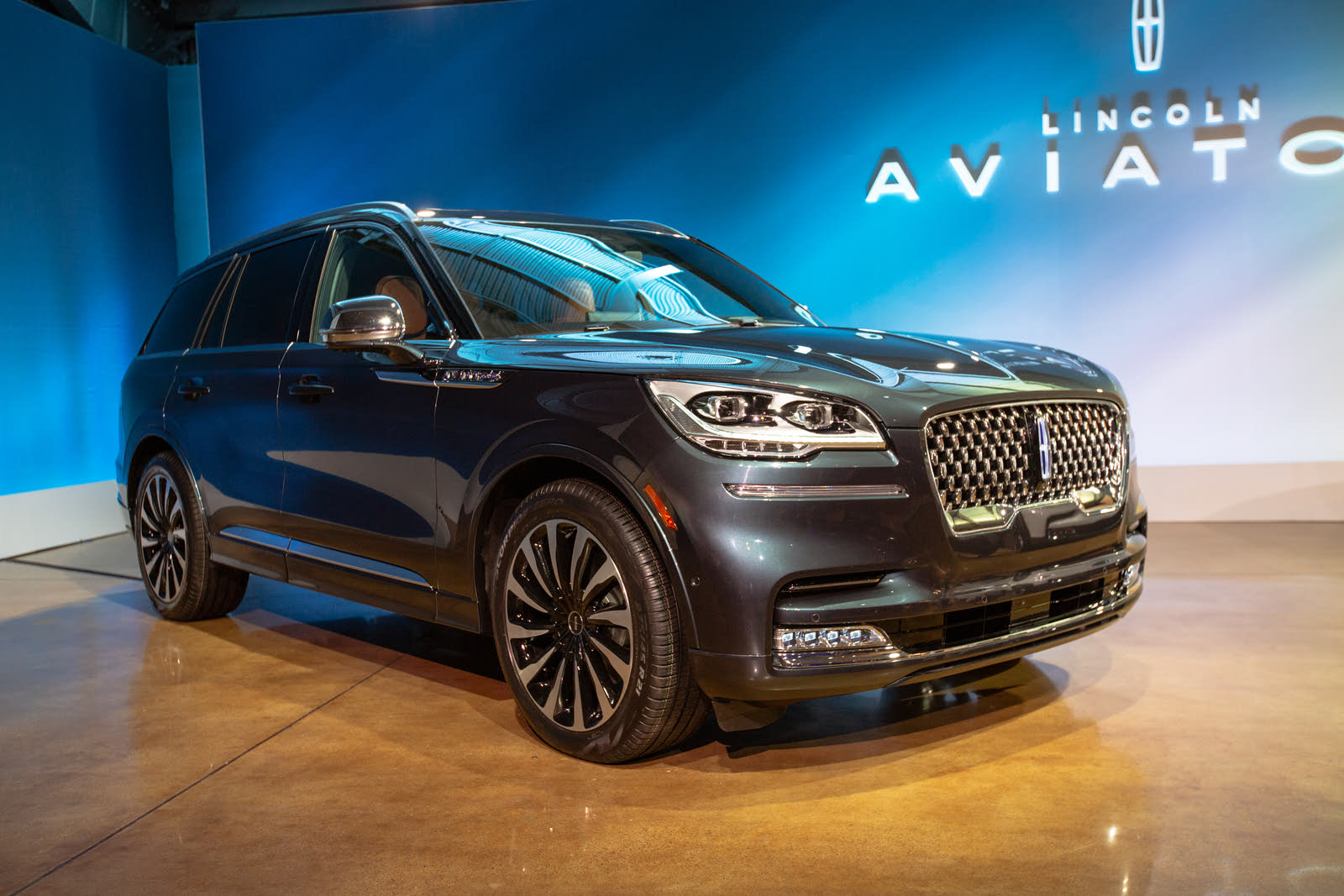
According to CarGurus experts, the overall rating for the 2020 Hyundai Palisade is 8.2 out of 10, while the 2020 Lincoln Aviator scores 8.2 out of 10. Both vehicles offer impressive features and performance, but the final recommendation leans towards the Hyundai Palisade for its combination of space, safety, and user-friendly technology.
Choose the 2020 Lincoln Aviator if:
- You desire a powerful engine with impressive horsepower and torque.
- You prefer a luxurious interior with high-quality materials and unique touches.
- You want advanced technology features, including a fully digital instrument panel and a head-up display.






Choose the 2020 Hyundai Palisade if:
- You want a spacious and versatile 3-row SUV with ample cargo space.
- You appreciate a user-friendly infotainment system with plenty of standard tech features.
- You value top safety ratings and advanced driver-assistance systems.



CarGurus highlights
According to CarGurus experts, the overall rating for the 2020 Hyundai Palisade is 8.2 out of 10, while the 2020 Lincoln Aviator scores 8.2 out of 10. Both vehicles offer impressive features and performance, but the final recommendation leans towards the Hyundai Palisade for its combination of space, safety, and user-friendly technology.
Choose the 2020 Lincoln Aviator if:
Shop Now- You desire a powerful engine with impressive horsepower and torque.
- You prefer a luxurious interior with high-quality materials and unique touches.
- You want advanced technology features, including a fully digital instrument panel and a head-up display.









Choose the 2020 Hyundai Palisade if:
Shop Now- You want a spacious and versatile 3-row SUV with ample cargo space.
- You appreciate a user-friendly infotainment system with plenty of standard tech features.
- You value top safety ratings and advanced driver-assistance systems.






By: CarGurus + AI
At CarGurus, our team of experienced automotive writers remain at the heart of our content operation, conducting hands-on car tests and writing insightful guides that are backed by years of industry experience. To complement this, we are harnessing AI to make our content offering more diverse and more helpful to shoppers than ever. To achieve this, our AI systems are based exclusively on CarGurus content, ratings and data, so that what we produce is both unique to CarGurus, and uniquely helpful to car shoppers.