Nissan LEAF vs Chevrolet Volt
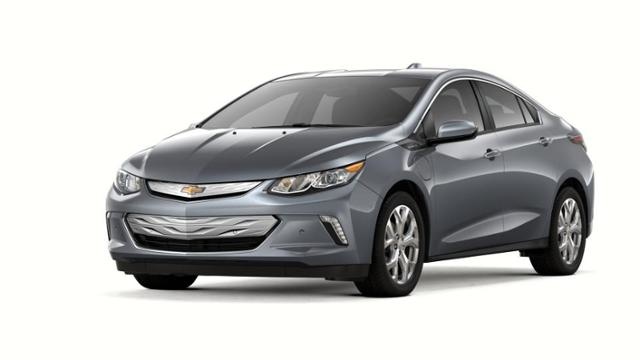
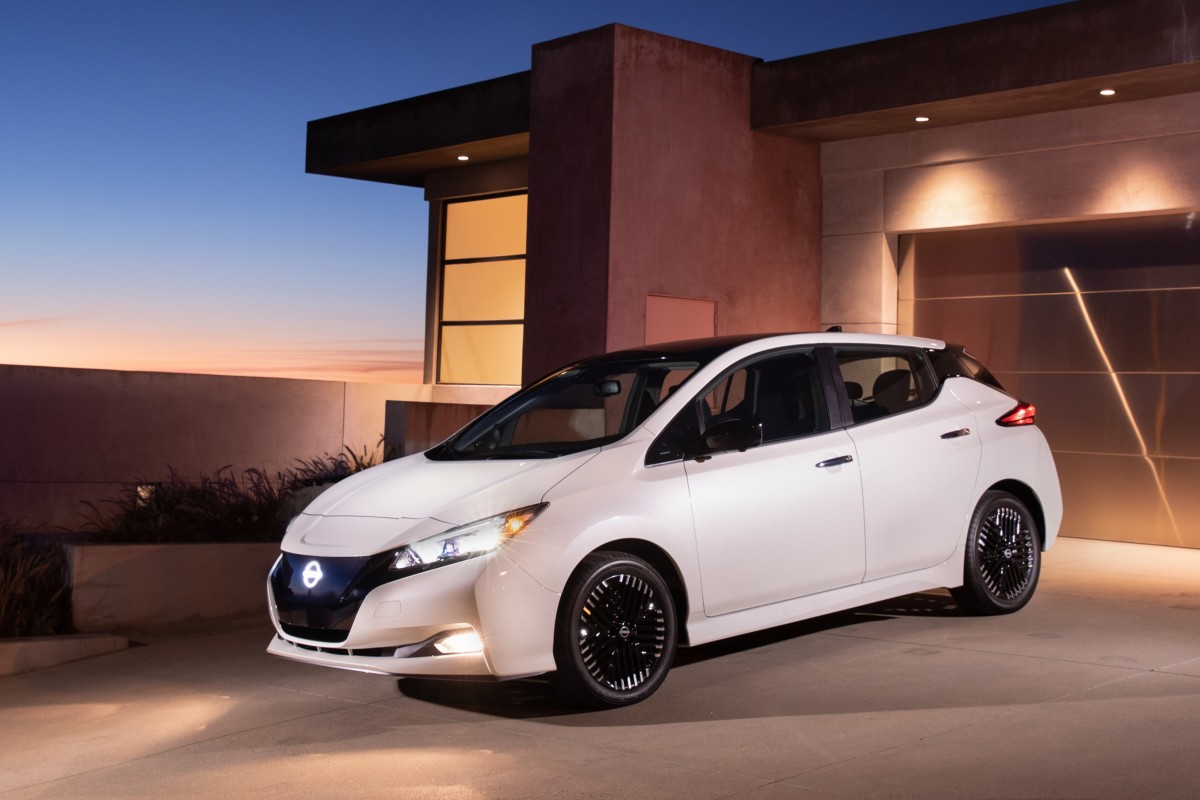
Overview | |
Years produced2011-2019 | Years produced2011-Present |
MSRP$33,170 | MSRP$29,990 |
Listings672 | Listings2338 |
Ratings & Reviews | |
User Reviews | User Reviews |
Expert reviews8.0 out of 10 | Expert reviews7.8 out of 10 |
Pros
Cons
| |
Reviews SummaryCompromises are inherently dissatisfying, but the redesigned 2016 Chevrolet Volt represents a rare exception to this rule. The Volt provides half the range of a traditional electric car and returns fewer miles per gallon than a Toyota Prius. This compromise, however, is brilliant, because the Volt’s special powertrain allows for electric mobility the majority of the time while completely eliminating a phenomenon known as “range anxiety.” | |
Reviews SummaryThe 2026 Nissan Leaf represents the latest redesign of Nissan’s pioneering EV since the 2017 model year. This third-generation Leaf boasts more range, up-to-date tech and charging hardware, and new styling that looks more crossover than hatchback. But where the original Leaf was pioneering, the new Leaf returns to a mature segment populated by competent rivals from Chevrolet, Ford, Hyundai, Kia, Subaru, Toyota, and Volkswagen. Verdict: The new Leaf picks up where the old one left off with low pricing, and it only occasionally reminds you of that. | |
No video found | |
Popular Features & Specs | |
Engine1.5L 149 hp I4 Hybrid | Engine214 hp Electric |
Drive TrainFWD | Drive TrainFWD |
Seating Capacity5 | Seating Capacity5 |
EV Battery Capacity18 kWh | EV Battery Capacity75 kWh |
MPG City113 | MPG City131 |
MPG Highway99 | MPG Highway111 |
Battery Charge Time (240V)4.5 hours | Battery Charge Time (240V)12 hours |
Engine | |
Engine Name1.5L 149 hp I4 Hybrid | Engine Name214 hp Electric |
Battery Charge Time (240V)4.5 hours | Battery Charge Time (240V)12 hours |
DrivetrainFWD | DrivetrainFWD |
Fuel Economy | |
EV Battery Capacity18 kWh | EV Battery Capacity75 kWh |
MPG City113 | MPG City131 |
MPG Highway99 | MPG Highway111 |
Interior | |
Seating Capacity5 | Seating Capacity5 |
Dimensions & Capacity | |
Cargo Space10.6 cu ft | Cargo Space20.0 cu ft |
Curb Weight3543 lbs | Curb Weight4187 lbs |
Height56.4 in | Height61.3 in |
Length180.4 in | Length173.4 in |
Width71.2 in | Width82.6 in |
Wheelbase106.1 in | Wheelbase105.9 in |
Maximum Payload | Maximum Payload1115 lbs |
Number of doors4 | Number of doors4 |
Overview | ||
Years produced | 2011-2019 | 2011-Present |
MSRP | $33,170 | $29,990 |
Listings | ||
Ratings & Reviews | ||
User reviews | ||
Expert reviews | 8.0 out of 10Read full review | 7.8 out of 10Read full review |
Pros & cons | Pros
Cons
| |
Summary | Compromises are inherently dissatisfying, but the redesigned 2016 Chevrolet Volt represents a rare exception to this rule. The Volt provides half the range of a traditional electric car and returns fewer miles per gallon than a Toyota Prius. This compromise, however, is brilliant, because the Volt’s special powertrain allows for electric mobility the majority of the time while completely eliminating a phenomenon known as “range anxiety.” | The 2026 Nissan Leaf represents the latest redesign of Nissan’s pioneering EV since the 2017 model year. This third-generation Leaf boasts more range, up-to-date tech and charging hardware, and new styling that looks more crossover than hatchback. But where the original Leaf was pioneering, the new Leaf returns to a mature segment populated by competent rivals from Chevrolet, Ford, Hyundai, Kia, Subaru, Toyota, and Volkswagen. Verdict: The new Leaf picks up where the old one left off with low pricing, and it only occasionally reminds you of that. |
Video | No video found | |
Popular Features & Specs | ||
Engine | 1.5L 149 hp I4 Hybrid | 214 hp Electric |
Drive Train | FWD | FWD |
Seating Capacity | 5 | 5 |
EV Battery Capacity | 18 kWh | 75 kWh |
MPG City | 113 | 131 |
MPG Highway | 99 | 111 |
Battery Charge Time (240V) | 4.5 hours | 12 hours |
Engine | ||
Engine Name | 1.5L 149 hp I4 Hybrid | 214 hp Electric |
Battery Charge Time (240V) | 4.5 hours | 12 hours |
Drivetrain | FWD | FWD |
Fuel Economy | ||
EV Battery Capacity | 18 kWh | 75 kWh |
MPG City | 113 | 131 |
MPG Highway | 99 | 111 |
Interior | ||
Seating Capacity | 5 | 5 |
Dimensions & Capacity | ||
Cargo Space | 10.6 cu ft | 20.0 cu ft |
Curb Weight | 3543 lbs | 4187 lbs |
Height | 56.4 in | 61.3 in |
Length | 180.4 in | 173.4 in |
Width | 71.2 in | 82.6 in |
Wheelbase | 106.1 in | 105.9 in |
Maximum Payload | 1115 lbs | |
Number of doors | 4 | 4 |













By: CarGurus + AI
At CarGurus, our team of experienced automotive writers remain at the heart of our content operation, conducting hands-on car tests and writing insightful guides that are backed by years of industry experience. To complement this, we are harnessing AI to make our content offering more diverse and more helpful to shoppers than ever. To achieve this, our AI systems are based exclusively on CarGurus content, ratings and data, so that what we produce is both unique to CarGurus, and uniquely helpful to car shoppers.