Most electric vehicles on the market have preconditioning capabilities, which can refer to two things: Warming up or cooling down the passenger compartment prior to your departure (aka cabin preconditioning), and warming up or cooling down the high-voltage battery pack either before you leave or before you charge (aka battery preconditioning). There’s at least one EV — the Nissan Leaf — that does the former but not the latter. It’s in the minority, though.
What Does Preconditioning an EV Do?
- How Do I Precondition My EV’s Battery?
- When Should I Precondition My EV’s Battery?
- Why Do EV Batteries Need Preconditioning?
- Will Preconditioning Affect My EV’s Range?
- Why Is Cabin Preconditioning Important?
How Do I Precondition My EV’s Battery?
Every manufacturer has its own way of doing things, but most electric vehicles have a battery preconditioning setting buried somewhere in the infotainment system. The owner’s manual should detail the procedure.
In a Tesla, if you select a Supercharger station as the destination in the navigation system, the vehicle will automatically start preconditioning the battery — assuming there’s enough juice left to do so.
Moreover, if you have a predictable schedule and leave the house at a certain time each day, you can usually program your electric car to optimize the battery temperature (and cabin climate) to align with your departure time.
If you live a more flexible life, you can still enable battery preconditioning ahead of your travels without much effort. Many manufacturers allow EV owners to schedule a departure time remotely via a smartphone app. Just set a reminder on your phone for, say, 30 minutes before you intend to leave, then tap a couple of settings in the linked app to prep your ride. (The time it takes will vary based on the weather conditions and the battery’s state of charge.)

When Should I Precondition My EV’s Battery?
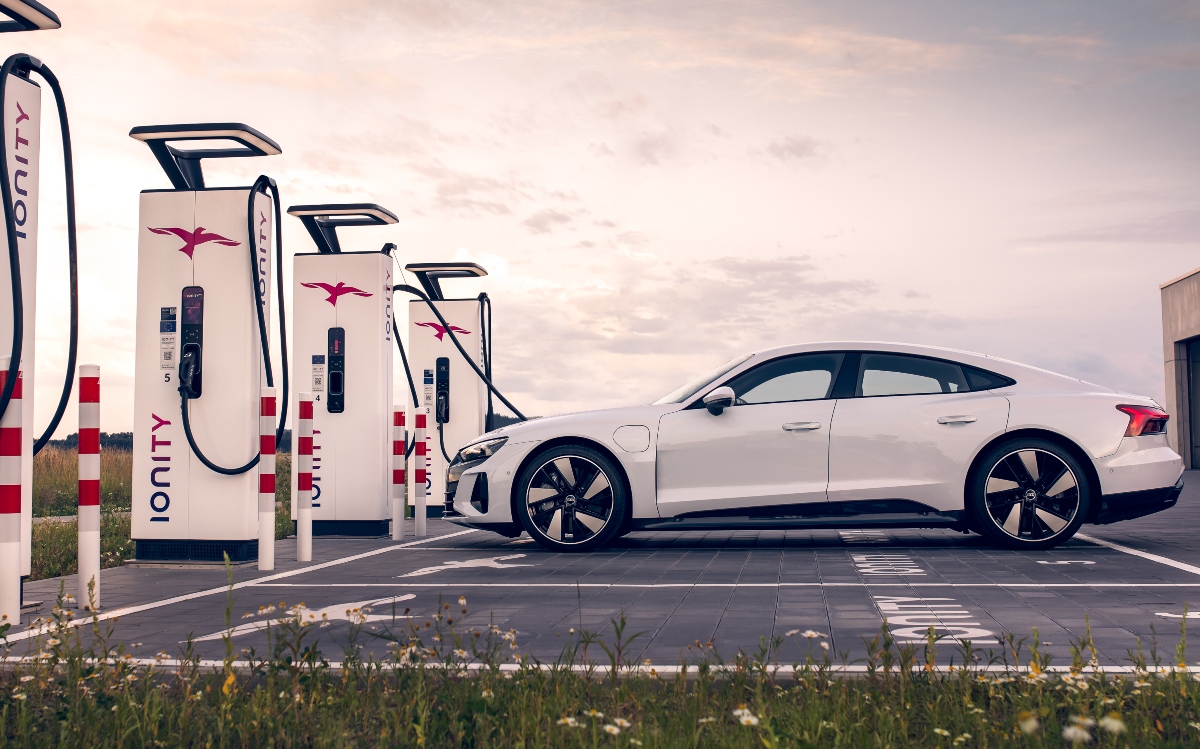
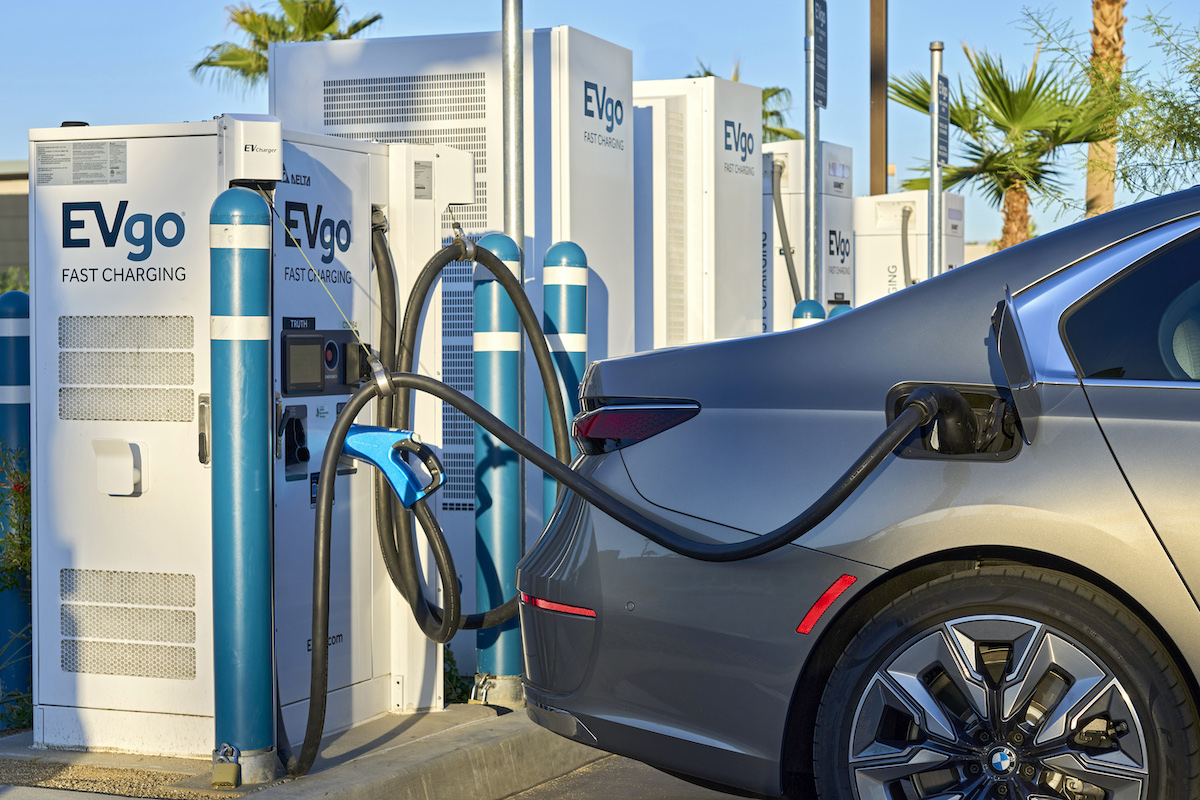
You should precondition your electric car’s battery whenever you’re facing cold weather or hot weather — but especially during the cold winter months. It’s also a good idea to do it on your way to a DC fast-charging station. That’s because fast-chargers bypass the vehicle’s onboard charger and supply direct current, er, directly to the battery. If the pack isn’t warmed up, it’ll struggle to accept that power, resulting in a very slow charging rate.
(For reference, Level 1 and 2 stations supply alternating current, which the EV’s onboard charger converts to DC; this puts less strain on the pack and may better preserve battery life compared with DC fast-charging, though the jury is still out on that.)
Why Do EV Batteries Need Preconditioning?
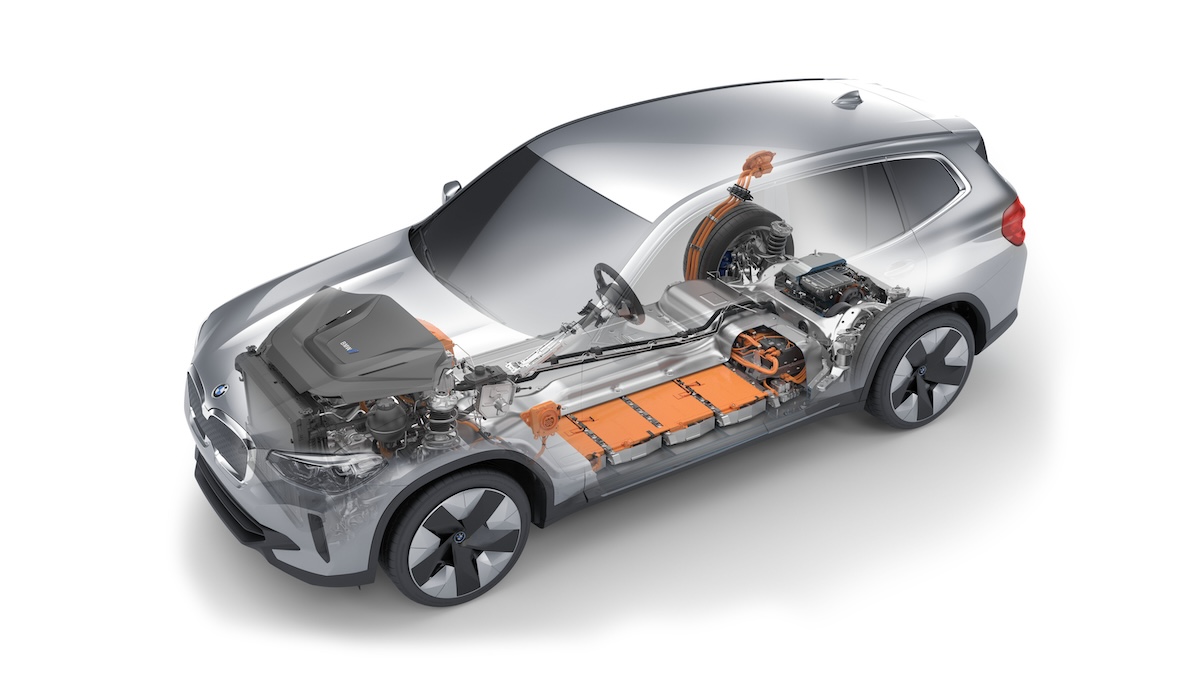
Batteries generate electricity via a chemical reaction where electrons travel from one electrode to another. When the outside temperature is really hot or really cold, that chemical reaction slows down considerably. This affects the battery’s charging rate — both from external sources and through regenerative braking — and will negatively impact EV range. It also affects how quickly it can supply the electric motor(s) with electricity, which can sap vehicle performance.
Will Preconditioning Affect My EV’s Range?
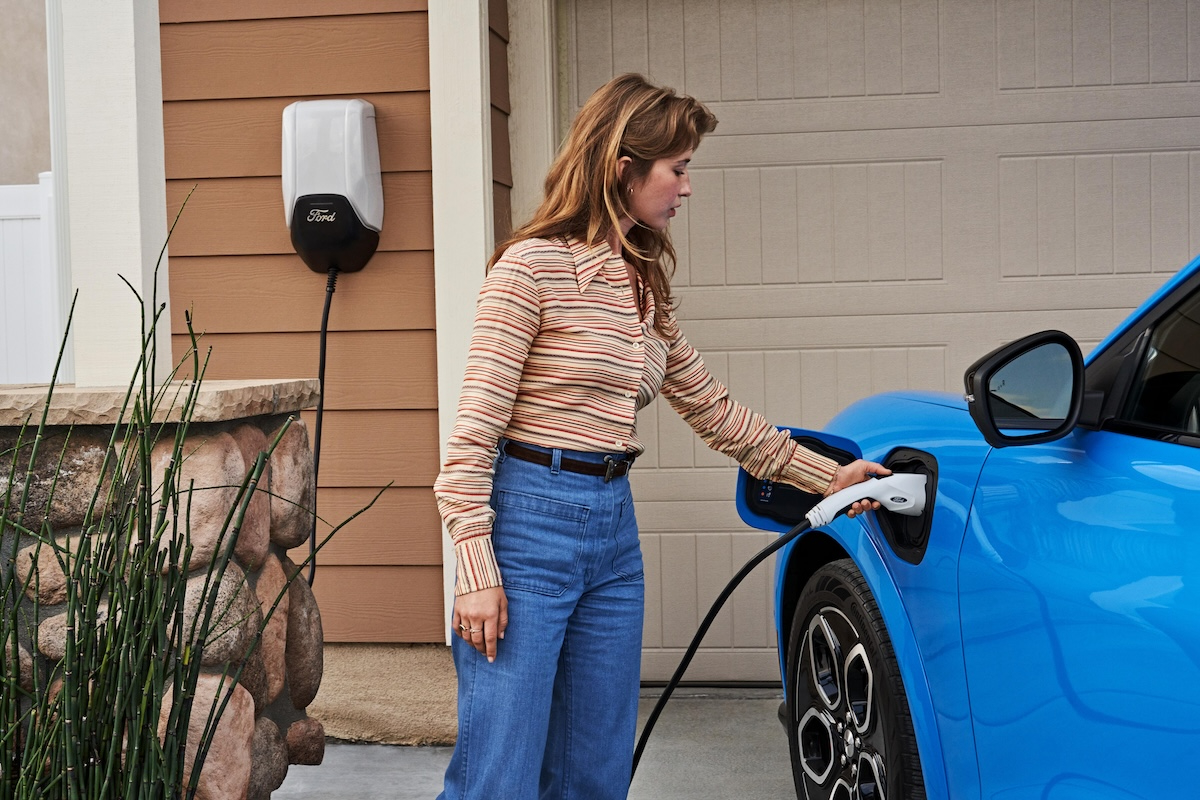
If you precondition your EV while it’s plugged in, the car will use the external power source — rather than battery power — to heat or cool the lithium-ion pack as well as the passenger compartment. That means you can drive away from the station or your home charging setup with a full charge, a comfortable cabin, and a battery operating at the optimal temperature to maximize performance under the current weather conditions.
If you precondition the pack without plugging in or while on the move, the electricity needed to run the battery’s thermal management system would have to come from the battery itself. That leaves less juice for propulsion duty, dropping range.
Why Is Cabin Preconditioning Important?
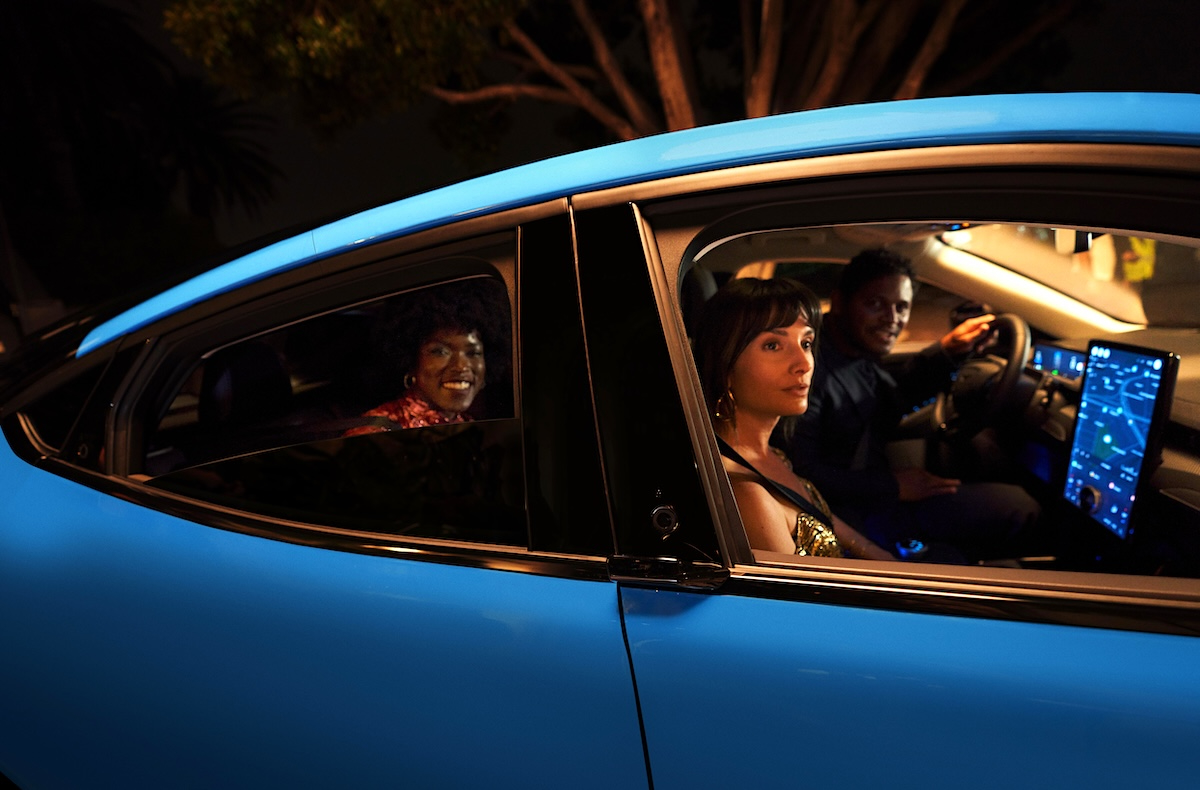
Unlike gas-powered cars, which use residual heat from the engine to warm the car’s interior, electric vehicles have to rely on electricity to power the heaters (and air conditioning) and keep the cabin temperature comfortable. It makes sense, then, to do this while your electric car is charging, because the car will draw from the grid – rather than the battery – to make the cabin cozy.
Some plug-in-hybrid vehicles, such as the 2025 BMW X5 xDrive50e, also take advantage of cabin preconditioning so that, when you turn on the fully charged vehicle, it doesn’t have to waste battery power (and sacrifice its limited electric range) on climate control.