Choosing the first car for a teen driver is a major milestone, and for most parents, safety is the number one priority. Inexperienced drivers are statistically more likely to be involved in accidents, which makes a vehicle's ability to protect its occupants and even help avoid a crash in the first place critically important. Modern vehicles offer a host of advanced safety features that can provide an extra layer of protection, acting as a helpful co-pilot for a teen who is still developing road awareness and good habits. These systems can alert a driver to a potential collision, help them stay in their lane, and monitor blind spots.
This guide focuses on vehicles that deliver a strong combination of crashworthiness, crash-avoidance technology, and real-world usability. We've selected cars that not only earn high marks in independent safety tests from organizations like the Insurance Institute for Highway Safety (IIHS) and the National Highway Traffic Safety Administration (NHTSA), but also have predictable driving manners and straightforward controls that help reduce distraction. From compact sedans to small SUVs, these models provide practical, reliable, and, most importantly, safe transportation for the newest driver in your family.
What Makes CarGurus Best Cars Guides Different
The Safest Cars for Teen Drivers
FAQs
Shopping Tools
Related Topics
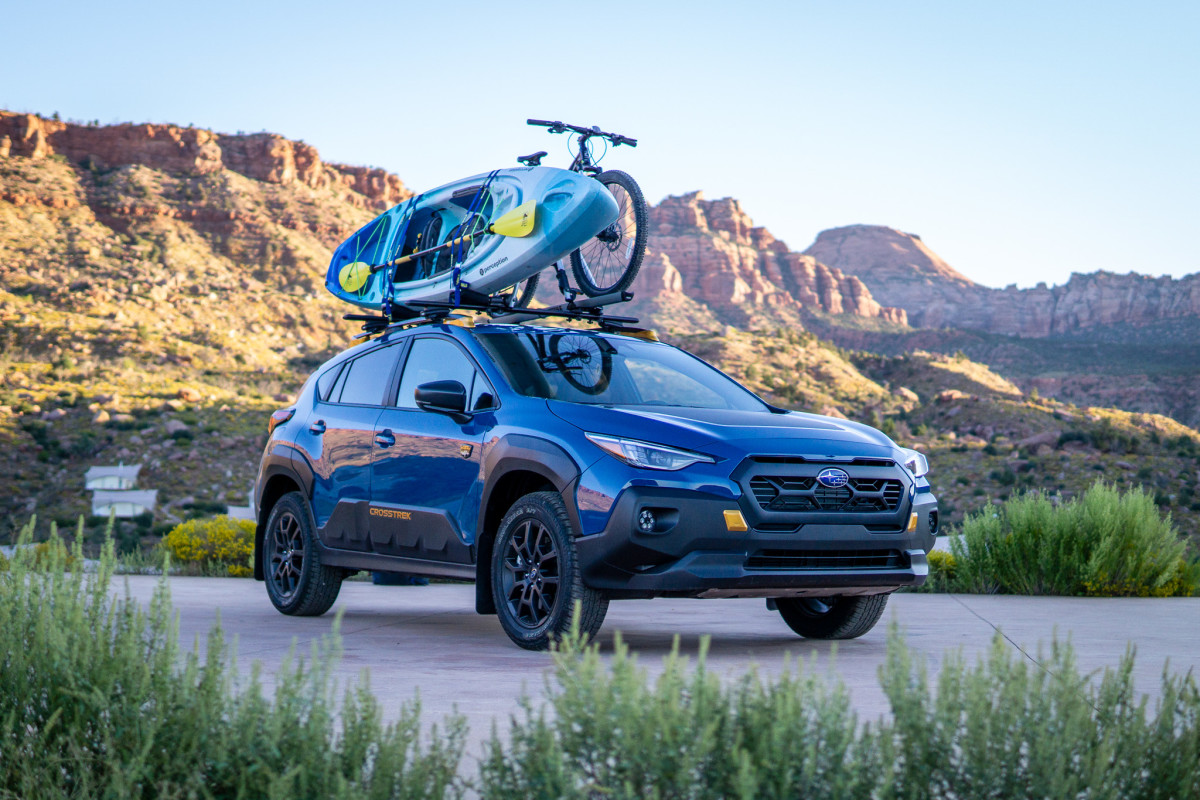
1. Subaru Crosstrek
CarGurus expert rating: 8 out of 10
CarGurus user rating: 4.6 out of 5
Percentage of Good and Great Deals available on CarGurus: 34.9%
Overall CarGurus rating: 4.6 out of 5
| Pros |
Cons |
| Standard all-wheel drive |
Underwhelming base engine |
| Impressive technology |
Interior materials feel cheap |
| Outstanding off-road capability in Wilderness trim |
|
The Subaru Crosstrek is a small SUV with a big emphasis on the safety fundamentals that matter for teen drivers, starting with standard symmetrical AWD for extra confidence in rain or snow. Subaru's EyeSight driver-assist suite comes standard and includes automatic emergency braking, lane-keeping assist, and adaptive cruise control; for 2024, EyeSight also uses a wider-angle lens to better "see" what's ahead, and it can add automatic emergency steering on vehicles equipped with blind-spot monitoring. The Crosstrek also has a long track record with the IIHS (Top Safety Pick recognition dating back to 2013 for the model line), and the prior-year 2023 Crosstrek earned a five-star overall rating from NHTSA—both reassuring data points for parents shopping for a first car.
Beyond crash-avoidance tech, the Crosstrek's easy-to-live-with nature helps reduce day-to-day stress for new drivers. It isn't particularly quick, whether you choose the 152-hp 2.0-liter (145 lb-ft of torque) or the 182-hp 2.5-liter (178 lb-ft of torque), and every Crosstrek uses a continuously variable transmission (CVT)—an unexciting setup, but one that encourages smoother, calmer driving. Inside, the available 11.6-inch touchscreen brings wireless Apple CarPlay and Android Auto (with physical controls for key functions like temperature and volume), while the cabin's durable, easy-clean materials and useful storage—plus 19.9 cubic feet of cargo space behind the rear seats and up to 54.7 cubic feet with them folded—fit real teen life, from sports gear to weekend trips. One caveat: in Massachusetts, Subaru removes certain connected features like remote start via the Starlink app, which may matter if you're planning to monitor or manage the vehicle remotely.
The CarGurus Verdict: "In the Crosstrek's third generation, we benefit from multiple engine options, a dazzling touchscreen, upgraded safety features, and a new Wilderness trim level that increases the tough little SUV's capability off-road. And, because this is Subaru, you can bet that it comes standard with symmetrical AWD." - Matt Smith
Read our most recent Subaru Crosstrek review

2. Honda Civic
CarGurus expert rating: 6.8 out of 10
CarGurus user rating: 4.5 out of 5
Percentage of Good and Great Deals available on CarGurus: 31.9%
Overall CarGurus rating: 4.5 out of 5
| Pros |
Cons |
| Choice of body styles |
All-wheel drive not available |
| Enjoyable to drive |
Noisy at speed |
| Premium interior materials |
Outdated technology |
The Civic's big safety win is that every 2026 model comes standard with Honda Sensing, including forward collision warning, automatic emergency braking, lane-departure warning, lane-keeping assist, and adaptive cruise control with low-speed Traffic Jam Assist. In NHTSA crash testing, the 2026 Civic sedan earns a five-star overall rating, including five stars for side impact and rollover resistance. Just note that blind-spot monitoring and rear cross-traffic alert aren't available on the base LX, so families shopping for a first car will want to start with Sport or higher to get those extra layers of collision avoidance.
The Civic is also easy to live with day to day, which matters when a new driver is learning routines and building confidence. Controls are straightforward, the cabin feels a step above many compact cars, and the trunk provides 14.8 cubic feet of cargo space for backpacks, sports gear, or weekend bags; a temporary spare under the floor adds peace of mind. The standard 150-hp 2.0-liter four-cylinder (133 lb-ft of torque) is adequate rather than quick, which can be a plus for teens, and fuel economy is rated at 31 mpg city/39 mpg highway/34 mpg combined; keep in mind that road noise at speed and the older infotainment setup can wear on longer drives, and all-wheel drive isn't offered.
The CarGurus Verdict: "You'll pay a premium to buy a Honda Civic. In many ways, it's worth the extra money. In others, not so much. Still, while there are better deals in the compact car class, few are as satisfying to drive, and that's true even when the Civic is equipped with its base engine." - Christian Wardlaw
Read our most recent Honda Civic review
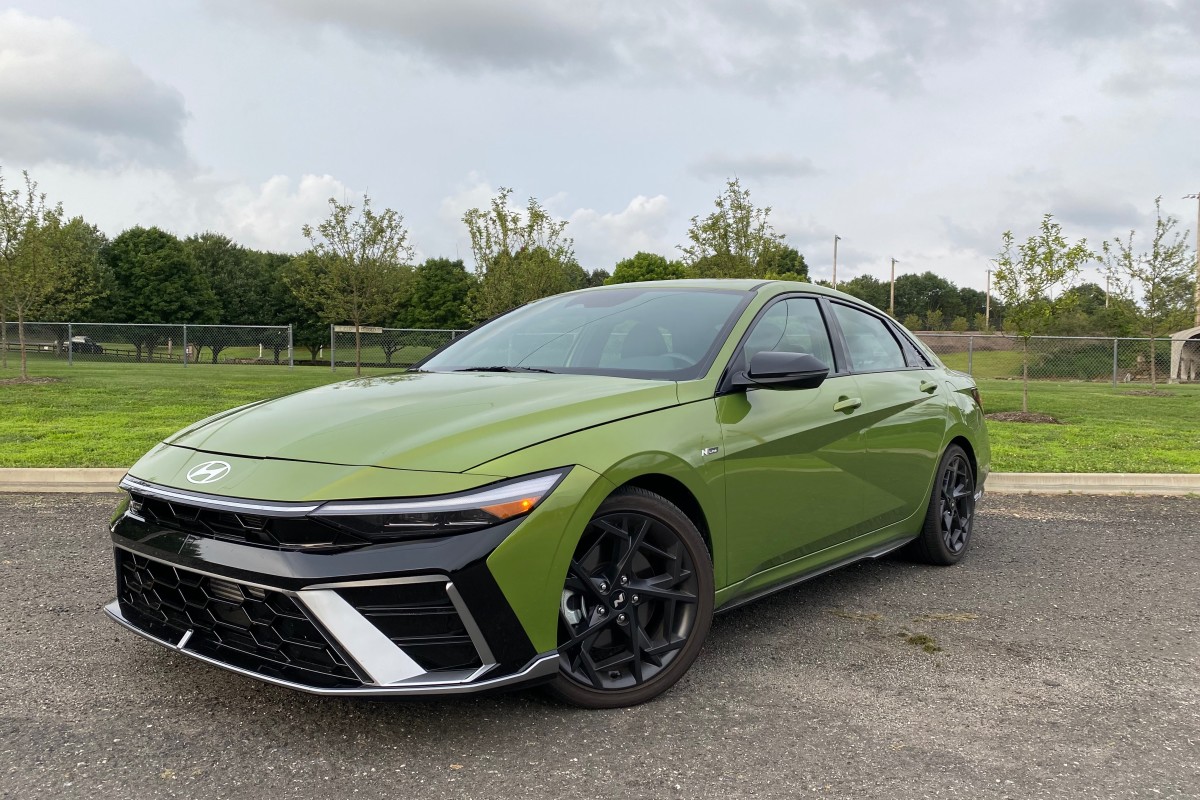
3. Hyundai Elantra
CarGurus expert rating: 7.3 out of 10
CarGurus user rating: 4.4 out of 5
Percentage of Good and Great Deals available on CarGurus: 32.9%
Overall CarGurus rating: 4.5 out of 5
| Pros |
Cons |
| Multiple powertrain options |
Potentially polarizing design |
| Stylish design |
Underwhelming base engine |
| Manual transmission available |
Interior materials feel cheap |
The Elantra earned a five-star overall rating from the NHTSA and an IIHS Top Safety Pick designation for 2026. On the driver-assistance front, the Elantra does a lot of the basics right for a young driver and their parents—forward automatic emergency braking with pedestrian detection, lane-keep assist, driver attention monitoring, blind-spot monitoring with rear cross-traffic alert, and automatic high beams are standard on SE and even the performance-focused N. Step up to SEL with the Convenience Package or the Limited and you can add adaptive cruise control plus cyclist detection and front cross-traffic alert, while the Limited also brings extras like a 360-degree camera system, parking sensors, rear emergency braking, and Highway Driving Assist for steadier highway miles.
Beyond crash scores and driver aids, the Elantra is an easy car to live with and easy to drive smoothly, which matters when a new driver is building good habits. Visibility is described as good in all directions from the front seats, and the cabin keeps a helpful mix of physical controls (including dedicated climate controls and a conventional PRNDL shifter) so drivers spend less time digging through menus. Practicality is also a plus for school, sports, and weekend trips: the trunk holds 14.2 cubic feet and 60/40 folding rear seats are standard. If you're shopping for value, the Elantra's low starting price, three years of maintenance, and a five-year/60,000-mile warranty can help keep teen-driver costs predictable, though it's worth noting the base 147-hp engine can feel weak and loud at highway speeds if your teen will be doing a lot of merging and passing.
The CarGurus Verdict: "Get past the strange bodywork and plasticky interior, and you'll find a well-mannered sedan that is equally adept at being comfortable and economical as it is sporty and truly entertaining." - Clifford Atiyeh
Read our most recent Hyundai Elantra review

4. Mazda CX-30
CarGurus expert rating: 7 out of 10
CarGurus user rating: 4.7 out of 5
Percentage of Good and Great Deals available on CarGurus: 37.8%
Overall CarGurus rating: 4.5 out of 5
| Pros |
Cons |
| Stylish design |
Cramped back seat |
| Fun to drive |
Not much cargo space |
| Great safety ratings |
Unintuitive infotainment interface |
For teen drivers, the 2026 Mazda CX-30 pairs a small-footprint crossover shape with a reputation for strong safety performance, and that “stylish, speedy, safe, and really small” personality can be a plus in day-to-day commuting. The higher seating position and easy-to-place size help new drivers feel more confident in traffic and tight parking situations, while the CX-30’s strong user rating suggests many owners are happy living with it.
That said, parents should think through the real-world tradeoffs. A cramped back seat can make it less ideal for carpool duty, and limited cargo space may be a drawback for sports gear or school projects. Also, the infotainment interface is described as unintuitive—worth a driveway walkthrough with your teen so basics like audio, navigation, and phone connectivity don’t become distractions while driving.
The CarGurus Verdict: "The 2026 Mazda CX-30 is stylish, speedy, safe, and really small." - Christian Wardlaw
Read our most recent Mazda CX-30 review
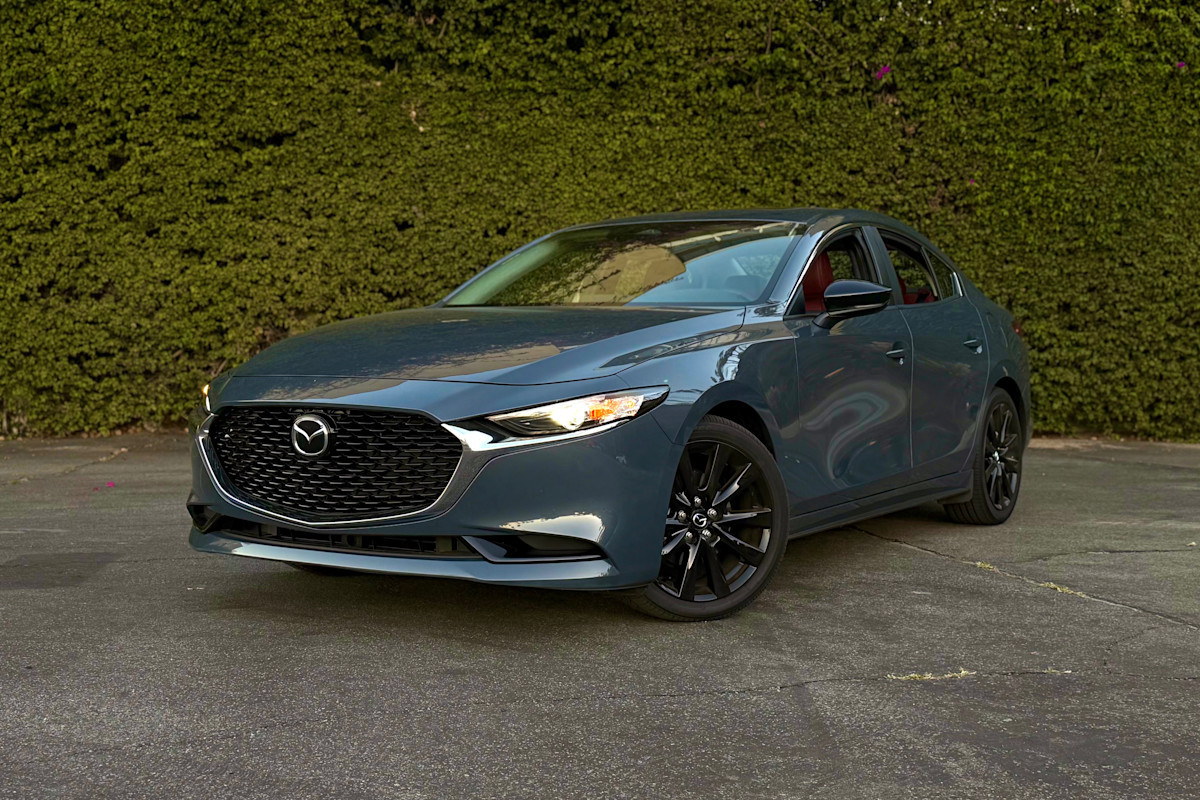
5. Mazda Mazda3
CarGurus expert rating: 6.5 out of 10
CarGurus user rating: 4.6 out of 5
Percentage of Good and Great Deals available on CarGurus: 32.5%
Overall CarGurus rating: 4.5 out of 5
| Pros |
Cons |
| Available all-wheel drive |
Underwhelming base engine |
| Stylish design |
Cramped back seat |
| Fun to drive |
Outdated technology |
The 2026 Mazda Mazda3 earns top crash-test results, with a five-star overall rating from the NHTSA and a Top Safety Pick+ award from the IIHS. Every Mazda3 also comes with a solid roster of standard driver-assistance tech (forward collision warning with automatic emergency braking, adaptive cruise control, lane-departure warning, lane-keep assist, and automatic high beams), which can help reduce the odds of the most common new-driver mistakes. That said, it's worth knowing that in our experience the adaptive cruise control could react late to slowing traffic, sometimes braking harder than expected—something parents may want to test on a thorough test drive.
Beyond safety features, the Mazda3's upscale, well-assembled cabin and simple controls can be a plus for new drivers who benefit from an environment that feels calm and easy to understand. The base 2.5-liter engine makes 191 hp and 186 lb-ft of torque, and while it isn't particularly quick, it's adequate for everyday driving; AWD is also available for added traction in bad weather. Practicality is the main trade-off: the back seat is tight for larger teens or carpools, and while the sedan's 13.2 cu-ft trunk is usable, families who haul sports gear may prefer the hatchback's 20.1 cu-ft of cargo space (while keeping in mind the hatchback's thicker rear pillars can create bigger blind spots).
The CarGurus Verdict: "The Mazda3 proves that small cars don't have to be boring." - Mark Takahashi
Read our most recent Mazda Mazda3 review
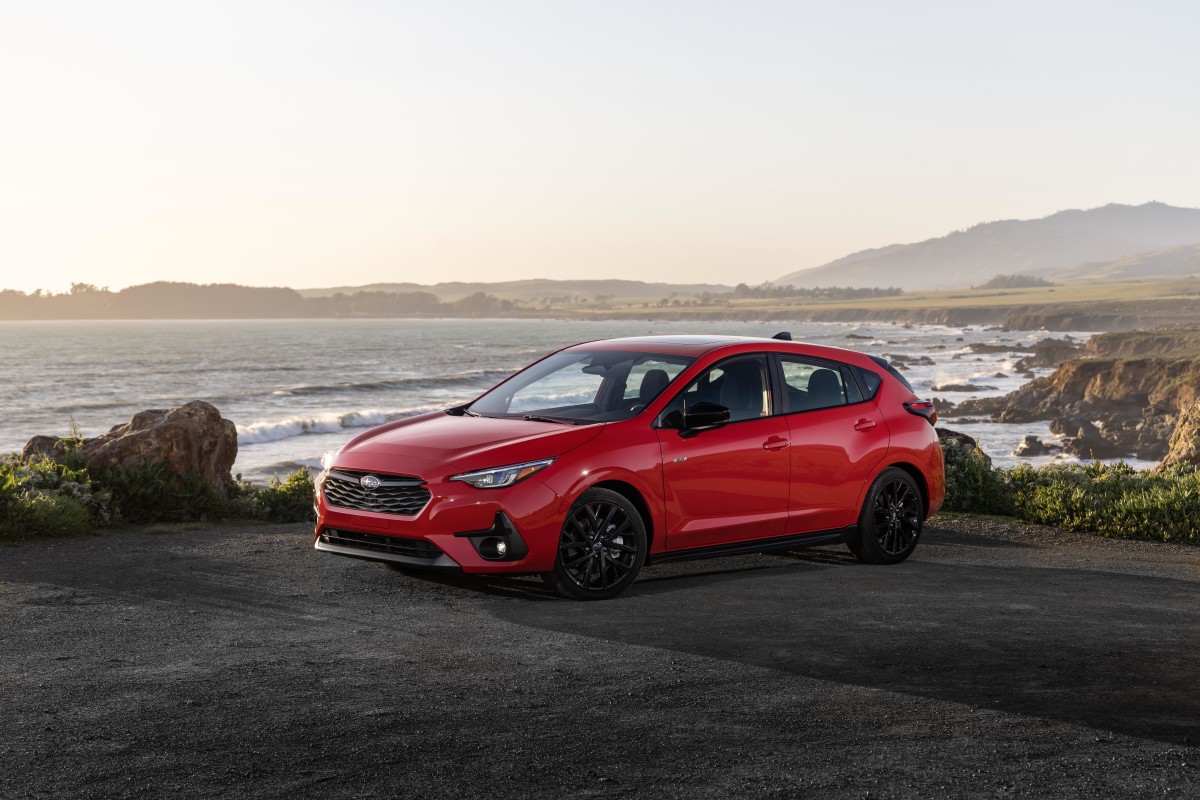
6. Subaru Impreza
CarGurus expert rating: 6.8 out of 10
CarGurus user rating: 4.6 out of 5
Percentage of Good and Great Deals available on CarGurus: 33.1%
Overall CarGurus rating: 4.5 out of 5
| Pros |
Cons |
| Standard all-wheel drive |
More of a refresh than a full redesign |
| Fun to drive |
|
| Excellent value for money |
|
The Subaru Impreza's biggest everyday safety advantage is that every trim comes standard with Subaru's EyeSight driver-assist suite, including forward collision warning with automatic emergency braking, adaptive cruise control, lane-departure warning, and lane-centering. The RS trim adds available safety tech parents often prioritize for new drivers—blind-spot monitoring with rear cross-traffic alert, plus lane-keep assist and automatic emergency steering—while our testing found the systems worked smoothly without being overly intrusive. Official NHTSA and IIHS crash-test results weren't available at the time of this review, but Subaru is targeting an IIHS Top Safety Pick award.
Beyond the active safety aids, the Impreza is easy to live with in the ways that matter for new drivers: controls are logically placed, outward visibility is helped by narrow front roof pillars, and the infotainment setup emphasizes big, intuitive on-screen buttons with physical knobs for key functions. Apple CarPlay and Android Auto are standard (wireless on Sport and RS), which can help teens keep navigation and communication simple without fumbling for apps. Standard AWD can also help with confident traction in poor weather, and the hatchback layout is practical for school gear and sports—up to 20.4 cubic feet of cargo space behind the rear seats and 56 cubic feet with the rear seatbacks folded—while still keeping purchase costs in check, starting at $24,085 including destination.
The CarGurus Verdict: "The Subaru Impreza has been reworked to improve upon its already strong credentials as an affordable all-wheel-drive economy car. This time around, the more powerful RS trim has been revived, adding some much needed driver excitement. Further bolstered with a comfortable ride and smart features, the new Impreza deserves your consideration." - Mark Takahashi
Read our most recent Subaru Impreza review

7. Toyota Corolla
CarGurus expert rating: 7 out of 10
CarGurus user rating: 4.3 out of 5
Percentage of Good and Great Deals available on CarGurus: 34.0%
Overall CarGurus rating: 4.5 out of 5
| Pros |
Cons |
| Comfortable |
Poor fuel economy |
| Impressive technology |
Noisy |
| Standard advanced safety features |
Stereo is lacking |
The Toyota Corolla is a smart, low-stress choice for teen drivers because it comes standard with Toyota Safety Sense 3.0, which bundles key crash-avoidance tech like forward collision warning with automatic emergency braking and pedestrian detection, lane-departure warning with lane-keeping and lane-centering assist, adaptive cruise control, and automatic high beams. It also earned five-star ratings in all NHTSA crash tests, plus a four-star rollover resistance rating, and every Corolla includes Safety Connect (with automatic collision notification and SOS emergency assistance) for extra peace of mind. One thing to watch: blind-spot monitoring and rear cross-traffic alert are optional on most trims, even though they're among the most effective features at reducing crashes.
Beyond safety tech, the Corolla's easygoing driving manners and good visibility help new drivers feel comfortable, and the cabin is straightforward and modern with available 10.5-inch infotainment plus wireless Apple CarPlay and Android Auto. Power from the 2.0-liter four-cylinder (169 hp, 151 lb-ft of torque) is enough for merging and highway driving without encouraging reckless speeds, and the sedan's 13.1 cu ft trunk handles school bags, sports gear, or a couple of full-size suitcases. Ownership costs should stay manageable thanks to Toyota's reputation for reliability, a simple drivetrain, two years/25,000 miles of complimentary scheduled maintenance, and a warranty that matches most rivals, though families may want to budget for better audio and keep in mind that road and wind noise can be noticeable.
The CarGurus Verdict: "The Toyota Corolla rightfully has a reputation for being boring. However, the current 12th-generation model is also more stylish, technologically advanced, and rewarding to drive than previous Corollas. The new-for-2025 Corolla FX sedan demonstrates that with exclusive design details and sport-tuned steering and suspension." - Christian Wardlaw
Read our most recent Toyota Corolla review

8. Toyota Prius
CarGurus expert rating: 6.7 out of 10
CarGurus user rating: 4.7 out of 5
Percentage of Good and Great Deals available on CarGurus: 32.0%
Overall CarGurus rating: 4.5 out of 5
| Pros |
Cons |
| Stylish design |
Real-world fuel economy falls short of EPA ratings |
| Easy-to-use technology |
Cramped back seat |
| Great safety ratings |
Not much cargo space |
The Prius puts safety tech front and center. Every 2025 Prius includes Toyota Safety Sense 3.0 with forward collision warning and automatic emergency braking, lane departure warning with lane-keeping and lane-centering assist, adaptive cruise control, and automatic high beams, plus standard blind-spot monitoring and rear cross-traffic alert. It also earns an IIHS Top Safety Pick+ award, and NHTSA gives it five stars in every crashworthiness test (with a four-star rollover rating), which is reassuring if this will be a first car shared with family members.
The Prius is also easy to live with day to day, with wireless Apple CarPlay and Android Auto on Toyota's Audio Multimedia touchscreen, and available parking aids like front and rear sensors with automatic low-speed braking—helpful because the low roofline and chunky rear cargo area can make it harder to judge the car's corners when parking. Power comes from a hybrid setup rated at 194 hp (196 hp with available AWD), which feels quick enough for confident merging without being overpowering. The trade-off for the sleek shape is space: the Nightshade Edition has 20.3 cubic feet of cargo room behind the rear seat, and the back seat is snug, so it works best for smaller teens or families that don't regularly carry tall rear passengers.
The CarGurus Verdict: "The point of the Toyota Prius is fuel economy, but our Prius Nightshade test car averaged 39.2 mpg, falling significantly short of the EPA estimate of 52 mpg in combined driving. That certainly isn't superior to roomier hybrid cars from Honda, Hyundai, or from within Toyota's own lineup." - Christian Wardlaw
Read our most recent Toyota Prius review
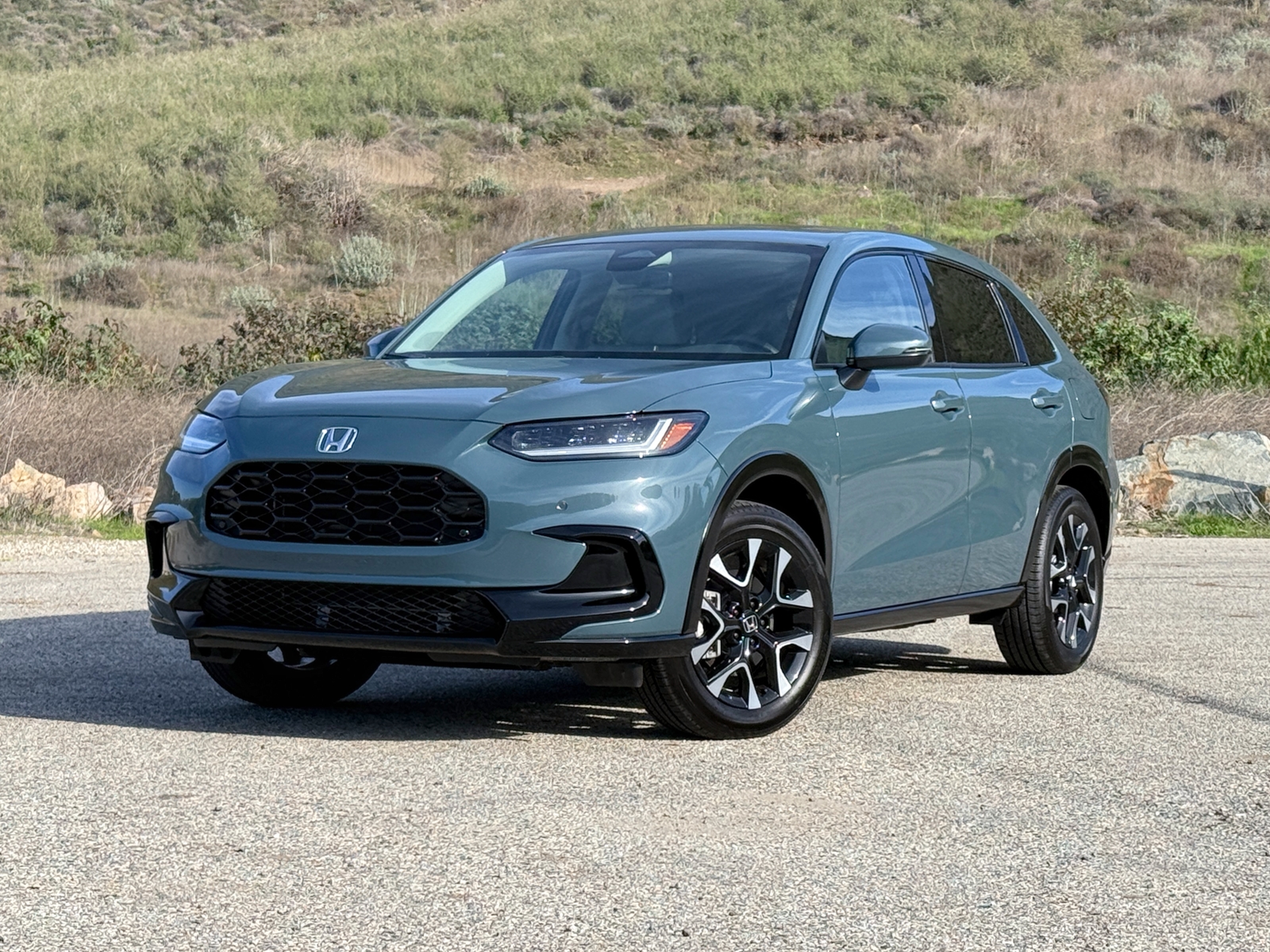
9. Honda HR-V
CarGurus expert rating: 5.3 out of 10
CarGurus user rating: 4.5 out of 5
Percentage of Good and Great Deals available on CarGurus: 33.1%
Overall CarGurus rating: 4.4 out of 5
| Pros |
Cons |
| Comfortable driver's seat |
Sluggish performance |
| Easy-to-use technology |
Poor fuel economy |
| Great safety ratings |
Uncomfortable back seat |
The 2026 Honda HR-V's biggest draw for parents shopping for their kids is that every trim comes with Honda Sensing, including automatic emergency braking, lane-keeping assist, lane-centering assist, adaptive cruise control, and traffic jam assist. It also earns favorable ratings from the NHTSA and the coveted Top Safety Pick+ award from the IIHS. That said, key everyday safety tech isn't standard across the board: Blind-spot monitoring with rear cross-traffic alert is reserved for Sport and EX-L trims, and our driving experience revealed moments where the adaptive cruise control and related systems reacted inconsistently and needed quick driver intervention.
Parents should also consider how the HR-V behaves in the real world when a new driver is behind the wheel. Its 2.0-liter four-cylinder makes 158 hp and 138 lb-ft of torque, and the HR-V's slow acceleration can make merges, short on-ramps, and passing maneuvers more stressful—situations where an inexperienced driver benefits from predictable, confident response. On the plus side, Honda's updated 9-inch touchscreen with wireless Apple CarPlay and Android Auto is straightforward to use, and the HR-V's tidy footprint and available parking sensors (EX-L) can help in tight school parking lots, while the 24.4 cubic-foot cargo area is handy for backpacks, sports gear, and weekend errands.
The CarGurus Verdict: "The 2026 Honda HR-V is a simple, uncomplicated thing. And that’s its most appealing attribute." - Christian Wardlaw
Read our most recent Honda HR-V review
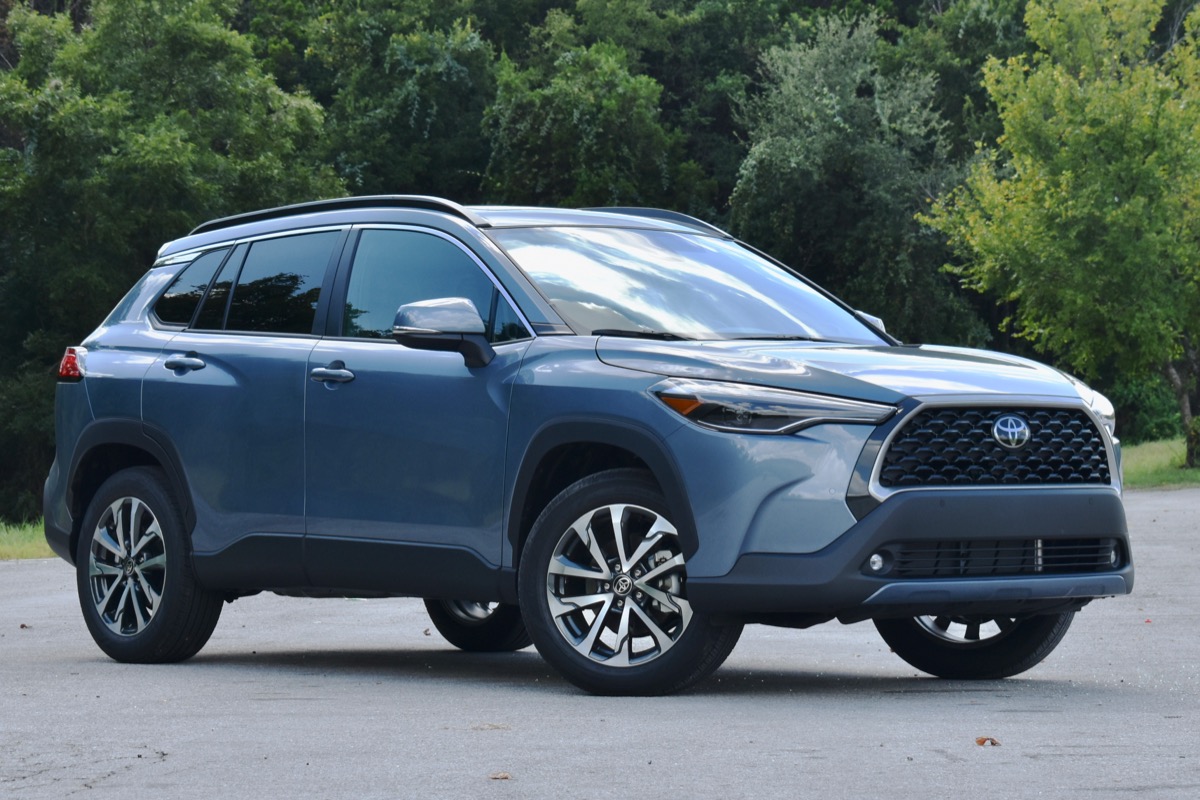
10. Toyota Corolla Cross
CarGurus expert rating: 6.7 out of 10
CarGurus user rating: 5 out of 5
Percentage of Good and Great Deals available on CarGurus: 35.8%
Overall CarGurus rating: 4.4 out of 5
| Pros |
Cons |
| Easy-to-use technology |
Fairly pedestrian performance |
| Standard advanced safety features |
Uncomfortable seats |
The Corolla Cross is Toyota's small crossover take on the familiar Corolla, and for teen-driver duty its biggest draw is the standard Toyota Safety Sense 2.0 suite. That means forward collision warning with automatic emergency braking, lane-departure warning, adaptive cruise control, automatic high beams, traffic-sign recognition, and Lane Tracing Assist lane centering are on every trim. If you can, stepping up to the LE adds blind-spot monitoring and rear cross-traffic alert, while XLE brings additional parking aids (front/rear park assist with automatic braking and rear automatic braking). Crash-test ratings from NHTSA and IIHS weren't available at the time of this review, which is worth keeping in mind if you're comparing safety scores across rivals.
For day-to-day usability, the Corolla Cross keeps things simple: a 7-inch touchscreen is standard (8-inch on LE/XLE), and Apple CarPlay and Android Auto come on every model, which helps teens (and parents) avoid fiddly setups. Power comes from a 2.0-liter four-cylinder rated at 169 hp and 150 lb-ft of torque with a CVT; performance is described as more functional than fun, which can be a plus for new drivers, though the CVT can drone and acceleration can feel delayed at highway speeds. It's also a practical size for school and activities, with 26.5 cubic feet of cargo space behind the rear seats in front-wheel drive (FWD) models (25.2 with AWD), and Toyota's pricing and included maintenance coverage (two years/25,000 miles) help keep operating costs predictable for a first vehicle.
The CarGurus Verdict: "The Corolla Cross doesn’t excel in any specific area, but it provides decent utility and is competitively priced. A more spacious interior and available AWD will also likely appeal to new-car buyers looking to trade up from a Corolla hatchback but wanting to stay with Toyota." - Stephen Edelstein
Read our most recent Toyota Corolla Cross review
Search for Toyota Corolla Cross
See all
The Safest Cars for Teen Drivers FAQs
What are the most important safety features for a teen driver?
Look for a car with a comprehensive suite of advanced driver-assistance systems (ADAS). The most critical features include forward collision warning with automatic emergency braking, blind-spot monitoring, and rear cross-traffic alert. These systems help prevent the most common types of accidents. Many cars on our list, like the Mazda CX-30 and Toyota Corolla, offer robust standard safety packages.
What do IIHS and NHTSA safety ratings mean?
The Insurance Institute for Highway Safety (IIHS) and the National Highway Traffic Safety Administration (NHTSA) are the two primary organizations that conduct independent crash testing in the United States. An IIHS Top Safety Pick or Top Safety Pick+ award indicates excellent performance in a wide range of crash tests. NHTSA uses a 5-Star Safety Ratings system, with five stars being the highest score. A car that scores well with both organizations, like the Mazda3 or Honda Civic, offers a high level of crash protection.
Is a bigger car or an SUV always safer for a teen?
Not necessarily. While larger, heavier vehicles can have an advantage in certain types of collisions, a modern small car or SUV with excellent crash-test ratings and advanced safety features can be a very safe choice. It's more important to focus on specific model ratings and features rather than just the vehicle's size. This list includes a mix of safe sedans, hatchbacks, and SUVs.
Should I get a car with all-wheel drive (AWD) for my teen?
AWD can provide extra traction and confidence when driving in rain, snow, or icy conditions. For families in colder climates, it's a valuable feature. Models like the Subaru Crosstrek and Impreza come standard with AWD. However, it's important to remember that AWD primarily helps with acceleration and does not improve braking or cornering on ice, so it is not a substitute for safe driving habits and good tires.
What Makes CarGurus Best Cars Guides Different?
Most car-shopping websites publish lists of the best cars across a variety of categories, with recommendations generally driven by editorial expertise. Here's what makes ours different: In addition to the insights and verdicts of our team of car-testing experts, our best cars guides take into account other factors that we know matter to buyers-real owner experiences and current market value.
Our expert reviewers are among this country's most trusted automotive journalists, also writing for publications including US News and World Report, Edmunds, Digital Trends, J.D. Power, and Car & Driver. They put each car through real-world testing and create detailed reviews of performance in a range of categories, from practicality and driving manners to cost-effectiveness and safety.
We also analyze hundreds of thousands of used car listings on CarGurus.com to track which models consistently offer the highest percentage of best deals relative to how many are listed for sale. Then we factor in reviews from owners-people who actually live with these cars every day. Our proprietary Best Cars algorithm then creates a final Overall CarGurus rating combining expert scores, user reviews, and the percentage of listings that have earned the Good or Great Deal rating. This multi-pronged approach reveals not just which cars excel on paper, but which ones deliver satisfaction and value when you're ready to buy.
The CarGurus market data used in this guide was last updated in October 2026. Values were accurate at time of publication and should be used as a guide only.
Shopping Tools
Related Topics