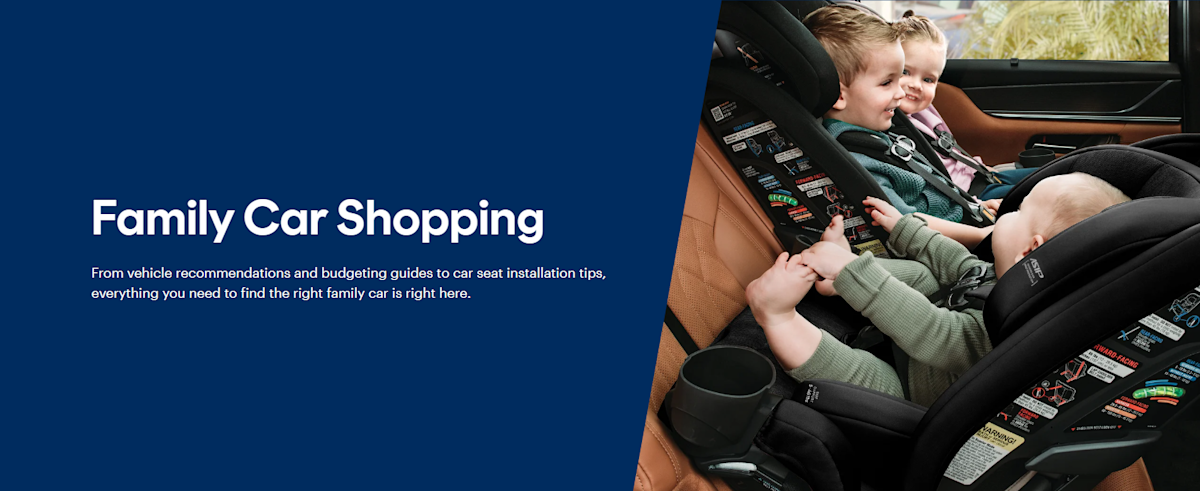
Shopping for a new or used car as a parent presents unique challenges that many buyers don't consider until they have firsthand experience. From door openings to LATCH anchors, the demands of family transportation extend far beyond cargo capacity and safety features.
The transition to parenthood often reveals that even well-considered vehicle choices may fall short of real-world family needs. A vehicle that seemed spacious for a couple can suddenly feel cramped when a rear-facing car seat is added to the second row. Conversely, that generous legroom that was once a boon in your midsize sedan might feel like a flaw now if it makes it harder to reach a crying baby in the back seat.
In short, what matters most in a vehicle can change abruptly when children enter the equation. Here, we’ve shared some important considerations for first-time parents to keep in mind when shopping for a new family car, as well as some of the vehicles that best address them.
CarGurus expert rating: 7.7 out of 10
CarGurus user rating: 4.6 out of 5
Percentage of Good and Great Deals available on CarGurus: 35.7%
Overall CarGurus rating: 4.6 out of 5
Pros
Cons
Comfortable ride
Modest acceleration and passing power
Good fuel economy
Upper trims less of a value
Upscale interior
Some rivals are sportier, more fun to drive
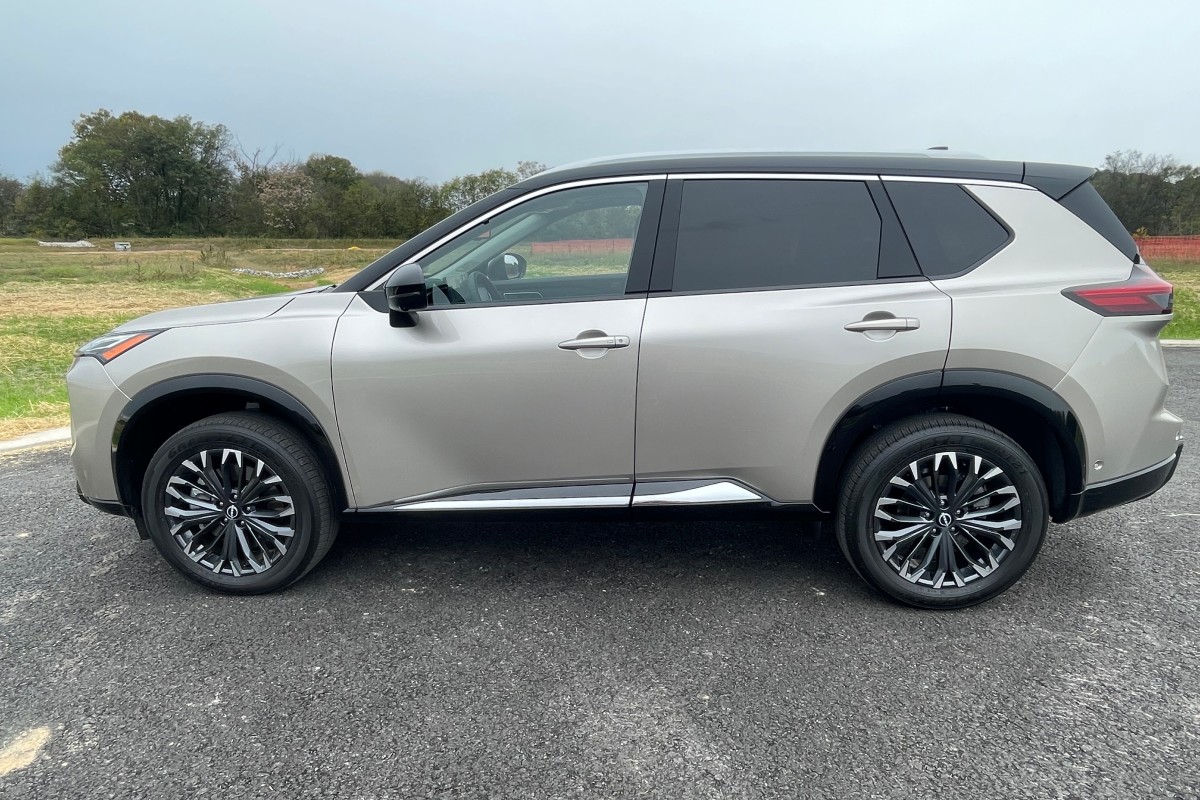
The Nissan Rogue strikes an ideal balance for growing families who need capability without excess. The Rogue excels in the details that matter most to parents. Specifically, doors that open wide but are not oversized make car seat installation manageable even in tight parking situations. The Rogue's sensible ride height means that parents don't need to bend down excessively when loading children or accessing the 31.6 cubic feet of cargo space you'll find behind the second-row seats. That's enough to accommodate the surprising amount of gear you need for even short trips with young children.
The widespread availability and reasonable pricing of the Nissan Rogue make it an accessible choice for families transitioning from smaller vehicles. And if you want to do some light off-roading in your new vehicle, you can take advantage of the Rogue Rock Creek’s standard all-wheel drive (AWD), all-terrain tires, surround-view camera system, and hill-descent control.
The CarGurus Verdict:"With its reasonable price tag and impressive array of comfort features and tech touches, the Rogue is aimed right at the heart of the compact SUV segment. This year’s improvements add a little more polish to the Rogue, particularly with the outdoorsy Rock Creek model and latest generation of Nissan’s hands-free highway driving technology. This is an extremely well-rounded choice, though not everything is perfect." - Nick Kurczewski
CarGurus expert rating: 8.2 out of 10
CarGurus user rating: 4.7 out of 5
Percentage of Good and Great Deals available on CarGurus: 33.1%
Overall CarGurus rating: 4.6 out of 5
Pros
Cons
Great ride quality
Cramped third row
Easy-to-use technology
Standard advanced safety features
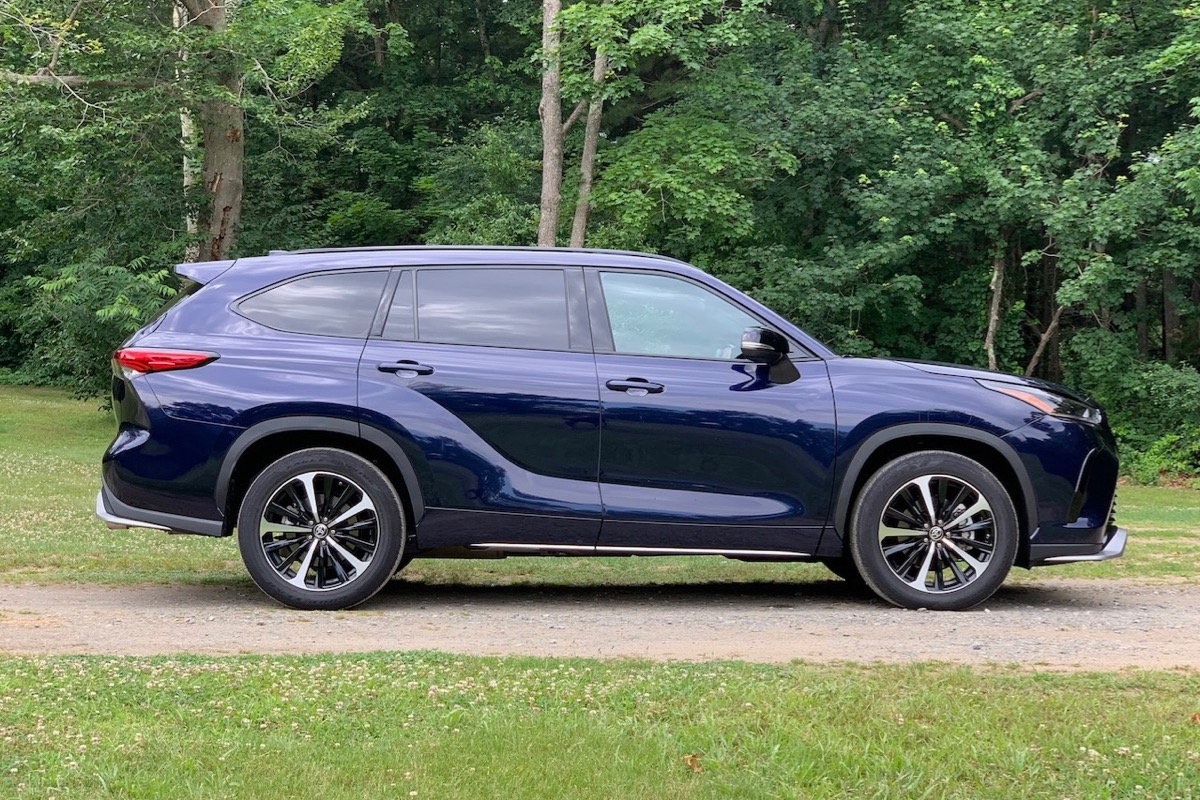
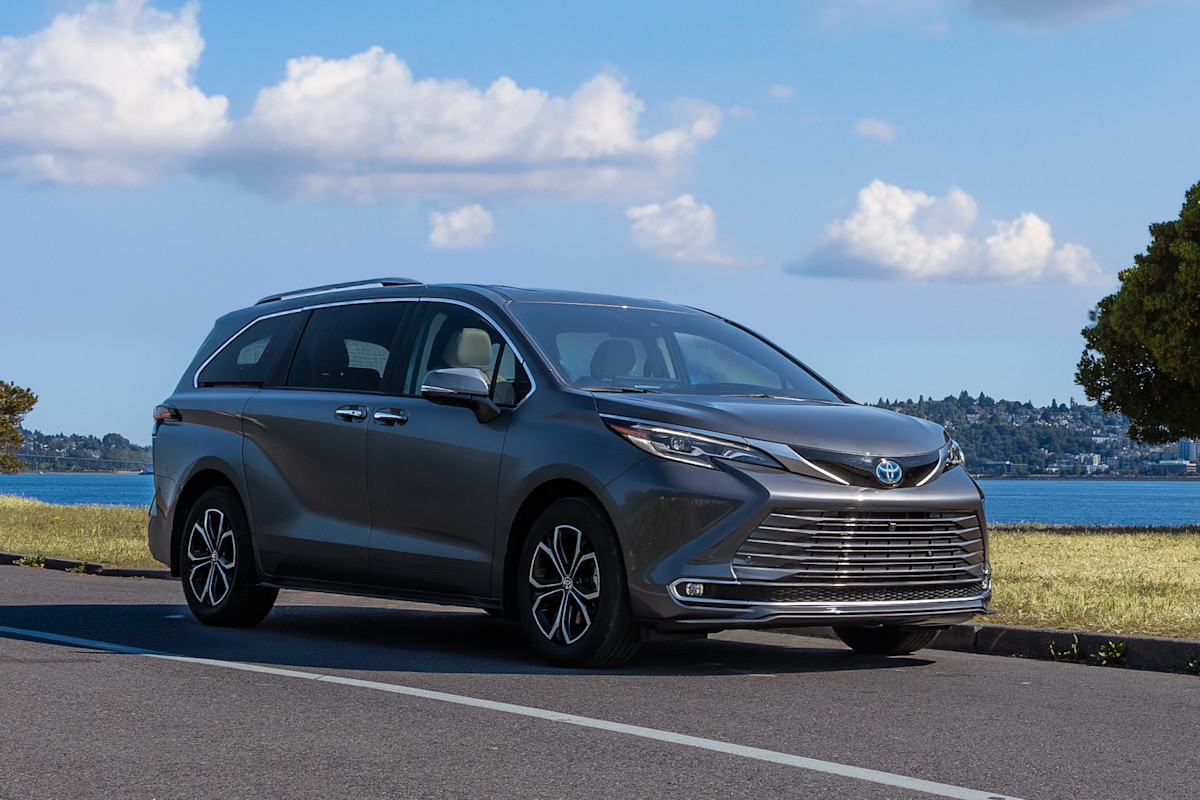
If you suspect you probably need a minivan but you just can’t quite stomach it, the Toyota Highlander might be a good option for you. It offers three rows, like the Sienna, and can also be had as an AWD hybrid, though this configuration is not standard for the midsize crossover. The Highlander consistently earns strong safety ratings, making it a compelling option for families.
If you’re looking for a vehicle your infant can one day take to college, it may help to know that Toyota is generally considered one of the most reliable car brands. Also consider the Toyota RAV4 for a smaller option or the Grand Highlander if you need more space.
The CarGurus Verdict:"There is a wide range of trims, features, and prices that make up the Highlander lineup. Depending on your needs and budget, there might be an ideal setup for your family. " - George Kennedy
CarGurus expert rating: 7.2 out of 10
CarGurus user rating: 4.6 out of 5
Percentage of Good and Great Deals available on CarGurus: 34.5%
Overall CarGurus rating: 4.5 out of 5
Pros
Cons
Strong off-road capabilities
Higher trim levels have diminishing returns
Comfortable
Plenty of cargo space
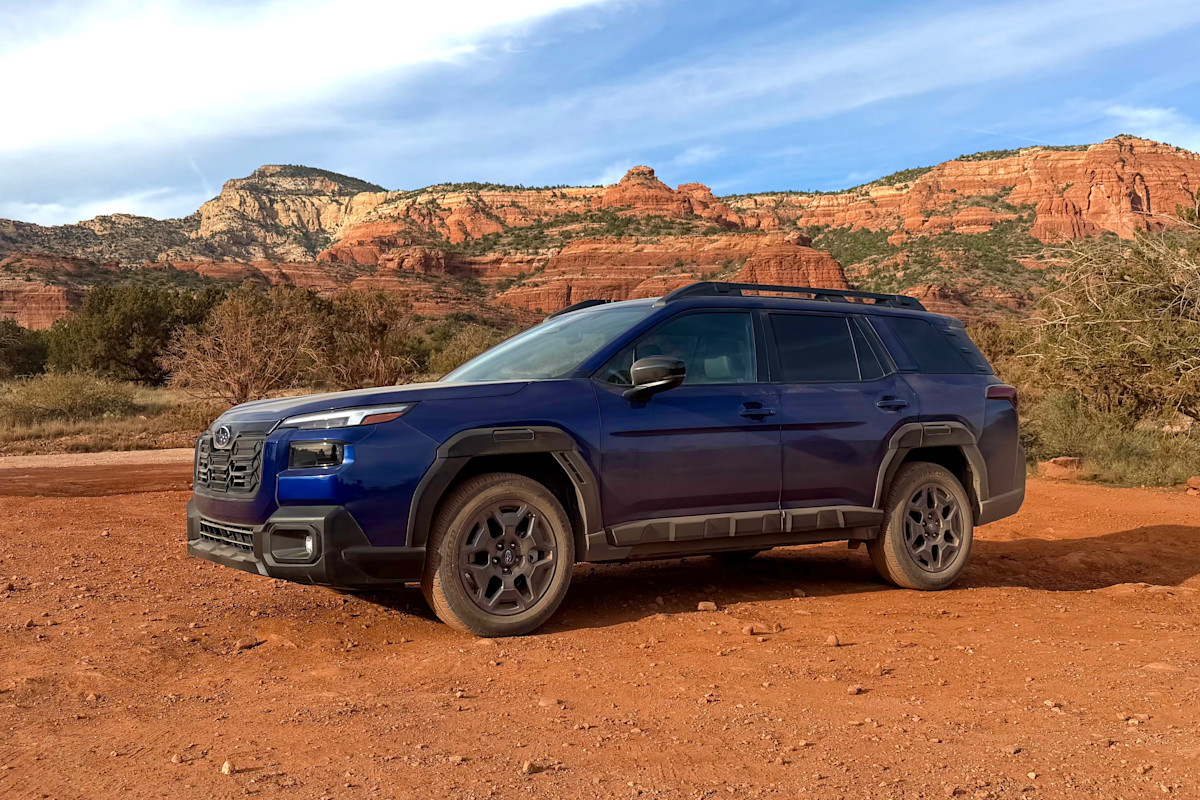
The Outback Wilderness trim level maximizes the traditional wagon's appeal for active families. With generous ground clearance and standard all-wheel drive (AWD), it handles both daily commuting and weekend adventures. The wagon format provides easy loading access while maintaining car-like driving dynamics.
It's worth noting that the Outback's interior width may feel constrained when accommodating multiple car seats compared to more upright SUV alternatives like its sibling, the Subaru Forester. But smaller families working with just one car seat should be fine.
The CarGurus Verdict:"In terms of price, performance, and practicality, we found no notable flaws with the redesigned Outback, making it a top choice for adventure-bound shoppers." - Mark Takahashi
CarGurus expert rating: 7.2 out of 10
CarGurus user rating: 4.5 out of 5
Percentage of Good and Great Deals available on CarGurus: 32.6%
Overall CarGurus rating: 4.5 out of 5
Pros
Cons
Multiple powertrain options
Not all advanced safety features are standard
Easy-to-use technology
Poor value for money
Fuel-efficient diesel engine
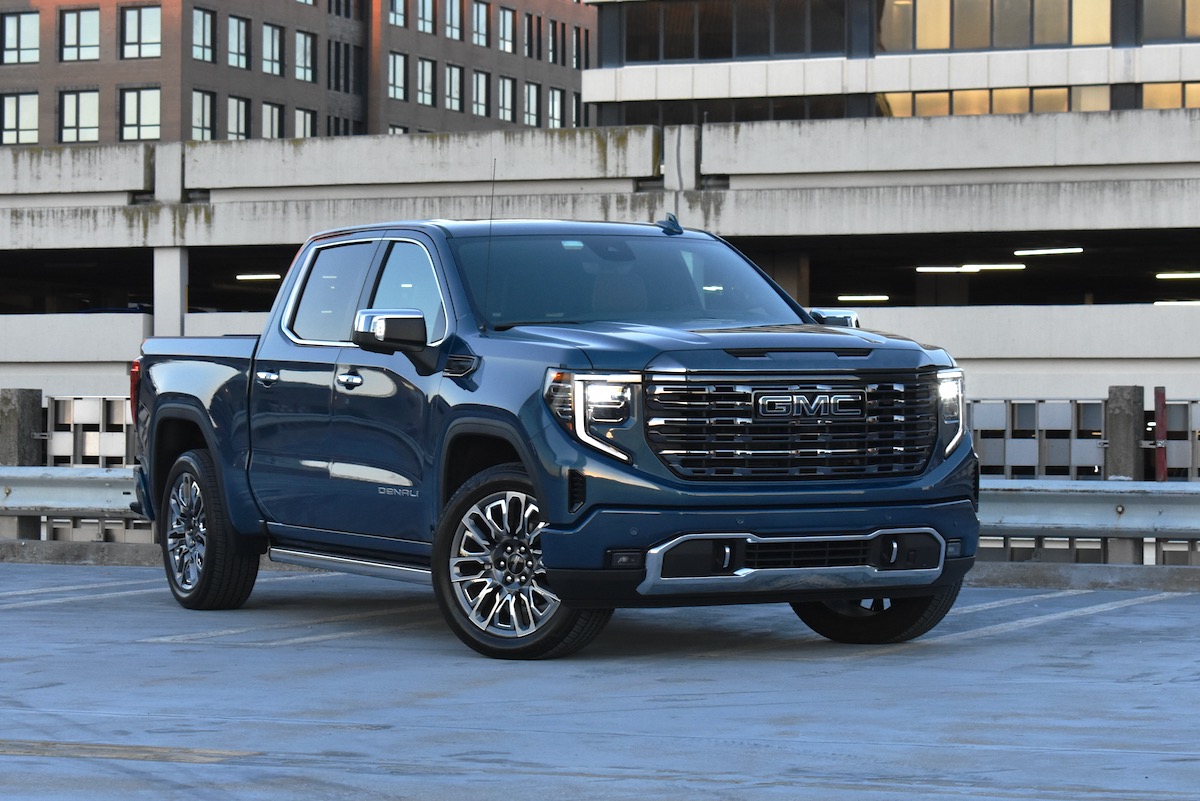
For new parents who need maximum space and flexibility—especially if weekend projects, home moves, or outdoor hobbies are part of the routine—the GMC Sierra 1500 leans into the “do-it-all” lifestyle with a wide range of powertrain choices and a clear focus on comfort. Its easy-to-use tech is a real day-to-day advantage when you’re juggling a fussy baby, a packed diaper bag, and a phone full of navigation and playlists, since a truck that’s straightforward to operate is less mentally taxing on sleep-deprived drives.
The Sierra’s available fuel-efficient diesel engine can also make sense for families who rack up highway miles, helping reduce fuel stops on longer trips. That said, parents should pay close attention to safety and trim selection because not all advanced safety features are standard, and the Sierra’s poor value for money means it’s worth comparing similarly equipped versions before committing—especially if your must-haves include the latest driver-assistance tech rather than purely luxury and style.
The CarGurus Verdict:"The GMC Sierra 1500 keeps pace with rivals by doubling down on luxury and tech." - Stephen Edelstein
CarGurus expert rating: 8 out of 10
CarGurus user rating: 4.9 out of 5
Percentage of Good and Great Deals available on CarGurus: 38.5%
Overall CarGurus rating: 4.5 out of 5
Pros
Cons
Appealing styling
Less cargo space than gasoline crossovers
Easy-to-use technology
Extra-fast charging
For new parents, the Hyundai Ioniq 5’s big win is day-to-day ease: a calm, modern EV that feels thoughtfully laid out when you’re juggling a diaper bag, stroller, and a rear-facing car seat. The cabin design and easy-to-use tech help cut down on the “new car learning curve,” which matters when multiple caregivers may be driving and everyone just wants the basics—navigation, media, and climate—handled quickly and predictably.
It’s also a practical family EV if you can charge at home (or have reliable public charging nearby), thanks to its extra-fast charging capability for road-trip stops and busy weeks. The main compromise for growing families is space efficiency: while the Ioniq 5 is roomy for passengers, it has less cargo space than many similarly sized gasoline crossovers, so packing a stroller plus groceries (or travel gear) may require a bit more planning.
The CarGurus Verdict:"Even five years into its run, the Ioniq 5 remains one of the best EVs around." - Kirk Bell
CarGurus expert rating: 7.3 out of 10
CarGurus user rating: 4.6 out of 5
Percentage of Good and Great Deals available on CarGurus: 35.9%
Overall CarGurus rating: 4.5 out of 5
Pros
Cons
Ample storage cubbies and compartments
Polarizing design
Great safety ratings
Poor fuel economy
Excellent value
Cramped third row
For new parents, the 2026 Hyundai Santa Fe leans into everyday usefulness with a family-first cabin layout and lots of smart storage. Between diaper bags, snack containers, wipes, and water bottles, the Santa Fe’s ample cubbies and compartments help keep the front seats and second row from turning into a rolling catch-all, and the overall design prioritizes function even if the look isn’t to everyone’s taste.
Safety is a major reason to put the Santa Fe on your shortlist, especially if you’ll be doing daycare runs and longer highway trips with a child seat on board. It also rates well for value, which matters when you’re balancing new-parent expenses—but it’s worth going in with eyes open about tradeoffs, including fuel economy that can lag behind some rivals and a third row that’s better reserved for occasional, short trips rather than regular kid-hauling duty as your family grows.
The CarGurus Verdict:"Form follows function with the 2026 Hyundai Santa Fe." - Christian Wardlaw
CarGurus expert rating: 6.2 out of 10
CarGurus user rating: 4.7 out of 5
Percentage of Good and Great Deals available on CarGurus: 37.6%
Overall CarGurus rating: 4.5 out of 5
Pros
Cons
Stylish design
Poor fuel economy (Turbo)
Fun to drive
Uncomfortable seats
Great safety ratings
Outdated technology
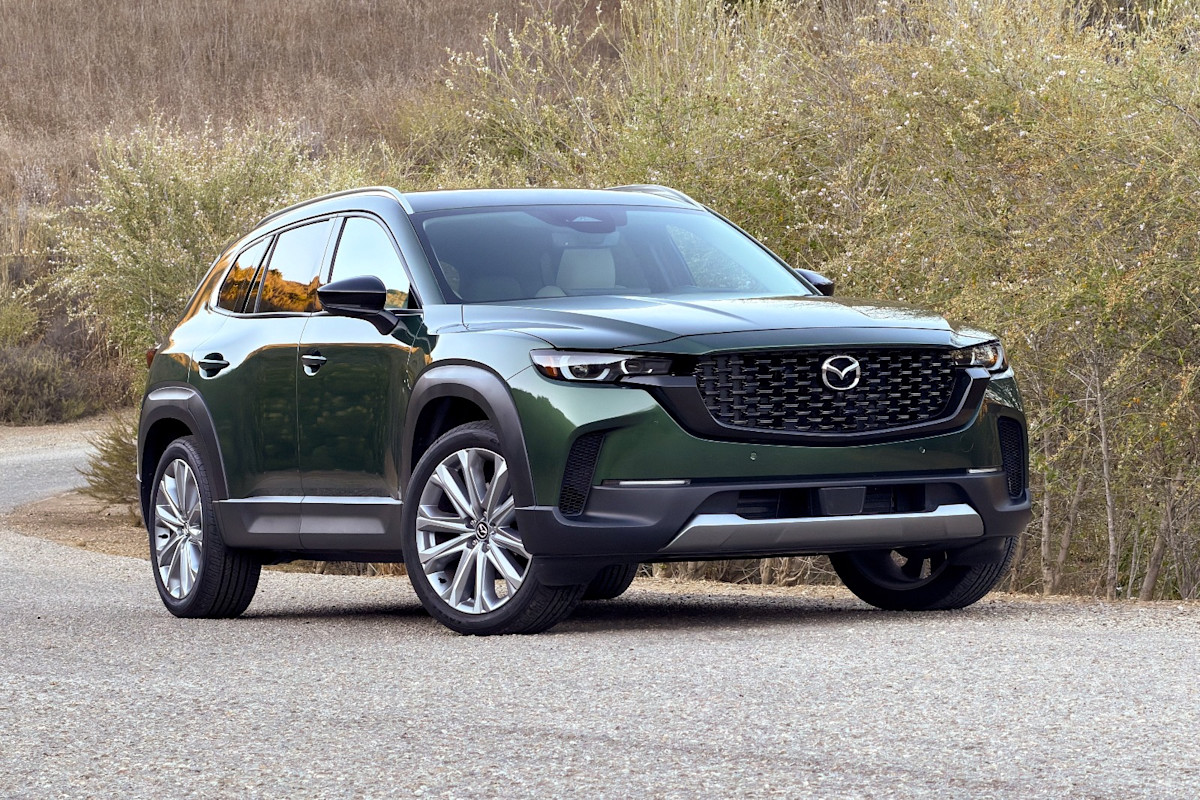
For new parents, the 2026 Mazda CX-50 is the kind of small SUV that makes everyday errands feel less like a chore, mixing a sporty driving character with the practical shape and ride height families tend to prefer. That “fun to drive” personality can be a real perk when you’re squeezing in daycare drop-offs, grocery runs, and late-night pharmacy trips—especially if you want something that doesn’t feel numb behind the wheel.
On the family-usage side, strong safety ratings are a major plus when you’re shopping with a rear-facing car seat and a stroller in mind. Still, there are tradeoffs worth considering: some shoppers may find the seats uncomfortable on longer drives (think weekend visits to grandparents), and the tech interface may feel dated compared with newer rivals—two areas that can matter when you’re spending lots of time in the car with a baby and you want stress-free comfort and easy connectivity. If you’re looking at Turbo models, keep an eye on fuel economy, since frequent short trips can already be hard on efficiency.
The CarGurus Verdict:"For driving fun mixed with practicality, check out the 2026 Mazda CX-50." - Christian Wardlaw
8. Chevrolet Silverado 1500 (or GMC Sierra 1500) Crew Cab
CarGurus expert rating: 5.3 out of 10
CarGurus user rating: 4.5 out of 5
Percentage of Good and Great Deals available on CarGurus: 32.2%
Overall CarGurus rating: 4.4 out of 5
Pros
Cons
Spacious
Poor fuel economy
Easy-to-use technology
Blind-spot warning not standard
Diesel engine option
Concerning safety ratings
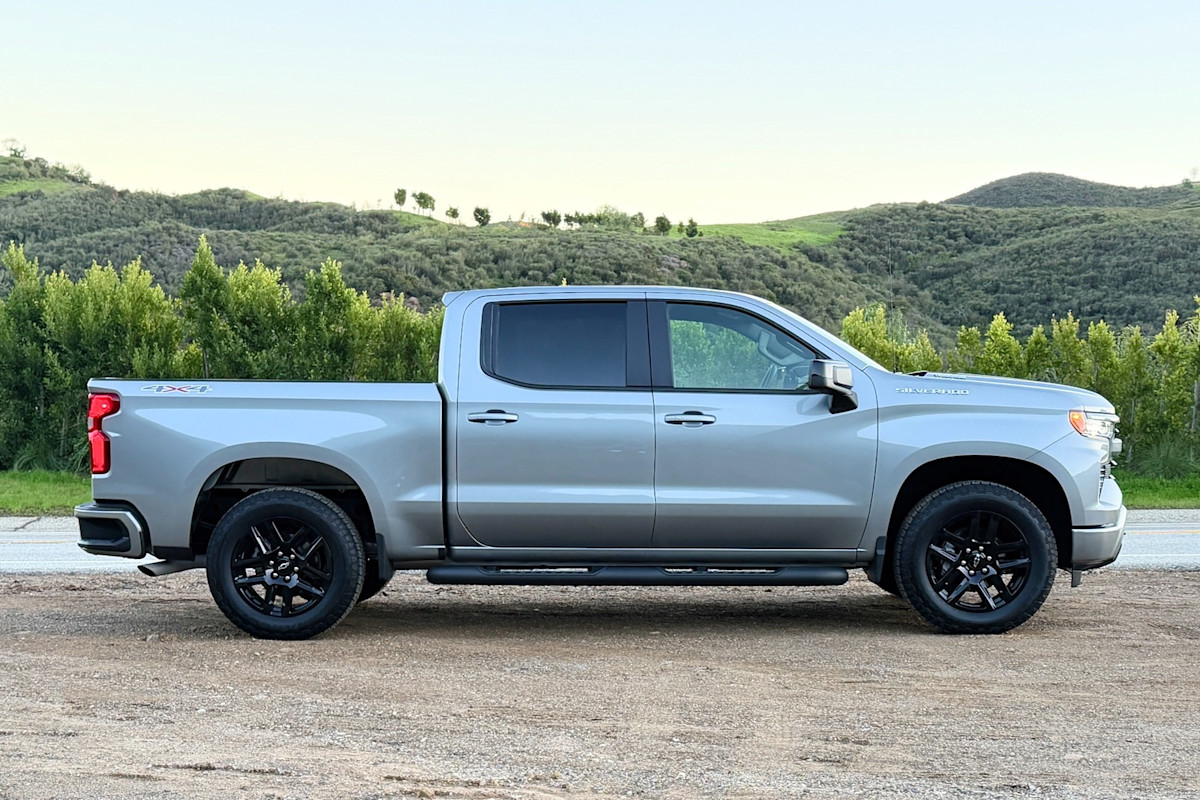
A full-size pickup truck with a crew cab offers tons of family utility, particularly for those in suburban and rural areas. The high seating position and large door openings of vehicles like the Chevrolet Silverado 1500 and its corporate cousin, the GMC Sierra 1500, make child-loading effortless. Meanwhile, the spacious rear seat accommodates car seats without compromising front passenger comfort.
A truck bed can easily handle the bulky items, like strollers and sports equipment, that might eat up excessive interior cargo space in SUVs, effectively providing the utility of a minivan with the capability of a truck.
The CarGurus Verdict:"Chevrolet needs to go back to the drawing board to design and engineer a competitive full-size pickup truck. Keep the Duramax, the Google-built-in infotainment system, the CornerStep bumpers, and the Super Cruise option. Ditch everything else, because brand loyalty can’t support sales forever, and time is running out." - Christian Wardlaw
CarGurus expert rating: 8.3 out of 10
CarGurus user rating: 4.4 out of 5
Percentage of Good and Great Deals available on CarGurus: 35.0%
Overall CarGurus rating: 4.4 out of 5
Pros
Cons
Stylish design
Unintuitive technology
Standard advanced safety features
Poor ergonomic design
Excellent value for money
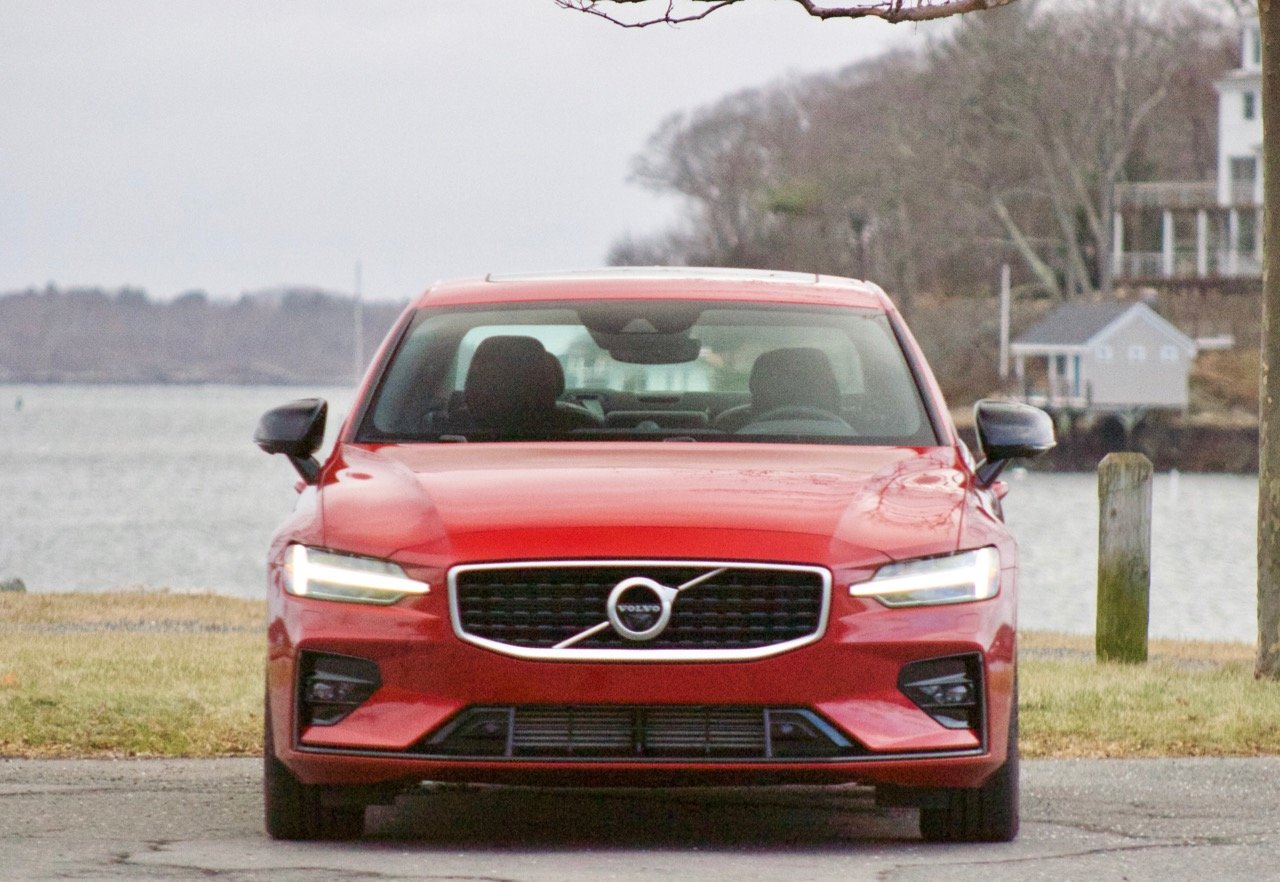
For new parents who still want a sedan that feels special for the daily grind, the 2019 Volvo S60 blends small-luxury style with an athletic vibe. That matters when you’re bouncing between daycare drop-off, pediatrician visits, and late-night grocery runs—because if you actually like your car, the routine is easier to live with. Value is part of the appeal here, too, especially when baby gear, insurance, and recurring kid expenses quickly crowd the budget.
Safety is a major reason families gravitate toward Volvo, and the S60’s standard advanced safety features are a meaningful benefit when you’re driving sleep-deprived or navigating chaotic parking lots. That said, new parents should pay extra attention to day-to-day usability: the S60’s tech can feel unintuitive, and the cabin’s ergonomic quirks may get old when you’re frequently adjusting settings with one hand while keeping the other ready for pacifiers, bottles, or a back-seat check.
The CarGurus Verdict:"The 2019 Volvo S60 packages athleticism and beauty in a competitive small luxury sedan." - George Kennedy
CarGurus expert rating: 7.2 out of 10
CarGurus user rating: 4.2 out of 5
Percentage of Good and Great Deals available on CarGurus: 27.1%
Overall CarGurus rating: 4.3 out of 5
Pros
Cons
Fuel-efficient
All-wheel drive not available
Comfortable
The Civic Hatchback with its new hybrid powertrain represents practical family transportation at its most efficient. It may be a compact car, but the hatchback configuration provides more cargo flexibility than its sedan counterpart, and Honda's reputation for reliability means this vehicle could easily serve a family from the birth of their first child on through the teenage driving years.
The Civic's modest dimensions make it particularly suitable for families in urban areas, who may prioritize maneuverability and fuel economy over maximum interior space. Those who prefer a roomier vehicle might look to the larger Honda Accord, which is also available as a hybrid.
The CarGurus Verdict:"All things considered, it's a fairly even match in this class when it comes to the specs, but the Honda Civic Hybrid gains an advantage over the rest with its more engaging driving manners and more conventional interior. It represents an easier transition from traditional non-hybrids with no discernible drawbacks besides price." - Mark Takahashi
Door Access: The ability to fully open rear doors matters more than overall interior space when you’re dealing with car seats daily. Doors that can open 90 degrees on a compact SUV or sedan often prove more practical than similar ones on a massive vehicle-the larger the door, the more challenging it is to fully open in tight parking situations. This, of course, is one of the reasons minivans (and their sliding doorS) are so popular with families.
Reach Distance: In longer sedans and SUVs, parents may find themselves unable to reach little ones from the front seat. This is of particular importance during the infant stage, when quick intervention can prevent escalated crying.
Load Height: Vehicles with taller ride heights reduce back strain during the countless hours spent installing and removing car seats. Too low requires excessive bending; too high requires lifting children overhead.
Future Flexibility: It’s easy to underestimate how your family’s needs will evolve as your children grow. The rear-facing infant stage, while intensive, typically lasts only a few years. Planning for forward-facing seats, booster seats, and eventually independent children in seat belts helps avoid multiple vehicle changes.
Cargo Reality: Strollers alone can eliminate third-row utility in many SUVs. Families should realistically assess gear requirements against available space in any new car.
Safety Ratings: Every parent cares about their children’s well-being, making safety a no-brainer as a requirement for car shopping. But before you head to the dealership, consider that it’s not just about driver-assistance features and crash-prevention technologies anymore. The Insurance Institute for Highway Safety (IIHS) also tests vehicles for seatbelt reminders and LATCH system ease of use, both of which are important when transporting kids.
What Makes CarGurus Best Cars Guides Different?
Most car-shopping websites publish lists of the best cars across a variety of categories, with recommendations generally driven by editorial expertise. Here's what makes ours different: In addition to the insights and verdicts of our team of car-testing experts, our best cars guides take into account other factors that we know matter to buyers-real owner experiences and current market value.
Our expert reviewers are among this country's most trusted automotive journalists, also writing for publications including US News and World Report, Edmunds, Digital Trends, J.D. Power, and Car & Driver. They put each car through real-world testing and create detailed reviews of performance in a range of categories, from practicality and driving manners to cost-effectiveness and safety.
We also analyze hundreds of thousands of used car listings on CarGurus.com to track which models consistently offer the highest percentage of best deals relative to how many are listed for sale. Then we factor in reviews from owners-people who actually live with these cars every day. Our proprietary Best Cars algorithm then creates a final Overall CarGurus rating combining expert scores, user reviews, and the percentage of listings that have earned the Good or Great Deal rating. This multi-pronged approach reveals not just which cars excel on paper, but which ones deliver satisfaction and value when you're ready to buy.
The CarGurus market data used in this guide was last updated in September 2026. Values were accurate at time of publication and should be used as a guide only.
Sometimes our content pages are the result of a team effort. As with all CarGurus editorial, you can expect high levels of automotive insight and expertise delivered in a style that is approachable and free from jargon.
The content above is for informational purposes only and should be independently verified. Please see our Terms of Use for more details.