2022 Subaru Outback vs 2021 Volvo XC60

Overview | |
MSRP$41,700 | MSRP$27,645 |
Listings88 | Listings253 |
Ratings & Reviews | |
User Reviews | User Reviews |
Expert reviews8.0 out of 10 | Expert reviews7.5 out of 10 |
Pros
Cons
| Pros
Cons
|
2021 Volvo XC60 Reviews SummaryIn the middle of a very competent trio of crossover SUVs, the 2021 Volvo XC60 impresses with luxury-level appointments, cool Scandinavian style, exceptional safety features, and a lusty powertrain. Volvo makes a case for its inclusion in the premium vehicle class with the XC60, and it manages to squeeze value out of every drop of gas, too. | |
2022 Subaru Outback Reviews SummaryThe wilderness beckons and Subaru owners frequently answer the call. They modify and outfit their Subies for improved capabilities in the great outdoors, but in the process, they risk reducing the effectiveness of the carefully calibrated EyeSight driving aids that now come standard on most of the automaker's models. To address this EyeSight calibration problem while giving its owners the improved off-road capabilities they seek, Subaru presents the all-new 2022 Outback Wilderness, the first of several so-themed SUVs planned for the automaker's product pipeline. | |
No video found | |
Popular Features & Specs | |
Engine2.0L 250 hp I4 | Engine2.5L 182 hp H4 |
Drive TrainFWD | Drive TrainAWD |
Seating Capacity5 | Seating Capacity5 |
Horsepower250 hp @ 5500 rpm | Horsepower182 hp @ 5800 rpm |
MPG City22 | MPG City26 |
MPG Highway29 | MPG Highway33 |
Engine | |
Engine Name2.0L 250 hp I4 | Engine Name2.5L 182 hp H4 |
Torque258 lb-ft @ 1500 rpm | Torque178 lb-ft @ 4400 rpm |
Horsepower250 hp @ 5500 rpm | Horsepower182 hp @ 5800 rpm |
DrivetrainFWD | DrivetrainAWD |
Fuel Economy | |
MPG City22 | MPG City26 |
MPG Highway29 | MPG Highway33 |
Interior | |
Leather SeatsStandard | Leather Seats |
Seating Capacity5 | Seating Capacity5 |
Key Features | |
Sunroof/MoonroofStandard | Sunroof/Moonroof |
Safety | |
Front Crash Overall5 | Front Crash Overall5 |
Side Crash Overall5 | Side Crash Overall5 |
Dimensions & Capacity | |
Cargo Space37.8 cu ft | Cargo Space32.5 cu ft |
Curb Weight4008 lbs | Curb Weight3634 lbs |
Height65.3 in | Height66.1 in |
Length184.6 in | Length191.3 in |
Width83.3 in | Width82.0 in |
Wheelbase112.8 in | Wheelbase108.1 in |
Maximum Payload950 lbs | Maximum Payload |
Number of doors4 | Number of doors4 |
Maximum Towing Capacity3500 lbs | Maximum Towing Capacity2700 lbs |
Overview | ||
MSRP | $41,700 | $27,645 |
Listings | ||
Ratings & Reviews | ||
User reviews | ||
Expert reviews | 8.0 out of 10Read full review | 7.5 out of 10Read full review |
Pros & cons | Pros
Cons
| Pros
Cons
|
Summary | In the middle of a very competent trio of crossover SUVs, the 2021 Volvo XC60 impresses with luxury-level appointments, cool Scandinavian style, exceptional safety features, and a lusty powertrain. Volvo makes a case for its inclusion in the premium vehicle class with the XC60, and it manages to squeeze value out of every drop of gas, too. | The wilderness beckons and Subaru owners frequently answer the call. They modify and outfit their Subies for improved capabilities in the great outdoors, but in the process, they risk reducing the effectiveness of the carefully calibrated EyeSight driving aids that now come standard on most of the automaker's models. To address this EyeSight calibration problem while giving its owners the improved off-road capabilities they seek, Subaru presents the all-new 2022 Outback Wilderness, the first of several so-themed SUVs planned for the automaker's product pipeline. |
Video | No video found | |
Popular Features & Specs | ||
Engine | 2.0L 250 hp I4 | 2.5L 182 hp H4 |
Drive Train | FWD | AWD |
Seating Capacity | 5 | 5 |
Horsepower | 250 hp @ 5500 rpm | 182 hp @ 5800 rpm |
MPG City | 22 | 26 |
MPG Highway | 29 | 33 |
Engine | ||
Engine Name | 2.0L 250 hp I4 | 2.5L 182 hp H4 |
Torque | 258 lb-ft @ 1500 rpm | 178 lb-ft @ 4400 rpm |
Horsepower | 250 hp @ 5500 rpm | 182 hp @ 5800 rpm |
Drivetrain | FWD | AWD |
Fuel Economy | ||
MPG City | 22 | 26 |
MPG Highway | 29 | 33 |
Interior | ||
Leather Seats | Standard | |
Seating Capacity | 5 | 5 |
Key Features | ||
Sunroof/Moonroof | Standard | |
Safety | ||
Front Crash Overall | 5 | 5 |
Side Crash Overall | 5 | 5 |
Dimensions & Capacity | ||
Cargo Space | 37.8 cu ft | 32.5 cu ft |
Curb Weight | 4008 lbs | 3634 lbs |
Height | 65.3 in | 66.1 in |
Length | 184.6 in | 191.3 in |
Width | 83.3 in | 82.0 in |
Wheelbase | 112.8 in | 108.1 in |
Maximum Payload | 950 lbs | |
Number of doors | 4 | 4 |
Maximum Towing Capacity | 3500 lbs | 2700 lbs |
Though it wasn’t a surprise anymore, it was worth noting back then: Volvo, the Swedish car brand, hadn't been purely Swedish in a long time. After 72 years of independence, Ford bought Volvo in 1999 and kept it until 2010. During Ford’s ownership, Volvo had to share platforms and engineering with Ford brands, leading to some odd “synergy” with shared parts among Ford, Mazda, and Volvo models. Post-2008 economic crisis, Ford sold Volvo to Geely Holding Group, a gigantic Chinese company. This move marked a rebirth for Volvo; they shed their Ford shackles and acted like a startup car company but with decades of experience in the industry. With Geely’s support, Volvo produced a near-luxury collection of cars and crossover SUVs that were consistently among the safest-rated and most innovative.
The 2021 XC60, positioned between the smaller XC40 and the larger XC90, sat right in the middle of Volvo’s crossover lineup. Built on Volvo’s Scalable Product Architecture (SPA) platform since 2018, the XC60 shared this platform with other 60-series (S60 sedans, V60 wagons) and 90-series (XC90 crossovers, S90 sedans, V90 wagons) vehicles.
Volvo’s crossovers had an elegant, tailored two-box design with short front and rear overhangs. The body sides were athletically tucked in with crisp details emphasizing an agile form. The upright grille at the front wore Volvo’s iron mark logo with pride, and the front headlights had LED daytime running lights shaped like Thor’s hammer, adding a distinctly Swedish touch.
Paint quality, chrome, and trim were beautifully executed. The alloy wheels, which could be up to 21 inches on top trims, were both fashionable and attractive.
Inside, the XC60 was even more impressive. The interior boasted clean lines, authentic materials, and a serene aura that were quintessentially Scandinavian. The infotainment system featured a 9-inch portrait-oriented display, which had been a point of contention in its early years but was more widely accepted by 2021.
Little details like the elegant design and operation of the HVAC vents, controlled by a single grooved, chromed knob, elevated the XC60 to near-luxury status. The harmonious textures and colors throughout the cabin made it a very pleasant place to spend time.
The 2022 Subaru Outback Wilderness stretched the notion that the Outback was still a station wagon; in reality, it might have been closer to a Jeep. Offering 9.5 inches of ground clearance, this figure was 0.8 inches higher than other Outback versions. The raised ride height, aggressive all-terrain tires under oversized fender protection trim, and improved approach and departure angles due to restyled front and rear bumpers were standout features.
Additional design distinctions included a unique grille design, black 17-inch wheels, blacked-out exterior trim with Anodized Copper accents, and a glare-reducing matte black hood decal. The new roof rack and roof rail system could support a 700-pound static load, making it suitable for rooftop camping. Geyser Blue was also a new and exclusive paint hue for the Outback Wilderness.
Inside, the cabin was a sea of dark gray and black. StarTex water-repellant upholstery resembled leather but wasn’t, providing utility without compromising on visual appeal. While ventilated seats would have been a welcome addition, the Wilderness only offered heated seats. The black headliner, Gunmetal Gray interior trim, Anodized Copper stitching and accents, brushed aluminum pedals, and standard all-weather floor mats completed the cabin’s rugged look. The waterproof rear seatback material and cargo tray were also part of the Wilderness package.
These modifications gave the Outback Wilderness a distinct identity from standard Outback models.


The 2021 Volvo XC60 came equipped with a four-cylinder, 2.0-liter gasoline engine paired with an eight-speed automatic transmission across all its variants. T5 models offered both front-wheel drive (FWD) and all-wheel drive (AWD), while T6 and T8 models were exclusively AWD.
The T5 model, with direct gasoline injection and a turbocharger, produced 250 horsepower and 258 pound-feet of torque. The T6 model combined direct gasoline injection, a turbocharger, and a supercharger to deliver 316 hp and 295 lb-ft of torque. The T8 model added an 87-hp electric motor, pushing the combined output to 400 hp and 472 lb-ft of torque. The T8 Polestar Engineered model further tweaked this combination, offering 415 hp (combined) and 472 lb-ft of torque (combined).
The test vehicle, a top-of-the-line XC60 T8 Polestar Engineered, was the most powerful in the lineup. As a plug-in hybrid (PHEV), it could drive up to 19 miles on electric power alone. At other times, the XC60 operated like a smart hybrid, balancing the use of its gasoline engine and electric motor, recapturing energy during braking, and boosting gasoline engine performance when needed.
With its ideal size and bulk, the XC60 felt solid and secure on the road, without the cumbersome feel of a truck. The AWD system and torque vectoring allowed it to glide around corners effortlessly, making for an easy-to-drive vehicle. The cabin was incredibly quiet, and the suspension provided a smooth ride, making it an excellent choice for road trips.
The EPA rated the XC60’s fuel economy from 22 mpg city/29 mpg highway/25 mpg combined (T5 FWD) to 27 mpg combined for the T8 PHEV and 57 MPGe combined for the T8 in electric-only mode. All XC60 models required premium gasoline (91-93 octane).
The 2022 Subaru Outback Wilderness featured a turbocharged 2.4-liter 4-cylinder engine configured in Subaru's traditional horizontally opposed, or flat, layout. This engine, shared with other turbo Outback XT models, generated 260 horsepower at 5,600 rpm and 277 lb-ft of torque between 2,000 and 4,800 rpm. This provided ample power for the midsize, 3,896-pound, 5-passenger crossover SUV and enabled a maximum towing capacity of 3,500 lbs.
The EPA rated the Outback Wilderness’s fuel efficiency at 24 mpg in combined driving, though our testing yielded an average of 21.3 mpg on a mountainous route that included about 1,800 feet of elevation gain.
The engine was strong, but acceleration and driving engagement could have been better with a dual-clutch automatic transmission (DCT) instead of the continuously variable transmission (CVT). Despite having eight programmed ratios and paddle shifters, the CVT’s droning and soft, simulated "gear changes" made maximum acceleration less satisfying. However, in most driving situations, this wasn’t a significant issue.
All Outbacks came with standard AWD. The Wilderness trim, in particular, featured unique wheels and tires, suspension, and traction systems. With 9.5 inches of ground clearance and gloss-black 17-inch wheels wrapped in 225/65R17 Yokohama Geolandar all-terrain tires, the Wilderness model offered excellent off-pavement performance. However, these tires limited cornering capability on pavement, which was not the Outback Wilderness's primary focus.
The revised front and rear bumpers provided better approach, breakover, and departure angles of 20 degrees, 21.2 degrees, and 23.6 degrees, respectively. These improvements, combined with the standard front skid plate and optional full underbody skid plating, made the Wilderness the most capable Outback ever. Its CVT, equipped with revised final-drive ratios, allowed it to scale a 40% grade. The dual-function X-Mode traction system included Snow/Dirt and Deep Snow/Mud modes, plus hill descent control, and the unique X-Mode could remain engaged at speeds above 25 mph.
While quick but soft on pavement, the Outback Wilderness shined off-road. It handled groomed yet challenging trails adeptly, negotiated steep inclines and descents, and traversed rugged terrain with ease. Thus, the Wilderness was ideal for those who needed off-road capability without compromising highway manners significantly.
The XC60 was designed very well for its main purpose—transporting people safely from point A to point B in comfort and style, with serenity and even a touch of fun.
Volvo’s front row seats rightly earned praise for their adjustability and comfort. During winter testing, the heating system effectively handled sub-freezing Michigan temperatures, with quick-warming heated seats for both the driver and front passenger. The assertive rear glass heater, windshield defroster, washer, and wipers tackled ice and snow buildup impressively. Though the Volvo excelled in winter conditions, an evaluation of its performance in summer circumstances was still to be conducted.
The HVAC vents were another highlight, impressively combining elegance and functionality. Storage solutions were smartly integrated throughout the cabin, with compartments in the center console, dashboard, and door panels in the front row. In the second row, secure storage options included seatback pockets, lower center console storage, door panel compartments, and a center armrest. Controls were intuitive and glove-friendly, further proving Volvo’s mastery of handling winter challenges.
The XC60 offered 21.6 cubic feet of cargo space behind the rear seats, expandable to 63.6 cubic feet when the rear seats were folded down. All XC60 models had a towing capacity of up to 3,500 pounds.
The Outback Wilderness featured dark gray StarTex upholstery, a water-repellant simulated leather that prevented both water and sweat from soaking into the seats. While this feature was beneficial in cold weather and the front seats were heated, the StarTex material could make passengers uncomfortable in hot weather due to its tendency to retain heat and moisture. Ventilated seats were notably absent in the Wilderness model.
During a hot testing day, while the seats kept the tester’s backside damp, the dual-zone automatic climate control effectively cooled the front of the body. The driver’s seat had 10-way power adjustment, and the front passenger’s seat had 8-way power adjustment.
The rear seat offered generous space for two adults or three children, with plenty of room for knees, feet, and heads. Additional amenities included rear air conditioning vents and dual USB charging ports. However, the StarTex material covering the rear seats posed the same comfort issues as the front. Heated rear seats, on the other hand, were a welcome addition for cold days.
Front-seat occupants enjoyed good storage space, while storage for rear passengers was adequate. The cargo area measured 32.5 cubic feet behind the rear seats, expanding to 75.7 cubic feet with the rear seats folded flat. The seatbacks and cargo tray featured waterproof material, and LED lighting in the cargo area proved useful for nighttime adventures.
The Outback Wilderness also came with a more robust roof rack, supporting a 220-pound dynamic load and a 700-pound static load, making it suitable for rooftop camping.
The XC60 centered its infotainment around Volvo’s Sensus system, which used a tablet-like touchpad interface. This system could inspire devotion or rage depending on the user’s familiarity with similar technology. Frequent iPad users would find the swipe, pinch, and pull gestures familiar. The portrait orientation of the Sensus touchpad resembled an iPad mounted into the dashboard.
At startup, the home screen displayed horizontal bands of function—audio, navigation, vehicle, and communications. Touching a quadrant activated the corresponding function. A hard button at the bottom of the screen returned the user to the home screen. While intuitive and simple once familiar, the system had a learning curve and was best explored when not driving.
Smartphone integration included Bluetooth hands-free and streaming audio, Apple CarPlay, Android Auto, and a WiFi hotspot with a three-month free trial. Volvo’s On Call app added vehicle-specific functionality, such as maintenance reminders, remote locking, and remote starting.
The XC60’s audio systems were typically impressive, but the Bowers & Wilkins premium audio system in the test model stood out for its exceptional quality and aesthetic appeal.
The Outback Wilderness featured an 11.6-inch portrait-oriented touchscreen infotainment and climate control system, dominating the center of the dashboard. While physical knobs and buttons were available for stereo volume, tuning, temperature control, and defogging systems, everything else required the use of the touchscreen.
This reliance on the touchscreen wouldn’t have been problematic if the voice recognition technology responded well to natural voice commands. However, it didn’t, making it necessary to learn specific prompts for effective use. Alternatively, connecting Apple CarPlay or Android Auto provided superior voice assistant functionality.
Subaru targeted the Outback Wilderness at mid-30s, educated males with higher incomes. Surprisingly, a premium sound system wasn’t standard. While the Limited XT and Touring XT offered a 12-speaker Harman Kardon system, it wasn’t available for the Wilderness.
One appreciated feature was the Outback’s PIN code entry technology. This allowed the driver to leave the key fob inside the vehicle and access it later using a PIN code, particularly useful for active outdoor activities.
Volvo took pride in its heritage of safety innovations and had made continuous commitments to enhancing occupant and pedestrian safety. The company invented the three-point safety belt, a significant car safety innovation, and though its Vision 2020 goal—“that by 2020 no one should be killed or seriously injured in a new Volvo car”—wasn’t achieved, it still guided safety improvements.
The XC60 benefited from this safety heritage. The 2021 model earned a Top Safety Pick+ rating from the Insurance Institute for Highway Safety (IIHS) and five-star ratings from the National Highway Traffic Safety Administration (NHTSA) for the T5/T5 AWD and T6 AWD models.
Standard safety features included LED headlights, blind-spot monitoring with steering assist, rear cross-traffic alert with automatic emergency braking, collision avoidance, low- and high-speed collision mitigation, vehicle/cyclist/large animal detection, driver alert control, run-off road protection, run-off road mitigation, lane-departure warning, lane-keeping aid, oncoming mitigation, a comprehensive airbag system, and more.
Volvo’s semi-autonomous driving system, Pilot Assist, was available. This system integrated adaptive cruise control with lane-keeping assist and other technologies to maintain speed and position relative to other vehicles and road markings. It could also bring the XC60 to a complete stop when necessary.
Volvo limited the top speed of its vehicles to 112 mph for safety, a rare boast among manufacturers. The T8 Polestar Engineered model’s gold safety belts added a unique and stylish touch to the concept of vehicle safety.
Subaru emphasized the standard EyeSight advanced driving assistance systems (ADAS) in the Outback Wilderness. Powered by two cameras mounted near the rearview mirror, EyeSight included adaptive cruise control, forward-collision warning, automatic emergency braking, lane-departure warning, lane-keeping assistance, lane-centering assistance, and a driver monitoring system. By keeping these systems within factory specifications, Subaru ensured their effective operation, even when the vehicle was modified for the Wilderness treatment.
The Wilderness also featured steering-responsive headlights, a blind-spot warning system with lane-change assistance, and rear cross-traffic warning. However, Subaru's DriverFocus distraction mitigation technology was only available in the Limited and Touring trims.
During testing on California’s Pacific Coast Highway, the EyeSight technology proved effective at maintaining safe following distances and keeping the vehicle centered in its lane. It performed without irritation, though the frequent beeping while acquiring new vehicles could be excessive.
While crash-test results for the 2022 Outback Wilderness were pending, the 2021 standard Outback earned a “Top Safety Pick+” from the IIHS and a 5-star overall rating from the NHTSA.
CarGurus highlights
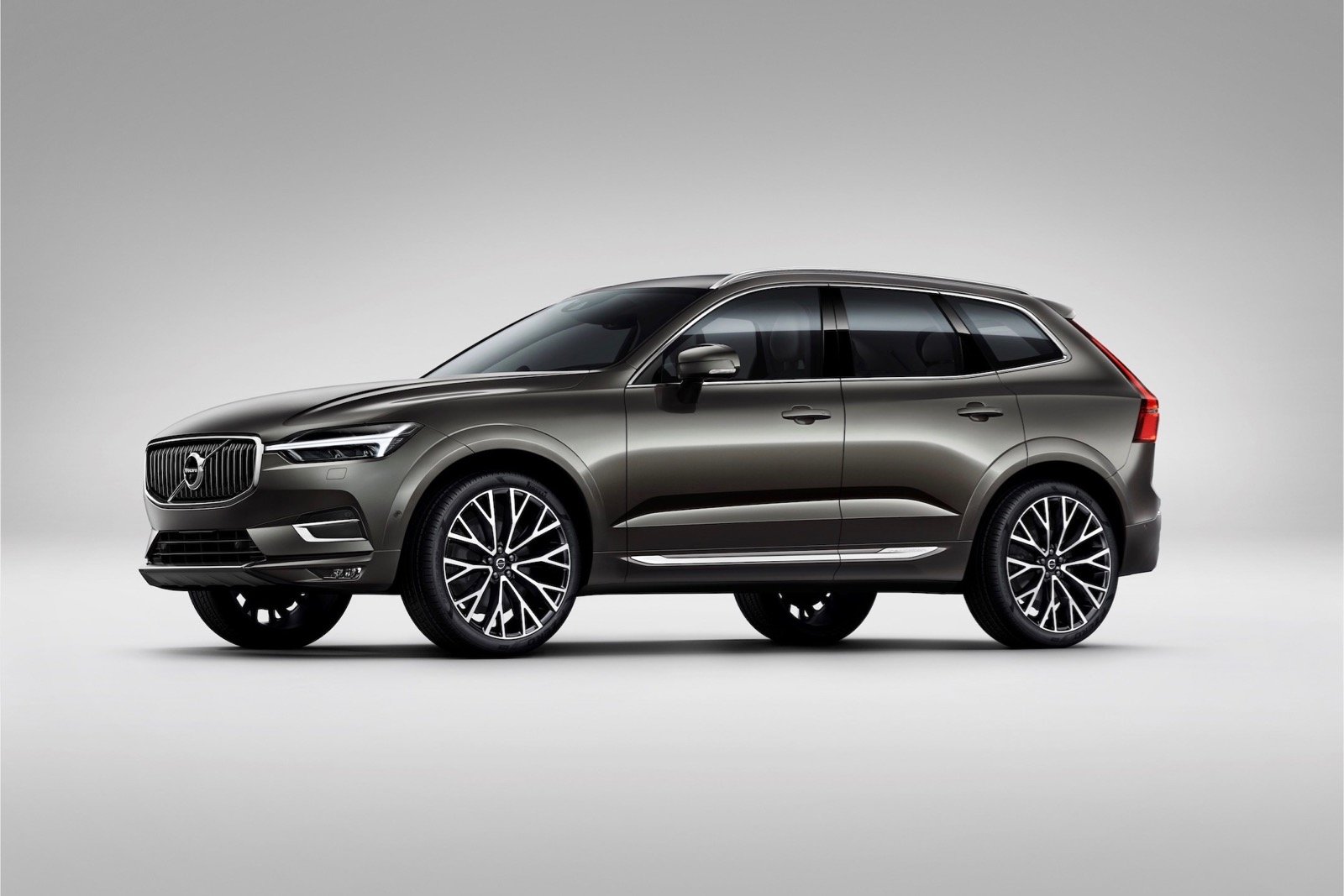
According to CarGurus experts, the overall rating for the 2021 Volvo XC60 was 8.0 out of 10, while the 2022 Subaru Outback scored 7.5 out of 10. Both vehicles catered to different types of buyers. The 2021 Volvo XC60 excelled in luxury, technology, safety, and comfort, making it an ideal choice for those prioritizing a premium driving experience with advanced safety features. The 2022 Subaru Outback Wilderness, on the other hand, stood out in off-road capability, ruggedness, and practical design tailored for outdoor enthusiasts and adventure seekers. Given the higher rating and overall balance of luxury, safety, and performance, the 2021 Volvo XC60 emerged as the recommended choice according to CarGurus experts.
Choose the 2022 Subaru Outback if:
- Off-road capability and rugged design are essential for your outdoor adventures.
- You need a vehicle with high ground clearance and robust roof rack options for camping and other activities.
- Superior AWD performance and a capable traction system for various terrains and weather conditions.


Choose the 2021 Volvo XC60 if:
- You want a luxurious and elegantly designed interior with high-quality materials and advanced features.
- Advanced safety features and high safety ratings are a priority for you.
- You prefer a versatile vehicle with multiple powertrain options, including a powerful PHEV variant.


CarGurus highlights
According to CarGurus experts, the overall rating for the 2021 Volvo XC60 was 8.0 out of 10, while the 2022 Subaru Outback scored 7.5 out of 10. Both vehicles catered to different types of buyers. The 2021 Volvo XC60 excelled in luxury, technology, safety, and comfort, making it an ideal choice for those prioritizing a premium driving experience with advanced safety features. The 2022 Subaru Outback Wilderness, on the other hand, stood out in off-road capability, ruggedness, and practical design tailored for outdoor enthusiasts and adventure seekers. Given the higher rating and overall balance of luxury, safety, and performance, the 2021 Volvo XC60 emerged as the recommended choice according to CarGurus experts.
Choose the 2022 Subaru Outback if:
Shop Now- Off-road capability and rugged design are essential for your outdoor adventures.
- You need a vehicle with high ground clearance and robust roof rack options for camping and other activities.
- Superior AWD performance and a capable traction system for various terrains and weather conditions.
Choose the 2021 Volvo XC60 if:
Shop Now- You want a luxurious and elegantly designed interior with high-quality materials and advanced features.
- Advanced safety features and high safety ratings are a priority for you.
- You prefer a versatile vehicle with multiple powertrain options, including a powerful PHEV variant.

By: CarGurus + AI
At CarGurus, our team of experienced automotive writers remain at the heart of our content operation, conducting hands-on car tests and writing insightful guides that are backed by years of industry experience. To complement this, we are harnessing AI to make our content offering more diverse and more helpful to shoppers than ever. To achieve this, our AI systems are based exclusively on CarGurus content, ratings and data, so that what we produce is both unique to CarGurus, and uniquely helpful to car shoppers.

